Why Finding a Local Termite Exterminator Matters in Druid Hills

Termite Exterminator Druid Hills homeowners rely on plays a critical role in protecting properties from the silent destruction caused by subterranean termites. These pests thrive in the humid climate and rich soil that characterize neighborhoods like Druid Hills, Brookhaven, and Decatur. Historic homes with older wooden foundations and mature landscaping provide ideal pathways for colonies to spread unnoticed.
Beyond the obvious structural damage, termites can erode a home’s market value dramatically. A single infestation can shave tens of thousands of dollars off a resale price, and the repair costs often exceed what most homeowners expect. While termites do not pose direct health hazards, the water-damaged wood they leave behind can foster mold growth, creating indoor air quality concerns for families.
The U.S. Environmental Protection Agency estimates that termites cause roughly $5 billion in property damage each year nationwide. Georgia consistently ranks in the top 5 states for termite activity, according to data from the Georgia Department of Agriculture. This high prevalence means that timely, knowledgeable intervention is not a luxury—it’s a necessity.
Choosing a nearby exterminator offers two critical advantages:
- Rapid response: Local technicians can reach your home quickly, assess damage, and begin treatment before the colony expands.
- Regional expertise: Professionals familiar with Druid Hills’ soil composition, building styles, and seasonal patterns can tailor a plan that targets the specific species and behaviors found in our area.
When you partner with a trusted local provider like Anthem Pest Control, you gain the peace of mind that comes from swift, effective termite management—protecting both your home’s structure and its long‑term value.
Spotting the Signs of an Infestation
Early detection is the single most effective weapon against costly termite damage. Homeowners who spot the first clues can call a professional before colonies spread through walls, floors, and foundations.
Mud Tubes on Foundations and Walls
Mud tubes are the highways termites build to travel between the soil and your home. Look for smooth, pencil‑thin tunnels hugging the foundation, crawl spaces, or the lower sections of exterior walls, especially after rain. These tubes are usually moist and may appear darker where they contact the soil.
Discarded Wings Near Light Sources
Discarded wings appear as a thin, paper‑like carpet near light fixtures, windows, or doorways. Swarmers shed their wings after the first flight, so a sudden pile of translucent wings is a red flag. They are most common in late summer when colonies produce new reproductives.
Hollow‑Sounding Wood When Tapped
Hollow-sounding wood is a classic tell-tale sign of termite damage. When you tap a wooden beam or floorboard, a solid knock indicates healthy timber, while a dull, resonant thud suggests internal damage caused by termites eating from the inside out. If you notice sagging, cracking, or weakened structural areas in your home, it’s time to contact a Termite Exterminator Druid Hills homeowners trust for a professional inspection and immediate treatment.
Frass (Termite Droppings) Piles
Frass, the dry, sand‑like droppings left by drywood termites, often collects in small piles near exit holes or along baseboards. The pellets are slightly larger than sawdust and may be mistaken for debris, but their uniform shape makes them easy to identify. Frass can also appear as tiny holes in the wood surface, each about the size of a pinhead.
According to the 2023 NPMA Homeowner Survey, 70 % of homeowners discover termites only after visible damage has already occurred — a statistic that underscores why vigilance matters.
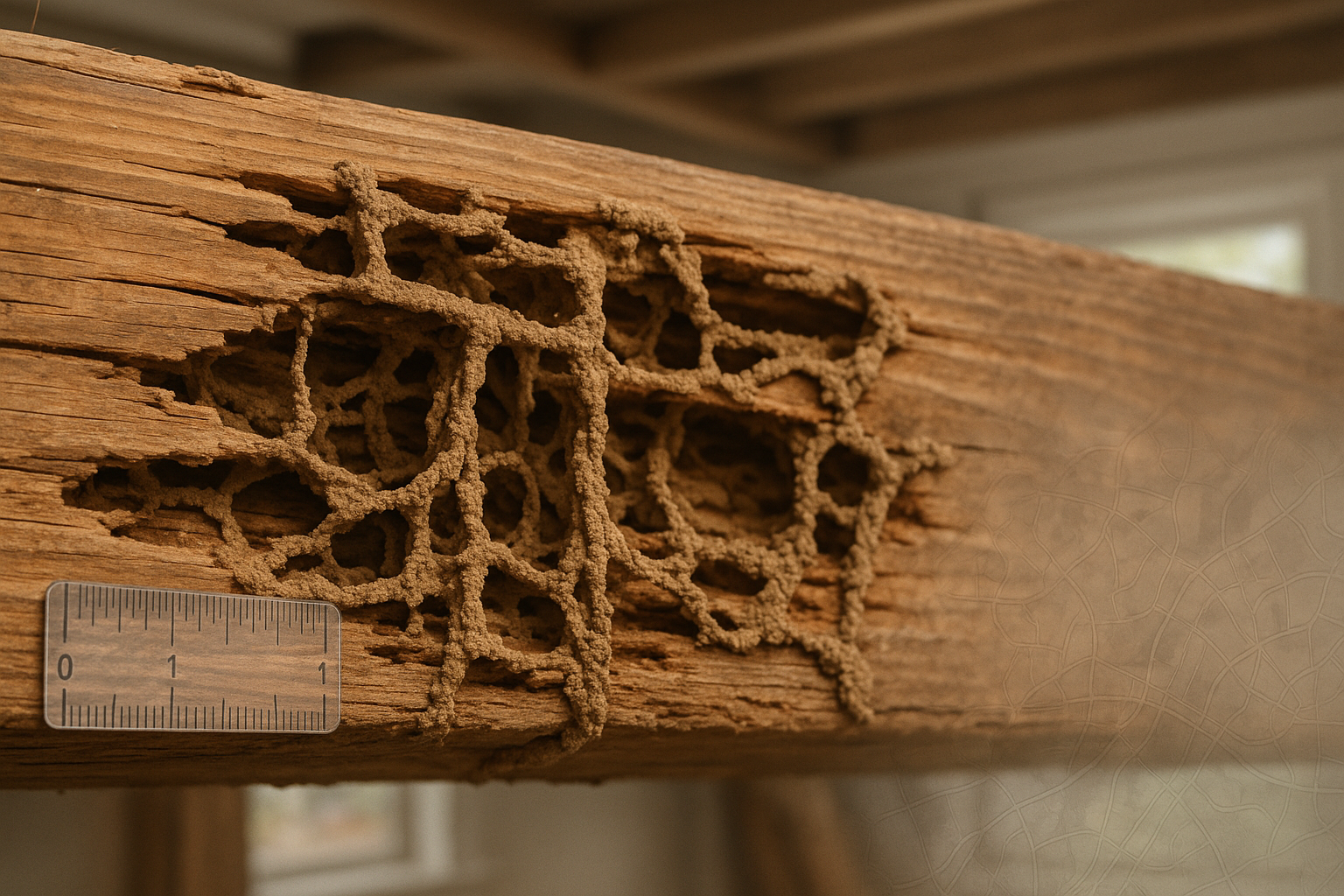
To make inspections easier, keep a quick reference checklist handy. Use it during routine walks around your property and note any of the following signs:
- Presence of mud tubes on foundations or walls
- Discarded wings gathered near light sources
- Dull, hollow sound when tapping wood
- Visible frass piles or pinhole exits
Spotting these clues early gives Anthem Pest Control the best chance to protect your home.
The Advantage of Choosing a Druid Hills‑Based Exterminator
When termites start chewing through a home, the speed and precision of the response can make the difference between a quick fix and a costly rebuild. A local exterminator understands the unique challenges of Druid Hills, from the historic brick facades that line the streets to the clay‑rich soils that encourage subterranean colonies. That intimate knowledge translates into treatment plans that target the exact pathways termites use in our neighborhood.
Our region’s seasonal patterns also play a crucial role. Warm, humid summers accelerate termite activity, while the cooler fall months trigger migration toward the warmth of a home’s foundation. A Druid Hills‑based company tracks these cycles year after year, allowing them to schedule inspections and treatments at the optimal moment—something a national chain, operating on a broad schedule, simply can’t match.
Anthem Pest has called Druid Hills home for 15 years. Over that time we’ve built a database of local soil composition, historic building materials, and the most effective termiticides for our climate. Homeowners repeatedly tell us they feel a “neighborhood advantage” because we’ve seen every type of infestation that can arise in our area.
“After dealing with a stubborn dry‑wood termite problem, Anthem Pest’s crew arrived within a day, identified the exact entry points hidden in our 1920s Craftsman home, and eliminated the colony in just two visits. Their local expertise saved us both time and money.” – Druid Hills homeowner
| Provider Type | Average Response Time |
|---|---|
| Local Druid Hills exterminator (Anthem Pest) | 48 hours |
| National chain | 72 hours |
Core‑Based Baiting, Liquid Barriers, and Fumigation – What Works Best?

Core‑Based Baiting
Core‑based baiting works by placing small, cellulose‑filled stations directly into the soil around a home. Termites locate the bait, share it with the colony, and the slow‑acting insecticide spreads through the network, eventually collapsing the entire group. The National Pest Management Association (NPMA) reports an average success rate of ≈ 85 % for this method.
- Pros: Minimal disruption to landscaping, ongoing monitoring, and low chemical exposure for occupants.
- Cons: Requires regular inspections (typically every 3–6 months), and effectiveness can be reduced in heavily infested sites where colonies are already widespread.
Liquid Barriers
A liquid barrier involves applying a continuous trench of termiticide around the foundation, slab, and crawl spaces. The chemical forms an invisible wall that repels or kills termites attempting to cross. According to NPMA data, liquid barriers achieve a success rate of ≈ 92 %, making them the most reliable single‑application treatment for most Druid Hills homes.
- Pros: Immediate protection, high efficacy against subterranean termites, and can be combined with structural repairs.
- Cons: Soil disturbance during installation, higher upfront cost, and the need for professional equipment to ensure a seamless seal.
Fumigation
Fumigation is a whole‑structure treatment that encloses a home in a gas‑tight tarp and releases a vapor‑phase pesticide (typically sulfuryl fluoride). The gas penetrates wood, wall voids, and hidden galleries, eradicating termites in situ. This method is most appropriate for older homes with extensive wooden framing, especially when infestations have already compromised structural members.
- Pros: Reaches deep, hidden infestations; no chemical residues remain after ventilation; ideal for historic properties where retrofitting barriers is difficult.
- Cons: Requires occupants to vacate for 24–48 hours, higher cost, and temporary loss of use of the home.
The EPA’s 2022 guideline on termite control methods recommends selecting a treatment based on property age, construction type, and level of infestation. For many modern Druid Hills residences—often built on slab or with concrete foundations—a liquid barrier offers the best balance of efficacy and convenience. Core‑based baiting serves as an excellent supplemental strategy for ongoing monitoring, while fumigation should be reserved for severe cases in historic wood‑frame homes where other methods cannot reach the damage.
Historic homes in Druid Hills, many of which feature ornate woodwork and balloon framing, may benefit from a combined approach: a pre‑treatment fumigation to eliminate existing colonies, followed by a permanent liquid barrier to protect against reinfestation, and periodic bait stations to catch any new activity early.
How Much Does Termite Treatment Cost in Druid Hills?
Understanding the price of termite control helps you budget for a safe home without surprises. In Druid Hills, the cost varies by the type of service, the size of your property, and the severity of the infestation. Below is a clear breakdown of what most homeowners can expect to pay for the most common termite solutions.
Inspection
A professional termite inspection is the first step and typically costs between $75 and $150. The fee covers a thorough visual assessment, moisture meter readings, and a detailed report outlining any activity or risk factors. Many companies, including Anthem Pest, may apply this fee toward the treatment if you choose to proceed.
Baiting Systems
Installing a baiting system creates a long‑term barrier that attracts and eliminates colonies. Homeowners usually spend $1,200 to $2,200 for a complete setup, which includes monitoring stations and annual maintenance visits. Baiting is ideal for properties where a liquid barrier is difficult to apply.
Liquid Barrier
A liquid termiticide applied around the foundation forms an invisible shield that kills termites on contact. Expect to pay between $1,500 and $3,500, depending on square footage and soil conditions. This method provides immediate protection and is often recommended for active infestations.
Fumigation
Whole‑home fumigation is the most intensive option, suitable for severe dry‑wood termite problems. The process involves sealing the house and releasing a gas that penetrates all wood structures. Costs typically range from $3,000 to $5,000, reflecting the labor, equipment, and safety precautions required.
For a broader market perspective, the 2024 HomeAdvisor analysis shows these price ranges align closely with national averages for similar services. You can review the full report here.
| Service | Typical Cost Range |
|---|---|
| Inspection | $75 – $150 |
| Baiting System | $1,200 – $2,200 |
| Liquid Barrier | $1,500 – $3,500 |
| Fumigation | $3,000 – $5,000 |
Anthem Pest Control offers transparent pricing that matches these industry standards. For the most up‑to‑date figures and a personalized quote, visit the Anthem Pest pricing page.
7 Criteria to Vet a Termite Professional
Choosing the right termite exterminator is a big decision for any homeowner. Use this checklist to compare providers and feel confident that the company you hire meets the highest industry standards.
- Licensing and state registration – Verify that the technician holds a current Georgia pest‑control license and that the business is registered with the state’s Department of Agriculture. A valid license proves the company meets local legal requirements and has undergone baseline training.
- EPA‑registered products and NPMA membership – Look for exterminators who use EPA‑registered termiticides and belong to the National Pest Management Association. These credentials indicate a commitment to safe, science‑backed treatments and ongoing professional development.
- Warranty length – A reputable provider should stand behind its work with a clear, written warranty—ideally a minimum five‑year guarantee that covers re‑infestation after the initial treatment.
- Insurance coverage – Confirm the company carries general liability and workers’ compensation insurance. Proper coverage protects you from potential property damage or injuries that could occur during service.
- Local customer reviews and ratings – Scan platforms such as Google, Yelp, and the Better Business Bureau for recent feedback from Druid Hills residents. Consistently high ratings and detailed positive comments are strong indicators of reliability.
- Response time commitments – Termite activity can spread quickly. Choose a provider that promises a same‑day or next‑day inspection appointment and outlines clear timelines for treatment implementation.
- Treatment guarantees and follow‑up plans – The best companies outline a post‑treatment monitoring schedule, often including quarterly inspections for the warranty period. This demonstrates confidence in their work and protects your home long‑term.
When a Druid Hills homeowner discovered early signs of subterranean termites, they selected a provider offering a five‑year warranty. The company completed a comprehensive bait‑system installation, and the homeowner avoided a projected $1,200 repair bill, saving roughly $800 thanks to the warranty coverage.
What to Expect During Your First Visit
When the Anthem Pest technician arrives, the first thing you’ll notice is a friendly, professional greeting followed by a brief safety briefing. We’ll explain the personal protective equipment we wear, the tools we’ll use, and any precautions you should take while we work inside and outside your home.
The inspection kicks off with a visual assessment of all exposed wood surfaces—both exterior siding, decks, and interior framing visible in basements, crawl spaces, and attics. Our expert eyes look for tell‑tale signs such as mud tubes, discarded wings, or hollow‑sounding wood, which can indicate active termite activity.
Next, we pull out a calibrated moisture meter and take readings on each suspect area. Termites thrive in moisture‑rich environments, so any reading above the normal range flags a potential hotspot that warrants closer attention.
In spots where the wood looks compromised, we’ll carefully extract a small sample for laboratory analysis. The sample is sealed in a labeled container, ensuring the lab can accurately identify the species and the level of infestation without any cross‑contamination.
After the field work, we retreat to our mobile office and compile a detailed report. This document includes annotated photos, moisture data, lab results, and a step‑by‑step recommendation list—ranging from targeted spot treatments to comprehensive structural barriers.
Throughout the entire visit, every observation is recorded in a digital log, guaranteeing full documentation for future reference and insurance purposes. Our goal is to give you a transparent, thorough picture of your home’s termite risk so you can make an informed decision about the next steps.
When Is the Best Time to Treat Termites in Georgia?
Termites in Georgia are most active when the weather warms and the soil reaches a comfortable moisture level. This seasonal surge typically begins in late spring and peaks in early summer, when temperatures consistently sit between 75°F and 85°F. During this window, colonies expand rapidly, increasing the risk of structural damage.
Because the summer spike is predictable, savvy homeowners start looking ahead during the colder months. Conducting an inspection between January and March gives you a clear picture of any existing activity before the termites emerge in force. Early‑year inspections let you catch hidden colonies, wood‑to‑soil contact issues, and moisture problems that termites love, allowing you to intervene before the summer surge.
The CDC’s 2023 pest‑season report for Georgia underscores this timing. The data show that 68% of reported termite incidents occur between April and June, while only 12% are logged in the winter months. Moreover, the report highlights a 15% increase in damage claims when treatments are delayed until after July, suggesting that earlier action can significantly reduce repair costs.
With these numbers in mind, the smartest strategy is to schedule a professional treatment before the high‑risk period begins. Booking a service in February or March ensures that a barrier or bait system is in place when termites start their seasonal foraging. This proactive approach not only protects your home during the peak months but also gives you peace of mind throughout the rest of the year.
In short, treat early, act decisively, and let a qualified pest‑control team—like Anthem Pest Control—set up a defense that stays effective long after the summer heat fades.
DIY Steps to Deter Termites Year‑Round
Termites thrive where moisture and untreated wood meet. By tackling a few simple tasks yourself, you can cut their access to food and water, keeping your Druid Hills home safer all year long.
1. Fix Leaks Within 48 Hours
The EPA advises homeowners to repair any plumbing or roof leaks within two days. Even a slow drip creates a damp environment that attracts subterranean termites. Grab a wrench, replace worn washers, and dry the area thoroughly—quick action removes a major invitation.
2. Reduce Moisture Around the Foundation
Proper drainage is the cornerstone of termite prevention. Ensure gutters direct water at least six feet away from the house, and install downspout extensions if needed. Grade the soil so it slopes away from the foundation, preventing water from pooling against the walls. A well‑drained perimeter cuts termite activity dramatically.
3. Keep Wood Piles Away From Soil
Stored firewood, lumber, or even garden debris should sit on a concrete slab or raised platform, at least 12 inches above ground level. This barrier stops termites from bridging the gap between soil and wood, depriving them of a direct food source.
4. Schedule Regular Professional Inspections
Even the most diligent DIY routine benefits from a trained eye. Book a licensed termite inspection at least once a year, or before major renovations. Professionals can spot hidden colonies, recommend targeted treatments, and confirm that your preventive measures are holding up.
5. Use Termite‑Resistant Building Materials
When you’re adding a deck, fence, or new framing, opt for pressure‑treated lumber, steel, or concrete. These materials either repel termites or are simply indigestible, reducing the likelihood of future infestations without the need for chemical barriers.
Research backs up these practices. A University of Georgia Extension study found that homes with proper drainage experienced a 30 % reduction in termite activity compared to those without. Implementing these steps not only protects your property but also saves you money on costly treatments down the line.
Secure Your Druid Hills Home Today
Early detection and prompt professional treatment are the cornerstones of a termite‑free home in Druid Hills. By spotting activity before colonies spread, you protect your foundation, preserve resale value, and avoid costly structural repairs.
The community offers several free resources to keep you informed and supported.
- Druid Hills Homeowners Association – provides neighborhood newsletters and seasonal pest alerts.
- Fulton County Extension Office – offers free workshops on termite identification and prevention strategies.
The Druid Hills Homeowners Association circulates quarterly newsletters that include a checklist for spotting termite mud tubes, damaged wood, or winged insects. Signing up ensures you receive timely reminders before the peak swarming season in late spring.
When you’re ready for a professional assessment, Anthem Pest Control stands ready with local expertise and transparent pricing.
Give them a call at 877‑371‑8196 or visit their website to request a free, no‑obligation quote. Their technicians perform a thorough inspection, explain every step, and provide a written estimate before any work begins.
Transparent pricing means you’ll receive a detailed line‑item quote—no hidden fees, no surprise add‑ons. The estimate outlines inspection costs, material fees, and any optional preventive measures, allowing you to choose the level of protection that fits your budget.
Because Anthem Pest’s technicians are based in the Atlanta metro area, they understand the unique soil composition and climate patterns of Druid Hills, which affect termite behavior. This local knowledge translates into faster detection and more effective treatment plans.
Call today and let the local Druid Hills team protect your home.
Visit Anthem Pest Control today to secure your home and enjoy a pest‑free future.