Why Cockroach Control Matters in Dunwoody
Top Pest Concern in the Atlanta Metro
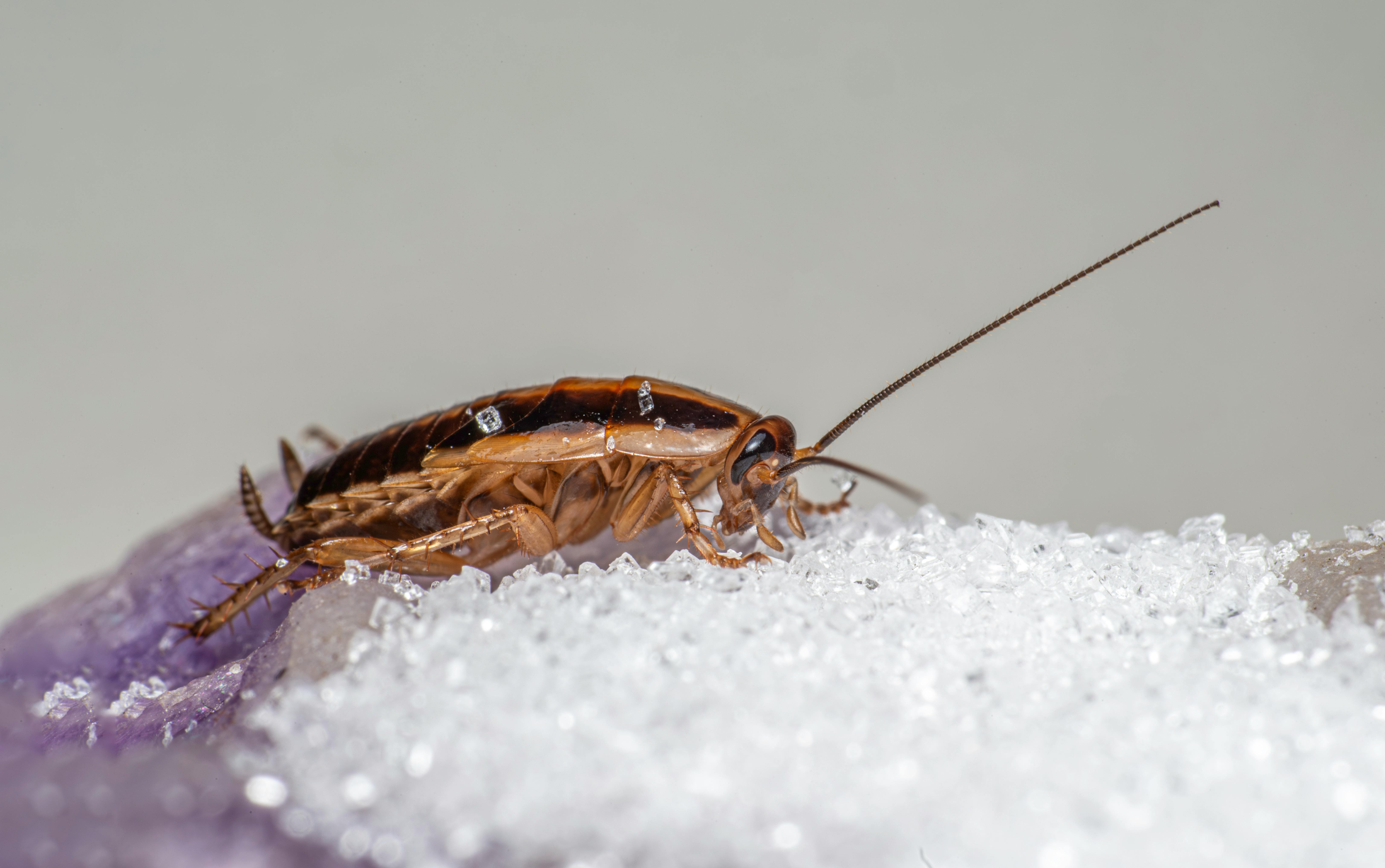
Living in Dunwoody means enjoying tree-lined streets, community parks, and a humid climate that’s perfect for many things—except cockroaches. That’s why reliable cockroach control Dunwoody services are essential for local homeowners. In the Atlanta metro area, these resilient insects rank among the top three household pests, and their presence is more than a nuisance. They multiply quickly, hide in the cracks of your kitchen cabinets, and can turn a comfortable home into a health risk overnight.
Health Risks
First and foremost, cockroaches are vectors for disease. Their bodies carry salmonella, E. coli, and other gastrointestinal pathogens that can contaminate food surfaces within minutes of contact. For families with children or elderly members, this exposure translates into stomach cramps, vomiting, and diarrhea. Even more insidious is the allergen load they leave behind: shed skins, droppings, and saliva contain proteins that trigger asthma attacks and allergic rhinitis in sensitive individuals. Studies show that households with a cockroach problem have a 30 % higher incidence of asthma‑related emergency visits.
Property Damage
Beyond health, cockroaches can damage your property in ways you might not notice at first glance. Their nocturnal foraging often leads them to chew through food packaging, leaving unsightly stains on countertops and pantry shelves. Over time, the acidic enzymes in their droppings corrode metal surfaces, such as appliance hinges and plumbing fixtures. In severe infestations, the sheer volume of debris can attract secondary pests—like silverfish or pantry moths—that further compromise stored goods. While they don’t gnaw wood, the moisture they bring into wall voids can foster mold growth, a hidden threat to structural integrity.
National Prevalence
The scale of the problem is national, not just local. According to the CDC’s 2024 estimate, one in five U.S. households reports seeing cockroaches at some point during the year — a staggering 20 % prevalence that translates into millions of homes across the country. That figure may seem abstract, but when you overlay it on Dunwoody’s dense housing clusters and higher relative humidity, the risk spikes. Moisture‑laden basements, underground parking, and tightly packed apartments create ideal micro‑environments for roach eggs to hatch and thrive. Ignoring these conditions can turn a single sighting into a full‑blown infestation within weeks.
Local Climate Amplifies Infestations
Dunwoody’s subtropical climate brings warm summers and mild winters, but it’s the summer humidity that gives roaches a leg up. When outdoor humidity climbs above 70 %, moisture seeps into foundations, crawl spaces, and even interior walls. These damp pockets become breeding grounds, especially in older homes with aging caulking or cracked plaster. Seasonal rains also wash organic debris into gutters, providing a steady food source that draws roaches closer to doorways and windows.
Economic and Psychological Costs
The financial impact of an unchecked infestation can quickly add up. Professional extermination fees, replacement of contaminated food, and potential repairs to appliances or cabinetry often exceed $1,000 for a moderate‑size home. Moreover, the psychological toll—constant worry about unseen guests, sleepless nights, and embarrassment when guests notice droppings—can erode the comfort of homeownership. Investing in early detection and regular treatment not only safeguards health but also protects your wallet.
Neighborhood Impact
Because cockroaches move freely between neighboring units, a single infestation can quickly become a neighborhood issue. Shared walls, utility lines, and common laundry rooms act as highways for roaches, meaning that one homeowner’s inaction can expose the entire block. Coordinated control efforts—such as neighborhood‑wide inspections and synchronized treatments—are the most effective way to break this cycle and keep Dunwoody’s streets truly pest‑free.
Understanding why cockroach control is essential sets the foundation for the next step: correctly identifying the species that are most likely to invade Dunwoody homes.
The Usual Suspects – German, American, and Oriental Cockroaches
Before you can choose the right control method, you need to know which cockroach you’re dealing with. The three indoor culprits that dominate Metro Atlanta each have distinct habits, and recognizing those habits is the first step toward an effective, low‑cost treatment.
| Species | Size | Color | Preferred Habitat (Indoor) |
|---|---|---|---|
| German (Blattella germanica) | 0.5–0.6 in (1.3–1.5 cm) | Light tan to brown with two dark parallel stripes on the pronotum | Warm, humid areas: kitchen cabinets, pantry shelves, behind appliances |
| American (Periplaneta americana) | 1.0–1.5 in (2.5–3.8 cm) | Reddish‑brown with a yellowish margin on the pronotum | Moist, dark locations: basements, crawl spaces, drains, and sewers |
| Oriental (Blatta orientalis) | 1.0–1.2 in (2.5–3.0 cm) | Shiny black to dark brown, almost metallic | Cool, damp spots: under sinks, in wall voids, and near leaky pipes |
According to the NPMA 2023 report, German cockroaches are responsible for roughly 80 % of indoor infestations across Georgia. Their rapid life cycle—about 100 days from egg to adult—means a tiny population can explode into a full‑blown problem in just a few weeks.
Seasonal preferences and hiding spots
- German cockroach: Thrives year‑round in heated homes, especially during summer when humidity spikes. Look for them in the cracks of kitchen cabinets, under the tops of refrigerators, and inside pantry boxes.
- American cockroach: Prefers the cooler, damp environments of basements and crawl spaces, making late summer and early fall their peak season. They often emerge at night to forage in kitchen trash cans or near floor drains.
- Oriental cockroach: Favors the coolest corners of a house—under sinks, behind radiators, and within wall cavities. Their activity peaks in the cooler months, so you may notice them more in winter and early spring.
Each species selects its hideouts based on moisture, temperature, and food availability. German roaches gravitate toward sugary crumbs and starches, American roaches hunt for decaying organic matter, and Oriental roaches are drawn to the dampness of plumbing leaks.
Brief tip: why accurate identification improves treatment efficacy
Knowing exactly which species you’re facing lets you target the right control products and placement strategies. For example, gel baits placed in kitchen crevices work wonders against German roaches, while residual sprays applied to baseboards and floor drains are more effective for American and Oriental species. Misidentifying a German infestation as an American one could lead you to treat the wrong area, waste chemicals, and extend the problem for months.
At Anthem Pest Control, we start every service with a quick visual inspection to pinpoint the species, then tailor a treatment plan that hits the roach where it hides. Accurate identification not only speeds up eradication but also reduces the number of follow‑up visits, saving you time and money.
Entry Points and Hotspots
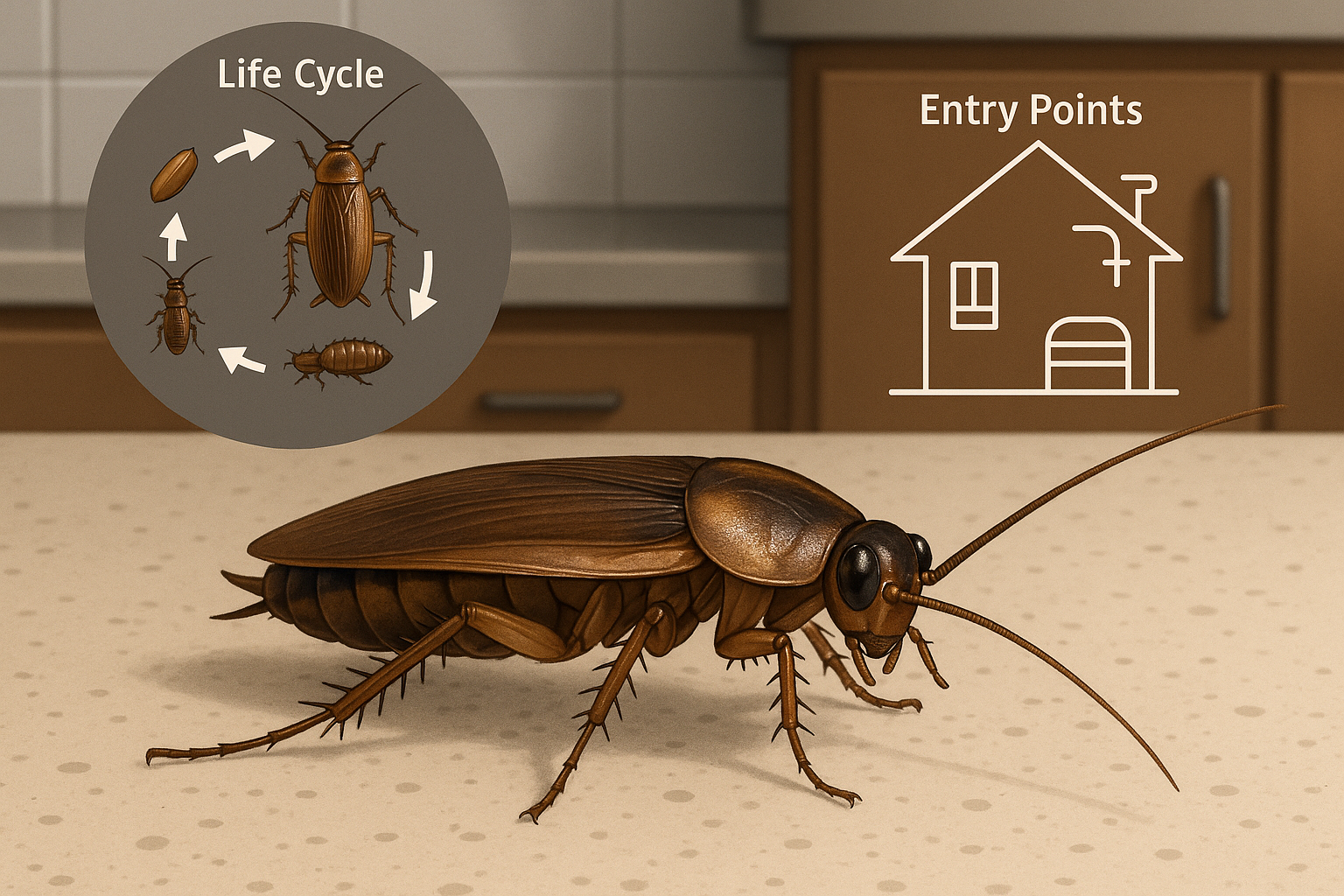
Even the most diligent homeowner can be surprised when a cockroach slips through an unnoticed crack. In Dunwoody, the bugs exploit the same weak spots that let drafts, water, and insects inside. Knowing where they enter lets you block the path before an infestation takes hold.
Primary Entry Routes
- Foundation cracks – tiny gaps in concrete or block that connect the yard to the interior wall cavities.
- Utility line gaps – openings around water, gas, electrical, and cable lines that are rarely sealed during construction.
- Potted‑plant soil – moist soil provides a perfect hideout and a bridge from the garden to the floor.
- Garbage areas – uncovered trash bins or compost piles create a feeding station right at the doorstep.
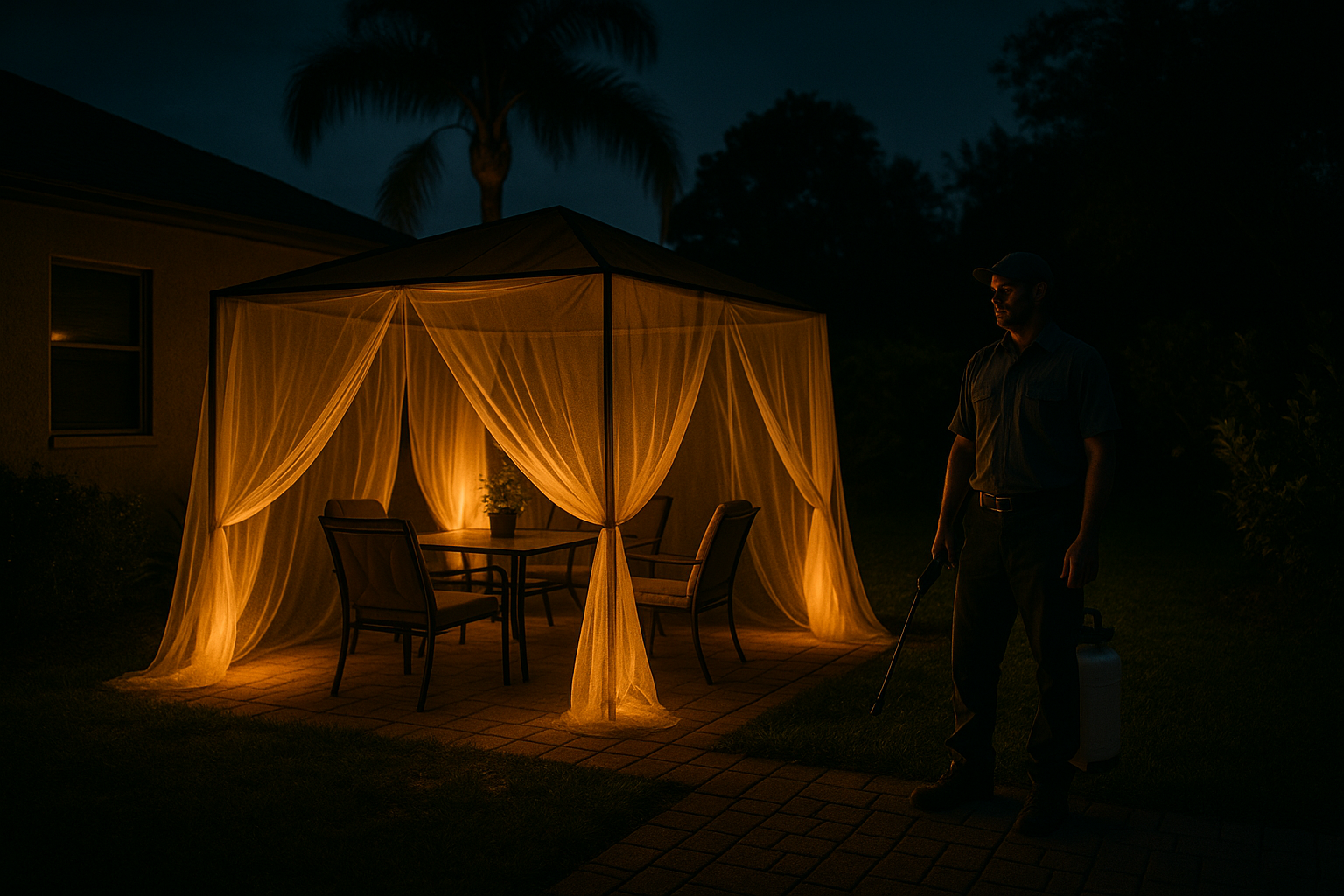
- Outdoor lighting zones – bright fixtures attract insects, which in turn lure cockroaches to the lighted perimeter.
Local Hotspot Example
Residents of the Perimeter Center office park’s surrounding neighborhoods have reported a spike in sightings near the illuminated parking lots. The constant glow draws moths and flies, and cockroaches follow the food chain right onto the concrete and into nearby homes through door sweeps, cracks, or even the vent covers that line the parking structure.
Outdoor illumination does more than light your driveway; it creates a nocturnal highway for insects. When a light stays on all night, moths and flies congregate, and cockroaches follow the scent of food and moisture that these insects bring. Dimming or timing the lights to a few hours after sunset can dramatically reduce the nightly traffic that leads to indoor invasions.
Self‑Inspection Checklist
- Walk the perimeter and check all foundation cracks; feel for any gaps wider than a pencil.
- Inspect where water, gas, and electrical lines enter the house; seal any openings with silicone or steel wool.
- Lift each plant saucer and examine the soil for droppings or live insects; replace with a barrier tray if needed.
- Ensure all trash containers have tight‑fitting lids and are kept away from exterior walls.
- Evaluate outdoor lighting; consider motion‑sensor bulbs or shielded fixtures to reduce constant illumination.
DIY Remediation Before the Pro Arrives
If you spot a potential entry, a quick fix can buy you time while you schedule a professional visit. Start by applying a thin bead of caulk to all visible cracks—both inside and out. For utility gaps, wrap the opening with copper mesh before sealing; cockroaches cannot chew through metal. In plant saucers, place a layer of sand or gravel to create a dry barrier that discourages movement. Keep garbage bins clean, rinse them regularly, and store them in a shaded, sealed area. Finally, switch to amber‑colored LED bulbs or install timers on porch lights to cut down the night‑time attraction.
Even with diligent DIY steps, a hidden harbor can keep the population alive. If you continue to see droppings, egg‑case skins, or live roaches after two weeks of sealing and cleaning, it’s a clear sign that a professional treatment is needed. Anthem Pest Control’s Dunwoody team uses targeted baits and low‑dose residual sprays that reach cracks you can’t see, ensuring the colony is eliminated at its source.
By systematically sealing these five hotspots, you dramatically lower the odds that a wandering cockroach will find its way onto your kitchen counter. When you’ve completed the checklist and still notice activity, it’s time to call Anthem Pest Control. Our local technicians know the Dunwoody landscape and can apply targeted treatments that protect your home for the long term.
Proven Control Methods
When it comes to cockroach infestations in Dunwoody homes, a one-size-fits-all approach rarely works. For effective cockroach control Dunwoody homeowners can rely on, the most reliable results come from a layered strategy known as Integrated Pest Management (IPM). By combining vigilant monitoring, strict exclusion, thorough sanitation, and targeted chemical treatments, IPM attacks the problem from every angle while keeping your family and pets safe.
Integrated Pest Management (IPM): The Gold Standard
IPM starts with a detailed inspection. A technician identifies the species, maps high‑traffic pathways, and notes where food, water, and shelter converge. From there, three core pillars guide the plan:
- Exclusion: Seal cracks, repair screens, and install door sweeps to block entry points.
- Sanitation: Eliminate food residues, fix leaky faucets, and store waste in sealed containers—removing the “all‑you‑can‑eat” buffet that roaches love.
- Targeted Chemical Controls: Apply the right product in the right place, only when monitoring indicates activity.
This systematic approach reduces reliance on chemicals, lowers long‑term costs, and prevents reinfestations. Homeowners who stick with IPM typically see a 90 % drop in cockroach sightings within the first month.
Gel Bait & Insect Growth Regulators (IGRs)
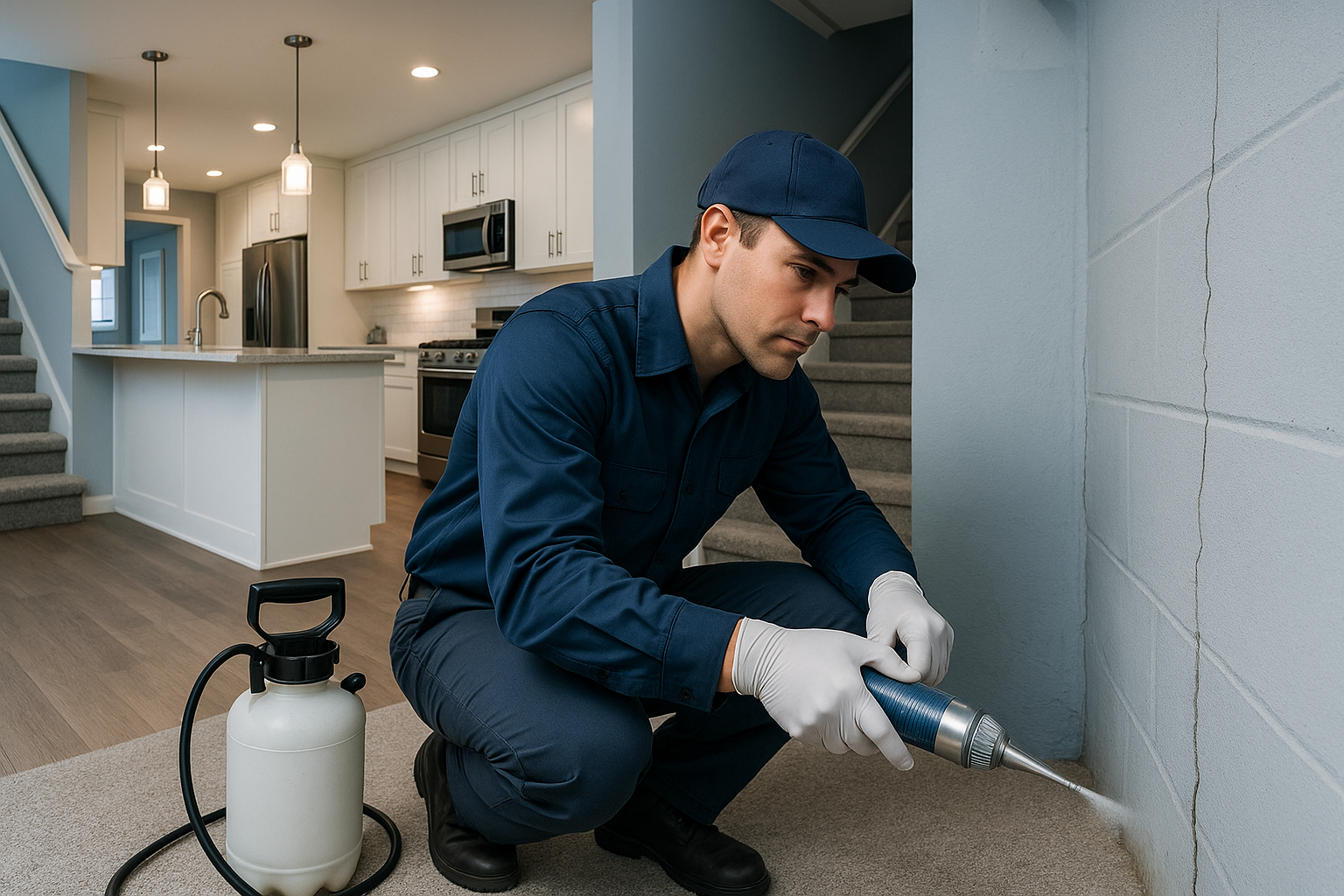
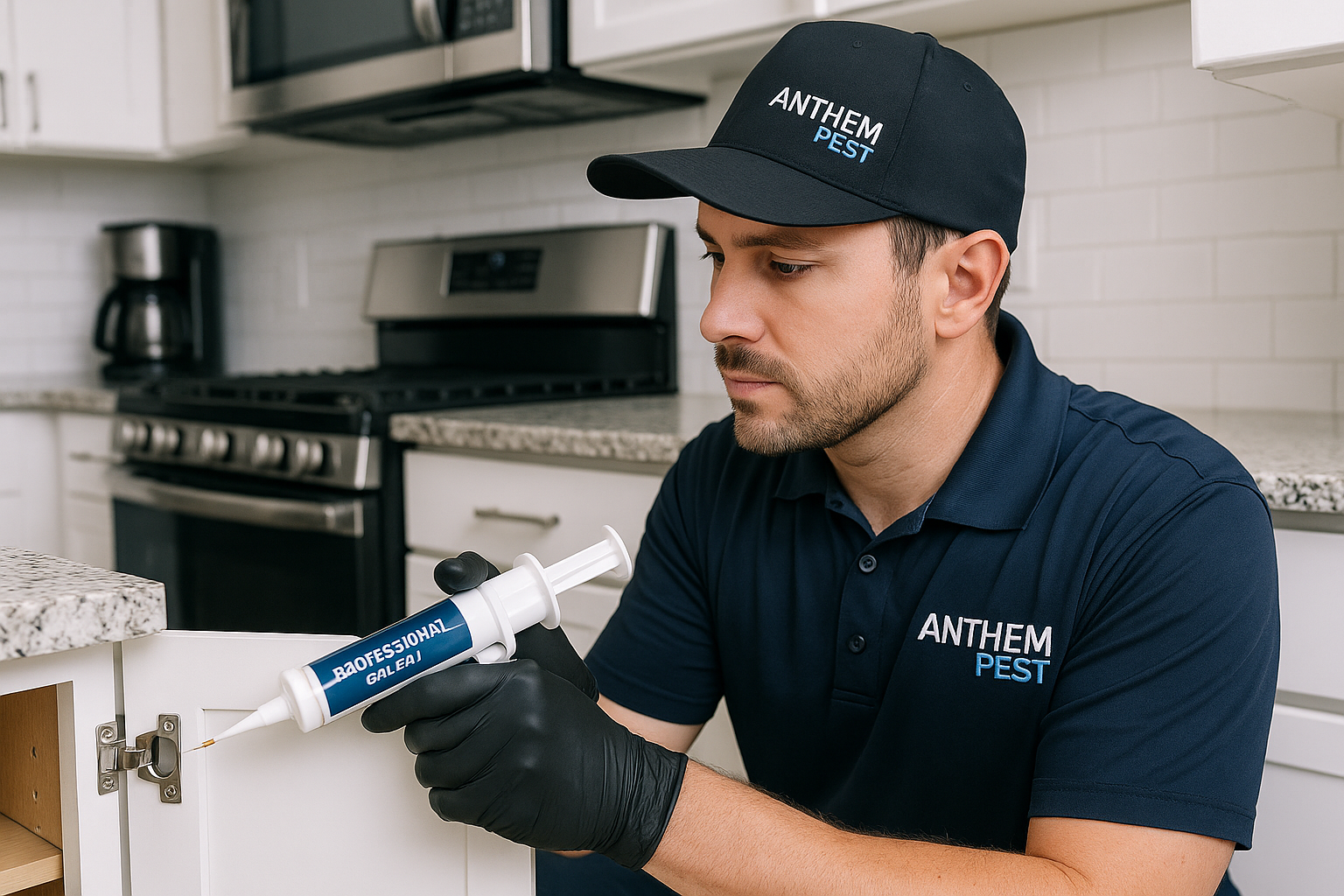
Gel baits are the workhorse of modern cockroach control. Technicians apply a thin line of flavored gel in hidden cracks, under appliances, and along baseboards—places roaches naturally travel. The bait contains a slow‑acting poison that the insects carry back to their nests, poisoning the entire colony.
Insect Growth Regulators complement baits by disrupting the cockroach life cycle. IGRs mimic juvenile hormones, preventing nymphs from maturing into breeding adults. When used together, baits and IGRs create a two‑pronged attack: immediate kill and long‑term population suppression.
EPA research confirms the efficacy of this combo. A study cited on the EPA website showed more than a 90 % reduction in cockroach counts within four weeks of consistent gel bait application.
Professional Fogging & Sprays
Fogging and residual sprays are best reserved for severe infestations or when roaches have spread beyond the kitchen and bathroom. Foggers disperse a fine mist that reaches hidden crevices, delivering a rapid knock‑down effect. Residual sprays, applied to baseboards, under sinks, and around trash areas, continue to kill for weeks.
Because these products can affect indoor air quality, safety precautions are essential:
- All occupants and pets must vacate the treated area for at least two hours.
- Ventilate the space thoroughly after treatment.
- Follow the technician’s re‑entry guidelines before resuming normal activities.
Fogging and sprays work best when paired with IPM. The chemical blast reduces the immediate load, while exclusion and sanitation prevent new insects from moving back in.
Pricing Snapshot
| Treatment | Cost Range | Typical Visit Frequency |
|---|---|---|
| Gel bait package (includes placement & monitoring) | $120 – $180 | One‑time application, with follow‑up in 2 weeks |
| Full IPM service (inspection, exclusion, sanitation plan, bait & IGR) | $250 – $350 per visit | Initial visit + quarterly check‑ins |
| Annual maintenance plan (continuous IPM, seasonal adjustments) | $500 – $650 | Four visits per year |
| Professional fogging or residual spray | $180 – $250 per treatment | As needed, typically after a severe outbreak |
Why Professional Application Matters
DIY sprays and over‑the‑counter baits can provide temporary relief, but they rarely address the root causes of an infestation. Trained technicians understand where cockroaches hide, how to position baits for maximum uptake, and which chemicals are approved for indoor use in Georgia. Moreover, professionals can safely handle foggers and residual sprays, ensuring your home meets all health and safety regulations.
Choosing Anthem Pest Control means you get a certified IPM plan, precise bait placement, and a clear pricing structure—no hidden fees, no guesswork. Our local expertise in Dunwoody lets us tailor each step to the unique layout of your home, delivering fast, lasting results while protecting the people and pets you care about.
Transparent Pricing for Cockroach Extermination
When a cockroach invasion shows up at your front door, the first question most homeowners ask is, “How much will it cost?” For professional cockroach control Dunwoody, transparent pricing removes the guesswork, lets you budget confidently, and prevents surprise fees after the job is done. Below we break down every line-item you should expect, compare Anthem Pest’s rates with the Atlanta metro averages, and give you the tools to evaluate any quote you receive.
Typical Cost Components
- Inspection fee ($50‑$75): A qualified technician conducts a visual walk‑through, identifies entry points, and determines the infestation level. Most companies charge a flat fee that is often applied toward the final bill if you proceed with treatment.
- Treatment materials: This covers insecticide sprays, baits, dusts, and any specialized gel formulations. Prices vary with the product’s residual life and the amount needed for a 1,500‑sq‑ft home.
- Labor: Technicians spend time applying products, sealing cracks, and setting traps. Labor rates reflect experience, travel distance, and the complexity of the job.
- Follow‑up visits: Cockroach control usually requires at least one post‑treatment inspection and a supplemental application to catch any survivors.
Anthem Pest vs. Atlanta Metro Averages
| Cost Component | Anthem Pest (USD) | Atlanta Metro Avg* (USD) |
|---|---|---|
| Inspection fee | $60 | $70 |
| Treatment materials | $100 | $130 |
| Labor | $120 | $150 |
| Follow‑up visit | $50 | $70 |
| Total package | $330 | $420 |
*Data sourced from HomeAdvisor 2024 for the Atlanta metro area.
Financing Options
Anthem Pest understands that pest control is a necessary expense, not a luxury. To keep cash flow smooth, the company offers:
- Zero‑interest monthly payment plans (12‑ or 24‑month terms) through a secure online portal.
- All major credit cards accepted, with the option to set up automatic recurring payments for annual preventive contracts.
- Occasional promotional discounts for first‑time customers that can be stacked with financing offers.
Guarantee Policies
Every Anthem Pest treatment comes with a written warranty. The standard guarantee includes:
- Warranty period: 30 days for a single treatment, extending to 90 days when a follow‑up visit is part of the package.
- Re‑treatment clause: If cockroaches reappear within the warranty window, a free re‑application is scheduled—no additional labor charge.
- Service scope clarity: The warranty explicitly lists which areas (kitchens, bathrooms, crawl spaces) are covered, preventing hidden exclusions.
Tips for Evaluating Quotes
Before you sign on the dotted line, run through this quick checklist to ensure you’re getting a fair, all‑inclusive offer:
- Look for hidden fees: Verify whether the quoted price includes taxes, travel surcharges, or disposal fees for old bait stations.
- Confirm service scope: A detailed quote should enumerate the rooms or square footage treated, the number of follow‑up visits, and any post‑treatment monitoring.
- Check for monitoring guarantees: Companies that provide a written guarantee of re‑treatment within a set period are usually more confident in their efficacy.
- Compare financing terms: Low‑interest or interest‑free plans can make a higher upfront price more manageable.
- Read reviews: Local homeowner feedback on response time, technician professionalism, and actual cost versus quoted cost can reveal whether a provider truly practices transparent pricing.
By understanding each cost component, seeing how Anthem Pest stacks up against regional averages, and using the evaluation checklist above, you can choose a cockroach control solution that fits both your budget and your peace of mind.
When to Act and How to Keep Cockroaches Out Year‑Round
In Dun‑wo‑dy, Georgia, the warm, humid summer months turn our homes into a perfect buffet for cockroaches
Real‑World Results from Dunwoody Residents
When it comes to cockroach control, numbers on a page mean little until you see them reflected in a neighbor’s kitchen or an apartment lobby. Below are two recent success stories from Dun‑Doo‑wy residents who trusted Anthem Pest to handle stubborn infestations. Their experiences illustrate not only the speed of our results but also the lasting peace of mind that comes from a comprehensive, science‑backed approach.
Case Study 1: Single‑family home on Peachtree Industrial Blvd.
The homeowners on Peachtree Industrial Blvd. first called us after spotting a few roaches in their pantry and noticing an increase in trap catches. Their home, built in the 1990s, had several entry points around the foundation and a kitchen layout that made it easy for insects to hide behind appliances.
Our technician performed an initial inspection, placed twelve glue traps, and identified high‑traffic zones. Over three scheduled visits, we applied a targeted gel bait along baseboards, sealed gaps around pipes, and provided the family with a short educational handout on sanitation practices. By the third visit, no new roaches were observed, and the trap count dropped to zero.
“I was skeptical, but after the third visit the kitchen stayed cockroach‑free.” – Homeowner, Peachtree Industrial Blvd.
| Inspection | Number of Traps Set | Roaches Captured |
|---|---|---|
| Initial | 12 | 12 |
| After 3rd Visit | 12 | 0 |
Case Study 2: Brookhaven apartment complex
A mid‑size apartment complex in Brookhaven was dealing with a steady stream of cockroach complaints from tenants. Management had tried spot‑treatments with little effect, and the recurring infestations were driving up maintenance costs and eroding tenant satisfaction.
Anthem Pest introduced an Integrated Pest Management (IPM) program that combined regular monitoring, strategic gel bait placement in common areas, extensive sealing of building cracks, and a tenant‑education campaign. Over a six‑week rollout, the complex saw an 85 % drop in reported cockroach sightings, eliminating the need for costly, repeat treatments.
“The comprehensive plan gave us peace of mind for our tenants.” – Property Manager, Brookhaven Apartments
| Period | Average Complaints per Month | Reduction (%) |
|---|---|---|
| Before IPM | 20 | 0 |
| After IPM (6 weeks) | 3 | 85 |
Key Tactics That Made the Difference
- Gel bait application: Low‑dose, slow‑acting gel attracts roaches back to the source, ensuring the colony is eliminated from within.
- Sealing entry points: Cracks around pipes, vents, and foundation gaps are filled with silicone or expanding foam, cutting off new invasions.
- Resident education: Simple guidance on food storage, waste disposal, and moisture control empowers homeowners and tenants to keep environments inhospitable.
- Integrated Pest Management (IPM): Combining monitoring, targeted treatments, and preventative measures creates a long‑term barrier rather than a one‑time fix.
These real‑world examples demonstrate how Anthem Pest tailors each intervention to the property’s unique challenges, delivering measurable results that residents can see and feel. Whether it’s a single‑family home or a multi‑unit complex, the same disciplined process—inspection, targeted treatment, sealing, and education—drives the dramatic reductions you read about above.
FAQ – Quick Answers for Homeowners
How long does a typical treatment take?
A standard cockroach service in Dunwoody usually lasts between 30 and 45 minutes per visit. During that time, a certified technician will inspect high‑risk areas, apply low‑toxicity gel baits, and set up monitoring devices. The exact duration can vary slightly depending on the size of the home and the severity of the infestation, but most homeowners are back to their daily routine before the hour mark.
Is treatment safe for pets and children?
Yes. Anthem Pest Control prioritizes safety by using low‑toxicity gel baits and targeted sprays that pose minimal risk when applied correctly. These products are formulated to stay hidden in cracks and crevices, reducing direct contact. After application, we advise a short safety interval—typically 2–4 hours—before allowing children or pets back into treated rooms. This window ensures any residue has dried and any vapors have dissipated.
Do I need to vacate the home?
In most cases, you do not need to leave the house. Our technicians work efficiently to limit exposure, and the products used are safe for occupied spaces. However, we do recommend staying out of the specific rooms that received treatment for the 2‑4 hour safety interval mentioned above. This precaution helps protect sensitive family members and gives the bait a chance to settle where roaches will find it.
How often should follow‑up visits be scheduled?
Effective cockroach control follows an Integrated Pest Management (IPM) approach. Typically, we schedule 2–3 initial visits spaced a week apart to break the infestation cycle. After the initial phase, quarterly check‑ins are ideal for maintaining a roach‑free environment, especially during warmer months when activity spikes. These routine visits allow us to refresh baits, replace monitors, and address any new entry points.
What if I see roaches after treatment?
Seeing a few stragglers after a service is not uncommon, but it shouldn’t become a pattern. Anthem Pest offers a re‑treatment guarantee within the first 30 days if roaches reappear in treated zones. Simply contact us, and we’ll revisit the property at no extra charge to adjust the bait placement or apply additional controls. Our warranty reflects confidence in the efficacy of our low‑toxicity solutions.
Additional quick tips
- Sanitation matters: Keep countertops clear, store food in sealed containers, and promptly fix leaky pipes. Cockroaches thrive on crumbs and moisture.
- Eliminate hiding spots: Declutter basements, closets, and under appliances where roaches can shelter.
- Use monitoring devices: Sticky traps and electronic monitors help you track activity between professional visits.
- Seal entry points: Caulk cracks around windows, doors, and utility openings to block new invasions.
Take Action for a Cockroach‑Free Home Today
Untreated cockroach infestations do more than cause a few unsightly sightings. These resilient insects carry allergens that can trigger asthma attacks, especially in children and the elderly, and they spread bacteria like Salmonella and E. coli that contaminate food surfaces. Over time, their constant foraging can chew through insulation, wiring, and even wallpaper, leading to costly repairs and increased fire risk. In a home where cockroaches are allowed to thrive, the health of your family and the integrity of your property are both under constant threat.
Why a Data‑Driven, IPM‑Based Approach Works
Integrated Pest Management (IPM) isn’t a buzzword—it’s a science‑backed framework that blends monitoring, identification, and targeted treatment. By collecting data on species, activity patterns, and entry points, technicians can tailor a plan that minimizes chemical use while maximizing effectiveness. This means you get:
- Precision: Treatments are applied only where cockroaches are present, reducing exposure to harmless areas.
- Prevention: Sealing cracks, fixing moisture problems, and adjusting landscaping cut off the pathways cockroaches use to invade.
- Cost efficiency: Fewer repeat visits and lower chemical costs translate into a more affordable solution for you.
- Sustainability: Reduced reliance on broad‑spectrum pesticides protects pets, children, and the environment.
Early intervention is the most cost‑effective strategy. The longer a colony establishes itself, the deeper it burrows into wall voids and the larger its population becomes. By catching the problem during the first signs—tiny droppings, a faint odor, or occasional sightings—you avoid the exponential growth curve that makes eradication expensive and disruptive. Acting now also protects your kitchen supplies and prevents the spread to neighboring units in multi‑family buildings.
Schedule Your Free Inspection
Taking the first step is simple: request a complimentary inspection. During this visit, a certified technician will walk your property, locate potential entry points, and identify the exact cockroach species you’re dealing with. This information forms the backbone of a customized IPM plan that addresses the root cause—not just the visible insects. A free inspection also gives you a clear picture of any hidden moisture or sanitation issues that could be feeding the infestation, allowing you to act before the problem escalates.
Anthem Pest Control: Your Local Partner in a Cockroach‑Free Life
At Anthem Pest Control, our certified technicians combine the latest science with local expertise to keep Dunwoody homes safe and comfortable. We start every job with a thorough, data‑driven assessment, then deploy an IPM strategy that blends low‑toxicity treatments, structural repairs, and ongoing monitoring. Our pricing is transparent—no hidden fees—so you know exactly what you’re paying for. Flexible financing options make it easy to protect your home on any budget, and our satisfaction guarantee means we won’t consider the job done until you’re completely pest‑free. With Anthem, you gain a partner who cares about your health, your home’s value, and your peace of mind.
Ready to Take the Next Step?
Call us today at 877‑371‑8196 or visit https://anthempest.com/ to schedule your free inspection. One quick phone call puts a professional, data‑driven solution within reach, and you’ll receive a detailed report that outlines exactly what needs to be done.
Don’t forget to download the seasonal checklist we mentioned earlier. It’s a handy, printable guide that reminds you of key maintenance tasks—like clearing debris, fixing leaky pipes, and sealing cracks—so you can stay ahead of cockroaches year after year and support long-term cockroach control Dunwoody homeowners can depend on.