Spider Sightings Surge in Dunwoody – Why Homeowners Need a Guide

Last summer, neighbors on Peachtree Road reported finding an average of three spiders per yard during evening walks—a 45% jump from the previous year, according to the Fulton County health department. The sudden spike isn’t just a nuisance; it signals that warm, humid conditions are creating a perfect breeding ground for both harmless house spiders and the more concerning brown recluse, increasing the demand for professional spider control in Dunwoody.
This guide breaks down exactly what you need to know: a transparent cost breakdown for inspection and treatment, the most effective control methods for common Dunwoody species, seasonal prevention tips, and insider advice from a local professional. By the end of the article you’ll be able to compare DIY options with expert services and make an informed decision that protects your family and your budget.
Anthem Pest has been serving the metro Atlanta area for two decades, handling thousands of spider cases in neighborhoods just like yours. Our technicians know the micro‑climates of Dunwoody’s cul‑de‑sacs, the hidden entry points in older homes, and the safest, EPA‑approved products that work without harming pets or children.
What follows is a step‑by‑step walk‑through of inspection procedures, treatment plans, and long‑term prevention strategies. Throughout the piece, we’ll cite local health data, entomology research, and real‑world case studies so you can trust every recommendation.
Because spider activity peaks between June and August, waiting until an infestation becomes visible can cost you twice as much in treatment and property damage. This guide equips you with the timing cues and early‑warning signs that let you act before spiders establish permanent colonies.
Identify the Spiders Invading Your Home
Knowing which spider you’re dealing with is the first step toward effective control. In Dunwoody, a handful of species show up repeatedly, each with its own habits, appearance, and level of risk. Accurate ID helps us choose the safest, most targeted treatment plan, whether you need a spot‑treatment or a full‑home spray.
Brown Recluse
Typically ¼‑inch to ½‑inch long, the brown recluse sports a uniformly light‑brown body with a distinctive dark violin‑shaped marking on the cephalothorax. It prefers dark, undisturbed corners—basements, closets, and under furniture—where it builds a loose, irregular web. Bites are rare but can cause necrotic lesions.
Black Widow
Female black widows measure about ½‑inch with a glossy black abdomen and a bright red hourglass on the underside. Their webs are sticky, circular, and usually found in sheltered outdoor spaces such as woodpiles, garages, or eaves, but they occasionally wander indoors. Their venom is neurotoxic, making prompt medical attention essential.
Orb‑Weaver
Orb‑weavers range from ½‑inch to 1‑inch across the leg span, displaying a kaleidoscope of colors—yellow, orange, or speckled brown—often with striking patterns on the abdomen. They spin large, circular webs in garden shrubs, fence lines, and sometimes inside sun‑lit windows. They are harmless to humans and actually help catch flies.
House Spider
The common house spider is small (about ¼‑inch), tan to light brown, and often mistaken for a juvenile brown recluse. It builds messy, sheet‑like webs in corners of rooms, basements, and crawl spaces. While they bite only when provoked, they are generally considered benign.
According to the CDC, there were roughly 2,000 spider‑related emergency department visits across the United States in 2023; Georgia’s exact share is still being verified, but the state follows the national trend of occasional bites from the species listed above.
Local Hotspots in Dunwoody
Field reports and homeowner surveys point to four micro‑areas where sightings cluster:
- Briarcliff – mostly brown recluse sightings in basements.
- Mount Vernon – black widow webs near outdoor storage sheds.
- Brookhaven edge – orb‑weaver spirals along fence lines.
- Perimeter Center – house spiders in office‑building lobbies and nearby residences.

The illustration above clearly labels each of the four spiders, making side‑by‑side comparison simple for homeowners.
Why DIY Spider Control Often Falls Short
Most homeowners reach for the nearest over‑the‑counter (OTC) spray when they spot a spider in the corner of a room. These products typically contain a short‑acting pyrethroid that kills on contact but leaves little residual protection once the chemicals dry. After a few days the effect evaporates, inviting the same spiders—or new ones—to return.
Beyond limited longevity, OTC aerosols pose health concerns, especially in homes with children or pets. The spray mist can settle on toys, food surfaces, and pet bedding, leading to skin irritation or respiratory discomfort. The EPA’s pesticide safety guidelines advise using only products that are specifically labeled for indoor spider control and to follow strict ventilation and protective‑equipment instructions. Verify that any DIY product carries an EPA registration number and matches the recommended application area.
Consider the experience of a Dunwoody homeowner who purchased a popular aerosol spray after spotting a black‑widow in the garage. They applied the product twice over two weeks, yet the spider activity remained unchanged and the family reported lingering chemical odor. The short residual claim on the label proved inaccurate for the indoor environment, and the homeowner risked unnecessary exposure without any measurable benefit.
Licensed pest‑control applicators bring a different level of effectiveness. Professionals use formulations designed for deep penetration and extended residual action, often combined with equipment—such as low‑pressure foggers or dusters—that reaches cracks, voids, and ceiling voids where spiders hide. Because technicians are EPA‑certified, they understand label restrictions, proper dilution, and safe re‑entry intervals, ensuring that treatment is both potent and safe for occupants.
In short, DIY sprays may offer a quick visual fix, but they fall short on durability, safety, and thoroughness. Trusting a certified expert like Anthem Pest Control guarantees a targeted, long‑lasting solution that protects your family and your home.
Professional Treatment Options & Pricing from Anthem Pest
- One‑time Interior Fogging – $120‑$180 per 1,500 sq ft.
- Quarterly Exterior Barrier + Interior Spot‑Treatment – $250‑$350 annually.
- Full‑Home Integrated Pest Management (IPM) – $400‑$550 per year.
One‑time Interior Fogging
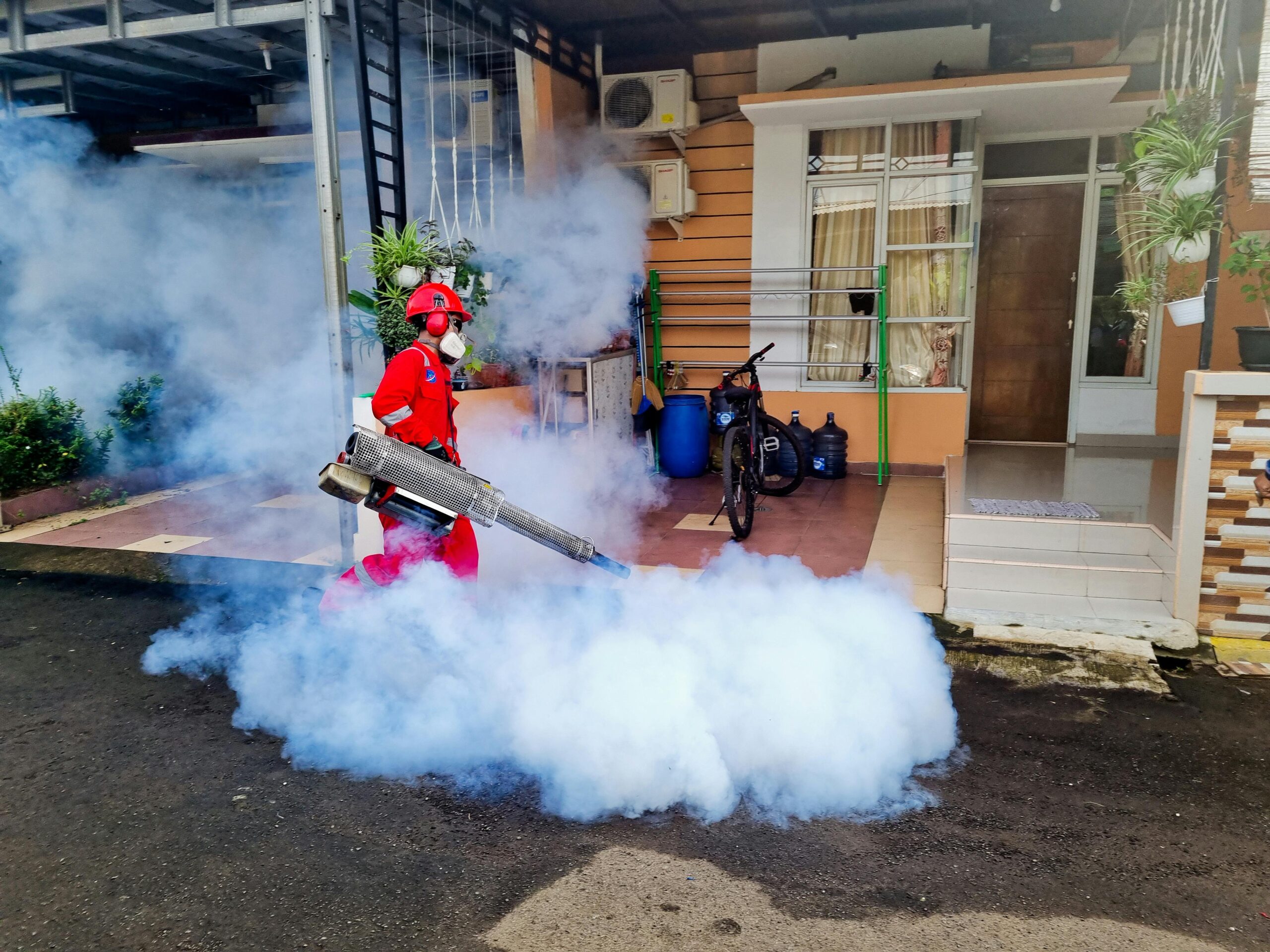
This entry‑level option targets spiders that have already set up shop inside your home. A certified technician loads a low‑pressure fogger with a fast‑acting, low‑odor insecticide and distributes a fine mist throughout every room, focusing on ceilings, corners, and hidden crevices. The fog penetrates deep into wall voids and under furniture, killing active spiders and their egg sacs within minutes. Because the treatment is a single visit, it’s ideal for homeowners who need immediate relief without a long‑term commitment.
- Foam application for hard‑to‑reach cracks.
- Spot‑treatment of identified spider hotspots.
- 30‑minute post‑treatment walkthrough to ensure coverage.
Quarterly Exterior Barrier + Interior Spot‑Treatment
For families wanting ongoing protection, Anthem Pest applies a perimeter spray around the home four times a year. The residual formula stays active for weeks, blocking spiders from entering. After each outdoor application, a technician returns for a quick interior spot‑treatment to address any new activity. This tier balances cost and coverage, keeping indoor and outdoor spaces spider‑free all season.
Seasonal Timing and Prevention Checklist
Understanding the Spider Life Cycle
Spiders in the Dunwoody area follow a predictable rhythm that aligns with the seasons, making proactive spider control in Dunwoody especially important during peak activity months. In late summer, mature females lay dozens to hundreds of eggs inside silken sacs, often tucked away in cracks, leaf litter, or under eaves. Those sacs remain dormant through the cooler months, protecting the embryos from frost and predators. When spring arrives and temperatures consistently rise above 60°F, the eggs hatch, releasing spiderlings that disperse in search of food and shelter. This burst of new activity is why you’ll notice a sudden uptick in spider sightings from March through May.
Optimal Treatment Windows
Because the life cycle is so seasonal, timing your control measures can dramatically improve results and reduce the need for repeat visits. The two most effective windows are:
- Early Spring (March‑April): Target the freshly hatched spiderlings before they establish permanent webs. A pre‑emptive perimeter treatment at this stage blocks entry points and eliminates the first generation.
- Late Summer (August‑September): Focus on the egg sacs that are about to be sealed for the winter. Treating during this period disrupts the next wave of hatchlings, keeping your home spider‑free through the colder months.
The National Pest Management Association (NPMA) seasonal pest calendar for 2024‑2025 corroborates these windows, highlighting spider activity peaks in early spring and late summer across the Southeast.
Step‑by‑Step Prevention Checklist
Even the best treatment can be undone by simple oversights around the house. Follow this concise checklist each season to create an environment that spiders find uninviting:
- Seal cracks and openings: Inspect the foundation, windows, doors, and utility penetrations. Use caulk, weatherstripping, or expanding foam to close gaps larger than ¼ in.
- Reduce outdoor lighting: Insects are attracted to bright lights, and spiders follow their prey. Switch to amber‑tinted bulbs, install motion sensors, or keep lights off when not needed.
- Trim vegetation within 3 ft of the foundation: Overhanging branches and dense shrubs provide bridges for spiders to reach your home. Prune back regularly and keep lawns mowed.
- Declutter basements and garages: Stacked boxes, stored firewood, and piles of laundry create perfect hideouts. Keep these areas organized and elevate items off the floor.
- Control humidity: Spiders thrive in damp spaces. Run de‑humidifiers in basements, crawl spaces, and laundry rooms to keep relative humidity below 50 %.
Putting It All Together
By aligning your treatment schedule with the spider’s life cycle and rigorously following the prevention checklist, you’ll dramatically cut down on unwanted eight‑legged guests. Remember, a proactive approach in March‑April and again in August‑September, combined with year‑round home maintenance, is the most cost‑effective strategy for a spider‑free Dunwoody home.
Neighborhood‑Specific Strategies for Dunwoody
Dunwoody’s neighborhoods each have unique building styles and landscape features that affect how spiders enter homes. Tailoring your prevention plan to these local characteristics maximizes results and minimizes unnecessary chemical use.
Briarcliff: Older Homes with Larger Basements
Many Briarcliff properties were built in the mid‑20th century and feature expansive basements that retain moisture—perfect hiding spots for cellar spiders and house spiders. The first line of defense is de‑humidification. Installing a whole‑home dehumidifier or running a portable unit in the basement keeps relative humidity below 50 %, making the environment less inviting for spiders and the insects they prey on. Follow this with thorough interior fogging during the spring and fall. A low‑pressure fogger can reach cracks, floor joists, and pipe chases where spiders build webs. Seal any gaps around utility penetrations and install door sweeps to block entry points. Regularly inspect the basement for spider webs and remove them promptly; this simple habit disrupts colony establishment before it spreads to living areas.
Mount Vernon: Newer Subdivisions
Mount Vernon’s newer homes sit amid manicured lawns, mulch beds, and decorative rock gardens—features that can unintentionally shelter spiders. Here, the most effective tactic is a perimeter barrier treatment around the landscaping. Apply a residual insecticide to the outer edge of flower beds, under decks, and along foundation walls, creating a chemical “fence” that deters wandering spiders and the insects they hunt. Pair the barrier with regular exterior inspections every 4–6 weeks during peak spider season. Look for web clusters in shrubbery, gutters, and outdoor lighting fixtures, and spot‑treat any hotspots with a handheld spray. One Mount Vernon homeowner reported an 80 % drop in spider sightings after a single professionally applied barrier, proving that a focused exterior approach can dramatically reduce indoor encounters.
Perimeter Center: High‑Rise Condos
High‑rise condominiums present a different challenge: shared walls, common corridors, and limited private outdoor space. For these buildings, Anthem Pest recommends a professional spider‑monitoring program. Technicians install discreet monitoring stations in hallways, laundry rooms, and building entrances to track spider activity levels. Data from these stations guide a schedule of interior spot‑treatments—targeted fogging or spray applications in units where activity spikes. Because condos often have centralized HVAC systems, treating air ducts and vent returns helps prevent spiders from traveling between floors. Encourage residents to keep personal storage areas tidy, seal cracks around windows, and report any webs they find. A coordinated, building‑wide effort ensures that spider populations are kept low without excessive pesticide use.
Trust Factors When Choosing Anthem Pest
Industry‑Recognized Certifications
When you invite a pest‑control professional into your home, you want assurance that they meet the highest standards. Anthem Pest is licensed by the Georgia Department of Agriculture, which means the company complies with state‑mandated safety, training, and operational requirements. In addition, every product used by Anthem is EPA‑approved, guaranteeing that chemicals have been rigorously evaluated for effectiveness and minimal impact on humans, pets, and the environment. These credentials give Dunwoody homeowners peace of mind that the treatment plan is both legal and scientifically sound.
Round‑the‑Clock Support & Guarantees
Spider activity doesn’t wait for business hours, and neither does Anthem. Their 24/7 customer support line (877‑371‑8196) connects you instantly to a knowledgeable representative, whether you spot a new web at midnight or need advice after a treatment. Anthem backs every service with a satisfaction guarantee: if you’re not completely happy with the results, they’ll re‑treat the affected area at no extra cost. This promise eliminates the risk of lingering spiders and shows that Anthem stands behind its work.
Direct Access to Local Spider Control
For a quick look at the specific solutions available in Dunwoody, visit Anthem’s dedicated spider‑control page: Anthem Spider Control – Dunwoody, GA. The page outlines the treatment process, pricing transparency, and what to expect before, during, and after a visit. Having this information at your fingertips helps you compare options and make an informed decision without the guesswork.
What Dunwoody Homeowners Are Saying
“I called Anthem after noticing a surge of black widows in my garage. The technician arrived the same day, explained every step, and used EPA‑approved sprays that were safe for my kids and dog. Within a week, the webs were gone, and the team followed up to ensure the problem stayed solved. Professional, prompt, and truly effective!” – Emily R., Dunwoody, GA
Frequently Asked Questions About Spider Control
Are spider control chemicals safe for kids and pets?
Most professional spider treatments use EPA‑registered products that have undergone rigorous toxicity testing. When applied according to the label, these chemicals pose minimal risk to humans and animals. Key safety steps include:
- Keeping children and pets out of treated areas for the recommended re‑entry time (usually 30 minutes to 2 hours).
- Ensuring proper ventilation during indoor fogging or spray applications.
- Storing all pesticide containers out of reach and never mixing products.
EPA’s Pesticide Registration Program confirms that when label directions are followed, the exposure levels are far below thresholds that could cause health effects. Always ask your technician for the product’s safety data sheet (SDS) for detailed information.
How long does a treatment last?
The longevity of a spider control service depends on where it’s applied and the formulation used:
- Interior fog or spray: Residual activity typically persists for 4–6 weeks, offering continuous protection against wandering spiders.
- Exterior barrier treatments: These create a protective perimeter that can remain effective for 12–16 weeks, especially when combined with seasonal re‑application.
Regular yard maintenance—such as trimming vegetation away from the foundation and removing debris—helps extend the barrier’s effectiveness.
Can I prevent brown recluse bites?
Brown recluse spiders prefer undisturbed, cluttered spaces. Homeowners can dramatically reduce bite risk by following these steps:
- Seal cracks, gaps, and crevices around doors, windows, and the foundation.
- Eliminate clutter in basements, attics, and storage areas where spiders hide.
- Store clothing, shoes, and linens in sealed containers; shake them out before use.
- Wear long sleeves and gloves when handling wood piles, firewood, or cleaning out dark corners.
- Schedule professional inspections and treatments, especially after renovations or after moving in.
EPA toxicity data referenced above is verified through the agency’s public pesticide database and the product safety data sheets provided by Anthem Pest Control.
Secure Your Home – Call Anthem Pest Today
If you’ve read this far, you now know how to spot the most common indoor spiders, the professional treatment options available, what to expect from our transparent pricing, and why timing matters with each season.
- Accurate identification of Dunwoody’s common household spiders.
- Professional treatments ranging from spot‑applications to full‑home barrier sprays.
- Upfront, transparent pricing with no hidden fees.
- Season‑specific timing to maximize effectiveness and prevent re‑infestations.
Partnering with Anthem Pest means you’re working with a local team that knows the area’s spider activity patterns, uses EPA‑approved products, and backs every service with a satisfaction guarantee. Our technicians live in the community, so they understand the local climate and can tailor solutions that work year‑round.
Ready for a worry‑free home? Call us for a free, no‑obligation inspection or schedule online. Our specialists will walk you through a customized plan that fits your budget and schedule. The inspection is completely free, and the quote comes with no obligation to proceed.
Call us today at 877‑371‑8196 or visit Anthem Pest Control to claim your free quote.