Recognizing German Cockroaches and Their Health Risks
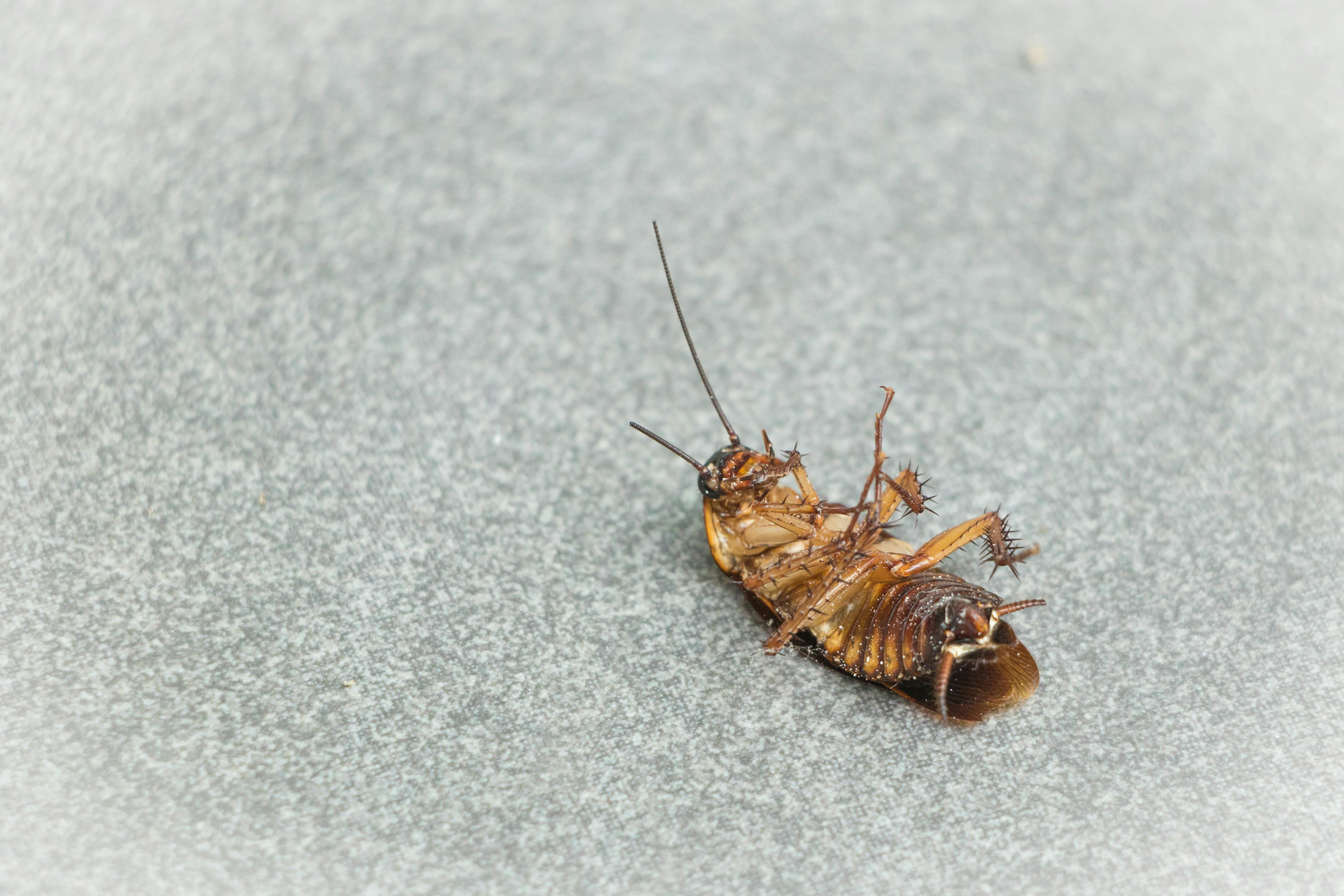
The German cockroach (Blattella germanica) is the most common indoor pest in the United States and is frequently identified during a professional cockroach inspection Decatur homeowners schedule for early detection. Adults measure just 1/2 to 5/8 inch (12–15 mm) long, sport a light-brown to tan body, and have two dark, parallel stripes on the pronotum (the shield-like area behind the head). Their wings are short and lie flat, giving them a sleek, flattened appearance that lets them slip into the tiniest cracks.
Where They Hide
German cockroaches thrive in warm, moist environments, making kitchens and bathrooms prime real estate. Look for them around:
- Sink and dishwasher gaskets
- Behind refrigerator and stove backsplashes
- Cracks in cabinets, baseboards, and wall voids
- Under sinks and around plumbing fixtures
Because they reproduce quickly—one female can produce up to 40 eggs in a single ootheca—an early sighting often signals a burgeoning infestation.
Health Risks You Can’t Ignore
Beyond the “ick” factor, German cockroaches pose genuine health threats. Their shed skins, droppings, and saliva contain potent allergens that can trigger asthma attacks, especially in children and sensitive adults. Studies cited by the CDC’s indoor air quality resources confirm that cockroach allergens rank among the top indoor triggers for asthma.
These pests also carry bacteria such as Salmonella and E. coli, contaminating food, utensils, and surfaces they crawl over. While they are not direct disease vectors like mosquitoes, the mechanical transfer of pathogens can lead to food‑borne illnesses and gastrointestinal upset.
Quick Visual Check: What to Do Tonight
Grab a flashlight and spend five minutes inspecting the hotspots listed above. Turn the light on low and sweep the beam slowly—German cockroaches move quickly, so a sudden flash often startles them into motion, revealing their characteristic rapid scuttle.
- Focus on the undersides of appliances and the edges of countertops.
- Check the seams of cabinets and the backs of pantry shelves.
- Note any small, oval, brown insects with the two dark stripes on the pronotum.
If you spot even a single adult or an egg case, it’s time to act. Early detection allows for targeted treatment, reducing the need for extensive chemical applications later.
Why Homeowners Should Call a Pro
German cockroaches are notoriously resilient. Their ability to hide in minuscule crevices and reproduce rapidly means DIY measures often fall short. Professional pest control technicians bring:
- Specialized baits and insect growth regulators that interrupt the life cycle.
- Integrated pest management (IPM) strategies that combine sanitation, exclusion, and monitoring.
- Local expertise—knowing the specific hot spots in Decatur homes and the most effective treatment windows.
Partnering with a trusted company like Anthem Pest Control ensures the infestation is eliminated safely, affordably, and with transparent pricing.
Early Warning Signs of a German Cockroach Infestation
German cockroaches are tiny, but they multiply fast. The key to keeping them from taking over your kitchen or bathroom is spotting the subtle clues early—often during a professional cockroach inspection Decatur homeowners schedule before the numbers explode. Below are the most reliable indicators that a hidden colony is forming in your Decatur home.
Egg casings (oothecae) in hidden crevices
Female German cockroaches carry their eggs in a protective case called an ootheca. After a few days, they deposit the case in dark, undisturbed spots—behind appliances, under sinks, or inside wall voids. The ootheca looks like a light‑brown, cigar‑shaped capsule, roughly the size of a grain of rice. Finding even a single casing means a breeding pair is already present, and dozens of nymphs could be emerging within a week.
Fecal spots that look like pepper grains
These roaches leave tiny droppings that resemble specks of black pepper or coffee grounds. You’ll typically see them on countertops, pantry shelves, or the underside of cabinets where food particles accumulate. Because each adult deposits only a few spots per day, a cluster of specks signals regular traffic and an established population.
Unusual odors or a musty scent
A mature infestation emits a faint, oily, musty odor that becomes noticeable when you’re alone in the kitchen or bathroom. The smell is often described as “wet cardboard” or “stale beer.” While it’s easy to dismiss as a plumbing issue, a persistent, sour scent that lingers after cleaning is a red flag for roach activity.
Increased sightings during night hours
German cockroaches are nocturnal. If you start seeing them scuttle across the floor, along baseboards, or out of cabinets after the lights go out, it’s a sign they’re feeling safe in the darkness. A sudden uptick in night‑time sightings—especially near food prep areas—means the colony is growing and seeking more resources.
Behavioral patterns: attraction to food residue and moisture
These pests thrive on crumbs, sugary spills, and even pet food. They also need moisture to survive, so leaky faucets, condensation on pipes, or standing water in dish racks become hot spots. If you notice roaches gathering near a leaky sink or after a dinner party, it indicates they’re exploiting those food and water sources.
When DIY spotting isn’t enough – criteria for calling a professional
Even the most vigilant homeowner can miss a hidden infestation. Consider calling Anthem Pest Control if you encounter any of the following:
- More than a handful of oothecae or fecal specks in multiple locations.
- The musty odor persists despite thorough cleaning.
- Repeated night‑time sightings despite eliminating obvious food sources.
- Evidence of roaches in wall voids, ceiling tiles, or other inaccessible areas.
- Any sign of rapid population growth, such as swarms emerging from cracks.
Our certified technicians use targeted inspections and safe, effective treatments that eliminate the colony at its source. When the signs start adding up, a professional assessment prevents a minor nuisance from becoming a full‑blown infestation.
What to Expect During a Professional Cockroach Inspection

When you call Anthem Pest Control for a cockroach inspection, the first thing you’ll notice is the technician’s focus on safety—both yours and theirs. Before stepping inside, the specialist dons a disposable lab coat, gloves, and a face mask. This protective gear isn’t just for show; it prevents cross‑contamination and protects you from any chemicals that might be used later. The technician also takes a few minutes to brief you on the day’s plan, explaining where they’ll work, what tools they’ll use, and how long the inspection typically lasts. If you have pets or children, let the technician know; they will adjust their approach accordingly.
Tools of the Trade
Modern cockroach inspections rely on a handful of reliable tools that let the technician see what’s hidden from the naked eye. A high‑intensity flashlight reveals dark crevices, while a small inspection mirror slides into tight gaps behind appliances and under cabinets. Sticky traps, pre‑baited with a non‑toxic attractant, are placed strategically to capture any roaming insects for later identification. Finally, a moisture meter checks walls and flooring for excess humidity—an environment cockroaches love. A handheld UV light may be used to spot organic residues that attract roaches. Together, these tools give a comprehensive snapshot of the infestation’s scope.
Key Areas Under the Lens
The inspection isn’t a random walk through the house; it follows a proven checklist. In the kitchen, technicians open every cabinet, pull out drawers, and examine the underside of countertops for egg cases or droppings. Wall voids are probed with the inspection mirror, especially near plumbing stacks where roaches often travel. All plumbing fixtures—sinks, bathtubs, and utility sinks—are inspected for leaks, because standing water is a magnet for roaches. The pantry shelves are pulled out to check for spilled food particles, and the dishwasher’s filter is examined. Outside, the perimeter is surveyed: foundation cracks, debris piles, and the area around garbage bins are all scrutinized, as outdoor harborage can quickly become an indoor problem.
Identifying Species and Measuring Infestation
Not all cockroaches are created equal. The American cockroach, German cockroach, and Oriental cockroach each have distinct habits and require different treatment strategies. By examining captured specimens, droppings, and egg cases, the technician can pinpoint the species. The number of insects found, the locations of their activity, and the presence of breeding signs help the professional assess the infestation level—from a single‑spot occurrence to a full‑blown colony.
Reporting: Clear, Visual, Actionable
After the walk‑through, the technician compiles a detailed report that you’ll receive the same day. The document includes a written summary of each inspected zone, high‑resolution photos of problem spots, and a clear rating of infestation severity. Most importantly, the report outlines a recommended treatment plan, explaining why a particular method—such as gel baits, dust applications, or structural sprays—is best suited for your situation. All recommendations are transparent, with cost estimates listed up front. You’ll receive the report electronically via a secure link for easy review on any device.
Why Documentation Matters
Thorough documentation isn’t just paperwork; it’s the foundation for effective long‑term monitoring. The photos serve as a visual baseline, allowing you and future technicians to compare post‑treatment conditions. Detailed notes on moisture levels and entry points help identify recurring vulnerabilities, so preventative steps can be taken before the next season’s pests arrive. In short, a well‑documented inspection turns a one‑time service into a proactive partnership between you and Anthem Pest Control.
Choosing the Right Cockroach Inspection Service Tier
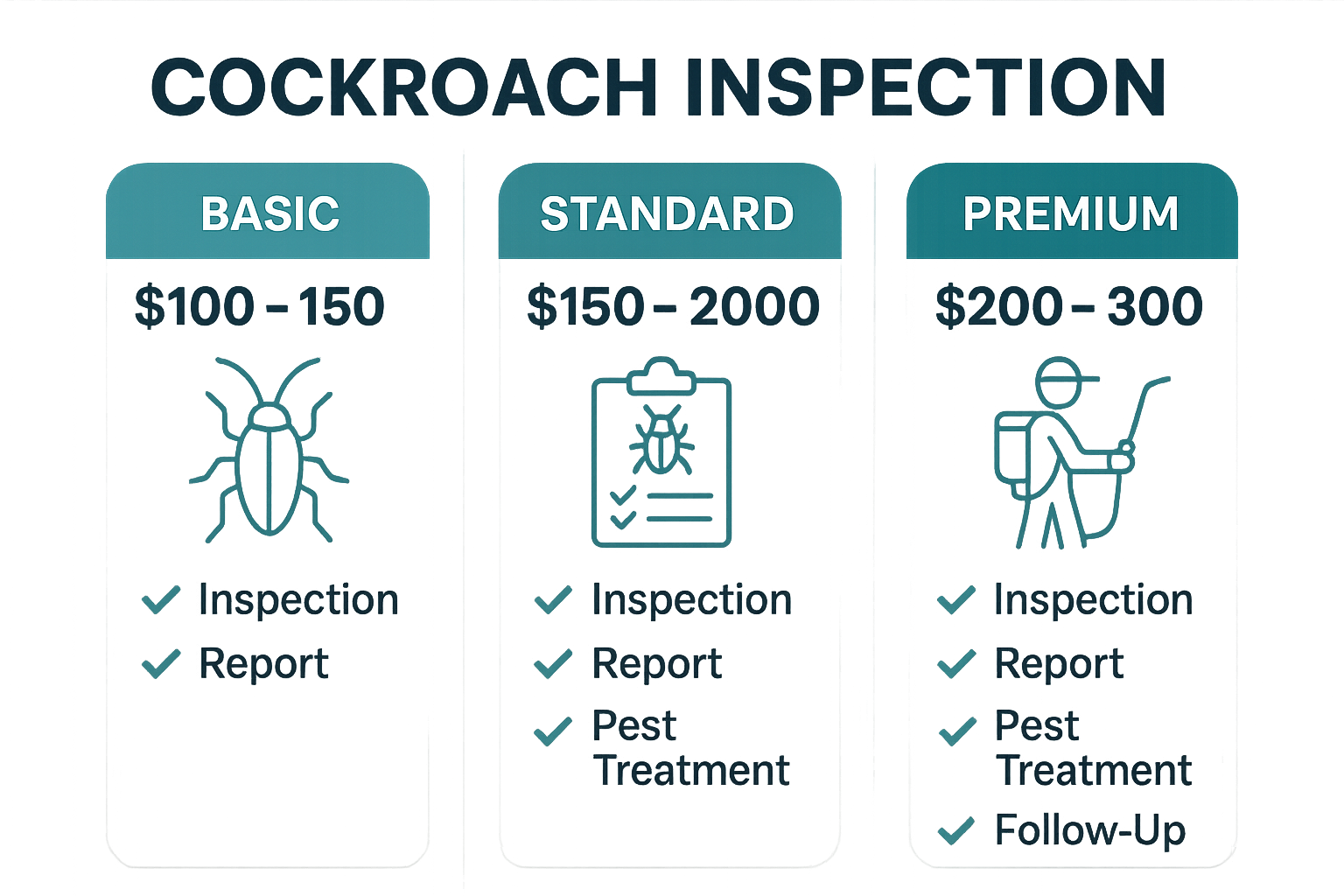
When it comes to cockroach control, one size does not fit all. Anthem Pest Control offers three clear‑cut service tiers—Basic, Standard, and Premium—so you can pick the level of protection that matches your home’s unique needs and budget.
Tier Overview
The Basic tier is perfect for homeowners who suspect a minor problem or want a preventive check before the summer heat hits. The Standard tier adds extra visits and broader treatment options, making it a solid choice for families in single‑family homes with a history of occasional sightings. The Premium tier is designed for multi‑unit buildings, severe infestations, or anyone who wants the peace of mind that comes with the longest warranty and the most comprehensive follow‑up.
Feature Comparison
| Tier | Inspections | Follow‑up Visits | Treatment Options | Warranty | Price Range |
|---|---|---|---|---|---|
| Basic | 1 | None | Spot‑treatment only | 30 days | $79–$99 |
| Standard | 1 | 1 follow‑up | Spot‑treatment + barrier spray | 60 days | $129–$159 |
| Premium | 2 | 2 follow‑ups | Spot‑treatment, barrier spray, and interior/exterior baiting | 90 days | $199–$249 |
Ideal Customer Scenarios
- Basic: A single‑family home where you’ve seen a few roaches in the kitchen and want a quick, affordable check.
- Standard: A homeowner with occasional sightings, perhaps after a recent renovation, who wants a follow‑up visit to confirm the problem is gone.
- Premium: A multi‑unit building manager dealing with multiple apartments, or a homeowner battling a severe, recurring infestation who needs the most aggressive treatment plan and the longest warranty.
Transparent pricing is a cornerstone of our service philosophy. By laying out exactly what you receive at each price point, we eliminate surprise fees and build the trust you deserve from a local pest‑control partner.
Quick visual comparison: See the infographic below for an at‑a‑glance summary of each tier’s benefits.
Whether you’re protecting a cozy bungalow or overseeing a larger complex, matching the right tier to your situation ensures you pay only for what you need—no more, no less. If you’re still unsure, give us a call at 877‑371‑8196 and we’ll walk you through the options.
Seasonal Activity Patterns and the Best Time to Treat
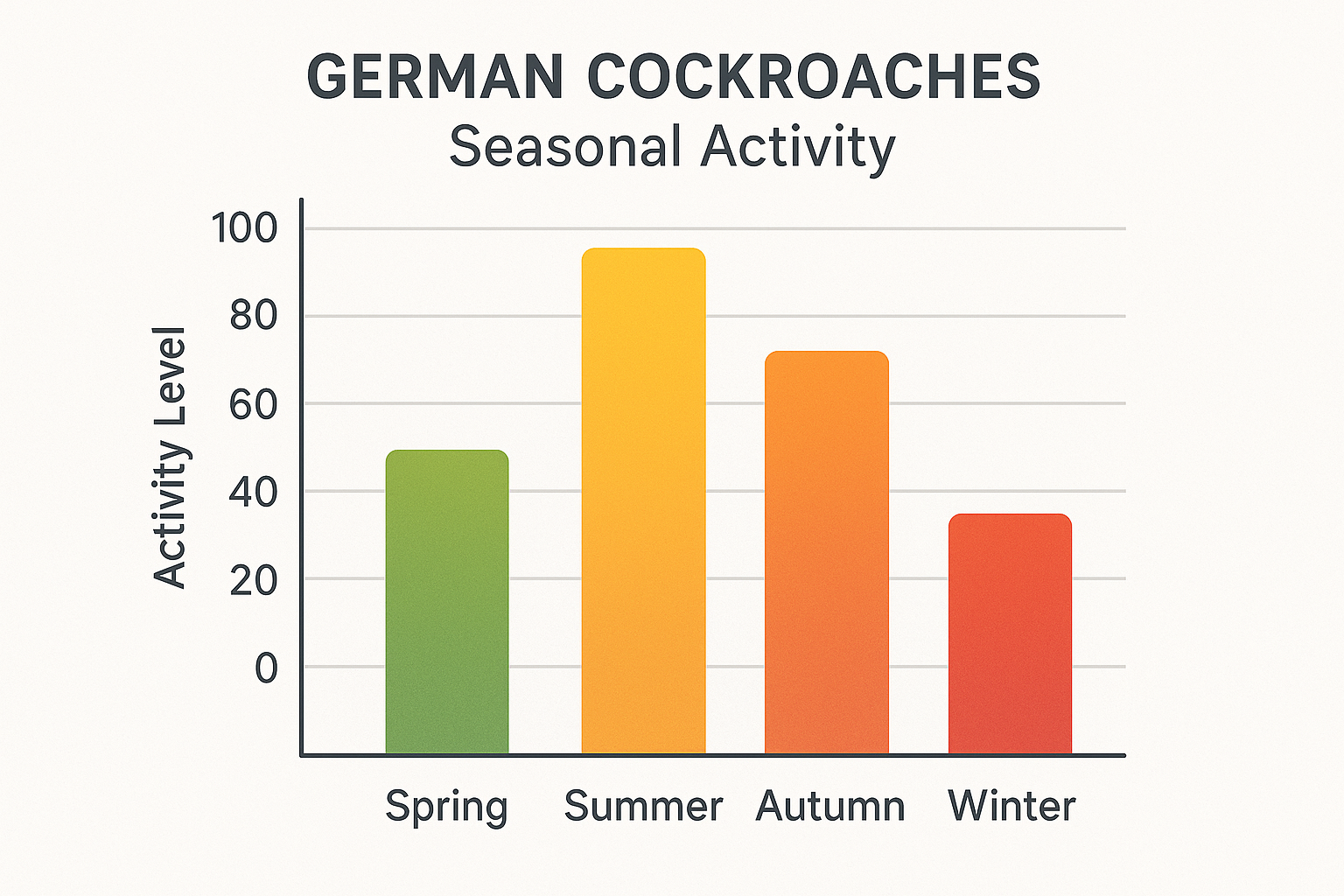
The bar chart above paints a clear picture: cockroach sightings in Decatur peak during the hot, humid months of July and August, dip to moderate levels in spring and fall, and drop to a near-baseline in the colder winter months—patterns that a professional cockroach inspection Decatur homeowners rely on helps identify early. This seasonal rhythm isn’t random; it mirrors the insects’ biological needs and the environment they exploit inside our homes.
Why Activity Fluctuates
Three main forces drive these spikes:
- Temperature: Cockroaches are ectothermic, meaning they thrive when ambient temperatures stay above 70°F (21°C). Warm weather accelerates their life cycle, allowing eggs to hatch faster.
- Humidity: High humidity prevents dehydration, a critical factor for survival. Summer in Decatur often brings both heat and moisture, creating an ideal breeding ground.
- Indoor Food Availability: Warmer months encourage families to host barbecues, picnics, and outdoor gatherings, which often translate into more food crumbs and spills inside the house.
Optimal Treatment Windows
To stay ahead of the infestation curve, schedule a pre‑summer deep treatment in late April or early May. This proactive approach targets hidden harborages before the population explodes. Follow up with a post‑summer inspection and spot‑treatment in early September to mop up any survivors that rode out the heat.
Adjusting Inspection Frequency
Seasonality also dictates how often you should call a professional. Homeowners in Decatur typically benefit from:
- Quarterly inspections during high‑risk periods (spring, summer, fall) to catch early activity.
- Bi‑annual inspections in the off‑season (winter) when the pest pressure naturally recedes.
Homeowner Tips for High‑Risk Months
Even the best chemical barrier can be compromised by easy attractants. Reduce indoor lure during summer and early fall by:
- Storing pantry items in sealed containers.
- Cleaning kitchen counters and floors nightly to eliminate crumbs.
- Fixing leaky faucets and pipes; cockroaches need water as much as food.
- Vacuuming regularly, especially under appliances where crumbs accumulate.
- Using trash cans with tight‑fitting lids and emptying them frequently.
For broader health guidance on how seasonal indoor conditions affect air quality, consult the CDC indoor air quality page. Their recommendations complement pest‑control best practices, helping you maintain a healthier home year‑round.
Protect Your Home with Expert Cockroach Control
Over the past sections we’ve shown you how to spot a cockroach infestation, recognize the subtle warning signs, understand what a thorough inspection looks like, compare the three service tiers Anthem offers, and learn the best times of year to act.
- Identification: German, American, and Oriental roaches each leave distinct droppings, shed skins, and odor clues.
- Warning signs: Smear marks, nocturnal sightings, and a sudden increase in food debris.
- Inspection process: Certified technicians use flashlights, moisture meters, and bait stations to map activity zones.
- Service tiers: Basic bait placement, comprehensive chemical barrier, and premium integrated pest management with follow‑up monitoring.
- Seasonal timing: Warm, humid months (May‑September) accelerate breeding, while cooler periods are ideal for preventative treatments.
Anthem’s solutions prioritize safety for your family and pets, employing EPA‑approved products that target roaches without leaving harmful residues. Each treatment plan is backed by a transparent price sheet, so you know exactly what you’re paying for—no hidden fees, no surprise add‑ons. We also offer pet‑safe formulations that work quickly without disrupting daily life.
Choosing a professional service eliminates guesswork. Anthem’s technicians follow a documented protocol, record all findings, and provide a written report so you can see where the problem lies and how it will be solved. All treatments are backed by a satisfaction guarantee; if roaches return within 90 days, we’ll re‑treat at no extra charge.
Springtime is when hidden nests emerge, making early intervention the most cost‑effective strategy for long‑term control.
If you’ve spotted any of the signs above or simply want peace of mind, our certified technicians are ready to assess your home and tailor a plan that fits your budget.
Give us a call at 877‑371‑8196 for a free, no‑obligation quote. Our friendly staff will schedule an on‑site inspection at a time that works for you.
For additional resources, step‑by‑step guides, and the ability to book online, visit Anthem Pest Control’s website. The portal lets you track service history, request follow‑up visits, and access seasonal tips to keep roaches out year‑round.
Contact Anthem Pest Control today for a free quote and schedule a professional cockroach inspection Decatur homeowners trust to protect your home with proven, effective cockroach control.