Why Immediate Tick Control Matters in Brookhaven

The Atlanta metropolitan area, including Brookhaven, sits in a hot spot for tick-borne illnesses—making proactive tick control Brookhaven homeowners can depend on more important than ever. Warm, humid summers and abundant woodland create ideal conditions for black-legged (deer) ticks, the primary carriers of Lyme disease, Rocky Mountain spotted fever, and emerging pathogens.
According to the CDC’s 2023 surveillance report, Georgia recorded more than 1,200 confirmed cases of Lyme disease—a sharp rise from previous years [CDC]. Those numbers translate to a heightened risk for any homeowner who spends time in yards, gardens, or nearby parks.
In response, the Brookhaven Health Department issued a 2024 tick‑activity alert warning residents of an unprecedented spike in tick encounters [Brookhaven Health]. The advisory urges immediate inspection of outdoor spaces and swift professional treatment to curb the spread.
DeKalb County, which encompasses Brookhaven, reported a 38 % increase in tick submissions to local labs during the first quarter of 2024. This surge underscores that the problem isn’t isolated—it’s a county‑wide emergency that can quickly infiltrate backyards if left unchecked.
When the city health department elevates a tick‑activity alert, it signals that the local tick population has reached a threshold where routine backyard checks are no longer enough. Delaying treatment can allow ticks to establish breeding hotspots, increasing the likelihood of multiple bites per season and raising the community’s overall disease burden.
That’s why this guide walks you through a step‑by‑step emergency response: from rapid habitat assessment and DIY removal tips to when you should call a licensed pest‑control professional. Acting now protects your family, pets, and property from the long‑term health impacts of tick‑borne diseases.
Understanding the Enemy: Tick Life Cycle and Peak Seasons
Ticks are tiny arachnids, not insects, and their development follows a four‑stage cycle that repeats each year. Understanding each stage helps homeowners recognize where the risk hides and when to act.
Four Distinct Life Stages
- Egg – Laid in clusters on the ground, usually in leaf litter. The eggs hatch in 1‑2 weeks depending on temperature.
- Larva – Also called “seed ticks,” they have six legs and climb onto small mammals or birds to feed.
- Nymph – After their first blood meal, they molt into eight‑legged nymphs. This stage is responsible for most human bites because nymphs are tiny and hard to see.
- Adult – Fully grown ticks seek larger hosts such as deer, dogs, or people. Females engorge, drop off, and lay thousands of eggs, restarting the cycle.
Preferred Habitats for Each Stage
- Eggs: protected leaf litter, mulch, and shaded soil.
- Larvae: low vegetation and tall grass where they can latch onto passing rodents.
- Nymphs: leaf‑covered forest edges and brush piles, often a few inches above ground.
- Adults: wooded borders, tall grasses, and areas with abundant wildlife.
Georgia’s climate blurs the traditional “tick season.” Mild winters keep soil temperatures above 45 °F, allowing eggs to hatch and nymphs to stay active well into December. As a result, Brookhaven homeowners face a near‑year‑round exposure risk, especially after rain.
According to the National Pest Management Association, 75 % of tick bites in the United States occur during late spring and early summer, when nymphs are at the height of their questing activity. That window aligns with the period when backyard lawns and park trails are most heavily used.
Key Environmental Triggers
Ticks are ectothermic; they rely on external conditions to become active. The two primary cues are:
- Temperature: Questing peaks when daytime highs reach 70‑85 °F. Below 50 °F, activity drops sharply.
- Humidity: Relative humidity above 70 % prevents desiccation, so ticks are most prevalent after rain or in dew‑laden mornings.
When both temperature and humidity align, you’ll notice a surge in tick encounters. Monitoring local weather forecasts and keeping yard debris low are practical steps to reduce that surge.
Diseases Carried by Ticks in the Southeast
Lyme disease
Lyme disease, transmitted primarily by the black‑legged tick, often begins with a distinctive “bull’s‑eye” rash around the bite site, followed by fatigue, fever, and aching joints. If treatment is delayed, the infection can migrate to the nervous system and heart, leading to chronic pain, neurological issues, and long‑term disability.
Rocky Mountain spotted fever
This rickettsial illness presents with a sudden high fever, severe headache, and a rash that typically starts on the wrists and ankles before spreading to the trunk. Without prompt antibiotics, Rocky Mountain spotted fever can progress to organ failure and be fatal, especially in older adults or those with weakened immune systems.
Ehrlichiosis
Ehrlichiosis mimics a flu‑like syndrome—fever, chills, muscle aches, and sometimes a rash—while the virus silently reduces platelet counts and white blood cells. Because its symptoms overlap with many common infections, doctors often mistake it for a simple viral illness, postponing the doxycycline therapy that can resolve the disease quickly.
According to the CDC’s 2023 report, roughly 60% of Georgia’s tick‑borne cases are initially misdiagnosed CDC. This high rate of error stems from the overlapping symptoms among tick‑borne illnesses and the limited awareness of regional tick activity among both patients and some healthcare providers.
For homeowners, the takeaway is clear: any unexplained fever, rash, or joint pain after a recent outdoor exposure should trigger a professional tick‑testing service. Early detection, paired with laboratory confirmation, dramatically improves treatment outcomes and reduces the risk of long‑term complications.
Quick Homeowner Tick‑Check Before Calling a Pro
Before you dial a pest‑control professional, a quick visual sweep of your property can tell you whether you’re dealing with a few stray ticks or a larger infestation that needs immediate attention.
1. Inspect the yard
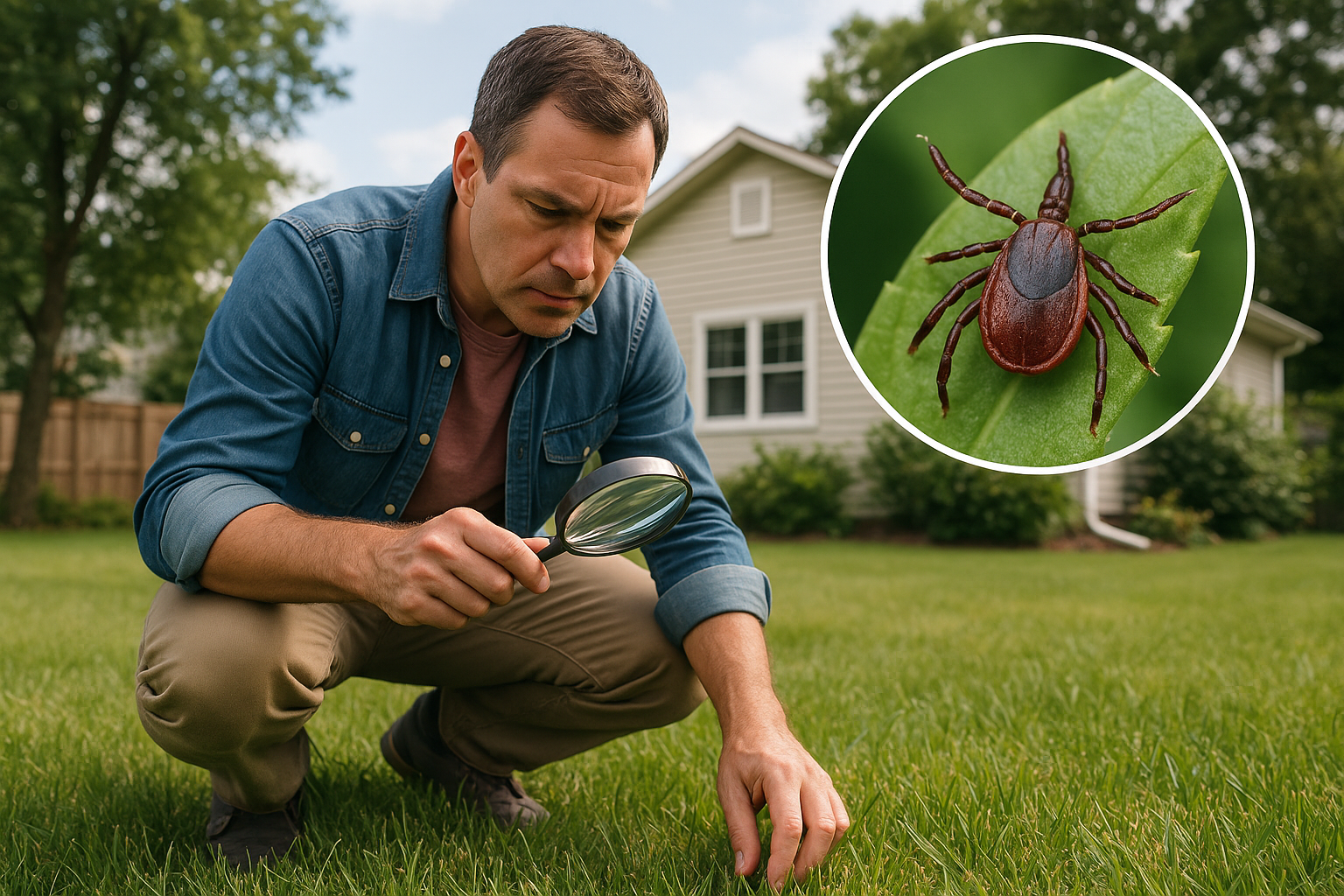
Start at the perimeter of your lawn and work inward. Focus on shaded spots, leaf piles, and the edges where grass meets woods—these micro‑habitats hold the humidity ticks love. Walk slowly, crouch low, and use a handheld flashlight to spot any small, dark specks clinging to vegetation. If you spot a tick, note the exact spot on a piece of paper or your phone, as this helps the technician map high‑risk zones.
2. Examine your pets
Pets are natural tick carriers. After any outdoor play, run your fingers along the fur, especially under the collar, behind the ears, and between the toes. A quick pat‑down can reveal ticks before they hitch a ride into your home. Even indoor cats can pick up ticks when they wander near the house foundation, so give them the same thorough check.
3. Review clothing and gear
When you return from a hike, garden, or a day at the park, check sleeves, pant legs, and shoes. Use a flashlight to illuminate seams, cuffs, and the inside of hats—ticks love those hidden crevices. Don’t forget to inspect backpacks, bike helmets, and fishing rods—any fabric that brushed against grass can harbor a hitchhiker.
4. Safe 3‑step removal
- Grab with fine‑tipped tweezers. Position the tweezers as close to the skin as possible, grasping the tick’s head.
- Pull upward with steady pressure. Avoid twisting; a smooth, upward motion reduces mouth‑part breakage.
- Disinfect the bite. Clean the area with rubbing alcohol or soap and water, then apply an antiseptic.
5. Document what you find
Write down the number of ticks, the exact spots where you found them, and any pet‑related observations. A simple list or photo can give the technician a clear picture of hot zones, speeding up the treatment plan and preventing future surprises.
Armed with this quick checklist, you’ll know exactly what to report to Anthem Pest Control, ensuring the right response the moment you call.
Red Flags That Demand Professional Intervention
When ticks turn from a nuisance into a health hazard, it’s time to call in the experts for professional tick control Brookhaven homeowners trust. Below are the warning signs that indicate a backyard infestation is beyond DIY control and requires emergency treatment from Anthem Pest Control.
- Large‑scale infestations. Finding dozens of ticks scattered across a single lawn or garden in one day signals that the local environment is breeding them faster than you can keep up.
- Multiple bites on family members or pets. If several people or animals are reporting tick bites within a short period, the colony is actively seeking hosts and will continue to grow.
- Presence of deer or other wildlife. Deer, raccoons, and even ground‑hogs act as traveling reservoirs, sustaining tick populations and spreading them deeper into residential yards.
- Confirmed tick‑borne disease. A diagnosis of Lyme disease, Rocky Mountain spotted fever, or another tick‑transmitted illness in any household member demands immediate professional eradication to prevent further exposure.
Local anecdote: A Brookhaven family recently discovered 30 ticks hidden in the mulch of their front yard. After a single weekend of emergency treatment, the infestation was halted, protecting their children and beloved pets.
Seeing any of these red flags? Contact Anthem Pest Control at 877‑371‑8196 for fast, safe, and affordable emergency tick control.
What Anthem Pest Does Differently for Brookhaven Homeowners
Anthem Pest stands out in Brookhaven by promising a 24‑hour rapid response guarantee for any emergency tick call. As soon as you dial 877‑371‑8196, a certified technician is dispatched within the hour, ensuring the infestation is addressed before it spreads to your family or pets.
We only apply EPA‑approved acaricides that have been rigorously tested for both efficacy and safety. These formulations knock down adult ticks within minutes, interrupt the life cycle, and leave no harmful residues on playgrounds, vegetable gardens, or pet zones.
Every property receives a customized perimeter and yard treatment plan. Our crew maps your home’s layout, notes high‑traffic zones, and assesses infestation density before selecting the optimal spray pattern and dosage. This targeted approach maximizes coverage while minimizing chemical use.

A follow‑up monitoring visit is scheduled 7‑10 days after the initial application. During this visit we re‑inspect the treated zones, count any surviving ticks, and, if needed, apply a booster dose. The result is a measurable drop in tick activity that you can see for yourself.
Pricing is crystal clear. A one‑time emergency treatment ranges from $199 to $399, depending on square footage and infestation severity. For ongoing protection, quarterly maintenance plans are available between $149 and $299 per visit, with no hidden fees or surprise charges.
The illustration below shows how our EPA‑approved treatment is applied in a typical Brookhaven yard, highlighting spray zones, buffer areas, and safe entry points. This visual guide helps homeowners understand exactly where the product goes and why it works so effectively.
Brookhaven’s mix of mature oaks, shaded trails, and suburban lawns creates a perfect habitat for the lone star tick. Because we’ve serviced dozens of homes in this exact neighborhood, our technicians recognize the micro‑habitats where ticks hide—under leaf litter, along fence lines, and near bird feeders. This local knowledge lets us position treatments where they matter most, reducing the number of applications required and keeping your outdoor spaces usable year‑round. In short, you get a service that’s engineered for Brookhaven’s unique ecology, not a generic, off‑the‑shelf solution.
Chemical, Biological, and Integrated Tick Management
When ticks start showing up in your yard, the fastest way to regain control is to understand the three main categories of treatment—chemical, biological, and cultural. Each option brings a different balance of speed, cost, and environmental impact, so knowing the trade‑offs helps you choose a plan that fits your family’s safety standards and your budget.
Synthetic Acaricides
Synthetic acaricides such as permethrin are the workhorses of emergency tick control. Formulated for rapid knock‑down, they can achieve up to 85% efficacy in EPA‑reported trials when applied correctly. The chemicals remain active for 2–4 weeks, making them ideal for a quick reduction in adult tick populations, but they do require careful handling around children, pets, and edible plants.
Organic Neem‑Based Products
Neem‑based products offer a greener alternative. Extracts from the neem tree interfere with tick feeding and reproduction, so the knock‑down is slower—usually noticeable after several days of repeated applications. Because the active ingredient is low‑toxicity, these sprays are safe for pets and children, making them a good choice for play areas, garden beds, and zones where chemical residues are a concern.
Habitat Modification
Cultural control—often called habitat modification—doesn’t involve any spray at all. Regular mowing keeps grass under 3 inches, depriving ticks of the humid micro‑climate they love. Removing leaf litter, clearing tall brush, and trimming back overgrown shrubs eliminates the cool, damp refuges where nymphs hide. Finally, limiting wildlife attractants such as bird feeders or unsecured compost reduces the host animals that transport ticks onto your property.
Integrated Tick Management (ITM)
Integrated Tick Management (ITM) stitches these pieces together into a long‑term strategy. A typical ITM program starts with a targeted application of a synthetic acaricide to knock down the existing adult population, followed by a series of neem‑based boosters to suppress eggs and larvae. Meanwhile, weekly yard maintenance—mowing, leaf removal, and wildlife deterrence—keeps the environment hostile to new ticks. By rotating modes of action and reinforcing cultural practices, ITM not only lowers overall tick numbers but also slows resistance development, delivering a safer, more sustainable solution for homeowners who want lasting peace of mind.
The following table distills the key trade‑offs for each approach.
| Method | Cost | Re‑treatment Interval | Safety |
|---|---|---|---|
| Synthetic acaricide (e.g., permethrin) | Medium‑High | 2–4 weeks | Requires protective gear; not pet‑friendly on treated surfaces |
| Organic neem‑based spray | Low‑Medium | 4–6 weeks | Low toxicity; safe for pets and children |
| Habitat modification | Low | Ongoing (maintenance) | Environmentally benign; no chemical exposure |
| Integrated Tick Management (ITM) | Medium | Seasonal (spring/fall) with follow‑up boosters | Combines safe practices; reduces chemical load |
Choosing the right mix depends on your property size, budget, and how quickly you need results.
Keeping Ticks at Bay After the Emergency
Once the immediate tick outbreak is under control, the real work begins—keeping your yard and home tick‑free year after year. Consistent follow‑up actions are the difference between a one‑time fix and a lasting barrier, and they give you peace of mind when the kids head outside.
Schedule Quarterly Inspections
The NPMA recommends a 3‑month re‑inspection and retreat schedule. Set a calendar reminder for a quarterly visit so any new hatchlings are caught before they spread. During each visit a technician will re‑treat high‑risk zones, verify that previous applications remain effective, and adjust product choices based on the latest resistance data. Documenting each service in a simple log helps you track progress and plan ahead.
Create “Tick‑Free Zones”
Designate safe play areas by installing a low‑maintenance border of gravel, stone, or coarse mulch around patios, playgrounds, and pet runs. Ticks avoid dry, abrasive surfaces, so a 12‑inch‑wide barrier creates a natural deterrent. Refresh the material annually and keep the edge clean of debris to maintain its effectiveness.
Implement Pet‑Treatment Protocols
Pets are the most common tick carriers, so a robust treatment plan is essential as part of comprehensive tick control Brookhaven homeowners should maintain. Apply a veterinarian-approved monthly tick collar or a spot-on topical preventative. Rotate products if your vet advises, and always inspect your animal’s neck, ears, and paws after outdoor adventures. Consistent pet protection reduces the chance of ticks hitching a ride back into your home.
Homeowner Maintenance Tips
Simple yard chores dramatically lower tick habitats. Mow the lawn to a maximum height of 3 inches, trim back overgrown shrubs, and promptly remove leaf litter and tall grasses where deer may graze. If you maintain a deer feeding station, relocate it at least 200 feet from the house and limit feeding times to discourage lingering animals.
Keep a Treatment Log
Maintain a log that records inspection dates, products used, and any tick sightings. This record helps Anthem Pest fine‑tune future applications and gives you a quick reference if you spot a resurgence. Report new activity promptly by calling 877‑371‑8196 or using the online portal, and our team will respond before the problem escalates.
Brookhaven Support Networks for Tick Prevention
When ticks start to appear, the fastest way to protect your family is to tap into the resources Brookhaven already offers. The city’s health department, the University of Georgia Extension, and local schools all run programs that give you the tools you need to keep ticks out of your yard and off your kids.
Quarterly Tick‑Awareness Workshops
The Brookhaven City Health Department hosts a free tick‑awareness workshop every quarter. Upcoming sessions are scheduled for March 15, June 12, September 10, and December 5. Each two‑hour class covers proper yard maintenance, personal protective measures, and a live demonstration of how to remove a tick safely. Register online at the city health page Brookhaven Health – the link opens a simple sign‑up form.
UGA Extension Tick‑Identification Clinics
The University of Georgia Extension supplements city efforts with monthly tick‑identification clinics held at the Brookhaven Community Center. Bring any specimen you find, and a specialist will confirm the species and advise on treatment. After the clinic you can download the Extension’s comprehensive tick‑prevention guide, which includes printable checklists and a seasonal activity calendar. Access the guide here: UGA Extension Tick Guide.
School‑Based Education Programs
Brookhaven public schools have integrated tick safety into their health curriculum. Teachers lead short lessons after recess, showing students how to conduct a thorough body check and what to do if they discover a tick. The program also sends a parent flyer home, so families can reinforce the habit at night.
Join a workshop, attend a clinic, or simply share the flyers with your neighbors. The more people who know the steps, the fewer ticks will survive in our community.
Act Now – Protect Your Family and Property
Ticks multiply fast, and every bite can transmit Lyme disease, Rocky Mountain spotted fever, or other serious illnesses. Symptoms may surface within days—fever, joint pain, even neurological problems—that put your family’s health at risk. An unchecked infestation turns your yard and home into a ticking time bomb for children, pets, and elderly relatives. Pets are especially vulnerable; a single bite can cause severe anemia or transmit canine ehrlichiosis.
Our licensed technicians arrive the same day, using only EPA‑approved products that are safe for indoor and outdoor use. You’ll receive a clear, written estimate with no hidden fees before any treatment begins.
Call us now at 877‑371‑8196 for a free emergency evaluation. Our 24‑hour guarantee ensures a crew is dispatched within hours, so you won’t wait weeks for help.
Brookhaven homeowners trust us because we know the local tick season and customize treatments for your yard’s micro‑climate. The no‑obligation quote includes a detailed action plan, so you know exactly how we’ll protect every corner of your home. Pick up the phone today; the quote is free, and there’s no pressure to commit.
Visit Anthem Pest Control for fast, reliable tick control Brookhaven homeowners trust and get started today.