Mouse Problems in Druid Hills – Why Quick Action Matters
Suburban neighborhoods like Druid Hills see a noticeable rise in mouse activity each spring and early fall as temperatures become ideal for breeding. If you find yourself searching for a trusted mouse exterminator near me Druid Hills, these early warning signs should not be ignored. Homeowners often notice gnaw marks, droppings, or the faint scent of urine as the first signs of a developing infestation.

Acting quickly is crucial because mice can chew through electrical wiring, insulation, and even structural wood within weeks, creating fire hazards and costly repairs. More importantly, they carry pathogens such as Hantavirus and salmonella, turning a simple nuisance into a serious health threat for families.
This guide is designed to help Druid Hills homeowners pinpoint a reliable, local mouse exterminator and adopt preventive habits that keep rodents out year‑round. We’ll walk you through the key signs to watch for, the treatment options available, and the questions to ask before signing a service contract.
For a vetted, neighborhood‑focused solution, consider Anthem Pest Control. Their technicians know the Druid Hills layout, use EPA‑approved products, and offer transparent pricing that fits most homeowner budgets. Their prompt, same‑day service ensures the problem is addressed before it spreads to neighboring homes.
According to the National Pest Management Association (NPMA, 2024), rodents cause an estimated $2 billion in property damage annually across the United States, underscoring why early intervention matters.
Mouse Behavior and Hotspots in Druid Hills
In Druid Hills the most common rodents are the House Mouse (Mus musculus) and the Deer Mouse (Peromyscus maniculatus). Both flourish in the humid, temperate climate, yet they differ in nesting habits and movement within a home.
House Mouse
House Mice are true opportunists. They slip through tiny cracks, ride in boxes, and quickly colonize any structure that offers food, water, and shelter. Their nests hide in wall voids, attics, or beneath stored items. Reproducing every three weeks, a single pair can become a full‑blown infestation in a few months.
Deer Mouse
Deer Mice favor outdoor habitats but will enter homes when damp weather or scarce food drives them inside. They hide in leaf litter, mulch beds, and under mature trees. Unlike House Mice, they climb well and can use roof overhangs or chimney flues to reach upper‑level rooms.
The humid micro‑climate of Druid Hills, together with mature oak and magnolia canopies, offers an ideal refuge for both species. Moist ground encourages burrowing, while abundant foliage provides cover and nesting material, drawing rodents toward homes where landscaping meets the building envelope.
Neighborhood Hotspots
- Homes directly adjacent to the Emory University campus, where frequent deliveries and landscaping provide constant food and shelter opportunities.
- Older Colonial‑style houses along Ponce de Leon Avenue, whose historic construction includes gaps in siding, outdated foundation seals, and spacious crawl spaces.
According to the National Pest Management Association (NPMA), rodents affect 30% of U.S. homes each year. If you spot droppings, gnaw marks, or hear nocturnal scurrying, it’s time to call a local expert who knows Druid Hills’ unique rodent patterns.
Spotting a Mouse Infestation
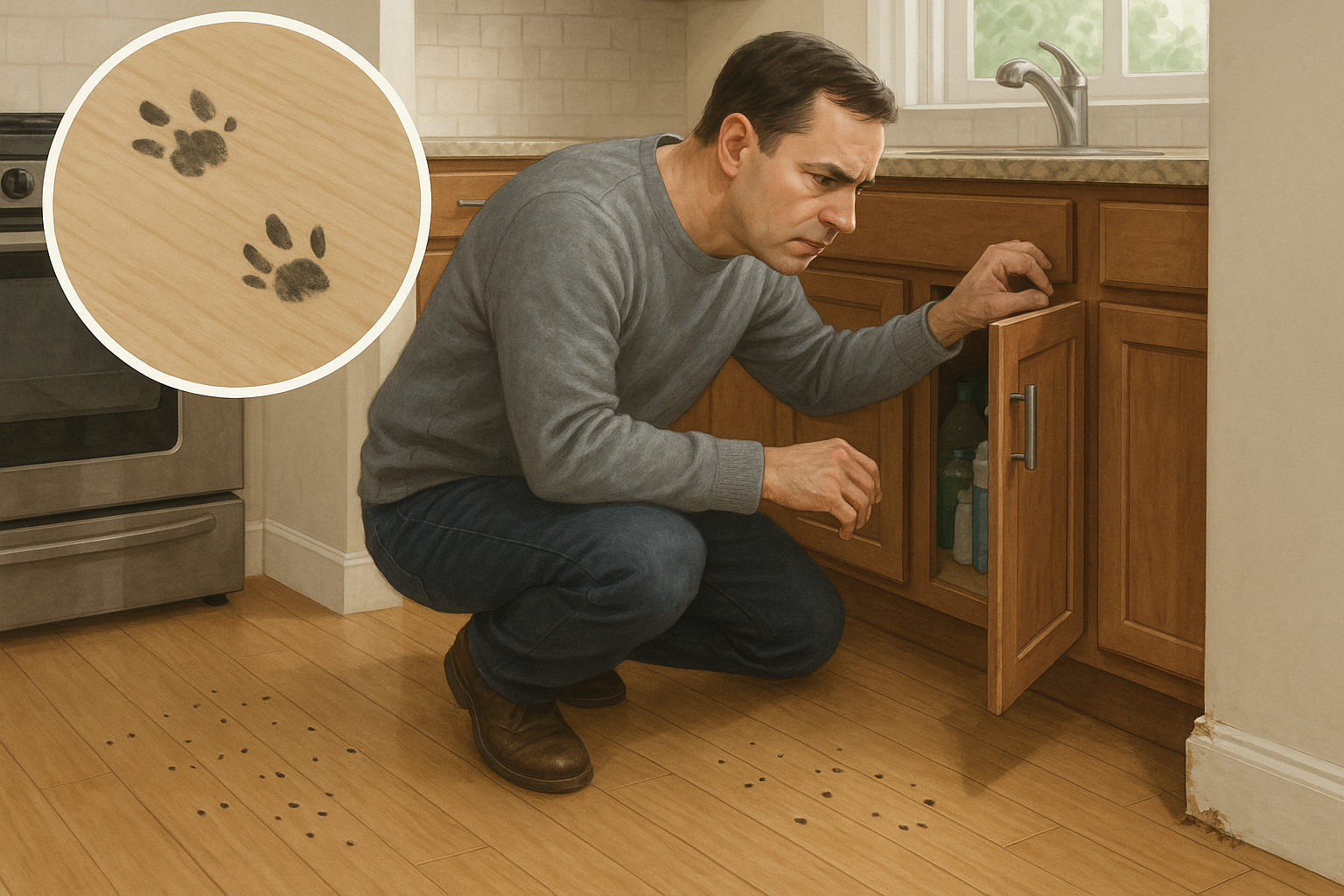
Before you call a professional, walk through your home with a keen eye for the classic mouse footprints. Recognizing these clues early can prevent a small problem from turning into a full‑blown colony.
Visual cues to watch for
- Droppings: Dark, rice‑shaped pellets, often found near food sources or along walls.
- Gnaw marks: Fresh, clean cuts on wood, plastic, or wiring.
- Nesting material: Shredded paper, fabric, or insulation piled in hidden corners.
- Auditible scurrying: Soft rustling sounds, especially at night.
- Grease or oil tracks: Dark streaks along baseboards where mice brush their bodies.
Step‑by‑step inspection checklist
Kitchen
- Check under appliances, behind the refrigerator, and inside pantry shelves.
- Inspect cabinets for droppings on the floor and gnaw marks on wood.
- Look for shredded food packaging or crumbs near the sink.
Basement
- Examine stored boxes, laundry piles, and utility closets.
- Trace any grease streaks along the perimeter walls.
- Listen for faint scratching in wall voids or ceiling joists.
Attic
- Search insulation layers for nesting material and droppings.
- Inspect roof beams for gnaw marks on wiring or structural wood.
- Check vent openings for small chew holes.
Real‑world example: A homeowner in the Druid Hills Historic District reported finding 15 fresh droppings in a single night beneath their kitchen sink. The concentration indicated a sizable colony, prompting an immediate call to Anthem Pest Control.
Collecting evidence safely: Wear disposable gloves, place droppings in a sealed plastic bag, and label the bag with the location and date. This simple step gives the technician a clear picture of activity and speeds up the treatment plan.
Health Risks From Household Mice
Diseases Mice Can Carry
Household mice may seem harmless, but they are vectors for several serious illnesses that can affect any family member. The most concerning pathogens include Hantavirus, salmonella and leptospirosis. Hantavirus is carried in the saliva, urine and feces of infected rodents and can cause Hantavirus Pulmonary Syndrome (HPS), a severe respiratory disease. Salmonella bacteria often reside in mouse droppings and can survive on kitchen surfaces for weeks, leading to food‑borne gastroenteritis. Leptospirosis, a bacterial infection spread through contaminated urine, may cause flu‑like symptoms and, in extreme cases, kidney or liver failure.
What the CDC Says
The Centers for Disease Control and Prevention warns that “Hantavirus pulmonary syndrome has a case‑fatality rate of 38%” (CDC). This statistic underscores why even a single mouse sighting should trigger immediate action.
EPA Guidance on Indoor Air Quality
The U.S. Environmental Protection Agency recommends an integrated rodent‑management plan that combines exclusion, sanitation and, when necessary, targeted pesticide use. Proper ventilation and regular cleaning are essential to maintain indoor air quality and to prevent aerosolized particles from dried droppings, which can be inhaled during cleaning.
Who Is Most at Risk
Young children, seniors and anyone with compromised immune systems are especially vulnerable to these infections, making prompt professional rodent control a health priority.
How Contamination Happens
Mouse droppings and urine can easily contaminate food, countertops, and pantry items. When a mouse walks across a crumb‑laden countertop, its tiny paws deposit bacteria that mix with urine droplets, creating a breeding ground for pathogens. Even a brief cleaning sweep can stir up dust laced with virus‑laden particles, putting residents at risk if inhaled or ingested.
Georgia Licensing and Local Regulations
In Georgia, every pest‑control business must hold a license issued by the Georgia Department of Agriculture (GDA). The license confirms that the company’s technicians have completed state‑approved training, understand proper pesticide handling, and are covered by insurance. Without this credential, a provider cannot legally apply chemicals to your home.
- GDA licensing rules: Annual renewal, proof of certified applicator training, and background checks for all employees, plus mandatory continuing‑education courses each year.
- Penalties for unlicensed work: Fines up to $5,000 per violation, possible criminal charges, and immediate suspension of business operations, and may result in civil liability for damages.
- Consumer protection benefits: Licensed exterminators follow strict safety protocols, submit detailed treatment records, and are subject to regular audits that protect your family and pets, including guaranteed follow‑up visits if pests return.
When you hire a GDA‑licensed exterminator, you gain peace of mind that the service complies with state law and that any pesticide use is documented and monitored. This reduces the risk of accidental over‑exposure and ensures you can file a complaint if the work falls short of professional standards.
Checking the GDA database is quick and free, giving you confidence before you sign any contract. For a complete list of licensing requirements and to verify a provider’s status, visit the official GA Licensing page.
Choosing the Right Mouse Extermination Service
Check the credentials
Before you hand over your home’s safety to a rodent-control firm, especially if you’re searching for a reliable mouse exterminator near me Druid Hills, verify that the technicians are EPA-registered. This certification shows they have completed the training required to apply pesticides safely and in compliance with federal regulations. Next, confirm the company’s liability insurance; a reputable provider will gladly provide proof, protecting you from accidental damage or injury claims. Finally, look up the business’s BBB rating – a score of A- or higher signals a history of ethical practices and satisfied customers.
What guarantees should be part of the contract?
A trustworthy service will back its work with clear guarantees. Look for offers such as a free re‑treatment if mice reappear within a specified window, usually 30 to 60 days. Detailed inspection reports are another hallmark of professionalism; they should outline entry points, nesting sites, and the exact products used. Warranty terms that cover both the treatment and any follow‑up visits give you peace of mind that the problem is being handled for the long term.
DIY traps vs. professional treatment
Setting snap or live traps yourself can be inexpensive and may provide quick results for a small infestation. However, DIY methods often miss hidden entryways, leaving the colony to rebound. Professional exterminators bring comprehensive coverage, using baits, sealing techniques, and monitoring devices that address the problem at its source. The trade‑off is a higher upfront cost, but the speed of control and reduced risk of accidental poison exposure usually outweighs the savings of a do‑it‑yourself approach.
Anthem Pest Control – Local Expertise
With two decades of proven experience, Anthem Pest Control has become a trusted name for rodent management in Druid Hills, GA. Our technicians live and work right here in the community, so they know the local building styles, seasonal rodent activity, and the neighborhoods most prone to mouse invasions. This insider knowledge lets us target infestations quickly and prevent future problems before they spread.
We understand that a mouse problem doesn’t wait for business hours, which is why our 24‑hour emergency response team is on call around the clock. Whether you discover droppings in the middle of the night or hear scurrying in the attic at dawn, a certified Anthem specialist will be at your door within hours, equipped with the latest baiting and exclusion techniques.
Our mission is simple: deliver safe, effective, and affordable rodent solutions that protect your family and property. All treatments comply with EPA‑approved standards, and we use low‑toxicity products that keep pets and children safe while eliminating the pest.
Ready to schedule an inspection? Call us today at 877‑371‑8196 or visit our rodent‑control service page for details on pricing, service plans, and what to expect during a visit.
Effective Treatment Options for Mouse Control
When tiny rodents start sharing your pantry, the solution isn’t a one-size-fits-all fix. If you’re searching for a dependable mouse exterminator near me Druid Hills, understanding the treatment approach can help you make an informed decision. The most reliable mouse control plan combines three core methods—exclusion, trapping, and baiting—each targeting a different stage of the infestation. Below is a homeowner-friendly breakdown of how each technique works and what you can expect from a professional service.

Exclusion – Seal the Entry Points
Exclusion is the first line of defense. By locating and sealing cracks, gaps around utility lines, and unsealed foundation vents, you remove the pathways mice use to slip inside. Installing door sweeps on exterior doors adds a physical barrier that mice can’t climb over. In one Druid Hills case, a homeowner who had every visible gap sealed saw an 85 % reduction in entry points after just two weeks, effectively cutting the infestation in half.
Trapping – Capture the Intruders
Traps work best when placed where mice travel. Snap traps and live‑catch traps should be positioned along walls, behind appliances, and near known food sources. Mice prefer the safety of a wall edge, so set the trigger side facing the wall and keep the bait (peanut butter or chocolate) just out of direct sight. Check traps daily and relocate any that go untouched to more active zones.
Baiting – Chemical Control When Needed
When exclusion and trapping aren’t enough, EPA‑approved rodenticides become a valuable tool. These baits are formulated to attract mice while minimizing risk to humans. Always place them in tamper‑resistant stations, out of reach of pets and children. Professional technicians will rotate active ingredients to prevent bait shyness and ensure a consistent kill rate.
What a Professional Service Looks Like
A typical Anthem Pest Control package starts with a thorough inspection to map entry points and activity hotspots. Technicians then apply targeted exclusion fixes, set the appropriate mix of traps, and deploy bait stations where needed. A follow‑up visit, usually 7‑10 days later, verifies success and documents findings in a detailed report. This systematic approach gives homeowners peace of mind and a clear record for any future pest‑management planning.
Pricing Transparency in Druid Hills
When you call a mouse exterminator, the first thing you’ll want to know is how much it will cost. In Druid Hills, most reputable companies, including Anthem Pest Control, follow a straightforward pricing structure that lets you budget with confidence.
Typical fee breakdown
- Initial inspection & treatment: $150 – $300. This includes a thorough walk‑through, identification of entry points, and the first round of baiting or trapping.
- Follow‑up visit: $50 – $100. A second appointment confirms that the infestation is under control and allows technicians to adjust bait placement if needed.
- Bait station replacement: $30 per station. Each bait unit is swapped out to maintain potency, especially in larger homes or multi‑unit buildings.
These numbers are averages; your final invoice may shift based on two key factors.
What influences the price?
Property size. A compact single‑family home typically requires fewer bait stations and less labor than a sprawling estate or a multi‑unit complex.
Infestation severity. A light sighting may be resolved with a single treatment, whereas a heavy, entrenched population often needs additional visits, more bait, and sometimes structural sealing.
Because Druid Hills homes vary widely in square footage and construction style, it’s normal to see quotes that differ by $50‑$150 from the ranges above.
Placeholder: Verify 2025 local pricing data from Anthem Pest and regional competitors before publishing.
By understanding these components, you can compare quotes, ask the right questions, and avoid surprise fees. Transparent pricing isn’t just a sales tactic—it’s a promise that you’ll receive effective mouse control without hidden costs.
Preventive Practices for Homeowners
Seasonal checklist
Spring is the ideal time to walk the perimeter of your home and seal cracks around windows, doors, and utility openings with caulk or steel wool. During the fall, clear away leaf litter, garden debris, and stacked firewood that can shelter mice. As winter sets in, perform interior inspections—check attics, basements, and crawl spaces for new entry points and reinforce them before rodents seek warmth inside.
Food storage
Keep pantry items in airtight containers made of glass or heavy‑wall plastic. Wipe countertops and floors nightly to remove crumbs that act as a free buffet. Pet food should be stored in sealed bins and not left out overnight; consider using a timed feeder that limits exposure.
Trash handling
Use trash cans with tight‑fitting lids and empty them regularly, especially after meals or outdoor gatherings. For outdoor bins, place them on a concrete pad and keep a gap of at least two feet between the bin and the house to discourage mice from climbing.
Landscaping advice
Trim tree branches and shrubs so they stay at least two feet below the roofline, eliminating bridges that rodents use to reach the attic. Maintain a clear zone of vegetation around the foundation—remove vines, dense shrubs, and mulch that sit directly against the walls.
Printable resource
For a quick reference, download our printable PDF checklist. Keep it on your fridge or in your home office to stay on top of each seasonal task. The checklist outlines each action by month, making it easy to track progress throughout the year.
Frequently Asked Questions About Mouse Control
How soon will mice disappear after treatment?
Most homeowners see a noticeable drop in activity within 3‑5 days of a professional bait or dust application. Complete eradication typically occurs in 1‑2 weeks, depending on colony size, food availability, and entry‑point sealing. Prompt follow‑up visits help catch any stragglers that survived the initial exposure. If you notice continued signs after two weeks, contact us for a targeted follow‑up.
Are the chemicals safe for pets?
Anthem uses EPA‑registered rodenticides that meet strict toxicity standards. When applied according to the label—placed in tamper‑proof stations and out of reach of cats, dogs, and wildlife—the risk to pets is minimal. We always advise clients to keep animals away from treatment zones for at least 24 hours and to store food securely. Store bait stations in cabinets when not in use. EPA, Rodenticide Safety Guidelines, 2023
What warranty does Anthem offer?
All mouse control services include a 30‑day free‑re‑treatment guarantee. If any mouse activity returns within that window, we’ll revisit the property at no extra charge and adjust the treatment plan as needed. Our service agreement also covers a one‑year protection plan that includes quarterly inspections and preventative sealing. The warranty also covers re‑application of bait if new entry points appear.
Secure Your Home with Professional Mouse Control
When mice infiltrate your home, the damage spreads fast—contaminated food, gnawed wiring, and heightened disease risk. A swift, licensed extermination stops the infestation before it compromises health, property, or peace of mind. Our guide highlighted inspection, sealing entry points, and the importance of professional treatment to eliminate hidden nests.
Don’t wait for the problem to grow. Call Anthem Pest today at 877‑371‑8196 or schedule an online inspection for a free, no‑obligation quote. Our technicians arrive prepared, assess every corner, and design a customized plan that fits your budget.
Anthem Pest stands out with transparent pricing, deep local knowledge of Druid Hills’ rodent activity, and a 24‑hour emergency line for urgent situations. Whether you need a one‑time removal or an ongoing prevention program, we deliver safe, effective solutions that protect your family and home.
Visit Anthem Pest Control to connect with a trusted mouse exterminator near me Druid Hills and secure your home today.