Rising Spider Sightings and Why Control Matters

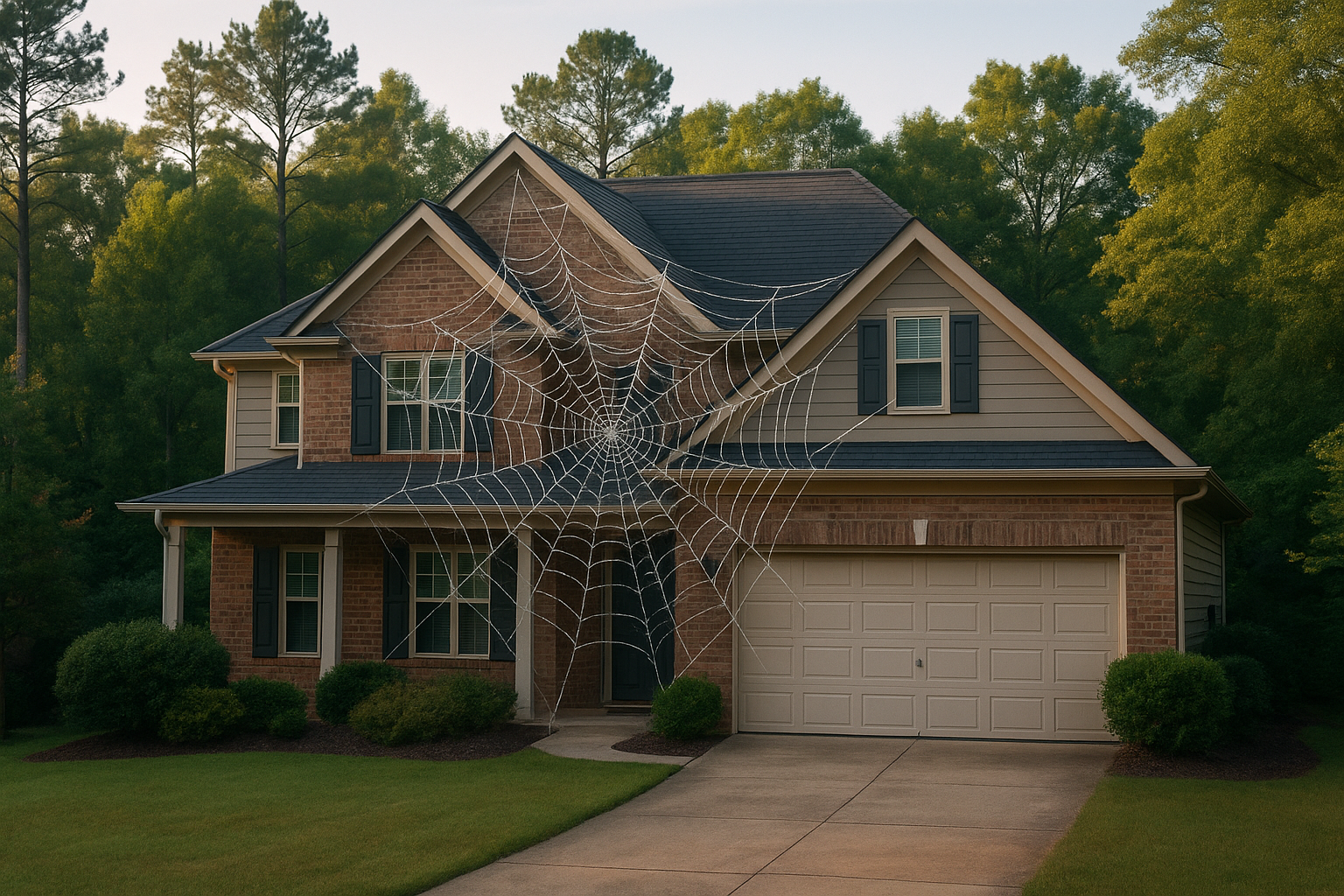
When the Georgia sun turns up the heat, Loganville homeowners often notice a sudden surge of eight‑legged visitors. By midsummer, spider webs become a common sight on porch railings, outdoor lights, and even inside kitchens. The increase isn’t random; warmer nights and abundant insects create the perfect buffet for spiders, prompting them to expand their territories right where you live.
While most spiders are harmless, a few species pose genuine concerns. The brown recluse, for instance, can deliver a painful bite that may lead to necrotic lesions and, in rare cases, systemic reactions. Beyond bites, dense webs trap dust and pollen, turning them into hidden allergens that aggravate asthma or seasonal allergies. Property owners also worry about the unsightly mess—spider silk on furniture, windows, and garage doors can make a well‑kept home look neglected.
That’s why a professional, proactive spider control plan matters. DIY sprays often miss hidden crevices where spiders hide, and over‑application can pose health risks to pets and children. Licensed technicians use targeted treatments that eliminate existing infestations while creating a barrier that discourages new arrivals. The result is a safer environment and lasting peace of mind, letting you enjoy your yard and indoor spaces without the constant “watch‑for‑webs” mindset.
Enter Anthem Pest Control, Loganville’s trusted pest‑management partner for more than two decades. With a 20‑year track record of serving local families, Anthem combines industry‑leading products with a deep understanding of the region’s unique pest cycles. Their technicians are trained to identify the exact spider species present, assess risk levels, and tailor a solution that fits both your budget and your home’s layout.
In the sections that follow, we’ll break down the typical costs of spider control in Loganville, spotlight the most common species you’ll encounter, and share practical prevention tips you can start using today. By the end, you’ll know exactly what to expect and how to keep those eight‑legged intruders at bay.
What Spiders Are You Dealing With?
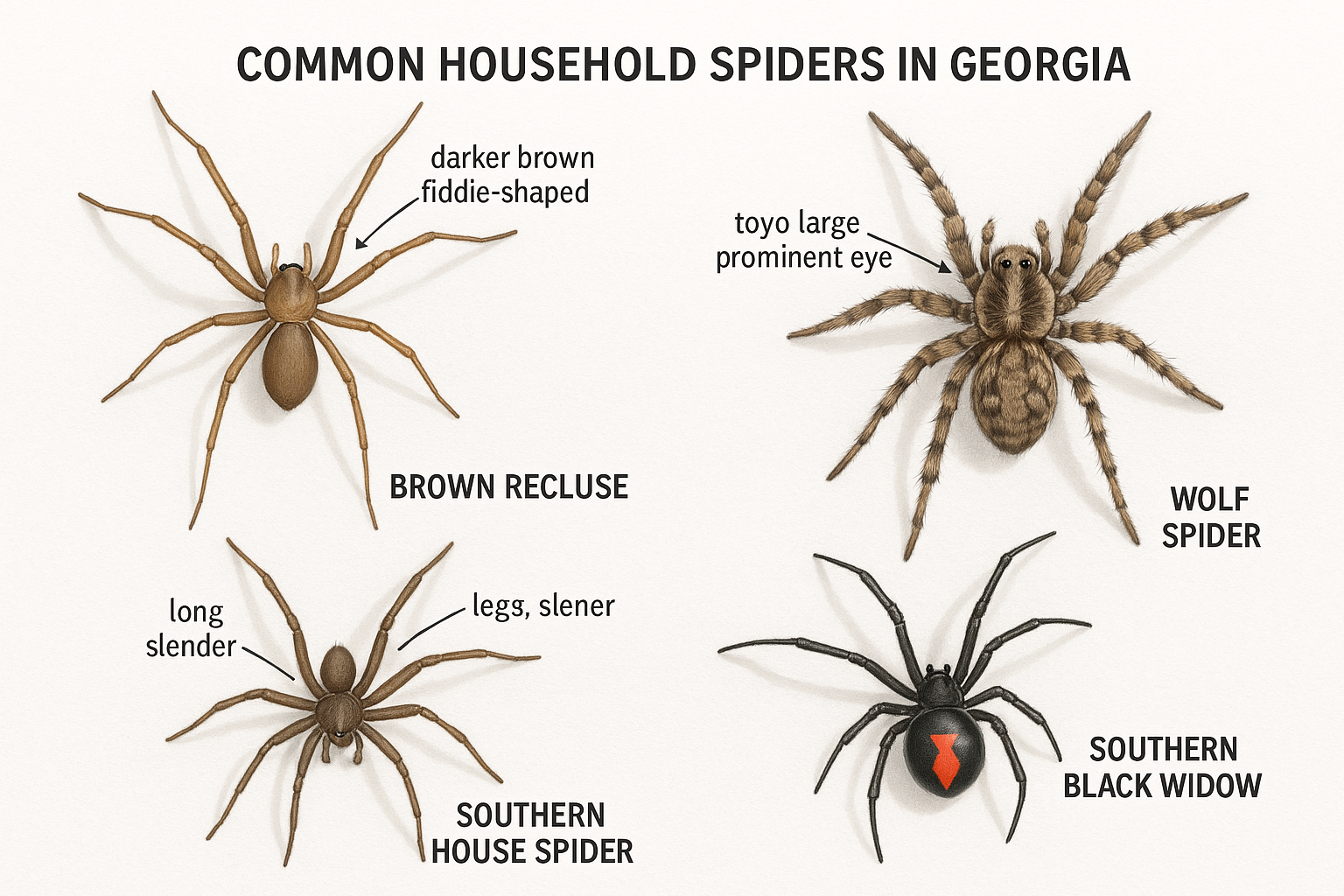
Loganville homes host a handful of spider species that most homeowners mistake for one another. Knowing which eight‑legged guest you’re sharing your ceiling with isn’t just trivia—it determines the safest, most effective treatment plan. Below is a quick‑look guide to the four spiders you’re most likely to encounter.
Brown Recluse
- Size: 6–20 mm (body length).
- Color & markings: Light‑tan to dark brown with a distinctive violin‑shaped mark on the cephalothorax.
- Habitat: Prefers dark, undisturbed corners—clothing piles, basements, and attic insulation.
- Web type: No aerial web; builds a loose, irregular retreat silk.
Wolf Spider
- Size: 10–35 mm.
- Color & markings: Gray‑brown with a mottled pattern and two dark stripes on the cephalothorax.
- Habitat: Ground‑dwelling; often found under rocks, leaf litter, or in garden beds.
- Web type: Does not spin a capture web; hunts actively.
House Spider (American House Spider)
- Size: 5–12 mm.
- Color & markings: Light tan to brown with a faint hourglass‑shaped pattern on the abdomen.
- Habitat: Indoor corners, window frames, and ceiling beams.
- Web type: Constructs a messy, tangled cobweb in secluded indoor spots.
Southern House Spider
- Size: 8–15 mm.
- Color & markings: Darker brown to black with a subtle dorsal stripe; legs often banded.
- Habitat: Similar to the common house spider but favors warmer, southern homes and basements.
- Web type: Produces a sheet‑like web with a funnel retreat.
According to the 2023 Georgia Department of Agriculture pest report, spider complaints in Henry County rose 12 % over the previous year. The uptick reflects both increased awareness and a genuine surge in indoor sightings, especially after the humid summer months.
Why does accurate identification matter? Treatment chemicals and application methods vary dramatically between a venomous recluse that requires targeted residual sprays and a harmless house spider that can be managed with a simple web‑removal and exclusion strategy. Misidentifying a brown recluse as a harmless house spider could leave a dangerous bite risk unchecked, while over‑treating a non‑hazardous species drives up costs and unnecessarily exposes occupants to chemicals.
By matching size, color, and web characteristics to the profiles above, you give your pest‑control professional the information needed to select the right product, the correct placement, and a safe, cost‑effective plan for your Loganville home.
This knowledge also helps you monitor any future activity and act before an infestation takes hold.
Why Prices Vary
Infestation severity matters
Spider activity isn’t a one‑size‑fits‑all problem. In Loganville we typically sort infestations into three tiers. A light level means a few solitary spiders or occasional webs in low‑traffic corners; technicians can usually finish the job with a single spray and minimal labor. Moderate infestations show up as clusters of webs, frequent sightings, and occasional bites—requiring a more thorough interior treatment and possibly a small perimeter application. A severe situation involves dense webs throughout the home, spider nests in walls or attics, and regular indoor activity, which drives up both the amount of pesticide used and the labor hours needed to reach every hidden spot.
Treatment types and what they include
Not all spider‑control services are created equal. A single‑visit spray focuses on immediate knock‑down of visible spiders and is the most budget‑friendly option, but it may need repeat visits if the infestation is moderate or severe. A perimeter barrier adds a protective ring around the home’s exterior, deterring new spiders from crossing the threshold; this extra material and the time spent applying it raise the price. Integrated Pest Management (IPM) combines chemical treatments with habitat modification, sealing entry points, and ongoing monitoring. Because IPM tackles the problem from several angles, it typically carries a higher upfront cost but can lower long‑term expenses by preventing re‑infestations.
Size of your home influences coverage
The average Loganville residence spans roughly 2,200 sq ft. Larger homes demand more product and longer travel times for technicians, which directly impacts the bill. For a compact 1,500‑sq‑ft bungalow, a single‑visit spray might cover the entire interior with a single canister. In contrast, a sprawling 3,500‑sq‑ft property often requires multiple cans, additional equipment for high‑ceiling rooms, and extra crew members to ensure complete coverage, especially when a perimeter barrier is part of the plan.
How often you need service
Homeowners can choose a one‑time treatment for immediate relief, or they can enroll in a quarterly maintenance plan. One‑time visits eliminate the current spider population but don’t address future invasions, so repeat visits are common. Quarterly plans spread the cost across four visits per year, each reinforcing the barrier and monitoring for new activity. While the per‑visit price of a maintenance plan may appear higher than a single spray, the cumulative protection often saves money by reducing the need for emergency re‑treatments.
| Service scenario | Price per visit |
|---|---|
| Light infestation – single‑visit spray | $95 – $130 |
| Moderate infestation – comprehensive treatment | $150 – $210 |
| Severe infestation – full‑home & perimeter barrier | $220 – $300 |
| Quarterly maintenance plan (any level) | $180 – $260 per visit |
These figures align with the 2024 EPA Pest Management Cost Survey, which confirms that labor, product volume, property size, and service frequency are the primary drivers behind spider‑control pricing in our region.
What You’ll Get With Professional Treatment
When you call Anthem Pest in Loganville, you’re not just scheduling a spray—you’re getting a complete, science‑backed process that removes spiders and keeps them out. Our technician walks through your home, noting spider hideouts, identifying species, and checking conditions that invite infestations. From that we design a custom plan that targets the exact problem spots.
Step‑by‑step service flow
- Initial inspection: Technician checks interior rooms, basements, attics, and crawl spaces for webs and egg sacs.
- Spider identification: We confirm whether you have harmless house spiders, brown recluses, or a mix, guiding treatment choice.
- Targeted indoor spray: Low‑toxicity, EPA‑registered chemicals applied to cracks, baseboards, and other harborage points.
- Outdoor perimeter barrier: Fine mist sprayed around foundation, doors, and windows to block new spiders.
- Follow‑up visit: Two weeks
When to Call the Pros
Most homeowners start with a quick DIY approach when spiders appear in the home. The most common tools are over‑the‑counter (OTC) insect sprays, sticky glue traps, and homemade mixtures such as vinegar‑water or essential‑oil sprays. These options are readily available at big‑box stores and can feel like an easy, low‑cost fix.
- OTC sprays: Aerosol or pump‑spray products marketed for “spider control.”
- Glue traps: Sticky pads placed in corners, basements, or crawl spaces.
- Home‑made solutions: Vinegar, citrus oil, or diluted bleach mixtures that homeowners mix themselves.
While these tools are inexpensive—typically ranging from $30 to $70 per product—their effectiveness is often limited. Most OTC sprays kill only the spiders you see, leaving eggs and hidden colonies untouched. Glue traps capture wandering adults but do little to reduce a growing infestation. Homemade solutions may repel briefly but rarely provide lasting control, and they usually require repeated applications every few weeks.
Cost‑Benefit Snapshot: DIY vs. Professional Spider Control Option Approx. Cost Efficacy Re‑application Needed Safety Concerns OTC Spray $30‑$45 Low‑moderate Every 2‑4 weeks Potential skin/respiratory irritation Glue Traps $20‑$35 (pack) Low Replace weekly Minimal, but can trap non‑target insects Home‑made Mixes $5‑$15 (ingredients) Very low Every few days Improper dilution may damage surfaces Professional Service $150‑$300 (one‑time) High 6‑12 months (often with a warranty) Licensed applicators, EPA‑approved products Professional pest control, such as the services offered by Anthem Pest Control, carries a higher upfront price tag—generally between $150 and $300 for a comprehensive spider treatment. However, the investment buys several advantages:
- Licensed technicians apply EPA‑approved pesticides that target both adult spiders and hidden egg sacs.
- Treatments are calibrated to the specific spider species and the structure of your home, delivering longer‑lasting results—often up to a year with a follow‑up plan.
- Safety is paramount: professionals follow strict handling protocols, reducing exposure risks for you, your family, and pets.
For homeowners who prefer to handle chemicals themselves, the CDC’s guidance on safe pesticide use is essential reading. It outlines proper storage, application, and protective equipment—precautions that many DIY users overlook.
When spiders multiply despite repeated DIY attempts, or when you notice bites, webs in hard‑to‑reach areas, or a persistent odor from chemical sprays, it’s a clear sign that professional intervention is the smarter, safer, and more cost‑effective route.
Best Times to Treat and Prevent Spiders in Loganville
When Spiders Are Most Active
In Loganville, spider activity spikes from late spring through early fall. As temperatures rise above 65 °F, adult spiders emerge from their winter hideouts, begin mating, and disperse in search of food. By July, many species—such as the common house spider and the aggressive brown recluse—reach peak numbers, especially around outdoor lights and vegetation.
Why Timing Is Critical
Treating during the early part of this window maximizes effectiveness. Early‑season applications target adult spiders before they lay eggs, reducing the next generation’s population. Waiting until late summer means you’re battling newly hatched spiderlings that hide in hard‑to‑reach cracks, making control more labor‑intensive and costly. A timely treatment also prevents spiders from establishing permanent indoor colonies, which are harder to eradicate once they’ve woven extensive webs inside walls and attics.
Proactive Homeowner Steps
- Seal cracks and crevices: Use caulk or expanding foam around windows, doors, and foundation gaps to block entry points.
- Reduce outdoor lighting: Switch to yellow‑tone bulbs or motion‑sensor lights that attract fewer insects, the primary food source for spiders.
- Eliminate clutter: Store firewood, garden tools, and boxes away from the house’s exterior walls; clutter creates sheltered habitats.
- Trim vegetation: Keep shrubs, vines, and trees trimmed at least two feet from the home’s siding to limit bridge routes spiders use to reach the interior.
Neighborhoods That Benefit Most
Our outreach focuses on areas where spider encounters tend to be highest:
- Historic Downtown Loganville – older homes with masonry walls often have hidden gaps.
- Oak Hill – dense tree canopy creates a natural corridor for spider migration.
- Walnut Grove – newer developments with extensive landscaping can harbor abundant insect prey.
- Lake Logan area – proximity to water attracts insects, drawing spiders closer to residential decks and patios.
For a quick, at‑a‑glance reference, keep an eye out for our forthcoming checklist graphic. It will summarize the seasonal timeline and the preventive actions you can implement today, helping you stay one step ahead of unwanted eight‑legged visitors.
Your Transparent Pricing Process
When you pick Anthem Pest for spider control in Loganville, you’ll never wonder whether the bill matches what was promised. Our four‑step pricing journey is designed to keep every homeowner fully informed before any work begins.
- Reach out. Call us at 877‑371‑8196 or visit anthempest.com. A friendly representative will note your address, the type of spider activity you’ve observed, and set up a convenient time for an on‑site visit.
- Free on‑site inspection. One of our certified technicians arrives at your door, conducts a thorough walkthrough, and identifies entry points, nesting sites, and any contributing conditions. This inspection is always free of charge.
- Written, itemized estimate. Within 24 hours you receive a detailed quote that breaks down every component: inspection fee (waived), treatment options, recommended products, and any optional add‑ons such as perimeter barriers or follow‑up visits. No vague “package” pricing—just clear numbers.
- Select a service plan. Choose from a one‑time treatment, a quarterly maintenance schedule, or an annual protection plan. Each option is matched to your budget and the severity of the infestation, and you can switch plans after the inspection if your needs change.
Our commitment to transparency means there are no hidden fees. All taxes, service charges, and material costs appear in the estimate. We also accept flexible payment methods—credit cards, ACH, or even split payments—so you can spread the cost in a way that works for you.
Should you decide to adjust the scope after the inspection (for example, adding a yard perimeter treatment), we’ll update the estimate instantly and obtain your approval before any additional work begins.
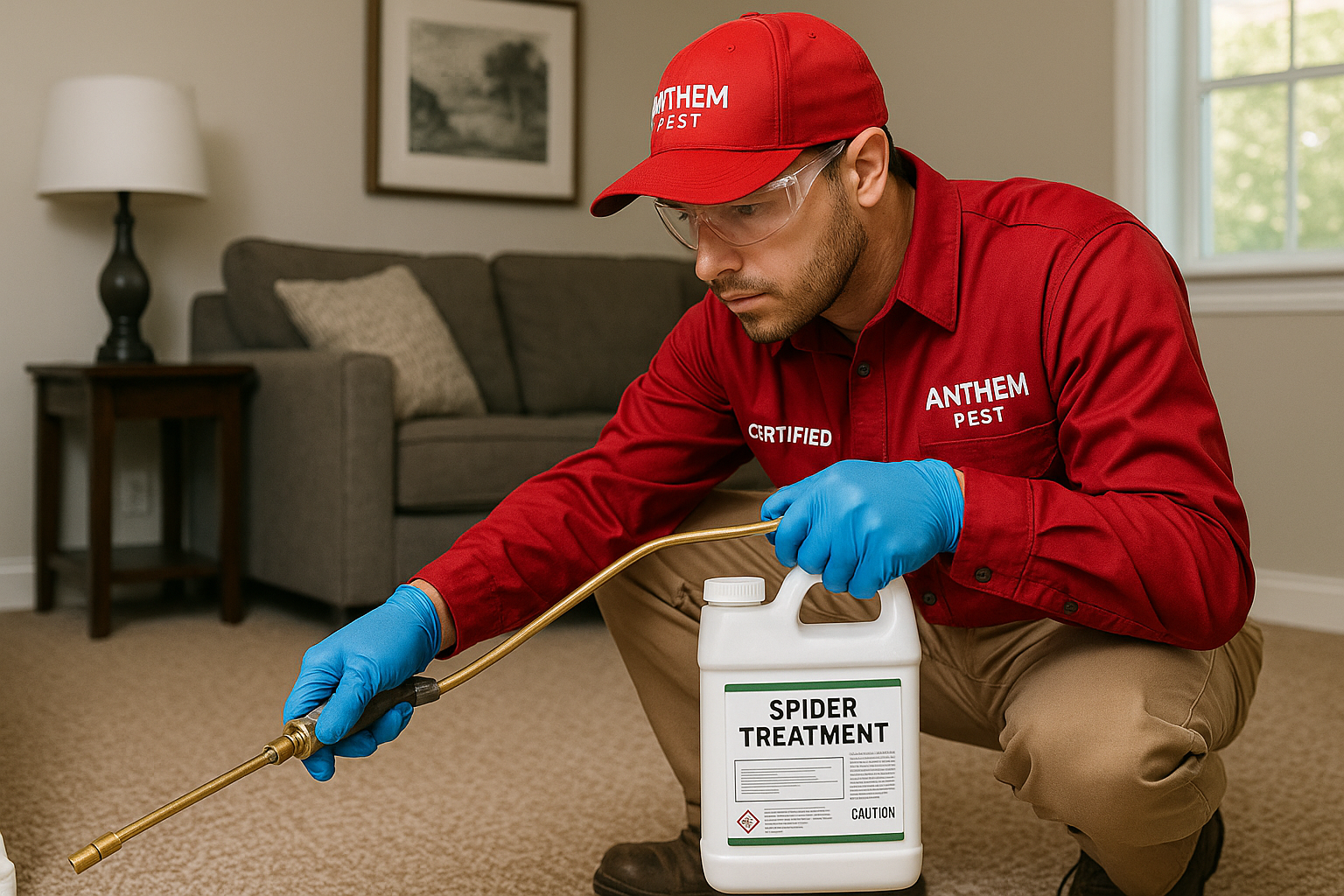
AI-generated image Protect Your Home – Call Anthem Pest Today
Know the Spiders You’re Dealing With
Loganville homeowners most often encounter the Southern House Spider, the Brown Recluse, and the Wandering Black Widow. Correctly identifying each species helps determine the urgency of treatment, the safest control methods, and prevents unnecessary panic. Our technicians use a handheld magnifier and reference guide to pinpoint the exact species, ensuring the most effective treatment plan.
What Influences the Cost of Professional Spider Control?
Pricing hinges on infestation severity, the size of your property, and the specific treatment plan required. In Loganville, a standard indoor spider service typically falls between $120 and $250, while extensive outdoor perimeter work can range from $250 to $450. Seasonal timing also plays a role; treatments applied in early summer prevent spiders from establishing nests before they multiply.
Why Professional Service Beats DIY
Licensed technicians bring targeted chemicals, precise application techniques, and a warranty that protects you from re‑infestations. DIY sprays may miss hidden nests, pose health risks to pets and children, and rarely offer the long‑term guarantee that a professional program provides. Professional products are EPA‑registered and applied with calibrated equipment, minimizing exposure for children and pets while delivering lasting results.
Anthem Pest: Your Local Expert
With 20 years serving the Loganville area, Anthem Pest has earned a 5‑star rating on Google for reliability and results. Our transparent pricing model means you’ll receive an itemized quote up front—no hidden fees, no surprise charges. All of our technicians are locally trained, carry a service warranty, and follow a strict safety protocol that exceeds industry standards.
Take the First Step Toward a Spider‑Free Home
Call our dedicated line at 877‑371‑8196 to schedule a complimentary on‑site inspection. Our specialists will assess the situation, explain the recommended treatment, and give you a clear, upfront quote that fits your budget. We work around your schedule, offering evening and weekend appointments so the inspection fits seamlessly into your busy life.
Ready for a spider‑free home? Visit Anthem Pest Control today for a free evaluation and peace of mind. Our transparent quote includes a detailed action plan, so you know exactly what will be done and when.