Introduction – A Dunwoody Family’s Carpet Beetle Nightmare
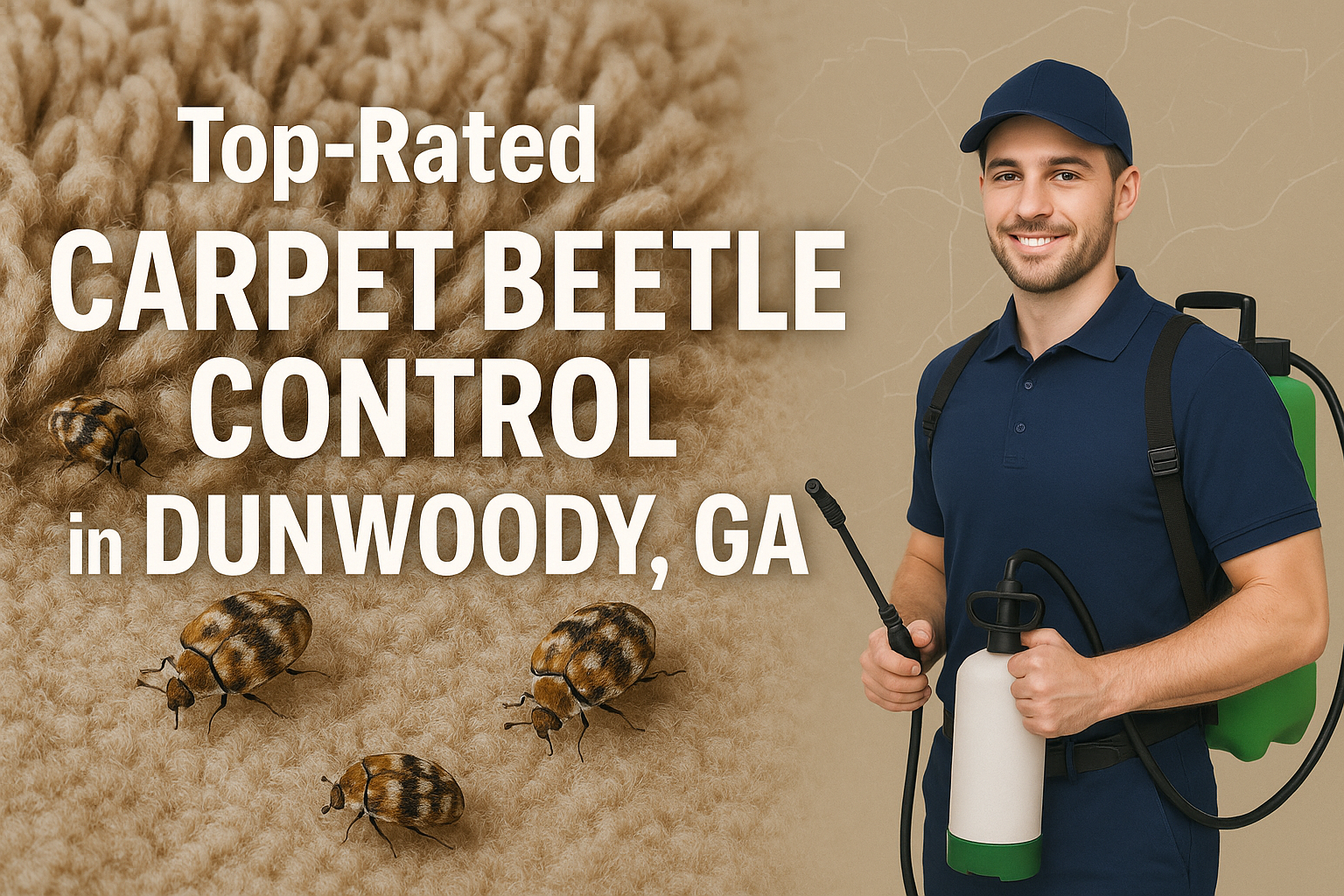
When the Martinez family pulled their favorite wool rug out of storage for a weekend movie night, they expected soft footsteps and cozy warmth. Instead, they found tiny, ivory-colored larvae munching through the fibers, leaving behind a web of irregular holes. The once-pristine rug was quickly transformed into a patchwork of damage, and the kids’ curiosity turned into alarm. A quick call to a neighbor confirmed their suspicion: carpet beetles had taken residence in the living room, and they immediately began searching for professional carpet beetle control Dunwoody homeowners could trust.
Carpet beetles are a silent threat throughout the Southeast, thriving in humid homes where natural fibers—wool, silk, even pet hair—provide an endless buffet. Their larvae work unseen, tunneling through carpets, blankets, and upholstery, and by the time the damage is visible, an entire infestation may already be established. In a region like Dunwoody, where homes often feature plush carpeting and stored seasonal textiles, the risk is higher than many homeowners realize.
This article will walk you through everything you need to know to protect your home. We’ll break down the typical cost of professional treatment, compare DIY versus expert options, and outline a step‑by‑step plan for eradication. You’ll also receive practical prevention tactics you can implement today, and learn why Anthem Pest’s local expertise makes them the trusted choice for Dunwoody residents.
In the sections that follow, you’ll discover:
- The life cycle of carpet beetles and the warning signs to watch for.
- Transparent pricing models for inspection, treatment, and follow‑up.
- Effective treatment methods, from targeted sprays to whole‑home applications.
- Season‑specific prevention tips to keep your home beetle‑free year after year.
- Why Anthem Pest’s certified technicians and locally‑tailored solutions stand out.
Identifying Carpet Beetles and Their Life Cycle
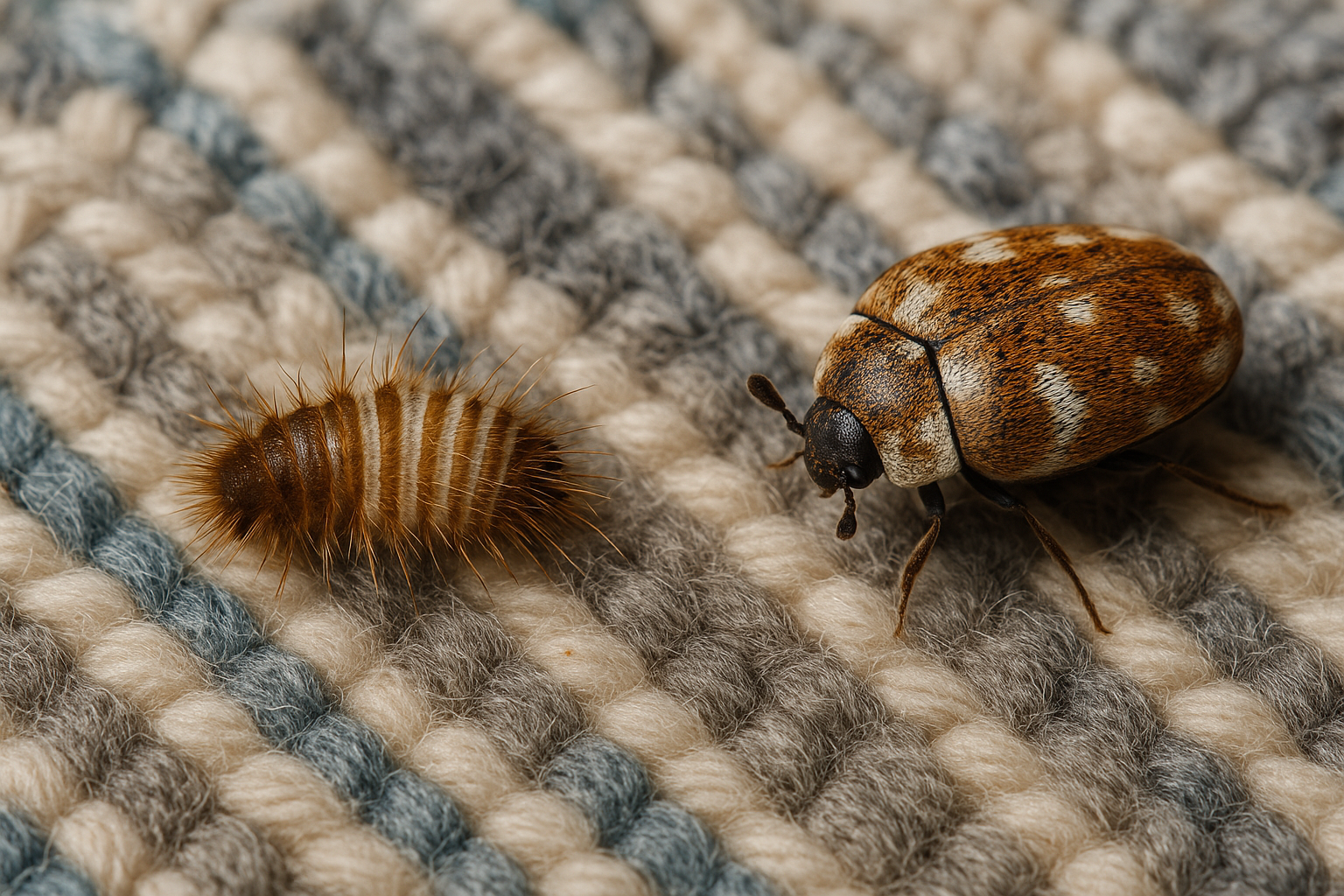
Carpet beetles are small, oval‑shaped insects that silently damage fabrics, upholstery, and stored goods. In Georgia the two species you’ll most likely encounter are the Varied carpet beetle (Anthrenus verbasci) and the Black carpet beetle (Attagenus unicolor). Both thrive in warm, humid homes and can slip through cracks around windows, doors, and HVAC vents.
Life‑Cycle Overview
Understanding the four‑stage life cycle helps you time inspections and treatments effectively:
| Stage | Duration (Georgia climate) | Key Characteristics |
|---|---|---|
| Egg | 5–10 days | Laid in hidden crevices; invisible to the eye |
| Larva | 2–4 months | Creamy, bristly “hairy” appearance; voracious feeders |
| Pupa | 1–2 weeks | Enclosed in a silken cocoon; no feeding |
| Adult | 1–2 months (can live up to a year) | Speckled brown/black for A. verbasci, uniformly black for A. unicolor |
Visual Identification
Adult varied carpet beetles are easily spotted by their mottled brown‑black pattern, while black carpet beetles appear uniformly dark. The real trouble‑makers are the larvae: they look like tiny, creamy caterpillars covered in fine hairs and often leave behind small, irregular holes in wool, silk, or stored grains.
“I was cleaning my window seat and found a handful of these fuzzy white‑cream bugs crawling on the cushion. I’d never seen them before, and that’s when I realized we had a carpet beetle problem.” – Jenna M., Dunwoody homeowner
According to the 2024 EPA pest‑damage report, carpet beetles are responsible for roughly $150 million in property damage across the United States each year. For more detailed statistics, see the EPA fact sheet: EPA – Carpet Beetles.
Why Carpet Beetles Target Dunwoody, GA
In Dunwoody, the blend of climate and home design creates a perfect storm for carpet beetles. Warm, humid summers keep indoor humidity levels high, while mild winters rarely drop low enough to halt the insects’ life cycle. This means beetles can breed continuously from spring through fall, producing multiple generations without a hard pause.
Housing stock that welcomes infestation
Much of Dunwoody’s residential inventory dates back 30‑plus years and features carpeted basements, unfinished attics, and closets packed with stored fabrics, wool blankets, and seasonal clothing. Those soft, protein‑rich materials serve as both food and shelter for larvae, allowing them to thrive unnoticed for months.
Rising service calls signal a real problem
According to local pest‑service records, calls for carpet‑beetle treatment rose 12 % between 2022 and 2024. The increase outpaces the regional average and suggests a growing awareness—or a genuine surge—in infestations. The rise coincides with a surge in home renovations that disturb hidden beetle habitats, releasing larvae into living spaces.
How Dunwoody compares to nearby cities
- Brookhaven: 8 % fewer calls per 1,000 households
- Sandy Springs: 10 % fewer calls per 1,000 households
These neighboring communities share a similar climate but generally have newer construction or more frequent pest‑prevention programs, which helps keep beetle numbers lower.
Neighborhood hotspots
Data pinpoint three areas with the highest reported incidents: Brook Run, Dunwoody Village, and the Perimeter Center corridor. Older carpeted flooring and dense storage spaces are common threads in these pockets.
Landscaping practices that add risk
Many homeowners stack firewood or mulch against the foundation to keep it dry. While practical, this creates a damp micro‑environment that attracts adult beetles looking for a place to lay eggs. Relocating wood piles a few feet away from the house and sealing cracks can dramatically reduce the entry points. Regularly inspecting stored items and using airtight containers adds another layer of defense.
Early Detection and Home Inspection Checklist
Step‑by‑step inspection flow
Begin your walk-through under the heaviest furniture—sofas, armchairs, and bed frames—because carpet beetles hide in the shadows. Move next to closets, pulling garments aside to examine seams, cuffs, and hidden pockets. Check pet bedding and any fabric toys, where larvae love the protein-rich debris. Inspect stored fabrics such as blankets, seasonal clothing, and curtains, especially in the folds and corners. Finish in attic or basement corners, looking at insulation, stored boxes, and the tops of joists for dust or tiny holes. If you discover any of these warning signs, it may be time to consider professional carpet beetle control Dunwoody homeowners rely on to stop the infestation before it spreads.
Recommended tools
- A bright flashlight to illuminate dark crevices.
- A handheld magnifying glass (10× works well) for spotting larvae and shed skins.
- Sticky traps placed in suspected hotspots to confirm activity.
- A notebook or a simple digital app to record observations on the spot.
- Disposable gloves to keep samples clean and avoid cross‑contamination.
Red‑flag signs to watch for
- Small, oval shed skins about 2‑3 mm long, often near seams.
- Tiny, irregular holes in wool, silk, fur, or other natural fibers.
- Fine, cobweb‑like lint that gathers near baseboards or under furniture.
- Powdery “beetle dust” where adults have died, usually in corners or attic insulation.
Sample worksheet excerpt
A quick worksheet helps you stay organized and provides clear data for the technician.
| Location | Evidence Found | Suggested Action |
|---|---|---|
| Living‑room sofa | Shed skins & cobwebby lint | Place sticky trap, note for treatment |
| Master closet (bottom shelf) | 2‑mm holes in wool sweater | Remove item, vacuum, record |
| Attic corner | Beetle dust & larvae | Mark area, take photo, alert technician |
Tips for documenting findings for a professional technician
Take a close‑up photo of each sign, label the image with the exact location, and add the date and time stamp. Transfer your notes from the worksheet into a clean, ordered list—either printed or emailed—to the Anthem Pest team. Highlight any recurring evidence across multiple rooms; this helps the technician pinpoint infestation hotspots and choose the most efficient treatment plan.
DIY and Professional Chemical Treatments

DIY non‑chemical tactics
Before reaching for a spray can, start with the basics that cost almost nothing but work wonders against carpet beetles:
- Thorough vacuuming – Go over carpets, rugs, upholstery, and baseboards at least twice a week. Empty the canister outside immediately to prevent re‑infestation.
- Steam cleaning – Hot steam (>130 °F) kills larvae and eggs hidden in fibers. A portable steamer can treat spot areas or whole rooms.
- Laundering – Wash removable fabrics, blankets, and curtains in water hotter than 130 °F. Add a cup of white vinegar for extra deterrence.
- Diatomaceous earth (DE) – Sprinkle 1–2 lb per 100 sq ft in closets, under furniture, and along baseboards. The microscopic silica particles abrade the beetles’ exoskeletons, causing dehydration.
All of these steps together usually keep a moderate infestation under control without chemicals.
Estimated DIY supply cost
For a typical 2,000‑sq‑ft home, you can expect to spend between $50 and $150 on a good vacuum, a handheld steamer, laundry additives, and a 5‑lb bag of food‑grade diatomaceous earth.
Professional chemical treatments
If the beetle population is heavy or has spread to hard‑to‑reach areas, a licensed technician can apply EPA‑registered residual sprays. Common options include bifenthrin alternatives that remain active for weeks, targeting both adult beetles and hidden larvae.
- Spot treatment – Targeted application in closets, under furniture, and along baseboards. Ideal for localized outbreaks.
- Whole‑home application – A comprehensive spray that covers all floor surfaces, wall voids, and HVAC returns, providing broader protection.
Typical professional price range in Dunwoody
According to 2024 Anthem Pest pricing, a single-family home can expect a bill between $180 and $350 for a full-service chemical treatment, depending on square footage and the extent of the infestation. This pricing reflects the typical cost of professional carpet beetle control Dunwoody homeowners invest in to eliminate active infestations and prevent future damage.
Safety considerations
Whether you DIY or hire a pro, safety is non‑negotiable:
- Choose pet‑friendly formulations when children or animals are present.
- Ensure adequate ventilation during and after application—open windows and run fans.
- Wear protective gear (gloves, goggles, and a mask) if you’re handling sprays or dusts yourself.
- Read product labels carefully and follow the manufacturer’s re‑entry interval.
For more information on how indoor insects can trigger allergies, visit the CDC – Insect‑related Allergies page.
Integrated Pest Management (IPM) Approach
Core IPM Steps
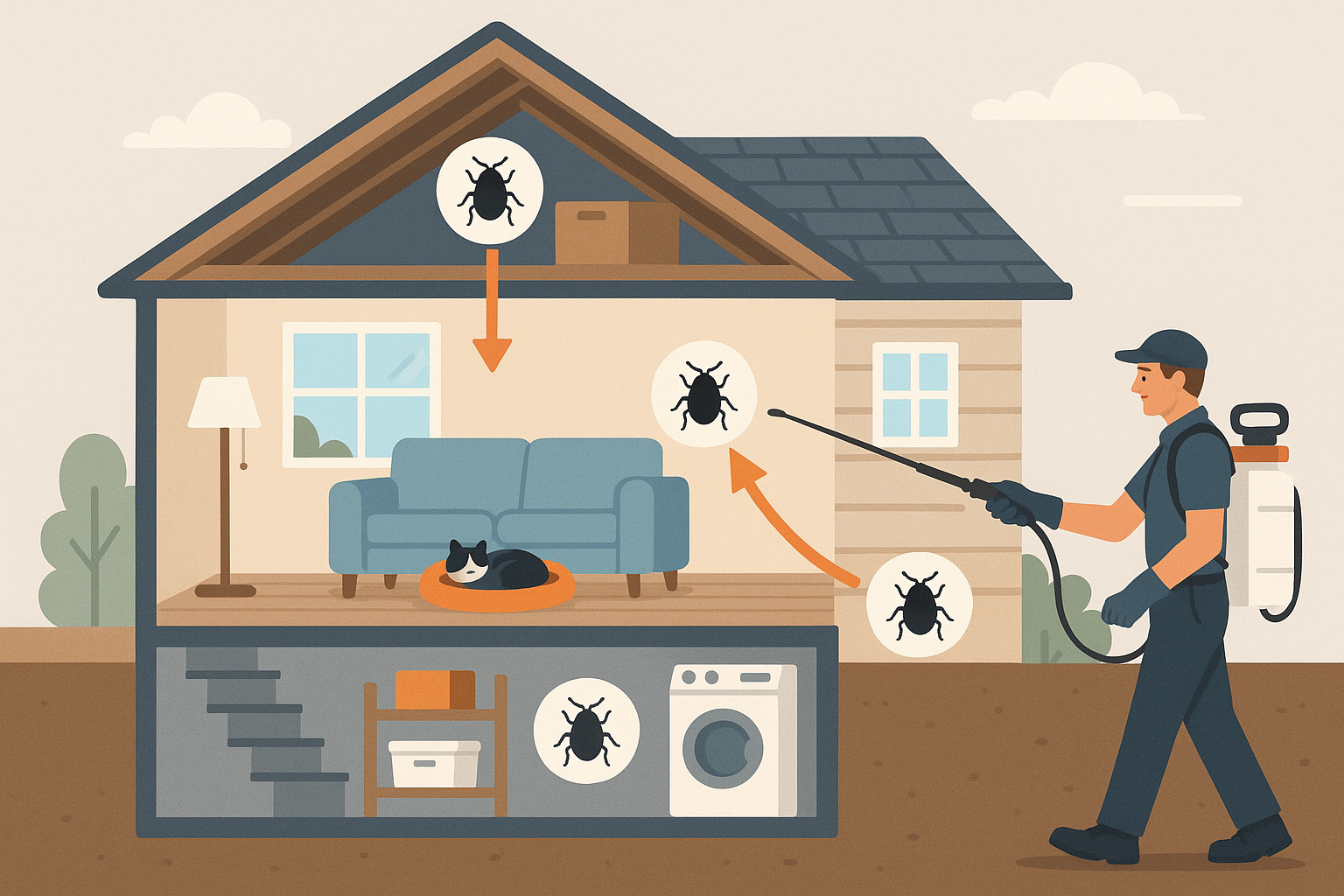
Our IPM program starts with a meticulous inspection that pinpoints every carpet beetle hotspot—whether it’s tucked in the attic insulation, lurking in a basement crawl space, or hidden near pet bedding. Once the infestation map is clear, we move to sanitation: vacuuming, laundering fabrics, and removing shed skins to break the beetle life cycle. Next, we apply targeted barrier treatments that leave a residual layer of protection on baseboards, vents, and other entry points. Finally, scheduled follow‑up visits ensure the barrier stays active and any new activity is caught early.
DIY Sanitation Meets Professional Sprays
Homeowners who keep their living spaces tidy dramatically reduce beetle food sources. Pairing that everyday effort with our residual sprays creates a two‑pronged defense—your cleaning removes existing debris, while our chemicals keep any stray larvae from maturing. The result is fewer repeat treatments, lower overall cost, and a safer environment for families and pets.
Anthem Pest’s 3‑Visit Guarantee
1️⃣ Initial Assessment: A certified technician conducts a room‑by‑room survey, documents infestation levels, and outlines a customized treatment plan.
2️⃣ First‑Visit Treatment: We apply a professional‑grade residual spray to all identified zones, focusing on high‑risk areas such as attic joists, basement walls, and pet hangouts.
3️⃣ Second‑Visit Verification: One month later we re‑inspect, spot‑treat any missed spots, and confirm that the beetle population is collapsing.
4️⃣ Third‑Visit Preventive Coating: Six weeks after the second visit we lay down a long‑lasting preventive coating that shields your home for up to 12 months, assuming routine sanitation is maintained.
Protection Timeline
With the full three‑visit cycle completed, homeowners typically enjoy continuous protection for an entire year. Annual maintenance visits are recommended to refresh the barrier and address any new entry points that may develop.
Cost Breakdown and Pricing Transparency
| Service Tier | Price Range |
|---|---|
| Basic Spot Treatment | $180‑$220 |
| Full‑Home Residual Spray | $250‑$320 |
| Premium IPM Package (includes follow‑up & preventive coating) | $350‑$420 |
What Influences Your Quote?
Our pricing isn’t a one‑size‑fits‑all number
Prevention Strategies for Dunwoody Homeowners
Seal Cracks and Entry Points
Carpet beetles slip inside through the tiniest gaps. Walk the exterior of your home with a flashlight and apply silicone‑based caulk to all cracks around windows, doors, and utility penetrations. Add weatherstripping to sliding doors and any exterior doors that see heavy traffic. A tight envelope keeps beetles, as well as drafts, out.
Eliminate Food Sources
These insects love natural fibers and organic debris. Store woolens, blankets, and seasonal clothing in airtight plastic containers or vacuum‑sealed bags. Vacuum pet bedding and upholstery at least twice a week to remove hair and shed skin, which serve as larval meals. Don’t forget to clean dryer lint traps and vacuum the area around them; accumulated lint is a hidden buffet for beetles.
Seasonal Cleaning Schedule
Plan two intensive clean-ups each year. In early spring (March–April), vacuum carpets, rugs, and upholstered furniture thoroughly, then treat high-risk zones with a low-toxicity insecticide or a professional-grade powder as part of a proactive carpet beetle control Dunwoody prevention strategy. Repeat the process in late fall (October) before beetles seek indoor shelter for winter. Between these deep cleans, maintain weekly vacuuming and spot-cleaning of pet areas.
Smart Landscaping Practices
Keep the perimeter of your house inhospitable to beetles. Store firewood and bulk mulch at least three feet away from the foundation, and avoid piling debris against exterior walls. Trim shrubs, vines, and tree branches so they don’t touch the siding; this reduces the bridge beetles can use to reach your home.
Printable Prevention Calendar
Anthem Pest has created a handy “Carpet Beetle Prevention Calendar” that outlines the exact weeks for sealing, cleaning, and landscaping tasks. Download the PDF, print it, and hang it on your fridge for a visual reminder that keeps your home beetle‑free year‑round.
Selecting a Local Expert – Why Anthem Pest Stands Out
Deep‑Rooted Local Experience
For more than 15 years, Anthem Pest has called Dunwoody and the wider DeKalb County home. That longevity isn’t just a number—it means our technicians have watched the seasonal ebb and flow of carpet beetles, know which neighborhoods report the highest activity, and can anticipate problem spots before they become infestations. Homeowners benefit from a partner who truly understands the local ecosystem.
Certified, Insured, and EPA‑Approved
Every technician on our crew holds industry‑recognized certifications and undergoes regular training on the latest control methods. We use only EPA‑approved products, guaranteeing effectiveness while protecting your family and pets. Our fully insured operations give you peace of mind that any accidental damage is covered, letting you focus on a pest‑free home.
Proven Customer Satisfaction
Word of mouth in Dunwoody speaks loudly: Anthem Pest enjoys an average 4.9‑star rating on Google from local residents. Homeowners repeatedly praise our punctuality, thoroughness, and the lasting results we deliver. Real‑life testimonials highlight how quickly we identified hidden beetle hotspots and eliminated them without unnecessary chemicals.
Transparent Quoting – No Surprises
We start with a free on‑site inspection, during which we walk you through every finding. After the assessment, you receive a detailed written estimate that breaks down labor, products, and any follow‑up visits. Pricing is presented clearly, so you know exactly what you’re paying for—no hidden fees, no guesswork.
Ready to Take the Next Step?
Give us a call at 877‑371‑8196 or visit anthempest.com to schedule your free inspection. Our local team is standing by to protect your home from carpet beetles and keep your family comfortable year‑round.
Frequently Asked Questions About Carpet Beetles
Homeowners often have quick questions about carpet beetles. Below we answer the most common queries with clear, science‑backed information.
Do carpet beetles bite?
No, adult carpet beetles do not bite humans. The insects are harmless to skin, but their larvae can irritate sensitive individuals. When the larvae shed tiny hairs or shed skin, these particles may trigger allergic skin reactions or asthma symptoms in susceptible people. CDC.
How long does a treatment last?
Residual chemicals applied by a professional typically protect treated areas for up to 8 weeks. When integrated pest management (IPM) strategies—such as regular monitoring, sanitation, and targeted spot‑treatments—are added, homeowners can extend protection to 12 months with proper maintenance.
Can I treat my own carpet?
DIY methods, like vacuuming and applying over‑the‑counter sprays, can reduce early infestations but often miss larvae deep within carpet fibers and padding. Professional treatments use specialized equipment that penetrates the backing and surrounding baseboards, providing deeper, longer‑lasting control.
What’s the best time of year to treat?
Early spring and late fall are the optimal windows for treatment. In spring, adults emerge to begin breeding, while in fall they seek warm indoor sites to overwinter. Targeting these periods disrupts the life cycle before populations explode.
Protect Your Home – Get a Free Inspection Today
Early detection, professional treatment, and ongoing prevention are the three pillars that keep carpet beetles from turning your home into a pantry for larvae. Spotting the tell‑tale signs—tiny holes in fabrics, shed skins, or a faint, powdery residue—means you can act before an infestation spreads to carpets, blankets, and upholstery.
When you choose Anthem Pest, you’re tapping into a team that knows Dunwoody’s climate inside and out. Our technicians combine local knowledge with a proven Integrated Pest Management (IPM) approach, delivering:
- Transparent pricing—no hidden fees, just a clear quote up front.
- Three‑visit guarantee—we monitor, adjust, and confirm that the beetles are gone.
- Safe, effective treatments—targeted applications that protect your family and pets.
You’ll receive a detailed, itemized estimate before any work begins, so you know exactly where every dollar goes.
Because carpet beetles can hide in the most unexpected places, a single visit rarely solves the problem. Our 3‑visit IPM guarantee ensures we stay on top of the issue, checking for new activity and reinforcing barriers so the pests never return.
Ready to take the first step? Schedule a free, no‑obligation inspection and receive a personalized quote tailored to your home’s layout and risk factors. One quick call is all it takes to set up an appointment with a local specialist who will walk you through the process, answer any questions, and outline the exact steps needed to protect your belongings.
Call us today at 877‑371‑8196 or visit Anthem Pest Control to claim your free inspection. Let’s keep your home beetle‑free, together.
Our friendly team is ready to answer any concerns you may have about carpet beetle control Dunwoody services, ensuring peace of mind from the first call.