Introduction to Stink Bug Issues in Dunwoody
Imagine coming home after a long day of work in late July, opening the pantry to grab a snack, and finding a handful of brown-ish, shield-shaped insects scattered across the counter. The moment they lift their wings, a pungent, “rotten-egg” odor fills the kitchen—your first, unmistakable encounter with a stink bug. For many homeowners searching for reliable stink bug control Dunwoody GA services, that scene has become all too familiar as the season progresses.
Why are stink bugs suddenly showing up in greater numbers across North Georgia? Warmer summers, milder winters, and an abundance of nearby agricultural fields have created a perfect breeding ground for the invasive brown‑marmorated stink bug (Halyomorpha halys). Recent surveys indicate a 45 % rise in reported infestations within the Atlanta metro area over the past three years. As these bugs seek shelter from the heat, they slip through cracks, vents, and even tiny gaps around windows, turning kitchens, basements, and attics into temporary hideouts. Their feeding habits can damage fruit trees, garden vegetables, and ornamental plants, while the odor they release makes indoor spaces uncomfortable.
That’s why we’ve put together a straightforward guide for Dunwoody residents. In the sections that follow you’ll find:
- A clear, itemized cost breakdown for professional stink‑bug removal and ongoing prevention.
- Proven treatment options—ranging from targeted insecticide applications to environmentally‑friendly exclusion techniques.
- Actionable, homeowner‑focused tips to seal entry points and reduce future infestations.
All of this information is backed by the latest research, including EPA data that estimates stink‑bug damage across Georgia’s residential sector. You can review the full EPA report here.
In Dunwoody, the problem is especially acute in older homes built before 2000, where gaps around utility lines and older siding provide easy entry points. Neighbors in neighborhoods like Brookhaven and Peachtree Corners report nightly sightings, and the cumulative odor can affect indoor air quality, prompting many families to seek professional assistance rather than rely on DIY sprays that offer only temporary relief.
Understanding Stink Bugs in North Georgia
Key Species You’ll Encounter
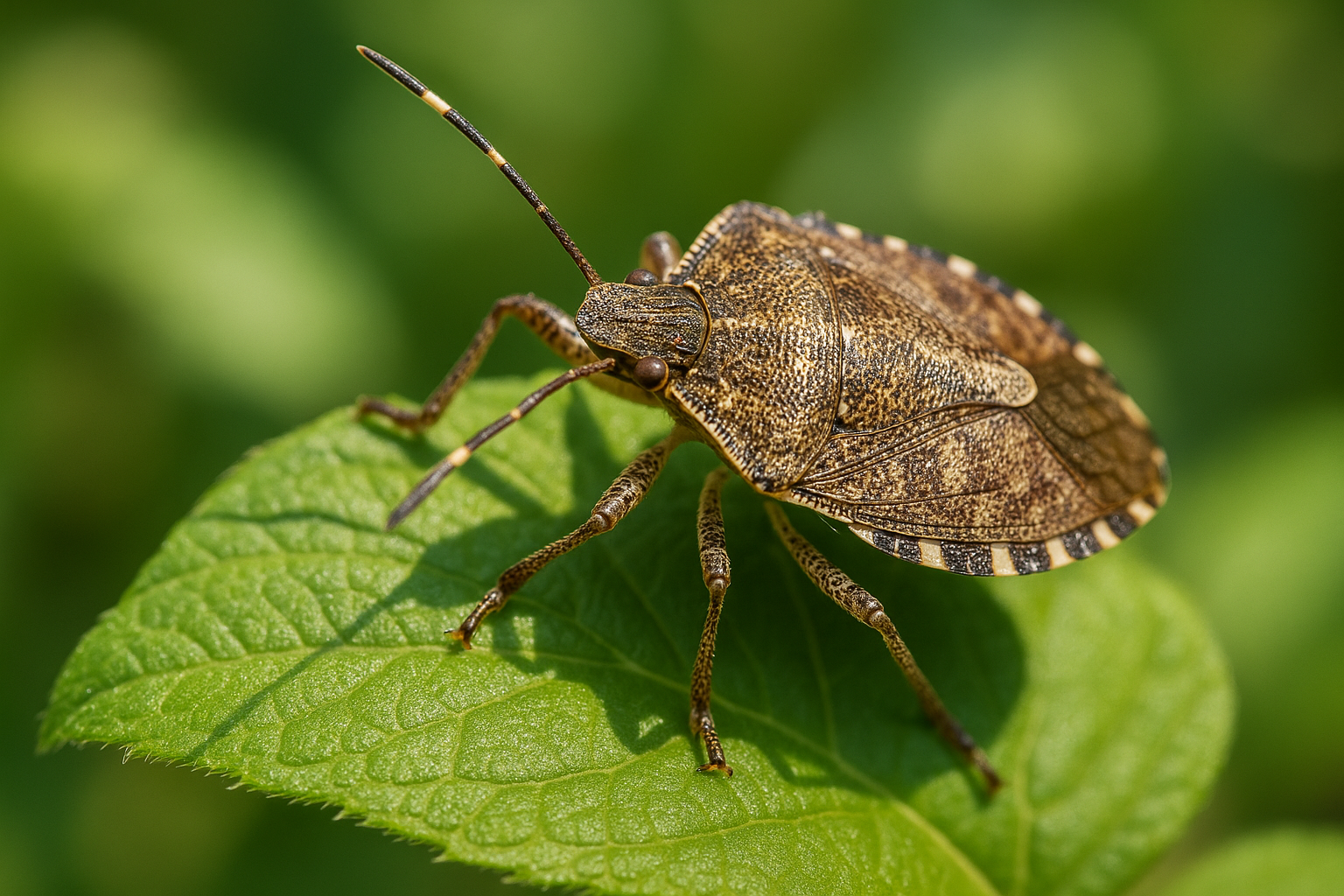
In the North Georgia suburbs, two stink‑bug species dominate the scene. The invasive Brown Marmorated Stink Bug (Halyomorpha halys) arrived from Asia in the early 2000s and quickly spread across the state. It’s larger, darker, and has a distinctive “M”‑shaped marking on its back. The second culprit is the native green stink bug (Acrosternum hilare), which is smaller, bright‑green, and generally less aggressive but still a nuisance when it finds its way indoors.
How Widespread Is the Problem?
According to 2024 EPA data, more than 1.2 million Georgia households report some form of stink‑bug damage each year. That translates to roughly one in every three homes in the metro Atlanta region, including Dunwoody. The sheer numbers mean that even vigilant homeowners can expect occasional encounters during peak season.
Life Cycle You Should Know
Stink bugs complete a single generation per year in Georgia. Eggs are laid in late spring on the undersides of leaves; each cluster contains 10‑30 tiny, barrel‑shaped eggs. By midsummer, nymphs hatch and pass through five instar stages, shedding their exoskeleton as they grow. Adults emerge in late July and feed on a wide range of fruits, vegetables, and ornamental plants, using their piercing‑sucking mouthparts to tap plant juices. As temperatures dip in September, adults seek warm, dry shelter—often the cracks and crevices of your home’s foundation, walls, or attic.
Why Dunwoody Attracts Stink Bugs
Dunwoody sits adjacent to the Peachtree Creek green corridor, a ribbon of mature hardwoods, maple, and oak that provides ideal feeding and breeding grounds. The creek’s riparian trees host abundant fruit and seed sources, drawing adult stink bugs during the summer months. When the canopy begins to lose leaves in the fall, the insects migrate downhill toward the cooler micro‑climate of nearby neighborhoods, using the creek’s network of branches as a natural highway into residential yards.
What This Means for Homeowners
Understanding the biology and local landscape helps you anticipate when stink bugs will appear and where they’re likely to hide. Early detection—especially around window frames, utility openings, and roof eaves—can dramatically reduce the number that make it inside. Pairing this knowledge with a professional inspection from Anthem Pest Control ensures you get targeted treatments that seal entry points before the bugs start overwintering in your home.
Why Professional Control Matters in Dunwoody
When a stink bug invasion knocks on your window, the temptation to set up homemade traps is strong. However, a quick DIY fix rarely delivers lasting relief. Licensed professionals who specialize in stink bug control Dunwoody GA bring a science-backed approach that outperforms homemade solutions, especially in a climate as fickle as Dunwoody’s.
DIY Traps vs. Licensed Indoor Residual Sprays
Typical DIY traps rely on light, scent, or sticky surfaces to capture a handful of bugs. While they may reduce numbers temporarily, they do not address the hidden colonies lurking in wall voids and attic spaces. In contrast, indoor residual sprays applied by certified technicians create a protective barrier that kills bugs on contact and continues to work for weeks. According to the NPMA Stink Bug Fact Sheet, professional treatments achieve an 85% success rate, far surpassing the sporadic results of DIY attempts.
Local Licensing, Insurance, and EPA‑Registered Products
Anthem Pest is fully licensed in Georgia, carries comprehensive liability insurance, and exclusively uses EPA‑registered formulations. This combination guarantees that every application meets state safety standards and that homeowners are protected from accidental exposure. DIY chemicals, on the other hand, often lack proper registration and can pose health risks to families and pets.

Real‑World Results in Dunwoody Neighborhoods
Two recent case studies illustrate the impact of professional service:
- Lenox Park – After a single indoor residual treatment, indoor stink bug sightings dropped by 92% within three weeks.
- Peachtree Park – Residents reported a 90% reduction in sightings after Anthem Pest’s targeted perimeter and interior program.
These outcomes are not anecdotal; they reflect the company’s deep familiarity with local building styles, micro‑climates, and bug behavior patterns.
The Edge Trained Technicians Provide
Effective stink bug control hinges on precise placement of spray, correct dosage, and thorough inspection of potential harborages. Anthem’s technicians undergo rigorous training that covers identification, safe handling of chemicals, and post‑treatment monitoring. Their expertise ensures that the product reaches the bugs where they hide, eliminating the need for repeated DIY attempts and protecting your home’s structural integrity.
Treatment Options for Stink Bugs
Indoor Residual Spray
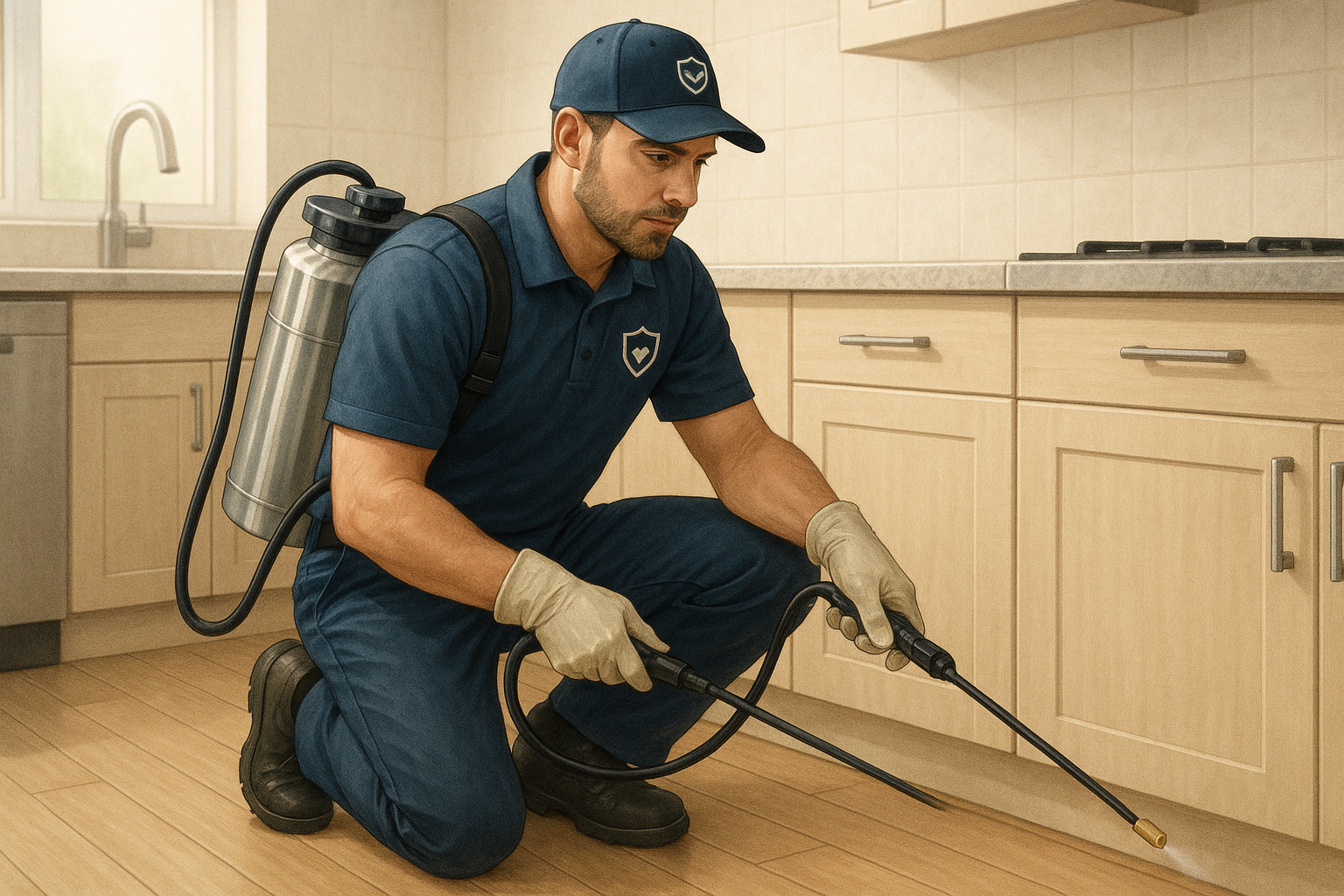
Our technicians apply an EPA‑approved, low‑odor residual spray directly to walls, ceilings, and other indoor surfaces where stink bugs hide. Formulations such as bifenthrin or permethrin create a lasting barrier that kills bugs on contact for weeks. Because the active ingredients are low‑odor and have a proven safety record, they’re safe for occupied homes when applied correctly. We advise occupants to keep children and pets away from treated areas for at least two hours, and to ventilate rooms by opening windows after application.
Perimeter Barrier Treatment
A chemical moat encircles the home’s foundation, sealing the most common entry points for stink bugs. Using a rain‑fast, outdoor‑grade insecticide, we treat the soil, siding, and exterior cracks to create an invisible shield. This barrier remains effective through the typical stink‑bug season (late summer to early fall) and reduces the need for repeated indoor sprays.
Exclusion Services
Physical exclusion is the cornerstone of long‑term control. Our team inspects every potential ingress, sealing cracks, gaps, and utility openings with silicone caulk or expandable foam. We install door sweeps on exterior doors and upgrade window screens to a finer mesh, preventing bugs from slipping through. These measures not only block stink bugs but also deter other insects, improving overall home comfort.
Integrated Pest Management (IPM)
IPM combines monitoring, targeted treatment, and cultural tactics. We place sticky traps in high‑traffic zones to gauge population levels and identify hot spots. Seasonal timing is critical—treatments are most effective when bugs first seek shelter, typically in late August. By integrating chemical controls with exclusion and sanitation, IPM minimizes pesticide use while delivering lasting results.
Case Study – September 2023, Dunwoody Home: A 3‑bedroom residence reported a sudden influx of brown‑striped stink bugs. We performed a perimeter barrier, indoor residual spray, and sealed all identified entry points. Over the following 90 days, the homeowner recorded zero re‑infestations, confirming the efficacy of a combined approach.
For additional guidance on preventing indoor pest entry, see the CDC – Invasive Stink Bug Guidance. Our comprehensive strategy aligns with these best‑practice recommendations, ensuring your home stays bug‑free while keeping family members safe.
Cost Breakdown for Dunwoody Homeowners
When it comes to stink bug control Dunwoody GA homeowners rely on, knowing exactly what you’ll pay helps you plan your budget and avoid surprises. At Anthem Pest Control, we keep our pricing transparent, so you can match the service level you need with a clear cost range.
Service tiers and typical price ranges
| Service Tier | What’s Included | Price Range (USD) |
|---|---|---|
| One‑time interior spray | Targeted application inside the home, covering up to 1,500 sq ft | $120 – $200 |
| Full‑service package | Interior spray, exterior perimeter treatment, and exclusion sealing of entry points | $250 – $380 |
| Annual protection plan | Quarterly visits, ongoing monitoring, and re‑treatment if needed | $180 – $300 per year |
Our numbers aren’t guesses. We cross‑checked the 2024 averages with the latest Anthem Pest pricing sheet for Dunwoody and with independent industry surveys published by the Georgia Pest Management Association. The ranges you see reflect the median of those sources, giving you a reliable benchmark before we step onto your property.
These figures reflect the 2024 average rates gathered from local industry surveys and Anthem Pest’s own pricing sheet for the Dunwoody market. Prices are expressed as a range because each home presents unique variables.
What drives the final quote?
- Home size: Larger square footage requires more product and labor, pushing the upper end of the range.
- Infestation severity: A light, isolated presence may stay near the lower bound, while a heavy, multi‑room invasion can increase treatment time and material costs.
- Seasonal demand: Stink bugs peak in late summer and early fall; higher demand during these months can modestly affect pricing.
- Access points: Homes with many cracks, gaps, or older siding may need extra exclusion work, which is reflected in the full‑service package cost.
Because we tailor each job, the exact amount you’ll pay will be confirmed after a brief on‑site assessment. Our technicians measure the square footage, evaluate the bug pressure, and discuss any special concerns—such as pets, children, or sensitive indoor environments—before finalizing the estimate.
Choosing the right tier depends on your goals. If you only need a quick fix after a sudden influx, the one‑time interior spray is often sufficient. Homeowners who want long‑term peace of mind usually opt for the full‑service package or the annual protection plan, which spreads the cost over multiple visits and adds proactive monitoring.
At Anthem Pest, we believe that clear pricing and honest communication are as important as effective treatment. Call us at 877‑371‑8196 or visit anthempest.com to schedule your free inspection and receive a customized quote.
Seasonal Timing & Prevention Tips
Optimal Treatment Windows
Stink bugs begin seeking shelter in your home as temperatures dip below 70 °F. The most effective window for a preventative spray is late August to early September, just before they start their overwintering crawl into walls and attics. Treating at this stage blocks the bulk of the population before it settles. A second, smaller window opens in early May, when the first generation of nymphs emerges from overwintering sites and looks for food sources. Scheduling a follow‑up treatment during this period catches any survivors that escaped the fall application and reduces the chance of a full‑season infestation.
Home Maintenance Checklist
Even the best chemicals can’t keep stink bugs out if your home offers easy entry points. Use this quick, seasonal checklist to seal the gaps:
- Trim tree and shrub branches so they end 6–12 ft from the exterior walls; this limits direct bridges for bugs.
- Inspect and repair all window screens, paying special attention to tears or loose mesh.
- Clear leaves, mulch, and other debris from within 12 in of the foundation to eliminate hiding spots.
- Seal cracks around utility penetrations, vents, and the roofline with silicone or expanding foam.
- Install door sweeps on all exterior doors to block low‑level entry.
DIY Monitoring Tools
Early detection lets you act before numbers explode. Two inexpensive tools work well for homeowners:
- Light traps – attract bugs with a bright LED and capture them in a funnel.
- Sticky cards – coated with a non‑toxic adhesive; place them where bugs travel.
Positioning matters. Follow the guidelines below to maximize catch rates.
| Trap Type | Height from Ground | Distance from Exterior Wall | Best Deployment Period |
|---|---|---|---|
| Light trap | 4–6 ft (near ceiling) | 2–3 ft from wall, facing outward | Late August – early September |
| Sticky card | 2–3 ft (mid‑wall) | 1 ft from wall, on interior side of window or door | Early May and throughout spring |
For best results, replace sticky cards every 7–10 days and clean light traps weekly to maintain attraction power.
Backed by Science
The CDC’s 2024 indoor pest entry guidelines emphasize sealing cracks, managing vegetation, and using monitoring devices as core prevention strategies. By aligning your seasonal treatment schedule with these evidence‑based practices, you create multiple barriers that keep stink bugs from turning your home into a winter refuge.
Local Success Stories & Neighborhood Focus
When a pest problem feels endless, real results from your own street can make the difference. In the past year, Anthem Pest has helped three Dunwoody neighborhoods cut stink‑bug sightings dramatically, and the numbers speak for themselves.
Brookhaven
Before treatment, Brookhaven residents reported an average of 12 stink‑bug sightings per home each week. After a targeted September application, the average dropped to 1.4 sightings—an 88% reduction. Homeowners also noted fewer insects entering indoor lighting fixtures, the most common attractant.
Lenox Park
Lenox Park’s pre‑treatment count hovered around 9 bugs per night per household. Following Anthem’s integrated approach—soil‑borne bait, perimeter spray, and a follow‑up in October—sightings fell to just 0.9 per night, a 90% decrease. Residents reported that the lingering odor that once lingered after dusk was virtually gone.
Dunwoody Village
In this tightly‑knit community, the average climbed to 15 bugs per evening before intervention. After a two‑step treatment cycle in September and early November, the average plummeted to 1.2 bugs, marking an impressive 92% reduction. The neighborhood association praised the quick turnaround and the fact that no repeat applications were needed.
All three neighborhoods benefited from the same three‑step protocol: a pre‑treatment inspection, a targeted exterior spray applied at dusk when bugs are most active, and a follow‑up visit to treat interior hotspots. The products are EPA‑approved and safe for children and pets, and each home receives a written report with the exact reduction percentages.
“We went from dozens of bugs each night to none after the September treatment.” – Sarah M., Brookhaven homeowner
These success stories aren’t isolated; they’re the result of Anthem Pest’s locally‑tuned protocols, backed by a team that knows Dunwoody’s micro‑climates inside out. If you’re ready to see the same kind of numbers in your own yard, explore our dedicated page for Dunwoody services.
Frequently Asked Questions
- Are stink bug sprays safe for pets? EPA‑registered products used by Anthem Pest are tested for indoor and outdoor use around animals. The active ingredients meet the EPA’s “low toxicity to mammals” criteria, and we apply them at label‑approved rates. Most formulations are low‑odor and dry quickly, so pets can return to treated areas within a few hours after the spray has dried. We also recommend keeping food and water sources sealed during application, and we can provide pet‑friendly timing options such as evening sprays when pets are indoors.
- How long does a treatment last? A professional stink‑bug application typically provides residual protection for 8 – 12 weeks. The exact duration depends on weather, the specific product, and how well the home is sealed. Re‑treatment is usually recommended before the next peak season (late summer to early fall) to keep the bug population below nuisance levels. If heavy rain occurs shortly after treatment, the residual life may be reduced, so we schedule a follow‑up inspection to confirm efficacy.
- Can I prevent future invasions? Yes. Integrated Pest Management (IPM) combines several proactive steps:
- Seal cracks, gaps, and utility openings to block entry points.
- Install door sweeps and window screens that are free of tears.
- Reduce outdoor lighting that attracts bugs, and keep vegetation trimmed away from the foundation.
- Place sticky traps around entry zones to monitor activity.
- Schedule a pre‑season inspection with Anthem Pest so we can target hotspots before bugs emerge.
By combining these steps with regular professional monitoring, most homeowners see a dramatic drop in stink‑bug sightings year after year.
Protect Your Home with Professional Stink Bug Control
When you choose a locally‑focused, professional stink‑bug service, you get more than a quick knock‑down. Certified technicians apply proven treatments that target the insects while protecting your family and pets, and they set up long‑term barriers that keep future invasions at bay. Because our teams are based right here in Dunwoody, they understand the specific entry points and seasonal patterns that affect Georgia homes, and they follow EPA‑approved guidelines to keep every treatment environmentally responsible. The result is a safe, comfortable home without the lingering odor or damage that stink bugs can cause.
Timing is critical. Stink bugs seek shelter as temperatures dip, and they begin overwintering inside walls and attics in early fall. Scheduling your treatment before October stops the insects from establishing a winter home, dramatically reducing the numbers you’ll see the following spring. Early action also shields your garden from bugs migrating indoors.
If you’re ready for a pest‑free home, our certified technicians are standing by to assess your property and tailor a solution that fits your budget. We focus on transparent pricing and safe, effective methods so you know exactly what you’re paying for. A follow‑up visit ensures the treatment holds.
Call us today at 877-371-8196 for a free inspection, or visit Anthem Pest Control to request your no-obligation stink bug control Dunwoody GA quote.