Why Fleas Matter in Druid Hills Homes
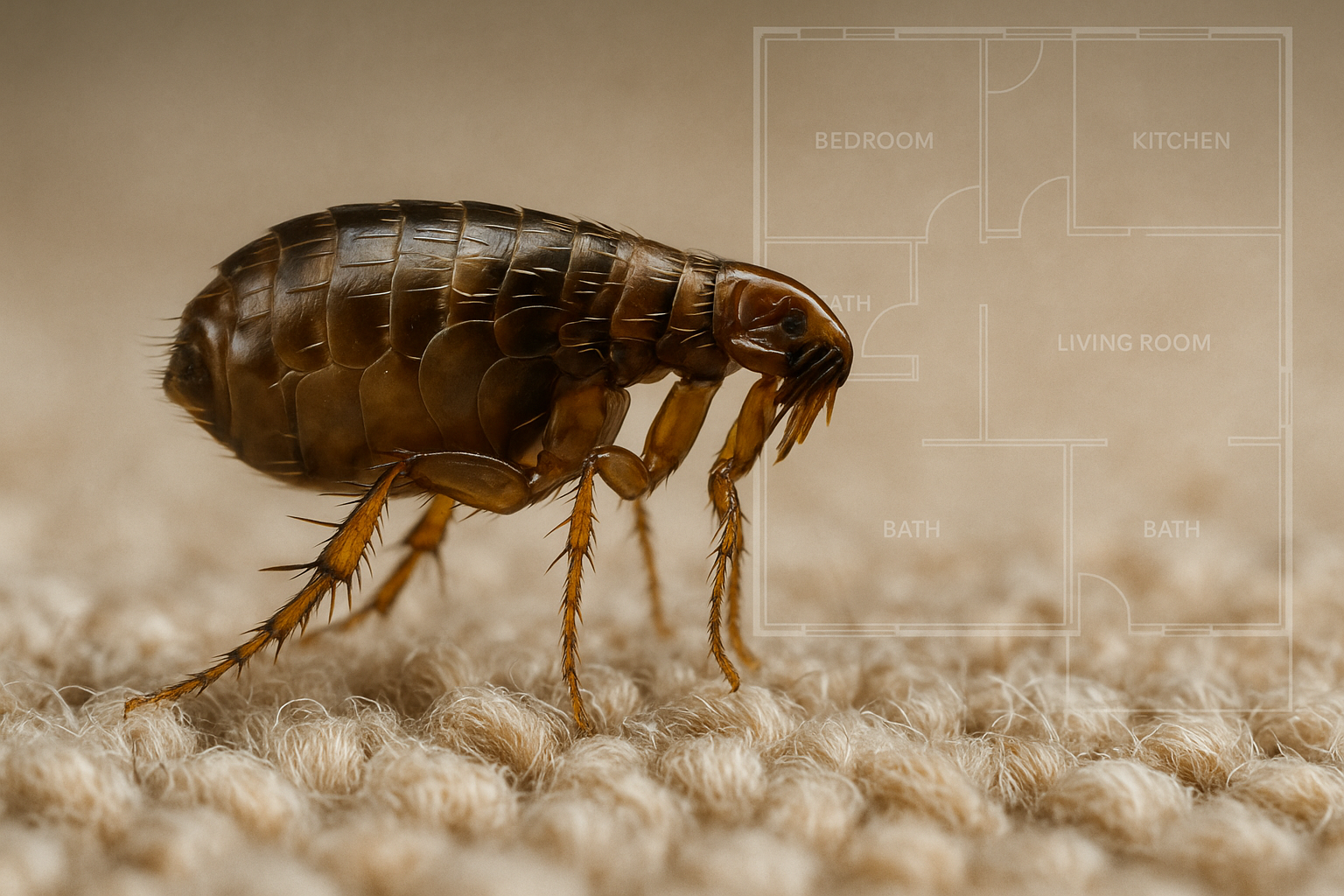
Fleas (Ctenocephalides spp.) are tiny, wing-less insects that spend most of their lives on warm-blooded hosts. An adult can jump up to 150 times its own length, allowing it to move from a pet or a person onto carpet, furniture, and floor cracks. Inside a home, they find shelter in bedding, upholstery, and the crevices around windows, where temperature and humidity stay relatively stable—perfect conditions for breeding and rapid life-cycle completion. If you’re searching for a reliable flea exterminator near me Druid Hills, understanding how quickly fleas multiply indoors highlights why professional treatment is often necessary.
Those tiny bites quickly become a big problem for homeowners. Flea saliva contains proteins that trigger itchy, red welts, and repeated exposure can lead to allergic dermatitis or even asthma‑like symptoms in sensitive individuals. Beyond discomfort, fleas are capable vectors for diseases such as murine typhus, plague, and tapeworms that can be passed to pets and, indirectly, to people.
The CDC reports that flea bites affect up to 12 % of U.S. households each summer (2024), underscoring how common this nuisance has become nationwide.
Druid Hills’ climate amplifies the risk. Summers are warm and humid, with average highs in the mid‑80s °F and relative humidity often above 70 %. These conditions keep indoor environments moist enough for flea eggs and larvae to develop for weeks on end. Winters are mild—rarely dropping below freezing—so flea activity doesn’t shut down completely, allowing a small population to survive and rebound when the weather warms again.
Adding to the challenge, Druid Hills is bordered by mature trees and green spaces that attract wildlife such as squirrels, raccoons, and deer—common carriers of fleas. When these animals wander onto lawns or crawl under decks, they can drop adult fleas and eggs right onto your foundation, seeding an indoor problem before you even notice a bite.
Because fleas can hide in the tiniest cracks and multiply quickly, DIY sprays often miss the hidden reservoirs. A professional pest‑control service can locate and treat those hidden zones, apply a residual insecticide that remains active through the season, and advise on pet‑care and home‑maintenance steps that prevent re‑infestation. In Druid Hills, that expertise translates into fewer bites, healthier families, and peace of mind.
Spotting Fleas Early: Signs and Symptoms
Fleas are tiny, but their impact can grow quickly if you don’t catch them early. Knowing what to look for—and where to look—gives you a head start before the infestation spreads to every rug, pet, and bedroom in your Druid Hills home.
Visual signs to watch for
- Dark specks: Adult fleas are about the size of a grain of sand and appear as moving, dark dots on light‑colored fabrics or floors.
- Flea “dirt” (feces): Small, black‑brown specks that look like pepper. They are digested blood and often accumulate where pets rest.
- Bite patterns: Small, red, itchy bumps that usually appear in clusters on the ankles, calves, or lower back. A “breakfast‑bites” line is a classic tell‑tale sign.
Inspection checklist
Run through these three zones with a systematic eye. A quick 10‑minute sweep can reveal hidden trouble.
- Pets: Part the fur, especially around the neck, tail base, and belly. Look for live fleas, flea dirt, or excessive scratching.
- Bedding & furniture: Pull back cushions, lift pet beds, and shake out blankets. Flea dirt often settles in the folds.
- Carpets, rugs, and flooring: Use a flashlight to scan for moving specks. Pay extra attention to high‑traffic areas and under furniture.
- Outdoor perimeter: Check shaded spots, under decks, and near pet feeding stations for flea eggs or larvae in the soil.
Mini case study: The Harris family
When the Harris family in Druid Hills noticed their golden retriever, Max, scratching nonstop, they assumed it was a simple skin irritation. After a few days of relentless scratching, Max’s fur on the lower back began to look patchy, and tiny dark specks appeared on the family’s living‑room rug.
Mrs. Harris grabbed a white sheet, laid it on the rug, and shone a flashlight over it. Within seconds, dozens of tiny black specks—flea dirt—were illuminated. A quick inspection of Max’s coat revealed several live fleas. The family realized the problem was already inside the home, not just on the dog.
They called Anthem Pest Control, and a licensed technician confirmed a moderate indoor infestation. Prompt treatment combined with thorough cleaning stopped the spread, and Max’s itching subsided within a week.
Quick tip: White sheet & flashlight method
Step 1: Lay a clean white sheet on any carpet or rug you suspect.
Step 2: Dim the lights and shine a bright flashlight across the sheet.
Step 3: Look for tiny black specks that glow—these are flea feces. A quick wipe with a damp cloth will confirm the presence of blood‑stained dirt.
Repeat this test in each room. If you see multiple spots, it’s time to call a professional.
From Egg to Adult – The Flea Life Cycle in the Atlanta Metro Area
In Atlanta’s humid climate, a flea can finish its life cycle in just two to three weeks. Knowing the four stages—egg, larva, pupa, adult—shows why a single DIY spray rarely ends an infestation.
Egg
Females lay 20‑50 tiny eggs on the host. Within minutes they fall into carpet fibers, baseboard cracks, and pet bedding, hatching in 2‑5 days at 70 °F/70 % humidity.
Larva
Blind larvae hide in the same debris, feeding on organic matter and flea feces. After 5‑11 days they spin a protective cocoon.
Pupa
The cocoon can stay dormant for weeks, clinging to carpet tufts, under furniture, or in wall cracks—places a spray can’t reach.
Adult
When conditions improve, adults emerge, jump onto a host within seconds, live 2‑3 weeks, and females begin laying eggs after 24‑48 hours.
| Life Stage | Typical EPA‑registered product effectiveness |
|---|---|
| Egg | 10‑20 % (most contact sprays do not penetrate carpet fibers) |
| Larva | 30‑50 % (requires residual dusts or growth regulators) |
| Pupa | 5‑15 % (protected inside cocoons, largely immune to spray) |
| Adult | 80‑90 % (most sprays act quickly on exposed fleas) |
The EPA Flea Control Guidelines (2023) note that most products only knock down adults (80‑90 % effectiveness). Eggs and pupae survive, later hatching into new adults.
Professional treatments address every stage. Certified technicians apply a combination of residual sprays, insect growth regulators, and fogging that penetrate carpet backing and wall voids, plus steam or heat to disrupt dormant pupae. They also treat pet bedding and surrounding outdoor zones. In contrast, DIY aerosols only coat visible surfaces, leaving hidden eggs and cocoons untouched.
Atlanta homeowners can break the cycle quickly by hiring Anthem Pest Control. Our integrated plan targets every life stage, eliminating the “one‑spray‑and‑done” myth. We offer transparent pricing and a satisfaction guarantee.
How to Vet a Flea Exterminator in Druid Hills
Essential Criteria
Before you hand over a contract, make sure the company checks every box on the professional pest-control checklist. If you’re considering a flea exterminator near me Druid Hills, a reputable local provider will:
- Hold a valid Georgia state license. The license number should be easy to locate on the company’s website or on a printed estimate.
- Use EPA‑registered products. These chemicals have been tested for safety and efficacy, and the technician should be able to name the active ingredients.
- Carry liability insurance. This protects you if a treatment accidentally damages property or causes an injury.
- Show locally verified reviews. Look for recent five‑star ratings on Google, Yelp, or the Better Business Bureau that specifically mention flea treatments in Druid Hills.
- Provide transparent pricing. A detailed quote should break down labor, chemicals, and any follow‑up visits, with no hidden fees.
Red‑Flag Checklist
Even if a company appears polished, watch for warning signs that could indicate a fly‑by‑night operation:
- Quotes that are dramatically lower than the market average – “$49 for a full home treatment” is rarely realistic.
- No written guarantee or service agreement; verbal promises are hard to enforce.
- Absence of scheduled follow‑up visits; effective flea control usually requires at least one re‑inspection.
- Reluctance to share the name of the EPA‑registered product being used.
- Requests for cash‑only payment or pressure to sign a contract on the spot.
Reputable Druid Hills Flea Exterminators
- Anthem Pest – Certified by the Georgia Pest Management Association, 24‑hour emergency response, fully insured, and offers a written guarantee on all flea treatments.
- EcoShield Pest Solutions – Eco‑friendly formulations, locally reviewed, offers a free initial inspection.
- Southern Home Pest Control – Long‑standing family business, licensed technicians, transparent flat‑rate pricing.
- GreenLeaf Exterminators – Specializes in pet‑safe flea products, provides a detailed treatment schedule.
“Anthem showed up exactly when they said they would, explained every step of the flea treatment, and left my yard spotless. Their professionalism gave me peace of mind that I haven’t found with any other service.” – Jenna M., Druid Hills resident
What to Expect When You Call Anthem Pest in Druid Hills
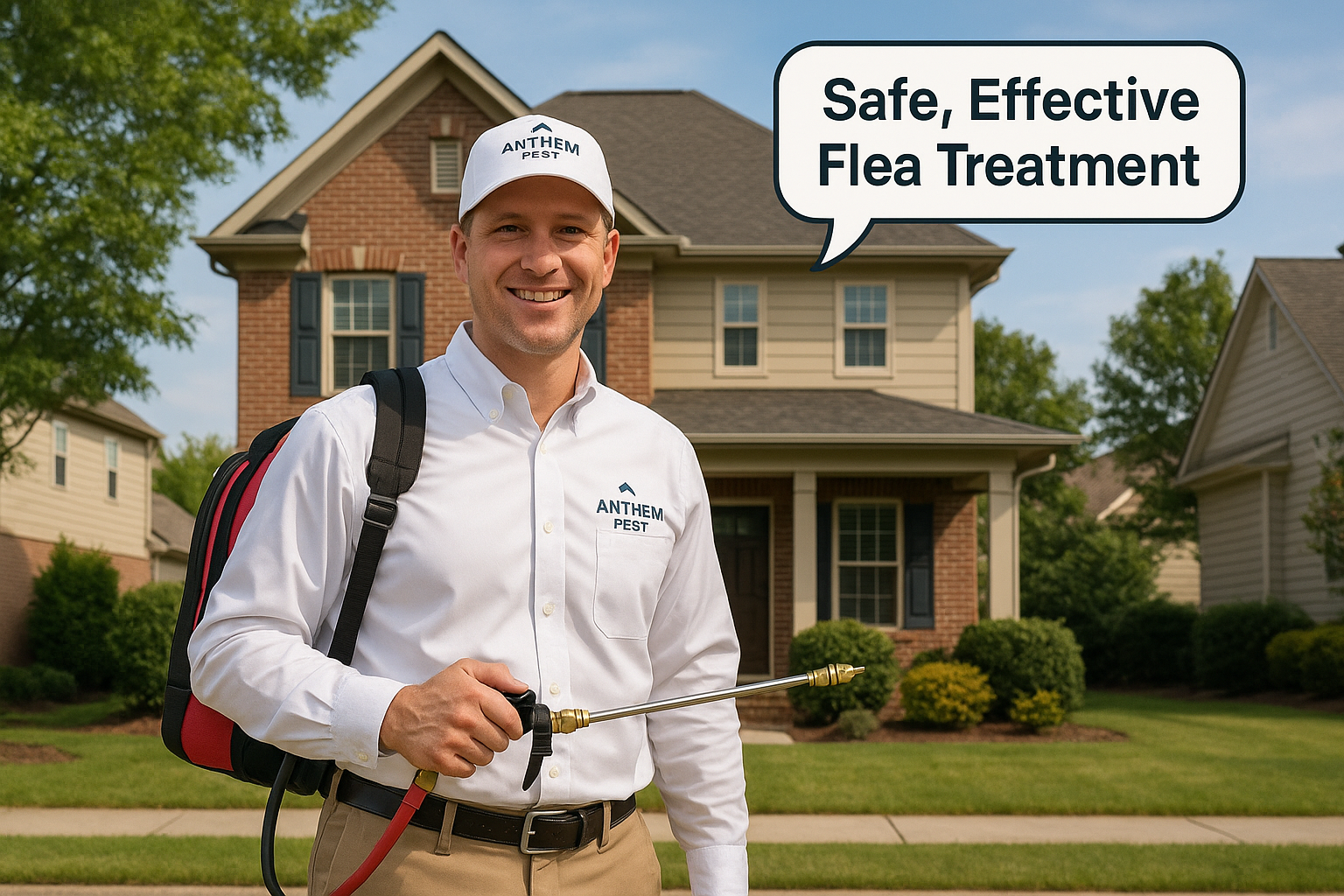
When you pick up the phone and dial Anthem Pest for a trusted flea exterminator near me Druid Hills, the first thing you’ll notice is the friendly, knowledgeable voice on the other end. Our team asks a few quick questions about the size of your home, the severity of the flea activity, and any pets you share the space with. This helps us schedule a same-day or next-day visit that fits your calendar.
Step‑by‑step: From Inspection to Ongoing Protection
- Initial on‑site inspection – A certified technician arrives, removes shoes, and conducts a thorough walk‑through of every room, basement, and crawl space. They look for flea larvae, adult insects, and breeding hotspots such as pet bedding and carpet seams.
- Customized treatment plan – Based on the inspection, we draft a plan that matches your home’s 1,500‑sq ft footprint. The plan outlines which areas will receive fogging, which will get spot‑spray, and any pet‑safe alternatives you prefer.
- Indoor fogging or spot‑spray – Using EPA‑approved low‑toxicity chemicals, we either fog the entire interior for rapid knock‑down or apply a targeted spot‑spray to identified problem zones. The fog dissipates within minutes, leaving no lingering odor.
- Pet‑safe options – If you have dogs or cats, we can swap the standard formula for a pet‑friendly version that still kills fleas but poses zero risk to your companions. We also provide a short “pet‑away” period (usually 30 minutes) to keep them safely out of treated rooms.
- Post‑treatment monitoring – After the chemicals dry, we place discreet monitoring traps in key locations. Within 48 hours we call you back, review the trap results, and advise whether a second pass is needed.
For a typical 1,500‑sq ft home, Anthem Pest’s 2024 regional pricing falls between $120 and $250. The range reflects the chosen method (fog vs. spot‑spray), any pet‑safe upgrades, and whether you opt for a one‑time service or a bundled package that includes future visits.
All chemicals we apply are EPA‑approved low‑toxicity products that have been rigorously tested for indoor use. They target the flea life cycle without contaminating food surfaces, and they break down quickly after application, ensuring a safe environment for children and pets.
We stand behind our work with a satisfaction guarantee. If you still notice active fleas within seven days, we’ll return at no extra charge to re‑treat the affected zones. Many homeowners also choose our optional quarterly follow‑up program, which keeps flea pressure low throughout the year and catches any new infestations before they spread.
By choosing Anthem Pest, you’re not just hiring a service—you’re partnering with a local expert who values transparency, safety, and results. The clear pricing, step‑by‑step process, and guaranteed outcomes give you peace of mind, so you can enjoy a flea‑free home without worrying about hidden fees or hazardous chemicals.
Best Times of Year for Flea Prevention
In Georgia’s humid climate, fleas thrive when temperatures rise above 65°F and humidity stays high. The National Weather Service records for Druid Hills show an average summer humidity of about 70 %, creating the perfect breeding ground for flea eggs and larvae.
Peak flea activity
In the Peach State, flea populations surge from late spring through early fall—roughly May through September. During these months you’ll notice more bites on pets, increased flea dirt in carpets, and a higher chance of indoor infestations.
Pre‑emptive treatment schedule
The most effective strategy is to start a preventive program in early March, before the first adult fleas emerge. A second, targeted treatment in September helps knock down any survivors that have overwintered and prepares your home for the cooler months when fleas become dormant.
Weather‑driven adjustments
Because humidity and temperature can swing dramatically, keep an eye on local forecasts. If a warm, wet spell arrives in April or July—several days above 80°F with humidity over 75 %—consider adding a supplemental spray or a pet‑focused flea collar to stay ahead of the jump in activity.
Quick tip
Don’t forget to trim grass and remove leaf litter, which serve as outdoor refuges for adult fleas returning indoors.
Seasonal checklist
| Month | Action |
|---|---|
| March | Pre‑emptive indoor and perimeter treatment |
| April | Check pet flea collars, monitor humidity |
| May | Increase indoor vacuuming, spot‑check pets |
| June | If humidity > 70 %, add supplemental spray |
| July | Inspect shaded outdoor areas, consider dehumidifier |
| August | Prepare for September treatment, tidy yard debris |
| September | Comprehensive fall treatment; focus on cracks and crevices |
| October | Reduce frequency, continue indoor cleaning |
FAQ – Flea Control in Druid Hills
How long does a professional flea treatment last?
According to EPA guidelines, most EPA‑registered flea products provide residual activity for about four to six weeks. The exact duration depends on the formulation, the level of infestation, and how well the homeowner follows post‑treatment recommendations such as regular vacuuming and laundering pet bedding. In Druid Hills homes, we typically see effective control for the full six‑week window when the treatment is applied correctly. Homeowners who maintain regular cleaning schedules often experience the full six‑week protection without needing a second application.
Are the chemicals safe for children and pets?
Yes. Anthem Pest only uses low‑toxicity, EPA‑registered products that have been tested for indoor use around families. Our technicians employ pet‑safe application methods—such as targeted spot treatments, low‑drift sprays, and thorough ventilation—to minimize exposure. We also advise owners to keep children and pets out of treated areas for a short, specified period, usually 30 minutes to an hour, before normal activity resumes. Our technicians also wear protective gear and follow strict re‑entry times to ensure the environment is safe before you resume daily activities.
What if fleas return after treatment?
We stand behind our work with a satisfaction warranty. If fleas are still present within the residual period, we’ll schedule a complimentary follow‑up visit to re‑treat the affected zones. Additionally, we provide homeowners with a simple maintenance checklist: weekly vacuuming, routine washing of pet linens, and prompt removal of any new egg‑laying sites. Most homeowners see a noticeable drop in flea activity within three days of the follow‑up, confirming that the treatment is taking hold. Following these steps dramatically reduces the chance of a rebound infestation.
Take Action to Protect Your Home Today
Early detection, professional treatment, and seasonal prevention are the three pillars that keep fleas from turning your home into a breeding ground. Spotting the first signs—tiny bites, increased pet scratching, or a sudden rise in flea activity—lets you act before an infestation spreads. By catching fleas early, you avoid costly damage to carpets, furniture, and your pets’ health.
- Detect early: Check pets and bedding weekly, especially during warm months.
- Call professionals: Certified technicians apply treatments that reach hidden life stages that DIY products miss.
- Prevent seasonally: Schedule a pre‑emptive service before spring and repeat as needed to stay ahead of the cycle.
When you choose a local partner, you get more than a spray. Anthem Pest has a dedicated team in Druid Hills who understand the neighborhood’s climate, common entry points, and the best timing for each intervention. Their pricing is transparent—no hidden fees, just a clear quote that matches the scope of work. Their technicians use EPA‑approved products that target adult fleas, larvae, and eggs while respecting the safety of children and animals.
If you’re ready for a flea‑free home, give Anthem Pest a call for a free inspection and quote. Our certified technicians are ready to protect your family and pets with safe, effective solutions. We tailor each treatment plan to your home’s layout, ensuring every hidden harbor is addressed.
Call now: 877‑371‑8196
Visit Anthem Pest Control to connect with a trusted flea exterminator near me Druid Hills and schedule your appointment today.