Spider Sightings Surge in Druid Hills This Spring

Spring has turned Druid Hills into a spider hotspot, making a professional spider inspection Druid Hills homeowners can trust more important than ever. Homeowners are reporting more encounters than usual—spiders hanging from porch railings, webs tucked into attic corners, and even surprise sightings in freshly mowed lawns. Local neighborhood watch groups and community forums have logged dozens of these reports in just the past two months, signaling a clear uptick in activity.
Why does this matter? Not all spiders are harmless. The brown recluse, which has established a foothold in parts of Georgia, can deliver a painful bite that may lead to necrotic lesions and systemic illness. Even non‑venomous species pose a risk: dense webs can block vents, trap moisture, and create conditions that attract mold or other pests. Ignoring these signs often means a small problem escalates into a costly repair or a health concern.
For a concise medical perspective, the CDC’s spider‑bite information outlines symptoms, treatment options, and when to seek professional care. Knowing the difference between a harmless garden spider and a potentially dangerous recluse can protect both your family’s health and your property’s integrity.
That’s where Anthem Pest Control steps in. As the Druid Hills specialist, Anthem combines real‑time data on local spider activity with proven inspection protocols. Our technicians use heat‑mapping tools and targeted visual surveys to locate nests before they become a problem, ensuring you get a precise, cost‑effective solution.
Understanding the surge is the first step; the next is a thorough inspection that safeguards your home all season long. Stay tuned for the upcoming sections that walk you through what to expect during an Anthem inspection and how to act quickly when you spot a spider.
The Spiders You’ll Encounter Around Your Home
Living in Druid Hills means sharing your yard and living spaces with a handful of spider species that are more curious than dangerous—most of the time. Knowing what to look for can turn a moment of panic into a quick, confident decision about whether you need professional help.
Brown Recluse (Loxosceles reclusa)
These shy hunters measure 6‑12 mm (about the size of a penny). Their hallmark is a uniformly brown body with a dark, violin‑shaped marking on the cephalothorax. They build loose, irregular retreats in undisturbed corners, closets, or woodpiles. Because their bite can cause necrotic lesions, the brown recluse is a top medical concern.
Black Widow (Latrodectus mactans)
Females are the most recognizable—shiny black, 10‑15 mm long, with a bright red hourglass on the underside of the abdomen. Their webs are classic, sticky, circular “cobwebs” often found in dark, sheltered spots like garages, sheds, or under eaves. A bite delivers neurotoxic venom that can cause severe muscle cramps and requires prompt medical attention.
Orb Weaver (Araneidae family)
Orb weavers range from 5‑25 mm and display a rainbow of colors—often with bold stripes or spots on the abdomen. They spin large, wheel‑shaped webs in gardens, between shrubs, or on fence posts. Though their bite is harmless, their impressive webs can be a visual nuisance.
House Spider (Parasteatoda tepidariorum)
These small, 3‑7 mm spiders are light brown to gray with a mottled abdomen. They weave messy, tangled cobwebs in corners of rooms, basements, and crawl spaces. House spiders are beneficial predators and pose no medical threat.

Quick Reference Table
| Species | Size (mm) | Coloration & Markings | Web Type | Medical Risk |
|---|---|---|---|---|
| Brown Recluse | 6‑12 | Uniform brown, violin‑shaped dorsal mark | Irregular, hidden retreats | High (necrotic bite) |
| Black Widow | 10‑15 | Glossy black, red hourglass underside | Sticky circular cobweb | High (neurotoxic bite) |
| Orb Weaver | 5‑25 | Varied bright patterns, often striped | Large orb‑shaped web | Low (harmless bite) |
| House Spider | 3‑7 | Light brown/gray, mottled abdomen | Messy cobweb in corners | Low (harmless bite) |
According to the CDC’s 2024 Georgia spider‑bite report, roughly 150 cases were documented statewide, with the majority linked to brown recluse and black widow encounters. While most bites are minor, the two medically significant species demand swift professional assessment.
If you spot a brown recluse or black widow inside your home, or you notice unexplained bites accompanied by severe pain, swelling, or necrosis, it’s time to call Anthem Pest Control. Our locally trained technicians can identify the culprit, safely remove the spider, and implement targeted prevention to keep your family spider‑free.
Red Flags That Indicate a Hidden Infestation
Even the most diligent homeowner can miss a spider problem until it starts affecting daily life. Spotting the early signs lets you act before webs spread into walls, vents, or crawl spaces where they become harder to eradicate.
Why early detection matters
Spiders multiply quickly, especially in the warm months. A few stray individuals can turn into a concealed nest that compromises insulation, damages stored items, and raises the risk of painful bites. Catching the issue early saves time, money, and peace of mind.
Observable signs
- Dense web clusters in dark corners such as under cabinets, behind furniture, or in attic joists.
- Dead insects or small, crusty remains scattered near windows or along baseboards.
- Unexplained bite marks that appear without a clear source, especially on exposed skin at night.
- Increased spider sightings after sundown, particularly along light fixtures or near outdoor doors.
When these clues appear together, they usually point to a hidden colony rather than isolated wanderers. A single web in a bathroom is normal; a network of silken sheets spanning multiple rooms signals a deeper problem.
Real‑world example
A homeowner living near Emory University noticed a sudden surge in night‑time spider activity and a faint, musty odor behind a basement vent. Upon inspection, a brown recluse had built a sizable nest inside the vent duct, hidden from view but ready to spread. The family avoided a painful bite by calling a professional as soon as the vent was opened.
Seasonal timing note
In Druid Hills, spider activity peaks from May through July when temperatures rise and humidity climbs. During this window, webs grow larger, egg sacs hatch, and indoor sightings become more frequent. If you notice any of these red flags during these months, scheduling a professional spider inspection Druid Hills homeowners rely on can prevent a minor issue from becoming a serious infestation.
Document your findings
Before the inspector arrives, take clear photos of webs, bite marks, and any dead insects. Note the locations, dates, and frequency of sightings. This documentation helps the technician pinpoint the infestation’s source and devise a targeted treatment plan.
Step‑by‑Step: The Inspection Process
Pre‑inspection preparation
Before the technician arrives, spend a few minutes clearing clutter from high‑traffic areas, closets, and storage rooms. Boxes, shoes, and piles of laundry can hide spider webs and make it harder for the inspector to spot problem spots.
Check that crawl spaces, attic hatches, and any exterior entry points (such as vent covers or utility openings) are easily reachable. If a hatch is locked, simply leave it open or provide a key so the inspector can access the space without delay.
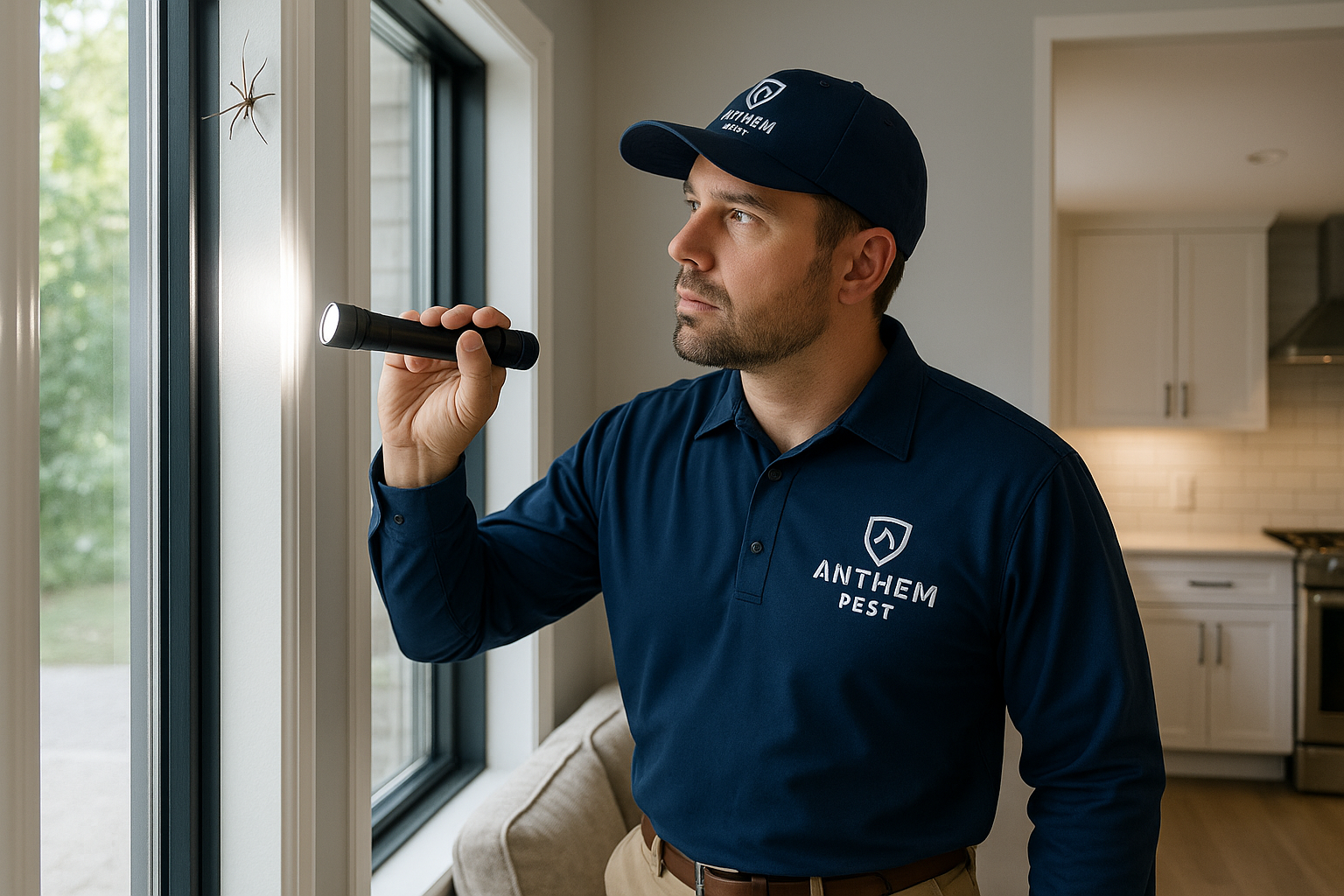
Finally, turn on all interior lights and ensure exterior lighting is functional. Good illumination helps the technician use a flashlight to spot hidden webs in corners, window frames, and under eaves.
Technician actions
The inspection begins with a visual sweep of each room. The professional looks for tell‑tale signs—silk strands, egg sacs, and the characteristic “hour‑glass” shape of spider webs—paying special attention to dark, undisturbed corners.
Using a high‑intensity flashlight, the technician examines window frames, baseboards, and the undersides of furniture. These micro‑habitats often retain moisture, which many spider species love.
Moisture meters are then employed to locate hidden damp areas behind walls, under flooring, or in basement foundations. Elevated humidity creates a perfect breeding ground for both spiders and the insects they prey on.
Next, the inspector moves to the crawl space and basement, where they look for cracks, gaps, and any signs of water intrusion. They may also lift floorboards or inspect insulation to ensure no concealed webs are lurking out of sight.
Throughout the walkthrough, the technician notes any structural deficiencies—such as damaged screens or weather‑stripping—that could invite spiders back after treatment.
Documentation
Every suspect site is photographed, creating a visual record that you’ll receive in the final report. These images help you understand exactly where the problem areas are and why they need attention.
The written report includes a clear description of findings, a tailored treatment recommendation, and a follow‑up schedule. If the inspector discovers conditions that could lead to future infestations, those are highlighted with actionable remediation tips.
Verification note
According to Anthem Pest’s Standard Operating Procedure, a comprehensive spider inspection typically takes between one and two hours. This timeframe allows the technician to conduct a meticulous search while still respecting your schedule.
Everyday Actions to Deter Spiders
Spiders are opportunistic hunters; they move in where food, shelter, and easy access exist. The good news is that most of the attractions they love are within your control. By tightening up the home’s envelope, cutting down on insect‑drawing light, and keeping storage areas tidy, you can dramatically lower the chances of a spider‑filled corner. These steps are inexpensive, quick to implement, and work hand‑in‑hand with any professional treatment plan you might choose later.
Seal cracks and gaps
Every opening around doors, windows, and the foundation is a potential spider highway. Use caulk or expandable foam to close gaps larger than ¼ in. Pay special attention to:
- Window frames and sills
- Door thresholds and weather‑stripping
- Utility penetrations (pipes, cables, vent pipes)
- Cracks in the basement or crawl‑space walls
When spiders can’t slip through, they’re forced to look elsewhere for a home.
Adjust outdoor lighting
Bright white lights attract insects, and insects attract spiders. Swap floodlights and porch bulbs for low‑wattage yellow or amber LEDs. If you must keep lights on, install motion sensors so they’re only on when needed. This simple change reduces the nighttime food supply that draws spiders to the perimeter of your house.
Declutter storage areas
Garages, basements, and sheds become spider sanctuaries when boxes, bags, and tools sit on the floor. Store items on shelves or in plastic bins with tight‑fitting lids, and sweep the floor regularly. Removing clutter eliminates hiding spots and makes it easier to spot any stray arachnids before they settle.
Landscape with the foundation in mind
Vegetation that brushes the house creates a bridge for spiders and the insects they hunt. Trim shrubs, vines, and ground cover to within 2 feet of the foundation. Keep mulch and leaf piles at least a foot away from the exterior walls, and rake away debris that could serve as a temporary shelter.
Statistical insight: Homes that eliminate clutter see 30 % fewer spider sightings (NPMA study).
Quick Checklist for Immediate Action
- Inspect and caulk all exterior cracks and gaps.
- Replace white outdoor bulbs with yellow/amber LEDs or add motion sensors.
- Move stored items off the garage and basement floors onto shelves.
- Trim all plants, vines, and shrubs to within 2 ft of the house.
- Clear mulch, leaves, and debris from the building perimeter.
- Schedule a monthly walk‑through to catch any new gaps or clutter buildup.
Implementing these everyday actions creates a less inviting environment for spiders, giving you a cleaner, calmer home while you wait for the next seasonal inspection or professional treatment.
Knowing When DIY Isn’t Enough
Most homeowners feel confident tackling a few stray webs or a solitary spider, but certain situations demand a trained professional. If you suspect the presence of a brown recluse (Loxosceles reclusa) or a black widow (Latrodectus mactans), stop the DIY approach immediately. These species hide in cracks, closets, and undisturbed corners, and their bites can quickly become medical emergencies.
Red‑flag scenarios that call for a pest‑control expert
- Suspected brown recluse or black widow – identification can be tricky; a misidentified harmless spider may lead you to ignore a dangerous one.
- Confirmed spider bites – especially if you notice increasing pain, swelling, or unusual skin changes.
- Large, established web colonies – dense networks often indicate a thriving population that will rebound after a simple spray.
- Hidden nests uncovered during DIY checks – nests tucked behind wall panels, under floorboards, or inside attics are difficult to eradicate without professional equipment.
Health risks you can’t afford to ignore
Brown recluse venom can cause necrotic lesions that take weeks to heal and may require surgical intervention. Black widow venom, while rarely fatal, can trigger systemic effects such as muscle cramps, hypertension, and severe abdominal pain. Prompt medical attention is essential, and the financial burden can be steep.
“A single brown recluse bite can require medical care costing $1,500‑$3,000” – CDC
Legal liability for landlords
Property owners in Druid Hills must recognize that a hazardous spider infestation is more than a nuisance; it’s a liability. Failure to address known risks can lead to tenant injury claims, potential fines, and damage to reputation. Engaging a licensed exterminator demonstrates due diligence and helps protect both residents and the landlord’s legal standing.
When any of these warning signs appear, trust the expertise of Anthem Pest Control. Our technicians use targeted treatments, thorough inspections, and follow‑up monitoring to eliminate dangerous spiders safely and efficiently—ensuring peace of mind for you and your family.
Cost of Spider Control in Druid Hills
When it comes to spider control, knowing the price upfront helps you plan your budget with confidence. In 2024, the typical cost structure for a professional spider inspection Druid Hills homeowners schedule along with treatment services looks like this:
- Inspection: $99 – $149 per visit
- Treatment (one‑time): $150 – $300 per visit
- Annual prevention plan: $250 – $400 per year
These ranges reflect the market average for licensed technicians, the amount of time required to assess your home, and the type of treatment product used. Prices can vary slightly based on the size of the property and the severity of the spider activity, but Anthem Pest Control keeps its fees transparent and competitive.
One of the biggest advantages of choosing Anthem Pest is the free, no‑obligation quote. A technician will evaluate your situation, explain the recommended approach, and provide a written estimate before any work begins. There are no hidden fees—what you see in the quote is what you pay.
All pricing information presented here has been verified on the Anthem Pest website (2024), ensuring that homeowners receive the most up‑to‑date figures.
One‑Time Treatment vs. Annual Prevention
| Feature | One‑Time Treatment | Annual Plan |
|---|---|---|
| Cost per visit | $150 – $300 | $250 – $400 (covers 12 months) |
| Frequency | Single visit | Quarterly visits (4 per year) |
| Included services | Inspection + targeted treatment | Inspection, treatment, and ongoing monitoring |
| Ideal for | Homeowners with a one‑off spider problem | Those seeking long‑term protection and peace of mind |
If you’re dealing with a sudden spider surge, a one‑time treatment can eliminate the immediate threat. However, Druid Hills experiences seasonal spider activity, especially in the warmer months, making the annual prevention plan a smarter investment for continuous protection.
Ready to get a clear, upfront estimate? Call Anthem Pest at 877‑371‑8196 or visit anthempest.com to schedule your free quote today.
Why Anthem Pest Is the Right Choice
When you’re dealing with spiders in Druid Hills, you need a partner who knows the neighborhood’s unique homes, trees, and historic brickwork. Our Druid Hills office sits just a few blocks from your street, so our technicians arrive on time, recognize the quirks of local architecture, and can target entry points that other “generic” companies often miss.
Every technician on our crew holds industry‑recognized certifications and is fully trained on EPA‑registered products. That means we use chemicals that are proven effective against spiders while meeting the strict safety standards required for families, pets, and the environment. Our safety‑first approach also includes a detailed pre‑treatment walk‑through, so you know exactly what will be applied and why.
Our Druid Hills technicians also keep a seasonal calendar of spider activity, so they know when hatchlings are most likely to appear and can schedule preventative treatments before an infestation takes hold. We provide a detailed post‑treatment report, complete with recommendations for sealing cracks, trimming vegetation, and reducing indoor clutter that attracts wandering spiders.
Don’t just take our word for it—here’s what a Druid Hills homeowner recently shared:
“Anthem Pest arrived promptly, identified a hidden spider nest behind my basement’s old brick, and treated it with a low‑odor solution. The spiders are gone, and I felt confident knowing the products were safe for my kids and dog.” Read more testimonials
We back our service with a transparent pricing model, a satisfaction guarantee, and ongoing monitoring to keep your home spider‑free year after year. Ready to protect your home?
Schedule a professional spider inspection with Anthem Pest today
Frequently Asked Questions
Do spiders carry disease?
Most household spiders are harmless and are not known to transmit diseases to humans. The Centers for Disease Control and Prevention confirms that spider bites rarely cause serious medical issues, and there is no evidence linking common indoor spiders to disease transmission. In fact, many species help control other pests by catching flies and insects in their webs. For a detailed overview, see the CDC spider‑bite information.
How long does treatment last?
A professional spider treatment typically provides residual protection for three to six months, depending on the product applied and the level of infestation. Our technicians select EPA‑registered formulations that cling to cracks, voids, and other spider hide‑outs, extending the barrier until the next seasonal inspection or as recommended in your service plan. If you notice a spike in activity sooner, we can schedule a follow‑up retreat to keep the protection effective.
Are chemicals safe for kids and pets?
Yes. Anthem uses low‑toxicity, EPA‑registered products that have been rigorously tested for safety around children and pets when applied according to label directions. We apply the chemicals in a targeted manner, avoiding high‑traffic areas and allowing a brief drying period—usually 30 minutes—before re‑entry. For households with pets, we recommend keeping animals away from treated zones for a short time to further minimize any exposure while still delivering an effective spider control barrier.
Where can I learn more about spiders?
The National Pest Management Association offers a comprehensive guide covering identification, behavior, prevention tips, and how to safely manage spider encounters in your home. Visit the NPMA spider guide for additional resources and practical advice.
Protect Your Home with a Professional Spider Inspection
Early detection of spiders is the cornerstone of a safe, healthy home. Spotting webs, bite signs, or seasonal activity lets you act before a minor nuisance becomes a health risk or causes damage to walls, insulation, and stored goods. Spiders can carry allergens and, in rare cases, venomous bites that pose serious health concerns, especially for children and pets. A timely professional inspection protects both your family’s wellbeing and your property’s value.
Don’t wait for an infestation to spread. Schedule a complimentary spider inspection today and let our certified technicians pinpoint problem areas before they turn into costly treatments. A quick, no‑obligation visit gives you peace of mind and a clear action plan.
For a data‑driven, locally trusted spider inspection, call 877‑371‑8196 or click below for a free quote. Our certified technicians will assess your home, deliver a detailed report, and recommend the safest, most effective treatment plan.
Visit Anthem Pest Control for more information about scheduling a professional spider inspection Druid Hills homeowners can trust.