Hearing Crickets at Night in Druid Hills
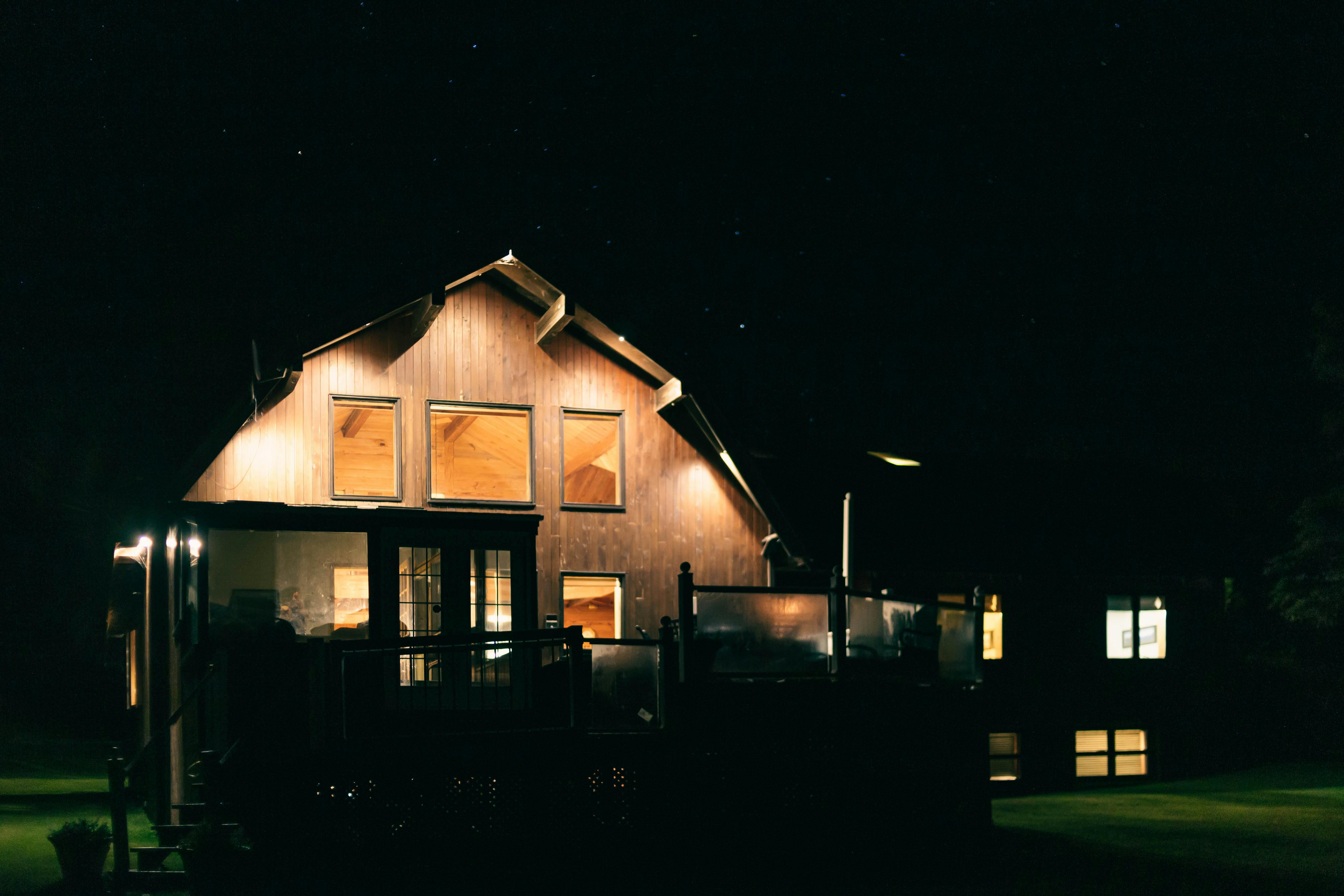
Cricket inspection Druid Hills homeowners rely on often begins with a simple but frustrating sign—chirping at night. Imagine stepping onto your quiet Druid Hills front porch after dinner. The streetlights cast a soft glow, and the only sound breaking the night’s stillness is a steady chorus of chirps drifting from the yard and neighboring homes. That rhythmic “cricket song” can feel charming—until it starts echoing inside your living room, turning a peaceful evening into a constant reminder that something unwanted has slipped through the door.
Crickets belong to the family Gryllidae, a group of insects best known for the males’ loud mating calls. While most people associate them with summer fields, they can become indoor pests when moisture, food scraps, or cracks in a home’s foundation invite them inside. According to Wikipedia, crickets are opportunistic invaders that thrive in warm, damp environments—exactly the conditions many Druid Hills homes provide.
This guide serves a three‑fold purpose: first, to walk you through what a professional cricket inspection looks like; second, to highlight the warning signs that signal a growing infestation; and third, to clarify the moments when calling Anthem Pest is the smartest move for a fast, safe resolution.
Recent data from the 2024 Georgia Extension report shows a 12% increase in cricket sightings across the Southeast this year, underscoring a regional surge that’s not to be ignored. UGA Extension attributes the rise to milder winters and extended warm periods, both of which give crickets a longer breeding window.
Why does Druid Hills become a cricket haven? The neighborhood’s humid subtropical climate delivers warm nights and occasional rain, creating the perfect micro‑habitat for these insects. Moist soil around foundations, lush landscaping, and the occasional open window provide easy entry points. Understanding this local backdrop helps you anticipate where crickets are most likely to gather—and, more importantly, how to stop them before they make your home their own stage.
Why Crickets Thrive in Druid Hills
Druid Hills sits squarely in the humid subtropical zone of the Southeast, meaning residents enjoy long, hot summers, short, mild winters, and consistently high humidity. Those three climate ingredients—heat, moisture, and a relatively stable temperature range—create the perfect backdrop for crickets to complete their life cycles without interruption. When daytime highs hover above 85°F (29°C) and nighttime lows rarely dip below 60°F (16°C), eggs hatch quickly, nymphs grow rapidly, and adults can produce multiple generations each year.
Resident Cricket Species
The two species most likely to knock on a Druid Hills homeowner’s door are the field cricket (Gryllus assimilis) and the house cricket (Acheta domesticus). Field crickets prefer the grassy edges of yards, gardens, and any open, vegetated space where they can burrow and feed on plant material. Their life cycle typically spans 8‑10 weeks: eggs are laid in moist soil, nymphs emerge in early summer, and adults begin chirping by midsummer. House crickets, on the other hand, are true indoor opportunists. They slip inside through cracks, gaps around windows, or even on firewood, thriving in the warm, humid corners of basements and crawl spaces. Their development is even faster—under optimal conditions, a full cycle can close in just six weeks.
Data‑Backed Evidence of a Cricket Boom
The EPA’s 2023 Indoor Pest Management report lists crickets among the top five indoor pests reported across the Southern United States, noting a 12 % increase in homeowner complaints compared with the previous year. Complementing that, a 2022 study by the University of Georgia Extension documented a 15 % rise in backyard cricket populations following the region’s unusually heavy summer rains. The researchers linked the surge directly to increased soil moisture, which boosts egg survival and provides abundant food sources for nymphs.
How Local Conditions Invite Crickets Indoors
Moisture is the primary driver. After a summer downpour, water seeps into foundation cracks, accumulates in crawl spaces, and raises indoor humidity—conditions crickets love. Dense vegetation surrounding older homes offers continuous shelter and food, while the age of many Druid Hills residences means more gaps in siding, window frames, and utility penetrations. These structural nuances act as highways for crickets seeking the warmth and shelter of a home’s interior.
In short, Druid Hills’ climate, lush landscaping, and historic home construction combine to create an environment where both field and house crickets can flourish. Understanding these factors helps homeowners recognize why cricket activity spikes after rain and why early, professional intervention can keep these noisy invaders from turning a quiet evening into a chorus of chirps.
Signs You Need a Cricket Inspection
Crickets are quiet until night falls, then their steady chirp can become a nightly soundtrack. If you hear persistent chirping after sunset—especially echoing from a basement, crawl space, or under floorboards—it’s a strong audible cue that a colony has taken root nearby.
Visual clues to watch for
Even if the sound isn’t obvious, crickets leave unmistakable traces:
- Small, black droppings resembling pepper grains on baseboards or stored items.
- Minute round holes (¼‑inch) bored into wooden beams, joists, or siding.
- Chewed or stunted plant roots in garden beds or indoor potted plants.
- Occasional sightings of adult crickets hopping along walls, especially near lights.
Structural indicators that crickets are compromising your home
When crickets establish a nest, they can damage the very framework of your house:
- Insulation that appears shredded, missing, or dampened.
- Foundation boards that feel soft or show visible wear.
- Persistent moisture in crawl spaces or basements—wet wood and soil create the perfect breeding ground.
Ignoring these signs can quickly become expensive. One Druid Hills homeowner delayed action until the damage was evident and faced $250 in repair costs for damaged insulation and wood replacement—an avoidable bill that a timely inspection would have prevented.

Quick Checklist – Do you need a cricket inspection?
- ✔️ Hear constant chirping after dark?
- ✔️ Spot tiny black droppings?
- ✔️ Notice small holes in wood?
- ✔️ Find chewed plant roots?
- ✔️ Observe damaged insulation or moist foundation areas?
If you answered “yes” to any of these, call Anthem Pest Control today.
For peace of mind, remember that crickets are not disease vectors, according to the CDC’s Insects & Vector‑Borne Diseases page. Their primary threat is structural damage, not health risks—making early detection and professional inspection the smartest move for any Druid Hills homeowner.
What to Expect During a Professional Cricket Inspection
1. Pre‑inspection phone call
When you dial 877‑371‑8196, a friendly scheduling specialist confirms your address, asks a few quick questions about recent cricket activity, and explains the transparent fee range of $89‑$119. This call also sets expectations for the technician’s arrival window and any preparation you might need, such as clearing clutter around the foundation.
During that call the specialist also asks whether you have children, pets, or any known allergies, and whether you’ve used over‑the‑counter cricket remedies before. This information helps the technician choose the safest product mix and lets us fit the visit into your preferred time slot, even evenings or weekends.
2. Technician arrival
At the door, you’ll see a uniformed Anthem Pest professional wearing an identification badge and a company‑issued vehicle decal. The tech carries a flashlight, a moisture meter, and an inspection mirror—essential tools for spotting crickets hidden in tight spaces.
Before stepping inside, the tech shows a government‑issued ID badge and a printed work order that matches your address. He or she also dons disposable gloves and a mask, reinforcing Anthem’s commitment to hygiene and to protecting both the homeowner’s home and the technician
Frequently Asked Questions
Do crickets carry disease?
Short answer: No. According to the Centers for Disease Control and Prevention (CDC), crickets are not recognized as vectors for human diseases. While they can cause allergic reactions in some sensitive individuals, they do not transmit pathogens like mosquitoes or ticks.
Can I DIY?
You can reduce cricket activity on your own by sealing cracks, repairing screens, and eliminating excess moisture around foundations. Simple steps such as caulking entry points, trimming vegetation that touches the house, and fixing leaky gutters can make your home less inviting. However, professional treatment provides a lasting solution because licensed technicians apply EPA‑approved products that target crickets at all life stages, ensuring consistent control that DIY methods often miss.
How long does treatment last?
Most EPA‑registered cricket control programs remain effective for 3‑6 months. The exact duration depends on factors like weather, property maintenance, and the specific formulation used. Regular follow‑up visits and a solid prevention plan—such as maintaining dry, clutter‑free zones—help extend the protection period and keep crickets from returning.
Protect Your Home with a Professional Cricket Inspection
Crickets may seem harmless, but a small infestation can quickly turn into structural damage and health concerns. Spotting the problem early and calling a certified inspector gives you a chance to intervene before the population spreads. A professional inspection uncovers hidden nests, breeding sites, and the conditions that attract these noisy invaders.
Anthem Pest Control has been serving Druid Hills residents for years, so we know the local climate, landscaping quirks, and building styles that favor cricket activity. Our 24‑hour hotline means you can reach a technician any time the chirping becomes a nuisance. We rely on EPA‑approved products and integrated‑pest‑management techniques that protect your family, pets, and the environment.
Ready to take the next step? Call us at 877‑371‑8196 for a free, no‑obligation quote, or visit our website to schedule an inspection at a time that fits your calendar. Our team will walk you through the process, answer any questions, and provide a written estimate before any work begins.
Whether you’re hearing a single chirp or a full chorus, our certified technicians are ready to assess your home, recommend the right treatment, and give you peace of mind.
Take control today—Visit Anthem Pest Control and let our Druid Hills experts protect your home from cricket invasions.