Why Knowing the Cost of Cockroach Control Matters
Cockroaches are more than a nuisance; they carry bacteria that can trigger allergies, asthma attacks, and even spread food‑borne illnesses such as salmonella and E. coli. When these pests crawl through kitchens and bathrooms, their shed skins and droppings become invisible allergens that settle on countertops, linens, and air ducts. For a family in Lawrenceville, that hidden health threat can quickly turn a simple dinner into a medical concern.
Add to that the common homeowner anxiety about surprise service fees. Many residents sign up for a one‑time treatment only to discover extra charges for follow‑up visits, monitoring devices, or “structural protection” add‑ons that weren’t spelled out in the initial quote. Those hidden costs erode trust and make budgeting for pest control feel like gambling.
Lawrenceville’s warm, humid climate is a perfect breeding ground for cockroaches. Summer temperatures hover above 80 °F and humidity often exceeds 70 %, creating an environment where cockroach eggs hatch faster and populations explode. The longer the season stays damp, the more likely an infestation will spread from basements to living spaces, driving up treatment frequency and price.
“I thought the first visit would cover everything, but the bill kept growing with extra fees I never saw coming.” — Maria Thompson, Lawrenceville resident
Understanding these health risks, the climate‑driven pest pressure, and the real cost of a comprehensive plan is why transparent pricing matters. In the sections that follow, Anthem Pest Control breaks down the numbers you’ll actually pay in Lawrenceville, so you can protect your home without the surprise.
The Most Common Cockroach Species Here
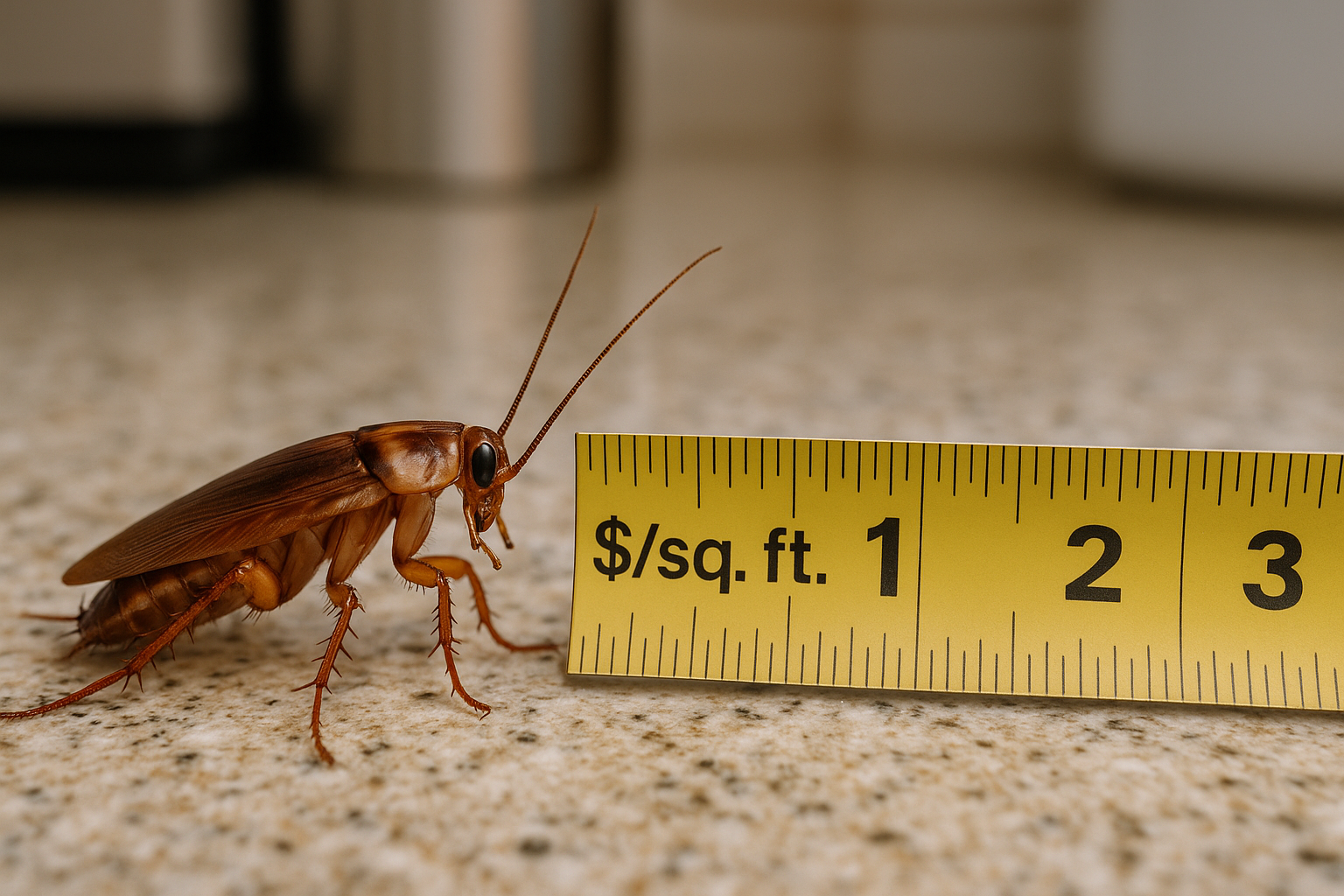
German Cockroach (Blattella germanica)
The German cockroach dominates indoor infestations in Lawrenceville, accounting for ~70% of indoor cases in the Southeast (NPMA 2024 fact sheet). These tiny, light‑brown insects thrive in warm, humid kitchens and bathrooms, where they feast on food crumbs, grease, and even soap residue. A single female can produce up to 30 eggs per ootheca and spawn several oothecae in her lifetime, leading to rapid population spikes during the late spring and summer months when indoor humidity climbs.
American Cockroach (Periplaneta americana)
Often called “water bugs,” American cockroaches prefer damp, outdoor environments such as basements, crawl spaces, and sewer lines. They wander indoors during the hot, humid months of July and August, especially in neighborhoods like Brook Hollow where older homes have expansive crawl spaces. These larger, reddish‑brown roaches reproduce more slowly—about 12‑16 eggs per ootheca—but their size makes them highly visible, prompting homeowners to call for treatment as soon as they appear.
Oriental Cockroach (Blatta orientalis)
Oriental cockroaches favor cool, moist areas like basements, garages, and shaded mulch beds. In Lawrenceville’s East Lake district, they are most active in early fall when outdoor temperatures dip but indoor humidity remains high. Their dark, glossy bodies blend into the surroundings, so sightings often go unnoticed until they congregate near drains or under appliances. They breed year‑round but show a noticeable increase in numbers from September through November.
Indoor vs. Outdoor Sightings
Neighborhood surveys reveal distinct patterns: Brook Hollow reports a higher proportion of indoor American cockroach sightings, while East Lake sees more outdoor‑origin Oriental roaches entering homes during the cooler months. German cockroaches, however, remain predominantly indoor across all districts, thriving in kitchen cabinets and pantry corners year‑round.
Understanding which species you’re dealing with—and when they’re most active—helps Anthem Pest Control tailor a treatment plan that targets the right habitats at the right time, keeping your Lawrenceville home cockroach‑free.
From Baits to Fogging – What Services Are Available?
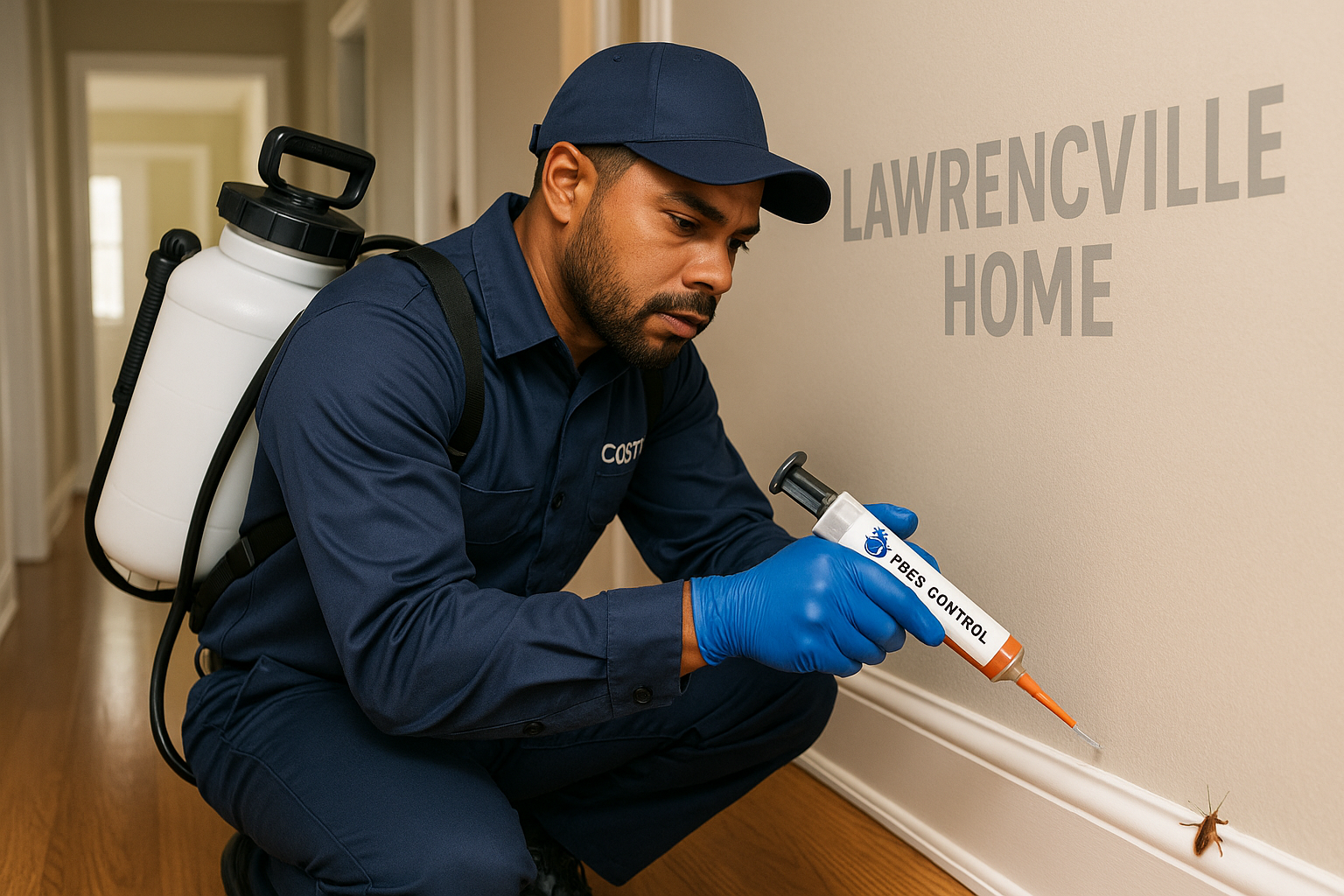
Gel Baits
Gel baits are a low‑visibility, targeted approach that attracts cockroaches to a poisoned matrix they carry back to the colony. Technicians apply a thin line of gel in cracks, under appliances, and behind cabinets. The treatment is typically repeated every 30 days until activity drops, then shifted to a quarterly maintenance schedule. Because the product remains in place, it poses minimal risk to pets and children when applied according to EPA pesticide safety guidelines (EPA).
- Pros: Cost‑effective, discreet, long‑lasting residual action.
- Cons: Requires precise placement; may be less effective in severe infestations.
- Typical cost: $80‑$120 per visit.
Dust or Powder Applications
Dust formulations, such as diatomaceous earth or silica‑based powders, are dusted into wall voids, behind baseboards, and other hard‑to‑reach areas. They work by abrading the cockroach exoskeleton, leading to dehydration. Dust is ideal for structural voids where liquids could cause damage. Application is usually a one‑time treatment with a follow‑up after 60 days to assess residual activity. Safety notes emphasize wearing protective gear during application and keeping the area off‑limits to pets until the dust settles.
- Pros: Works in dry spaces, no liquid runoff.
- Cons: Can be messy; inhalation risk if not applied correctly.
- Typical cost: $90‑$130 per service.
Whole‑Home Fogging
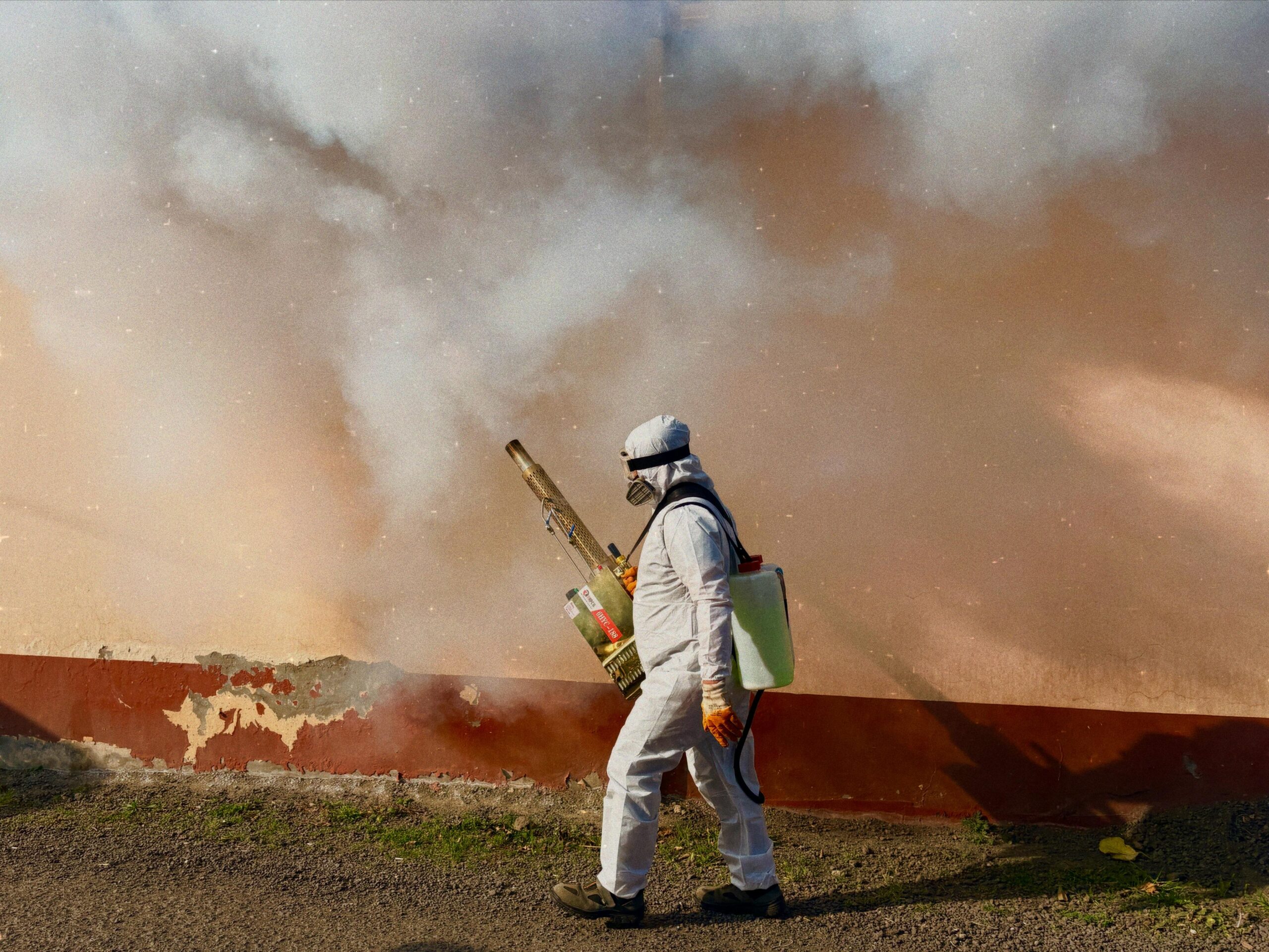
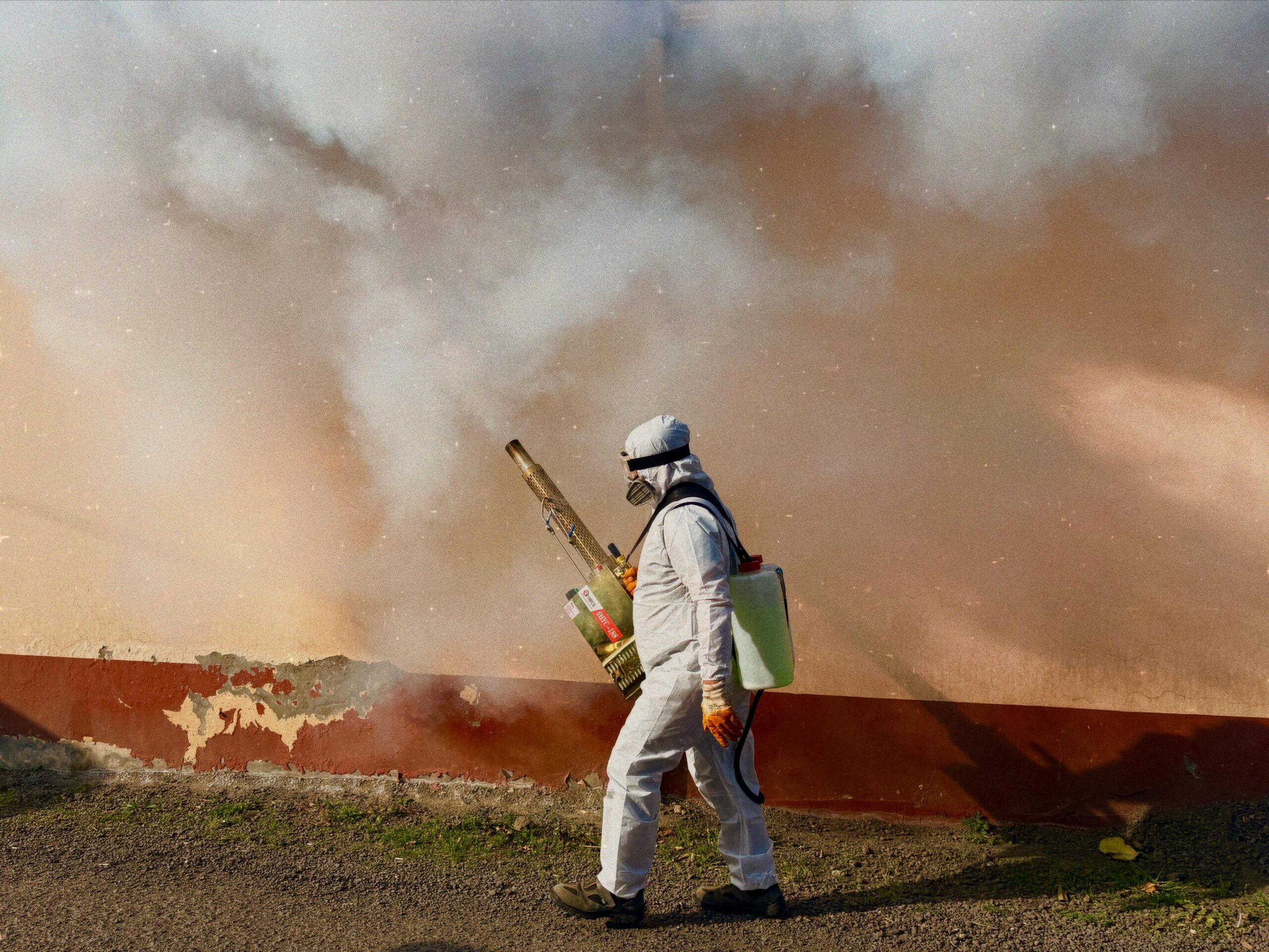
Fogging disperses a fine aerosol of insecticide throughout the entire living space, reaching cracks, crevices, and hidden harborage points. This method shines in multi‑unit complexes or when an infestation has spread across several rooms. Fogging is performed once every 3‑4 weeks during an active treatment phase, then reduced to semi‑annual maintenance. Because the fog penetrates the air, occupants must vacate the home for several hours, and the area must be ventilated before re‑entry, adhering strictly to EPA safety standards.
- Pros: Broad coverage, rapid knock‑down.
- Cons: Requires temporary evacuation, higher chemical exposure risk.
- Typical cost: $150‑$250 per fogging session.
| Method | Typical Cost per Visit | Recommended Frequency |
|---|---|---|
| Gel Bait | $80 – $120 | Monthly, then quarterly |
| Dust/Powder | $90 – $130 | One‑time, with 60‑day follow‑up |
| Whole‑Home Fogging | $150 – $250 | Every 3‑4 weeks (active), then semi‑annual |
Scenario comparison: A single‑family home with a mild roach presence might start with gel baits applied under the kitchen sink and behind the refrigerator, costing roughly $100 per month until activity ceases. In contrast, a multi‑unit apartment complex experiencing a widespread infestation would likely opt for whole‑home fogging, scheduling weekly treatments during the first month at $200 per session, then moving to semi‑annual fogging to keep the population under control.
Why Prices Vary From One Service to Another
When you request a cockroach control quote in Lawrenceville, the number you see on the estimate isn’t random—it reflects a blend of measurable factors that influence how much work is required. Understanding these variables helps you compare offers intelligently and avoid surprise fees later on.
Square footage of the property
Every extra square foot adds to the amount of product, labor time, and equipment needed. A compact 1,200‑sq ft condo may be treated with a single‑visit spray, while a sprawling 3,500‑sq ft home often requires multiple zones and a follow‑up visit to ensure full coverage.
Infestation severity level
Technicians grade infestations as low, moderate, or high based on the number of sightings, egg cases, and the extent of hiding spots. A low‑level problem might be resolved with a quick crack‑and‑creep treatment, whereas a high‑severity outbreak could demand extensive baiting, dusting, and a longer treatment plan.
Property type
Single‑family homes, condos, and multi‑unit buildings each present unique challenges. Multi‑unit complexes often need coordinated access to common areas and may involve additional licensing or insurance fees. Historic homes, with their older construction and hidden voids, typically demand more thorough inspection and targeted applications.
Access difficulty
Basements, crawl spaces, and tight wall voids can slow down a technician’s work. If a property has limited entry points or requires special equipment (e.g., lift trucks for high ceilings), the service cost will rise to cover the extra effort.
Local price data
According to the Georgia Department of Agriculture 2024 report, the average single‑visit cockroach control in Lawrenceville ranges from $120‑$250. This baseline shifts upward when any of the above factors intensify.
City‑specific fees or disposal costs
Lawrenceville imposes a modest waste‑disposal surcharge for hazardous chemicals, and some neighborhoods charge a “service access fee” for gated communities. These line items appear separately on invoices but are standard across reputable providers.
Example comparison
| Property | Sq Ft | Type | Infestation Severity | Estimated Cost |
|---|---|---|---|---|
| Historic downtown home | 1,800 | Single‑family (built 1920s) | Moderate | $180‑$260 |
| New build on Sugar Hill outskirts | 2,500 | Single‑family (built 2022) | Low | $150‑$210 |
Notice how the older downtown home, despite being smaller, can cost more because of hidden voids and a higher severity rating. The newer, larger house benefits from modern construction that limits hiding places, resulting in a tighter price range.
By evaluating square footage, infestation level, property type, access challenges, and any local fees, you can pinpoint why one quote might be $30 higher than another. This transparency empowers homeowners to select a service that fits both their budget and their pest‑control needs.
How Anthem Pest Guarantees No Surprises
When a Lawrenceville homeowner asks, “What will this cost?” Anthem Pest answers with a single, upfront number. No hidden fees, no surprise add‑ons after the job is done. This transparent pricing model is built on three simple promises: a flat‑rate quote, a free on‑site inspection, and a clear warranty that tells you exactly what’s covered and for how long.
Flat‑Rate Quotes and Free Inspection Policy
Anthem Pest sends a licensed technician to your home at no charge. The inspection includes a thorough walk‑through, identification of cockroach hotspots, and a written estimate that locks in the price before any treatment begins. Because the quote is flat‑rate, you won’t see mileage fees, hourly labor charges, or extra costs for “special equipment.” The free inspection removes the guesswork and lets you compare prices confidently against other providers.
Warranty Options and What They Cover
Every treatment comes with a choice of warranties designed for Lawrenceville’s climate. The standard 90‑day guarantee covers a repeat treatment if cockroaches return, while the premium 12‑month warranty adds protection against new infestations and includes a complimentary follow‑up visit. Both warranties are written into the original contract, so you know exactly when a re‑treatment is covered and when an additional service would be required.
Sample Quote Breakdown
| Service | Cost |
|---|---|
| Initial inspection (free) | $0 |
| Core treatment | $150 |
| Follow‑up visit (included in warranty) | $75 |
All totals are presented up front, and the $75 follow‑up is either covered by the warranty or billed as a separate, clearly stated line item. There are no surprise charges for travel, disposal, or “extra” chemicals.
Easy Ways to Get Started
Ready to lock in a no‑surprise price? Call Anthem Pest at 877‑371‑8196 or visit their service page to schedule your free inspection. The online form mirrors the phone process, capturing the same flat‑rate estimate you’ll receive on the day of the visit.
“I was nervous about hidden fees, but Anthem gave me a $150 treatment plus a $75 follow‑up—all written down before they started. The bundled package saved me $50 compared to other quotes I’d collected. No surprises, just a pest‑free kitchen.” – James L., Lawrenceville, GA
With Anthem’s clear pricing, Lawrenceville families can focus on living comfortably rather than worrying about unexpected bills.
Investing in Professional Control vs. DIY
When a cockroach infestation shows up, the first question most homeowners ask is whether to call a professional or try a do‑it‑yourself (DIY) spray. The answer isn’t just about the price you see on the invoice; it’s about the total cost of living with pests over weeks and months.
Professional treatment: higher upfront cost, higher success
Anthem Pest Control’s standard cockroach program in Lawrenceville starts around $180‑$250 for a full‑home treatment. That price includes a licensed technician, a targeted baiting system, and a follow‑up visit to verify eradication. Because the chemicals are applied by trained professionals and are placed where roaches travel, the success rate typically exceeds 90 %. Most families need only one or two visits, meaning fewer repeat expenses and less disruption to daily life.
DIY sprays: lower initial spend, lower reliability
A can of over‑the‑counter spray costs $30‑$60, and many homeowners end up buying several cans over a short period. Studies show DIY products achieve roughly a 30 % lower success rate than professional services, leaving you with lingering insects, more food contamination, and the need for additional purchases.
Beyond the inconvenience, the CDC warns that cockroach allergens trigger asthma and other respiratory issues, especially in children and the elderly (CDC). Persistent infestations increase exposure, which can translate into higher medical bills and reduced quality of life.
Break‑even example: family of four after three months
Assume a family spends $150 on three DIY cans over three months and still needs a professional visit after that period. The professional service costs $200 for the same timeframe. Adding the $150 DIY spend, the total reaches $350, nearly double the single professional invoice. In contrast, the professional route eliminates the $150 DIY outlay and the hidden cost of potential health impacts, breaking even after the first treatment.
In the long run, the higher upfront price of a licensed pest‑control plan usually saves money, time, and peace of mind compared with the recurring expense and lower efficacy of DIY solutions.
When to Book for the Best Price
Understanding the seasonal rhythm of cockroach activity in Lawrenceville can save you both time and money. During the warm months—typically May through September—cockroach populations surge as they seek shelter, food, and moisture inside homes. This is the peak infestation period, and demand for professional treatments spikes, often driving prices higher.
Conversely, the cooler months from October to April constitute the off‑season. During this time, fewer homeowners are calling for immediate service, giving pest companies like Anthem Pest the flexibility to offer discounts and promotional rates. Booking your cockroach control during the off‑season can net you savings of up to 15 % compared with peak‑season pricing.
- Off‑season discount period (Oct‑Apr): Look for “Winter Guard” or “Fall Shield” specials that cut the standard service fee.
- Local Anthem Pest promotions: Lawrenceville residents often see limited‑time offers such as the “Spring Shield” campaign, which provides a 10 % discount on comprehensive cockroach packages.
- Verify current deals: Check Anthem’s official website or call 877‑371‑8196 to confirm any active promotions before scheduling.
To make the most of these savings, plan your treatment on a calendar‑style schedule. Imagine a simple graphic that marks the off‑season months in green, peak months in red, and highlights promotional windows with a star icon. This visual cue helps you quickly identify the optimal window for booking, ensuring you lock in the best price while still addressing any emerging pest concerns before they become full‑blown infestations.
By timing your appointment wisely—preferably in the cooler months and during Anthem’s advertised discount periods—you’ll protect your home and keep your budget intact.
Quick Answers Homeowners Ask
How long does treatment last?
Most professional cockroach programs in Lawrenceville provide residual protection for 30‑60 days, depending on the product used. After the initial spray, a follow‑up visit is usually scheduled 2‑4 weeks later to target any survivors and refresh the barrier. If you see activity after the guaranteed period, contact us for a complimentary reassessment. We also advise a yearly refresher for high‑risk areas.
Do I need to vacate?
For the majority of indoor sprays, you can remain in your home while we work. We ask that occupants, especially children, stay out of treated rooms for at least 30 minutes to allow the product to dry. After that, normal activity can resume. If we apply a fogger or a high‑risk formulation, we’ll advise a short evacuation per the EPA label. Severe cases may need a short evacuation per label.
What about pets?
All products we use are EPA‑registered and labeled as pet‑safe when applied as directed. Keep cats, dogs, and other animals away from treated surfaces for the drying time stated on the label—usually 2‑4 hours. Once the area is dry, pets can return safely. We’ll always provide the specific label instructions with your service report. Keep pets away from wet surfaces until dry.
Will I get a written estimate?
Yes. Transparency is a core value at Anthem Pest Control. Before any work begins, we deliver a detailed, written quote that breaks down labor, product costs, and any optional follow‑up services. This document protects you and ensures there are no surprise charges. The quote also outlines any warranty terms.
Is the treatment EPA‑approved?
Every pesticide we apply carries an EPA registration number and complies with the label’s safety guidelines. The label guarantees efficacy against German and American cockroaches while outlining required precautions for people, pets, and the environment. We keep a copy of the label on file for each job and can share it upon request. A copy of the EPA label is included with your service report.
Trusted Sources for More Information
Having reliable data at your fingertips helps you make smarter choices about pest management.
Below are links to each resource, with clear anchor text for easy navigation.
- EPA’s Pesticide Safety page – The EPA’s Pesticide Safety page explains how pesticides are evaluated, what safety ratings mean, and how to read label instructions. It also offers homeowner tips for reducing exposure.
- CDC’s Rodents and Cockroaches health facts – CDC’s health facts outline common diseases such as salmonella and asthma triggers, and give practical steps to lower health risks in kitchens and other living areas.
- NPMA 2024 Pest Statistics Report – The report offers national data on pest occurrences, treatment frequencies, and average costs, helping you see how Lawrenceville’s cockroach activity fits into broader trends.
- Georgia Department of Agriculture pest‑control guidelines – These guidelines list state licensing rules, approved pesticide categories, and best‑practice tips to keep treatments compliant and family‑safe.
Reviewing these sources lets you ask informed questions of your pest‑control professional and understand what to expect from a safe, effective cockroach treatment.
These reputable references are regularly updated, ensuring you stay current on regulations, health guidelines, and industry trends.
Take Control of Cockroach Costs Today
Dealing with a cockroach infestation in Lawrenceville can feel overwhelming, but remembering the key facts makes it easier to choose the right solution.
- Health risks – cockroaches spread bacteria and trigger asthma or allergy attacks.
- Common species – German, American, and Oriental roaches each require slightly different treatment timing.
- Treatment options – baits, sprays, and perimeter fogging can be combined for lasting control.
- Pricing factors – infestation size, property type, and chosen method shape the final quote.
- Anthem’s model – a single, upfront price covers inspection, treatment, and a 90‑day guarantee.
Lawrenceville homeowners benefit from Anthem’s local knowledge of seasonal roach activity, ensuring treatments are timed when insects are most vulnerable.
What sets Anthem Pest apart is the commitment to transparent, upfront pricing that eliminates surprise fees and lets you budget with confidence.
When you choose a professional service that quotes the full job before work begins, you avoid hidden labor costs, multiple follow‑up visits, and the expense of ineffective DIY chemicals.
Every service includes a 90‑day guarantee, so if roaches return you’ll receive a complimentary retreat at no extra cost.
By eliminating repeated DIY purchases and reducing the need for multiple exterminator visits, most families see a net savings of 30‑40% compared with piecemeal approaches.
Ready to protect your home and your wallet? Call our friendly team at 877‑371‑8196 for a free, no‑obligation quote or to schedule a thorough inspection at a time that works for you.
Visit Anthem Pest Control to learn more about our transparent pricing and guaranteed results.