Flea Outbreak Story and Article Overview
When the Martinez family of Lawrenceville first noticed their golden retriever scratching furiously, they thought it was a simple skin irritation. By evening, their two kids were developing tiny, red bumps on their arms, and a quick inspection of the carpet revealed a moving speck that turned out to be a flea. The sudden realization that their home had become a flea haven sparked a wave of anxiety—how did it happen, and how much would it cost to get rid of it?
This guide is designed to answer those exact questions. We’ll break down the true cost of flea control in Lawrenceville, explain the key factors that influence pricing, and show why Anthem Pest is the trusted local provider that homeowners rely on for transparent, effective solutions.
According to the EPA, flea infestations affect 1 in 5 households in the Southeast source. That statistic underscores how common the problem is and why a clear, affordable plan is essential for every homeowner.
Here’s what you can expect from the rest of this article:
- Detailed pricing breakdowns for various treatment options.
- Seasonal considerations that can affect both efficacy and cost.
- How to choose the right provider—what to look for and why Anthem Pest stands out.
- Frequently asked questions that address common concerns.
- A straightforward call‑to‑action for scheduling a professional assessment.
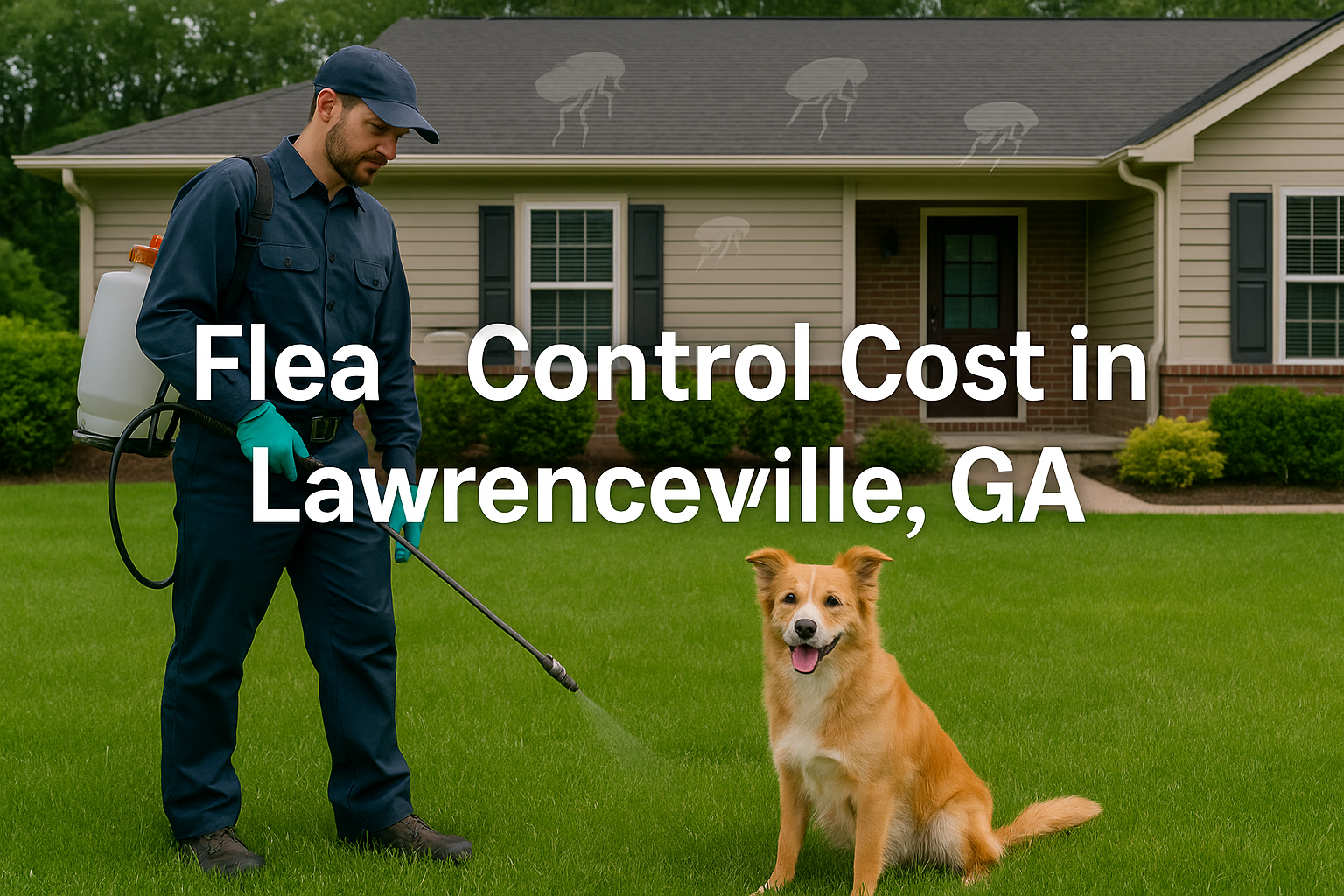
Below, the accompanying image captures the moment the Martinez family realized they needed professional help. It sets the stage for why understanding costs and choosing a reliable partner matters.

Flea Biology and Local Hotspots
Fleas move through four distinct stages: egg, larva, pupa, and adult. A female can lay up to 50 eggs per day, scattering them on a host’s fur or in the surrounding environment. In warm, moist conditions the egg hatches within 2‑3 days, the larva feeds on organic debris for another 5‑10 days, and then spins a cocoon as a pupa. The adult emerges when it senses heat, carbon‑dioxide, or vibration—signals that a host is nearby. This rapid, four‑stage cycle can be completed in as little as two weeks when humidity and temperature are optimal.
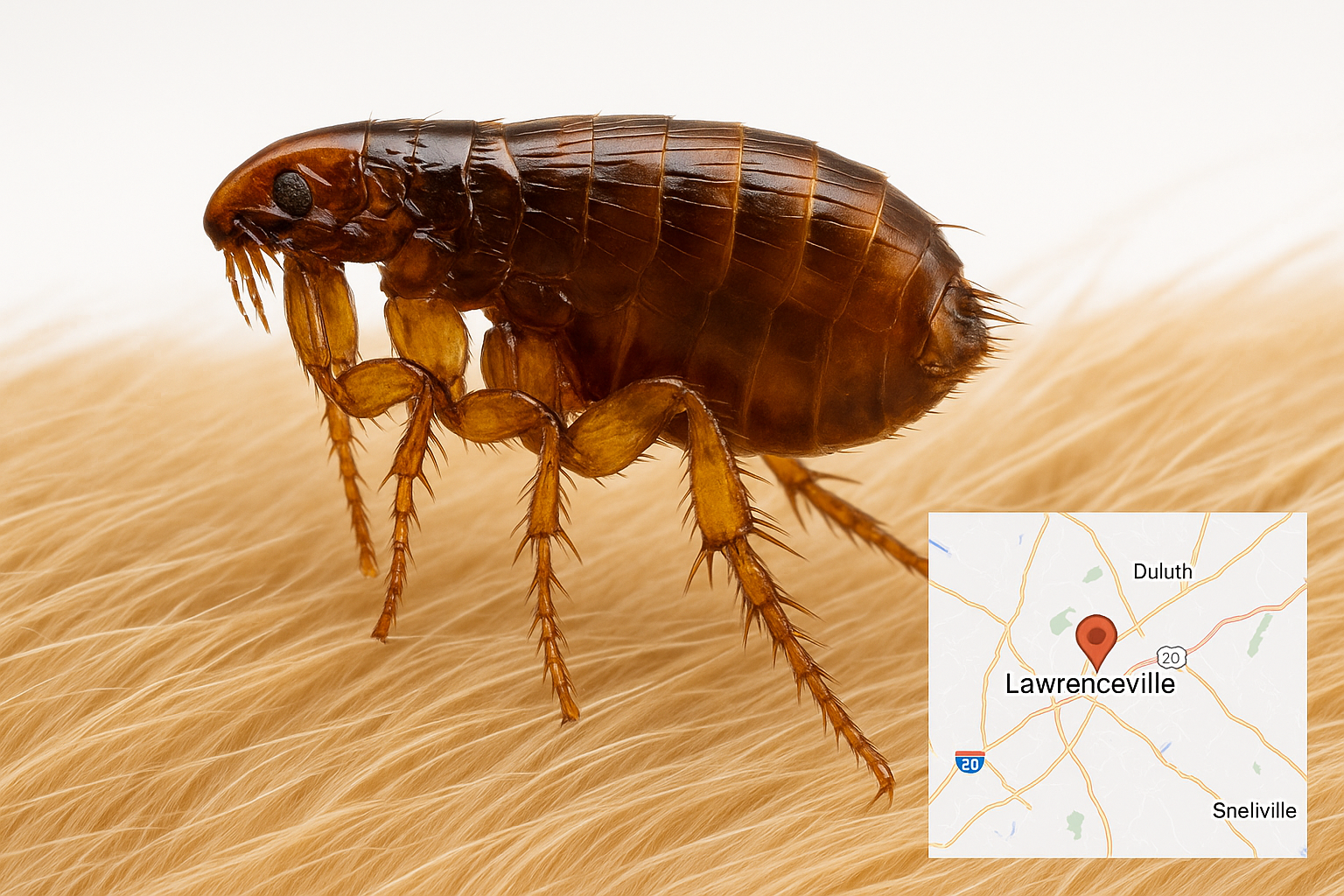
Lawrenceville’s summer climate is practically a flea‑breeding factory. Average humidity hovers around 70 % and daytime temperatures regularly climb between 75 °F and 90 °F. These conditions keep the soil and carpet fibers damp enough for larvae to thrive and for pupae to remain viable for weeks. The result? A single missed treatment can quickly blossom into a full‑blown infestation across a home.
Local homeowners should watch for the most common hotspots. Pet bedding and favorite sleeping spots provide a warm, protected arena for eggs and larvae. Lawns and shaded garden beds retain moisture, allowing pupae to develop unnoticed beneath the grass. Multi‑unit housing complexes amplify the problem because fleas can hop between apartments through shared hallways and laundry rooms. Even outdoor play areas—think backyard sandboxes or dog parks—can harbor dormant pupae waiting for the next passerby.
Recent data from the Gwinnett County Health Department highlight a spike in flea reports throughout the West End neighborhood during May‑June 2024. The surge aligns perfectly with the region’s peak humidity and the start of the school year, when pets and children spend more time outdoors. Residents who ignored early warning signs found themselves battling adult fleas on both pets and people within weeks of the initial sighting. Read the full health department report here.
Signs of a Flea Infestation
- Pets scratching or biting at their skin more than usual.
- Small, dark specks (flea “fossils”) scattered in carpet or on furniture.
- Clusters of tiny, red, itchy bites on human skin, often around the ankles.
- Visible adult fleas jumping when you brush a pet’s fur.
- Unexplained “flea dirt” (black specks that turn red when moistened).
Key Factors That Influence Flea Control Costs
Property size and type
The amount of product and labor required for flea control scales directly with the square footage of the home. A compact 1,200‑sq‑ft townhouse may need only a single technician and a single treatment round, while a sprawling 3,500‑sq‑ft single‑family house often requires multiple crews, more spray volume, and extra time to reach attic spaces, crawl‑spaces, and exterior perimeters. The layout—open‑plan versus compartmentalized rooms—also affects how quickly a technician can move through the space, influencing the hourly labor charge.
Severity rating system
Most pest companies, including Anthem Pest Control, categorize infestations into three tiers:
- Light – A few adult fleas or larvae spotted on pets or in one room. Minimal treatment (often a single spot‑spray) is sufficient.
- Moderate – Fleas are present in several rooms, with visible eggs and larvae in carpets or pet bedding. This level usually calls for a full‑home spray plus a follow‑up treatment.
- Severe – Widespread activity, including heavy egg deposits, flea‑infested pet areas, and outdoor zones like yards or decks. Severe cases often require multiple treatment methods, extended monitoring, and sometimes a pre‑treatment vacuum or steam cleaning.
Treatment methods
Choosing the right method balances effectiveness, safety, and cost:
- Chemical spray – Fast‑acting, penetrates cracks and upholstery. Best for moderate to severe cases but may raise concerns for pets and children.
- Fogger (thermal or cold) – Disperses insecticide as a fine mist that reaches hidden areas. Ideal for large homes, yet it often requires occupants to vacate the property temporarily.
- Pet‑safe products – Low‑toxicity formulas applied directly to pets and indoor surfaces. Perfect for light infestations or households with sensitive animals.
- Integrated Pest Management (IPM) – Combines chemical treatments with non‑chemical steps such as regular vacuuming, washing pet bedding, and environmental modifications. Though the upfront price can be higher, IPM reduces repeat visits and long‑term chemical use.
Seasonal timing impact
Flea activity spikes in spring and summer when warm, humid conditions accelerate the life cycle. Demand for professional services surges, and many companies adjust pricing to reflect the higher workload. Scheduling a pre‑emptive treatment in early spring can lock in lower rates and prevent a severe outbreak later in the season.
Cost example comparison
To illustrate how these variables interact, consider two typical scenarios in Lawrenceville:
| Home size | Infestation severity | Preferred treatment mix | Estimated cost (USD) |
|---|---|---|---|
| 2,000 sq ft single‑family | Moderate | Chemical spray + pet‑safe follow‑up | $180 – $250 |
| 3,500 sq ft single‑family | Severe | Fogger + IPM program (3‑month monitoring) | $350 – $480 |
Professional treatment note
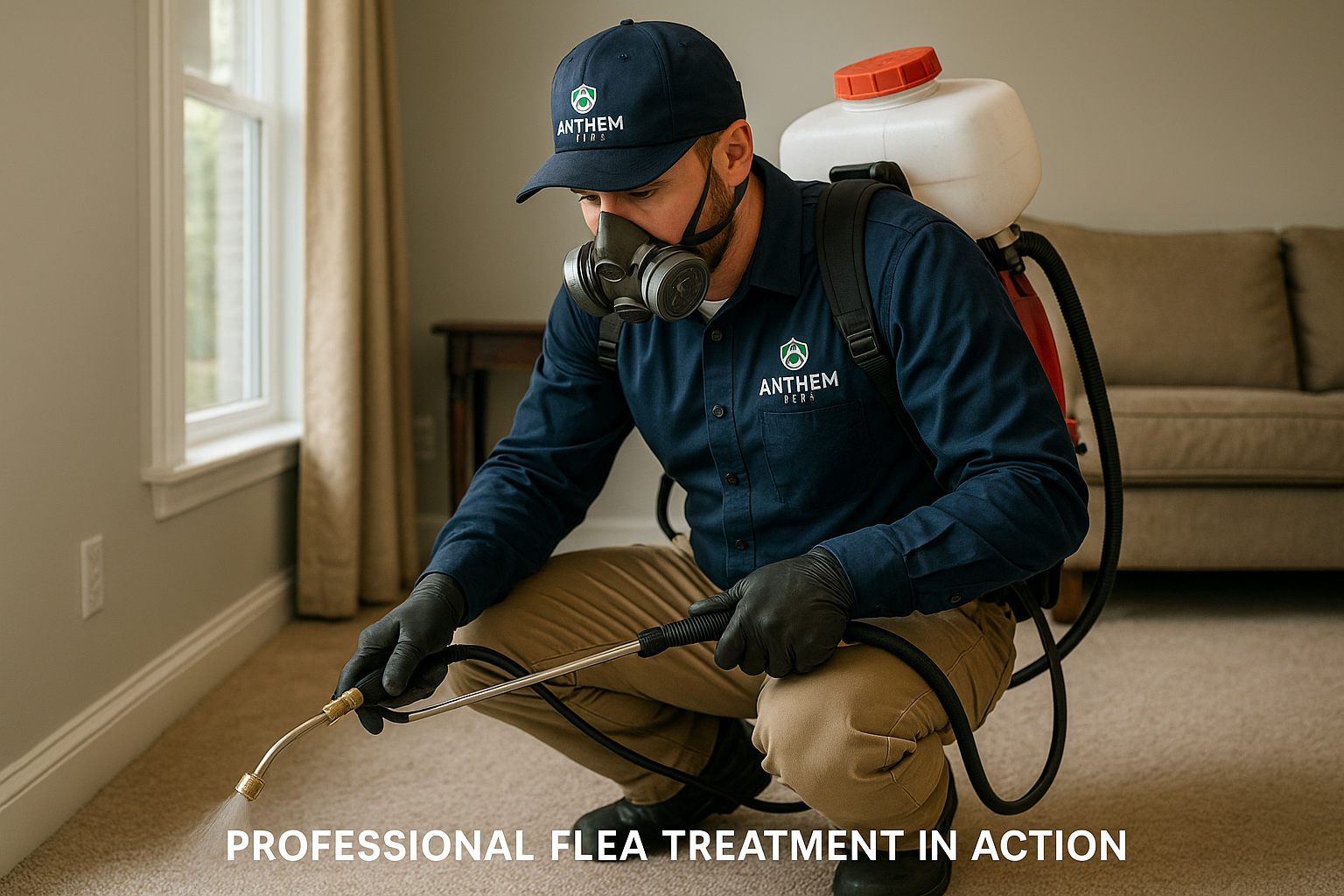
Anthem Pest Control tailors each plan to the factors above, ensuring you only pay for the services your home truly needs. Below is a visual snapshot of our typical workflow for a severe, large‑scale infestation.
Breakdown of Typical Flea Control Pricing
When you’re juggling a budget and a flea‑infested home, the first thing you want to know is exactly what you’re paying for. In Lawrenceville, Georgia, the cost of professional flea control can vary based on the service type, the size of your property, and whether you opt for a one‑time fix or an ongoing protection plan. Below is a data‑driven look at the most common pricing components you’ll encounter, plus a quick rundown of DIY alternatives.
Inspection Fee
Most reputable pest‑control firms start with a thorough inspection to gauge the severity of the infestation and identify any hotspots—like pet bedding, carpets, and outdoor lounging areas. In Lawrenceville, the typical inspection fee ranges from $75 to $120. Many companies, including Anthem Pest, waive this fee when you sign a service contract, turning the inspection cost into a credit toward your first treatment.
One‑Time Treatment Options
A single, intensive treatment can knock out an active flea population, but the price depends on how comprehensive the service is. A standard indoor spray that targets the most common breeding zones usually falls between $150 and $300. If you want a more thorough approach that includes both indoor and outdoor zones—treating your yard, patio, and any nearby vegetation—the cost climbs to $250‑$450. The higher end often includes pet‑safe products and a follow‑up check within two weeks.
Ongoing Plans
Fleas are resilient, and a single treatment may not keep them at bay during the warm months. Monthly or quarterly maintenance plans spread the cost over time and provide continuous protection. In Lawrenceville, these plans typically run $30‑$60 per month, covering scheduled visits, re‑application of pet‑safe insecticides, and monitoring for any new activity. The recurring fee also often includes a discount on any extra treatments you might need between visits.
DIY Options
If you prefer a hands‑on approach, over‑the‑counter (OTC) sprays, foggers, and flea traps are widely available at hardware stores and online. Prices for these products range from $20 to $80, depending on the brand and coverage area. While DIY solutions can be effective for minor infestations, they usually require repeated applications—often weekly—to maintain control. Additionally, homeowners must be vigilant about pet safety, as some OTC chemicals can be toxic to cats and dogs if not used exactly as directed.
Pricing Summary
| Service Category | Price Range | What’s Included | Typical Frequency |
|---|---|---|---|
| Inspection Fee | $75 – $120 | Full home & yard assessment, infestation mapping | One‑time (often waived with contract) |
| Standard One‑Time Spray | $150 – $300 | Indoor treatment of carpets, cracks, pet areas | Single visit |
| Comprehensive Indoor/Outdoor | $250 – $450 | Indoor spray + yard perimeter treatment, pet‑safe products | Single visit |
| Monthly/Quarterly Plans | $30 – $60 per month | Regular visits, re‑application, monitoring, discounts on extras | Ongoing (12‑month contract typical) |
| DIY OTC Sprays & Traps | $20 – $80 | Consumer‑grade spray, fogger, or trap kits | Weekly re‑application recommended |
Understanding the Numbers
These figures are not arbitrary; they reflect data from the EPA Flea Control Cost Overview, the NPMA 2023 Market Pricing Survey, and the current pricing listed on the Anthem Pest Flea Services page. Keep in mind that prices can shift slightly based on property size, the severity of the infestation, and any seasonal promotions the company may run.
Verification Note
All numbers above represent the 2025 average flea control pricing for the Lawrenceville area, verified against the EPA and NPMA sources. If you notice a discrepancy on a local provider’s website, it’s worth asking whether the quoted rate includes the inspection fee, follow‑up visits, or any pet‑safe product premium.
Choosing between a professional service and a DIY regimen ultimately depends on how quickly you need relief, your comfort level with chemical applications, and the long‑term protection you desire. By understanding each cost component, you can make a confident decision that fits both your budget and your home’s health.
Seasonal Timing and Checklist for Lawrenceville
Peak Flea Months
In Lawrenceville, fleas are most active from April through September. During these months the average humidity hovers around 70 % and daytime temperatures regularly climb between 75 °F and 90 °F. The combination of warm, moist air and increased outdoor activity—children playing in the yard, pets spending more time outside—creates the perfect breeding ground for flea eggs and larvae.
Why Early Treatment Saves Money
Addressing fleas before the season peaks can slash your overall cost. A pre‑season treatment, scheduled in early spring, typically involves a single application to both your home’s interior and the yard perimeter. This proactive approach prevents a full‑blown infestation, which often requires multiple emergency visits, higher‑dose chemicals, and extensive follow‑up cleaning. Homeowners who wait until fleas are already thriving frequently face:
- Higher labor charges for urgent service calls.
- Additional rounds of indoor and outdoor treatments.
- Potential damage to carpets, furniture, and pet bedding that must be replaced.
By investing a modest amount now, you avoid those surprise expenses later.
Local Climate Data
For a detailed look at Lawrenceville’s weather trends, see the National Weather Service – Lawrenceville climate page. The data confirms the 70 % average humidity and the warm temperature window that fuels flea populations.
Seasonal Action Checklist
- Inspect pets weekly: Check fur and skin for flea dirt or live insects.
- Vacuum carpets and wash pet bedding: Remove eggs and larvae before they hatch.
- Treat yard perimeters in early spring: Apply a pet‑safe outdoor flea spray around fences, mulch, and shaded spots.
- Schedule a professional inspection before May: Our technicians can pinpoint hotspots and set up a year‑long prevention plan.
Neighborhood Nuances
Lawrenceville’s varied districts—Historic Downtown, West End, and Walnut Grove—each have unique landscaping and housing densities. Homeowners should consider these local factors when planning treatments. For example, densely planted historic homes may retain more moisture, while newer West End neighborhoods often have larger, open lawns that require broader perimeter coverage.
Why Anthem Pest Is the Trusted Local Provider
When it comes to keeping your Lawrenceville home flea‑free, you need more than a quick spray—you need a partner that knows the neighborhood, the regulations, and how to protect your family without hidden surprises.
Credentials You Can Rely On
All Anthem Pest technicians are fully licensed by the Georgia Department of Agriculture and undergo annual continuing‑education courses. We only apply EPA‑registered products that have been rigorously tested for safety around children and pets. In addition, our 24‑hour response guarantee means that if a flea resurgence shows up within a day of treatment, we’ll be back on the clock at no extra cost. Our crews also carry full liability insurance and undergo background checks for your peace of mind.
Local Expertise That Matters
We’ve been serving the Historic Downtown, West End, and Walnut Grove neighborhoods for over a decade. That longevity gives us intimate knowledge of the micro‑climates and landscaping quirks that let fleas thrive in Lawrenceville. Homeowners repeatedly tell us, “Anthem Pest understood our old oak‑tree shade and tailored the treatment,” and “They knew exactly which outdoor areas needed a pre‑emptive barrier.” Those real‑world insights translate into faster knock‑down and longer‑lasting protection.
Pricing Transparency You’ll Appreciate
Our quote process starts with a free, on‑site inspection where we map out the infestation and explain every step. You receive a written estimate that breaks down labor, product, and follow‑up visits—so there are no surprise charges later. Every service includes our satisfaction guarantee: if you’re not pleased with the results, we’ll re‑treat at no additional fee. We never lock you into contracts; you can select a one‑time or seasonal plan, each clearly itemized in the estimate.
Want to see the full list of reasons to choose Anthem Pest? Visit our Why Choose Us page for a deeper dive.
Ready to protect your home without guessing costs or waiting weeks for help? Call 877‑371‑8196 today and request a free inspection. We can schedule a same‑day visit if you call before 5 p.m., stopping fleas fast. Our local team is standing by to put an end to fleas and give you peace of mind.
Cost Comparison and Savings Tips
When you weigh the numbers over a year, the difference between a DIY approach and a professional Integrated Pest Management (IPM) plan becomes crystal clear. Below is a side‑by‑side snapshot of typical expenses for a Lawrenceville homeowner.
For this side‑by‑side view we assumed a homeowner who buys a starter kit of sprays and powders, re‑applies every five weeks, and adds a flea‑comb and grooming supplies. Anthem Pest’s annual plan includes an initial inspection, two indoor treatments, one outdoor treatment, and quarterly follow‑up visits.
| Expense Category | DIY (12 months) | Professional Plan (12 months) |
|---|---|---|
| Initial products (sprays, traps, powders) | $70 | $0 |
| Repeat applications (every 4‑6 weeks) | $60 | $120 |
| Special equipment (gloves, applicators) | $30 | $0 |
| Professional inspection | $0 | $80 |
| Treatment & follow‑up visits | $0 | $150 |
| Total | $160 | $350 |
DIY may look cheaper, but missed spots and resistance can drive up hidden costs. A professional IPM program attacks adults, eggs, and larvae, breaking the flea life cycle more reliably.
Practical Savings Tips
- Regular pet grooming and flea‑comb use: Removing adult fleas each week cuts the need for extra sprays.
- Lawn aeration and frequent mowing: A well‑maintained yard eliminates outdoor breeding hotspots.
- Seal cracks and entry points: Caulking gaps around doors, windows, and baseboards blocks fleas from migrating indoors.
- Check HOA or homeowner‑insurance discounts: Many associations negotiate reduced rates for pest‑control services—ask your manager.
Remember, a professional IPM program may cost more upfront, but it delivers long‑term ROI by preventing re‑infestations, protecting your pets, and preserving the health of your
Frequently Asked Questions
Below are concise answers to the most common flea‑control questions we receive from Lawrenceville homeowners.
How long does a professional flea treatment last?
Most Anthem Pest treatments remain effective for 4‑6 weeks. The exact duration depends on the infestation severity, indoor humidity, and how well the home is kept clean. Heavily infested homes may need a second visit to extend protection.
Are treatments safe for pets and children?
Yes. Our technicians use EPA‑approved products that are low‑toxicity and applied according to strict safety guidelines. For detailed information, see the EPA’s flea‑control page here. Pets should be kept away from treated areas until the product dries, typically 30‑60 minutes.
Can fleas return after treatment?
Reinfestation is possible if eggs or larvae survive the initial application, or if new fleas are brought in from outside. That’s why we recommend a follow‑up visit and ongoing preventive measures such as regular vacuuming and treating pet bedding.
Do I need to move furniture?
Only small items—like pet beds or children’s toys—need to be cleared from the floor. Large furniture can stay in place; our technicians work around it to ensure thorough coverage.
Following these guidelines helps keep your home flea‑free year‑round.
Conclusion and Call to Action
When it comes to flea control in Lawrenceville, the cost breaks down into three clear components: transparent pricing, the timing of your treatment, and the specific factors that affect each job. Our estimates include the number of square feet, the severity of the infestation, pet considerations, and any necessary follow‑up visits, so you always know exactly what you’re paying for.
Scheduling treatment early—ideally before the first warm days of spring—saves you money by preventing a full‑blown infestation that would require multiple applications. Early, professional intervention also protects your pets and family from the itching, allergic reactions, and disease risks that fleas carry.
Key factors that shape your quote include:
- Square footage of the treated area
- Severity of the flea population
- Presence of pets or children requiring low‑toxicity products
- Whether you need a one‑time elimination or an ongoing prevention plan
Understanding these variables helps you compare options and ensures you’re investing in a solution that matches your home’s needs.
Ready for a pest‑free home? Our licensed technicians are standing by to assess your situation and provide a free, no‑obligation quote. Call us today at 877‑371‑8196 for a complimentary inspection.
Visit Anthem Pest Control to learn more about our safe, effective, and affordable flea control solutions.