Cricket Surge in Marietta – Why It Matters

Spring 2024 has arrived early and warm across Cobb County, and homeowners are hearing an unmistakable chorus that wasn’t there last year. Local reports and the Georgia Cooperative Extension’s latest survey show a sharp spike in field‑cricket activity, turning our quiet neighborhoods into nightly concert halls.
Field crickets (Gryllus assimilis) are about 1½ inches long, with a mottled brown‑green shell that blends perfectly with grass and leaf litter. Their most recognizable trait is the rhythmic chirping that males produce after dark by rubbing their forewings together—a behavior driven by temperature and humidity. When temperatures stay above 70°F, these insects become hyper‑active, and the urge to find shelter drives many indoors.
Once inside, crickets can be more than a nuisance. Their chirps disturb sleep, and their tendency to hide in dark corners, basements, and crawl spaces can lead to unwanted moisture buildup. In large numbers, they may even nibble on fabrics or stored food, creating a subtle but real threat to a home’s comfort and hygiene.
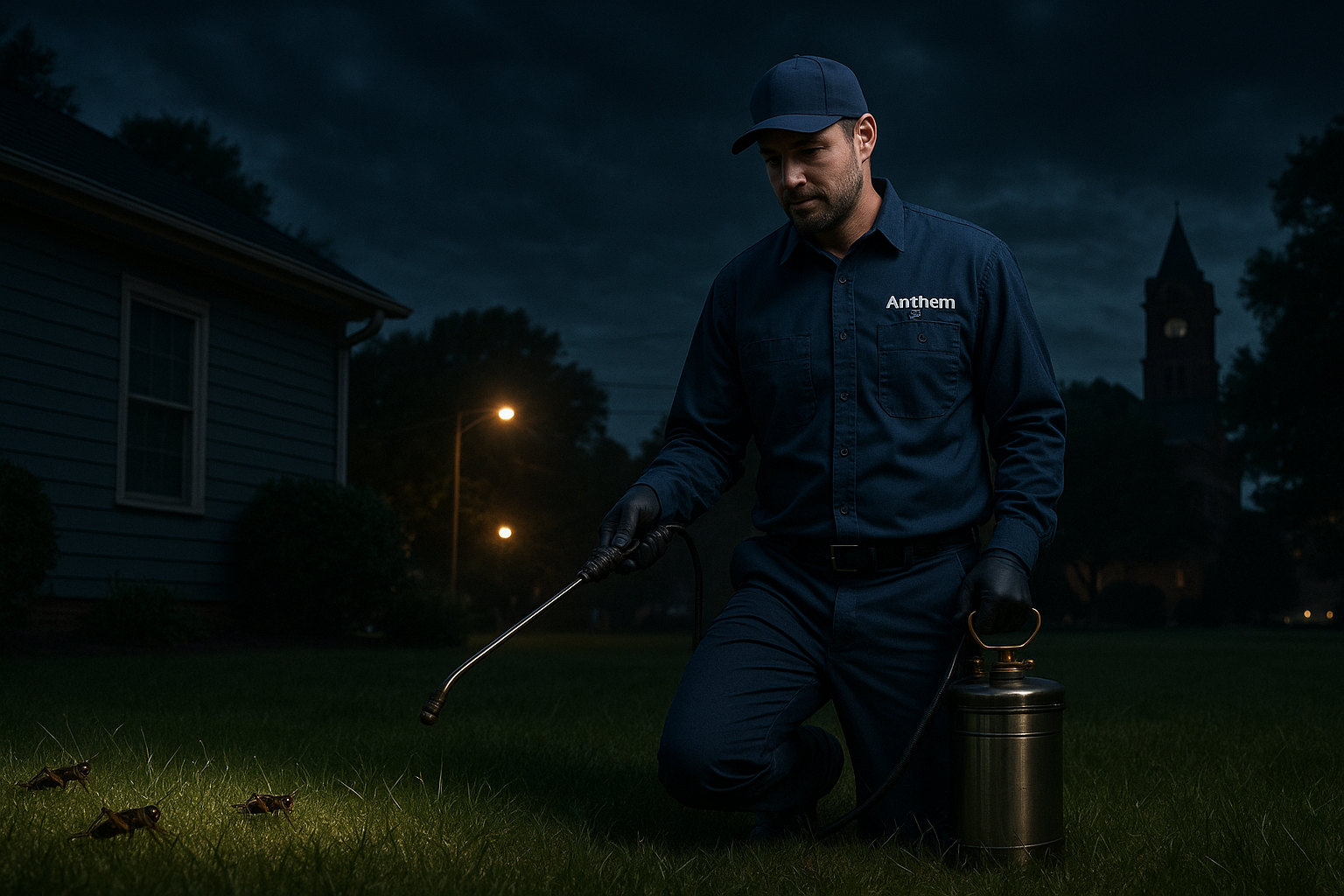
That’s where Anthem Pest steps in. With years of experience serving Marietta and the surrounding Cobb County, our technicians know the local cricket hotspots and the most effective treatment windows. Our 24‑hour response line—877‑371‑8196—means you won’t have to wait for the next sunrise to start a solution. We prioritize fast, safe, and affordable service, so you can regain a peaceful night quickly.
Understanding why crickets surge now helps you anticipate the next steps. In the sections that follow, we’ll walk you through inspection tips, treatment options, and preventive measures to keep those chirping guests out of your home for good.
For the data behind this surge, see the Georgia Cooperative Extension’s report: Georgia Cooperative Extension – Cricket Activity in Georgia.
Spotting Cricket Infestations in Marietta
Crickets that invade Marietta homes are small but unmistakable. Adults measure roughly ½‑¾ inch in length, sport a brown‑to‑gray exoskeleton, and carry long, slender antennae that sweep the air as they move. The most telling clue is the male’s nightly chorus: a rhythmic chirp produced by rubbing wing edges together. If you hear a steady, high‑pitched trill after sunset, you’re likely dealing with a cricket population nearby.
Typical Signs of an Infestation
- Audible chirping that starts shortly after dusk and persists for several hours.
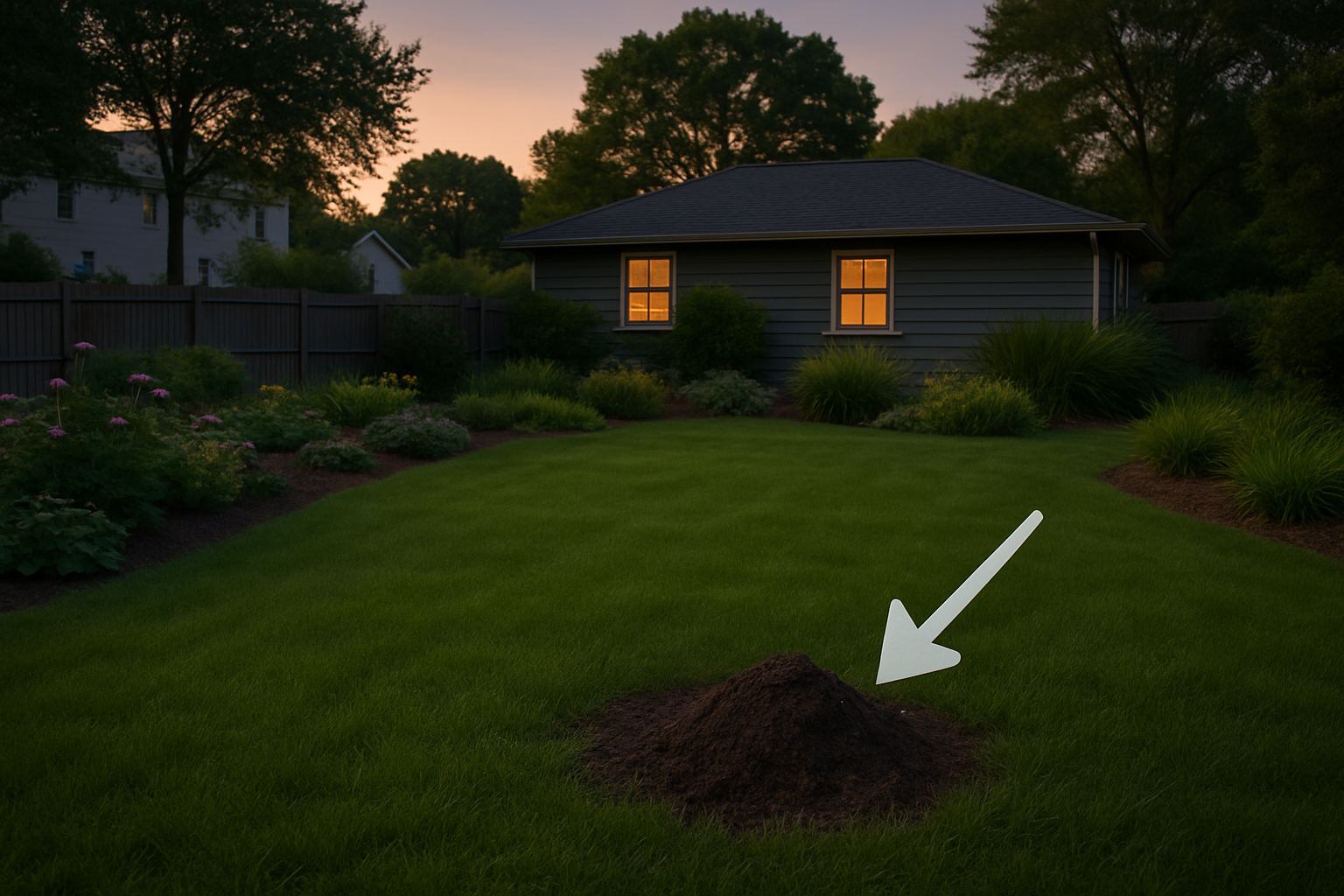
- Small, round holes peppered across wood siding, often ¼‑inch wide.
- Live crickets discovered in garden mulch, flower beds, or tucked under deck boards.
- Faint, silvery droppings near entry points—tiny, pellet‑shaped specks that can be mistaken for dust.
Where Crickets Like to Hide
Crickets are attracted to moist, sheltered environments. In Marietta homes they commonly emerge from:
- Loose mulch piles that retain dampness.
- Garden beds with dense foliage, especially where weeds provide cover.
- Spaces beneath deck boards, patio stones, or exterior cladding.
- Cracks in foundation walls that allow humidity to accumulate.
Neighborhood Hotspots
Local geography influences cricket activity. Homeowners in the following areas report the highest nightly counts:
- Marietta Square – dense historic homes with older wood siding.
- Kennesaw – abundant tree cover and well‑maintained gardens.
- East Cobb – newer subdivisions with extensive mulch beds.
- Brookfield – proximity to water features and shaded patios.
- Whitlock Avenue Historic District – anecdotal reports of 30+ crickets per night during peak season.
According to the 2023 Georgia Extension Report, Cobb County saw a 22 % increase in cricket‑related service calls compared to the previous year. The surge aligns with warmer, wetter summers that create ideal breeding conditions for these nocturnal insects.
Quick Tip for Homeowners
After dusk, walk the perimeter of your home and gently lift mulch piles and deck boards. Listen for the faint chirp and glance for movement. Even a brief inspection can reveal hidden colonies before they migrate indoors, giving you a head start on treatment.
Property Damage and Health Risks from Crickets
While a lone chirping cricket may seem harmless, these insects can cause real problems for your home and family. Understanding the hidden damage they inflict helps you decide when professional help is worth the investment.
Lawn and Garden Impact
Crickets feed on tender roots and young shoots, especially during dry spells. Their chewing creates small wounds that stress plants, making them more vulnerable to drought and nutrient deficiencies. Moreover, the waste and dead bodies left behind attract secondary predators such as ants, spiders, and even rodents, turning a modest garden issue into a mini‑ecosystem of pests.
Health Considerations
Most homeowners aren’t aware that cricket fragments can trigger allergic reactions. When a cricket’s exoskeleton breaks apart, microscopic chitin particles become airborne and may irritate the eyes, skin, or respiratory tract of sensitive individuals. Although rare, certain cricket‑borne pathogens have been documented to cause gastrointestinal upset if ingested accidentally.
For a detailed look at insect‑related allergies, consult the CDC – Insect‑Related Allergies resource.
Why Professional Control Matters
Because crickets can silently undermine plant health and provoke allergic responses, timely intervention is crucial. Anthem Pest Control uses targeted, low‑toxicity treatments that protect both your landscape and indoor air quality, ensuring the problem doesn’t spread to neighbors or reappear next season.
Cricket vs. Common Georgia Pests
| Pest | Damage Potential | Health Risk | Control Difficulty |
|---|---|---|---|
| Crickets | Moderate – root feeding, plant stress, attracts secondary pests | Low to moderate – allergic reactions to exoskeleton fragments; rare pathogens | Medium – requires targeted outdoor treatments and habitat reduction |
| Ants | High – can damage foundations, garden beds, and electrical wiring | Low – bites and occasional allergic responses | High – colonies hidden underground, often need baiting strategies |
| Cockroaches | High – contaminate food, damage paper, wood, and fabrics | High – trigger asthma, severe allergies, and carry bacteria | High – resilient, require integrated indoor and perimeter treatments |
Proven Cricket Treatment Strategies
Chemical Barriers: Perimeter Sprays
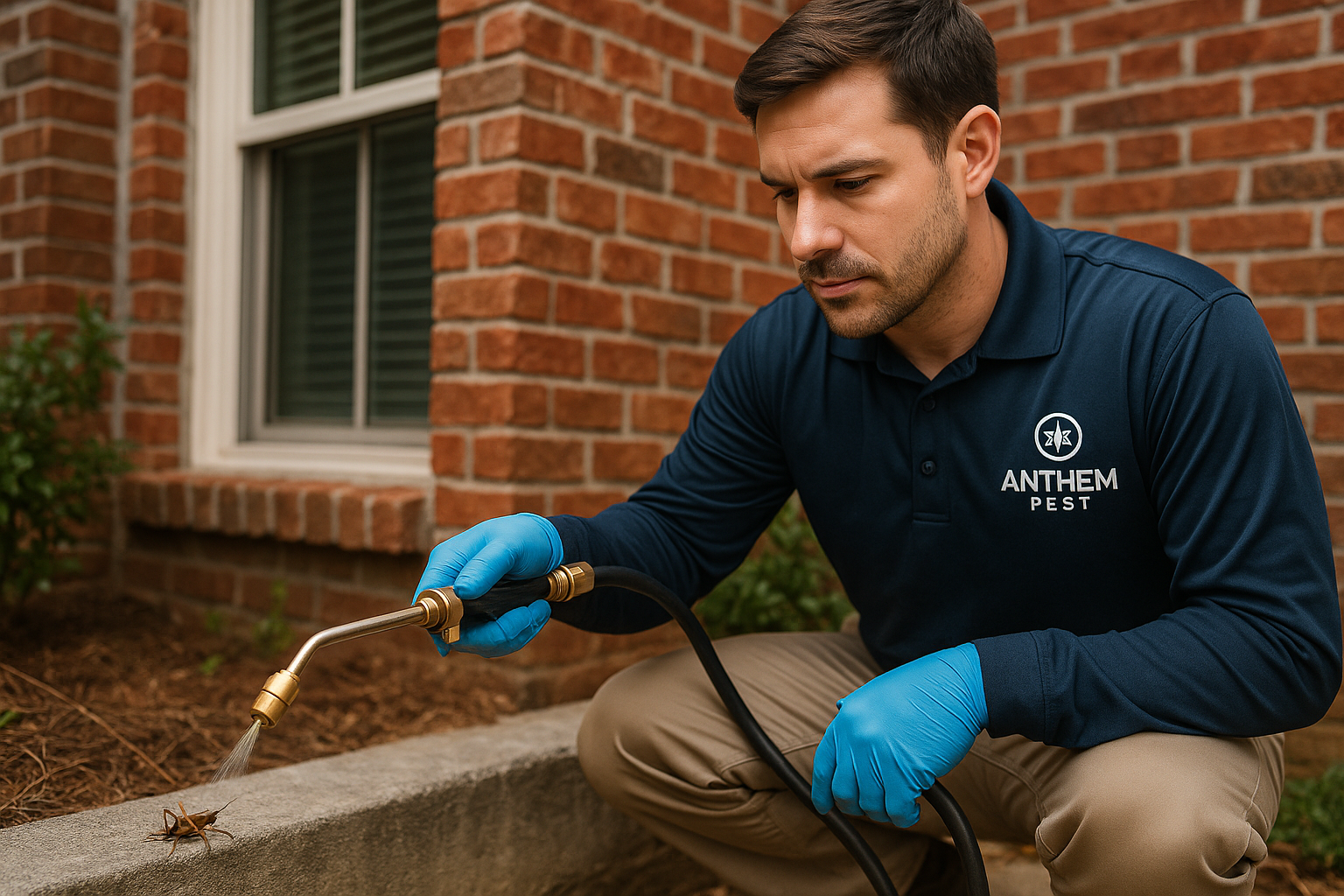
When crickets start to chirp louder than the morning birds, a well‑timed chemical barrier can stop the invasion before it reaches the living spaces. Professionals typically apply bifenthrin or permethrin as a perimeter spray around the home’s foundation, siding, and any exterior structures that provide a bridge for crickets.
The key is timing: apply the spray in early summer—ideally before the first mating flights—so the insects encounter a lethal wall as they search for shelter and food. For a standard 2,500 sq ft residence, most providers charge between $150 and $250 per application. This price includes thorough coverage of all entry points, a safety check for pets and children, and a follow‑up call to confirm effectiveness.
Bait Stations: Targeted Feeding Solutions
While perimeter sprays create a defensive line, bait stations work from the inside out. Difenacoum‑based baits are especially effective because crickets ingest the toxin and share it with their mates, accelerating population collapse.
- Placement tips: Position stations near mulch beds, under decks, and along fence lines where crickets tend to congregate.
- Quantity needed: Most homes require three to four bait stations for complete coverage.
- Cost: $30‑$50 per pack, making the total investment roughly $90‑$200 depending on the number of packs purchased.
Because difenacoum has a delayed action, you’ll notice a steady decline in cricket activity over two to three weeks rather than an immediate knock‑down.
Integrated Pest Management (IPM): A Holistic Approach
IPM blends cultural, mechanical, and chemical tactics to keep crickets at bay long after the first treatment. Anthem Pest’s IPM program for Marietta homeowners includes:
- Regular landscape maintenance—trimming grass, removing leaf litter, and clearing debris that provide hiding spots.
- Moisture control—repairing leaky irrigation, ensuring proper drainage, and reducing excess soil moisture that attracts crickets.
- Targeted chemical applications—using the same perimeter sprays and baits, but only when monitoring indicates a threshold breach.
The comprehensive package is priced between $250 and $500 annually, covering two seasonal visits, a detailed inspection report, and a customized action plan. Homeowners who commit to IPM often see a permanent reduction in cricket sightings year after year.
Case Study: East Cobb Homeowner Cuts Cricket Sightings by 95%
John M., a homeowner in East Cobb, Georgia, was tired of nightly chirps echoing through his living room. He partnered with Anthem Pest for a combined strategy:
- Initial perimeter spray using permethrin in early June.
- Installation of three difenacoum bait stations around his deck and flower beds.
- Enrollment in the Anthem IPM program, which included a spring yard clean‑up and a moisture audit.
Within three weeks, John reported a 95% drop in cricket activity. By the end of the season, crickets were virtually absent, and his follow‑up inspection confirmed that the population had been suppressed below the economic threshold. The total cost for the combined approach was $420, well within the average homeowner budget for effective cricket control.
Regulatory Guidance
All active ingredients mentioned—bifenthrin, permethrin, and difenacoum—are registered with the U.S. Environmental Protection Agency. For detailed safety and usage standards, refer to the EPA – Insecticide Use and Safety Guidelines. Following these guidelines ensures treatments are both effective and safe for families, pets, and the surrounding environment.
Seasonal Timing and Prevention Checklist
Crickets in Marietta follow a predictable rhythm, so the best defense is to act before they get a foothold. By aligning your treatment plan with the bugs’ life cycle and pairing it with a few simple yard habits, you can keep the chirping chorus from turning into a nightly nuisance.
Treatment Calendar
Anthem Pest recommends three strategic windows each year. Treating at these points hits the cricket population when it’s most vulnerable, reducing the need for repeat applications and keeping your outdoor spaces comfortable.
| Month | Why This Window Works | Typical Action |
|---|---|---|
| Early May | Adults are about to mate; nymphs are still small and hidden in soil. | Apply a pre‑mating perimeter spray and treat soil around foundations. |
| Late July | Peak adult activity has passed, but new generations are emerging. | Follow‑up treatment targeting foliage and mulch where nymphs feed. |
| October | Crickets seek shelter to overwinter; they congregate in cracks and debris. | Apply a residual barrier around foundations and seal entry points. |
Each window targets a distinct stage: early May stops the breeding surge, late July curtails the second wave of nymphs, and October locks down any survivors before they hide for the winter. Mark these dates on your family calendar—treatments take only a few hours, but the payoff lasts months.
Prevention Checklist
Even with perfect timing, a tidy yard makes it far harder for crickets to set up camp. Keep this list handy and run through it each season.
- Maintain grass height at 3 inches or lower to expose the soil surface and discourage shelter.
- Thin or remove excess mulch that can hold moisture and hide nymphs; replace with gravel or stone in high‑traffic zones.
- Seal foundation cracks, gaps around utility lines, and vent openings with caulk or expanding foam.
- Swap white or blue outdoor bulbs for yellow‑tinted lights, which are less attractive to crickets.
After you’ve completed the checklist, walk your property at dusk. If you still hear a chorus, note the hot spots and consider a targeted spot‑treatment before the next calendar window.
Local Tip: Yellow Lights for Humid Evenings
Neighbors in nearby Whitfield and Kennesaw swear by yellow‑tinted porch lights during the muggy summer months. The warm hue disrupts the insects’ phototactic response, so fewer crickets are drawn to your deck or patio. Pair the lights with the October barrier treatment, and you’ll notice a marked drop in evening chirping.
By marking the three treatment dates on your calendar and ticking off each prevention item, you create a proactive shield that keeps crickets at bay year after year. If you’d rather leave the timing and application to the pros, give Anthem Pest a call at 877‑371‑8196 or visit anthempest.com. Our local technicians know the Marietta climate inside out and can customize a plan that fits your budget and schedule.
Pricing Transparency and Service Packages
When it comes to cricket control in Marietta, the biggest question homeowners ask is “What will this cost?” At Anthem Pest we keep every dollar visible, so you can match the service you need with the budget you have. Below is a quick breakdown of our most popular options, each backed by licensed technicians and EPA‑registered products.
One‑time perimeter spray
This targeted treatment creates a protective barrier around the exterior of your home, stopping crickets before they find a way inside. The price ranges from $150 to $250, depending on square footage and any special landscaping considerations. The spray is applied in a single visit and includes a brief walk‑through to show you where the product was placed.
Bait station package
For homeowners who prefer a low‑maintenance solution, our bait stations attract and eliminate crickets over several weeks. The package costs between $80 and $120. We install the stations in discreet locations, then return within a week to assess activity and replenish as needed.
Full Integrated Pest Management (IPM) annual plan
The most comprehensive choice is our Full IPM Annual Plan, priced at $250‑$500. This plan includes:
- Two professionally applied perimeter sprays per year
- Quarterly on‑site inspections to catch early activity
- A guarantee that we’ll return at no extra charge if crickets reappear within the coverage period
- All necessary follow‑up visits and adjustments
Because the plan bundles multiple services, you typically save 15‑30 % compared with purchasing each treatment separately.
What’s included with every Anthem Pest service?
- Licensed, background‑checked technicians
- EPA‑registered, low‑toxicity products safe for children and pets
- Detailed treatment report and recommendations for future prevention
- One complimentary follow‑up visit to verify results
Frequently Asked Questions
- Do I need a separate fee for indoor treatment? Indoor treatments are bundled with the full IPM plan; one‑time spray customers can add indoor coverage for an additional $50‑$80.
- Are there discounts for multiple homes? Yes, we offer a 10 % discount when you schedule services for two or more properties in the same billing cycle.
- What payment options are accepted? We accept major credit cards, ACH bank transfers, and can set up monthly financing for the annual plan.
- Is there a contract? No long‑term contract is required for one‑time services. The annual IPM plan is a renewable 12‑month agreement that can be cancelled with 30 days’ notice.
Take Action – Secure a Cricket‑Free Home Today
Spotting crickets early, choosing an effective treatment, timing applications to the seasonal surge, and knowing exactly what you’ll pay are essential steps to keep your Marietta home silent.
A thorough inspection lets us pinpoint entry points, while our EPA‑approved sprays and targeted bait systems eliminate both adult crickets and their hidden nymphs. We back every service with a transparent price sheet so you never face surprise fees.
Because crickets explode in numbers each May, the most cost‑effective protection begins before the first chirps appear. Scheduling your initial treatment now gives our technicians time to set up barriers, treat interior voids, and advise you on simple homeowner actions that keep the bugs out.
Ready to silence the chirp and protect your home? Call our 24‑hour line at 877‑371‑8196 for a free inspection and quote. Our local Marietta experts are standing by.
By acting now you lock in the spring discount we offer for first‑time customers, and you avoid the higher costs that come with a full‑blown infestation. Our technicians follow a strict safety protocol, using low‑odor products that are safe for kids and pets while delivering fast results.
Give us a call today and enjoy a quiet, cricket‑free summer.
Visit Anthem Pest Control to learn more and schedule online.
Take the first step now and reclaim the peace of your backyard.