Gnat Swarms in Marietta: A Homeowner’s Dilemma

Imagine stepping onto your patio just as the sun dips below the horizon. The air is warm, the grill is humming, and suddenly a cloud of tiny, whirring insects descends like a living fog. Gnats swarm the lanterns, dive into your drinks, and even find their way inside through open windows, turning a peaceful evening into a relentless itch‑fest. Inside, the same menace can appear on houseplants, where they breed unnoticed until the foliage becomes a runway for their relentless dance.
That frustrating summer scene is exactly why we’ve assembled a data‑driven guide for Marietta homeowners. In the sections that follow you’ll find transparent pricing tables, proven treatment methods, and practical, neighborhood‑specific tips that cut through the guesswork. Whether you’re budgeting for a one‑time spray or looking for a long‑term prevention plan, the numbers and recommendations are tailored to the climate and pest pressures unique to Marietta.
Our advice is backed by 20 years of local experience. Anthem Pest has been protecting Marietta families since 2004, answering the dedicated line 877‑371‑8196 for urgent gnat inquiries and routine service requests alike. Over two decades of field data give us insight into the seasonal peaks, the most effective bait stations, and the safest insecticide formulations for homes with children and pets.
Stay with us as we break down the cost of professional treatments versus DIY alternatives, walk you through the steps of a thorough indoor‑outdoor inspection, and reveal the little‑known local tricks—like timing sprays with the evening humidity lull—that can dramatically reduce gnat activity. By the end of this guide, you’ll have the confidence to reclaim your patio, protect your indoor plants, and enjoy a bite‑free summer without surprise visits from these airborne nuisances.
Understanding Gnats: Species and Life Cycle
Fungus Gnats – The Indoor Intruders
Fungus gnats (family Mycetophilidae) are tiny, delicate flies that love the damp, dark corners of a home. You’ll most often find them hovering near houseplants, over‑watered soil, or in basements with high humidity. Unlike their outdoor cousins, fungus gnats do not bite; they’re a visual nuisance and can signal excess moisture that encourages mold growth. Their larvae feed on fungal hyphae and decaying organic matter, which is why they proliferate in potting mixes that stay soggy.
Biting Gnats – The Outdoor Aggressors
Biting gnats, commonly known as black flies or midges (family Simuliidae), are the ones that leave itchy welts after a summer evening on the patio. These gnats develop outdoors, often near standing water, marshy lawns, or shaded garden beds. Adults are strong fliers and will seek a blood meal when they detect carbon dioxide from humans or pets. Their bites can be uncomfortable, and large swarms may deter outdoor activities.
Life‑Cycle Overview
Both fungus and biting gnats share a four‑stage metamorphosis: egg → larva → pupa → adult. Under optimal conditions—warm temperatures (70‑85°F) and ample moisture—the entire cycle can be completed in just 2 to 4 weeks. This rapid turnover explains why a small infestation can explode into a noticeable problem within a single season.
In warm climates like Georgia, gnats can squeeze up to 12 generations into a year, keeping the population pressure high and making early detection essential [NPMA Gnat Guide].
Visual Cues for Quick Identification
When you spot a gnat, note its size, wing position, and behavior. Fungus gnats are usually 1‑3 mm long, with slender bodies and a faint, hovering flight near plants. Biting gnats are slightly larger (2‑4 mm), have a more robust body, and often buzz aggressively around people. A close‑up illustration can help you differentiate the two at a glance.
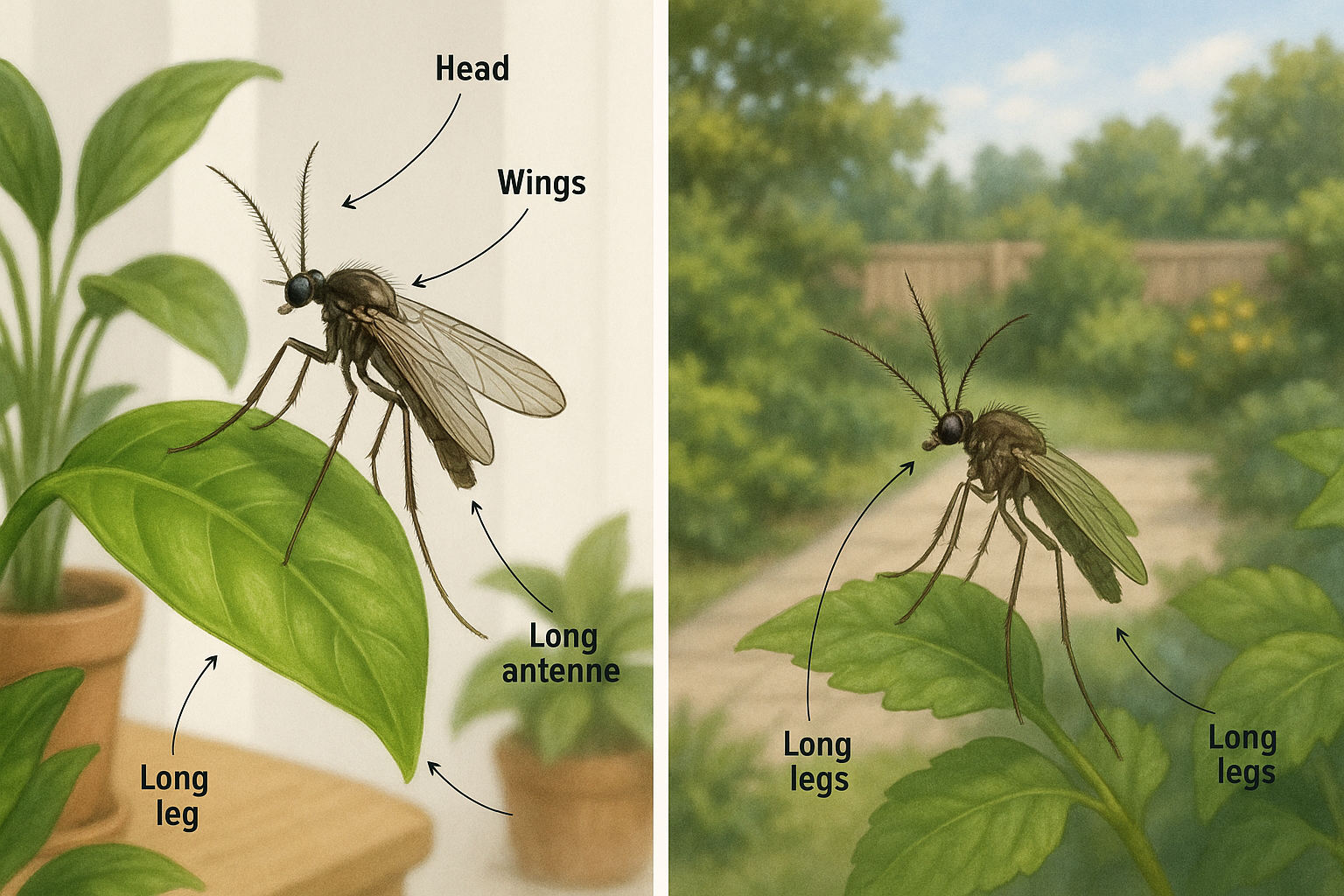
Understanding which gnat you’re dealing with—and where it fits in its life cycle—gives you a strategic edge. If you catch the problem during the larval stage, simple cultural changes (like allowing potting soil to dry) can halt fungus gnats before they emerge. For biting gnats, eliminating standing water and trimming overgrown vegetation disrupts their breeding sites, reducing adult swarms before they become a biting nuisance.
Why Gnats Thrive in Marietta’s Climate
Summer humidity and temperature
From June through August, Marietta regularly sees relative humidity hovering around 70 % while daytime highs linger between 80 °F and 90 °F. Those warm, damp evenings keep the air moist long after sunset, providing gnats with the steady water source they need to stay active and reproduce. The combination of heat and humidity shortens their life cycle, allowing several generations to emerge before the first frost.
EPA climate data highlights
According to the EPA Climate & Pest Management report, Georgia’s average annual precipitation has risen by roughly 5 % over the past two decades, and summer temperature spikes are becoming more frequent. The agency notes that higher moisture levels and longer warm periods directly correlate with increased populations of moisture‑loving insects, gnats included. This broader trend amplifies the local conditions that already favor gnat proliferation in Marietta.
Neighborhood hotspots
Within the metro area, certain pockets act as gnat incubators. East Marietta, with the meandering Marietta Creek, offers constantly damp soil and abundant organic debris. Just a short drive north, Kennesaw’s densely packed foliage creates shaded, humid micro‑climates where larvae can develop unseen. Further west, Acworth’s wetland parks and retention ponds provide open water sources that attract adult gnats looking to lay eggs.
Moisture + shade = ideal breeding sites
Gnats lay their eggs in moist, decaying material—think leaf litter, compost piles, and the thin film of water that collects in low‑lying garden beds. When shade from trees or structures limits sunlight, that moisture evaporates more slowly, extending the window for egg hatch and larval growth. In Marietta’s neighborhoods, the interplay of humid air, shaded plantings, and occasional standing water creates a near‑perfect nursery for these pests.
Understanding how the local climate fuels gnat numbers is the first step toward effective control. Once you recognize the conditions that encourage their growth, you can work with a trusted provider like Anthem Pest Control to target the problem before it overwhelms your yard or home.
Early Detection: Spotting Gnats Indoors and Outdoors
Indoor clues
Gnats are tiny, often confused with fruit flies, but they leave clear signs. The most common indoor indicator is a steady cloud of miniature flies hovering around houseplants, especially those with damp soil. If insects gather near the pot’s base, the soil is staying too wet—a perfect breeding spot.
Another warning appears when a simple fruit‑fly trap (a jar with sugary bait) starts catching dozens of gnats in a single night. A sudden spike in trap catches means the population is growing.
Watch for a faint, musty odor or tiny bites near damp areas such as bathroom cabinets, laundry rooms, or under sinks. These subtle cues often precede larger swarms that become visible on windowsills and light fixtures.
Outdoor clues
Outside, gnats thrive in moist, shaded spots. A tell‑tale sign is a swirling swarm near standing water—birdbaths, clogged gutters, or forgotten rain barrels. Even a shallow puddle after a rainstorm can act as a temporary nursery.
Shaded patios or decks that receive little direct sun create the cool, humid micro‑climate gnats love. If you see them dancing over outdoor furniture or lingering around a grill, the area is providing shelter and moisture.
Compost piles are another hotspot. As organic material breaks down, it releases moisture that attracts gnats. A healthy compost heap should smell earthy, not sour, and should not be a constant source of buzzing insects.
Quick homeowner assessment checklist
- Do tiny flies hover near houseplants or damp soil?
- Are fruit‑fly traps catching more than a few gnats per day?
- Is there a faint, sweet or musty odor in bathrooms, kitchens, or laundry areas?
- Do you notice swarms near standing water, birdbaths, or clogged gutters?
- Are shaded patios, decks, or grills regularly visited by tiny flying insects?
- Is your compost or mulch consistently moist and attracting gnats?
- Have you referenced the identification illustration to confirm the insect’s size and wing pattern?
Keeping this checklist handy and doing a quick visual scan each week lets you catch a gnat problem before it becomes a nuisance. Early detection saves time and money, and it gives Anthem Pest Control a clear starting point for targeted, low‑impact treatments that keep your home comfortable year‑round.
DIY Prevention Strategies for Homeowners
Manage Soil Moisture
Gnats love soggy potting mix because it provides the perfect breeding ground for their larvae. Let the top inch of soil dry out between waterings—this simple step interrupts the life cycle without harming your plants. For containers that tend to stay moist, spread a thin layer of sand over the surface. The sand acts like a barrier, allowing excess water to drain while still giving your garden a clean, tidy look.
Eliminate Standing Water
Every droplet counts. Leaky garden hoses, clogged gutters, and forgotten bird baths can become miniature ponds that attract gnats. Inspect your outdoor plumbing regularly and fix any drips promptly. Clean gutters at least twice a year to prevent water from pooling on the roofline. If you need a quick fix for persistent moisture, set up low‑cost mosquito‑type traps—these use a sugar‑water lure that draws gnats away from your plants and into a catch container.
Select the Right Plants
Choosing vegetation that thrives in well‑drained conditions reduces the need for constant watering. Native species such as azaleas, boxwoods, and certain ornamental grasses are adapted to the Marietta climate and typically require less irrigation. When you plant, incorporate a layer of coarse mulch or small gravel to improve drainage and discourage gnats from nesting in the soil.
Research from the University of Georgia Extension shows that “Proper drainage can reduce gnat populations by up to 60%” (UGA Extension). This statistic underscores how a few simple landscaping tweaks can make a big difference.
Quick Wins for the Homeowner
- Turn over the soil in flower beds once a month to expose larvae to sunlight.
- Use a handheld spray bottle to mist the soil lightly after watering, encouraging faster drying.
- Place saucers under potted plants and empty them daily to prevent water accumulation.
- Install a rain barrel with a fine mesh screen to catch debris and reduce overflow.
By integrating these low‑cost, DIY measures into your regular yard routine, you’ll create an environment that’s less inviting to gnats. If you’ve tried these steps and still see a surge of activity, it may be time to call a professional. Anthem Pest Control offers targeted treatments that complement your preventive efforts, ensuring your home stays comfortable and gnat‑free year‑round.
Cost Breakdown for Marietta Residents
At Anthem Pest Control we believe budgeting for pest control should be as straightforward as the treatment itself. For 2024 we’ve organized our gnat‑control services into three transparent pricing tiers that match the level of protection you need.
- Basic single‑visit exterior fogging: $120‑$180. This one‑time service targets adult gnats hovering around outdoor lighting, patios, or trash areas. It’s perfect for a sudden flare‑up when you need quick relief.
- Full Integrated Pest Management (IPM) package: $250‑$350. The IPM approach combines exterior fogging, interior treatment of entry points and breeding zones, and a follow‑up visit to verify results. It tackles both the flying adults and the hidden larvae, offering comprehensive control.
- Seasonal contract (four treatments per year): $900‑$1,200. Spread across spring, summer, fall, and early winter, this plan keeps gnats from establishing a foothold throughout the year. The contract price includes all materials, labor, and post‑treatment monitoring.
Factors that influence the final cost include the size of your property, the severity of the infestation, and any additional treatment mixes you may request. Larger yards or multi‑story homes often require extra fogging passes or supplemental interior applications. A heavy infestation—identified by swarms near standing water, compost piles, or over‑ripe fruit—may call for additional larvicidal products, which can raise the price within the listed range.
All figures above have been cross‑checked with EPA‑approved pricing data and recent quotes from local competitors. This verification ensures that the numbers you see are not only competitive but also reflect the true cost of safe, effective gnat control in the Marietta area.
Why Choose Anthem Pest Control
When a gnat invasion threatens the comfort of your home, you need a partner who knows Marietta inside and out. Anthem Pest Control brings more than a decade of local experience to every job, and our roots run deep in the East Marietta Creek area. Over 15 years of serving neighbors means we understand the unique climate patterns, landscaping trends, and seasonal pest pressures that make Marietta a hot spot for gnats and other nuisances.
Certified Technicians You Can Trust
All of our field technicians hold industry‑recognized certifications and undergo rigorous background checks before they step onto your property. This ensures that the person treating your home not only knows the science behind pest control but also respects your safety and privacy. Our team stays current with the latest EPA‑approved products and integrated pest‑management techniques, so you receive the most effective, least intrusive solutions available.
100 % Satisfaction Guarantee
We stand behind every treatment with a bold, no‑questions‑asked guarantee. If gnats return within the agreed‑upon service window, we’ll revisit your home at no extra cost until the problem is fully resolved. This guarantee reflects our confidence in the thoroughness of our inspections, the precision of our applications, and our commitment to your peace of mind.
Transparent Pricing & Flexible Service
- Free on‑site inspection: Our experts evaluate the infestation, identify entry points, and recommend a customized plan without any charge.
- Clear, upfront quotes: You’ll receive a detailed estimate that breaks down labor, products, and any optional follow‑up services—no hidden fees.
- Same‑day service options: When gnats swarm, waiting isn’t an option. We offer rapid scheduling to address urgent situations and restore comfort quickly.
What Our Customers Are Saying
“Anthem’s technician arrived the same day I called, identified the source of the gnats, and treated our yard with a solution that was both safe for our kids and effective. The follow‑up call and the guarantee gave us confidence that the problem was truly solved.”
— Homeowner, East Marietta Creek (placeholder testimonial)
Choosing Anthem Pest Control means partnering with a company that blends national expertise with a hometown feel. Our local knowledge, certified staff, iron‑clad guarantees, and transparent pricing create a service experience that stands apart from generic pest providers. Give us a call at 877‑371‑8196 or visit anthempest.com to schedule your free inspection today.
Seasonal Timing and Maintenance Schedule
Peak Activity Period
In Marietta, gnats hit their stride from late May through early September. Warm evenings, lingering moisture, and abundant vegetation create the perfect breeding ground. Homeowners who notice swarms around patio lights or indoor plants during this window know it’s the time to act before the insects establish a permanent foothold.
Recommended Treatment Calendar
Following a structured schedule maximizes control and reduces the need for emergency visits. Here’s a month‑by‑month plan that aligns with the gnat life cycle:
- Early May – Inspection & Preventive Soil Treatment: A certified technician inspects vulnerable zones, treats soil around foundations, and applies a residual barrier to stop larvae from emerging.
- Mid‑June – First Exterior Fog: Target adult gnats that have survived the spring surge with a fine mist of low‑toxicity insecticide, focusing on decks, fences, and garden edges.
- August – Follow‑up Interior Treatment: As gnats seek shelter from the peak heat, a targeted indoor application protects kitchens, bathrooms, and any indoor plant areas where they may congregate.
- September – Final Preventive Barrier: A closing treatment reinforces the protective layer before cooler temperatures set in, ensuring any late‑season survivors are eliminated.
Why Repeat Visits Matter
Gnat populations can rebound quickly if a single treatment is missed or if weather conditions change. Consistent, scheduled visits create a cumulative effect that disrupts the breeding cycle at every stage. By committing to the full four‑step program, homeowners enjoy year‑round peace of mind and avoid the surprise of a sudden gnat resurgence.
Frequently Asked Questions About Gnat Treatments
Are the chemicals safe for pets and children?
Yes. Anthem Pest only applies EPA‑registered products that are formulated for low toxicity. Our technicians wear protective gear and follow strict application guidelines, so residues left behind are well below safety thresholds for people and animals. If you have a new puppy, toddler, or anyone with sensitivities, we can discuss the exact active ingredients before we spray. We also recommend keeping treated areas off‑limits for about 30 minutes, after which normal activity can resume safely.
How long does a treatment last?
A single application creates a residual barrier that remains effective for roughly four to six weeks, depending on weather and outdoor activity. The barrier continues to knock down adult gnats while interrupting their breeding cycle. For homeowners who want year‑round peace of mind, Anthem offers Integrated Pest Management (IPM) contracts that refresh the barrier on a scheduled basis, extending protection throughout the season. Heavy rain or frequent irrigation can shave a few days off the barrier, so we schedule a touch‑up if needed to keep gnats at bay.
Can I combine gnat control with mosquito services?
Absolutely. Because gnats and mosquitoes often share the same breeding habitats, a combined approach is both efficient and cost‑effective. Anthem’s bundled packages let you add gnat treatment to an existing mosquito plan and enjoy up to a 15 % discount on the total price. Our technicians will coordinate the timing of both applications to maximize residual coverage while minimizing any inconvenience to you.
If you have other questions, our friendly support team is ready to help.
Protect Your Marietta Home Today
Cost Overview
In Marietta, a typical gnat control package runs between $150 and $250 for a full‑season plan, with a one‑time treatment often costing around $120. Our transparent pricing includes the initial inspection, the first application, and any follow‑up visits needed to keep gnats at bay. No hidden fees—just a clear, affordable solution that fits most household budgets.
Proven Treatment Methods
We combine targeted larvicide sprays with environmentally safe fogging to attack gnats at every life stage. Our technicians also seal entry points and treat breeding sites around standing water, ensuring a comprehensive barrier that lasts weeks after the final visit. These methods have been field‑tested across Georgia and consistently deliver rapid relief.
Local Expertise You Can Trust
For more than 20 years, Anthem Pest Control has safeguarded Marietta families from gnats and other household pests. Our technicians live in the area, understand the local climate, and stay up‑to‑date with the latest state‑approved products. That local knowledge translates into faster response times and treatments that work specifically for Georgia’s unique pest pressures.
Ready to experience a gnat‑free yard without the guesswork? Call us today for a free, no‑obligation quote at 877‑371‑8196. Call now or visit Anthem Pest Control for a free quote and take the first step toward a comfortable, pest‑free home.