Why House Flies Are a Growing Concern in Marietta
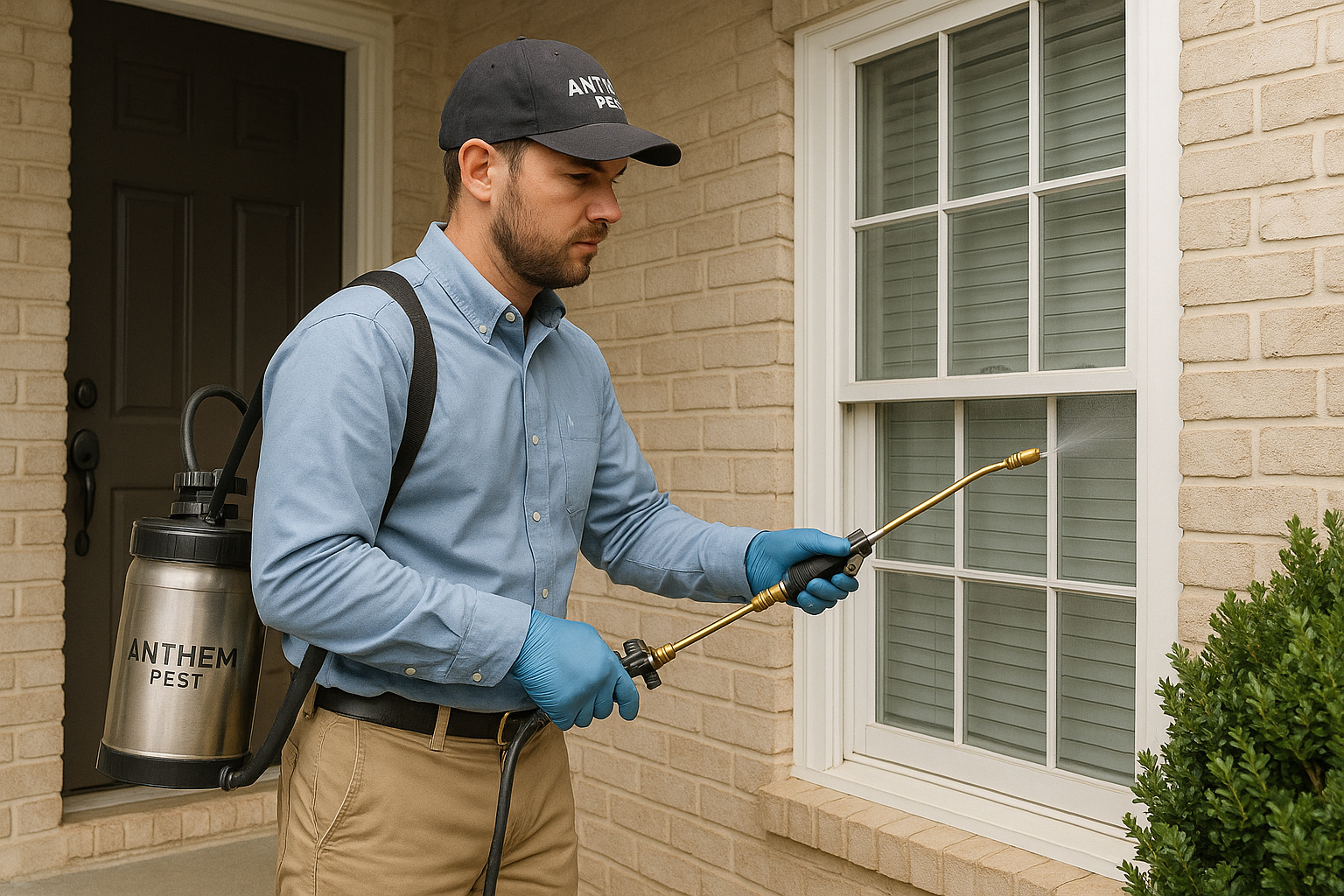
House flies (Musca domestica) may seem harmless, but their rapid life cycle turns a few stray insects into a full‑blown nuisance in weeks. An adult female can lay up to 150 eggs in a single batch, and under ideal conditions those eggs hatch in 12‑24 hours. The larvae—commonly called maggots—feed on moist, decaying organic matter such as kitchen scraps, pet waste, and rotting vegetation. Within five to seven days the maggots pupate and emerge as flying adults, ready to reproduce again.
Marietta’s warm, humid climate amplifies every step of that cycle. Average summer temperatures hover between 80 °F and 90 °F, while humidity often exceeds 70 %. Those conditions shrink the egg‑to‑adult timeline to as little as three days, allowing multiple generations to develop in a single month. In the broader Southeast, studies show fly populations can double every 48 hours when moisture and food sources are abundant.
Beyond sheer numbers, house flies are vectors for serious disease. The 2024 CDC report links flies to outbreaks of salmonella, E. coli, shigellosis, and even parasitic infections. When a fly lands on contaminated waste and then on food preparation surfaces, it mechanically transfers pathogens, putting families at risk of gastrointestinal illness.
Local data underscores the growing problem. The Marietta Neighborhood Watch logged a 27 % increase in resident complaints about fly activity between 2022 and 2023, with hotspots near apartment complexes and older subdivisions where trash collection bins are overcrowded. One homeowner on Old Peachtree Road reported nightly swarms that forced them to cover outdoor dining areas and replace food more frequently.
Recognizing an infestation early can save you both health hazards and costly treatments. Look for clusters of flies around garbage cans, persistent buzzing near doors, and visible maggots in hidden corners. If you notice these signs, it’s time to consider a professional fly‑control plan tailored to Marietta’s climate.
Spotting the Signs: Is Your Home Under Attack?
House flies may seem harmless, but a growing population signals that your home is becoming a breeding ground. Catching the problem early saves you from a full‑blown infestation and the extra cost of aggressive treatments. Below are the visual cues and a quick‑scan checklist you can run through this week.
Visual cues to watch for
- Flies constantly buzzing around food preparation surfaces or dining areas.
- Small, white larvae (maggots) appearing in garbage cans, compost bins, or pet waste.
- Foul, sour odors emanating from trash zones, especially after warm weather.
- Sticky residues or fly “scent” on walls near windows and doors.
Homeowner’s early‑detection checklist
- ✓ Frequency of flies inside the home: Are they a daily nuisance or only occasional visitors?
- ✓ Presence of maggots in trash bins: Spotting even a few larvae means eggs have already hatched.
- ✓ Visible breeding sites: Uncovered food, pet waste, standing water, or damp organic matter.
- ✓ Unusual odors or “fly‑scented” areas: A sour, decaying smell often precedes a surge in fly activity.
For a deeper dive into fly biology and identification, consult the NPMA house fly factsheet. Their guide breaks down life stages and helps you confirm what you’re seeing.
Quick tip: Sticky traps
Place a few adhesive fly traps in high‑traffic zones—near the kitchen sink, garbage area, and any outdoor patio doors. After 24–48 hours, count the trapped flies. A handful indicates low pressure; dozens suggest you need professional intervention before the population explodes.
When Flies Strike: Seasonal Peaks in Cobb County
EPA climate data for Cobb County shows a clear surge in house‑fly activity from May through September. During these months, average daily highs consistently sit between 78°F and 90°F, and precipitation levels rise by roughly 30 % compared with the winter season. The combination of warmth and moisture accelerates the fly life cycle, turning a modest summer nuisance into a full‑blown infestation.
Temperature spikes shorten egg development from the typical 7‑day window to just 3‑4 days, while recent rainstorms keep organic waste—think kitchen scraps and pet droppings—moist enough for larvae to thrive. In short, a warm, damp environment is a fly‑factory, and every summer storm adds another batch of potential breeding sites around your home.
Local health‑department reports from 2023 reveal that certain Marietta neighborhoods experience disproportionately high complaint rates. Kennesaw Mountain and Brookfield top the list, with 27 % and 22 % more reported fly sightings than the county average. The denser housing, older landscaping, and proximity to wooded areas create micro‑habitats that retain moisture longer, making these zones prime fly hotspots.
Seasonal Activity Timeline
- May – First wave of adult flies; begin monitoring outdoor trash areas.
- June–July – Peak breeding; larvae develop rapidly, infestations become visible.
- August – Second surge as late‑summer rains sustain larval habitats.
- September – Activity tapers but residual eggs may hatch into early fall.
- October onward – Cooler temps halt reproduction; focus shifts to cleanup.
To stay ahead of the swarm, start a pre‑season sanitation plan in early spring. Seal garbage containers, clear pet waste, and trim vegetation away from the house foundation. Consider an early‑season treatment from a licensed provider like Anthem Pest Control to create a protective barrier before the first eggs are laid. Proactive steps now can keep your yard fly‑free throughout the hottest months.
Choosing the Right Fly Control Method
When house flies start buzzing around your kitchen, the solution isn’t one‑size‑fits‑all. Your choice depends on how quickly you need relief, how much you’re willing to spend, and how safely the treatment coexists with kids and pets. Below is a quick guide to the most common options, how they work, and what you should watch for before signing up.
Chemical Residual Sprays
Most professional fly programs begin with EPA‑approved residuals such as pyrethroids (e.g., bifenthrin, permethrin) or organophosphates (e.g., chlorpyrifos). These chemicals cling to surfaces for weeks, creating an invisible barrier that kills flies on contact.
Technicians target high‑traffic entry points—doorways, window frames, and eaves—where flies are most likely to land. For households with pets or small children, we recommend keeping treated areas dry for at least 30 minutes and ventilating rooms for an hour after application. If you have a newborn, a cat that likes to lounge on windowsills, or a dog that loves to dig, let the technician know so they can adjust the formulation or focus on low‑contact zones.
Bait Stations
Bait stations use an attractant laced with a slow‑acting insecticide. Flies feed on the bait, carry the toxin back to breeding sites, and eventually die. The sweet‑scented lure mimics decaying organic matter, making it irresistible to adult flies.
Place stations near trash cans, under eaves, or beside outdoor dining areas—anywhere flies congregate but are out of reach of children and pets. Replace the bait every 30 days to maintain potency, and schedule a quick visual check during each service visit to ensure the stations remain dry and undisturbed.
Biological Controls
For a low‑impact alternative, some homeowners opt for parasitic wasps such as Spalangia spp. These tiny wasps seek out fly pupae, lay their eggs inside, and the emerging wasp larvae consume the fly before it ever emerges as an adult. While the method is still gaining traction in the Southeast, it offers a pesticide‑free way to suppress fly populations, especially in larger properties with abundant outdoor compost or livestock areas.
Pricing Comparison
Understanding the cost structure helps you match a plan to your budget. A single‑visit residual spray typically runs between $75‑$120, covering up to 2,000 sq ft. A comprehensive package that includes the initial spray, a follow‑up visit, and a set of bait stations falls in the $120‑$180 range. These figures are drawn from the 2024 Anthem Pest pricing sheet and include all labor, materials, and the standard safety briefing.
Quick Decision Table
Use the table below to align your home size, budget, and desired speed of results with the most suitable treatment.
| Home Size | Recommended Method | Approx. Cost | Time to Noticeable Reduction |
|---|---|---|---|
| Up to 2,000 sq ft | Single‑visit residual spray | $75‑$120 | Within 24 hours |
| 2,000‑4,000 sq ft | Residual spray + bait stations | $120‑$180 | 1‑2 days |
| Large yards or farms | Parasitic wasps (biological) | $150‑$250 (initial release) | 3‑5 days |
| Any size, eco‑conscious | Hybrid: spray + wasps | $180‑$230 | 1‑3 days |
In most Marietta homes, a residual spray paired with strategically placed bait stations delivers the fastest relief without breaking the bank. If you’re especially concerned about chemicals, layering in a modest release of parasitic wasps can keep fly numbers low while you enjoy a pesticide‑free yard.
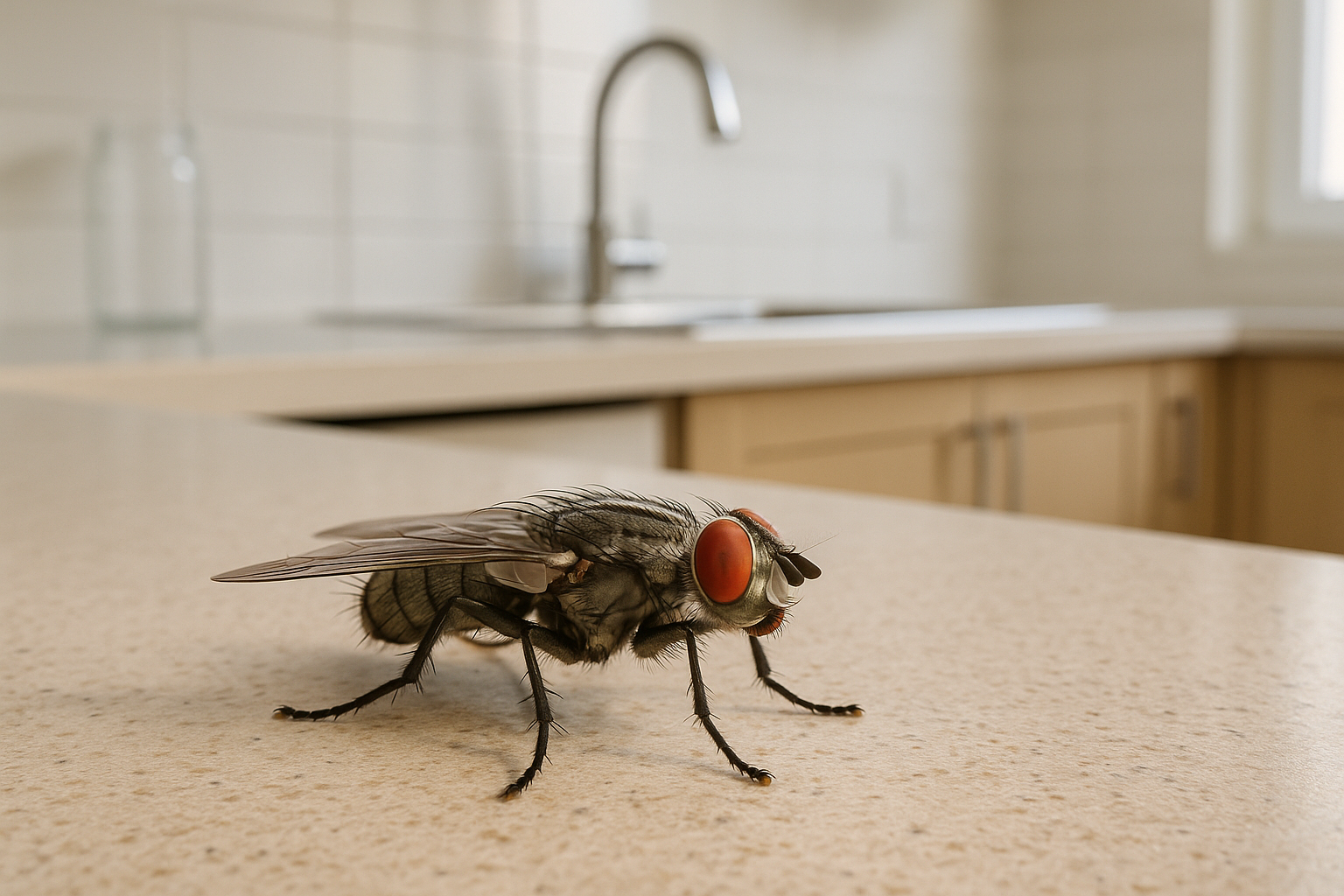
Local Expertise You Can Trust
When it comes to protecting your Marietta home from house flies, you deserve a partner who knows the local environment and backs every service with solid credentials. Anthem Pest combines nationwide expertise with a deep‑rooted presence in Cobb County, giving you the confidence that every treatment is both effective and responsibly applied.
Certified Professionals
All of our technicians are EPA‑registered and hold the required state‑licensed pest control operator credentials for Georgia. This dual certification means they stay current on the latest regulations, safety protocols, and integrated pest‑management techniques. In practice, it translates to precise applications, minimal disruption to your family, and a clear record of accountability.
Safe, Fast‑Acting Products
We prioritize low‑toxicity, fast‑acting chemicals that are specifically approved for residential use. These formulations target adult flies and breeding sites without lingering residues that could affect pets or children. By using products that meet both EPA and Georgia Department of Agriculture standards, Anthem Pest delivers rapid knock‑down while maintaining a healthy indoor environment.
Comprehensive Service Area
Our crews cover the entire Marietta metropolitan area and the surrounding neighborhoods of Cobb County. Below is a quick reference of the primary zones we service, each mapped in our internal routing system for prompt response times.
| Neighborhood | Primary ZIP Code(s) | Typical Response Time |
|---|---|---|
| West Marietta | 30008 | Within 24 hours |
| East Marietta | 30060, 30062 | Within 24 hours |
| Powder Springs | 30127 | Within 24 hours |
| Acworth | 30101 | Within 24 hours |
| Kennesaw | 30144 | Within 24 hours |
Value‑Added Features
- Free initial inspection – our experts assess fly activity, identify breeding hotspots, and outline a customized plan at no cost.
- 24‑hour response guarantee – if you call after business hours, a certified technician will be on the way within the next day.
- Satisfaction guarantee – we stand behind our work. If flies persist after the first treatment, we’ll re‑treat at no extra charge or provide a full refund.
What Marietta Homeowners Are Saying
“Anthem Pest arrived the same day I called, explained the process, and had the flies gone within hours. The crew was courteous, wore protective gear, and left my kitchen spotless. I’ll definitely use them again!” – J. Miller, Marietta, GA
Ready to Get Started?
Give us a call at 877‑371‑8196 or visit anthempest.com to schedule your free inspection. With Anthem Pest, you get local knowledge, certified expertise, and a guarantee that your home stays fly‑free.
Keeping Flies Out for Good
A fly‑free home isn’t achieved by a single spray; it’s the result of steady, smart habits that line up with the EPA’s Integrated Pest Management (IPM) approach. By tackling what attracts flies, removing breeding sites, and monitoring regularly, you create an environment where flies simply can’t stick around.
Sanitation Checklist
- Secure trash in sealed containers.
- Promptly clean pet waste and remove standing water.
- Repair or replace window/door screens.
Each of these actions cuts off the food, moisture, and entry points flies need to thrive. A sealed trash bin eliminates odor cues, while removing pet waste and stagnant water stops larvae from developing. Intact screens act as a physical barrier, keeping adult flies from entering your living spaces.
Seasonal Maintenance Schedule
- Spring: schedule a pre‑treatment inspection and apply a residual spray to exterior walls.
- Summer: check bait stations weekly, refill or reposition as needed.
- Fall/Winter: scale back outdoor monitoring, focus on indoor sanitation and sealing entry points.
Seasonal timing matters because fly populations surge in warm months. A spring inspection catches early activity, summer bait stations maintain control, and fall/winter shifts the focus to indoor hygiene when flies seek shelter inside.
All of these steps follow the EPA IPM PDF guidelines, which emphasize prevention, monitoring, and the least‑toxic interventions. Reviewing the EPA document can give you deeper insight into the science behind each recommendation.
Do‑It‑Now Actions
- Remove any uncovered food or sugary drinks.
- Wipe down kitchen counters and dining tables with a disinfectant.
- Replace torn screen panels immediately.
- Set up a fly trap near the most active area for 24‑48 hours.
- Empty trash cans daily and keep lids tightly closed.
These quick tasks can slash fly numbers within a day or two. By eliminating obvious attractants and adding a short‑term trap, you give your long‑term IPM plan a solid head start.
Cost Breakdown Table
Understanding what you’ll pay up front helps you compare options and avoid surprises. Pricing depends on square footage, level of infestation, and any special considerations such as pet‑friendly formulations. All estimates include a thorough inspection so you know exactly what will be treated. Below is a quick reference of Anthem Pest’s most popular house‑fly treatments in Marietta, Georgia.
| Service | What’s Included | Price Range |
|---|---|---|
| Single‑visit residual spray | One‑time application covering interior surfaces | $75 – $120 |
| Full‑service package | Initial spray + two follow‑up visits (each 2‑week interval) | $120 – $180 |
| Fly bait stations | Each station placed in high‑traffic areas | $30 – $60 per unit |
| Outdoor perimeter treatment | Spray around foundation, decks, and patios | $30 – $60 per treatment |
All services come with a satisfaction guarantee and can be bundled for additional savings. Anthem Pest customers also enjoy an exclusive 10 % discount on the first service, which can lower the figures above even further. We accept major credit cards, cash, and financing options for larger projects. Call us at 877‑371‑8196 or visit anthempest.com to schedule your fly‑control plan today.
Frequently Asked Questions
Is the treatment safe for pets and children?
Absolutely. Our EPA‑registered technicians only use products that have been vetted for indoor use around families. After the spray is applied we ventilate the treated areas and advise a short re‑entry window, typically 15‑30 minutes, so your kids and pets can get back to normal safely. We follow strict guidelines to minimize lingering odor.
How long does a residual spray remain effective?
A quality residual spray will keep house flies at bay for roughly four to six weeks. The exact duration depends on local weather, humidity, and how often the treated surfaces are disturbed. Heavy rain can wash away the barrier, so indoor sprays last longer than outdoors. If you notice a sudden resurgence, a quick touch‑up can extend protection.
What should I expect during a service visit?
Our technician arrives on time, conducts a thorough inspection, and pinpoints breeding hotspots such as garbage areas, pet waste, or damp corners. After identifying the problem zones, they apply the appropriate treatment and hand you a concise post‑visit checklist that outlines any follow‑up actions you can take. If you have concerns, let the technician know—they’ll adjust on the spot.
Do I need to prep my home before the technician arrives?
Preparation is minimal. Clear doorways and pathways so the technician can move freely, remove food items from countertops, and secure pets in a separate room or crate. These simple steps help us work efficiently and ensure the treatment reaches every target area. Close windows and turn off HVAC for 15 minutes after treatment to speed drying.
For any other questions, feel free to call us at 877‑371‑8196 or visit our website.
References
Anthem Pest bases its recommendations on reputable, up‑to‑date research. The following sources were consulted while preparing this guide on house‑fly control in Marietta, GA:
- CDC – House flies and food‑borne illness (2024). Provides data on diseases transmitted by flies and prevention tips.
- EPA – House‑fly control guidelines (2024). Lists approved chemicals and best‑practice recommendations.
- NPMA – House‑fly factsheet. Offers identification details and lifecycle information.
- Anthem Pest official website. Source for service descriptions, pricing structure, and local expertise.
- Cobb County Health Department (2023). Provides regional fly‑complaint statistics and public‑health guidance.
These references ensure that the information presented reflects current scientific consensus and local health data, reinforcing our commitment to transparent, effective pest management.
Take Action to Protect Your Home Today
When it comes to keeping house flies at bay in Marietta, three simple habits form the backbone of a successful strategy: early detection, professional residual treatments, and seasonal prevention. Spotting the first signs—tiny clusters around doors, lingering odors, or increased activity on sunny days—lets you act before an infestation takes hold. A licensed technician can then apply a residual spray that continues to kill flies for weeks, while a seasonal plan shuts down breeding sites before the warm months arrive.
That’s where Anthem Pest steps in. Our technicians live and work in the Marietta area, so we know the local hotspots and the best timing for each intervention. We guarantee a response within 24 hours, and our pricing is clear from the first call—no hidden fees, no surprise add‑ons.
By choosing a professional service, you eliminate the guesswork of DIY sprays and avoid exposing your family to ineffective chemicals. Our EPA‑approved products target flies at every life stage, delivering lasting results while keeping pets and children safe.
Ready to protect your home? Schedule a free, no‑obligation inspection today by visiting Anthem Pest Control or calling 877‑371‑8196. Our team will walk you through a customized fly‑control plan that fits your budget and your schedule.
Let’s keep your home fly‑free together.