Introduction – A Marietta Homeowner’s Stink Bug Surprise
Imagine opening your kitchen cabinet in late September and discovering a tight cluster of brown, shield‑shaped stink bugs perched on the cilantro. The moment they’re disturbed, a sharp, cilantro‑like odor fills the air, making you wonder if you’ve just opened a spice jar instead of a pantry.

A 2023 survey by the National Pest Management Association (NPMA) revealed that 42 % of Georgia households reported seeing stink bugs inside their homes, a clear jump from previous years. The data, part of the NPMA Pricing Survey 2023, underscores how quickly these pests have become a seasonal nuisance across the Southeast.
September marks the peak of the stink‑bug invasion in Marietta because the insects seek warm indoor shelters before winter sets in. Our humid subtropical climate creates the perfect bridge between outdoor orchards and indoor kitchens, allowing hundreds of bugs to slip through tiny cracks and windows.
This guide is designed to give Marietta homeowners a data‑driven roadmap: how to spot stink bugs, what treatment options and costs you can expect, and which preventive steps work best in our local climate. We’ll break down the biology of the pest, compare DIY versus professional solutions, and provide a realistic budget range for a full‑service treatment.
Our tone is straightforward and professional—think of us as your neighbor who happens to run a licensed pest‑control business. By the end of this article you’ll feel confident deciding whether to call an exterminator, how to protect your home before the bugs return next fall, and why Anthem Pest Control is the trusted partner for Marietta residents.
Spot the Intruder – Identifying Brown Marmorated Stink Bugs in Marietta

Physical clues
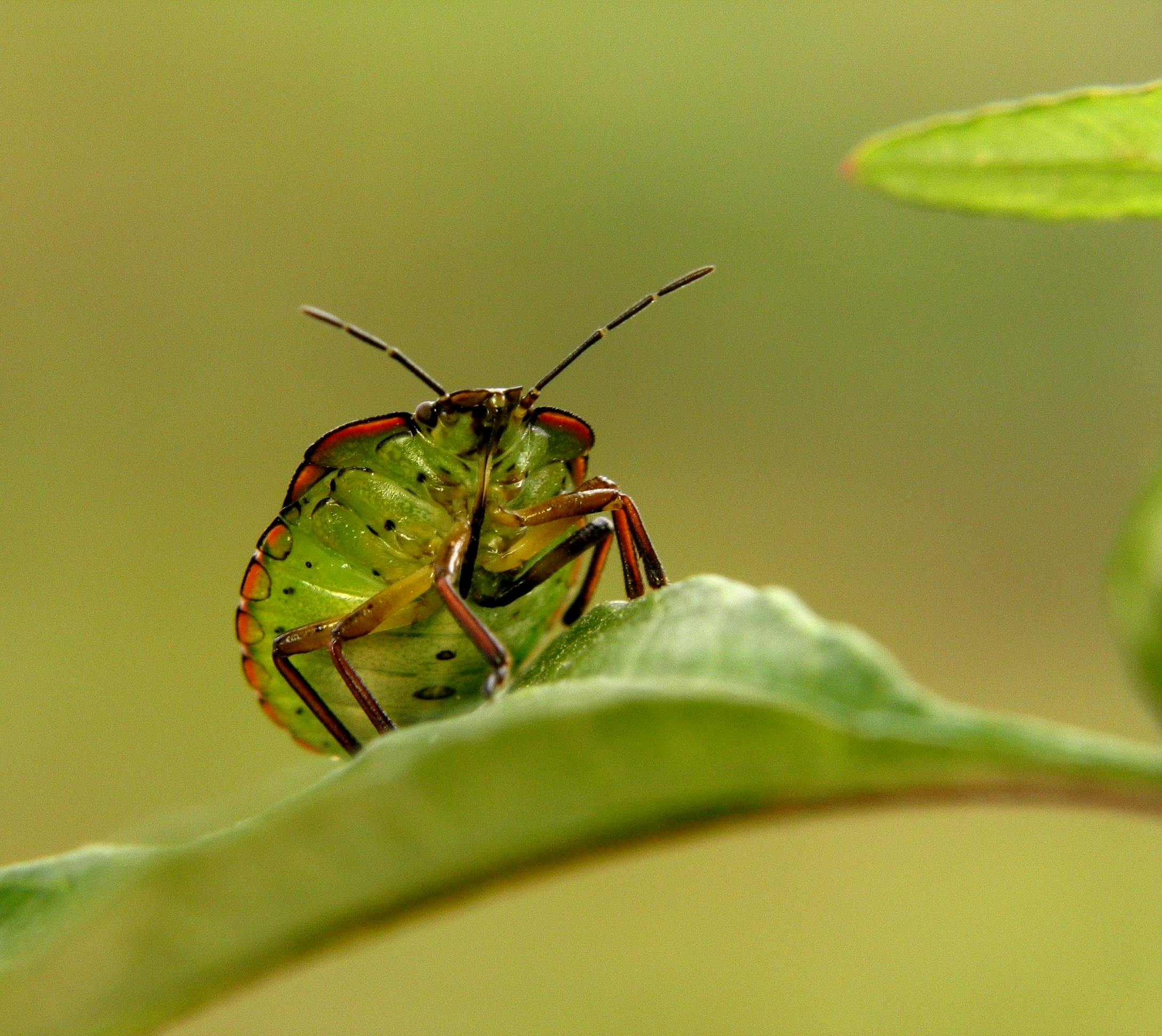
The brown marmorated stink bug (Halyomorpha halys) is unmistakable once you know what to look for. Adults measure roughly 1.7 cm (about three‑quarters of an inch) and sport a shield‑shaped, roughly triangular back that tapers toward the rear.
Their coloration is a mottled blend of light and dark brown, giving a camouflaged, bark‑like appearance. The most reliable field mark is the pair of crisp white bands encircling each antenna—tiny rings that stand out against the brown body.
When disturbed, they release a pungent, cilantro‑like odor that can linger in kitchens and closets. The smell is a defensive spray, not a sign of disease, but it’s a clear warning that you’re dealing with a stink bug, not a harmless beetle.
Example scenario
Imagine stepping out onto your East Marietta patio and spotting a cluster of these bugs perched on a tomato plant, their backs angled toward the sun. You brush a leaf and a faint, herbaceous scent hits your nose. That moment—bugs on a garden vegetable, the white‑banded antennae—signals a brown marmorated stink bug incursion.
Regional trend
The EPA’s 2022 pest‑monitoring data shows an 18 % rise in brown marmorated stink bug reports across the Atlanta metro area, a trend that mirrors the expanding suburban gardens of Marietta. More insects mean higher chances of them slipping into homes during cooler evenings.
Why accurate identification matters
Accurate identification matters because treatment plans differ dramatically between stink bugs and other garden pests. Misidentifying a harmless ladybug as a stink bug could lead to unnecessary pesticide use, while overlooking a true infestation may let the population explode, causing crop damage and indoor odor problems.
Quick check before you call
A quick visual check using the cues above lets you decide whether to call a licensed exterminator or simply monitor the garden. Early, correct identification is the first step toward cost‑effective control.
Beyond the Smell – Economic and Health Impacts of Stink Bugs
When a stink bug finds its way into your kitchen, the odor is the first thing you notice. What follows, however, can hit your wallet and your well‑being in ways most homeowners don’t expect. Understanding these broader consequences helps you decide when to call a professional like Anthem Pest Control before a small nuisance becomes a costly problem.
Agricultural Damage: A $37 Million Apple Loss
Stink bugs are notorious feeders on fruit trees. In 2010, they caused an estimated $37 million loss in apple production across the United States, according to data from the EPA’s pesticide information portal. The insects pierce the fruit, inject enzymes, and leave behind brown, unmarketable spots that render whole orchards unsellable. While the figure reflects a national impact, the ripple effect reaches local growers in Georgia, where apple and peach farms already battle tight margins.
Residential Damage: Stains, Spoiled Produce, and Nuisance
In the backyard, stink bugs turn a thriving garden into a source of frustration. Their feeding creates unsightly stains on berries, tomatoes, and grapes, often forcing homeowners to discard perfectly grown produce. Beyond the visual damage, the constant presence of these bugs—especially when they congregate on windowsills and walls—creates a psychological nuisance that can lower the enjoyment of outdoor living spaces.
Health Risks: Skin Irritation and Rare Eye Infections
The CDC notes that the defensive secretions of stink bugs can cause skin irritation and, in rare cases, eye infections when the fluid contacts mucous membranes (CDC Stink Bug Facts). While most reactions are mild, they can be uncomfortable for children and allergy‑prone adults, adding another layer of concern for families.
Local Insight: Marietta Homeowners Association 2024 Report
The Marietta Homeowners Association documented a sharp spike in indoor stink bug sightings after the first frost of 2024. Residents reported bugs seeking shelter in attics and crawl spaces, leading to increased calls for professional treatment. This seasonal surge underscores how quickly a regional climate shift can translate into a neighborhood‑wide pest challenge.
Real‑World Example: A Peach Crop Gone Bad
Take the case of a Kennesaw family who cultivated a modest peach orchard in their backyard. A single summer infestation wiped out their harvest, resulting in a loss valued at $250. While the amount may seem modest, the emotional toll of watching months of care vanish overnight is a reminder that even small‑scale growers are vulnerable.
Recognizing these economic and health impacts early allows homeowners to act before the problem escalates. A timely inspection and targeted treatment from Anthem Pest Control can protect both your garden’s bounty and your family’s comfort.
When and Where Stink Bugs Strike in Marietta
Stink bugs follow a predictable seasonal rhythm in the Marietta area. Adults emerge from their overwintering sites in late May, begin feeding on garden vegetables and ornamental plants, and stay active through early October. The population swells each month, but the highest concentration of sightings and homeowner complaints occurs in September, when the insects are looking for a warm place to hunker down for the winter.
Key activity timeline
- Late May – Early June: First adults appear on the outskirts of the city, often near wooded buffers.
- July – August: Bugs disperse into residential yards, especially those with fruiting vines or squash.
- September: Peak activity. Mating peaks, and insects flood into homes seeking shelter.
- Early October: Numbers dwindle as the bugs find cracks and crevices to overwinter.
Geographically, certain Marietta neighborhoods experience a heavier sting of these pests. The three hotspots are:
- East Marietta: Tree‑lined streets provide shade and abundant foliage, creating ideal feeding grounds and easy entry points for bugs.
- Marietta West: Older wood‑sided homes often have gaps around siding, window frames, and foundation cracks that invite stink bugs to set up shop.
- Historic district near Kennesaw Mountain: The blend of mature landscaping and historic structures offers both food sources and numerous hiding spots.
A textual “mini‑map” of these zones would show the city core bordered by the East Marietta green belt, the Marietta West residential block shaded in amber, and the Kennesaw Mountain historic area highlighted in teal. Imagine a simple diagram where arrows point from the surrounding woods into each hotspot, illustrating the bug’s migration path as temperatures rise.
According to the Marietta City Public Health 2024 report, 68 % of all stink‑bug complaints in the city are logged in September. This sharp spike underscores why early detection and timely treatment—ideally before the mid‑summer surge—are critical for homeowners who want to keep their homes bug‑free.
Choosing the Right Treatment – DIY vs. Professional Solutions
DIY Options
Many Marietta homeowners start with a do‑it‑yourself approach because it feels immediate and inexpensive. Common DIY tactics include:
- Vacuuming – a handheld or shop‑vac to remove bugs you see on walls, windows, or lights.
- Soap‑water spray – a mixture of mild dish soap and water applied directly to clusters.
- Sealing cracks and gaps – caulking entry points around windows, doors, and foundation.
These methods have clear advantages: they’re low‑cost, require no special equipment, and give you instant visual feedback. However, the drawbacks are just as noticeable. Because stink bugs hide in wall voids, roof spaces, and deep crevices, a surface‑only spray rarely reaches the source. Studies and field reports from pest‑control professionals show DIY effectiveness rarely exceeds 30 % for moderate to heavy infestations. You may reduce numbers temporarily, but without a residual barrier, the bugs often return.
Professional Options
When the infestation spreads beyond a few dozen insects, a licensed exterminator brings tools and formulations that penetrate hidden habitats. Anthem Pest typically offers three tiers of treatment:
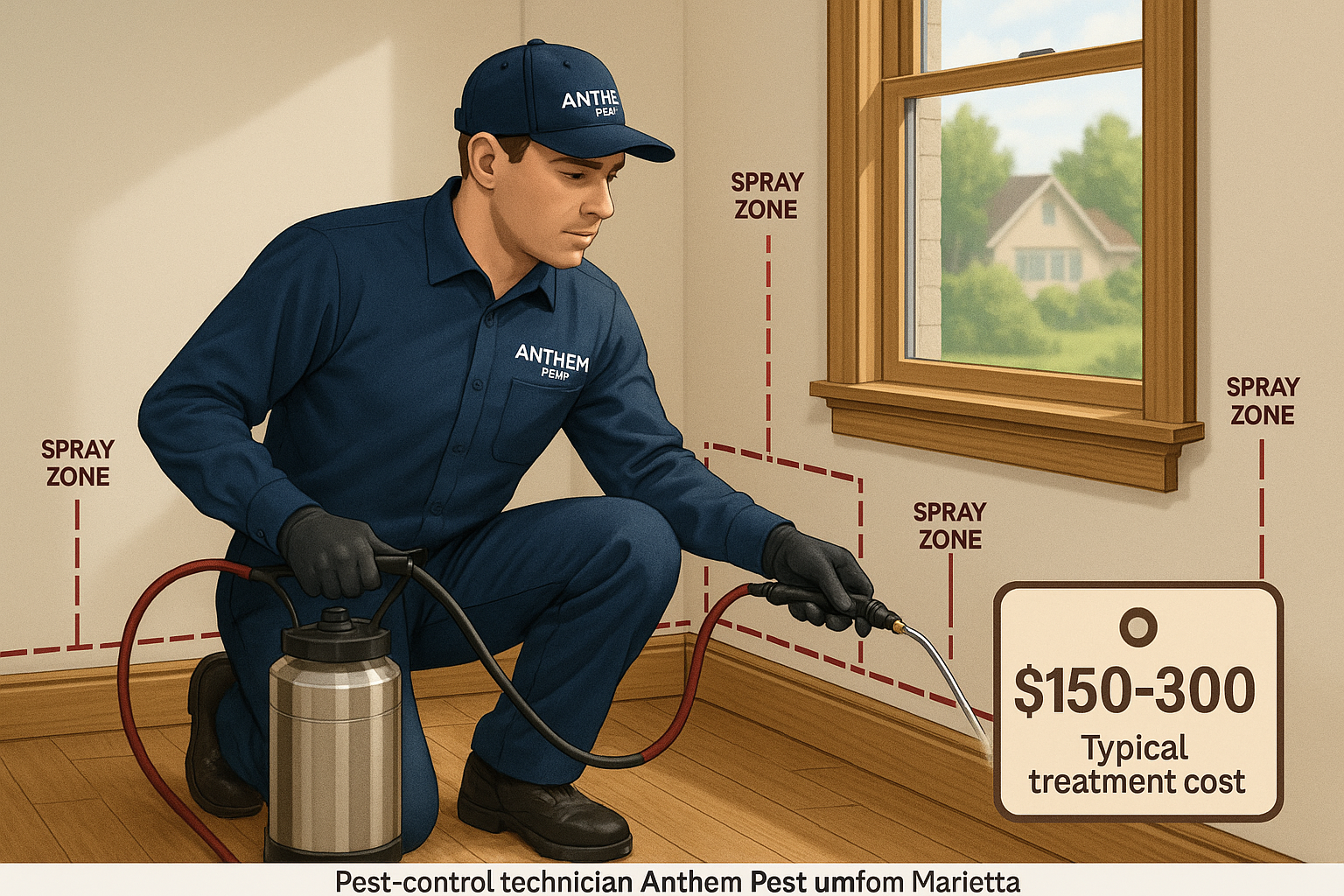
- Targeted indoor residual spray – EPA‑registered insecticides applied to baseboards, wall voids, and under appliances. The residual action lasts 4–6 weeks, keeping newly arriving bugs from establishing.
- Perimeter barrier treatment – a spray or granule applied around the home’s foundation, siding, and landscaping to create a “no‑go” zone.
- Heat‑treatment – for severe cases, portable heaters raise interior temperatures to 120 °F (49 °C) for several hours, killing bugs in insulated spaces where chemicals cannot reach.
These professional solutions are designed for the full life cycle of stink bugs, from nymphs hidden in wall cavities to adults seeking shelter inside. The result is a 70–90 % reduction in active populations, often after just one application.
Why Choose a Licensed Professional?
“Our certified technicians are trained to read the signs of a stink‑bug invasion and to apply EPA‑registered products safely. A licensed pesticide application not only delivers a reliable residual effect but also protects occupants and pets from over‑exposure,” says Jordan Lee, Anthem Pest certified technician.
Anthem Pest relies on products such as bifenthrin, which is listed on the EPA’s Pesticide Product Database as an approved, registered ingredient for indoor and outdoor use against stink bugs. The EPA registration ensures the formulation meets strict efficacy and safety standards, something over‑the‑counter sprays often lack.
Quick Comparison
| Factor | DIY | Professional |
|---|---|---|
| Cost (initial) | Low – $10‑$30 for supplies | Moderate – $120‑$250 per service |
| Effectiveness (heavy infestation) | <30 % | 70‑90 % |
| Safety controls | Limited – homeowner handling chemicals | EPA‑registered products applied by trained staff |
| Long‑term protection | None – needs repeated effort | Residual barrier lasting weeks |
For a homeowner dealing with a few stray stink bugs, a diligent DIY routine can buy time. But once you notice clusters, frequent indoor sightings, or damage to fruit and vegetables, calling Anthem Pest guarantees a scientifically backed, EPA‑compliant solution that protects your family and your home for the season ahead.
What Does Stink Bug Treatment Cost in Marietta?
When a stink bug invasion threatens your kitchen or garden, the first question on most homeowners’ minds is the price tag. Understanding the typical price ranges in Marietta helps you compare quotes, avoid surprise fees, and decide which service level matches your budget and risk tolerance.
| Service Type | Coverage | Price Range |
|---|---|---|
| Single‑treatment indoor spray | Up to 1,500 sq ft | $150 – $250 |
| Full‑home perimeter barrier | Entire property exterior | $250 – $350 |
| Seasonal package (two visits) | Indoor + perimeter, two‑season coverage | $350 – $500 |
The single‑treatment indoor spray targets adult bugs and nymphs inside living spaces. It’s ideal for homeowners who have noticed a sudden spike but want to keep expenses low. The full‑home perimeter barrier creates a chemical shield around the house, stopping bugs before they slip through cracks or windows. This option is popular for families with children or pets because it reduces the need for repeated indoor applications. The seasonal package combines both indoor and exterior work, typically scheduled in early spring and again in late summer, providing continuous protection throughout the peak stink‑bug months.
According to the National Pest Management Association’s 2023 pricing report, the national average for a single stink‑bug visit falls between $200 and $300. Marietta’s single‑treatment range of $150‑$250 sits comfortably below that benchmark, while the full‑home barrier and seasonal package remain competitive when you factor in the added coverage.
To see the real value, consider a common cost‑benefit scenario: a suburban garden that yields $1,200 worth of tomatoes, peppers, and squash each season. An unchecked stink‑bug infestation can chew through up to one‑third of that harvest, translating to roughly $400 in lost produce. Investing $250 in a
Local Expertise You Can Trust – Why Anthem Pest Stands Out
When a stink bug invasion knocks on your door, you need a partner who knows Georgia’s climate, the bugs’ habits, and the safest ways to evict them. Anthem Pest brings more than two decades of on‑the‑ground experience to every Marietta home. Our technicians are fully licensed by the Georgia Department of Agriculture, and each one carries the EPA‑approved products that protect families while delivering rapid knock‑down results.
20 Years of Proven Service
Since 2004, Anthem Pest has been a fixture in Georgia’s pest‑control landscape. Over the years we’ve refined our protocols, built relationships with local extension offices, and stayed current with state‑mandated training. That longevity means we’ve seen every stink‑bug scenario—from isolated indoor sightings to full‑scale backyard colonies—and we know exactly which treatment sequence works best.
Case Study: Whitfield Neighborhood Success
Take the Whitfield neighborhood homeowner who called us after a sudden surge of stink bugs in early summer. After a thorough inspection, we applied two targeted treatments spaced three weeks apart, using a low‑toxicity, EPA‑registered spray. The result? A 90 % reduction in visible bugs and no new complaints after the follow‑up visit. The homeowner praised the quick response and the fact that children and pets were never exposed to harmful chemicals.
Certified, Licensed, and Ready 24/7
Our team’s credentials are more than a badge on the wall. Anthem Pest technicians hold certifications from the National Pest Management Association (NPMA) and maintain active licensing with the Georgia Department of Agriculture—verified annually for compliance. Plus, we back every service with a 24‑hour response guarantee: if pests reappear within a day, we’ll return at no extra charge.
Ready to experience the same peace of mind? Call us now at 877‑371‑8196 or visit our website to schedule a free inspection. Let Anthem Pest put its local expertise to work for you, so you can enjoy a stink‑bug‑free home all season long.
Proactive Steps to Keep Stink Bugs Out – Prevention Checklist
Stink bugs are notorious for slipping through tiny openings and making your home feel like a summer kitchen. The good news? Most of those unwelcome guests can be stopped before they even think about crossing your threshold. Below is a simple, homeowner‑friendly checklist that you can tackle in an afternoon and keep your Marietta house bug‑free all season. These steps are inexpensive, DIY‑friendly, and work hand‑in‑hand with any professional treatment plan you might schedule later.
Weekly/Monthly Prevention Checklist
- Seal cracks and gaps. Walk around the exterior with a flashlight and locate any cracks around windows, siding, or the foundation. Fill them with a silicone‑based caulk – it stays flexible and resists weathering.
- Install door sweeps. Every exterior door should have a sweep that brushes the floor. This blocks the ¼‑inch gaps stink bugs love to crawl through.
- Relocate outdoor lighting. Bright white or ultraviolet bulbs attract insects at night, drawing stink bugs toward your doors and windows. Switch to amber LED lights and position fixtures at least 10 feet away from entry points.
- Remove debris and leaf litter. Piles of leaves, mulch, or garden waste create perfect hiding spots. Rake and compost regularly, especially after the first frost.
- Trim tree branches. Branches that touch or hover within a foot of your home act as bridges for bugs. Prune them back to create a clear air gap.
Seasonal Boost – Early Summer Perimeter Barrier
Stink bugs begin their mass migration from nearby fields in early June. Before they arrive, apply a thin, continuous layer of a low‑toxicity insecticide or a natural botanical spray along the home’s perimeter. This “protective moat” discourages bugs from crossing the foundation and buying you extra time to spot any stragglers.
Real‑World Success
When the Whitfield family in Marietta decided to clean up their yard—removing leaf piles, trimming overgrown shrubs, and sealing the garage door—they reported an 80 % drop in indoor stink‑bug sightings within just two weeks. Their experience shows that a disciplined, seasonal sweep can make a dramatic difference without a single spray.
Ready to turn this checklist into a printable guide? Download the Stink Bug Prevention Checklist (PDF) and keep it handy for your next home‑maintenance day.
Frequently Asked Questions About Stink Bugs
Do stink bugs bite humans?
According to the Centers for Disease Control and Prevention (CDC), stink bugs do not bite or sting people. Their primary defense is the unpleasant odor they release when threatened. In rare cases, a person may experience mild skin irritation after handling a large number of bugs, but this is a reaction to the scent glands, not a bite.
Can I use homemade sprays?
DIY sprays—such as mixtures of soap, essential oils, or vinegar—might knock a few insects down, but they rarely provide lasting control. The problem is two‑fold: the spray often lacks the potency to penetrate hiding spots, and improper concentrations can damage plants, indoor finishes, or even pose health risks to children and pets. For reliable results, a professional formulation that has been tested for safety and efficacy is the smarter choice.
How long does a professional treatment last?
When Anthem Pest applies EPA‑approved products, the residual effect typically protects your home for 4 to 6 weeks. These chemicals are designed to remain active on surfaces where stink bugs travel, creating a barrier that deters new intruders while gradually reducing the existing population. Seasonal factors—temperature, humidity, and the bug’s life cycle—can influence exact duration, so a follow‑up inspection may be recommended for optimal coverage.
Are pets affected?
Pet safety is a top priority for Anthem Pest. The EPA‑approved products we use are classified as low‑toxicity for mammals when applied according to label directions. As long as you keep pets away from treated areas until the product has dried—usually 30 minutes to an hour—there is no cause for concern. Our technicians also take extra precautions around feeding stations and pet bedding to ensure a pet‑friendly environment.
Take Action Today – Protect Your Marietta Home
Here’s a quick reminder of what you need to know to keep stink bugs out of your Marietta home:
- Identify the insects early – look for their shield‑shaped bodies, brown‑gray color, and the characteristic odor when crushed.
- Expect treatment costs between $150 and $350 for a single‑family residence, depending on the size of the infestation and the method used.
- Professional treatment offers targeted insecticide application, heat treatments, and a warranty that protects you from re‑infestations.
- Prevent future invasions by sealing cracks, trimming vegetation away from the house, and scheduling regular inspections each spring.
When it comes to putting those steps into action, Anthem Pest is the trusted partner for Marietta homeowners. Our technicians know the local stink‑bug habits, use EPA‑approved products, and guarantee transparent pricing with no hidden fees.
Request a free inspection or a no‑obligation quote today, and let our team design a customized plan that fits your budget and timeline. We’ll walk you through every step, from initial assessment to post‑treatment monitoring, so you can enjoy a bug‑free home with confidence.
Call 877‑371‑8196 or visit Anthem Pest Control for your complimentary assessment and take the step toward stink‑bug protection.