Why Mosquitoes Matter in Vinings
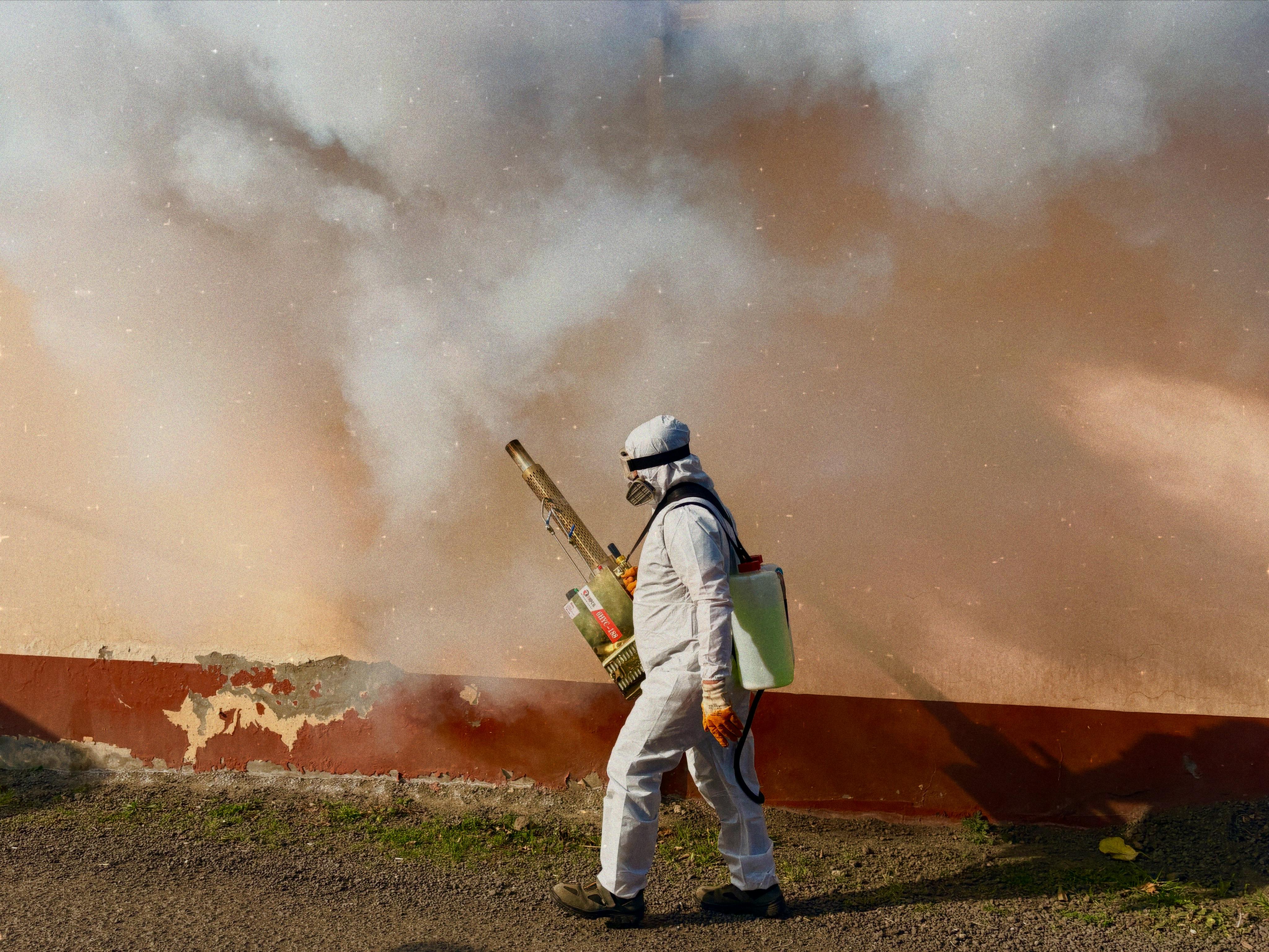
In Vinings, the buzz of a mosquito is more than an annoyance—it’s a warning sign that a hidden health threat may be lurking in your yard. While most homeowners think of mosquitoes as merely irritating, these tiny insects are capable of transmitting serious illnesses that can affect anyone who steps outside.
Mosquito‑borne diseases you need to know
- West Nile virus: Often causes flu‑like symptoms, but can progress to severe neurological complications.
- Zika virus: Particularly dangerous for pregnant women because it can lead to birth defects.
- Eastern equine encephalitis (EEE): A rare but deadly disease that can cause rapid brain inflammation.
Each of these illnesses has been documented in Georgia, and the risk rises sharply when mosquito populations surge during the warm months.
According to the CDC’s 2023 report, Georgia reported 124 cases of West Nile virus last year. While the number may seem modest, the potential for severe outcomes underscores why vigilance is essential for every Vinings homeowner.
How mosquitoes steal your outdoor joy
Imagine a family barbecue on a summer evening—children running on the patio, friends laughing over grilled food, and a gentle breeze keeping everyone comfortable. When mosquitoes appear, that scene can turn into a frantic swat‑and‑scramble, forcing guests to retreat indoors. Frequent bites not only cause itchy welts but also create anxiety about possible disease exposure, leading many residents to limit backyard gatherings, patio dining, and even simple playtime with their kids.
Vinings’ climate fuels the problem
The local climate is a perfect breeding ground for mosquitoes. Warm temperatures accelerate larval development, while high humidity provides the moisture mosquitoes need to survive and reproduce. After a rainstorm, standing water in birdbaths, clogged gutters, or even a forgotten plant saucer becomes a nursery for thousands of larvae, quickly turning a quiet evening into a buzzing nightmare.
Why a professional, data‑driven approach is essential
Because mosquito risk is tied to both disease prevalence and environmental conditions, a one‑size‑fits‑all solution rarely works. Professional pest control companies, like Anthem Pest Control, use local disease data, weather patterns, and property‑specific inspections to design targeted treatments. This scientific approach not only reduces the current mosquito load but also prevents future spikes, giving Vinings homeowners the confidence to enjoy their outdoor spaces without fear.
Common Mosquito Species in Vinings
Aedes albopictus – Asian Tiger Mosquito
The Asian tiger mosquito (Aedes albopictus) is the most frequently encountered pest in Vinings neighborhoods. Recognizable by its bold black‑and‑white striped legs and a small silver‑white patch on the dorsal thorax, this aggressive daytime biter thrives in suburban settings. Female Aedes seek out human blood to develop their eggs, and they are capable of transmitting viruses such as dengue, Zika, and chikungunya. Because they lay eggs just above the water line, a single container that fills and dries repeatedly can hatch dozens of larvae within days.
Culex quinquefasciatus – Southern House Mosquito
Culex quinquefasciatus, commonly called the southern house mosquito, prefers the cooler hours of dusk and dawn. Its dull brown body and banded legs make it less flashy than Aedes, but it is a prolific vector for West Nile virus and avian malaria. Females lay their eggs in organically‑rich, stagnant water where the surface film is thick with algae or decaying matter. In Vinings, you’ll often find Culex breeding in clogged gutters, birdbaths, and the shallow margins of ornamental ponds.
Anopheles quadrimaculatus – Common Anopheles
Anopheles quadrimaculatus is the primary malaria‑capable species found in the southeastern United States, including the Vinings area. Unlike the other two, Anopheles are night‑biters, becoming active after sunset and continuing through the early hours of morning. Their wings bear a distinctive spotted pattern, and females lay eggs on the surface of clean, sun‑lit water that is relatively still. Though malaria is rare locally, Anopheles can still spread other pathogens and cause irritating bites.
Putting the three together, bite‑time patterns are easy to remember: Aedes attacks in full daylight, Culex strikes during twilight, and Anopheles prefers the darkness of night. Knowing when each species is most active helps homeowners plan protective measures—such as applying repellents before heading outdoors or scheduling professional treatments at the optimal time of day.
The breeding habitats in Vinings are surprisingly varied but share one common denominator: standing water. A 10‑ft backyard pond, if left untreated, can produce up to 300 larvae per week, creating a rapid surge in local mosquito populations. Other hotspots include birdbaths that aren’t refreshed regularly, storm drains that collect rainwater, clogged gutters that hold leaf‑laden pools, and even discarded tires or plant saucers. Eliminating or treating these water sources is the most effective first line of defense.
For a complete reference on identification and life cycles, consult the EPA Mosquito Species Guide.
Mosquito Treatment Options Overview
When mosquitoes start turning your backyard into a bite‑filled battlefield, the right treatment can make the difference between endless swatting and peaceful evenings. Below is a side‑by‑side look at the most common professional services and the DIY tools you can deploy yourself, complete with cost ranges, recommended application frequency, and real‑world effectiveness.
Barrier Spray (Professional)
Anthem Pest’s barrier spray applies a residual insecticide to foliage, shrubs, and the exterior of your home. The chemistry clings to plant surfaces for weeks, creating an invisible shield that kills mosquitoes on contact. In Vinings, homeowners typically pay $75‑$120 per treatment, depending on property size and the specific product used. To stay ahead of the breeding cycle, we recommend a re‑application every 2‑3 weeks throughout the season.
Larvicide Treatments
Targeting mosquitoes at the source, larvicides such as Bacillus thuringiensis israelensis (Bti) and methoprene are dropped into standing water where larvae develop. These products break the life cycle without harming fish or pets. Expect to spend $40‑$80 per application, with most homeowners treating ponds, rain barrels, and storm drains. Because water sources can re‑populate quickly after rain, a monthly schedule is often sufficient.
Automated Misting Systems
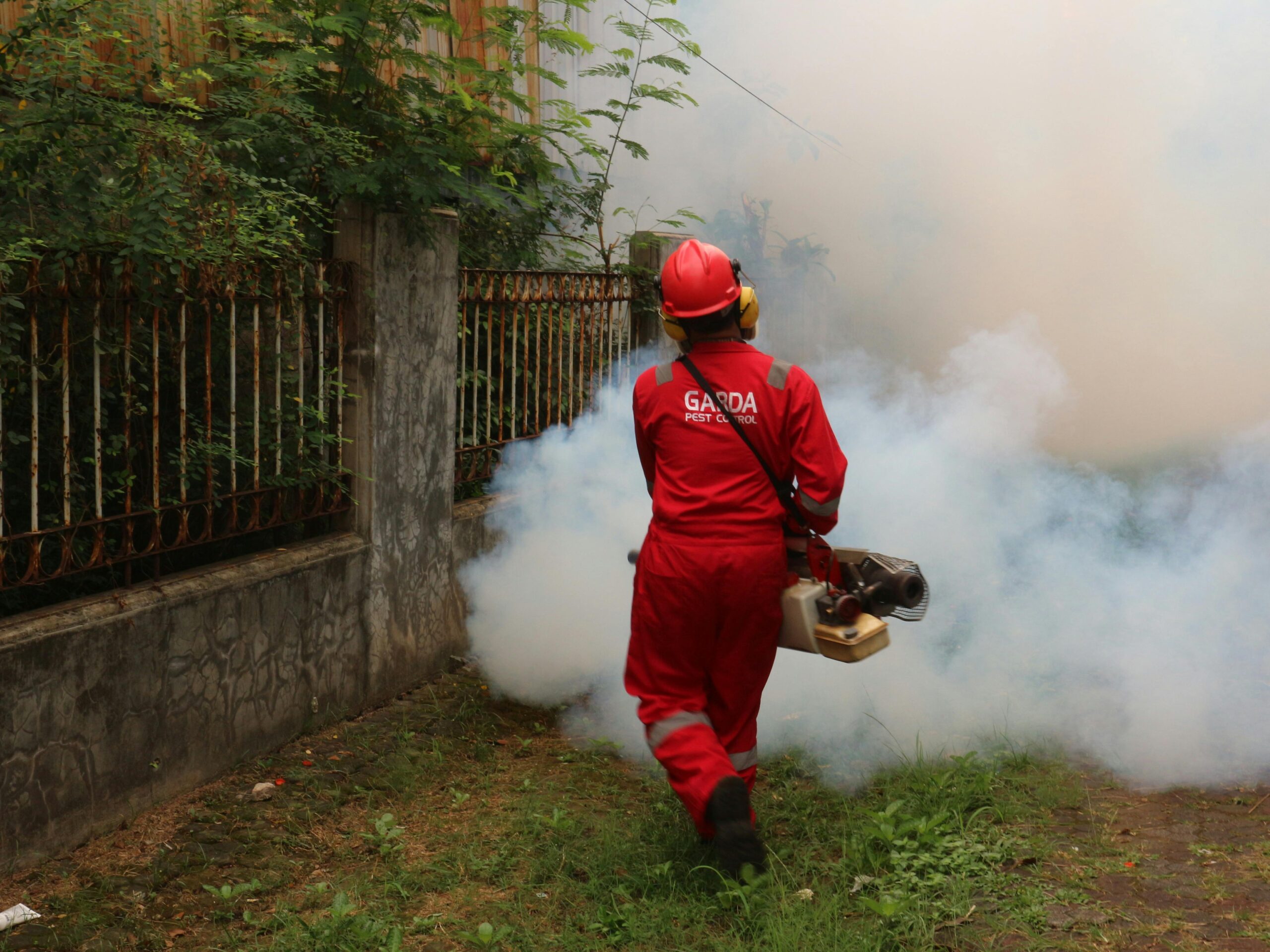
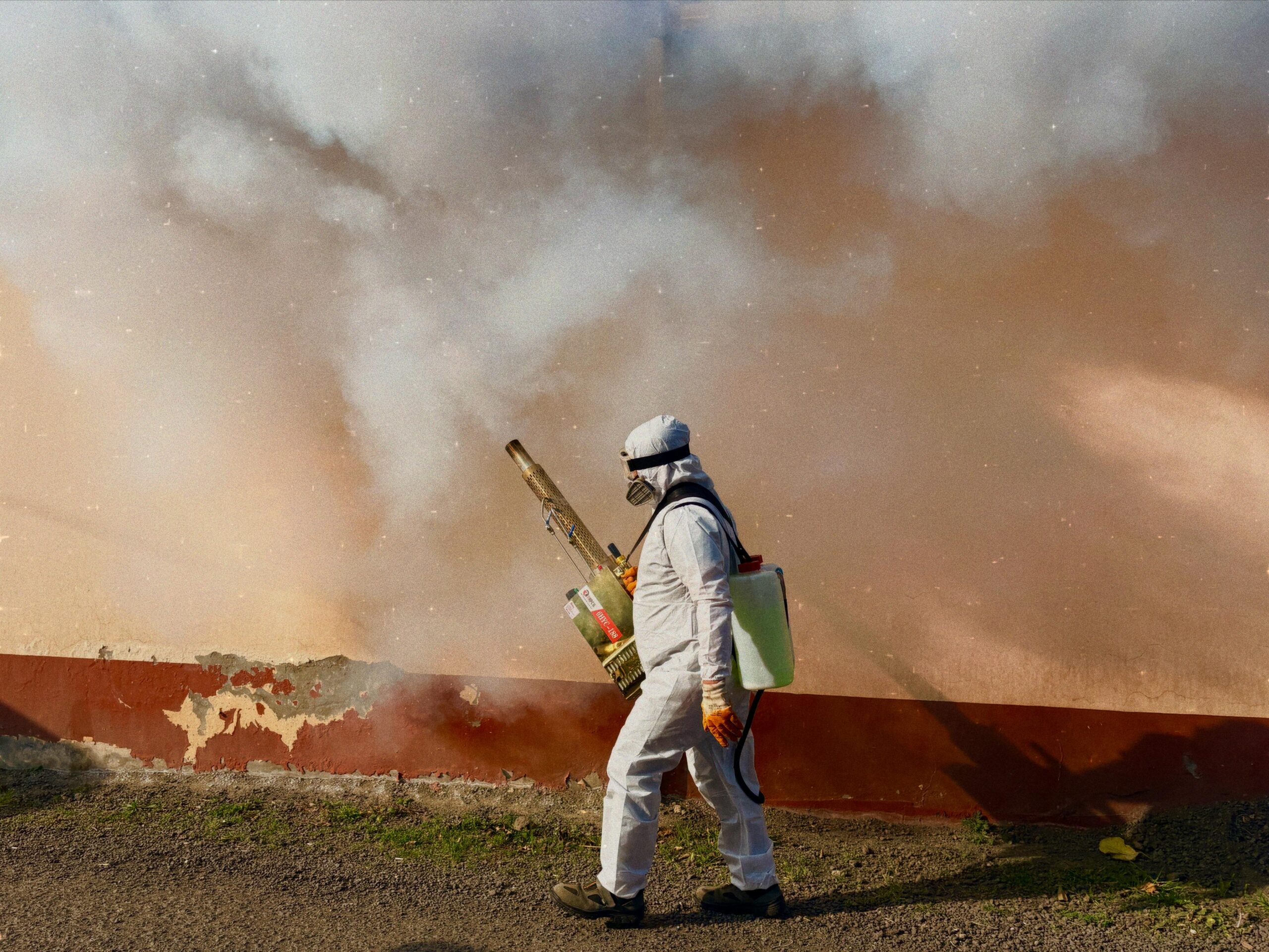
For those who want a set‑and‑forget solution, an automated misting system installs permanent nozzles around the perimeter of the yard. The system releases a fine mist of insecticide on a programmable timer, typically during dusk when mosquitoes are most active. Installation runs $1,200‑$1,800 for a standard 2,500‑sq‑ft yard, with annual refill costs of about $150. Independent research by the National Pest Management Association shows up to a 95% reduction in mosquito counts, making it the most aggressive option available.
DIY Options (Traps, Fans, Repellents)
Do‑it‑yourself methods work best for light infestations or as supplemental measures. Carbon‑dioxide traps, ultrasonic fans, and topical repellents can each lower bite incidents, but they rarely eradicate a thriving population. On average, traps cut bite frequency by ~30%, while fans create a wind barrier that deters low‑flight mosquitoes. If you’re dealing with a heavy infestation, rely on professional services first; DIY tools alone will likely fall short.
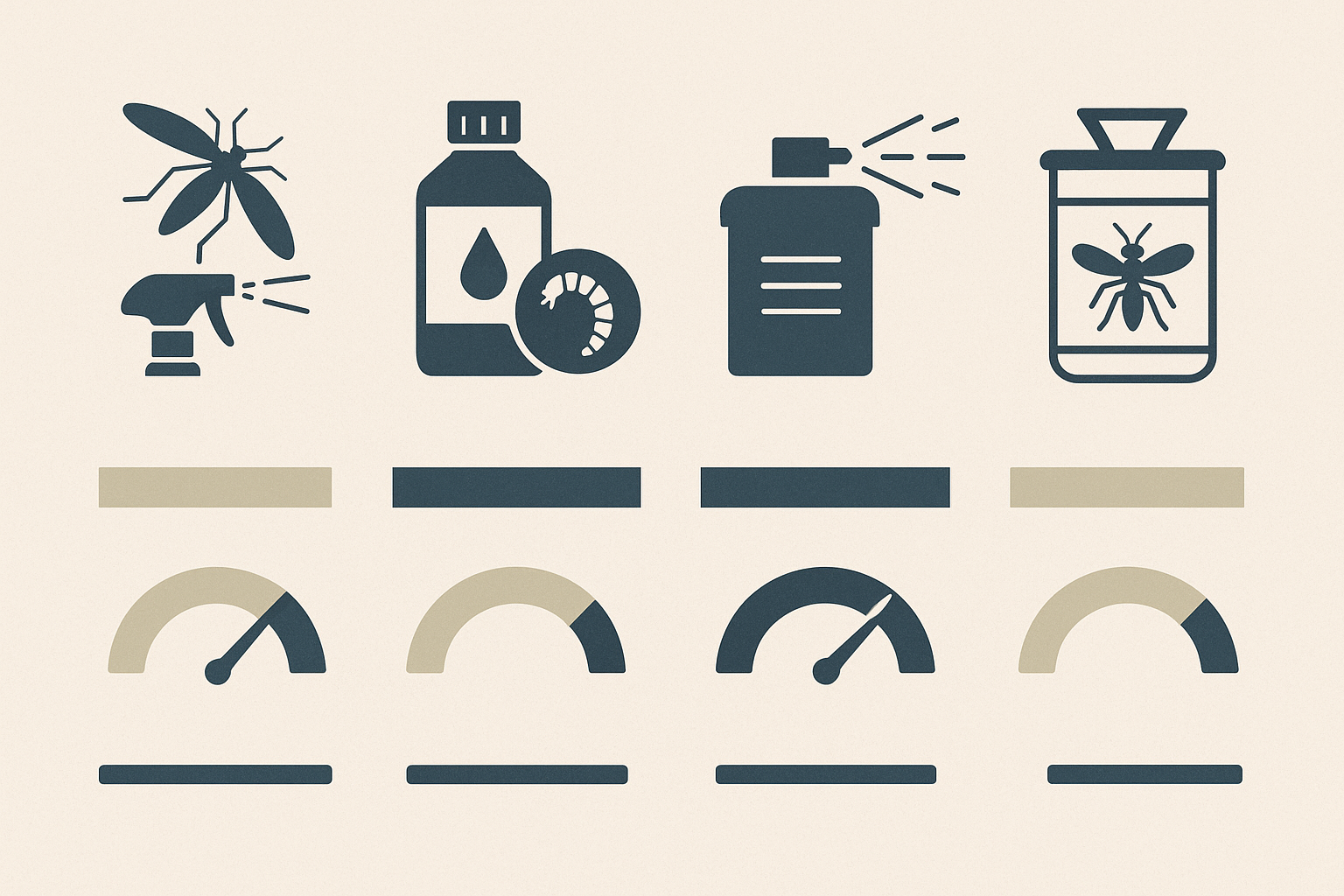
| Method | Cost (per season) | Frequency | Effectiveness |
|---|---|---|---|
| Barrier Spray (Pro) | $225‑$480 | Every 2‑3 weeks | High – kills on contact |
| Larvicide (Pro) | $120‑$240 | Monthly | Medium – stops breeding |
| Automated Misting | $1,350‑$1,950 (incl. install) | Continuous (timer) | Very High – up to 95% reduction |
| DIY Traps & Fans | $30‑$150 | Continuous (plug‑in) | Low‑Medium – ~30% bite reduction |
| Topical Repellents | $10‑$40 (per bottle) | Every 2‑4 hrs | Low – protects individuals only |
In short, professional barrier sprays and larvicides give you reliable, season‑long protection at a modest price, while automated misting offers the most comprehensive shield for a higher upfront investment. DIY tools can supplement these services but rarely replace them when mosquito pressure is high. Choose the option that matches your yard’s size, budget, and tolerance for bites, and you’ll enjoy a bite‑free summer in Vinings.
Understanding Pricing and What You Pay
When you call a professional mosquito‑control company, the invoice can look like a mystery. Knowing exactly what each line item represents helps you compare quotes, avoid surprise fees, and feel confident that you’re getting value for every dollar spent.
Itemized Invoice Sections
- Service fee – The base charge for the technician’s time, expertise, and the application of the mosquito barrier. This fee usually covers the initial inspection and the first treatment.
- Material cost – The price of the chemicals, larvicides, or granules used during the service. Premium, low‑toxicity formulations may cost a bit more, but they often provide longer residual protection.
- Travel surcharge – A small additional amount added when the service location is outside the company’s standard service radius. In Vinings, most neighborhoods fall within the normal zone, so travel fees are rarely applied.
- Taxes – State and local sales taxes are calculated on the subtotal of the service and material charges. These are mandated by law and appear as a separate line on the invoice.
Sample Quote from Anthem Pest
| Service | Cost (USD) |
|---|---|
| Initial inspection | $49 |
| First barrier spray (whole yard) | $99 |
| Follow‑up spray (monthly) | $79 |
This sample breaks down the core components you’ll see on most Anthem invoices. The initial inspection fee is a one‑time charge that verifies mosquito breeding sites and determines the most effective treatment plan. Subsequent barrier sprays keep the adult population at bay, while follow‑up applications maintain the protective layer throughout the peak season.
Optional Add‑Ons
Homeowners with ponds, water features, or heavily vegetated yards often opt for extra larvicide applications. Adding a targeted larvicide treatment can run $30‑$50 per pond, depending on size and depth. Similarly, a “high‑risk” add‑on that treats shaded, low‑traffic areas may increase the total by $20‑$40 per visit. These optional items are listed separately on the invoice, so you can decide whether the added protection fits your budget.
Insurance Considerations
Many homeowner’s insurance policies include limited coverage for pest‑related damage, especially if the infestation leads to structural issues. Anthem Pest is fully insured, and the policy number appears on the invoice for your records. Some insurers even offer rebates or reduced premiums when you maintain a documented, professional pest‑management program. Ask your agent about “pest‑control discounts” and keep a copy of each service invoice as proof of ongoing protection.
Confirming Current Rates
Pricing can vary seasonally, so it’s wise to verify the latest figures before scheduling. Anthem Pest maintains an up‑to‑date pricing page for Vinings residents. Visit the official site to double‑check the numbers and explore any promotional offers that may be available.
Seasonal Timing for Effective Control
In Vinings, Georgia, mosquito pressure follows a predictable rhythm driven by temperature, humidity, and rainfall. Understanding this cycle lets homeowners and pest‑control professionals apply treatments when the insects are most vulnerable, cutting down on bites, disease risk, and the need for repeat applications.
Mosquito Activity Window in Vinings
Field observations and local health reports show that adult mosquito activity peaks from March through October. Early spring brings the first emergence of adult females, while midsummer sees the highest population density as warm nights and abundant standing water create perfect breeding conditions. By late September, cooler evenings and reduced precipitation signal the onset of dormancy, and most species begin to die off or seek shelter.
Optimal Treatment Calendar
- Pre‑season (early March): Apply the first barrier spray across the property. This treatment coats vegetation, fences, and other surfaces before adult mosquitoes take flight, establishing a protective shield that reduces the initial population surge.
- Mid‑season (June): Conduct targeted larvicide applications in known breeding hotspots such as birdbaths, clogged gutters, and low‑lying lawn depressions. At this point, females are laying thousands of eggs, so eliminating larvae curtails the next generation before it reaches adulthood.
- Late season (September): Perform a final barrier spray to mop up any late‑emerging adults and to protect against a secondary spike that can occur after late‑summer rainstorms. This last round helps ensure that the mosquito population stays low as temperatures begin to drop.
Local Climate Factors
| Metric | Average Value |
|---|---|
| Annual Rainfall | 45 inches |
| Average Relative Humidity | 70 % |
Vinings receives roughly 45 inches of rain each year, with the heaviest showers occurring in late spring and early summer. Consistently high humidity—around 70 %—creates a moist environment that speeds egg hatching and larval growth. These conditions make the NOAA Vinings climate summary an essential reference when planning treatment dates.
Why Timing Aligns with the Mosquito Life Cycle
Female mosquitoes lay eggs on the water’s surface; the eggs hatch within 24–48 hours when temperatures stay above 68 °F (20 °C). Larvae then develop over 5–10 days, feeding on organic matter and microorganisms. By scheduling a pre‑season barrier spray in early March, you intercept the first wave of adults before they can reproduce. The June larvicide step targets the vulnerable larval stage, preventing a massive adult boom that typically occurs in July and August. Finally, the September barrier spray tackles any late‑season adults that escaped earlier treatments, ensuring the population collapses as cooler nights set in.
For homeowners, pairing these professional applications with simple yard habits—such as regularly emptying standing water, trimming overgrown vegetation, and fixing leaky irrigation—magnifies the impact. When treatment timing mirrors the mosquito’s own developmental timetable, the result is a quieter, bite‑free summer and a reduced need for costly, reactive pest control later in the season.
Homeowner Prevention Checklist
Keeping mosquitoes at bay starts with simple daily habits that cost almost nothing but pay big dividends in comfort and health. Follow this checklist to turn your yard into a place where mosquitoes simply won’t thrive.
Eliminate Standing Water
Female mosquitoes need water to lay eggs, so removing even the tiniest puddle can break their life cycle. Even after a heavy summer storm, a quick walk around the property can reveal hidden basins that become breeding hotspots.
- Clean gutters and downspouts at least twice a year; debris can trap rain and create hidden pools.
- Cover or drain ornamental pools and birdbaths; empty and scrub them weekly.
- Store tarps, pool toys, and garden containers upside‑down when not in use.
- Check plant saucers, pet water dishes, and clogged sprinkler heads after every rainstorm.
Landscape Management
Well‑kept vegetation reduces shade and moisture, two conditions mosquitoes love. A tidy yard not only pleases the eye, it also deprives mosquitoes of the cool, moist microclimates they need to rest.
- Trim grass to a maximum of 2‑3 inches; short blades dry faster.
- Rake leaf litter and compost piles regularly to eliminate damp hiding spots.
- Plant natural repellents such as citronella, marigold, lavender, or basil around patios and doorways.
- Keep shrubs pruned and space plants to improve airflow.
Physical Barriers
Prevent mosquitoes from entering your home and outdoor sitting areas with simple barriers. Remember, a single screen tear can let in dozens of insects each night, so a quick visual check before bedtime is worth the effort.
- Install tight‑fitting screens on all windows and doors; repair tears promptly.
- Use patio or deck fans; a breeze of 4‑5 mph disrupts mosquito flight.
- Hang fine mesh netting over outdoor dining tables when you plan to eat outside.
Additional Measures
These extra steps add a layer of protection without breaking the budget.
- Swap traditional porch lights for warm‑white LED bulbs, which attract fewer insects.
- Apply an EPA‑registered larvicide to ornamental ponds or water features; follow label directions for safe dosing.
- Consider a natural oil spray—such as neem or rosemary—on dense foliage to deter resting mosquitoes.
Print this checklist, stick it on your fridge, and review it each week. Consistent, low‑cost actions keep your Vinings home comfortable and mosquito‑free.
Why Anthem Pest Control Stands Out in Vinings
Local expertise you can count on
For more than 15 years, Anthem Pest Control has been a fixture in Cobb County, and that longevity translates into a deep understanding of Vinings’ unique micro‑climate. Our certified applicators know how the nearby Chattahoochee River, dense tree canopy, and seasonal humidity create perfect breeding grounds for mosquitoes and other pests. Because we’ve mapped the hot spots—from the shaded lanes of Barrett Park to the bustling streets near Six Flags—our treatments are timed and placed where they’ll be most effective, minimizing repeat visits and keeping your yard comfortable year‑round.
Safety first, always
We treat your home the same way we’d treat our own families. All products we apply are EPA‑registered and specifically formulated to be child‑ and pet‑friendly. Our technicians follow label directions to the letter, using calibrated equipment and low‑drift application techniques that protect neighboring properties and the environment. When you see our branded trucks in the neighborhood, you can rest easy knowing the chemicals on your porch are among the safest on the market.
Customer satisfaction that speaks for itself
Anthem’s reputation in Vinings is reflected in a 4.9‑out of‑5 rating on Google. Homeowners consistently praise our prompt response times, thorough inspections, and the noticeable drop in mosquito activity after just one treatment. Below are a couple of recent testimonials:
“We’ve lived in Barrett Park for 10 years and finally found a pest service that actually listens. The Anthem team explained every step, and our patio is finally mosquito‑free for evenings!” – Emily R., Barrett Park
“The Six Flags area can get crazy in summer. Anthem’s monthly mosquito barrier gave us peace of mind without any harsh smells. Highly recommend!” – Mark T., Six Flags neighborhood
Transparent pricing you’ll understand
There are no hidden fees or surprise add‑ons with Anthem. After our initial inspection, we provide a clear, itemized quote that outlines exactly what’s included—whether it’s a one‑time barrier treatment or a seasonal protection plan. This straightforward approach mirrors the pricing guide discussed in Part 4, so you always know what you’re paying for.
Committed to the Vinings community
Beyond pest control, we invest time in the neighborhoods we serve. Anthem representatives regularly attend homeowner association meetings, offering free educational webinars on identifying mosquito breeding sites and preventing future infestations. By sharing knowledge and resources, we help Vinings residents maintain healthier, more enjoyable outdoor spaces.
When you choose Anthem Pest Control, you’re not just hiring a service; you’re partnering with a locally rooted team that prioritizes safety, transparency, and community well‑being. That combination is why Vinings homeowners continue to trust us for all their pest‑free needs.
Frequently Asked Questions
Homeowners in Vinings often share the same concerns when they consider a mosquito‑control program. Below are concise, SEO‑friendly answers to the most common questions we receive, giving you the confidence to choose the right solution for your yard.
How long does a barrier spray last?
A properly applied barrier spray typically remains effective for two to three weeks. Rainfall, heavy irrigation, and rapid vegetation growth can shorten that window, so we recommend a follow‑up treatment after a significant downpour or when the foliage looks lush again. If you notice a resurgence of biting activity before the three‑week mark, give us a call and we can re‑treat the affected zones.
Are treatments safe for pets?
Yes. We use EPA‑approved products that are low‑toxicity to mammals when applied according to label directions. To maximize safety, keep dogs and cats indoors for about 30 minutes after the spray has dried. This short waiting period allows any residual droplets to settle and ensures your pets stay comfortable. Our technicians also wear protective gear and follow strict application protocols to minimize any residual odor or skin irritation for you and your family.
What if I have a pool or ornamental pond?
Water features are a prime breeding ground for mosquito larvae, but we can treat them without harming fish or plants. During the inspection we discuss options such as Bacillus thuringiensis israelensis (Bti), a naturally occurring bacterium that targets mosquito larvae only. Bti can be applied directly to the surface of pools, fountains, or ornamental ponds and degrades within a few days. For larger bodies of water we may recommend a timed release granule that dissolves slowly, providing continuous control throughout the breeding cycle.
Can I combine DIY traps with professional services?
Absolutely. Professional barrier sprays create a protective perimeter, while traps—like CO₂ or UV light units—help reduce adult mosquito populations in specific high‑traffic zones. Using both approaches gives you an extra layer of peace of mind, especially during peak summer months.
Do I need a contract?
Anthem offers flexibility. You can choose a seasonal plan that covers the entire mosquito season, or opt for a one‑time treatment when you notice activity. Neither option requires a long‑term lock‑in, so you pay only for the service you need.
Sources and Verification
We believe that trustworthy information is the foundation of effective mosquito control. Below is a curated list of the reputable sources we consulted while preparing this guide. Each link takes you directly to the original data or guideline, so you can verify the details yourself.
- CDC Mosquito‑Borne Disease Data – The Centers for Disease Control and Prevention provides up‑to‑date statistics on mosquito‑transmitted illnesses across the United States. Their comprehensive database helps homeowners understand regional risks.
CDC Mosquitoes - EPA Mosquito Control Guidelines – The Environmental Protection Agency outlines best practices for safe, environmentally responsible mosquito management, including chemical and non‑chemical options.
EPA Mosquitoes - NPMA Mosquito Control Market Report 2024 – The National Pest Management Association’s annual report details market trends, pricing benchmarks, and emerging technologies in mosquito control.
NPMA Report - NOAA Vinings Climate Summary – The National Oceanic and Atmospheric Administration supplies localized climate data for Vinings, Georgia, showing temperature and precipitation patterns that influence mosquito activity.
NOAA Vinings Climate - Anthem Pest Official Pricing Page – Our transparent pricing sheet lists the cost of mosquito treatments, service frequencies, and any seasonal discounts available to Vinings homeowners.
Anthem Pricing
Protect Your Home and Enjoy a Bite‑Free Summer
By pairing professional barrier sprays, targeted larvicide applications, and seasonal misting systems with simple homeowner habits—like removing standing water, trimming vegetation, and using screened outdoor furniture—you create a multi‑layer shield that keeps mosquitoes at bay.
This proactive strategy does more than just reduce the annoying buzz; it cuts the risk of mosquito‑borne illnesses, preserves the comfort of your family, and lets you reclaim patios, decks, and backyards for evening gatherings.
When you choose Anthem Pest, you tap into a team that knows Vinings’ micro‑climate, offers transparent, upfront pricing, and uses EPA‑approved products that protect children and pets. Our technicians perform a thorough inspection, customize a treatment plan, and follow up to ensure lasting results—all without hidden fees.
Homeowner habits that boost professional treatment
- Eliminate standing water. Empty bird baths, pet dishes, and clogged gutters weekly.
- Trim vegetation. Keep grass under 6 inches and prune shrubs to improve airflow.
- Use screens. Fit patio umbrellas and outdoor furniture with fine mesh to block entry.
- Apply personal repellents. Combine DEET‑free lotions with treated zones for extra protection.
When these simple steps are paired with Anthem Pest’s seasonal programs, you create a lasting barrier that lets you relax outdoors, host barbecues, and enjoy evenings without worrying about bites.
Ready to enjoy a bite‑free summer without the guesswork? Give us a call at 877‑371‑8196 or schedule a free, no‑obligation inspection online at Anthem Pest Control. Our friendly experts will walk you through every step, answer your questions, and set up a protection plan that fits your budget and lifestyle.