Why Rat Control Matters in Vinings
Living in Vinings offers the charm of tree‑lined streets and close‑knit neighborhoods, but it also creates an ideal backdrop for unwanted guests—rats. These nocturnal rodents aren’t just a nuisance; they pose serious health hazards, can gnaw through the very bones of your home, and thrive in the area’s unique layout. Understanding the risks is the first step toward protecting your family and property.

Health Risks That Can’t Be Ignored
Rats are vectors for several dangerous diseases. Leptospirosis, a bacterial infection, can enter your home through contaminated urine, leading to flu‑like symptoms and, in severe cases, kidney damage. Hantavirus is another concern; inhaling aerosolized droppings or saliva can trigger a respiratory illness with a mortality rate of up to 38 %. The CDC’s recent overview of rodent‑borne illnesses in the Southeast shows a steady rise in reported cases, underscoring why proactive control matters.
Property Damage That Undermines Your Investment
Beyond health, rats chew on virtually anything to keep their teeth trimmed. Electrical wiring is a favorite target, raising the risk of short circuits and fires. Their constant gnawing on wood, insulation, and even plumbing can weaken structural integrity, leading to costly repairs. Moreover, rat droppings and urine leave stubborn stains and emit a pungent odor, contaminating food preparation areas and forcing expensive deep‑cleaning efforts.
Vinings‑Specific Factors That Invite Rodents
The dense residential layout of Vinings, with homes situated close together, provides rats with easy pathways from one property to another. Proximity to green spaces—such as the Country Club at Vinings, Vinings Village, Briarcliff, and West Cobb—offers abundant food sources and shelter. Storm‑drain systems and landscaped yards create hidden corridors and nesting sites, making it effortless for rodents to establish colonies right on your doorstep.
Recognizing these health, structural, and environmental threats sets the stage for the detailed inspection and treatment strategies we’ll explore next, ensuring Vinings homeowners stay one step ahead of rat infestations.
Spotting the Signs: Rat Activity in Your Home
Rats are nocturnal, but the evidence they leave behind is unmistakable during daylight. Recognizing those clues early can turn a costly infestation into a quick fix, and it gives you a solid reason to call a professional before the problem spreads.
What to Look For
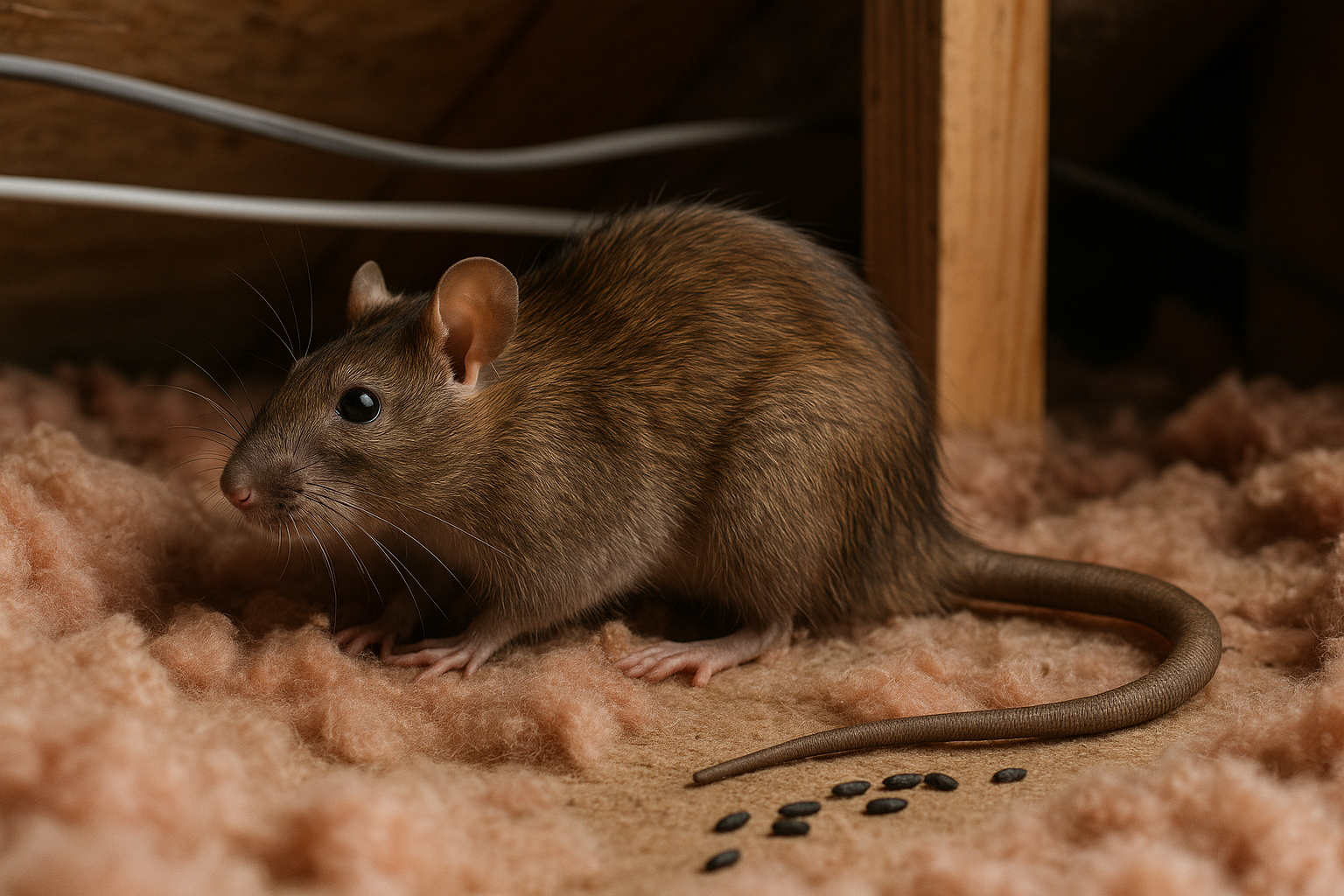
- Dark droppings – small, rice‑shaped pellets that appear along baseboards, in cabinets, or near food sources.
- Gnaw marks – fresh, clean cuts on wood, plastic, or wiring, often near entry points.
- Greasy smears – dark, oily streaks along walls or ceiling corners where rats rub their bodies.
- Nocturnal scurrying noises – scratching or running sounds in attic spaces, walls, or crawl‑spaces after sunset.
Printable Walk‑Through Checklist
Print this list and take a systematic tour of each room. Mark each item with a check (☐) as you go.
- ☐ Dark droppings on floors, shelves, or behind appliances
- ☐ Fresh gnaw marks on wood, plastic, or wiring
- ☐ Greasy smears on walls, corners, or ceiling joists
- ☐ Unexplained noises after dark
- ☐ Evidence of burrows or holes near foundations, vents, or utility openings
- ☐ Signs of nesting material such as shredded paper or insulation
Local Example: A Vinings Country Club Resident
One homeowner at the Country Club at Vinings recently discovered a trail of droppings tucked into the attic insulation above the master bedroom. The pellets were fresh‑brown, indicating active feeding. After a quick visual inspection and a call to Anthem Pest Control, a targeted bait and trap program eliminated the invaders before they could damage wiring or contaminate stored items.
National Perspective
The U.S. Environmental Protection Agency estimates that roughly 30 % of American homes experience rodent activity each year. That statistic underscores how common the problem is, even in well‑maintained neighborhoods like Vinings.
For a typical single‑family home, the EPA’s figure translates to roughly one in three households confronting rats each year. In Georgia’s humid climate, the odds rise even higher, making vigilance a must‑have habit for every homeowner.
Why Early Detection Pays Off
Finding the first droppings or gnaw mark saves you money by limiting the need for extensive structural repairs, expensive electrical rewiring, or costly health‑related remediation. Early action also reduces the risk of disease transmission, food contamination, and the anxiety that comes from hearing unseen critters in your walls. A brief walk‑through today can protect your home, your family’s health, and your peace of mind.
The Norway Rat vs. The Roof Rat in Georgia
Georgia’s two most common rat species look alike at a glance, but their size, shape, and behavior tell very different stories. Knowing these distinctions helps Vinings homeowners spot the right culprit and choose the most effective treatment.
Physical Differences
Norway rats (Rattus norvegicus) are the larger of the pair, typically 9–11 inches long including a short, thick tail. Their fur ranges from brown‑gray to almost black, and they have a blunt, robust head. Roof rats (Rattus rattus), also called black rats, average 6–8 inches, sport a long, hairless tail that can exceed body length, and display a sleek, glossy coat that is usually darker on the back and lighter underneath.
Habitat Preferences
Norway rats favor ground‑level habitats. They dig extensive burrows in soil, mulch, and under dense vegetation, and they’re comfortable nesting near storm‑drain systems or compost piles. Roof rats, true to their name, seek elevated shelter. They climb trees, rafters, and attics, often nesting in ceiling voids, wall cavities, or high‑up storage areas where they’re protected from predators and weather.
Seasonal Activity Patterns
Both species are active year‑round, but their peaks differ. Norway rats increase foraging activity in early spring and late fall when food is scarce on the surface, while roof rats are most noticeable in the warm summer months, taking advantage of the heat to breed rapidly and explore new vertical pathways.
Why Norway Rats Dominate Vinings’ Suburban Yards
Vinings’ residential landscape—spacious lawns, abundant mulch, and proximity to Cobb County’s storm‑drain network—creates an ideal playground for Norway rats. The soft soil makes burrowing easy, and the constant supply of garden waste and pet food provides a reliable food source. Roof rats, which need higher entry points, are less common because many homes in the area have well‑sealed eaves and limited tree canopies directly adjacent to structures.
Rodent Hotspots in Cobb County (Map Snippet Description)
Recent GIS data highlights clusters of rodent activity along the northern edge of Cobb County, especially near the I‑75 corridor and the Chattahoochee River floodplain. These hotspots align with neighborhoods that feature extensive mulched beds and older drainage infrastructure—key indicators of Norway rat presence.
Effective Rat Treatment Strategies for Vinings Homeowners
In Vinings, where residential properties often border wooded areas, a solid Integrated Pest Management (IPM) plan is the backbone of any successful rat control effort. IPM starts with a thorough inspection to locate entry points, nesting sites, and food sources. From there, exclusion—sealing cracks, repairing vents, and installing door sweeps—removes the pathways rats use to invade homes. Coupled with diligent sanitation, such as storing garbage in sealed containers and eliminating outdoor clutter, the environment becomes far less inviting for these opportunistic rodents.
Exclusion & Sanitation
Exclusion is the most cost‑effective line of defense. Seal foundation cracks with steel‑wool and caulk, install door sweeps on all exterior doors, and repair damaged screens. Trim tree limbs and shrubs that touch the house to eliminate bridge routes. Keep firewood stacked at least two feet off the ground and away from the structure, and relocate bird feeders at least ten feet from the home to deny rats easy food sources.
Targeted Baiting
When exclusion and sanitation aren’t enough, EPA‑registered anticoagulant baits provide a proven, low‑risk method to reduce the population. Place bait stations in tamper‑resistant containers along walls, behind appliances, and in attics—areas where rats travel but are out of reach of children and pets. Always wear gloves when handling baits, store them in their original packaging, and follow the label’s dosage guidelines. Proper placement ensures rats consume a lethal dose while minimizing accidental exposure.
Strategic TrappingAnthem Pest’s Local Advantage in Vininsg
When a rat scurries across your kitchen floor, you don’t have time to wait for a generic service. Anthem Pest backs Vinings homeowners with a rapid‑response guarantee—we’re on site within 24 hours of your call. That speed isn’t just a promise; it’s a safety net that stops a small problem from becoming a full‑blown infestation.
Georgia‑Specific Certified Technicians
Our technicians aren’t just licensed; they undergo Georgia‑specific training that covers the state’s climate, building styles, and the rodent species most common in Vinings. That expertise means they know exactly where rats love to hide in the local split‑level homes and townhouses, and they bring the right tools to eradicate them efficiently.
100 % Satisfaction Guarantee & Free Home Assessment
We stand behind every treatment with a 100 % satisfaction guarantee. If you’re not completely happy with the results, we’ll return at no extra cost until the job is done right. Before any chemicals touch your property, we conduct a free, no‑obligation home assessment to pinpoint entry points, identify risk zones, and tailor a plan that fits your budget.
Custom Exclusion Plans for Vinings Housing
Vinings homes feature a mix of historic bungalows and modern condos, each with unique vulnerabilities. Our exclusion strategy is custom‑designed for your specific structure—sealing gaps around utility lines, reinforcing foundation cracks, and installing rodent‑proof vent covers where standard solutions fall short.
Ongoing Monitoring to Keep Rats Out
Elimination is only the first step. Anthem Pest offers an ongoing monitoring program that includes quarterly inspections, bait station checks, and remote sensor alerts. This proactive approach catches any new activity early, ensuring your home stays rat‑free year after year.
“[Vinings customer testimonial placeholder – to be added later]”
Ready to experience a pest‑free home with a company that truly understands Vinings? Visit our website at Anthem Pest or call 877‑371‑8196 to schedule your free assessment today.
Understanding the Cost of Rat Control
What’s on the invoice?
Anthem Pest delivers a transparent bill that separates every service component. The typical line items include:
- Inspection fee: A one‑time charge for a certified technician to locate activity, identify entry points, and map hot spots.
- Bait materials: Rodent‑specific bait stations, tamper‑proof blocks, and any supplemental attractants.
- Trap deployment: Labor for placing snap, live‑catch, or electronic traps in strategic locations.
- Follow‑up visits: Scheduled checks (usually 1‑2 weeks after the initial service) to reset traps, replenish bait, and verify elimination.
Seasonal discounts you can count on
Because rat activity spikes in spring and again in early fall, we offer limited‑time promotions to keep homes safe without breaking the budget. Typical discounts are:
- Spring “New‑Season” offer – 15 % off the total invoice when you schedule before May 15.
- Fall “Harvest” special – 10 % off for appointments set between September 1 and October 15.
Financing made simple
For larger properties or multi‑unit complexes, Anthem Pest provides a 0 % APR financing plan for up to six months. The offer applies to the full service package, requires only a standard credit check, and eliminates any interest‑bearing debt. There are no hidden fees; you only pay the amount agreed upon in the quote.
Professional vs. DIY: a quick cost comparison
The table below highlights the most common cost drivers that homeowners compare.
| Category | Professional (Anthem Pest) | DIY Kit |
|---|---|---|
| Initial out‑of‑pocket cost | $350 – $480 | $80 – $150 |
| Labor & expertise | Included (certified tech) | None (homeowner effort) |
| Effectiveness | 95 % + success rate | 30 % – 60 % success |
| Long‑term savings | Reduced re‑infestation, fewer repeat visits | Higher chance of recurring problems |
While a DIY kit may look cheaper at first glance, the hidden costs of repeated purchases, missed entry points, and potential damage from an ongoing infestation quickly outweigh the upfront savings. Choosing a professional service not only removes the rodents faster, it protects your home’s structural integrity and saves you money over the life of the treatment.
Proactive Steps to Keep Rats Out of Your Vinish Home
Seal Every Possible Entry
Rats can squeeze through openings as small as a quarter‑inch, so a tight seal is non‑negotiable. Install 30‑mm steel mesh over vents, utility openings, and any gaps beneath siding; the metal is too tough for gnawing teeth. Use a high‑quality, exterior‑grade caulk around windows, doors, and pipe penetrations, then finish with weatherstripping to block drafts and critters alike. A quick visual walk‑through each spring will reveal new cracks caused by settling foundations or recent landscaping work.
Eliminate Food Sources
Even a single unsecured trash bag can turn your yard into a five‑star rat buffet. Keep garbage cans under a fitted lid and store them in a garage or shed whenever possible. Pet food should be transferred to airtight containers after each meal; free‑feeding bowls are a magnet for nocturnal foragers. Finally, sweep outdoor patios and decks daily—crumbs left behind after a barbecue are an invitation you don’t need.
Smart Landscape Management
Overhanging branches create natural bridges that let rats leap onto roofs and into attics. Trim any limbs that touch your home and maintain a clearance of at least three feet. Remove leaf piles, wood debris, and compost heaps that sit directly against the foundation; these provide shelter and nesting sites. If you keep a garden, consider raised beds with a hard‑sculpted border to prevent rats from burrowing under the soil.
Schedule Quarterly Inspections
Rats are seasonal opportunists, so a four‑times‑a‑year check‑up aligns with their activity peaks. During each inspection, look for fresh gnaw marks, droppings, and greasy runways along walls or in the attic. A professional pest‑control partner can set up low‑traffic monitoring stations that alert you to early infestations before they become visible.
Follow Local Waste‑Management Ordinances
The Cobb County waste‑management ordinance (see Cobb County Code § 12‑5‑2) explicitly prohibits feeding wildlife, including rodents, in residential areas. Violating this rule can result in fines and, more importantly, encourages rats to associate your property with easy meals. By adhering to the ordinance—using sealed bins, avoiding handouts, and reporting illegal feeding—you reinforce a community‑wide barrier against rat populations.
Implementing these proactive measures creates multiple layers of defense, making your Vinings home far less attractive to rats. Small, consistent actions—sealing cracks, securing food, tidying the yard, and staying compliant with local codes—work together to keep your property rat‑free year after year.
Rat Control FAQs for Vinings Homeowners
Rat control can seem daunting, but the most common questions have straightforward answers for Vinings homeowners.
Are the baits safe for children and pets?
All baits meet EPA standards and are placed in locked, tamper‑resistant stations, so children and pets cannot access the poison. The stations are designed to stay intact for weeks, even in busy households, giving you peace of mind.
What is the typical timeline for a full treatment cycle?
A full program runs 4–6 weeks: initial inspection and bait placement, then weekly checks to refresh bait and verify activity stops. If activity persists, we may add additional stations or switch to a snap‑trap strategy.
What should I expect after the rats are removed?
We finish with a monitoring plan, periodic station checks, and a final walkthrough to ensure entry points stay sealed and give you a prevention guide. We also advise on proper waste storage and landscaping tweaks that deter future incursions.
Quick answers
- Do I need to vacate my home? No. Stay home, but keep kids and pets away from the stations until we remove them.
- How often should I schedule service? Schedule a quarterly visit; add extra treatments after construction or seasonal spikes.
Take Control of Rats Today
Rats aren’t just a nuisance—they carry diseases, chew through insulation, and can damage wiring, flooring, and stored food. Ignoring these threats can lead to costly repairs and health hazards for your family. Professional rodent control offers a cost‑effective, long‑lasting shield that eliminates the problem at its source while protecting your home’s value.
Key benefits of professional rat control include:
- Health protection – eliminates disease‑carrying rodents.
- Property preservation – stops gnawing damage to structures and wiring.
- Cost savings – prevents expensive repairs and repeat infestations.
Anthem Pest brings Vinings‑area expertise right to your doorstep. Our technicians respond within hours, use EPA‑approved treatments, and stand behind every job with a satisfaction guarantee. Because we know the local rodent habits, we target entry points and nesting sites faster than generic services, giving you peace of mind sooner.
If you’re not completely satisfied, we’ll re‑treat at no extra charge, ensuring the job is truly done.
Ready for a free, no‑obligation quote? Call us today at 877‑371‑8196 or schedule your service online. Our transparent pricing lets you see exactly what you’ll pay before any work begins.
Visit Anthem Pest Control to protect your home now.