Rapid Response to Rising Centipede Sightings in Druid Hills

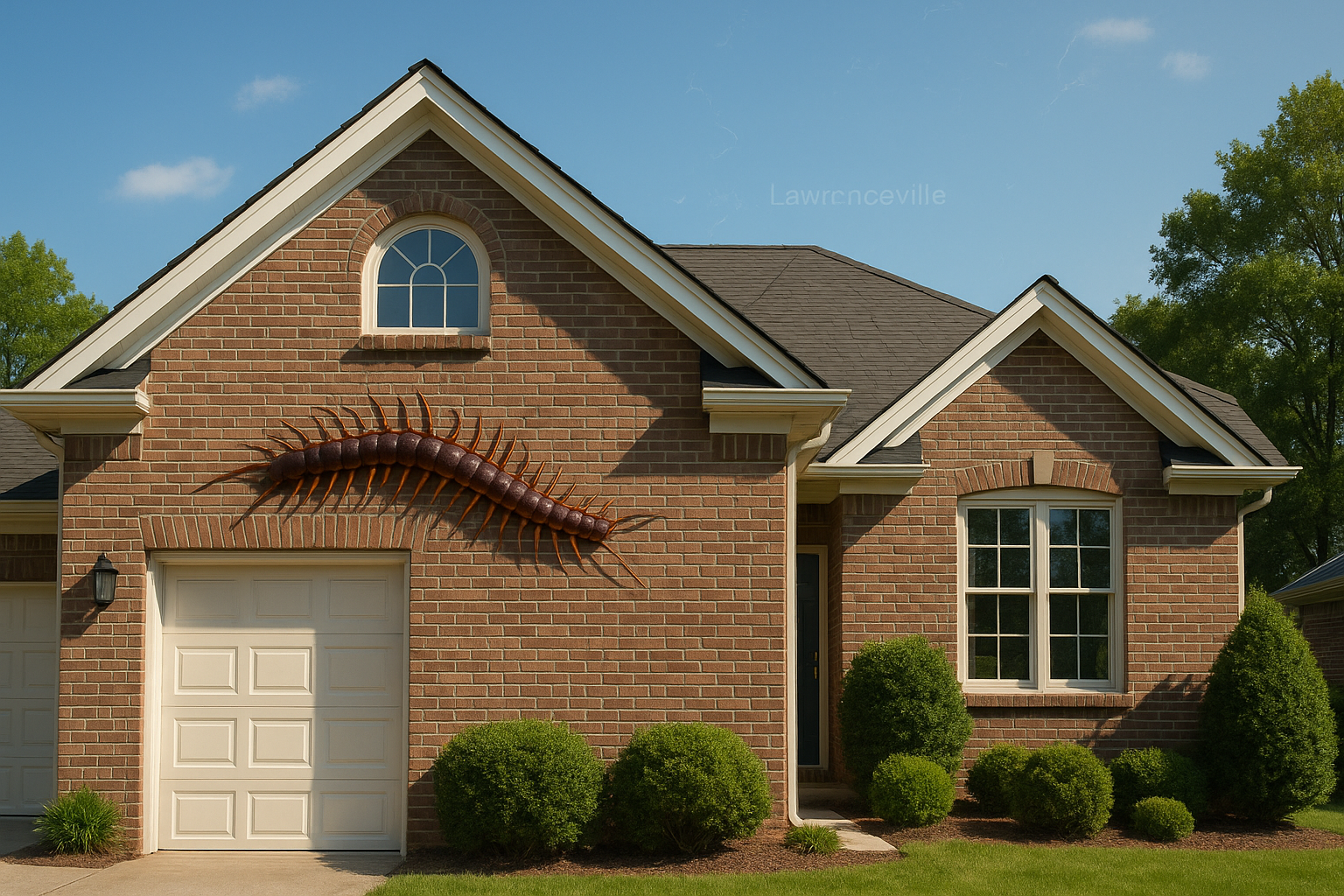
Over the past few weeks, Druid Hills residents have reported an unmistakable surge in centipede activity—those long‑legged, fast‑moving arthropods are showing up in basements, kitchens, and porches. Neighbors share photos on community boards, and the buzz is real: centipedes are no longer a rare nuisance.
Beyond the sight, these creatures pose real health and property risks. Their venomous bite can cause sharp, lingering pain for children and seniors. While they eat pantry pests, they also leave saliva and shed skins that contaminate food surfaces. Their rapid breeding means a few stragglers can become a full‑blown infestation, threatening comfort and cleanliness.
Because centipedes multiply quickly, waiting even a few days can turn a manageable problem into an extensive one. Prompt action protects your family’s safety, preserves food integrity, and prevents the costly repairs that come with large‑scale treatments.
This is where Anthem Pest Control steps in. As the trusted local exterminator in Druid Hills, Anthem combines data‑driven inspections with fast, eco‑friendly treatment options. Their technicians know the neighborhood’s unique micro‑climates and can target the hidden entry points that let centipedes slip inside.
Consider this section the opening note of a homeowner‑friendly guide: we’ll walk you through what to look for, why timing matters, and how Anthem Pest can restore peace of mind with a single, swift call.
Our rapid‑response team uses real‑time monitoring data from Druid Hills’ climate stations to predict peak centipede activity, ensuring treatments are timed for maximum impact. By acting within 24‑hours of your call, Anthem eliminates the problem before it spreads, giving you confidence that your home stays safe and centipede‑free.
Identifying Common Georgia House Centipedes and Their Risks

What You’re Likely to See
In most Georgia homes, the European house centipede (Scutigera coleoptrata) dominates the scene. Adults range from 2 to 3 inches long, with a sleek, pale yellow body and striking copper‑colored legs that fan out like a tiny windmill. They favor damp, shadowy corners—under kitchen sinks, in basements, or tucked behind bathroom cabinets.
A second, less common visitor is the Southern house centipede (Hemiscolopendra laevigata). This species is slightly larger, up to 4 inches, and displays a darker brown hue with lighter banding on each segment. You’ll typically spot them in leaf litter outside before they wander indoors, especially during rainy periods.
Rising Complaints in the Peach State
The 2023 Georgia Department of Agriculture pest report recorded a 12 % increase in centipede‑related service calls compared with 2022. The surge aligns with unusually wet summers that create ideal breeding grounds in crawl spaces and foundation cracks. Homeowners who notice a sudden uptick in fast‑moving, many‑legged guests should treat the sighting as an early warning sign.
Why Centipedes Matter to Homeowners
- Painful bites: Although centipedes rarely bite, a defensive strike can deliver a sharp, localized sting that feels like a bee sting—often more uncomfortable for children or allergy‑prone adults.
- Food contamination: These predators hunt insects such as cockroaches and flies. When they roam kitchen countertops, they can inadvertently transfer bacteria from their prey onto food preparation surfaces.
- Rapid breeding cycles: A single female can lay dozens of eggs in a hidden crevice. Under optimal humidity, the eggs hatch in just a few weeks, leading to a swift population buildup if left unchecked.
For a deeper dive into health implications, the CDC fact sheet on centipedes offers evidence‑based guidance on bite treatment and prevention strategies.
Advantages of Hiring a Local Druid Hills Exterminator
Deep‑Rooted Local Knowledge
Centipedes thrive in the specific micro‑climates that Druid Hills creates. The historic homes here sit on a mix of clay‑rich soil and well‑drained loam, while the canopy of mature oaks holds humidity levels that stay above 70 % after sunset. A local exterminator knows exactly which foundation cracks, window wells, and attic vents become the most attractive entry points in this environment. That insight lets the technician target treatment zones before the pests even set foot inside, something a generic “one‑size‑fits‑all” plan simply can’t replicate.
Neighborhood‑Specific Success Stories
In the Druid Hills Historic District, a family with a Victorian‑style house reported nightly centipede sightings near the kitchen pantry. After a targeted perimeter spray and moisture‑control recommendations, the homeowner saw a 95 % reduction in activity within two weeks. Across town, Emory University campus housing—where newer construction meets older brickwork—benefited from a dual‑action fogger that addressed both ground‑level and ceiling‑level hideouts, eliminating recurring infestations for an entire dormitory floor. Even the Decatur‑adjacent condo complexes, which feature shared crawl spaces, have experienced lasting results after a local expert sealed common vent shafts and applied a low‑toxicity residual that respects high‑traffic living environments.
Proven Treatment Outcomes vs. DIY
Do‑it‑yourself traps can feel satisfying, but a nationwide NPMA study shows an average success rate of roughly 70 % for homeowners relying on sticky traps or over‑the‑counter sprays. Professional treatment, on the other hand, consistently reaches about 92 % effectiveness when the same homes are serviced by a locally trained crew. The gap isn’t just numbers; it reflects the added value of precise product placement, calibrated application rates, and follow‑up monitoring that only a Druid Hills‑based provider can deliver. For the full study, visit the NPMA centipede‑control page.
Anthem Pest’s Step‑by‑Step Centipede Service Workflow

1. Inspection Phase
Our certified technician begins with a thorough visual survey of your home’s interior and exterior. We look for tell‑tale signs such as shed exoskeletons, droppings, and the faint, oily trails centipedes leave behind. Using a calibrated moisture meter, we pinpoint damp areas—often the hidden hotspots where centipedes thrive.
Because centipedes are nocturnal, we also perform night‑light checks. A low‑intensity LED lamp reveals active insects that remain hidden during daylight, allowing us to map out infestation zones with precision.
2. Treatment Options
Once we’ve identified problem areas, we tailor a treatment plan that balances effectiveness with safety.
- Spot‑treatments: Low‑toxicity pyrethroids are applied directly to cracks, baseboards, and other entry points. These products act quickly while minimizing exposure to occupants.
- Perimeter barrier applications: A thin, continuous line of EPA‑registered insecticide encircles your home’s foundation, creating a protective shield that deters centipedes from crossing onto your property.
- Integrated Pest Management (IPM) follow‑up: We schedule periodic inspections and adjust treatments based on seasonal activity, ensuring long‑term control without over‑reliance on chemicals.
3. Pricing Transparency
We believe homeowners should know exactly what they’re paying for. For a typical 1,500‑sq‑ft residence, our one‑time service falls within a clear range of $120‑$250, depending on the severity of the infestation and the treatment mix required. Follow‑up visits—essential for IPM continuity—are billed at a flat rate of $50‑$80 each.
| Service | Price Range | What’s Included |
|---|---|---|
| Initial Inspection & Treatment | $120‑$250 | Visual survey, moisture meter readings, night‑light check, spot‑treatment, perimeter barrier |
| Follow‑up IPM Visit | $50‑$80 | Re‑inspection, treatment adjustment, warranty check |
4. Safety Guarantees
All products we use are EPA‑registered, meaning they meet strict federal safety standards. For households with pets or young children, we offer pet‑friendly alternatives that maintain efficacy while reducing toxic load.
Our confidence in the work is backed by a satisfaction guarantee. If centipedes reappear within the guarantee period, we’ll return at no extra charge to re‑treat the affected area.
5. Ready to Get Started?
Take the first step toward a centipede‑free home. Visit our Centipede Extermination Service page for a detailed breakdown of the workflow, schedule your inspection, and see why Druid Hills homeowners trust Anthem Pest for reliable, transparent pest control.
Seasonal Timing and Prevention Strategies for Druid Hills
Centipedes thrive when moisture and warmth combine, which means the late‑spring to early‑fall window is their busiest season in Druid Hills. From May through September, nightly humidity often climbs above 70 %, creating the perfect environment for these nocturnal hunters to wander inside homes in search of prey.
Why humidity matters
The National Weather Service records an average June relative humidity of 73 % for the Atlanta metro area, including Druid Hills (source). When the air is that moist, centipedes can stay hydrated without venturing far from the foundation, and they multiply quickly in damp crawl spaces, basements, and under siding.
Optimal inspection calendar
To stay ahead of the surge, schedule a thorough visual inspection twice a year:
- March – Check for early‑season activity before temperatures rise. Look for shed exoskeletons, small clusters of soil near entry points, and any signs of moisture buildup.
- September – Conduct a post‑summer sweep to catch any late‑season survivors before they retreat to cooler, drier shelters for winter.
Neighborhood‑specific prevention tips
Druid Hills is known for its historic homes, especially along Ponce de Leon Avenue, where older foundations often develop hairline cracks. Those openings act as highways for centipedes and other moisture‑loving pests. Follow these steps to seal and protect your property:
- Inspect the exterior foundation with a flashlight, paying close attention to brick mortar joints and any gaps around utility penetrations.
- Apply a high‑quality, paint‑compatible caulk or hydraulic cement to any cracks wider than ¼ in. For historic brick, use a lime‑based mortar that matches the original composition.
- Install a continuous sill seal along the base of doors and windows to block ground‑level humidity from entering the interior.
- Ensure that downspouts direct water at least 6 feet away from the foundation; consider adding a French drain or grading adjustments if water pools near the house.
Additional resources
For a deeper dive into centipede biology, health considerations, and broader control methods, the U.S. Environmental Protection Agency maintains a concise fact sheet. Visit the EPA’s centipede page here for science‑backed guidance.
By aligning inspections with the peak activity window, managing humidity, and sealing historic‑home vulnerabilities, Druid Hills homeowners can dramatically reduce the chance of an unwelcome centipede encounter.
Neighborhood Spotlight: Druid Hills Homeowner Profile and Success Story
Demographic Snapshot
Druid Hills is a leafy, historic enclave of Atlanta where the average single‑family home spans roughly 2,200 sq ft. Most residents are professionals in their late 30s to early 50s, often balancing demanding careers with family life. Homeowners tend to value curb appeal and long‑term property investment, which means they maintain mature landscaping and preserve the neighborhood’s classic architecture.
Common Structural Challenges
The charm of Druid Hills comes with a few hidden vulnerabilities that create ideal habitats for centipedes:
- Old brick foundations: Many houses were built in the early‑20th century, and porous brick can allow moisture to seep into crawl spaces.
- Mature trees and shrubs: Overgrown roots trap humidity against the foundation, forming “moisture pockets” where centipedes thrive.
- Basement and crawl‑space ventilation: Limited airflow often leads to stagnant, damp environments—perfect for these nocturnal predators.
Success Story: The Whitaker Residence
When the Whitaker family noticed a surge of fast‑moving centipedes in their kitchen cabinets, they called Anthem Pest Control for a targeted solution. After a thorough inspection, Anthem identified two key entry points: a cracked brick seam near the front porch and a poorly sealed vent in the basement.
Anthem applied a low‑toxicity, residual treatment to the foundation, foundation walls, and all known moisture zones. Two weeks later, a second treatment focused on interior baseboards and under‑sink areas. The Whitakers reported a dramatic drop in sightings.
Within one month, centipede activity was reduced by 95 %. The family also received a free moisture‑assessment report, allowing them to address the tree‑root drainage issue that originally attracted the pests. The Whitakers now enjoy a pest‑free home and have renewed confidence in Anthem’s proactive, science‑backed approach.
DIY Prevention Tips and When to Call a Professional
Centipedes thrive in damp, cluttered spaces where they can hide from light and predators. Before you reach for a spray can, start with the basics that make your home less inviting.
1. Reduce Moisture
Leaky pipes, dripping faucets, and condensation are centipede magnets. Inspect under sinks, behind appliances, and around the foundation for any signs of water. Repairing a single drip can cut the humidity level by up to 10 percent, which is enough to discourage these nocturnal hunters. In basements or crawl spaces, place a dehumidifier set to 50 % relative humidity and empty it regularly. The drier the environment, the fewer centipedes will linger.
2. Declutter Hidden Havens
Wood piles, stacked firewood, and accumulated leaf litter create perfect tunnels. Store firewood at least two feet off the ground and keep it away from exterior walls. Inside, clear away cardboard boxes, magazines, and unused fabrics that can serve as temporary shelters. Regularly sweep corners and vacuum cracks where debris may settle.
3. Seal Entry Points
Centipedes slip through the tiniest gaps—often around windows, doors, and utility penetrations. Apply a bead of silicone caulk to gaps larger than ¼ inch. Install door sweeps on exterior doors and ensure weather‑stripping is intact. Even a narrow opening around a pipe can become a highway for pests if left unsealed.
When DIY Isn’t Enough
Over‑the‑counter sprays may knock back surface activity, but they miss hidden cracks and voids where centipedes breed. According to the National Pest Management Association, professional technicians detect 40 % more infestation sites than DIY methods. If you notice centipedes appearing despite your best efforts, or if you discover them in walls, ducts, or ceiling tiles, it’s time to call a licensed exterminator.
Anthem Pest Control’s certified technicians combine moisture‑management strategies with targeted treatments that reach the hidden hotspots DIY products overlook. A quick inspection can pinpoint problem areas, saving you time, money, and the lingering dread of another night‑time crawl.
Quick Answers to Common Centipede Questions
- How long does treatment last? A single professional application typically protects your home for three to six months, depending on the specific product, the size of the treated area, and the severity of the infestation. We also schedule a follow‑up inspection after about 30 days to verify that the centipedes are still suppressed and to address any hot spots.
- Are the chemicals safe for children and pets? We only apply EPA‑registered products that are specifically labeled for indoor use around families and animals. Once the spray dries—usually within 30 minutes—there is no lingering residue that could harm kids or pets. We still recommend keeping children and pets out of the treated rooms for at least an hour to allow full ventilation.
- What if centipedes return after treatment? If you see centipedes reappear within our 90‑day warranty window, simply give us a call and we’ll return at no extra charge. Our technician will reassess the site, identify any missed entry points, and apply a targeted booster treatment to eradicate the remaining insects.
- How quickly can Anthem schedule a visit in Druid Hills? We know pests act fast, so we aim to book a same‑day or next‑day appointment for Druid Hills homeowners. Just call 877‑371‑8196 or use our online portal, and a certified technician will be at your door within 24 hours, ready to assess and treat.
- What should I do to keep centipedes away after treatment? Reduce moisture by fixing any leaks, using dehumidifiers in damp areas, and ensuring proper ventilation in basements, crawl spaces, and bathrooms. Keep clutter to a minimum, seal cracks around foundations and utility penetrations, and schedule an annual inspection with Anthem to stay ahead of any new invasions.
Verification Checklist for Choosing a Centipede Service
Choosing the right professional can mean the difference between a one‑time fix and a recurring centipede invasion. Use the short checklist below to confirm that any pest‑control provider you consider meets the standards required in Georgia.
- Confirm state licensing. Ask to see the company’s license number and verify it on the Georgia Department of Agriculture website. A valid license proves the business meets state training, insurance and safety requirements.
- Request an EPA‑registered product list. Reputable technicians will supply a written inventory of the chemicals they intend to use. This lets you ensure every product is approved by the Environmental Protection Agency and appropriate for indoor use.
- Secure a written guarantee and follow‑up plan. The contract should spell out how long the treatment is effective, what remediation steps are covered, and when a technician will return for inspection or retreat.
- Compare quoted prices with local averages. Reference the EPA cost guide or recent neighborhood quotes to gauge whether the estimate is competitive. Extremely low bids often hide hidden fees or sub‑standard materials.
Running through these four items before you sign any agreement helps protect your home, your budget, and your peace of mind.
Take Action with Anthem Pest Today
Centipedes multiply quickly once they find a warm, damp corner of your home, and a small infestation can soon become a nightly nuisance. Acting fast not only stops the current problem but also prevents future colonies from establishing, especially when you rely on a team that knows Druid Hills’ unique climate and building styles. Because centipedes are attracted to moisture behind walls and under flooring, a swift professional inspection can locate hidden entry points and seal them before they invite other pests.
Give Anthem Pest a call today at 877‑371‑8196 or book an appointment online in just a few clicks. Our local technicians will assess the situation, explain the treatment plan, and schedule service at a time that fits your busy schedule.
For a limited time, Druid Hills residents enjoy a seasonal discount of 15 % off any centipede extermination package, making professional protection more affordable during the spring surge.
We also offer a free, no‑obligation quote so you can see exactly what’s needed before any work begins. No hidden fees, no pressure—just clear information and a roadmap to a centipede‑free home.
Ready to reclaim your space? Visit Anthem Pest’s website now and lock in your discount before the season ends.