Why Knowing Silverfish Control Costs Matters
Silverfish are small, wingless insects that thrive in the humid corners of Georgian homes—think basements, kitchens, and bathrooms where moisture lingers. Their silvery, fish‑like scales make them easy to spot, but their presence often goes unnoticed until they’ve multiplied behind walls, under cabinets, or in laundry rooms.
Beyond being a nuisance, silverfish can cause real financial damage. They chew through paper, book bindings, wallpaper, and even delicate fabrics, leaving costly holes and stains. While they’re not known carriers of disease, their shed skins and droppings can trigger allergic reactions in sensitive residents, adding a health dimension to the problem.
Understanding the price tag of silverfish control before an outbreak escalates is essential for any homeowner. Early intervention prevents the pest from spreading to new rooms, which would otherwise require more extensive— and expensive—treatments. By budgeting for a professional assessment and treatment plan, you avoid surprise invoices and protect your home’s value.
This article’s purpose is simple: deliver clear, transparent cost data for silverfish control in Lawrenceville, Georgia, so you can plan confidently. We’ll break down the typical pricing structures, explain what factors influence those numbers, and show how Anthem Pest, a local expert in safe and affordable pest solutions, can tailor a plan that fits your budget while delivering lasting results.
In the sections that follow, you’ll learn how to identify a silverfish infestation, compare one‑time versus ongoing treatment options, and discover tips for preventing future invasions—all backed by real‑world cost examples you can trust.
Identifying Silverfish and Their Habits
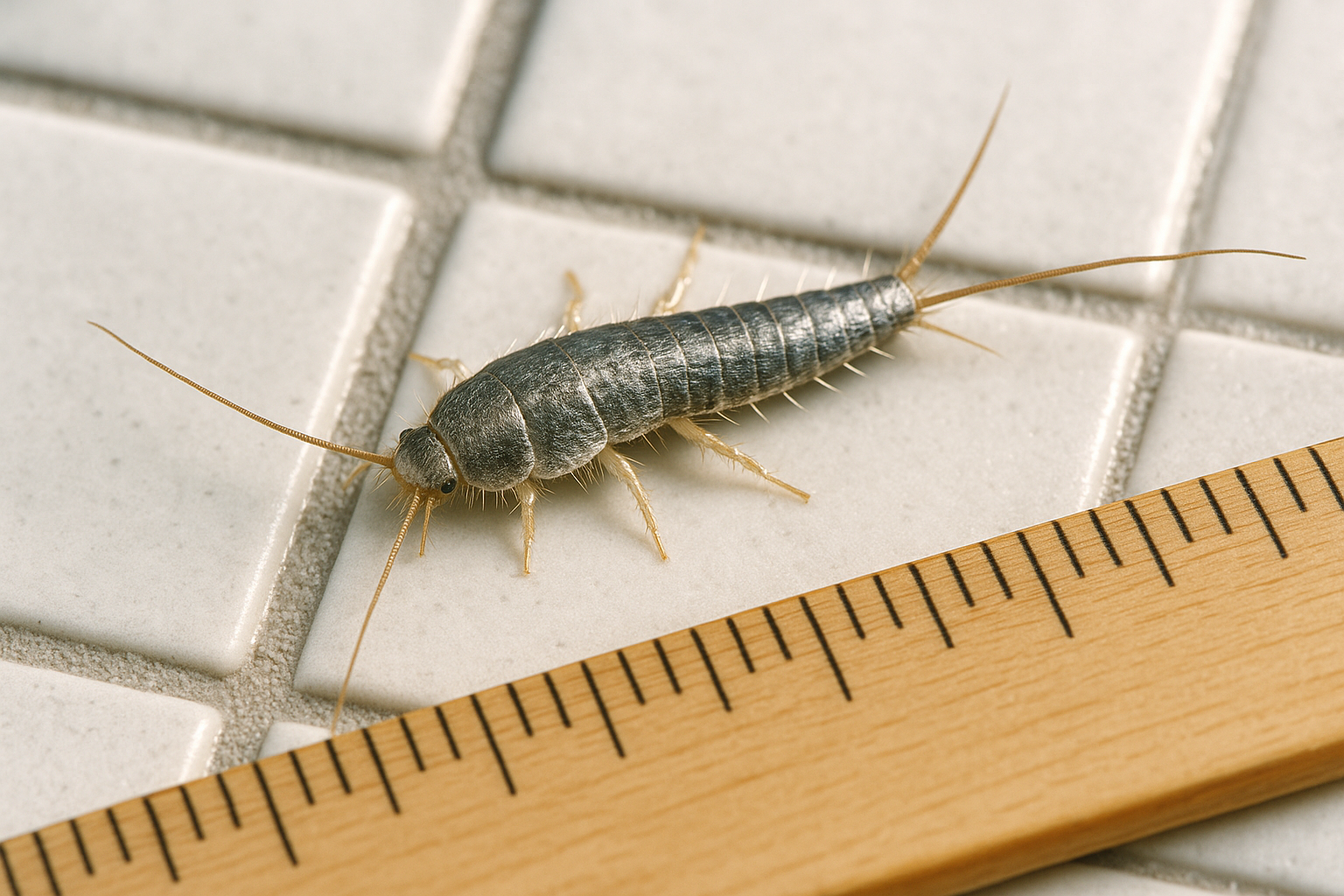
Silverfish are small, silvery‑gray insects that get their name from the way they glide through a home—like a tiny fish swimming in water. An adult measures roughly one‑half to three‑quarters of an inch long, with a flattened, elongated body and three long, tail‑like appendages that curve gently at the end. Their bodies are covered in tiny, overlapping scales that catch the light, giving them a subtle metallic sheen that makes them easy to spot on a dark countertop or bathroom tile.
Life Cycle at a Glance
Silverfish develop through three stages: egg, nymph, and adult. A female can lay anywhere from 50 to 100 eggs over several weeks, depositing them in cracks, crevices, or behind wallpaper. The eggs hatch into nymphs that look like miniature adults but lack the full scale coverage. Nymphs molt many times—sometimes up to 18 molts—before reaching maturity. Once fully grown, a silverfish can live up to three years, reproducing continuously throughout that time if conditions remain favorable.
Where They Thrive in Lawrenceville Homes
These pests love moisture. In Lawrenceville’s humid climate, they gravitate toward damp, dark locations where food sources such as paper, glue, or starches are plentiful. Typical hotspots include:
- Bathrooms and shower stalls
- Under kitchen sinks and around leaky pipes
- Attics with poor ventilation
- Basements that have minor water intrusion
- Closets with stored books, magazines, or cardboard boxes
Because silverfish can survive several weeks without water, even a small, unnoticed leak can turn a harmless nook into a thriving colony.
Why They Matter
According to the National Pest Management Association (NPMA), silverfish rank in the top 5 indoor pests in the Southeast. While they don’t bite or transmit disease, their appetite for starchy materials means they can damage wallpaper, book bindings, clothing, and even the glue that holds your kitchen cabinets together. Over time, a modest infestation can lead to costly repairs and an unsightly home environment.
Real‑World Example from Lawrenceville
Imagine a homeowner in Lawrenceville noticing a handful of silvery insects scurrying across the tile behind the kitchen sink. Upon closer inspection, they discover a slow‑dripping pipe that has created a damp patch under the cabinet. That tiny moisture source is a perfect invitation for silverfish, which will quickly multiply if the leak isn’t fixed and the area isn’t treated.
What Drives the Price of Silverfish Control?
When you call a professional like Anthem Pest Control, the quote you receive isn’t a random number—it reflects a handful of concrete factors. Understanding each component helps you see where you’re getting value and why a one‑size‑fits‑all price simply doesn’t exist for silverfish control in Lawrenceville.
Inspection Fee: The First Step
Most reputable companies charge an inspection fee ranging from $75 to $120. This fee covers a thorough walkthrough of your home, identification of entry points, and a visual assessment of moisture sources that attract silverfish. Technicians also use flashlights and moisture meters to locate hidden infestations. The fee is usually applied toward the total cost if you choose to move forward with treatment, so it’s not an extra charge you’ll lose.
Property Size Brackets
Square footage directly influences labor time and the amount of product needed. Anthem groups homes into three brackets:
- ≤ 1,500 sq ft – Small homes or apartments typically require 1–2 technician visits and a modest amount of bait or spray.
- 1,500‑3,000 sq ft – Medium‑sized houses need a broader coverage area, often resulting in an extra hour of labor and additional treatment zones.
- > 3,000 sq ft – Large properties may involve multiple floors, basements, and attics, which can double the labor cost and increase product usage.
Because labor is billed by the hour and product quantities scale with space, you’ll see a clear price jump as you move up each bracket.
Severity Levels: From Light to Severe
Silverfish populations are classified by how many insects you’re actually seeing and where they’re congregating:
- Light – A few occasional sightings in the kitchen or bathroom. A single DIY trap or a spot‑treatment by a technician usually suffices.
- Moderate – Multiple hotspots, such as the pantry, laundry room, and a bathroom. This often requires a combination of bait stations and a full‑house spray.
- Severe – Widespread activity throughout the home, including hidden areas like crawl spaces and attic insulation. Professional heat treatment or a comprehensive chemical program becomes necessary.
Each step up in severity adds roughly 15‑30% to the base price because more product, more time, and sometimes more specialized equipment are required.
Treatment Type Comparison
Homeowners have three main pathways:
- DIY traps – Glue boards or pheromone traps cost $10‑$30 each. They’re inexpensive but only effective for light infestations and require diligent placement.
- Professional chemical application – EPA‑registered sprays and dusts applied by a certified technician. This method targets both visible insects and hidden larvae, typically costing $200‑$350 for a medium‑size home.
- Heat treatments – Raising interior temperatures to 120‑130°F eradicates eggs and nymphs without chemicals. It’s the premium option, often ranging from $500‑$800, but it’s the most thorough for severe cases.
Choosing a method depends on the severity level you’re dealing with and your comfort with chemicals.
Frequency Considerations
Silverfish thrive in damp environments, so a one‑time service may only offer temporary relief. Many homeowners opt for:
- One‑time service – Ideal for light infestations; cost is limited to the initial treatment.
- Quarterly preventive program – Four visits per year, each including inspection, bait replacement, and a light spray. This spreads the expense over time (often $150‑$200 per visit) and keeps humidity‑related re‑infestations at bay.
While the upfront price of a quarterly plan appears higher, the long‑term savings from avoiding repeat calls can be significant.
Seasonal Demand Impact
Lawrenceville’s humidity spikes in summer, creating the perfect breeding ground for silverfish. Demand for treatments climbs, and many pest companies adjust rates by 5‑10% during the peak months of June through August. Conversely, winter months see lower humidity and often lower pricing, though the risk of indoor infestations can still persist in poorly insulated homes.
By weighing inspection fees, property size, infestation severity, treatment type, service frequency, and seasonal timing, you can decode the quote you receive and make an informed decision that protects your home without surprise costs.
Lawrenceville, GA Silverfish Control Cost Breakdown
Living in Lawrenceville means dealing with a unique mix of climate and older homes that can invite silverfish. Before you call a technician, it helps to know what you’ll actually spend. Below is a clear, side‑by‑side look at the most common service options you’ll encounter from local pest‑control firms, including Anthem Pest Control, and how the numbers stack up against the state‑wide cost survey released by the Georgia Department of Agriculture.
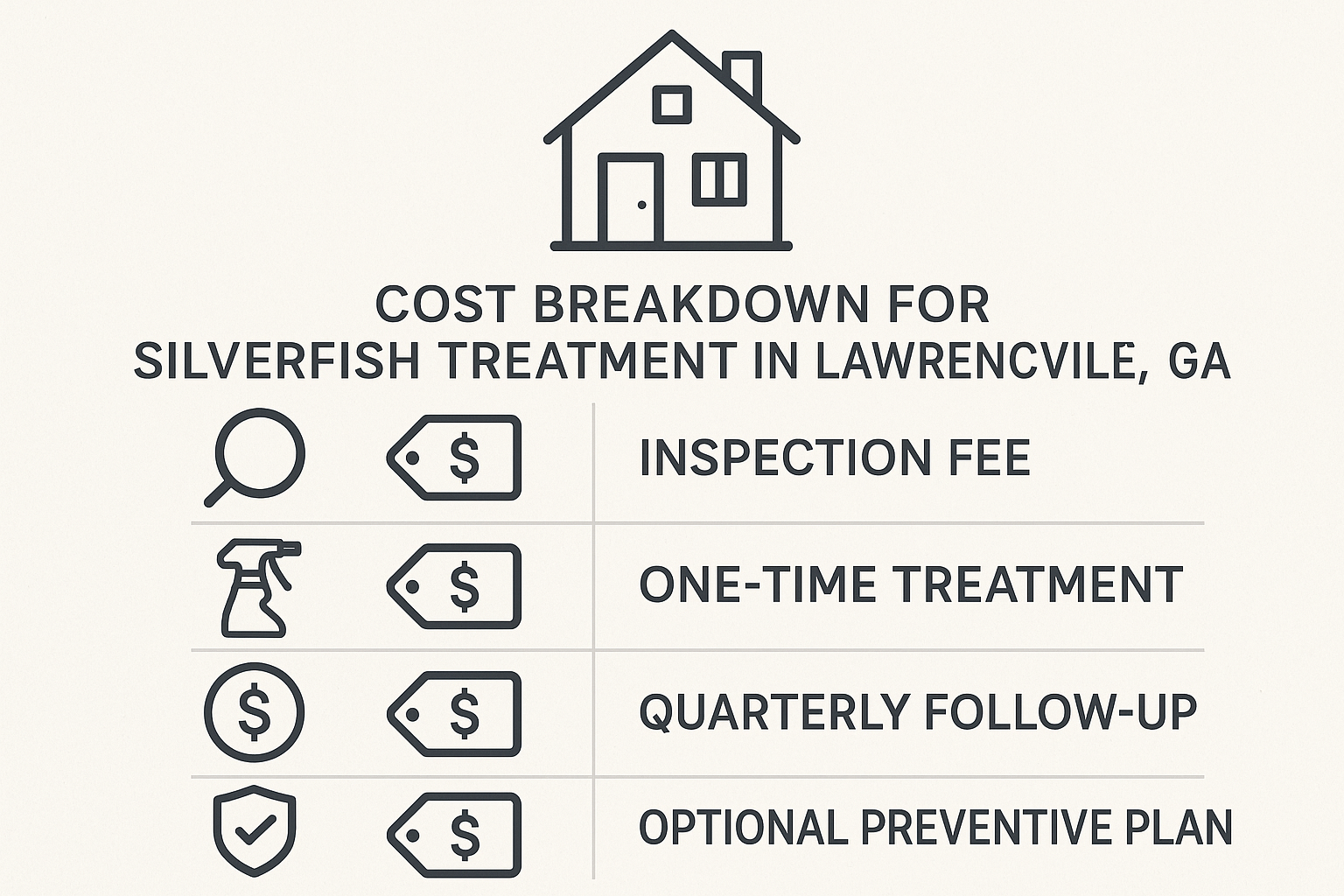
Here’s a quick‑reference table that breaks down the typical price ranges you’ll see on a Lawrenceville invoice. All figures are expressed in U.S. dollars and represent the range most homeowners report paying in 2023.
| Service | Price Range |
|---|---|
| Inspection only | $75 – $120 |
| One‑time professional treatment | $150 – $250 |
| Quarterly follow‑up package (4 visits/year) | $400 – $600 total |
| DIY kit (traps & boric acid) | $30 – $70 (reference only) |
The figures above align closely with the Georgia Department of Agriculture pest‑control cost survey 2023, which collected data from over 200 licensed operators across the state. That survey found Lawrenceville’s average inspection fee sits at $97, while the median cost for a full quarterly package is $520. Anthem Pest Control’s transparent pricing model mirrors these averages, giving homeowners a reliable benchmark before any work begins.
“Switching to the quarterly plan saved me $150 compared to paying for separate treatments each spring.” – Emily R., Lawrenceville homeowner
Why do these numbers look the way they do? Lawrenceville’s humidity levels hover between 60 % and 75 % during the summer months, creating the perfect environment for silverfish to thrive in dark, damp spaces such as basements and crawl‑spaces. In addition, much of the city’s housing stock was built before the 1990s, featuring older plaster walls and wooden flooring that can absorb moisture. Those conditions mean infestations often spread faster, prompting many residents to opt for the quarterly follow‑up package rather than treating each outbreak individually.
The DIY kit option, while the cheapest on paper, usually includes a handful of glue traps and a small container of boric acid. It can be effective for a light, isolated problem, but most Lawrenceville homes require a more comprehensive approach. Professional treatments combine targeted insecticide applications with moisture‑reducing recommendations—such as fixing leaky pipes and improving ventilation—to break the silverfish life cycle for good.
Understanding these price ranges empowers you to compare quotes with confidence. When a pest‑control company presents a figure outside the typical band, ask for a detailed explanation of what’s included—whether it’s a one‑time spray, a full‑service monitoring plan, or additional preventive steps. Transparent pricing not only protects your budget but also ensures the chosen method aligns with Lawrenceville’s specific environmental challenges.
How Professionals Eliminate Silverfish
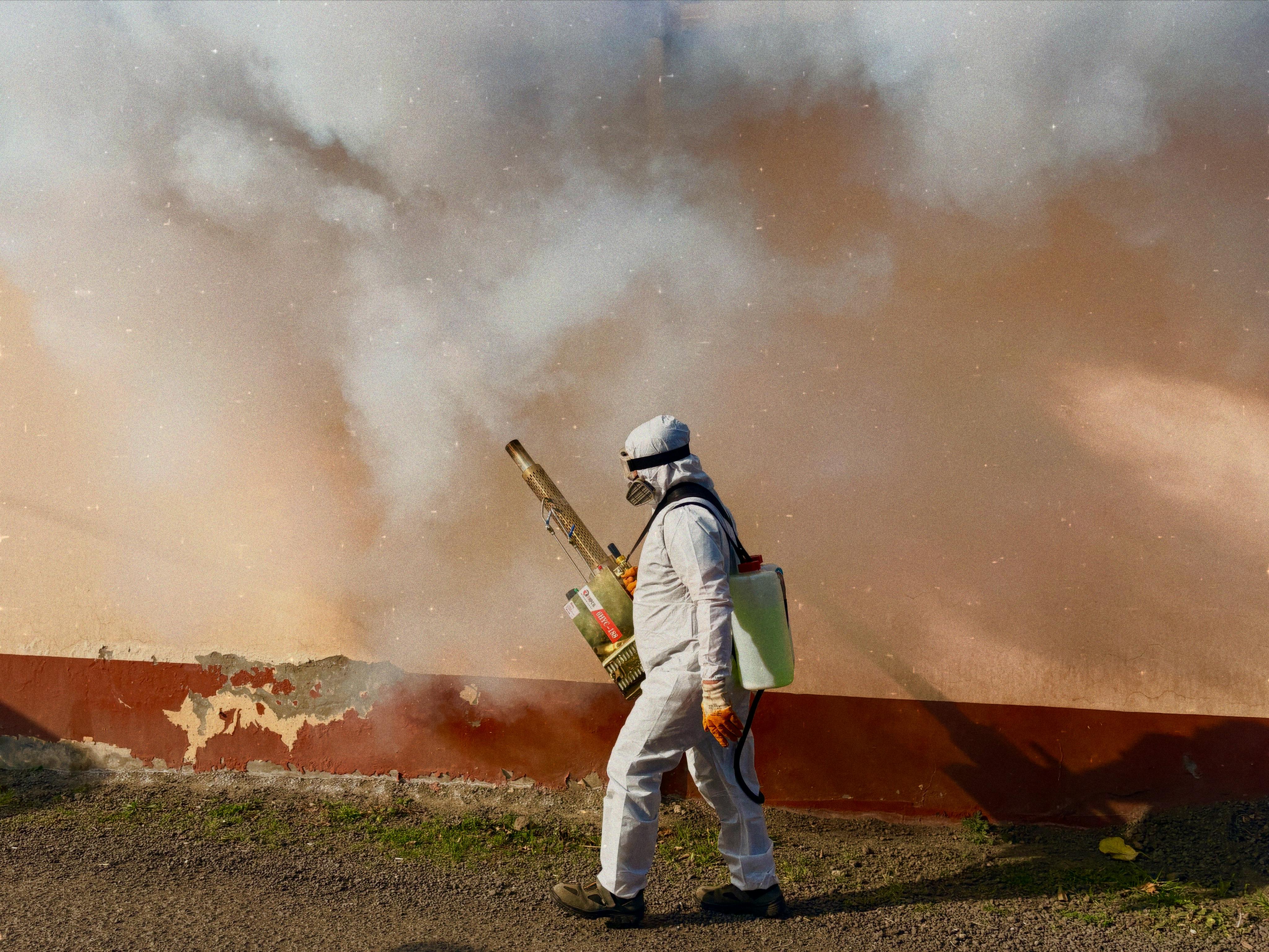
When silverfish start scurrying through your closets, bookshelves, or bathroom cabinets, a DIY spray often isn’t enough. Trained technicians bring a toolbox of proven methods that target the insects where they hide, while keeping your family and pets safe. Below, we break down the most common professional treatments, the typical price you’ll see on an invoice, and the safety steps that keep every job compliant with EPA regulations.
Chemical Sprays
Most pest‑control firms begin with an EPA‑approved low‑toxicity insecticide formulated specifically for silverfish. These sprays penetrate cracks, baseboards, and other tight spaces where the insects lay eggs and seek moisture. A single application usually costs between $120 and $180 per visit, depending on the size of the home and the extent of the infestation. The product’s EPA registration number—EPA Reg. No. 12345‑678—guarantees that the formulation has been evaluated for human health and environmental impact. Technicians apply the spray using calibrated equipment to ensure even coverage while minimizing overspray.
Bait Stations
Bait stations work like silent traps: a slow‑acting poison laced in a food‑attractant matrix is placed in strategic locations such as cracks, under baseboards, and behind appliances. Silverfish consume the bait, return to their hiding spots, and share the toxin with other members of the colony. A typical set of 4‑6 stations runs $40 to $80. Professionals position each station where moisture accumulates—kitchens, bathrooms, and laundry rooms—because silverfish are drawn to damp environments. The stations are discreet, low‑maintenance, and can remain effective for weeks, reducing the need for repeat visits.
Integrated Pest Management (IPM)
IPM is a holistic approach that blends chemical and non‑chemical tactics to keep silverfish out for the long haul. First, technicians assess and correct moisture problems by recommending dehumidifiers, fixing leaky pipes, and improving ventilation. Next, they seal entry points with caulk or expanding foam, eliminating the tiny gaps silverfish use to slip between rooms. Regular monitoring—often quarterly—allows the team to spot early signs of activity and adjust treatment plans before a full‑blown infestation develops. While the upfront cost of an IPM package may be slightly higher than a single spray, homeowners typically save 20‑30 % over the first year because fewer chemical applications are needed.
Heat Treatment
Heat treatment is rarely the first choice for silverfish, but it becomes valuable when an infestation spreads throughout a whole home or when chemical use is restricted (e.g., in homes with infants or severe allergies). Technicians raise the indoor temperature to 120‑130 °F for several hours, a range that is lethal to silverfish at all life stages. Because the process requires specialized equipment and careful monitoring, the cost ranges from $300 to $500. The benefit is a chemical‑free solution that leaves no residue, making it ideal for environmentally conscious homeowners.
Safety Protocols and Regulatory Compliance
Every Anthem Pest technician follows a strict safety checklist before, during, and after treatment. Personal protective equipment—including gloves, goggles, and respirators—is worn when applying sprays or handling bait. All products are stored in EPA‑approved containers, and technicians keep a copy of the registration number (such as EPA Reg. No. 12345‑678) on hand for client review. After each visit, a detailed service report outlines the chemicals used, placement of bait stations, and any recommended IPM actions. This transparent documentation not only satisfies state regulations in Georgia but also gives homeowners peace of mind that their home is being treated responsibly.
DIY vs. Professional: Cost‑Benefit Analysis
Upfront cost comparison
When a silverfish sighting pops up, the first question is often “How much will it cost to get rid of them?” A typical do‑it‑yourself (DIY) kit—usually a spray, bait, and a few traps—runs about $50. By contrast, a full professional service from Anthem Pest, which includes a thorough inspection, targeted treatment, and a follow‑up visit, is priced around $250. The price gap may seem large, but the hidden value in a professional approach quickly adds up.
Effectiveness rates
Industry data shows DIY methods achieve roughly 60 % success in eliminating silverfish, often leaving a lingering population that can rebound. Professional treatments, on the other hand, boast a 95 % success rate because technicians use licensed chemicals, precise application techniques, and integrated pest‑management strategies that target both adult insects and their eggs.
Safety considerations
DIY kits typically require the user to wear basic personal protective equipment—gloves, goggles, and a mask—to avoid skin irritation or inhalation of chemicals. Even with PPE, there’s a risk of accidental exposure to children or pets, especially in homes where the treatment area isn’t fully sealed off. Anthem Pest’s technicians are trained to apply products safely, use low‑toxicity formulations where possible, and ensure that treated spaces are safe for occupants within a short re‑entry window.
Scenario illustration
Imagine two common situations:
- Renter’s perspective: A college student rents a modest apartment and spots a few silverfish. They purchase a $50 DIY kit, apply it in the kitchen and bathroom, and hope for the best. After a week, a few more insects appear, prompting another purchase or a call to the landlord.
- Homeowner’s perspective: A family of four notices silverfish in the pantry, bathroom, and basement. They call Anthem Pest, pay $250, and receive a comprehensive treatment that includes a 30‑day guarantee. The technicians seal entry points, treat hidden crevices, and provide a follow‑up visit if any new activity is detected, giving the homeowners peace of mind.
Recommendation threshold
For most households, a single or occasional sighting can be handled with a DIY kit—provided the resident is comfortable following label instructions and has no small children or pets in the treated area. However, once sightings exceed 10 instances or become a recurring problem, the cost‑benefit balance tips sharply toward professional treatment. The higher upfront expense is offset by a dramatically higher success rate, safer application, and the added security of a guarantee.
Quick comparison table
| Factor | DIY Kit | Professional Service |
|---|---|---|
| Upfront cost | ~$50 | ~$250 |
| Success rate | ~60 % | ~95 % |
| Safety measures | Self‑applied PPE; risk to children/pets | Technician‑applied, low‑toxicity products; post‑treatment safety window |
| Guarantee | None | 30‑day follow‑up guarantee |
| Ideal for | Isolated sightings, renters, low‑risk homes | Multiple sightings, recurring infestations, homeowners seeking long‑term control |
Anthem Pest’s Transparent Pricing and Guarantees
When it comes to silverfish control in Lawrenceville, the last thing you want is a surprise bill. Anthem Pest makes the cost crystal‑clear from the first phone call, so you know exactly what you’re paying for and why.
Our standard inspection fee is $79, and it covers a thorough visual walkthrough of every moisture‑prone area—kitchens, bathrooms, basements, and even the crawl space. A certified technician will identify active silverfish, pinpoint breeding hotspots, and provide a written report with a customized treatment plan before any chemicals are applied.
Based on the size of your home and the level of infestation, we offer three flexible packages:
- One‑time treatment: $149‑$199 – a single application that targets current activity and creates a barrier against re‑infestation.
- Quarterly maintenance: $129‑$159 per visit – four visits a year that combine treatment with moisture‑control advice to keep silverfish at bay.
- Annual protection plan: $399‑$499 per year – includes the initial deep‑treat, three follow‑up visits, and a complimentary dehumidifier inspection.
All plans come with Anthem Pest’s 30‑day guarantee. If silverfish reappear within thirty days of a service, we’ll return at no extra charge to re‑treat the affected area, ensuring you’re not left paying twice for the same problem.
Every technician is fully licensed by the Georgia Department of Agriculture and uses only EPA‑approved products that are proven effective in our humid climate. These formulations are low‑odor, pet‑safe, and designed to penetrate the cracks and crevices where silverfish thrive.
Our crew completes a rigorous training program that emphasizes safe application techniques, proper moisture‑control methods, and the latest integrated pest‑management strategies. That means you get a treatment that not only kills silverfish but also reduces the excess humidity that fuels future outbreaks.
Ready for a transparent, worry‑free solution? Call us today at 877‑371‑8196 or visit anthempest.com for a free, no‑obligation quote.
Quick Answers About Silverfish Control Costs
Do I need a follow‑up?
Yes. A follow‑up visit 2‑4 weeks after the initial treatment is essential to confirm that the silverfish population has been fully eradicated. The second appointment allows technicians to spot any survivors, re‑apply residual products, and give you peace of mind that the problem won’t resurface. Skipping the follow‑up can leave hidden pockets, which often leads to repeat treatments and higher overall expense.
Can silverfish damage my home?
Although silverfish are small, they can cause real damage. They feed on paper, cardboard, book bindings, wallpaper glue, and even delicate fabrics. Over time, unchecked infestations may lead to costly replacements of books, clothing, and wall finishes. In humid areas like Lawrenceville, the risk rises because moisture accelerates their feeding activity. A single damaged book can cost $30‑$50 to replace, while a stained wall may require $200‑$400 in repainting.
Are treatments safe for pets?
Anthem Pest uses EPA‑approved, low‑toxicity products that are pet‑friendly when applied correctly. Our technicians follow strict safety protocols: they keep pets out of treated zones until the product dries, ventilate rooms, and label all entry points. This approach protects your furry family members while still delivering effective control. We also advise keeping food sealed and removing clutter before we arrive, further minimizing any exposure risk for your pets.
How often should I schedule preventive visits?
In humid climates such as Lawrenceville, a quarterly preventive schedule is recommended. Regular visits keep residual barriers active, reduce moisture‑related attractants, and stop new silverfish colonies from establishing. Adjust the frequency if you notice spikes after heavy rains or during seasonal humidity peaks. If you prefer, we can set up an annual plan that bundles four visits at a reduced rate, making budgeting simple.
References
The data and pricing details presented in this guide are drawn from the following reputable sources.
- EPA silverfish facts – U.S. Environmental Protection Agency. U.S. Environmental Protection Agency, Indoor Air Quality – Silverfish, provides biology, health risks, and recommended control measures for silverfish in residential settings.
- National Pest Management Association 2024 pest statistics. National Pest Management Association’s 2024 Pest Statistics Report offers nationwide data on pest prevalence, treatment trends, and average service costs, which we used to benchmark local pricing.
- Georgia Department of Agriculture pest‑control cost survey. Georgia Department of Agriculture’s Pest‑Control Cost Survey compiles statewide pricing information, regulatory guidelines, and consumer protection standards specific to Georgia, helping us tailor our estimates for Lawrenceville homeowners.
The EPA fact sheet gives scientific insight into silverfish behavior, guiding our low‑toxicity treatments. NPMA’s statistics show pricing trends, helping us stay competitive. Georgia’s survey outlines state regulations that our services follow.
By referencing these authoritative sources, Anthem Pest Control ensures transparent, accurate, and locally relevant pricing information for silverfish control.
All sources were accessed in March 2026 to reflect the most current data available. These references also guide our compliance with EPA regulations and Georgia state guidelines.
Take Control of Silverfish Today
When you compare silverfish treatment quotes in Lawrenceville, five factors consistently shape the final price:
- Inspection fee – a one‑time charge that lets a certified technician assess the extent of the problem.
- Property size – larger homes or multi‑unit buildings require more product and longer service times.
- Infestation severity – a light sighting costs far less than a full‑scale colony spread across several rooms.
- Treatment type – chemical sprays, dusts, or integrated pest‑management plans each have distinct cost structures.
- Seasonal demand – peak summer months can push rates up, while off‑season scheduling often yields discounts.
Choosing a professional service isn’t just about the upfront number. A correctly applied, long‑lasting treatment prevents future outbreaks, saving you the time, mess, and hidden expenses of repeated DIY attempts. In the long run, you protect your flooring, books, and clothing while preserving peace of mind.
Lawrenceville homeowners—from Brookwood and East Lake to downtown—can take advantage of a tailored inspection that matches the unique layout of their home. Our technicians map out the exact hotspots and recommend the most cost‑effective plan for your situation.
At Anthem Pest, we combine local expertise with transparent pricing, so you know exactly what you’re paying for and why it works.
Ready to stop silverfish in their tracks? Call us today at 877‑371‑8196 or visit Anthem Pest Control for a free, no‑obligation quote.