Why Termite Protection Matters in Kennesaw
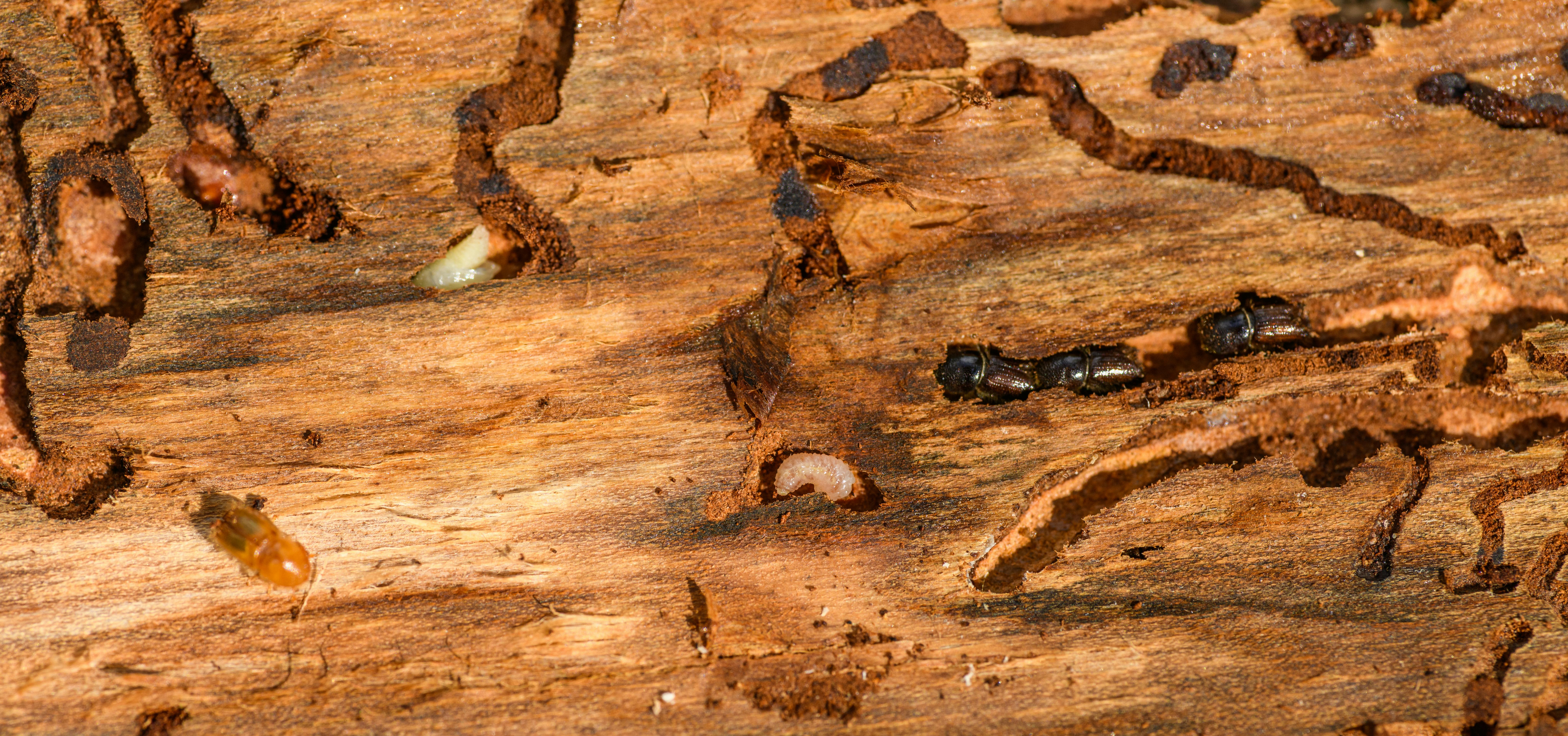
Kennesaw sits in Georgia’s Piedmont region, where warm, humid summers and moist, loamy soils create the perfect breeding ground for subterranean termites. These insects thrive underground, building hidden mud tubes that connect the soil to wooden structures. Because most homes in Kennesaw are built on slab foundations or have crawl spaces, the termites can easily infiltrate foundations, floor joists, and support beams without a single visible sign.
The Georgia Department of Agriculture confirmed a sharp rise in termite activity during the 2023‑2024 season, reporting a 22 % increase in inspections and a corresponding jump in confirmed infestations across the state’s central corridor, which includes Kennesaw. This spike is directly linked to the region’s extended moisture periods and recent construction booms that introduce fresh wood sources. Homeowners who delay action now face a higher probability of encountering a full‑scale colony within just a few years.
Financially, the consequences are steep. The National Association of Home Builders estimates that untreated termite damage typically costs homeowners between $5,000 and $10,000 per residence for structural repairs, foundation reinforcement, and wood replacement. Beyond immediate repairs, a compromised home can lose 5‑10 % of its resale value, making it harder to sell or refinance. In extreme cases, severe damage may require partial demolition, turning a manageable repair into a costly, disruptive project.
In the sections that follow, you’ll learn how to spot the early warning signs of termite activity, compare the most effective treatment options for Kennesaw homes, understand the true cost of professional protection, and discover seasonal tips to keep colonies at bay year‑round. Armed with this knowledge, you can protect your investment, preserve your home’s structural integrity, and avoid the hidden expenses that termites love to generate.
Anthem Pest Control, a Kennesaw specialist, tailors prevention plans to your home’s soil and construction, with transparent pricing you understand before work begins.
The Biology and Behavior of Subterranean Termites
Colony Structure and Life Cycle
Subterranean termites live in a highly organized colony that can contain anywhere from a few thousand to several hundred thousand individuals. At the heart of the colony is the queen, whose primary job is to lay eggs—up to 30,000 per day in a mature nest. The workers are sterile females that handle all the foraging, feeding the queen, and caring for the young. Soldiers are the colony’s defenders; they have oversized heads and powerful mandibles to ward off predators such as ants.
The life cycle begins when a winged alate (often called a swarmor) leaves the nest to mate and start a new colony. After shedding their wings, the fertilized pair becomes the new king and queen, establishing a nest in the soil and gradually expanding their workforce through successive molts of the worker caste.
Foraging Patterns and Mud‑Tube Construction
Workers create an extensive network of underground tunnels that can stretch up to 300 feet from the nest. To protect themselves from desiccation and predators, they line these tunnels with a thin, papery mud‑tube made of soil, saliva, and fecal material. Mud‑tubes act like highways, allowing termites to travel from the soil to wood sources without exposing themselves to the open air.
Typical entry points into a home include cracks in the foundation, gaps around utility penetrations, and any opening where a mud‑tube meets the structure. Once a tube reaches a wooden component—such as a sill plate or joist—the workers begin feeding, gradually hollowing out the wood from the inside while leaving a thin veneer that often goes unnoticed for years.
Climate Influence in Kennesaw
Kennesaw’s average relative humidity hovers around 58 %, a level that perfectly suits subterranean termites. Moisture is essential for their survival because it prevents the termites’ soft bodies from drying out. The region’s mild winters and warm, humid summers keep soil moisture stable, allowing colonies to remain active year‑round.
According to the 2024 NPMA survey, 1 in 3 homes in Cobb County shows signs of termite activity. This high prevalence underscores how the local climate, combined with the abundance of wooden structures, creates an ideal environment for these pests.
Understanding the colony’s social hierarchy, the hidden mud‑tube highways, and the humidity‑driven activity patterns equips homeowners to spot early warning signs—like mud‑tube sightings or wood that sounds hollow when tapped—before costly damage sets in.
Kennesaw Areas with Highest Termite Activity
Even if you keep a tidy yard, the location of your home can dramatically affect its vulnerability to termites. In Kennesaw, four neighborhoods consistently top the local pest‑reporting charts. Knowing where you live helps you focus your inspection efforts and act before damage spreads.
Hotspot Overview
- Town Center – A mixed‑use district with new condos, townhomes, and retail spaces.
- Acworth‑Kennesaw Border – Subdivisions that spill over the county line, often built on older fill soils.
- Kennesaw Mountain – Historic homes nestled near the park, many with original wooden foundations.
- Historic Downtown District – Renovated commercial buildings and century‑old residences close together.
According to recent building‑permit data from the Cobb County Tax Assessor, termite claims in Town Center are 12 % higher than the Kennesaw average. The spike aligns with dense construction, frequent soil disturbance, and higher moisture retention in that area.
Quick Self‑Assessment Checklist
Town Center
- Inspect foundation for mud tubes or hollow gaps.
- Check wood‑to‑soil contact around utility penetrations.
- Monitor moisture levels in crawl‑space vents and drainage swales.
Acworth‑Kennesaw Border
- Look for cracked or shifted footings that expose timber.
- Verify that landscaping beds are graded away from the house.
- Test soil moisture after heavy rain; soggy spots attract termites.
Kennesaw Mountain
- Examine older wooden decks and porch supports for hollowed wood.
- Ensure there’s a clear barrier between soil and any exposed framing.
- Check for dampness in basement walls, especially after seasonal rains.
Historic Downtown District
- Survey brick veneer joints for gaps that let termites access interior wood.
- Inspect roof overhangs and eaves for water runoff that soaks nearby foundations.
- Watch for signs of termite activity in shared walls of adjacent structures.
Running through this three‑point list for your specific neighborhood can reveal early warning signs before a full‑blown infestation takes hold. If any item checks “yes,” it’s time to call Anthem Pest Control for a professional inspection and targeted treatment plan.
Effective Termite Treatments for Kennesaw Homeowners
When a termite crew arrives at your Kennesaw home, the first question you’ll hear is, “Which treatment will give you the best protection for the price?” The good news is that the most reliable options are well‑established, EPA‑registered solutions that have proven their worth across the Southeast. Below, we break down the four primary methods, how they’re applied, how long they shield your home, and what you can expect to spend.
Liquid Termiticides (Fipronil, Imidacloprid)
Liquid termiticides are the workhorse of termite control. Technicians trench around the foundation, then inject the chemical into the soil or directly into voids where colonies travel. The most common products—fipronil and imidacloprid—create a long‑lasting barrier that termites cannot cross without dying. Once the barrier is set, you typically enjoy about three years of protection. In Kennesaw, the average cost ranges from $2,500 to $3,500, depending on house size and soil conditions. Side note: all products used are EPA‑registered, ensuring they meet strict safety and efficacy standards.
Baiting Systems
Bait stations are discreet, low‑maintenance devices placed in strategic spots around your property. Each station contains a cellulose matrix infused with a slow‑acting insecticide. Worker termites carry the bait back to the colony, eventually wiping it out. Because the system continuously monitors activity, homeowners benefit from up to four years of effective protection. Installation and monitoring usually cost between $1,800 and $2,400. This option is especially appealing for those who prefer a non‑chemical barrier that still delivers a decisive colony kill.
Fumigation (Tenting)
If termite damage is extensive—think compromised joists, sagging floors, or visible mud tubes—a whole‑house fumigation is often the most thorough remedy. A certified technician seals the home under a gas‑tight tent, then releases a vapor‑phase fumigant that penetrates every wood cavity. The process takes about 4‑6 hours of tenting, followed by a mandatory aeration period before you can re‑enter. While the upfront price is higher, ranging from $4,500 to $6,500, the result is a completely eradicated colony and a clean slate for future prevention.
Integrated Pest Management (IPM)
IPM isn’t a single product—it’s a philosophy that blends regular inspections, physical barriers, and smart landscaping. An Anthem Pest specialist will assess moisture sources, prune wood‑to‑soil contact, and recommend soil‑borne termiticides or baits as needed. By addressing the conditions that attract termites, IPM can extend the life of any treatment you choose, often reducing the need for repeat applications.

Side‑by‑Side Treatment Comparison
| Treatment | Protection Duration | Typical Cost (USD) | Pros | Cons |
|---|---|---|---|---|
| Liquid Termiticides | ~3 years | $2,500‑$3,500 | Fast installation, proven barrier, EPA‑registered | Requires soil disturbance, effectiveness can vary with soil type |
| Baiting Systems | ~4 years (with monitoring) | $1,800‑$2,400 | Low visual impact, targets colony directly, adaptable | Needs regular checks, slower colony kill |
| Fumigation (Tenting) | Complete eradication (no set duration) | $4,500‑$6,500 | Eliminates all wood‑dwelling termites, best for severe infestations | Higher cost, temporary home displacement, requires professional licensing |
| Integrated Pest Management | Varies (extends other treatments) | Custom pricing | Holistic, reduces future risk, combines multiple defenses | Requires ongoing attention, may involve multiple service visits |
Choosing the right approach depends on the extent of the infestation, your budget, and how comfortable you are with each method’s process. At Anthem Pest Control, we start with a thorough inspection, then tailor a plan that balances cost‑effectiveness with long‑term protection—so you can enjoy a termite‑free home without guessing.
When to Inspect, Treat, and Prevent Termites
Termites are most active when they can move freely between soil and wood, which means timing is everything. In Kennesaw, the ideal window to start a pre‑emptive treatment is early spring—typically March through early April—just before the first swarms appear. This is when colonies are expanding and the queen is laying new eggs, so a barrier or bait system can stop the invasion before it spreads. A second, smaller window opens in late summer (August‑September) for follow‑up applications, especially if you noticed any activity during the spring or if a neighboring property experienced a problem.
Seasonal Treatment Calendar
- March‑April: Apply liquid termiticides around the foundation and install bait stations. Ideal for creating a protective moat before swarming begins.
- May‑July: Conduct a visual inspection after the first swarms. Look for mud tubes, damaged wood, and discarded wings.
- August‑September: Perform a follow‑up treatment or bait re‑placement. This reinforces the barrier after summer rains may have shifted soil moisture.
- October‑February: Focus on maintenance—clear debris, seal cracks, and keep moisture under control. Schedule your annual professional inspection during this quieter period.
Monthly Maintenance Checklist
- Remove leaf litter, wood piles, and other debris that sit against the house.
- Repair leaky gutters, downspouts, and plumbing fixtures to eliminate excess moisture.
- Ensure proper grading so water drains at least six inches away from the foundation.
- Keep firewood stored at least 18 inches off the ground and at least 20 feet from the house.
- Trim vegetation and vines that touch the exterior walls.
- Inspect crawl spaces and basements for signs of dampness or wood damage.
Proactive Prevention Tips
- Install steel‑mesh barriers beneath concrete slabs and around foundation walls; they are impervious to termite tunneling.
- Use moisture‑absorbing landscaping such as gravel beds or raised beds to keep soil from staying soggy near the home.
- Schedule an annual professional inspection with a licensed exterminator. A trained eye can spot early activity that most homeowners miss.
- Apply a thin layer of sand or crushed stone on the soil surface near the foundation; termites avoid dry, abrasive substrates.
- Consider a bait‑only system if you prefer a low‑chemical approach—stations are placed discreetly and monitored quarterly.
Moisture control is the single most effective defense against termite colonies. The Centers for Disease Control and Prevention (CDC) emphasizes that managing indoor humidity and fixing water intrusions can dramatically reduce the likelihood of wood‑destroying pests. For detailed guidance, see the CDC’s Home Moisture Guidance. By aligning inspections, treatments, and routine upkeep with the seasonal calendar above, you’ll keep your Kennesaw home dry, dry, and termite‑free.
Why Anthem Pest Is Kennesaw’s Trusted Termite Partner
When a termite infestation threatens a Kennesaw home, homeowners need a partner who combines experience, credibility, and rapid response. Anthem Pest delivers all three, making it the go‑to choice for families across the county. That confidence comes from a blend of scientific rigor and community focus.
Proven Local Track Record
For 15 years Anthem Pest has operated exclusively in Georgia, building a deep understanding of the state’s subterranean and dry‑wood termite species. Every technician holds a full Georgia pest‑control license and is trained to apply EPA‑registered termiticides safely and effectively. This longevity means the company has seen every seasonal pattern and knows exactly when and where termites are most likely to strike.
Customer Satisfaction in Numbers
Local homeowners have rewarded Anthem Pest with a verified 4.9‑out‑of‑5 rating on Google, reflecting consistent five‑star feedback on punctuality, thoroughness, and post‑treatment follow‑up. The rating is compiled from more than 200 reviews, so the score represents a broad consensus rather than a handful of anecdotes. Homeowners also appreciate the post‑treatment inspections that confirm the colony is truly eliminated.

Case Study: Protecting a Kennesaw Mountain Home
A recent client on Kennesaw Mountain discovered termite activity behind the kitchen wall. Anthem’s crew performed a rapid inspection, then applied a liquid termiticide to the perimeter while simultaneously installing a bait system in the crawl space. Within two weeks the bait stations showed zero termite activity, and the homeowner avoided what could have been $12,000 in structural repairs. The combined approach created a protective barrier that will deter future colonies for years to come.
“Anthem Pest arrived within hours, explained every step, and gave us peace of mind that the bugs were gone for good.” – Kennesaw homeowner (verified)
Transparent Pricing & 24‑Hour Support
All termite services are offered at a flat‑fee price, so there are no surprise add‑ons after the job is done. For emergencies, the company operates a dedicated 24‑hour line at 877‑371‑8196, ensuring rapid dispatch any time termites breach a home’s defenses.
FAQ: Termite Control for Kennesaw Homeowners
How long does a treatment last?
Typical liquid termiticides create a protective barrier that lasts 3‑5 years, depending on soil conditions and traffic. Bait‑station systems usually provide 2‑3 years of control before the stations need checking or replacement. Spot‑treatments for isolated colonies may protect an area for 12‑18 months. We schedule follow‑up inspections to confirm the barrier remains intact, and we also recommend annual visual checks keep the barrier effective.
Are pets safe during/after treatment?
All EPA‑registered products we use are formulated to be non‑toxic to animals once they have dried or settled. Keep pets indoors for the 30‑minute drying period recommended on the label, then they can return to normal activity. New puppies should stay inside until the spray dries. For detailed pet‑safety guidelines, see the EPA’s pet safety page.
Can I DIY termite control?
Do‑it‑yourself kits are inexpensive, but they often miss hidden colonies, lack proper soil coverage, and may void warranty claims. Professional treatment guarantees correct product placement, calibrated dosage, and a written guarantee. DIY attempts can also create safety hazards if chemicals are mishandled. DIY kits meet the three‑year guarantee required by many policies, but professional service remains the safest choice for reliable, long‑term protection.
Does homeowners insurance cover termite damage?
Standard homeowners policies usually exclude damage caused by insects, including termites. Some insurers offer optional endorsements or separate pest‑damage riders, but these must be added before an infestation occurs. Review your policy details or speak with your agent; the Insurance Information Institute’s consumer guide provides a helpful overview. Prompt photos help the adjuster assess the claim quickly.
References
- EPA Termite Guidelines – The U.S. Environmental Protection Agency provides comprehensive federal guidelines on termite biology, inspection methods, and approved treatment products. Read the EPA termite page. The agency’s data is regularly updated and reflects current federal standards for safe pesticide use.
- NPMA Termite Facts – The National Pest Management Association’s fact sheet offers up‑to‑date statistics on termite species distribution, damage estimates, and best‑practice control strategies. View NPMA termite facts. NPMA’s research draws from nationwide surveys and industry best practices, making it a trusted reference for pest professionals.
- Cobb County building‑permit and pest‑complaint statistics – Official Cobb County data includes recent building permits, recorded termite complaints, and local inspection outcomes, useful for regional cost and prevalence analysis. Access Cobb County data. Cobb County’s open‑data portal ensures the figures are publicly verifiable and reflect the most recent local trends.
Note: All statistics should be cross‑checked with the latest reports before publishing to ensure accuracy.
Protect Your Kennesaw Home Today
Early detection, professional treatment, and ongoing maintenance are the three pillars that keep termites from turning your Kennesaw home into a costly nightmare. Spotting the first signs—mud tubes, winged insects, or subtle wood damage—lets a qualified exterminator intervene before an infestation spreads. Routine inspections every six months ensure any new activity is caught early, keeping your foundation safe.
Timing matters, too. Scheduling a preventative service in the spring or early summer takes advantage of the season when termites are most active, giving you maximum protection while minimizing expenses. A proactive approach often costs a fraction of the repair bills that follow a full‑blown infestation. Investing now also protects your home’s resale value, as a pest‑free record is a strong selling point.
Ready to safeguard your property? Call us today at 877‑371‑8196 or head to our website for a complimentary inspection and a no‑obligation quote. Our local team knows Kennesaw’s unique pest pressures and will tailor a plan that fits your budget. We offer same‑day appointments for urgent cases and flexible hours to fit busy homeowners.
Our team of local experts is ready to safeguard your home with transparent pricing and reliable results—no hidden fees, just peace of mind.
Visit Anthem Pest Control to schedule your free assessment.