Why Stink Bugs Are a Growing Problem in Dunwoody

Imagine coming home after the first frost of the season, only to find a tiny army of brown, shield‑shaped insects marching across your kitchen counter. That’s exactly what longtime Dunwoody resident Karen Miller experienced last November. A single cluster of stink bugs turned into a full‑blown invasion, forcing her to seal every crack and window before the bugs could slip inside for the winter.
She’s not alone. Recent reports from the University of Georgia Extension show a 27 % jump in stink‑bug sightings across the metro Atlanta suburbs over the past three years. The EPA estimates that over 1 million households in Georgia now report occasional indoor encounters, with the highest concentrations in neighborhoods bordering wooded parks—like many parts of Dunwoody. Warmer autumns and milder winters give these pests a longer window to seek shelter, while rapid suburban development creates more entry points for them to slip into homes.
This guide aims to do three things for you:
- Connect you with qualified, locally‑trusted exterminators who understand Dunwoody’s unique pest pressures.
- Clarify what you can expect to pay for professional stink‑bug treatment, so there are no surprise invoices.
- Share practical, DIY prevention tactics that reduce the chance of an indoor infestation before it starts.
When it comes to reliable service, Anthem Pest Control has earned a reputation as the go‑to partner for Dunwoody homeowners. Their technicians combine EPA‑approved products with a thorough inspection process, ensuring the bugs are removed safely and affordably. Whether you need an immediate knock‑down or a long‑term prevention plan, Anthem’s local expertise makes the difference between a one‑time fix and a lasting solution.
What Is a Stink Bug and Why It Matters in Dunwoody
Scientific Identity and Origin
The brown marmorated stink bug is officially known as Halyomorpha halys. In its native range—eastern Asia, from China to Korea and Japan—this insect lives in forests and orchards, feeding on a wide variety of plants. It evolved without natural predators that would keep its numbers in check, which is why it becomes such a nuisance when it establishes itself elsewhere.
How the Bug Arrived in Georgia
Global trade and modern shipping corridors are the primary highways for invasive species. Adult stink bugs hitch rides in wooden pallets, crates of produce, and even in the insulation of cargo containers. When those shipments reach the southeastern United States, a few lucky bugs can escape, find a warm climate, and begin reproducing. Georgia’s bustling ports and interstate highways made it an ideal entry point, and by the early 2000s the species had spread across the state, including the Dunwoody area.
Scale of the Problem in the Peach State
According to the U.S. Environmental Protection Agency, more than 1 million households in Georgia report annual damage caused by stink bugs. That figure translates to roughly one in every three homes experiencing some level of intrusion, making it one of the most common household pest complaints during the fall months.
Seasonal Behavior in Dunwoody
Stink bugs follow a predictable calendar. From September through November, adult females seek warm, sheltered locations to overwinter. They are drawn to cracks around windows, gaps under eaves, and the tight seams of older siding. In Dunwoody, neighborhoods with mature homes—especially those in the Perimeter Center and Brookwood districts—offer abundant entry points and stable indoor temperatures, turning them into hotspots for overwintering colonies.
When spring arrives, the bugs emerge en masse, searching for food sources outdoors. Homeowners often notice a sudden increase in activity around light fixtures and kitchen windows as the insects migrate back to gardens and trees.
Impact on Gardens and Crops
Beyond the indoor nuisance, Halyomorpha halys can wreak havoc on local agriculture. In backyard gardens, they feed on tomatoes, beans, peaches, and ornamental shrubs, leaving behind wilted, speckled foliage. Commercially, the bug has been linked to significant losses in Georgia’s peach and soybean crops, underscoring why even a seemingly harmless houseguest can have broader economic implications.
Understanding the biology, origin, and seasonal habits of the brown marmorated stink bug equips Dunwoody homeowners with the knowledge they need to spot early signs of an infestation and take proactive steps before the bugs become a full‑blown problem.
How to Spot a Stink‑Bug Problem Early
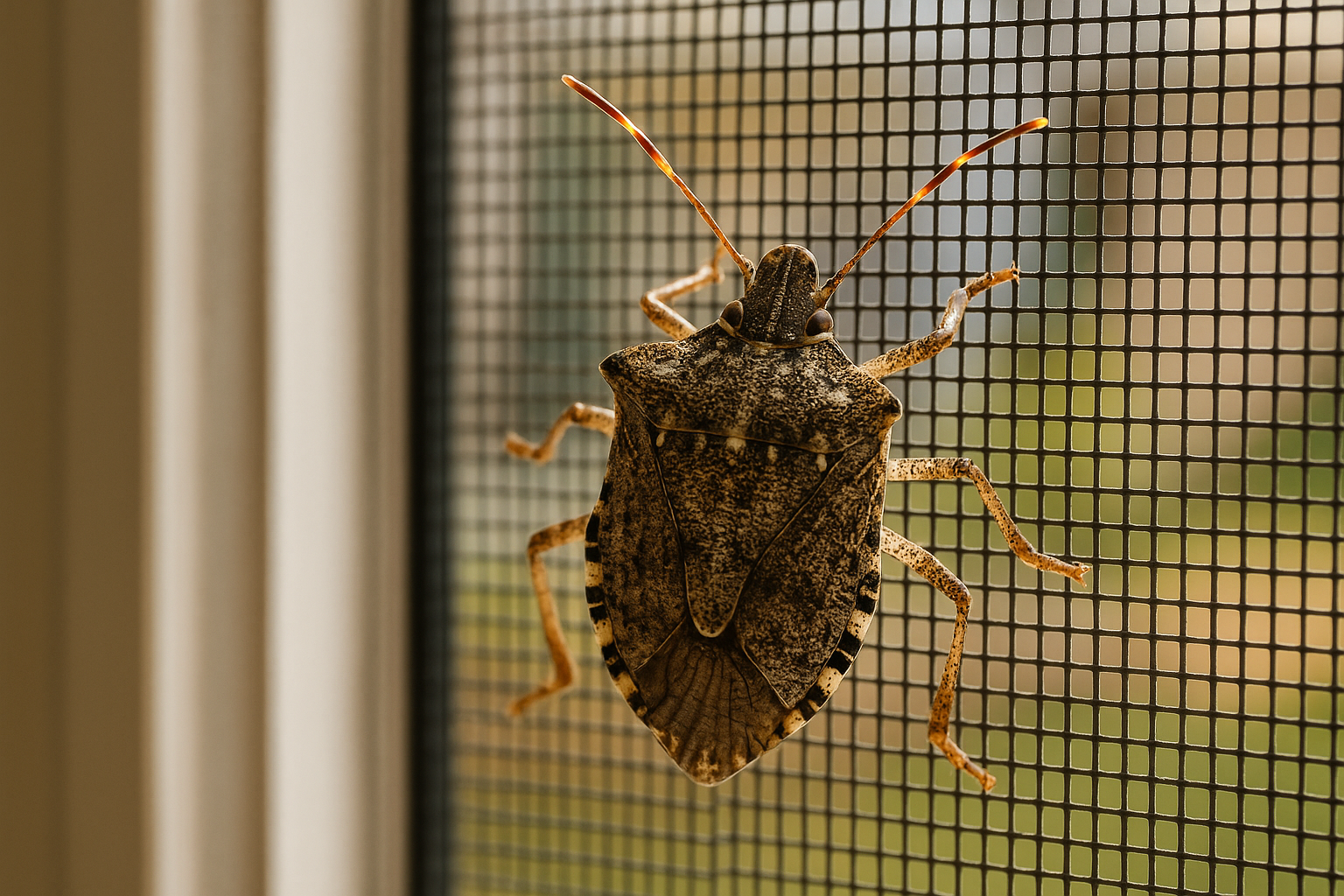
Stink bugs are hard to miss once they gather in numbers, but catching the first few visitors can save you a lot of hassle and money. Look for their unmistakable shield‑shaped bodies resting in tight clusters on sunny windows or porch railings. Their bodies are a matte brown‑gray, but the bright orange‑red antennae stand out like tiny flags.
If you accidentally crush one, a distinctively foul, cilantro‑like odor wafts from the mess. That scent is a reliable sensory cue that you’re dealing with a stink‑bug, not a harmless ladybug.
Beyond the bugs themselves, watch the food they touch. A quick glance at garden produce or indoor fruit bowls may reveal yellow‑brown spots where they have fed. These marks are a tell‑tale sign of early damage.
According to a Georgia Extension survey, 68 % of homeowners first notice stink bugs on exterior siding before they ever see them inside. That statistic underscores how important it is to scan the outside of your home during the fall.
Quick Fall‑Inspection Checklist
- Inspect window screens for clusters of brown bugs and torn mesh.
- Run a hand along exterior siding, especially around vents and eaves.
- Check door thresholds and garage door seals for tiny shield‑shaped insects.
- Examine outdoor lighting fixtures; bugs are attracted to the glow.
- Look inside stored produce and garden vegetables for yellow‑brown spotting.
Early detection isn’t just about peace of mind—it directly reduces treatment costs. The sooner you spot a few stink bugs, the less extensive the chemical barrier or exclusion work will need to be, keeping your budget in check and your home bug‑free.
The Limits of DIY Solutions
Typical DIY Methods
When stink bugs invade a home, many homeowners reach for quick fixes: a spray bottle filled with dish soap and water, a handheld vacuum, or a homemade trap made from a light‑bulb‑covered jar. These approaches feel inexpensive and easy, so they’re often the first line of defense. Unfortunately, these tricks rarely reach the insects hidden in wall voids or under siding, where most stink bugs congregate during the cooler months.
What the research says
A study conducted by the University of Georgia Extension evaluated a range of over‑the‑counter sprays and home‑made mixtures. The results were clear—less than 15 % of the DIY sprays actually reduced
Choosing a Local Stink‑Bug Exterminator
When a stink bug invasion turns your home into a fragrant battlefield, you need more than a quick spray—you need a qualified professional who understands the pest, the local climate, and the safest ways to protect your family. Below are the key qualifications to look for and how Anthem Pest stands out in the Dunwoody area.
Essential Qualifications to Verify
Before you hand over a contract, confirm that the company meets these baseline standards:
- State‑issued license: Guarantees the technician has completed required training and complies with Georgia’s pest‑control regulations.
- EPA‑registered products: Ensures chemicals are vetted for effectiveness and minimal impact on humans, pets, and the environment.
- Proven local experience: A track record of successful stink‑bug treatments in Dunwoody, Perimeter Center, and surrounding neighborhoods.
- Transparent pricing: Clear, upfront estimates with no hidden fees, so you know exactly what you’re paying for.
- Integrated Pest Management (IPM) approach: Focuses on prevention, monitoring, and the least‑toxic interventions first.
Homeowner’s Quick‑Check Checklist
Use this short checklist when vetting potential providers. Tick each box during your phone call or on‑site visit:
- Is the technician’s license displayed and current?
- Do they use EPA‑registered, low‑toxicity products?
- Can they provide references from nearby homeowners?
- Is the price structure broken down by service, product, and labor?
- Do they explain an IPM‑based plan before treatment begins?
- Is there a written guarantee or follow‑up schedule?
Spotlight on Anthem Pest
Anthem Pest checks every box on the list and adds a few extras that make them a top choice for Dunwoody residents:
- All technicians are certified through state‑approved pest‑control programs.
- Offering a 24‑hour response window, they can address urgent stink‑bug sightings any time of day.
- Their service radius comfortably covers Dunwoody, Perimeter Center, and Brookhaven, ensuring rapid dispatch and familiar knowledge of local infestation patterns.
- They provide a transparent, flat‑rate quote that includes inspection, treatment, and a post‑treatment follow‑up.
- Every plan follows an IPM framework, prioritizing exclusion techniques and habitat modification before chemical application.
“I called Anthem Pest after spotting stink bugs in my kitchen. They arrived within two hours, explained the IPM steps, and completed a thorough treatment. The bugs were gone by the next morning, and I appreciated the clear pricing—no surprises.”
—Emily R., Dunwoody homeowner
Service area map note: Anthem Pest operates within a 15‑mile radius of its central hub, comfortably covering Dunwoody, Perimeter Center, Brookhaven, and surrounding neighborhoods. This radius ensures quick travel times and familiar, locally‑tested treatment protocols.
Professional Treatment Methods Explained
When stink bugs start invading your home, DIY sprays often fall short. A licensed exterminator brings a toolbox of proven treatments that target the insects while protecting the people and pets you love. Below is a quick walk‑through of the options you’ll encounter from a reputable company like Anthem Pest.
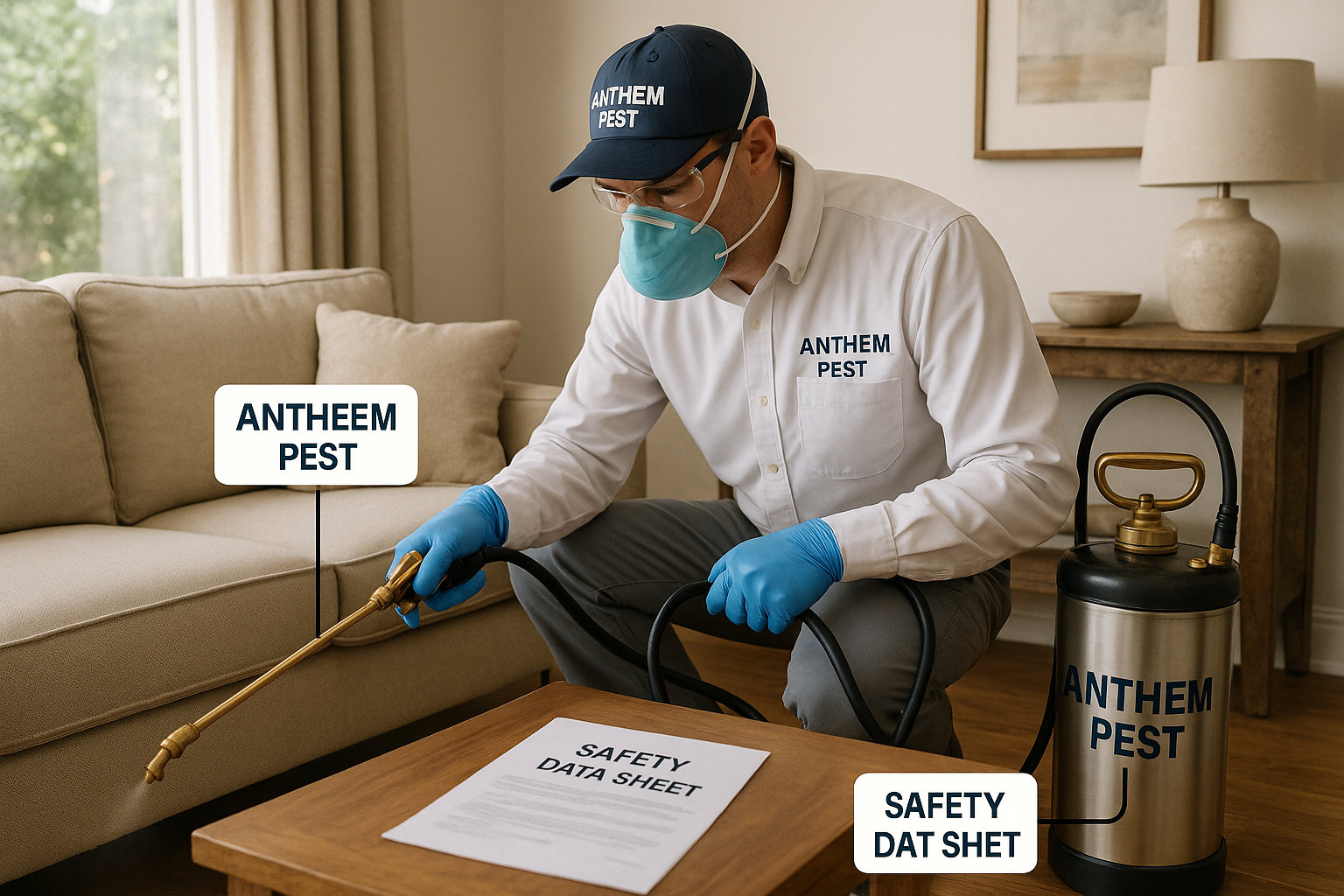
Chemical Option: EPA‑Registered Residual Sprays
Professional crews use EPA‑registered formulations that cling to walls, window frames, and roof overhangs for weeks after application. The key is timing: applying the residual spray in late fall, just before stink bugs seek shelter, creates a barrier that kills or repels insects as they try to enter. These products are tested for indoor safety when used according to label directions, and the applicator follows strict dosage guidelines to avoid over‑application.
Non‑Chemical Options
Many homeowners prefer chemical‑free solutions, and reputable technicians can accommodate that preference. Heat treatment raises indoor temperatures to a level that is lethal to stink bugs without leaving residues. Exclusion sealing involves caulking cracks, installing door sweeps, and repairing screens to block entry points. Finally, a thorough vacuum removal—using a HEPA‑rated unit—captures adult bugs and nymphs, preventing them from scattering and re‑infesting other rooms.
Integrated Pest Management (IPM) Cycle
Anthem Pest follows the industry‑standard IPM cycle, which ensures a sustainable, low‑risk approach:
- Inspection: Certified technicians survey the property, locate hotspots, and assess infestation severity.
- Identification: Accurate species confirmation distinguishes stink bugs from harmless insects, guiding treatment choice.
- Treatment: Based on the inspection, the crew selects chemical, non‑chemical, or a hybrid method.
- Monitoring: After treatment, follow‑up visits and trap checks verify that the population is declining and that no new entry points have opened.
Safety Tips for Families and Pets
During any application, keep doors and windows open for at least 30 minutes to promote ventilation. Remove or confine pets—and, if possible, small children—from treated rooms until the label‑specified re‑entry time has passed. Store all chemicals out of reach, and wash hands thoroughly after handling vacuum bags or equipment. These simple steps dramatically reduce exposure risk.
Anthem Pest’s Safety‑First Protocol
Anthem Pest’s technicians wear EPA‑approved respirators, gloves, and eye protection on every job. They use low‑odor, reduced‑risk formulations whenever a chemical spray is warranted, and they document each step in a digital service report that you can review online. The company’s “Safety‑First” policy also includes a post‑treatment walkthrough, during which the technician explains any lingering precautions and answers your questions about long‑term prevention.
Typical Costs for Stink‑Bug Extermination in Dunwoody
When you’re dealing with a stink‑bug invasion, the first question on most homeowners’ minds is, “How much will it cost to get rid of them?” Knowing the price range up front helps you budget confidently and avoid surprise fees later. Below, we break down the most common pricing structures you’ll encounter in the Dunwoody area.
Market‑Based Pricing Benchmarks
Based on the NPMA 2024 cost‑survey data, the typical cost for a one‑time interior treatment—where a technician targets the areas you’re currently seeing bugs—falls between $150 and $300. If you prefer a more comprehensive approach that includes sealing entry points, monitoring, and a follow‑up visit, the Integrated Pest Management (IPM) package usually ranges from $250 to $450. These figures represent the average for single‑family homes in the region and give you a solid baseline for comparing quotes.
Why Anthem Pest’s Quote Stands Out
Anthem Pest Control offers a free, no‑obligation inspection for Dunwoody residents. During this visit, a certified technician evaluates the severity of the infestation, identifies vulnerable entry points, and explains the most effective treatment plan. After the assessment, you receive a detailed, written quote that outlines every service component—no hidden fees, no surprise add‑ons. This transparent process ensures you know exactly what you’re paying for before any work begins.
Factors That Can Shift the Price
- Home size: Larger square footage means more treatment zones and potentially higher labor costs.
- Infestation severity: A light, isolated problem may be resolved with a single spray, while a heavy, multi‑room infestation often requires multiple applications and more extensive sealing.
- Treatment type: Chemical sprays are generally less expensive than the IPM package, which combines physical barriers, monitoring devices, and follow‑up visits.
- Structural complexity: Homes with crawl spaces, basements, or numerous exterior cracks can increase the time needed for sealing and treatment.
What You Get at Each Price Tier
One‑time interior treatment ($150‑$300): A thorough spray of all interior spaces where stink bugs are active, plus a brief walkthrough of preventative tips.
Comprehensive IPM package ($250‑$450): Includes the interior spray, professional sealing of cracks and gaps, placement of monitoring traps, and a scheduled follow‑up visit to ensure the population stays suppressed. This tier also provides a longer‑term protection plan, often extending the effective control window to six months or more.
Understanding these pricing tiers and the variables that influence them empowers you to choose the solution that fits both your budget and your pest‑free goals. Whether you opt for a quick interior spray or a full‑scale IPM program, Anthem Pest is ready to deliver transparent, effective stink‑bug control for Dunwoody homeowners.
Keeping Stink Bugs Out Year‑Round
Stink bugs aren’t seasonal guests—they’ll try to slip inside whenever the temperature drops. The most reliable way to keep them out is to combine a solid exclusion checklist with a calendar‑based action plan. Follow these steps and you’ll dramatically cut the chance of a September surprise.
Season‑Long Exclusion Checklist
- Seal all exterior cracks larger than ½ inch with silicone caulk or expandable foam.
- Install door sweeps on every exterior door, paying special attention to garage and back‑yard entries.
- Trim trees, shrubs, and vines at least 12 inches away from the house to eliminate bridge pathways.
- Cover vents, attic gable openings, and crawl‑space vents with fine‑mesh (¼‑inch) screen.
- Repair or replace damaged weather‑stripping around windows and doors.
Timing Guide for Dunwoody Homeowners
Stink bugs begin seeking shelter in early fall. In Dunwoody, the sweet spot for exterior exclusion is early September, when bugs are still active but temperatures are cooling. Schedule a quick exterior sweep then, and follow up with an interior treatment in late October—just before the first hard freeze—to knock out any stragglers that slipped through.
Local Success Story
Brookwood homeowners took the checklist to heart after the 2023 HOA survey highlighted a spike in stink‑bug sightings. By sealing cracks, adding door sweeps, and trimming vegetation in August, the community reported an 80 % drop in sightings by December. The survey credited the coordinated effort and a single interior treatment from Anthem Pest Control for the dramatic improvement.
Quick‑Reference Monthly Tasks
| Month | Primary Action | Key Details |
|---|---|---|
| August | Inspect & seal exterior cracks | Use silicone caulk; focus on foundation and window frames |
| September | Install door sweeps & mesh vents | Check garage doors, attic vents, and crawl‑space openings |
| October | Interior treatment | Professional spray targeting hidden cracks and baseboards |
| November – December | Monitor & maintain | Spot‑check for new gaps after weather events; trim any new growth |
Perform a brief walk‑through each month after the first frost. Look for new gaps around siding, re‑apply caulk where paint has cracked, and clear any debris that could shelter bugs.
By treating the home
Frequently Asked Questions About Stink Bugs
Homeowners often have quick questions about stink bugs and how professional treatment works. Below we answer the most common concerns so you can feel confident about protecting your family and home.
Do stink bugs damage my home structure?
Stink bugs are not wood‑eating insects, so they rarely cause structural damage. Their real nuisance is the odor they release and the potential for them to contaminate stored foods, especially fruits, vegetables, and grains. Even a few dozen bugs can spoil a pantry of dry goods, leading to costly replacements. While a heavy infestation can create a mess, you won’t see weakened beams or rotted walls.
How long does treatment last?
We use EPA‑registered residual sprays that remain active for roughly four to six weeks, depending on weather and indoor conditions. After that period, a follow‑up visit is recommended to keep the population below the damage threshold. In high‑pressure seasons, we may schedule a second application at the six‑week mark to maintain control. The residual effect works by disrupting the bug’s nervous system, preventing new arrivals from establishing a foothold.
Are the chemicals safe for children and pets?
All products we apply are approved by the EPA and meet strict safety standards. We advise keeping children and pets out of treated rooms for at least two hours and ensuring good ventilation before normal use resumes. After the waiting period, residue levels are well below harmful limits, so normal household activity is safe. For additional scientific backing, see the UGA Extension guide on stink‑bug management.
If you have additional questions, our certified technicians are happy to discuss treatment plans tailored to your home. Regular inspections and sealing entry points further extend the effectiveness of any chemical treatment.
How to Schedule Service with Anthem Pest
Booking a stink‑bug treatment with Anthem Pest is straightforward, even if you’re juggling a busy schedule in Dunwoody. Follow these four simple steps and a technician will be at your door before the bugs have a chance to multiply.
- Call or go online. Dial 877‑371‑8196 or visit anthempest.com to start the request. The phone line is staffed during Dunwoody office hours—8 am to 6 pm, Monday through Saturday.
- Fill out the request form. Provide your name, property address, and preferred service window. The form also asks for a brief description of the pest issue so the scheduler can match you with the right specialist.
- Schedule a free on‑site inspection. Anthem’s local team will confirm an appointment within 24‑48 hours. A certified technician will visit, confirm the infestation, and answer any questions you have on‑site.
- Receive a detailed plan and transparent quote. After the inspection you’ll get a written treatment plan, including product safety information, timeline, and a no‑surprise price. The quote is final before any work begins.
Anthem Pest’s rapid‑response guarantee means you won’t wait weeks for help, and their Dunwoody office’s local expertise ensures the solution is tailored to Georgia’s climate and common stink‑bug behavior. Once you approve the quote, the same team that inspected your home will perform the treatment, keeping communication clear from start to finish.
Take Action to Protect Your Home Today
Professional extermination does more than kill the bugs you see—it eradicates entire colonies, safeguards your pantry from contamination, and blocks future invasions before they take hold.
Why Choose Anthem Pest?
Anthem Pest brings local knowledge of Dunwoody’s pest patterns, EPA‑registered solutions that protect your family and pets, and transparent pricing you can trust. Our technicians are trained to identify hidden entry points and apply treatments that last, giving you peace of mind year after year. We also offer a satisfaction guarantee, so if pests return within the warranty period, we’ll re‑treat at no extra cost.
Schedule Your Free Inspection
Take the first step toward a bug‑free home by calling 877‑371‑8196 for a complimentary inspection. Our team will assess the situation, explain the recommended plan, and answer any questions—no pressure, just clear information.
Ready to enjoy a home that’s protected from stink bugs and other unwanted guests? Reach out today; we’re here to help you reclaim comfort and safety.