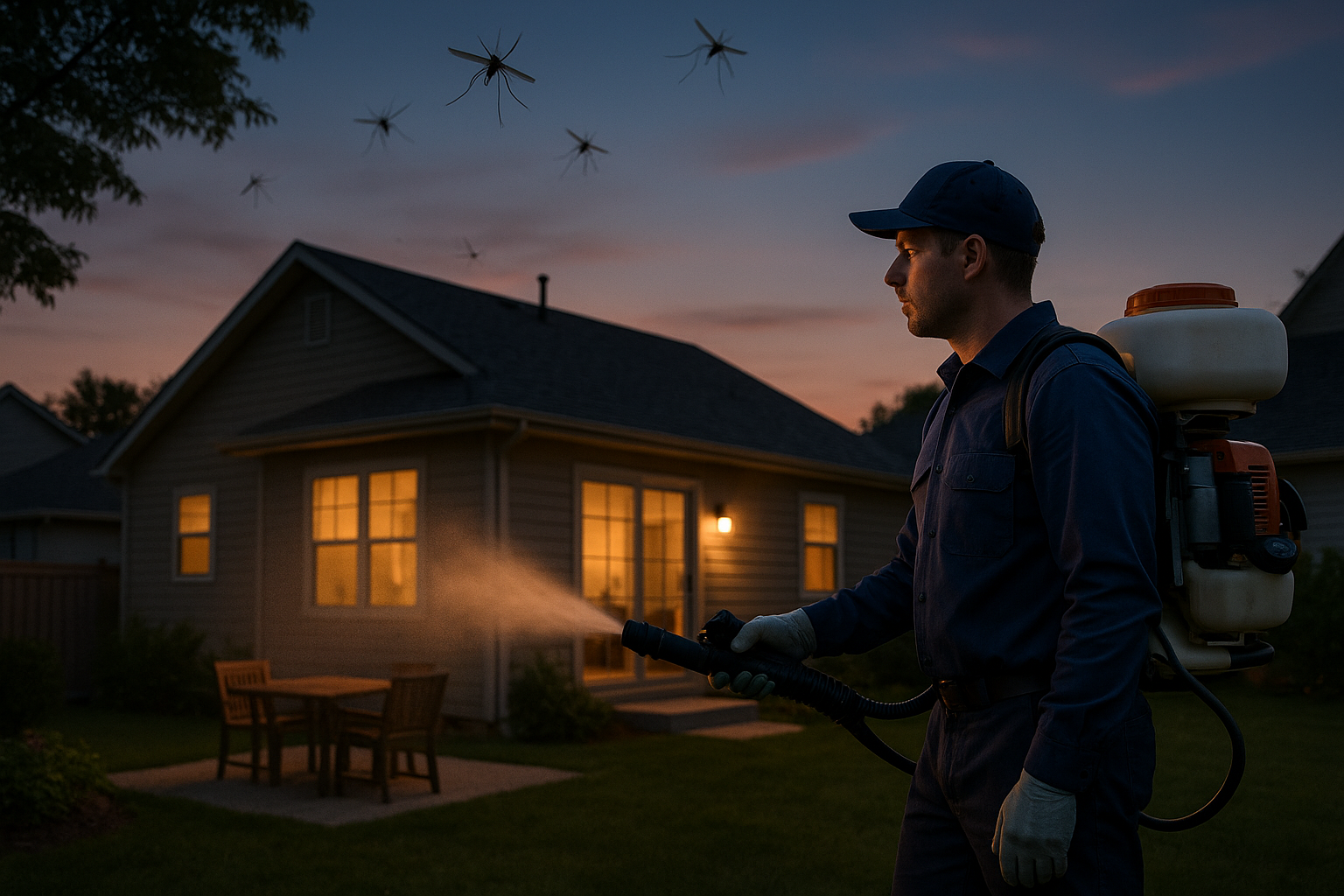
Why Mosquitoes Are a Growing Concern in Dunwoody
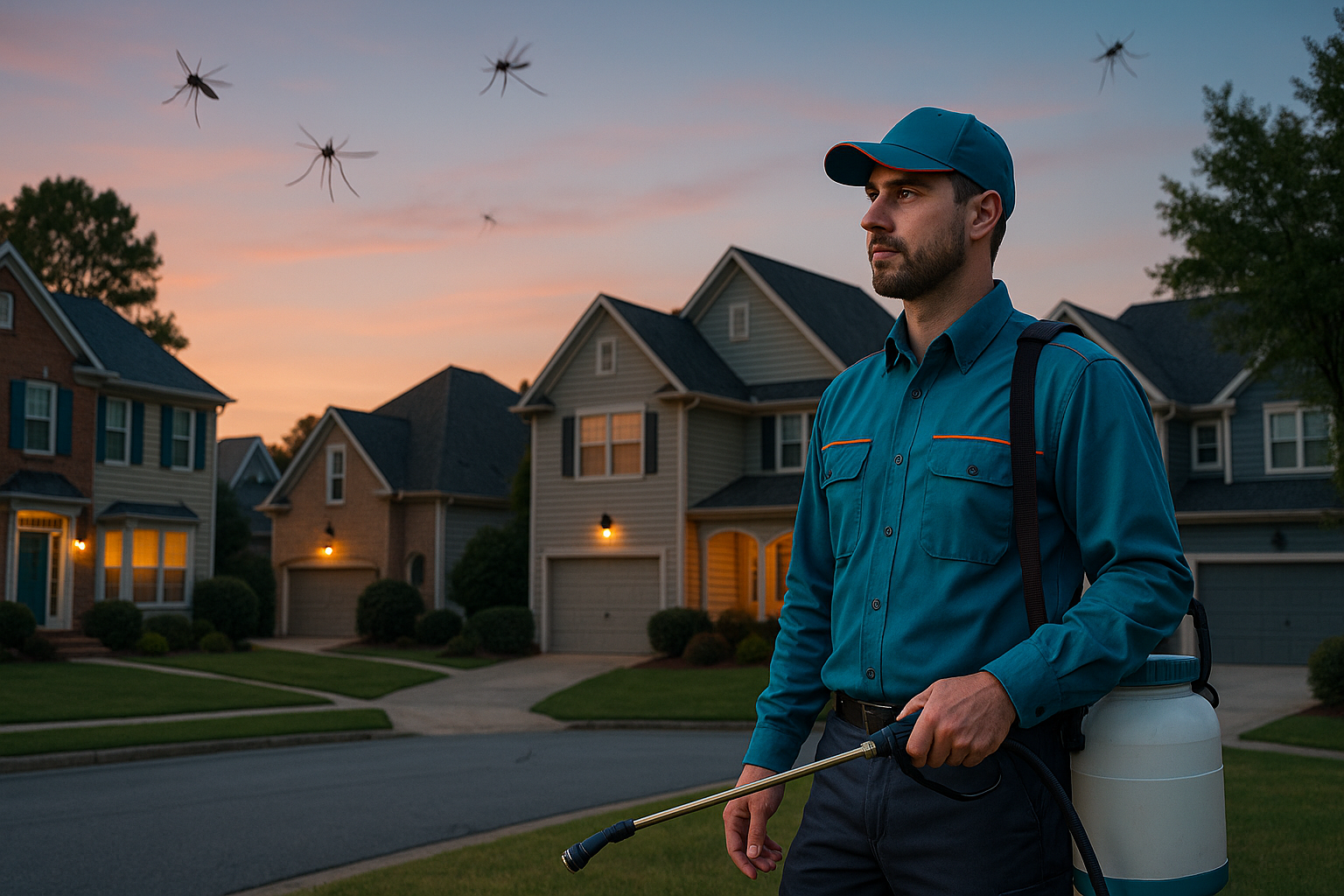
From early May through late October, Dunwoody experiences a predictable surge in mosquito activity. Warm daytime highs, lingering evening humidity, and frequent summer rainstorms create ideal breeding grounds in standing water—birdbaths, clogged gutters, and even damp leaf litter. As temperatures climb above 70°F, mosquito larvae develop rapidly, turning what was once a minor nuisance into a pervasive, year‑long threat.
Beyond the itch, local mosquitoes carry serious health risks. The most common pathogens reported in Georgia include:
- West Nile virus – fever, headache, muscle aches, and in severe cases, neurological complications.
- Zika virus – mild fever, rash, joint pain, and dangerous complications for pregnant women.
- Eastern Equine Encephalitis (EEE) – high fever, stiff neck, seizures, and a mortality rate exceeding 30% without prompt treatment.
The Centers for Disease Control and Prevention recorded over 1,300 West Nile cases in Georgia during 2023 (CDC, 2024). While the 2024 figures are still being verified, the trend underscores a growing public‑health concern that cannot be ignored.
For Dunwoody homeowners, the data‑driven reality is clear: each summer brings a heightened risk of mosquito‑borne illness, and the window for effective control narrows as breeding sites multiply. Prompt, professional intervention—paired with regular source‑reduction practices—offers the fastest path to protecting families and reclaiming outdoor comfort.
Mosquito Identification & Local Hotspots
Identifying the mosquito buzzing around your yard guides the right control steps.
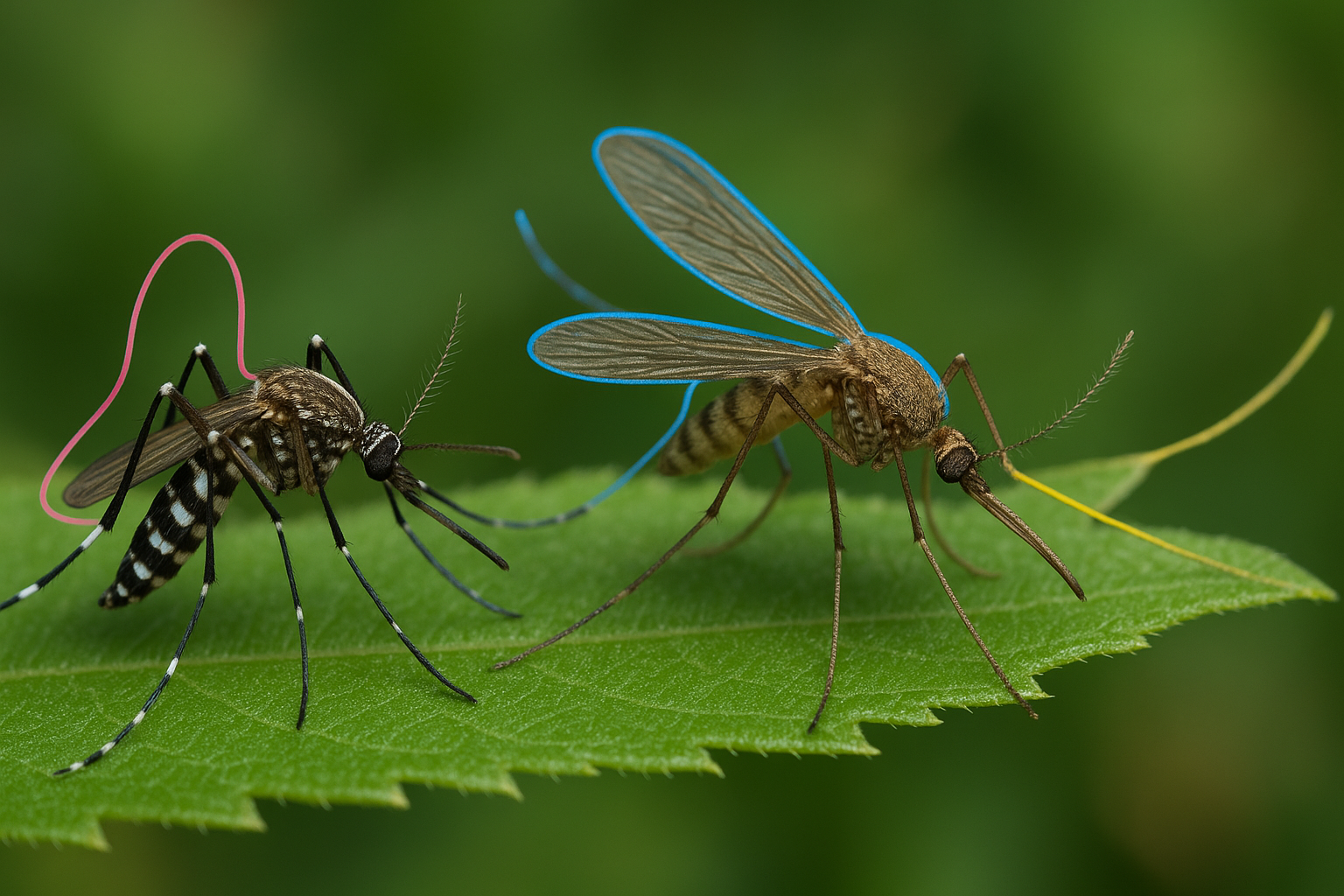
Asian Tiger Mosquito – Aedes albopictus
Size: 2‑5 mm long, about the length of a grain of rice. Markings: bold white‑black striped legs and a single white stripe down the center of its thorax. Breeding: prefers small containers—flower pots, tire rims, or any standing water that collects after a rain.
Southern House Mosquito – Culex quinquefasciatus
Size: 4‑6 mm, slightly larger than the tiger mosquito. Markings: brownish body with faint banding on the abdomen and no distinct leg stripes. Breeding: thrives in polluted, stagnant water such as clogged gutters, birdbaths, or poorly maintained storm drains.
Common Eastern Anopheles – Anopheles quadrimaculatus
Size: 4‑7 mm, the largest of the three. Markings: dark wings spotted with four pale spots, and a mottled gray‑brown abdomen. Breeding: favors clean, sun‑lit water like rice‑field edges, ditches, or shallow pools that receive direct sunlight.
The close‑up illustration below highlights the key markings—striped legs of Aedes, the muted abdomen of Culex, and the spotted wings of Anopheles—so you can match what you see in your yard to the right species.
Local Hotspots in Dunwoody
Recent surveys and EPA‑verified data show three neighborhoods with consistently higher mosquito activity:
- North Dunwoody – dense canopy and many ornamental ponds.
- Brookhaven – older homes with underground drainage that can hold water.
- The Village at Dunwoody – extensive landscaping and multiple bird‑feeding stations.
These neighborhoods combine abundant shade, ornamental water features, and older drainage systems, creating perfect micro‑habitats where eggs can survive the summer heat.
The EPA notes that the most common breeding sites in residential areas are standing water, clogged gutters, and birdbaths. Eliminating these sources cuts the population of all three species. For detailed guidelines, visit the EPA Mosquito Control page, which also confirms the species distribution across the Atlanta metro region.
Health & Economic Impact of Mosquitoes
Mosquitoes are more than a summer nuisance; they can turn a pleasant evening into a costly health crisis. In Georgia, the most common mosquito‑borne illnesses include West Nile virus, Zika, dengue fever, and Eastern Equine Encephalitis. Symptoms range from mild fever, headache, and joint pain to severe neurological complications that may require hospitalization.
Medical Costs
According to a recent analysis by the Georgia Department of Public Health, the average treatment expense for a West Nile case tops $2,500, covering diagnostic testing, hospital stay, and follow‑up care. Other mosquito‑borne diseases typically run between $1,500 and $2,000 per patient, depending on severity and length of care.
“During the 2022 peak season, Dunwoody Medical Center recorded 312 emergency‑room visits for mosquito‑related illnesses, a 28 % rise from the previous year,” the hospital reported in the 2023 GA health department summary.
Property Value Decline
Beyond health bills, an unchecked mosquito problem can erode your home’s market appeal. A study conducted by the Multiple Listing Service (MLS) in the Atlanta metro area found that properties with documented mosquito infestations sold, on average, 5 % lower than comparable homes without the issue. For a typical $300,000 residence, that translates to a loss of roughly $15,000.
| Impact | Average Cost per Incident | Notes |
|---|---|---|
| West Nile treatment | $2,500 | Includes hospital stay and follow‑up |
| Other mosquito‑borne illnesses | $1,800 | Varies with severity |
| Property value loss (5 % discount) | Varies by home price | ≈ $15,000 on a $300k home |
Prevention Basics Every Homeowner Should Know
Keeping mosquitoes at bay starts with simple, EPA‑backed habits that turn your yard into an uninviting zone for breeding. By tackling water sources, choosing the right plants, and adding physical barriers, you can cut mosquito activity dramatically without relying on chemicals. Even a few minutes each week can dramatically lower mosquito numbers during peak season.
Eliminate Standing Water
- Clean gutters and downspouts at least twice a year to prevent puddles.
- Empty birdbaths, pet dishes, and plant saucers weekly; refill only after cleaning.
- Cover rain barrels with tight‑fitting lids or use fine mesh screens.
- Turn over unused buckets, tires, and toys that can collect rain.
Landscape Tips
- Trim grass and weeds to a maximum of 4‑5 inches; short foliage dries faster.
- Incorporate mosquito‑repellent plants such as citronella, marigold, catnip, and lavender around patios and entryways.
- Avoid dense, low‑lying shrubs that create humid micro‑climates.
- Maintain proper drainage by grading soil away from the home’s foundation.
DIY Barriers
- Install tight‑fitting screen doors and repair any tears in window screens.
- Apply EPA‑registered outdoor repellents to decks, fences, and garden furniture. See the EPA mosquito‑control guidance for approved products.
- Use portable fans on porches; a breeze makes it harder for mosquitoes to land.
Pair these steps with a professional inspection for best results.
Quick‑Reference Checklist (suggested graphic): A printable one‑page table listing each action, frequency, and a checkbox for completion. This visual aid helps homeowners track progress and stay consistent.
Following these EPA‑endorsed steps not only reduces the nuisance of bites but also lessens the risk of mosquito‑borne diseases. For a deeper dive into official recommendations, visit the EPA’s mosquito‑control page and keep it handy when you plan your seasonal yard maintenance.
Professional Mosquito Extermination – What Anthem Pest Offers
Comprehensive Service Options
Anthem Pest tailors its mosquito control to fit any home’s needs. Homeowners can choose a one‑time barrier spray that creates an immediate protective wall around the property, a weekly seasonal fogging program that keeps adult mosquitoes at bay throughout the summer, or larvicide granules that target breeding sites before the insects emerge. Each method uses EPA‑approved ingredients that are safe for pets and children.
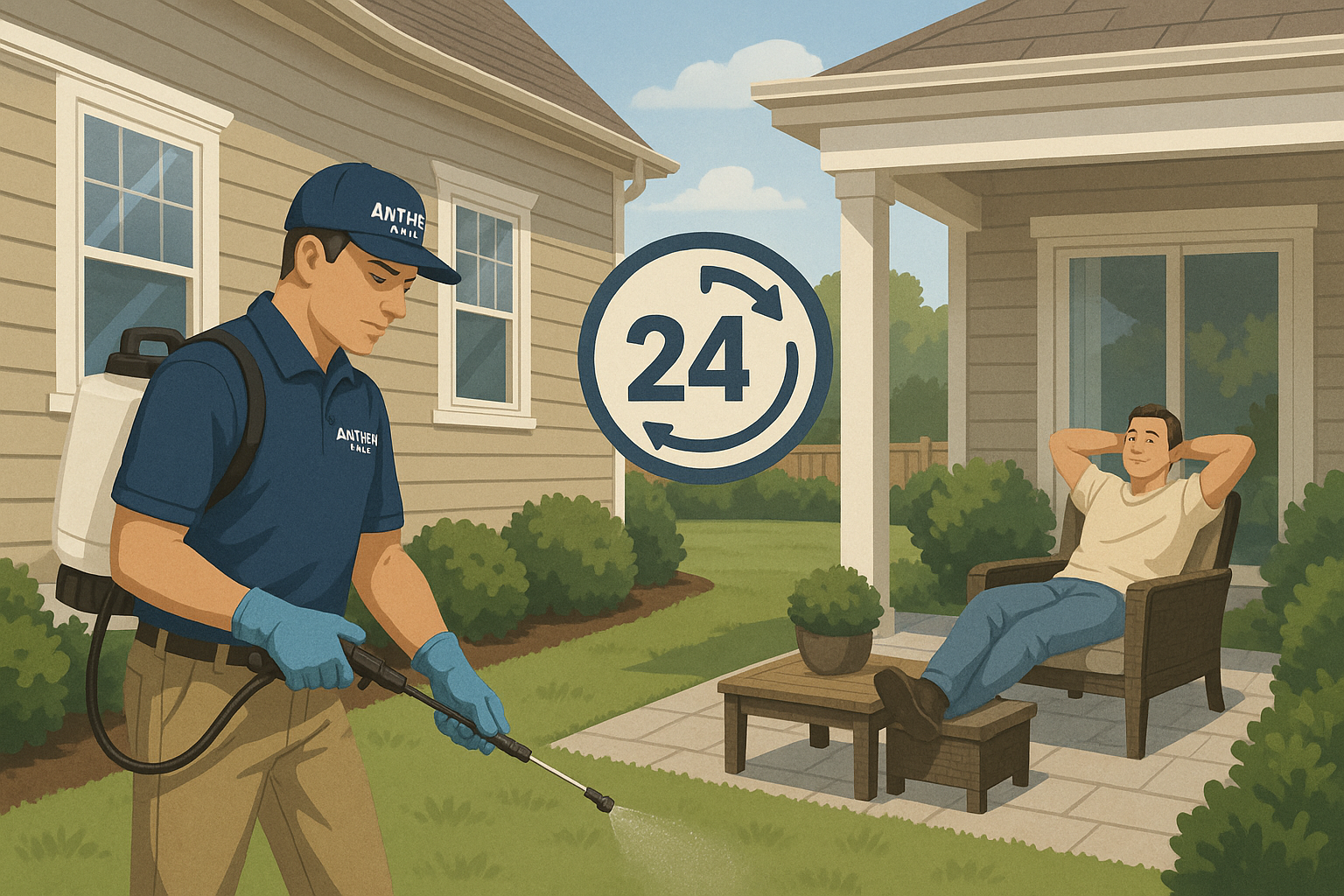
Fast‑Relief Protocol
When a mosquito surge threatens your backyard, Anthem Pest activates its 24‑hour knock‑down protocol. Technicians apply a high‑impact spray that eliminates active adults within hours, while the residual formula continues to work for up to 30 days. This dual‑action approach gives homeowners immediate comfort and a month of ongoing protection without the need for daily DIY sprays.
Transparent Pricing
Pricing is presented up front, so you never face surprise fees. A single barrier treatment ranges from $129 to $179, reflecting the size of the property and the specific product mix. For longer‑term peace of mind, the 5‑month package—which includes three fogging visits and two larvicide applications—runs between $349 and $399, aligning with the Georgia Department of Agriculture’s market averages for residential mosquito control.
Local Compliance & Expertise
All Anthem Pest technicians are licensed by the State of Georgia and undergo annual training on the latest EPA‑approved mosquito products. The company adheres strictly to local regulations, ensuring that each application meets or exceeds state guidelines. Homeowners benefit from a team that combines scientific knowledge with on‑the‑ground experience, delivering safe and effective results every time.
Customer Success Story – Dunwoody Homeowner
When the Martin family moved into their Brookhaven‑style home on the edge of Dunwoody, they were greeted by more than just friendly neighbors. Their backyard, once a tranquil spot for evening barbecues, had become a buzzing nightmare. Within the first week, they logged over 150 mosquito bites and counted an estimated 120 active mosquitoes hovering around the patio each evening.
After a quick consultation, Anthem Pest scheduled two targeted treatments spaced ten days apart. The first application focused on the standing water in the drainage swales and the dense foliage where adult mosquitoes rest. The second visit treated the perimeter fence line and installed a residual barrier that continues to work for weeks.
Four weeks after the final treatment, the Martins recorded a dramatic shift: the nightly count dropped to just 12 mosquitoes, and bite incidents fell by 90 %.
“We went from dreading our own backyard to actually enjoying it again,” says Linda Martin. “The difference is night‑and‑day – we can finally sit outside without swatting every few seconds.”
The timeline was straightforward:
- Day 0 – Initial inspection and mosquito count (≈120)
- Day 3 – First treatment (larvicide + adulticide)
- Day 13 – Second treatment (residual barrier)
- Day 31 – Follow‑up inspection (≈12 mosquitoes)
Anthem Pest verified the reduction using a mosquito trap placed at the rear of the house, and all chemicals applied meet EPA safety standards, protecting children, pets, and the environment. The two‑visit plan cost the family less than a typical weekly lawn service, demonstrating Anthem’s commitment to affordable, high‑impact solutions.
For a deeper look at the Martin’s experience, visit the Anthem Pest testimonial page. Their story underscores how a focused, two‑step approach can deliver fast, lasting relief for Dunwoody homeowners.
Frequently Asked Questions (FAQ)
How long does a treatment last?
Our standard mosquito barrier treatment provides residual protection for 4–6 weeks, depending on weather and species. The formulation is designed to cling to vegetation and outdoor surfaces, releasing an active ingredient slowly over time. We schedule follow‑up visits before the protection window closes to keep your yard consistently inhospitable to mosquitoes. Heavy rain may shorten residual protection, prompting an earlier re‑application.
Is it safe for pets and children?
Yes. All products we apply are EPA‑registered and classified as low‑risk for humans and animals when used with label directions. The active ingredients have been tested for dermal and oral toxicity and are widely used in residential settings. We also recommend keeping pet food and water dishes covered until the spray dries. We also advise a brief 30‑minute re‑entry period after spraying, after which the area is safe for family and pets.
What if mosquitoes return between treatments?
We stand behind our work with a re‑treatment guarantee. If you notice a resurgence of mosquitoes within the advertised protection period, simply contact us and we’ll revisit your property at no extra charge. Most homeowners notice fewer bites within three days of the first spray. In most cases, a supplemental spot‑treatment or adjustment of the spray schedule resolves the issue.
Where can I find more detailed information?
For additional technical details and best‑practice control methods, consult the National Pest Management Association’s mosquito FAQ: NPMA Mosquito FAQ. The resource covers everything from life‑cycle insights to environmentally responsible control methods. The NPMA guide also recommends combining source reduction with chemical barriers for optimal results.
How to Schedule Fast Relief
When mosquitoes turn your backyard into a bite‑filled battlefield, you need a solution that arrives fast. Anthem Pest’s booking process is designed to get a technician to your door in record time, so you can reclaim your outdoor space without delay.
- Pick up the phone or go online. Call 877‑371‑8196 or fill out the short online form on our website. Both options capture the essential details—your address, the type of pest problem, and the best times to reach you.
- Free on‑site inspection. Within a few hours a certified technician arrives for a no‑cost walk‑through. We identify breeding sites, assess the severity of the infestation, and explain the treatment plan in plain language.
- Same‑day service window confirmation. After the inspection, we lock in a same‑day service slot that fits your schedule. You’ll receive a confirmation email or text with the exact arrival window, so you know exactly when to expect us.
Why act now? Mosquitoes breed rapidly, and each day they linger increases the risk of bites and disease. By securing a same‑day appointment, you cut the breeding cycle short and protect your family’s outdoor enjoyment.
What sets Anthem Pest apart is our 24‑hour response guarantee. If you’re bitten tonight and need immediate relief, we prioritize your request and dispatch a team within the next 24 hours—no extra fees, no waiting. Our technicians arrive stocked with EPA‑approved treatments, so the moment they step onto your property, they can begin the targeted application that eliminates adult mosquitoes and prevents future hatches.
Ready to stop the buzzing? Click the button below or call now to claim your free quote and lock in a rapid‑response appointment.
Button text suggestion: “Get My Free Quote Now”
Sources & Further Reading
Homeowners seeking deeper insight into mosquito science, health risks, and control strategies will find the resources below invaluable.
Understanding mosquito threats involves more than a quick spray; it requires knowledge of disease vectors, local regulations, and integrated control methods. These sources give you the scientific background and policy guidance you need to make informed decisions.
- CDC – Mosquito‑Borne Diseases: The Centers for Disease Control and Prevention offers up‑to‑date information on mosquito‑transmitted illnesses, regional risk maps, and prevention tips. Their site is a go‑to reference for understanding how mosquitoes impact public health and what steps you can take at home. https://www.cdc.gov/mosquitoes/
- EPA – Mosquito Control Guidelines: The U.S. Environmental Protection Agency outlines environmentally responsible control methods, regulatory considerations, and best‑practice recommendations for both professionals and DIY enthusiasts. This guide helps you evaluate treatment options that balance effectiveness with ecological safety. https://www.epa.gov/mosquito-control
- NPMA – Mosquito Pest Guide: The National Pest Management Association provides a comprehensive pest guide covering mosquito identification, life cycle, seasonal activity, and integrated pest‑management (IPM) tactics. It’s especially useful for homeowners seeking a science‑backed approach before calling a service. https://www.npmapestworld.org/pest-guide/mosquito/
- Anthem Pest – Mosquito Services: Our own resource hub details the specific treatments we use in Dunwoody, GA, pricing transparency, and safety protocols. Reviewing this page can help you compare local options and understand what a professional mosquito extermination plan looks like. https://anthempest.com/mosquito-control
By reviewing the material above, you’ll be better equipped to discuss options with a professional, ask the right questions, and ensure any treatment aligns with both safety standards and your household’s comfort.
All links have been checked for current accessibility, and they provide a solid foundation for anyone wanting to expand their knowledge beyond the basics covered in this blog.
Enjoy Your Dunwoody Backyard Again
With our fast‑relief mosquito treatments, you’ll notice the buzz disappearing within hours, leaving your family and pets safe from bites and chemicals. Our technicians know Dunwoody’s unique breeding hotspots, so every spray targets the right places the first time.
The result? A backyard you can finally enjoy—dinner al fresco, evening games, or a simple swing set session—without the constant swat. Beyond comfort, a mosquito‑free yard helps preserve your property’s curb appeal and resale value, keeping your home looking its best year‑round.
Because we prioritize safety, all applications follow strict EPA guidelines, minimizing exposure for children, pets, and beneficial insects. Our treatments are designed to keep mosquitoes at bay for weeks, giving you peace of mind throughout the hot Georgia summer.
If you’re ready to reclaim your yard, let Anthem Pest’s certified technicians handle the work. We offer transparent pricing, EPA‑approved products, and a 24‑hour response guarantee, all backed by local knowledge of Dunwoody’s mosquito challenges.
Call us today at 877‑371‑8196 for a free quote, or visit Anthem Pest Control to schedule your fast, effective mosquito elimination.
Don’t let mosquitoes dictate your evenings—let us bring back the freedom to enjoy every sunset.