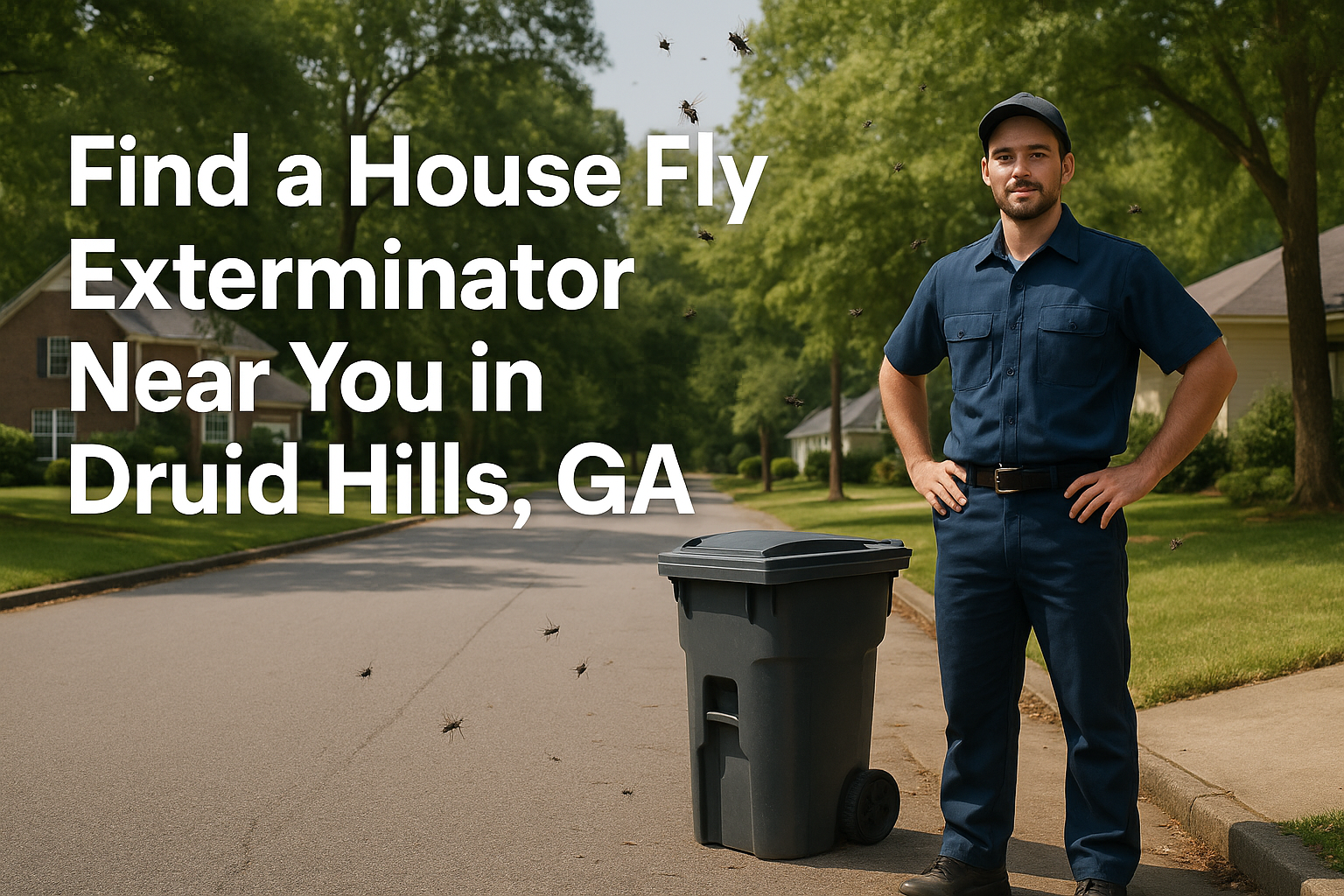
Why House Flies Matter in Druid Hills, GA

House flies may seem like a minor nuisance, but they carry a hidden arsenal of bacteria, viruses, and parasites that can turn a tidy home into a health hazard. When a fly lands on garbage, pet waste, or decaying organic matter, it picks up pathogens such as Salmonella, E. coli, and Staphylococcus aureus. A single fly can visit dozens of surfaces in a short period, contaminating countertops, utensils, and even the food you serve to your family. The result is an increased risk of food‑borne illness, especially for children, seniors, and anyone with a compromised immune system.
Beyond health concerns, flies erode comfort and enjoyment of your living space. Their constant buzzing, relentless landing on faces, and the unsightly mess of fly specks on walls create a perception of neglect. In a neighborhood where curb appeal matters, a fly‑infested patio or kitchen can lower the overall satisfaction of homeownership and even affect property value.
Druid Hills intensifies these problems thanks to its unique local conditions. The area’s dense residential layout means homes sit close together, facilitating rapid fly movement from one yard to the next. Proximity to popular green spaces—such as the historic Druid Hills Golf Course and nearby parks—provides abundant breeding grounds of organic debris and standing water. Seasonal humidity, especially during the warm summer months, creates the perfect micro‑climate for flies to reproduce quickly, often resulting in noticeable population spikes in just a few weeks.
This guide exists to cut through the frustration and help Druid Hills homeowners locate a reliable house‑fly exterminator. By understanding the health risks, the way local geography fuels fly activity, and the importance of swift professional intervention, you’ll be better equipped to protect your family and maintain a comfortable, fly‑free home.
Spotting House Flies in Your Home
House flies are unmistakable once you know what to look for. They measure roughly 6‑12 mm from head to tail, sport a sleek gray‑black thorax and abdomen, and have bright, blood‑red compound eyes that glint in daylight. Their single pair of clear wings beats rapidly, creating that familiar buzzing sound near windows and doors.
The fly’s life‑cycle is short but prolific. A female can lay up to 150 eggs on a moist substrate such as decaying food, garbage, or animal waste. Within a day the eggs hatch into tiny, whitish larvae—commonly called maggots—that feed voraciously for 3‑5 days. They then pupate, forming a protective casing where they transform into adults over another 2‑4 days. In warm indoor environments, this entire cycle can repeat every 7‑10 days, allowing populations to explode before you even notice a single adult.
Early signs of an indoor infestation are subtle but tell‑tale. Look for clusters of flies hovering near bright lights or ceiling fans, especially in kitchens and bathrooms. Check trash cans, compost bins, and pet waste areas for slimy, white maggots or a foul, fermenting odor. You may also spot tiny white egg ribbons on the undersides of damp surfaces or in the crevices of window screens.
Local data underscores the growing problem. According to the Druid Hills 2023 municipal pest‑service report, calls related to house flies rose 12 % compared with the previous year, with most reports originating from residential kitchens and outdoor patios. This uptick signals that homeowners should stay vigilant and act quickly at the first hint of activity.
Health Risks and the Need for Prompt Action
House flies may look harmless, but they are efficient disease carriers that can turn a kitchen mishap into a health threat. When a fly contacts garbage, animal waste, or a carcass, it picks up pathogens on its legs, proboscis, and body hairs, then deposits them onto food, countertops, or utensils.
Common diseases spread by house flies
- Salmonella – causes fever, cramps, and diarrhea.
- E. coli – can lead to severe stomach upset and kidney risk.
- Shigellosis – results in bloody diarrhea and dehydration.
The CDC links house flies to about 1 million food‑borne illnesses each year in the U.S., translating to thousands of ER visits, missed workdays, and sometimes long‑term complications. These illnesses can cause severe dehydration, hospitalization, and, in rare cases, death.
Who is most at risk?
Children, seniors, and anyone with a weakened immune system are especially at risk.
- Children – frequent hand‑to‑mouth behavior and developing immunity make them vulnerable.
- Seniors – age‑related immune decline increases the chance of serious infection.
- Immunocompromised individuals – chemotherapy, organ transplants, or chronic illness can turn a mild case into a severe one.
Flies breed fast and move easily from outdoor waste to indoor areas, so DIY sprays rarely break the cycle. A professional service applies a residual treatment that kills adults, stops breeding, and creates a barrier against reinfestation. Acting quickly protects your family’s health and avoids costly medical bills. Without a licensed approach, flies quickly return, putting your kitchen and dining areas at continual risk.
Anthem Pest Control’s licensed technicians use EPA‑approved products applied safely with a satisfaction guarantee. In Druid Hills’ warm, humid climate, prompt professional intervention is the most reliable way to keep your home—and your loved ones—healthy.
Why Flies Thrive in Druid Hills
Poor Waste Management
Flies are opportunistic scavengers, and the moment they spot an easy food source they multiply. In many Druid Hills neighborhoods, uncovered trash cans, pet waste left on sidewalks, and compost piles that aren’t properly sealed become nightly buffets. The organic matter releases odors that attract adult house flies, while the moist environment provides perfect breeding grounds for larvae. Homeowners who forget to tie bag lids or who allow pet droppings to accumulate inadvertently create a fly‑friendly ecosystem right at their doorstep.
Nearby Attractors
The surrounding community also fuels the problem. The Druid Hills Golf Club maintains lush, irrigated fairways and a steady supply of grass clippings—ideal for flies that need moisture and decaying plant material. Likewise, the local farmers market draws crowds, fresh produce, and leftover food scraps. Even after the market closes, discarded fruit skins and vegetable trimmings linger in nearby bins, offering a continuous food source that draws flies from surrounding yards into residential areas.
Seasonal Peak
Temperature is the final piece of the puzzle. From late spring through early fall, Druid Hills experiences average highs of 75‑85 °F. These warm conditions accelerate the fly life cycle: an egg can hatch in as little as 24 hours, and a full generation can develop in under two weeks. The combination of heat, humidity, and abundant food means fly populations explode during these months, making infestations more noticeable and harder to control.
Understanding these three local drivers—lax waste handling, nearby attractors, and a long warm season—helps homeowners recognize why flies seem to appear out of nowhere. By tackling each factor, you can break the cycle before flies become a persistent nuisance. Regular inspections and prompt clean‑up can keep the numbers down.
Choosing a Local Exterminator – Key Criteria
When a house fly invasion turns your porch into a buzzing nuisance, the right exterminator can make the difference between a quick fix and a recurring problem. Choosing wisely also safeguards your family’s health and keeps gatherings fly‑free. Below are the non‑negotiables you should verify before signing a service agreement in Druid Hills.
Verify Licensing and EPA‑Registered Products
A reputable pest‑control firm must hold a valid Georgia pesticide applicator license and use only EPA‑registered chemicals. This guarantees that the products have undergone rigorous safety testing and are approved for residential use. Ask to see the license number and request a list of the active ingredients they plan to apply. Confirm the license is current and includes any required continuing‑education credits.
Insurance, Guaranteed Response Time, and Transparent Pricing
Professional companies carry general liability insurance that protects you if an accidental spill or property damage occurs during treatment. Look for a written guarantee that a technician will be on‑site within 24 hours of your call—delays can let flies re‑establish their breeding sites. Transparent pricing means no hidden fees; the quote should break down labor, product cost, and any follow‑up visits. The contract should spell out any warranty period for treatment effectiveness.
Current Price Range for a Single‑Visit Fly Treatment
Based on 2024 EPA cost data, most Druid Hills providers charge between $75 and $150 for a one‑time interior fly treatment. The lower end typically covers a small‑to‑medium home with standard bait and spray, while the higher end reflects larger properties, extensive indoor/outdoor coverage, or premium low‑toxicity formulas. Use this range as a benchmark when comparing estimates. Ask if the quote covers a follow‑up check to verify results.
Local Reviews and Neighborhood Familiarity
Online feedback on Google, Nextdoor, or local Facebook groups reveals how quickly a company responds and how well they understand Druid Hills’ unique housing styles. Technicians who know the area can pinpoint common fly entry points—such as screened porches, attic vents, or nearby trash collection sites—without a lengthy inspection. Prioritize exterminators with a track record of positive reviews from neighbors in the same zip code. Look for comments about punctuality and respectful service when a tech enters your home.

Anthem Pest Control – Local Expertise
Anthem Pest Control has built a reputation as the go‑to fly‑exterminator for homeowners in Druid Hills, GA, and the surrounding neighborhoods. Their service area stretches from the historic homes of Emory University to the leafy streets of North Druid Hills, ensuring that every resident has a local partner who knows the unique pest pressures of this part of Fulton County. Certified by the National Pest Management Association (NPMA) and holding an EPA‑registered operator license, Anthem’s technicians undergo annual training that keeps them current on the latest fly‑control techniques and safety protocols.
Mission‑Driven, Low‑Toxicity Solutions
The company’s mission is simple: protect your home and family while minimizing environmental impact. To that end, Anthem relies on EPA‑approved, low‑toxicity chemicals that target house flies without lingering residues on countertops or in children’s play areas. Their Integrated Pest Management (IPM) approach starts with a thorough inspection, identifies entry points, and implements non‑chemical barriers before any spray is applied. When chemicals are necessary, they are applied precisely, using calibrated equipment that reduces waste and maximizes efficacy.
What Homeowners Can Expect
- Rapid response—most calls are answered within one business hour.
- Transparent pricing—no hidden fees, just a clear estimate before work begins.
- Follow‑up visits—to verify that fly populations are under control and to adjust treatment if needed.
Anthem also participates in local neighborhood watch meetings, sharing tips on how to keep flies out of homes before they become a problem.
Contact Anthem Pest Control
Ready to reclaim your kitchen and patio from buzzing house flies? Call 877‑371‑8196 or visit anthempest.com to schedule a free inspection.
“I called Anthem after a sudden swarm of flies invaded our dinner party. The technician arrived the same day, identified the breeding site, and treated it with a safe spray. Within hours the flies were gone, and we felt confident the problem wouldn’t return. Their quick response saved our gathering!” – Jenna L., Druid Hills homeowner
Prevention Strategies Homeowners Can Implement

Daily Sanitation
Flies are attracted to anything that smells like a buffet. The simplest way to deny them a meal is to keep the perimeter of your home spotless. Start by securing trash in bins with tight‑fitting lids and emptying them at least twice a week. Pet waste should be scooped promptly and disposed of in a sealed container—flies love the moisture and organic matter in that waste. If you compost, cover your compost bins with a solid lid or mesh; a loose top is a beacon for flies looking for a breeding site.
Physical Barriers
Even the cleanest yard can’t stop a fly that slips through a gap. Reinforce your home’s defenses:
- Screen windows and vents with fine mesh; replace any torn sections immediately.
- Install door sweeps on all exterior doors to block the tiny entry points flies use.
- Choose fly‑proof lighting—LED bulbs that emit less ultraviolet light reduce the attraction of flies to your porch or patio.
Seasonal Timing
In Druid Hills, flies begin to multiply as soon as the weather warms. A proactive step is to schedule a pre‑emptive treatment in early May. This timing hits the fly life cycle before populations explode, giving you a buffer of several weeks of reduced activity. Contact Anthem Pest Control then to set up a targeted exterior spray or bait program tailored to your property.
Community Actions
Pest control isn’t just a solo effort—your neighbors play a big role, too. Organize a neighborhood clean‑up day once each season. Focus on:
- Collecting discarded food containers and broken planters.
- Removing standing water from gutters, birdbaths, and pet water dishes.
- Inspecting shared spaces for rotting organic matter that could serve as fly breeding grounds.
When an entire block follows the same standards, flies find fewer places to hide, and the overall pest pressure drops dramatically.
By weaving these daily habits, physical upgrades, timely treatments, and community initiatives into your routine, you create a multi‑layered shield that keeps house flies at bay year after year.
Frequently Asked Questions
How long does a treatment last?
Our house‑fly treatments are designed to provide protection for up to 4 weeks under normal conditions. The residual spray continues to kill flies that land on treated surfaces, while the bait stations keep the population suppressed. Seasonal spikes or heavy infestations may shorten the effect, so we recommend a follow‑up inspection. We also advise sealing screens and doors to boost effectiveness.
Are pets and children safe during/after treatment?
Yes. We use EPA‑approved products that are low‑toxicity and specifically formulated for indoor use around families and pets. Technicians apply the chemicals when occupants are out of the treatment area, and we advise a short “re‑entry” window—typically 30 minutes—before children or pets return. We also provide a brief safety sheet with any precautionary steps.
Do I need multiple visits for complete control?
Most single‑visit plans resolve a moderate fly problem, but severe infestations often require two to three appointments spaced one week apart. The first visit targets the existing adult flies, while subsequent visits address emerging eggs and larvae, ensuring the colony is fully eliminated. We also check for breeding sites and suggest simple sanitation tweaks.
What steps are taken if flies return after treatment?
If you notice flies again within the guarantee period, simply call our service line. We’ll schedule a complimentary re‑evaluation, identify any gaps in the original application, and apply a supplemental treatment at no extra cost. Our techs will re‑treat missed hotspots to prevent recurrence. Our goal is to keep your home fly‑free year‑round.
How to Schedule Your Fly Treatment
When flies start buzzing around your kitchen, the fastest way to reclaim your home is to book a treatment with Anthem Pest Control. Follow these three simple steps and you’ll have a certified technician on the way—often the same day.
Because Druid Hills experiences warm, humid summers, technicians apply a spray that stays effective for weeks, keeping flies at bay after the visit.
1. Choose Your Booking Method
Dial 877‑371‑8196 to speak directly with a scheduling specialist, or visit the online booking portal on Anthem’s website. The portal walks you through date‑and‑time options, letting you lock in a slot that fits your calendar.
2. Gather Key Details
Before you call or submit the form, have the following information ready:
- Your full service address (street, city, ZIP).
- A brief description of the fly activity—where you see them most, how long it’s been happening, and any hot‑spot areas.
- Whether pets or children are present, so our technicians can tailor the treatment for safety.
3. Confirm and Prepare
Once your appointment is confirmed, the technician will email a reminder with any prep instructions (e.g., clearing countertops or securing food). If you’re dealing with an emergency outbreak, let the scheduler know; Anthem offers same‑day appointments for urgent fly infestations at no extra charge.
That’s it—just three steps, and you’ll be on your way to a fly‑free home.
Sources and Further Reading
When you’re researching house fly control, reliable data helps you make informed decisions. Below are key resources that provide scientific and regulatory insight:
The CDC page outlines the diseases house flies can transmit, from bacterial infections to parasitic worms, and offers prevention tips for households. The EPA’s pesticide use report gives national estimates on how much chemical control is applied each year and the associated costs, helping homeowners weigh the economic impact of treatments. NPMA provides a concise fact sheet covering the fly’s life cycle, habits, and effective control methods, which is especially useful for DIY assessments before calling a professional.
For the most accurate picture of fly activity in Druid Hills, cross‑reference these sources with the city’s public‑health reports and local pest‑complaint statistics. Keeping up with current research ensures you choose safe, effective treatments that protect your home and family.
Take the Next Step to a Fly‑Free Home
House flies aren’t just a nuisance; they can spread bacteria like E. coli and Salmonella, turning a summer patio into a health hazard. In Druid Hills, dense foliage, outdoor dining areas, and occasional waste buildup create perfect breeding grounds for these pests. Professional treatment eliminates the source, reduces disease risk, and restores the comfort of every room.
Anthem Pest brings local knowledge and EPA‑approved methods to every job. Our technicians know the Druid Hills micro‑climate, so they target hidden fly harborage points with safe, low‑impact chemicals. Transparent pricing means you’ll know exactly what’s included—no surprise fees, just a clear path to lasting control.
Ready for a free, no‑obligation assessment? Call us today at 877‑371‑8196 or book your complimentary quote online. Our friendly team will schedule a visit, walk you through the plan, and answer any questions you have about fly prevention.
Why choose professional treatment?
Professional treatment offers several advantages you won’t get from DIY sprays:
- Complete eradication of breeding sites, not just adult flies
- Long‑lasting protection with scheduled follow‑ups
- Compliance with EPA safety standards for children and pets
These benefits translate into a healthier home and peace of mind for you and your family.
Enjoy a comfortable, fly‑free home—reach out today. Visit Anthem Pest Control for more information and to start protecting your family now.