Why a Pro Termite Inspection Matters in Brookhaven
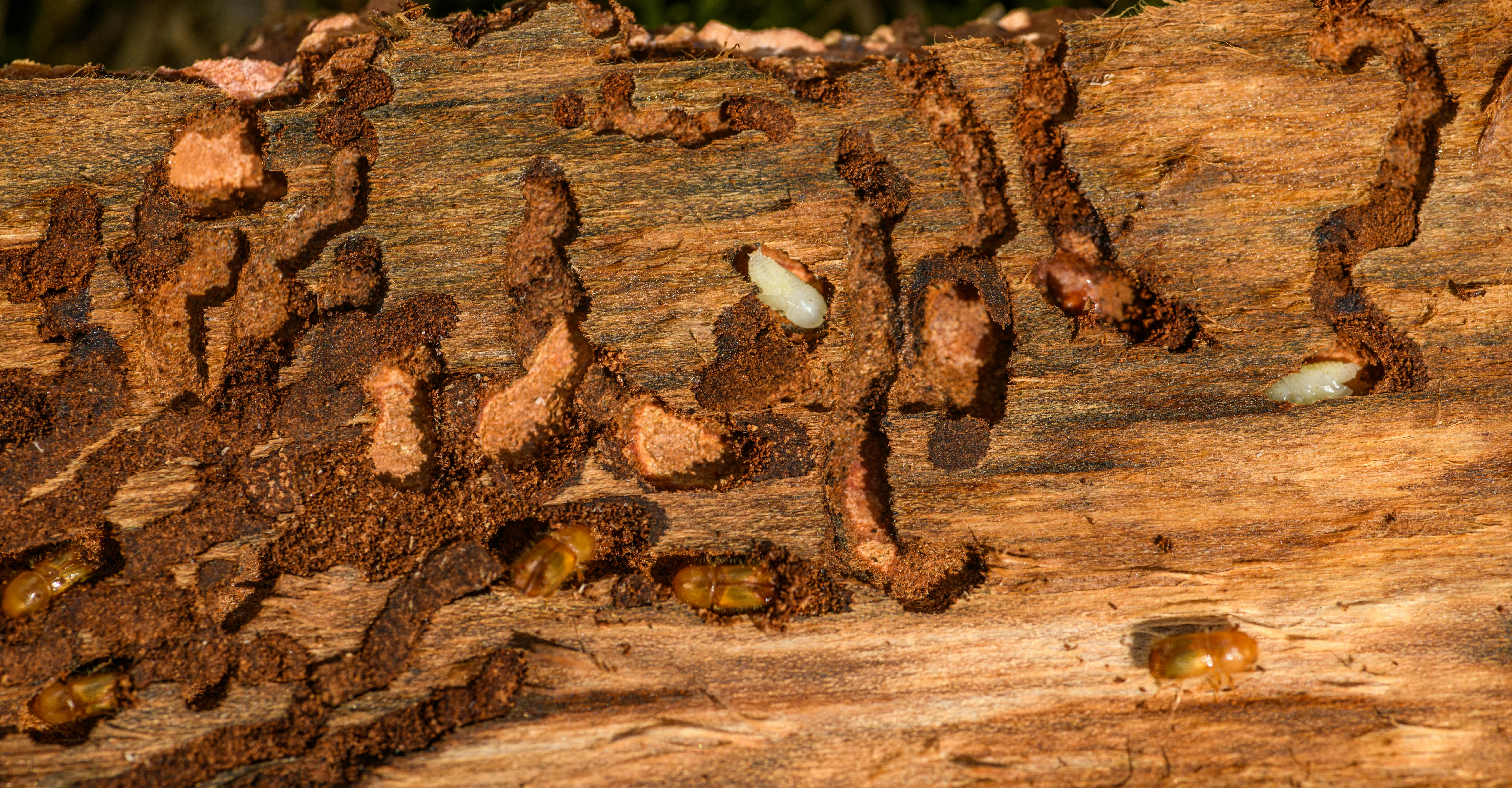
Brookhaven’s humid subtropical climate, combined with its canopy of mature oaks and pines, creates the perfect breeding ground for subterranean termites. The long, damp summers keep soil moisture high, while the abundant leaf litter supplies food and shelter, allowing colonies to expand unnoticed for years. These conditions keep wood in constant contact with moisture, accelerating decay and making it easier for termites to tunnel through foundations and support beams.
When an infestation does break the surface, the financial hit can be staggering. According to 2024 EPA data, homeowners typically spend between $3,000 and $10,000 on structural repairs after termites have compromised foundations, joists, or decorative woodwork. Those figures don’t even account for lost property value or the cost of temporary relocation.
Brookhaven’s historic neighborhoods are especially at risk. Many older homes feature solid heart‑pine beams, plaster‑on‑lath walls, and expansive crawl spaces—all of which termites love to gnaw. Original brickwork and decorative trim often hide galleries, making early detection difficult without a trained eye. Features like brick veneer over wooden studs and porch columns provide pathways that termites exploit.
That’s where Anthem Pest Control steps in. Our 24‑hour response line (877‑371‑8196) connects you with technicians who have spent more than a decade mapping termite activity across Brookhaven’s unique micro‑climates. We combine local knowledge with EPA‑approved treatment protocols to protect both the integrity of your home and your peace of mind.
Understanding these factors sets the stage for the step‑by‑step inspection guide that follows, helping you recognize warning signs, schedule a thorough evaluation, and decide when it’s time to call a professional.
The Subterranean Termite – Brookhaven’s Most Common Invader
In the heart of Brookhaven, the pest most likely to gnaw at your home’s foundation is the Eastern subterranean termite, Reticulitermes flavipes. This species has adapted perfectly to the humid, temperate climate of Georgia, making it the region’s dominant wood‑destroyer.
Life Cycle at a Glance
The colony begins with a queen laying thousands of eggs. Those hatch into nymphs, which mature into two castes: workers and soldiers. Workers do the foraging and feeding, while soldiers protect the nest. In spring, a portion of the colony develops into winged alates that swarm, mate, and start new colonies. This complete cycle—egg → nymph → worker/soldier → alate—repeats annually, ensuring a steady influx of new colonies.
Colony Size and Feeding Habits
A mature Reticulitermes flavipes colony can swell to up to 2 million individuals. Their diet is simple but destructive: any cellulose‑rich material, especially untreated wood, becomes a buffet. As they tunnel through wood, they remain hidden, often leaving only a few specks of frass as evidence.
Why Brookhaven Is a Prime Target
According to the NPMA 2023 report, 70 % of U.S. termite damage occurs in the Southeast. Three local factors amplify the threat:
- Wood‑to‑soil contact: Decks, fences, and siding that touch the ground give termites a direct pathway.
- Moisture levels: Subterranean termites need moisture; the region’s frequent rain and high humidity keep soils damp.
- Irrigation practices: Sprinkler systems that over‑water lawns or leach water onto foundations create ideal foraging corridors.
These factors turn a simple yard into a termite superhighway for colonies.
Imagine a typical Brookhaven backyard: a wooden deck extending over a concrete slab, surrounded by a sprinkler system that drips onto the soil beneath. That moist, wood‑rich environment is exactly what Reticulitermes flavipes seeks.
Understanding these basics helps you spot early warning signs—such as mud tubes along foundation walls or hollow‑sounding wood—before costly damage takes hold. If you notice any of these clues, it’s time to call a local professional who knows how to intercept the infestation before it spreads.
Red Flags That Your Home May Be Under Attack
Spotting termites early saves thousands in repairs and protects your family. Below is a concise checklist of the most common visual clues that a colony may already be active inside your home.
What to Look For
- Mud tubes – slender soil tunnels that climb the foundation, run along exterior walls, or appear in crawl spaces. Termites use them to travel between soil and wood.
- Hollow‑sounding wood – tap a beam, joist or baseboard; a drum‑like hollow thud often means the interior has been eaten away.
- Discarded wings – after a swarm, winged alates drop fragile wings near bright windows, lights or vents. A handful on the floor signals a problem.
- Fine wood dust or frass – dry, powdery dust resembling sawdust, often in cracks, behind baseboards or attic insulation. Frass may be slightly larger with wood fragments.
Case Study: A Rain‑Soaked Surprise
When a sudden thunderstorm drenched Brookhaven last July, longtime resident Maya Harris noticed dozens of delicate wings fluttering across her kitchen floor. She thought they were “just bugs” until she saw a faint line of mud tubes along the exterior foundation. A quick call to Anthem Pest Control confirmed an active swarm of subterranean termites. Because Maya acted within days, the company could treat the infestation before any structural beams were compromised.
Why Early Detection Matters
According to the EPA termite fact sheet, 45% of infestations are discovered only after structural damage has occurred. That statistic underscores the cost of waiting—repairs can run into thousands, while a professional inspection and early treatment are far less expensive.
Early action can keep your budget intact.
Quick Self‑Inspection Routine
- Walk the perimeter of your home and glance for mud tubes on the foundation or in crawl‑space vents.
- Tap wooden door frames, baseboards and exposed beams; listen for a hollow thud.
- Check windowsills, light fixtures and doorways for discarded wings, especially after rain or warm evenings.
- Feel for fine dust in cracks, under appliances, or inside attic insulation; sweep it onto a white paper to see if it resembles sawdust.
Mark any findings
Step‑by‑Step: What to Expect from Anthem Pest’s Inspection
1. Pre‑inspection phone call
When you dial 877‑371‑8196, our friendly scheduler will lock in a convenient time and confirm the address. We’ll ask a few quick questions—have you noticed mud tubes, wood damage, or unusual sounds?—so the technician arrives prepared. If you have pets, a small garden, or recent construction, let us know; we’ll note any special instructions. Our 24‑hour line stays open for last‑minute changes, ensuring you never feel stuck. Before the technician arrives, clear any clutter from the crawlspace entrance, ensure easy access to utility panels, and turn off pets’ water dishes to avoid accidental spills.
2. Exterior assessment
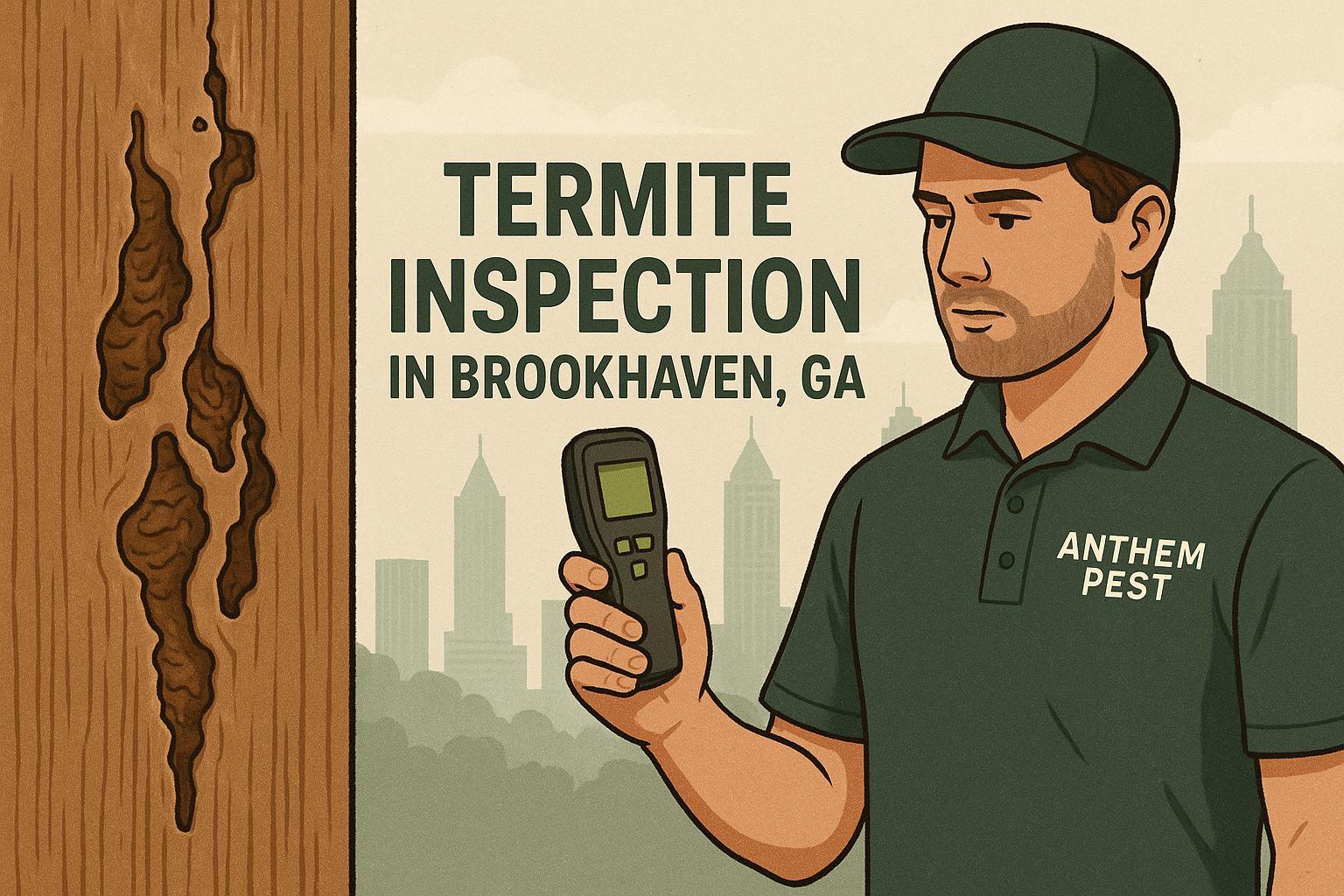
At the property, the inspector starts outside. He examines the foundation, crawlspace entry points, and the surrounding landscaping for moisture buildup. Using a calibrated moisture meter, he takes readings from soil and any exposed wood. Wet soil or wood above 20 % moisture is a red flag because termites thrive in damp conditions. He also checks for wood‑to‑soil contact, cracks, and any vents that could serve as highways for colonies.
3. Interior survey
Inside, the focus shifts to the most vulnerable areas: walls, cabinets, bathroom fixtures, baseboards, and any spot where wood meets concrete or soil. The inspector gently lifts a few baseboard sections, peers behind cabinets, and runs a handheld probe along wooden studs. He looks for tell‑tale signs—tiny holes, frass (termite droppings), or hollow‑sounding wood. Every room receives a quick glance, but high‑risk zones such as kitchens and bathrooms get extra attention.
4. EPA‑registered detection tools
Anthem Pest doesn’t rely on guesswork. An infrared camera scans walls for hidden moisture and temperature anomalies that often indicate active colonies. Acoustic emission devices listen for the faint, high‑pitched sounds termites produce while chewing. Both tools are EPA‑registered, meaning they meet strict safety and efficacy standards while keeping your family and pets safe.
5. Typical inspection duration
The entire walkthrough usually takes 45–60 minutes. This timeframe allows the technician to be thorough without over‑extending your day. If a larger home or complex layout is involved, the visit may edge toward the upper limit, but we always respect the schedule you set.
6. Delivery of a written report
After the walk‑through, the inspector compiles a detailed report on the spot. It includes clear findings, high‑resolution photos of any damage, a risk rating from “Low” to “Critical,” and a customized treatment plan. You’ll receive a printed copy and an electronic PDF, so you can review it at leisure or share it with family members.
7. Transparency and no‑obligation quote
Our philosophy is simple: you get all the facts before any money changes hands. The report outlines exactly why a treatment is (or isn’t) recommended, and the quoted price reflects only the services you choose. There’s no hidden fee, no pressure to sign up on the spot—just a clear, honest path forward.

Seasonal Timing for Optimal Detection
In Brookhaven, termites are most active when the soil is warm and moist, which typically occurs during two windows each year: spring (March – May) and early fall (September – October). During these months the colony’s foraging crews venture farther from the nest in search of cellulose, making it easier for a professional inspector to spot mud tubes, swarms, or damage.
The local climate reinforces this pattern. The Georgia Climate Center reports an average spring rainfall of 4.2 inches, providing the moisture termites need to expand their tunnels. Warm daytime highs in the 70‑80°F range keep the ground temperature above the 55°F threshold that triggers foraging behavior.
Early fall remains a prime detection period because the summer heat has subsided, yet soil moisture from late‑summer storms stays elevated. Termites resume surface foraging before winter dormancy, giving inspectors a second chance to locate active colonies that might have been missed in spring.
For homeowners planning renovations, schedule an inspection before any demolition or new construction begins. This gives you a clear picture of existing activity and lets us treat hidden colonies before they become exposed. Conversely, after a heavy rain event—especially one that exceeds the seasonal average—it’s wise to book a follow‑up check, because excess moisture can drive termites deeper into foundations.
Quick tip: Mark your calendar for two inspections each year—once in late March and again in early October. Setting automated reminders ensures you never miss the optimal windows, protecting your home before the next season’s damage begins.
From Prevention to Eradication – Your Treatment Roadmap
When termites breach your home’s defenses, knowing the full range of treatment options helps you make a confident, cost‑effective decision. In Brookhaven, three proven methods dominate the market: liquid termiticides, baiting systems, and whole‑home structural fumigation. Each delivers a different blend of speed, coverage, and environmental considerations, so you can match the solution to the severity of the infestation and your budget.
1. Liquid Termiticides (e.g., fipronil)
Liquid termiticides are applied directly to the soil around the foundation and beneath concrete slabs. Technicians use a calibrated sprayer to create a continuous chemical barrier that termites cannot cross. The barrier remains active for up to three years, offering long‑term protection after a single visit. Pricing in 2024, verified by the Georgia Department of Agriculture pest control cost survey, ranges from $1.50 to $2.50 per linear foot, depending on soil type and property size.
2. Baiting Systems
Bait stations are discreetly placed in strategic locations—along perimeter walls, near crawl spaces, and in interior voids. Each station contains a cellulose matrix laced with a slow‑acting insect growth regulator. Workers monitor stations weekly, replacing or repositioning baits as termite activity is detected. The system can eradicate a colony over several months while minimizing chemical exposure to occupants. Current costs run $150‑$300 per station, with most homes requiring three to five stations for effective coverage.
3. Structural Fumigation
Structural fumigation blankets the entire home with a gas—typically sulfuryl fluoride—that penetrates wood, furniture, and hidden voids. The process requires the house to be sealed for 24‑48 hours, after which the gas dissipates and the home is ventilated before re‑occupancy. This method is the most aggressive, eliminating both active termites and hidden colonies in a single treatment. In 2024, the average price in Brookhaven falls between $4,000 and $6,000, reflecting the labor‑intensive setup and specialized equipment.
| Treatment | Pros | Cons | Treatment Duration | Environmental Impact |
|---|---|---|---|---|
| Liquid Termiticides | Immediate barrier, long‑term protection (up to 3 years) | Requires soil access; may need re‑application in heavily disturbed areas | 1‑2 hours per application | Low if EPA‑registered; chemical persists in soil |
| Baiting Systems | Targeted colony elimination, minimal indoor disruption | Slower eradication (weeks‑months); requires regular monitoring | 3‑6 months to full effect | Very low; uses low‑dose growth regulator |
| Structural Fumigation | Complete colony kill, treats hidden wood structures | Home vacated for 1‑2 days; higher upfront cost | 1‑2 days (including setup and ventilation) | Moderate; gas dissipates quickly but requires strict safety protocols |
Anthem Pest backs every treatment with a 3‑year warranty, ensuring that any resurgence within that window is addressed at no extra charge. Flexible financing plans spread costs over manageable monthly payments, and all products used are EPA‑registered, meeting the highest safety standards for your family and pets. By combining transparent pricing with guaranteed results, Anthem Pest gives Brookhaven homeowners a clear path from prevention to full eradication.
Why DIY Isn’t Worth the Risk
Many homeowners reach for “quick fixes” when termites appear, hoping to save money. Common DIY approaches include sprinkling boric acid around the foundation, applying orange‑oil solutions to wood, or setting up homemade traps made from cardboard and sugar. While these methods sound harmless, they rarely address the hidden, established colony that’s already feeding on your home. Termites operate behind walls, under concrete slabs, and within wooden beams, so a surface spray never reaches the colony’s core.
According to the National Pest Management Association, 85% of DIY treatments fail to eradicate an established termite infestation. A missed spot can let the colony rebound, turning a small problem into a costly structural repair.
Health, safety, and liability
Applying pesticides without proper certification violates state regulations and can expose you and your family to toxic chemicals. In Georgia, the Department of Agriculture mandates licensed pesticide applicators; violations can bring fines up to $5,000. Improper use also voids homeowner insurance coverage if damage occurs, leaving you liable for both the infestation and any health claims.
Long‑term cost savings
Professional termite programs use proven termiticides, moisture‑control strategies, and ongoing monitoring. Though the upfront price is higher than a bottle of orange oil, a licensed treatment eliminates the need for repeated DIY attempts, saving thousands in repair costs and preventing future infestations.
Quick Answers for Brookhaven Homeowners
Here are the top questions we hear most often, answered in plain English so you can plan your termite inspection with confidence.
- How long does a typical inspection take? A thorough walk‑through of your home usually lasts 45–60 minutes. Our technicians focus on vulnerable spots—foundations, crawl spaces, and wood structures—to spot any signs of activity.
- Will pets be affected by the inspection or treatment? When we use EPA‑registered products, they are safe for people and animals. We simply ask you to keep pets out of the treated area for a short period while the solution dries.
- How soon after treatment can I re‑enter my home? Most homes are habitable within a few hours. Follow the specific guidance from your technician, who will confirm when it’s safe to resume normal activity.
Need more details? Visit our Anthem Pest FAQ for additional guidance.
Real Brookhaven Results
Real Brookhaven results show how Anthem’s proactive inspections protect homes before damage occurs.
Emily R., North Brookhaven avoided an $8,000 structural repair after Anthem’s early inspection uncovered active mud tubes beneath her foundation. The technician treated the colony on the spot.
“I was shocked how quickly they found the problem—saving me a costly renovation.” – Emily R.
Mark and Lisa S., Brookhaven Heights own a historic oak‑paneled home. A spring inspection revealed a hidden termite infestation in the attic framing. Anthem completed a targeted treatment before any wood was compromised.
“Our house’s character is safe, and the peace of mind is priceless.” – Mark S.
Both families praised the included three‑year warranty, which covers any repeat activity and reinforces Anthem’s confidence in their work. The quick response and clear communication left both households feeling confident in their long‑term home protection strategy.
References & How to Get Started
We based our recommendations on the latest scientific research and state‑level data, ensuring you receive trustworthy guidance.
Our guide draws on reputable sources to ensure accurate information:
- EPA Termite Factsheet – epa.gov/termite
- NPMA Termite Control Report 2023 – npma.org/termite-report-2023
- Georgia Department of Agriculture, Pest Management Statistics – agr.georgia.gov/pest-management
- Anthem Pest Service Page – anthempest.com/termite-control
Figures awaiting final confirmation include the 2024 EPA cost data, NPMA failure rate, and the latest Georgia pricing survey. We monitor updates to stay current.
Ready to protect your Brookhaven home? Schedule a free, no‑obligation termite inspection today. Take advantage of our limited‑time spring promotion: 10 % off any termiticide service.
Call 877‑371‑8196 or visit anthempest.com for a personalized quote. We’re ready to help you safeguard your Brookhaven home.
Our team is ready to answer any questions.