Why Proactive Pest Management Saves Money and Protects Health
Imagine catching a leak before it floods your basement—that’s the essence of proactive pest management. Instead of waiting for an infestation to become visible, homeowners who act early stop pests from establishing colonies, nesting, or causing structural damage.

According to the 2024 EPA estimate, pest‑related damages in the United States exceed $13 billion each year. That staggering figure includes repair costs for wood damage, lost food, and medical expenses from bites or allergic reactions.
Early intervention trims these costs in three key ways:
- Repair savings: Spotting termites or carpenter ants early prevents expensive structural repairs.
- Medical expense reduction: Controlling rodents, cockroaches, and bed bugs lowers the risk of asthma triggers, allergic reactions, and disease transmission.
- Food loss prevention: Prompt treatment keeps pantry pests out of stored grains and produce, protecting your grocery budget.
In the sections that follow, we’ll walk you through pest identification, seasonal risk patterns, practical prevention tactics, treatment options, how to choose a reliable provider, and answers to the most common questions. Each step is grounded in data, so you can make confident, cost‑effective decisions for your home.
By embracing a data‑driven, proactive approach, you not only safeguard your family’s health but also keep your wallet from taking a hit when pests try to move in.
Know Your Enemy – Common Household Pests and Their Signs
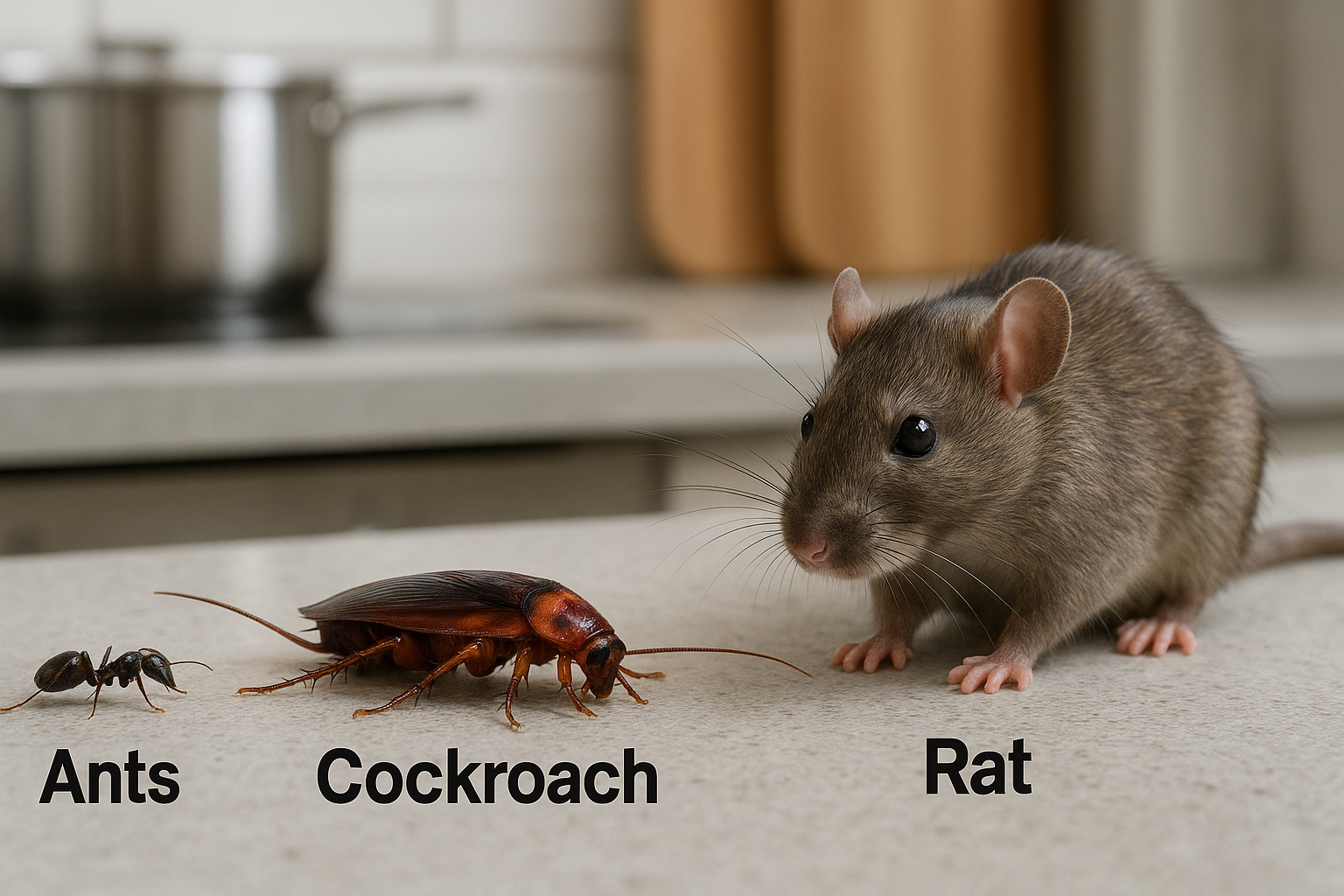
Spotting a pest early can save you time, money, and a lot of frustration. Below, we break down the most common household invaders, the tell‑tale signs they leave behind, and when they’re most active.
Ants
Ants march in orderly trails, often leaving a faint line of tiny crumbs or oily residue. You’ll usually see them foraging outdoors and then slipping inside through cracks. In temperate zones, their numbers peak in late summer when food sources are abundant.
Rodents
Rats and mice are nocturnal, so you might hear scratching or scurrying after dark. Look for dark droppings near food packages, gnaw marks on wood or wires, and shredded insulation in hidden corners.
Cockroaches
Cockroaches prefer the night, so you’ll often spot them darting from cabinets or under appliances. Egg cases (oothecae) look like small, brown capsules, and a persistent musty odor can signal a hidden infestation.
Termites
Termites build mud‑like tubes on walls and foundations. Look for hollow‑sounding wood, especially in door frames, and swarms of winged insects in spring—those are reproductive “swarmers” on the hunt for new colonies.
Mosquitoes
Bite clusters on exposed skin and standing water in gutters, bird baths, or plant saucers are classic mosquito clues. Beyond annoyance, they can transmit diseases such as West Nile virus and Zika.
Flies
Flies hover around waste bins, uncovered food, and open doors. Their constant buzzing and quick landings on surfaces indicate a sanitation issue that can attract other pests.
| Pest | Primary Signs | Typical Seasonal Peak |
|---|---|---|
| Ants | Trails, crumbs, outdoor foraging | Late summer |
| Rodents | Droppings, gnaw marks, shredded insulation | Fall & winter (seeking warmth) |
| Cockroaches | Nocturnal sightings, egg cases, musty odor | Warm months |
| Termites | Mud tubes, hollow wood, winged swarmers | Spring |
| Mosquitoes | Bite clusters, standing water | Late spring‑summer |
| Flies | Buzzing near waste, frequent landings | All warm seasons |
According to an NPMA study, homeowners who can identify these signs are 40% more likely to request professional treatment early, preventing larger infestations (source).
Seasonal Pest Calendar for Homeowners in [City]
Understanding how the local climate drives pest activity is the first step to staying one step ahead. According to the 2024 NOAA climate normals for [City], average temperatures climb from a chilly 32 °F in January to a warm 78 °F in July, while precipitation spikes in late spring and early fall. Those temperature and moisture patterns translate directly into predictable pest pressure. Below is a month‑by‑month risk overview that lets you see which critters are most likely to show up, and when you should schedule a pre‑emptive treatment.
| Month | Ants | Rodents | Cockroaches | Termites | Mosquitoes | Flies |
|---|---|---|---|---|---|---|
| January | Low | Medium | Low | Low | Low | Low |
| February | Low | Medium | Low | Low | Low | Low |
| March | Medium | Medium | Low | Medium | Low | Medium |
| April | Medium | Medium | Medium | Medium | Medium | Medium |
| May | High | Medium | Medium | High | High | High |
| June | High | Medium | High | High | High | High |
| July | High | Low | High | High | High | High |
| August | High | Low | High | High | High | High |
| September | Medium | Medium | Medium | Medium | Medium | Medium |
| October | Medium | Medium | Medium | Medium | Low | Medium |
| November | Low | Medium | Low | Low | Low | Low |
| December | Low | Medium | Low | Low | Low | Low |
Regional Hotspots to Watch
Even within a single city, micro‑environments can amplify pest problems. The historic downtown district, with its older brick foundations and occasional water‑intrusion, tends to see higher termite activity from April through June. Suburban cul‑de‑sacs that feature dense landscaping and multiple bird feeders create perfect breeding grounds for mosquitoes and flies during the humid months of May‑August. If your property borders a municipal park or a storm‑drain corridor, keep an eye on rodent sightings in early fall, when they seek shelter from cooling temperatures.
Timing Tips for Pre‑emptive Treatments
- Early Spring (March‑April): Apply a perimeter barrier for ants and termites before soil temperatures consistently exceed 55 °F.
- Mid‑Spring (May): Schedule a rodent exclusion inspection; seal gaps before young rats start nesting.
- Late Spring (May‑June): Treat outdoor perimeters with larvicides to curb mosquito emergence as standing water becomes common.
- Summer (June‑August): Deploy indoor fly traps and a targeted cockroach bait program during the peak humidity period.
- Early Fall (September): Conduct a final termite barrier check and reinforce any compromised foundation cracks before cooler, drier weather sets in.
- Late Fall (October‑November): Perform a thorough rodent proofing sweep; rodents often look for warm indoor hideaways as temperatures dip.
By aligning your pest‑management calendar with the city’s climate trends, you can dramatically reduce surprise infestations and keep your home comfortable year‑round. Anthem Pest Control’s local technicians use this same data‑driven approach to schedule proactive visits, ensuring you get the right treatment at the right time—without paying for unnecessary services.
Proven Prevention Tactics for a Pest‑Free Home
Sanitation
Keeping a clean interior is the first line of defense against insects and rodents. Store all dry goods in airtight containers, and seal opened packages with zip‑top bags. Empty kitchen trash daily and use bins with tight‑fitting lids—pests can smell food from several feet away. A quick nightly sweep to clear crumbs, spilled sugar, or pet food eliminates the “all‑you‑can‑eat” buffet that attracts ants, cockroaches, and mice.
Sealing Entry Points
Rodents and crawling insects exploit even the tiniest gaps to slip inside. Apply a high‑quality silicone or acrylic caulk to cracks around windows, baseboards, and utility openings. Install door sweeps on all exterior doors; research from the National Pest Management Association shows that door sweeps can reduce rodent entry by 30%[Source]. Don’t forget to check vent covers, chimney flues, and the space around pipes—these are common “high‑traffic” routes for pests.
Landscaping Adjustments
Plants that touch your home create a bridge for insects and rodents. Trim shrubs, trees, and vines at least 12 inches away from the foundation. Replace large mulch beds that sit directly against walls with rock or gravel, or keep mulch at least 6 inches from the exterior. Properly spaced vegetation not only blocks pathways but also improves airflow, making the area less hospitable for moisture‑loving pests like termites.
Moisture Control
Most pests thrive in damp environments. Inspect your home for leaky faucets, roof drips, and condensation on pipes; repair them promptly. In basements and crawl spaces, run a dehumidifier to keep relative humidity below 50%. Ensure that downspouts direct water at least 6 feet away from the foundation, and grade the soil to slope away from the house. By eliminating standing water, you remove the breeding grounds for ants, silverfish, and many species of flies.
DIY Prevention Checklist
- Sanitation
- Store pantry items in sealed containers.
- Dispose of kitchen waste nightly; use a bin with a tight lid.
- Sweep or vacuum crumbs after each meal.
- Sealing Entry Points
- Caulk cracks around windows, doors, and baseboards.
- Install door sweeps on all exterior doors.
- Inspect and seal gaps around pipes, vents, and utility lines.
- Landscaping Adjustments
- Trim vegetation to maintain a 12‑inch gap from the house.
- Keep mulch at least 6 inches away from exterior walls.
- Use rock or gravel for beds that border the foundation.
- Moisture Control
- Repair leaks in roofs, faucets, and plumbing promptly.
- Run a dehumidifier in basements and crawl spaces.
- Ensure downspouts discharge water away from the foundation.
Quarterly Inspection Timeline
| Season | Primary Tasks |
|---|---|
| Spring (pre‑season) | Inspect and repair exterior caulking; trim vegetation; clean gutters. |
| Summer (mid‑season) | Check for moisture buildup in basements; verify door sweeps; monitor for ant activity. |
| Fall (post‑season) | Remove fallen leaves from foundations; store outdoor equipment; re‑seal any new cracks. |
| Winter (maintenance) | Run dehumidifier as needed; inspect interior for rodent signs; keep trash cans sealed. |
Understanding Treatment Options and What They Cost
Chemical Barrier Treatments
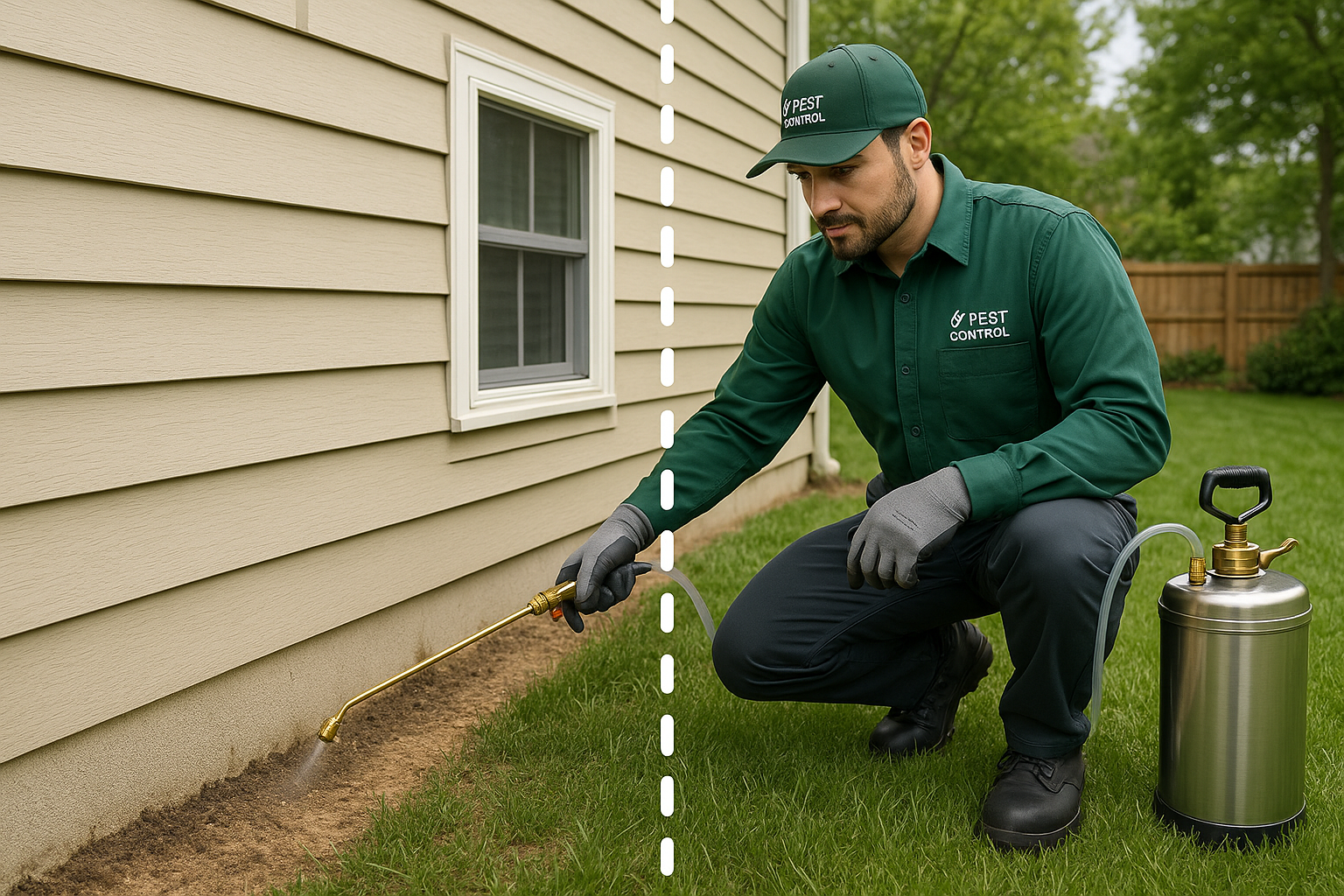
When pests cross your home’s perimeter, a professional chemical barrier creates an invisible wall that repels or kills insects on contact. Technicians apply a low‑volume spray around foundations, windows, and entry points. For common ant infestations, Anthem Pest typically charges $120‑$180 [pricing source]. The treatment lasts 30‑45 days, after which a re‑application is recommended for continuous protection.
Baiting & Bait Stations
Baiting targets rodents, cockroaches, and other hidden pests by offering a poisoned food source they carry back to their nests. Anthem’s rodent exclusion packages run between $150‑$250, covering placement of tamper‑proof stations, monitoring, and follow‑up visits. Baits are most effective when placed along walls, behind appliances, and in attics—areas where pests travel unseen.
Eco‑Friendly Alternatives
Homeowners who prefer greener solutions can opt for botanical sprays, diatomaceous earth, or heat treatments. Botanical sprays use plant‑derived compounds such as pyrethrins, offering rapid knock‑down with minimal residual impact. Heat treatment raises interior temperatures to > 120 °F, exterminating bed bugs and mites without chemicals. While eco‑options reduce exposure risks, they may require multiple visits to achieve the same long‑term control as synthetic barriers.
Side‑by‑Side Comparison
| Method | Effectiveness | Duration | Cost (Anthem) | EPA‑Registered? |
|---|---|---|---|---|
| Chemical Barrier | High – kills on contact, prevents entry | 30‑45 days | $120‑$180 | Yes |
| Baiting & Stations | Moderate‑High – eliminates colonies over time | 2‑4 weeks (continuous monitoring) | $150‑$250 | Yes (active ingredients) |
| Botanical Sprays | Moderate – rapid knock‑down, short residual | 7‑14 days | Varies (often $100‑$150) | Yes (natural actives) |
| Heat Treatment | High – 100 % mortality for heat‑sensitive pests | One‑time session (6‑8 hrs) | Typically $300‑$500 | No (non‑chemical) |
Safety Measures for Technicians and Residents
- Technicians wear EPA‑approved personal protective equipment (gloves, goggles, respirators) before any application.
- After a chemical barrier, homeowners should ventilate rooms for at least 30 minutes before re‑entering.
- Pet‑friendly periods vary: most synthetic sprays are safe for pets after 2‑4 hours, while botanical options may require only 15 minutes.
All practices align with the EPA guidelines for pesticide use, ensuring that exposure risks remain well below hazardous levels.
Homeowner Responsibilities
Even the best treatment can be undermined by a cluttered environment. Homeowners should:
- Clear clutter from baseboards, attics, and crawl spaces to give technicians clear access.
- Confirm that all doors, windows, and exterior vents are unobstructed on the day of service.
- Monitor treated areas for signs of activity for two weeks post‑application and report any resurgence to Anthem.
Why Local Expertise Matters – Choosing the Right Pest Control Partner
When a pest invasion strikes, the speed and precision of the response can be the difference between a quick fix and a lingering problem. That’s why a pest‑control partner rooted in your community matters. Anthem Pest isn’t a national call‑center that routes you to the next available technician; we’re a neighborhood‑focused team that lives and works in the same towns we protect.
Community presence and 24/7 emergency service
Our technicians are on call around the clock, and because we station crews locally, we can dispatch a specialist to your door within an hour of your call. Whether it’s a midnight ant march or a summer surge of mosquitoes, our rapid response means the infestation is tackled before it spreads.
Credentials you can trust
- EPA‑certified technicians – all treatments meet strict federal safety standards.
- State‑approved licenses – every operator holds the required permits for the specific pests in your region.
- BBB A+ rating – a proven track record of ethical business practices and satisfied customers.
Beyond emergency calls, Anthem Pest invests in the community—sponsoring local school events, partnering with neighborhood associations, and offering educational workshops that empower residents to spot early signs of infestation.
Our pricing is transparent; you receive a detailed estimate before any work begins, eliminating surprise costs.
Customer satisfaction in action
“Anthem solved our ant problem in just one visit – fast, friendly, and affordable.” – Sarah M., homeowner
Stories like Sarah’s illustrate why homeowners keep coming back. Our technicians not only eliminate the current infestation but also educate you on preventive steps, so you’re less likely to face the same issue again.
Why choose a local partner?
Local knowledge translates into smarter pest‑management strategies. We understand which species thrive in your climate, which neighborhoods report recurring issues, and which treatment methods work best given your home’s construction. That insight lets us tailor a plan that’s both effective and cost‑efficient.
Ready to experience the Anthem difference? Visit our service page for a full list of treatments, pricing details, and a simple online scheduling tool. With Anthem Pest, you get a neighbor you can count on—one who arrives quickly, works safely, and leaves your home pest‑free.
FAQs – Quick Answers for Homeowners
How soon will I see results?
Most homeowners notice a drop in activity within 24‑48 hours after a spray or bait application. Barrier treatments for ants, spiders and roaches often start working the same day, while termite or bed‑bug programs can take 1‑2 weeks to fully disrupt the colony. If pests persist beyond the typical window, give us a call so we can fine‑tune the plan.
Are treatments safe for pets and children?
We only use EPA‑registered products that meet strict safety standards. After a spray, we recommend keeping children and pets out of treated rooms for 30‑60 minutes, depending on the formulation. Bait stations and perimeter foggers are sealed and pose no direct contact risk once placed. Our technicians will walk you through the exact waiting period for your chosen service.
What does the warranty cover?
Our standard warranty guarantees pest‑free results for 90 days on most treatments, with a free re‑treatment if pests return. The warranty includes the original service area, but excludes damage caused by structural issues, improper sanitation, or new infestations from external sources. Extended plans are available for added peace of mind.
Do I need to vacate the home?
Most indoor sprays and baits can be applied while you’re home; just keep doors and windows closed during the brief application window. For fogging or space‑treatments, we ask occupants to vacate the home for 2‑4 hours to allow the mist to settle and dry. Our team will let you know the exact requirement for your chosen method.
How often should I schedule follow‑up services?
Routine follow‑ups depend on the pest and season. Ant and roach control typically needs quarterly visits, while mosquito barriers are most effective when applied every 6‑8 weeks during warm months. Termite inspections are recommended twice a year, and bed‑bug monitoring may require monthly checks until the problem is fully eradicated.
Take the Next Step Toward a Pest‑Free Home
We’ve covered the four pillars that keep a home safe from unwanted guests: accurate identification, seasonal awareness, proactive prevention, and professional treatment. When you know what you’re dealing with, you can act before the problem spreads.
- Identification: Spotting the right pest early stops an infestation in its tracks.
- Seasonal awareness: Understanding when insects are most active lets you time interventions for maximum impact.
- Prevention: Simple habits—sealing entry points, proper sanitation, and routine inspections—reduce the odds of a comeback.
- Professional treatment: Licensed technicians bring targeted solutions that are safe for your family and pets.
By staying ahead of the curve you protect your health, preserve your property, and avoid costly emergency repairs. A small investment in regular monitoring often saves thousands in damage control down the line.
Ready to put those strategies into action? Our team is happy to schedule a free inspection or provide a no‑obligation quote. Our locally trained experts are just a phone call away, ready to tailor a plan for your home. Call us today at 877‑371‑8196 or visit Anthem Pest Control to claim your complimentary assessment and the peace of mind that comes with a pest‑free home.