Why Proactive Pest Prevention Matters
Proactive pest prevention means taking steps to keep insects, rodents and other unwanted guests out of your home before they become a full‑blown infestation. It’s not just about avoiding an occasional sighting; it’s a strategic investment that protects your property’s value, safeguards family health, and keeps resale potential high.
When pests slip past the radar, the hidden costs can skyrocket. Termites silently chew through structural wood, compromising a home’s integrity and prompting costly repairs that can run into thousands of dollars. Mosquitoes and rodents carry diseases that jeopardize indoor air quality, while cockroaches trigger asthma attacks and allergic reactions. Even a minor ant trail can signal moisture problems that, if unchecked, lead to mold growth and further depreciation of the home’s market price.
The Environmental Protection Agency (EPA) estimates that U.S. homeowners collectively lose $5‑7 billion each year to pest‑related damages and health expenses (EPA report, 2024). Those figures underscore how a small, preventive investment today can prevent a much larger financial hit tomorrow.

Anthem Pest Control was founded on the belief that every homeowner deserves peace of mind without hidden fees or surprise treatments. Our mission is simple: deliver safe, effective, and affordable pest solutions while maintaining crystal‑clear pricing. With a nationwide service network spanning every major market, we pair local expertise—knowing which pests are active in your region and when—with data‑driven strategies that keep your home one step ahead.
Our approach starts with a thorough inspection, followed by a customized prevention plan that targets entry points, eliminates attractants, and establishes a long‑term barrier. Because we treat each property as unique, you receive a plan that aligns with your budget and your home’s specific risk profile.
By choosing proactive prevention, you’re not just buying a service; you’re investing in the longevity of your home, the health of your family, and the future resale value of your biggest asset. The rest of this guide will walk you through the data‑backed steps you can take, backed by Anthem’s local expertise and nationwide reach.
Know the Enemy – Top 5 Pests Every Homeowner Should Recognize

Spotting a pest early can save you weeks of damage and costly repairs. Below are the five culprits most likely to invade a typical U.S. home, along with the visual clues that tell you they’re present.
Termites
Termites announce themselves with slender mud tubes snaking up walls and along foundations. Inside, you’ll notice hollow‑sounding wood, especially near support beams or window frames.
In a Dallas suburb, a homeowner discovered a 12‑inch wide void behind a bedroom wall—later revealed as an active colony that had been feeding for months. The damage was confined to the mud‑lined tunnel, a classic sign that professional treatment is needed before the structure weakens.
Mosquitoes
Stagnant water is a mosquito breeding ground; think birdbaths, clogged gutters, or forgotten rain barrels. Adult females hover near these sites, then seek out warm blood for egg production.
According to the CDC, there are roughly 1 billion mosquito‑borne disease cases worldwide each year, and U.S. residents endure about 100 million bites annually. Those numbers translate into a higher likelihood of nuisance and potential illness right in your backyard.
Rodents
Rats and mice leave dark, pellet‑shaped droppings near food sources, and their incisors create gnaw marks on wood, plastic, and even wiring.
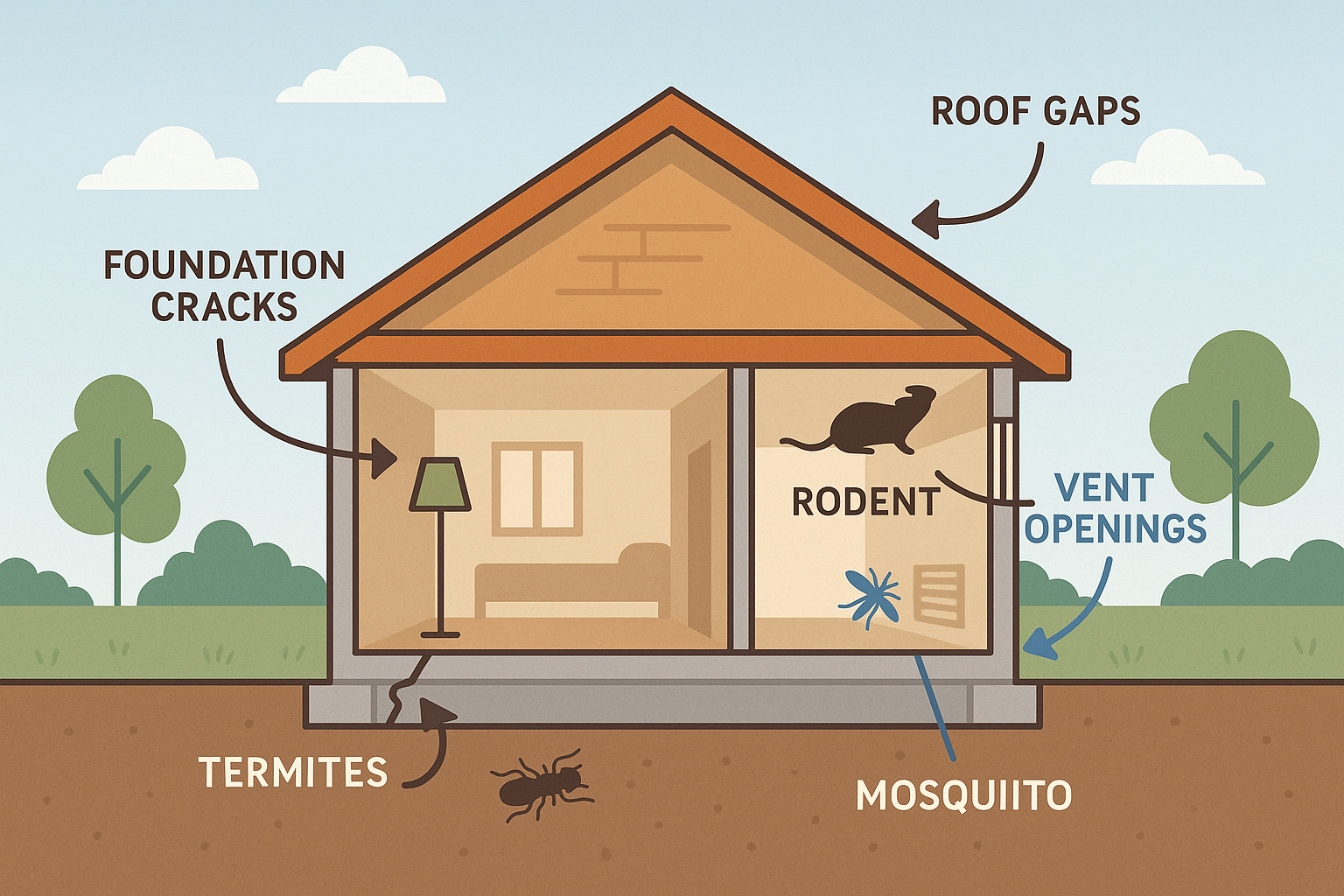
Common entry points include gaps around pipes, cracked foundation walls, and unscreened vents. A single ¼‑inch hole can give a determined rodent unrestricted access to your kitchen.
Cockroaches
Cockroaches are nocturnal scavengers; you’ll often see them scurrying across countertops or along baseboards after lights go out.
They follow invisible scent trails left by previous foragers, which is why a few sightings can quickly turn into an infestation if the trail isn’t disrupted.
Ants
Ants travel in well‑defined trails that lead directly to food. Outdoor colonies typically build mounds in moist soil, under rocks, or along the perimeter of a foundation.
Inspecting the trail’s origin with a magnifying lens often reveals the species and its preferred nesting site, making targeted treatment far more effective.
Quick Identification Checklist
| Pest | Primary Signs | Typical Entry Points |
|---|---|---|
| Termites | Mud tubes, hollow‑sounding wood, feather‑like frass | Foundation cracks, wood‑to‑soil contact, window frames |
| Mosquitoes | Stagnant water, buzzing near dusk, bite clusters | Uncovered containers, clogged gutters, birdbaths |
| Rodents | Droppings, gnaw marks, nesting material | Pipe gaps, vent openings, foundation gaps |
| Cockroaches | Nocturnal sightings, greasy streaks, egg casings | Cracks, under appliances, sewer lines |
| Ants | Visible trails, mound soil, foraging activity | Door thresholds, foundation cracks, outdoor mulch |
When Pests Strike – Seasonal Peaks Across the U.S.
Every region has its own pest calendar, and the timing of an invasion can be the difference between a quick fix and a full‑blown infestation. By understanding which pests are most active in each season, you can schedule inspections and treatments before the problem escalates. Below is a quick regional rundown that aligns with the NPMA 2023 seasonal activity report.
Spring – Termite Swarms in the Southeast
When the soil warms up, subterranean termites in states like Florida, Georgia, and the Carolinas begin their nuptial flights. Swarms appear as clouds of winged insects near light sources, often on fence posts or porch lights. This is the ideal window for a pre‑emptive termiticide barrier, because colonies are still localized and easier to eradicate.
Summer – Mosquito Peaks in the Midwest
Midwestern homeowners face a surge of mosquito activity from June through August, especially around standing water in yards and rain‑filled gutters. Early summer foggers and larvicide treatments around ponds, birdbaths, and drainage areas can keep populations below nuisance levels and reduce the risk of mosquito‑borne illnesses.
Fall – Rodent Activity in the Northeast
As temperatures drop, rats and mice seek warm shelter inside homes across New England and the Mid‑Atlantic. By September, you’ll start seeing gnaw marks on insulation and droppings in attics. Sealing entry points and setting bait stations before the first frost is the most cost‑effective way to prevent a winter infestation.
Winter – Indoor Cockroaches in the Southwest
While many pests hibernate, indoor cockroaches thrive in the heated homes of Arizona, New Mexico, and southern California. They multiply quickly in kitchens and bathrooms, especially where food residue is left behind. A winter deep‑clean combined with a targeted gel bait program can stop an outbreak before the spring heat drives them outdoors.
Comparative Snapshot: Phoenix vs. Chicago
In Phoenix, the calendar is dominated by indoor cockroaches during the cooler months and a brief mosquito flare in early summer after monsoon rains. Chicago, on the other hand, battles termite swarms in early spring, followed by a long mosquito season that peaks in July, and finally rodent incursions as autumn approaches. Knowing these patterns helps you time Anthem Pest Control’s services to match your local threat profile.
Planning Your Preventive Actions
| Month | Pest | Preventive Action |
|---|---|---|
| — | — | — |
| — | — | — |
| — | — | — |
By aligning your home maintenance calendar with these regional peaks, you give Anthem Pest Control the best chance to protect your property efficiently and affordably. A quick call to 877‑371‑8196 can set you on the right track for the upcoming season.
DIY Prevention Steps That Save Money
Keeping pests out of your home doesn’t have to mean a pricey professional visit every month. By tackling a few simple, low‑cost projects yourself, you can create a hostile environment for insects, rodents, and other unwanted guests while keeping more cash in your pocket. Below are the most effective, budget‑friendly actions every homeowner can start today, plus a downloadable checklist to keep you on track.
Seal Cracks and Gaps
Even the tiniest opening can serve as a highway for ants, roaches, and rodents. Walk the perimeter of your home with a flashlight and locate any visible cracks around windows, doors, baseboards, and utility penetrations. A tube of silicone caulk—available at any hardware store for $5‑$15—provides a flexible, waterproof seal that expands with temperature changes. Apply a thin bead, smooth it with a wet finger, and let it cure for 24 hours. This one‑time investment blocks entry points and reduces the need for chemical barriers later.
Landscape for Proper Drainage
Standing water is a magnet for mosquitoes, termites, and fungus gnats. Grade the soil away from your foundation so water runs toward a ditch or downspout. Trim back shrubs and vines that touch the house, and keep mulch at least six inches from the siding to discourage moisture buildup. Installing a simple French drain or a few strategically placed gravel trenches can cost under $200, yet the long‑term savings from fewer moisture‑related infestations are priceless.
Control Indoor Moisture
Many pests thrive in damp environments. Invest in a digital moisture meter—usually $20‑$40—to spot hidden leaks behind walls, under sinks, or in basements. When the meter reads above 60 % relative humidity, run a dehumidifier or improve ventilation. Fixing a leaky faucet or resealing a bathroom caulk line not only curbs pests but also lowers your utility bill.
Store Food Properly and Manage Waste
Food is the ultimate lure. Keep pantry items in airtight containers, wipe down crumbs after meals, and empty trash cans daily. Compost bins should be sealed and positioned away from the house. By eliminating easy meals, you make your home less attractive to cockroaches, ants, and pantry moths, reducing the likelihood of a chemical treatment.
Schedule Regular Visual Inspections
Set a monthly reminder to scan high‑risk areas: under appliances, behind the refrigerator, in attic corners, and around exterior doors. Look for droppings, gnaw marks, or discarded insect skins. Early detection lets you address a problem before it spreads, often with a simple DIY fix rather than a full‑scale extermination.
Real‑World Example: Atlanta Perimeter Barrier
One Atlanta homeowner followed the steps above and added a professional‑grade perimeter barrier as a final safeguard. The barrier—consisting of a thin, insect‑repellent polymer applied around the foundation—cost between $1,200 and $1,800. Because the home already had sealed cracks, proper drainage, and controlled moisture, the barrier lasted five years without additional treatments, saving an estimated $3,500 in pest‑related repairs and service calls.
Downloadable Checklist
To keep your prevention plan organized, download our printable checklist. Tick each task as you complete it, and refer back whenever you notice seasonal pest activity.
- Seal interior and exterior cracks with silicone caulk
- Grade landscaping away from the foundation
- Install or clean gutters and downspouts
- Use a moisture meter to identify damp spots
- Run dehumidifiers in high‑humidity areas
- Store all food in airtight containers
- Empty trash and compost bins daily
- Conduct a visual inspection each month
- Consider a perimeter barrier if local pest pressure is high
Download the DIY Prevention Checklist (PDF)
All of these steps align with the EPA Integrated Pest Management (IPM) guidelines, which emphasize prevention, monitoring, and the least hazardous control methods first. By integrating these low‑cost measures into your routine, you’ll protect your home, your family, and your budget—just the way Anthem Pest Control recommends.
Professional Solutions – What to Expect and How Much It Costs
Termite Treatments
Termites require a barrier that either penetrates the soil around your foundation (liquid termiticide) or creates a hidden bait network that workers consume and carry back to the colony. Liquid applications are sprayed into the soil and around footings, while bait stations sit discreetly in the yard, releasing a slow‑acting chemical that termites take back to their nest.
Nationally, homeowners can expect to spend between $1,200 and $3,500 for a full‑service termite program, depending on property size, soil type, and the choice between a one‑time liquid barrier or an ongoing bait system. The price range reflects both the material cost and the expertise required to install a long‑lasting defense.
Mosquito Misting
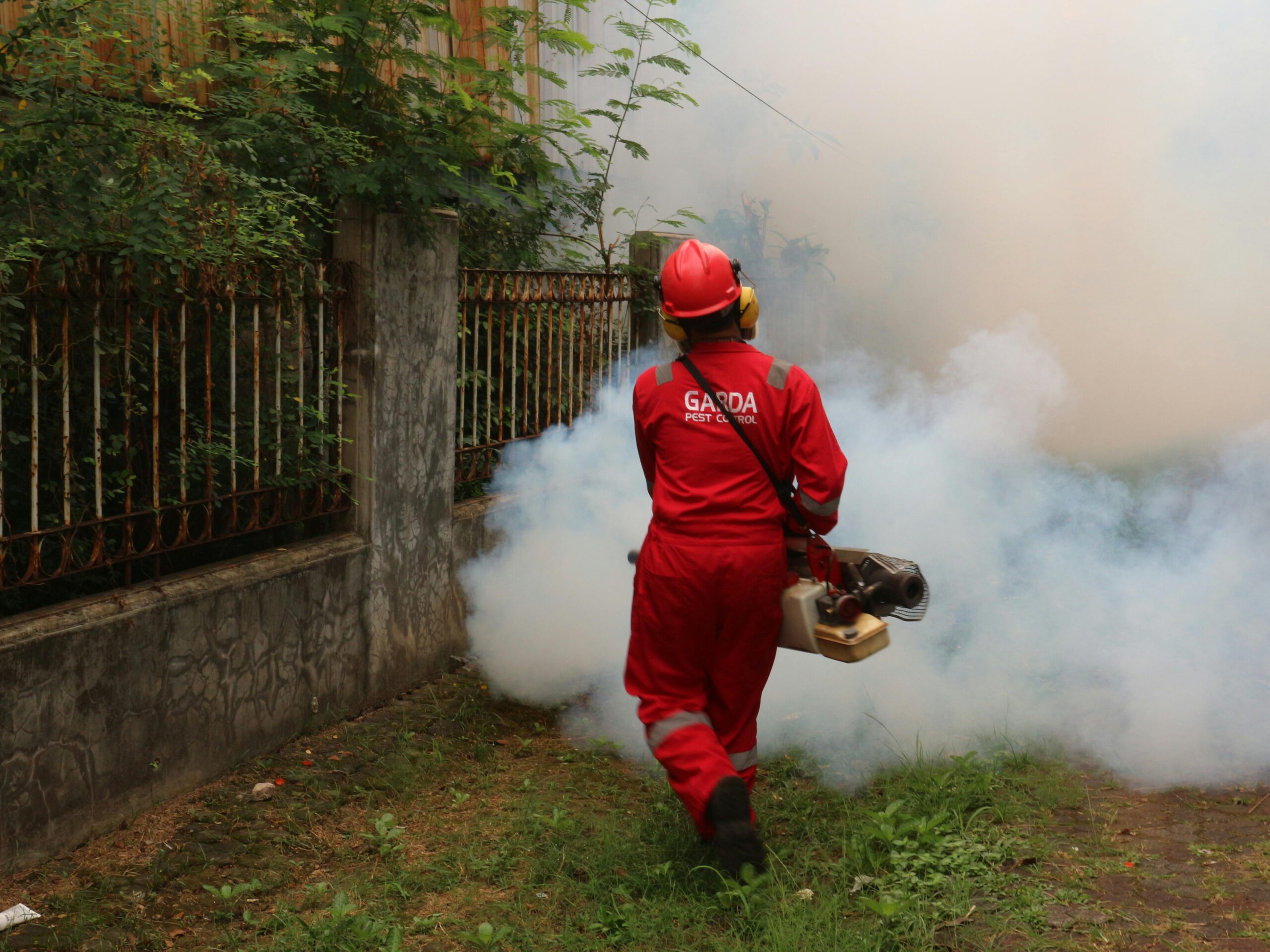
Seasonal mosquito misting creates a protective “invisible shield” over your yard by dispersing a fine mist of EPA‑approved larvicides and adulticides. Professional crews typically treat your property every two weeks during peak mosquito months, targeting breeding sites and adult flight paths.
For a full season of coverage, most U.S. households pay between $150 and $300. The cost includes the initial setup, regular misting visits, and any necessary adjustments based on weather patterns.
Rodent Exclusion
Rodent exclusion focuses on sealing entry points—gaps around pipes, vents, and foundation cracks—then installing traps or bait stations as a backup. The goal is to make your home “rodent‑proof” rather than relying solely on poison.
Typical pricing falls in the $100 to $250 range. Smaller homes may only need a quick seal‑up, while larger properties with extensive crawl spaces can approach the higher end of the spectrum.
Cockroach Gel Baits
Cockroach gel baits are applied in hidden cracks, crevices, and under appliances where roaches hide. The gel contains a slow‑acting insecticide that the insects carry back to their nest, effectively reducing the population over time.
Professional application costs usually sit between $120 and $250, covering the gel, labor, and a follow‑up visit to assess effectiveness and re‑apply if needed.
Ant Barrier Sprays
Ant barrier sprays form a chemical wall around the home’s exterior, preventing foraging ants from crossing onto your property. Technicians target foundation walls, doorways, and any known ant trails.
Homeowners typically invest $130 to $260 for a comprehensive ant barrier, which includes a one‑time treatment and a warranty period during which any re‑treatment is covered.
Anthem’s Transparent Quoting Process
At Anthem Pest Control, we start every engagement with a free, no‑obligation home inspection. Our certified technicians walk through your property, identify the pest pressure, and recommend a tailored treatment plan.
Once the inspection is complete, we provide a clear, itemized quote that outlines every service, product, and labor cost. There are no hidden fees—what you see in the quote is what you pay. If you choose to move forward, the same technician who performed the inspection will handle the treatment, ensuring continuity and accountability.
Our pricing aligns with the national benchmarks reported in the Pest Control Industry Magazine 2024 pricing survey. By referencing industry data, we guarantee that our rates are competitive while maintaining the high safety and efficacy standards you expect from a professional service.
Why Choose a Local Provider Like Anthem Pest
When a pest makes its way into your home, you want a solution that’s fast, reliable, and backed by people who truly understand the local environment. Anthem Pest is rooted in the neighborhoods it serves, meaning you get the benefit of state‑specific licensing, EPA‑registered products, and a team that knows the quirks of your area’s pest pressure.
Local licensing and EPA‑registered products
Every Anthem technician holds the state‑required pest control license for the region they serve. In Texas, Arizona, and North Carolina, this means passing rigorous exams on safety, pesticide handling, and integrated pest management (IPM). We also limit our arsenal to EPA‑registered formulations, ensuring each treatment meets federal safety standards while delivering the potency needed to eradicate termites, rodents, bed bugs, and more.
Service‑area highlights
- Plano, TX – A rapidly growing suburb with a mix of new construction and mature landscaping, creating ideal habitats for ants, roaches, and mosquitoes.
- Scottsdale, AZ – Desert climate fuels seasonal spikes in scorpions and sand‑flea activity; our local experts tailor treatments to the dry heat.
- Raleigh, NC – Humid summers bring termites and carpenter ants; our team applies region‑specific monitoring to catch infestations early.
Customer satisfaction that speaks for itself
Across these three markets, Anthem Pest consistently earns satisfaction scores above 4.8 out of 5 on independent review platforms. Homeowners praise our prompt arrival times, transparent pricing, and the thoroughness of each visit. In Plano, 96 % of customers reported “complete pest elimination” after the first treatment, while Scottsdale and Raleigh both see repeat‑business rates exceeding 92 %.
“Anthem Pest saved us from a nightly mosquito nightmare. The technician explained every step, used a product that was safe for our kids and pets, and the results were immediate. We’ll never hire anyone else in Plano.” – Emily R., Plano, TX
Choosing a local provider isn’t just about convenience; it’s about leveraging expertise that’s calibrated to your community’s unique pest challenges. Anthem’s licensed professionals, EPA‑approved chemicals, and proven satisfaction metrics give you the confidence that the job will be done right—first time, every time.
Take Action to Protect Your Home with Anthem Pest
Now that you’ve learned how to spot pests, understand the best times of year to act, and explored both DIY tricks and professional treatments, it’s time to put that knowledge into practice. A quick recap:
- Identification: Recognize the tell‑tale signs of termites, ants, rodents, bed bugs, and other common invaders.
- Seasonal timing: Attack early spring for termites, late summer for mosquitoes, and stay vigilant year‑round for rodents.
- DIY steps: Seal entry points, keep a clean kitchen, and use targeted traps or baits as a first line of defense.
- Professional options: Choose barrier treatments, bait stations, or integrated pest‑management plans when the problem outgrows a DIY approach.
- Local expertise: Anthem Pest blends nationwide resources with neighborhood‑specific knowledge to deliver solutions that work for your climate and home construction.
Ready to take the next step? Schedule a free home inspection today. Call us at 877‑371‑8196 or visit our website to book online. Our technicians will assess your property, pinpoint vulnerabilities, and outline a customized prevention plan—no obligation, no hidden fees.
Help your neighbors stay pest‑free by sharing this guide on social media. A quick post on Facebook, Twitter, or Nextdoor can spark a community‑wide effort to keep homes safe and comfortable.
When you choose Anthem Pest, you get a partner who combines nationwide resources with local knowledge, transparent pricing, and a commitment to your home’s safety. We treat every inspection as a promise to protect what matters most to you.
Visit Anthem Pest Control now and start your pest‑free journey.