Common Household Pests Every Homeowner Should Know
Keeping a home free of pests isn’t just about comfort—it’s a matter of health, property value, and peace of mind. Unchecked infestations can spread disease, damage structural components, and drive up utility costs as you battle the fallout. That’s why proactive pest control is a cornerstone of responsible homeownership.
Across the United States, a handful of critters dominate the headlines for good reason. Below is a quick rundown of the most common household pests, what they look like, how they behave, and where they love to slip inside your home.
- Termites – Light‑brown, soft‑bodied insects that form hidden colonies in wood. They thrive in moist foundations and can enter through cracks, utility openings, or even hitch a ride on fire‑wood.
- Mosquitoes – Slender, gray‑ish insects with long legs and a distinctive proboscis. They breed in standing water and often find their way indoors through open doors, windows, or vents.
- Rodents (Rats & Mice) – Small mammals with fur, whiskers, and ever‑growing incisors. They gnaw on wiring, insulation, and food packaging, entering through gaps as small as a quarter‑inch.
- Cockroaches – Oval, brown to reddish‑brown insects that scatter when lights turn on. They love warm, damp kitchens and can slip in via sewer lines, cracks, or hitchhiking in grocery bags.
- Ants – Tiny, often black or brown, with segmented bodies. Carpenter ants hollow out wood, while odorous house ants forage for sugary crumbs, entering through door sweeps and foundation cracks.
- Bed Bugs – Flat, reddish‑brown insects about the size of an apple seed. They hide in mattress seams, furniture crevices, and travel in luggage or second‑hand furniture.
- Common Flies (House, Fruit, and Drain Flies) – Small, winged insects that buzz around food, trash, and damp drains. They enter through open doors, windows, or gaps around plumbing.
Why does early awareness matter? Spotting the first signs—tiny mud tubes from termites, gnaw marks from rodents, or a faint “musty” odor from bed bugs—allows you to intervene before the problem spirals. Early treatment typically costs a fraction of a full‑blown eradication, and it spares your home from structural damage, costly repairs, and the stress of a prolonged infestation.

Quick Fact Box: Damage Potential Comparison
| Pest | Damage Potential | Typical Cost of Treatment (USD) |
|---|---|---|
| Termites | Very High | $2,500 – $7,000 |
| Rodents | High | $300 – $1,200 |
| Cockroaches | Medium | $150 – $500 |
| Ants | Medium | $100 – $400 |
| Bed Bugs | High | $800 – $2,500 |
| Mosquitoes | Low | $100 – $350 |
| Common Flies | Low | $80 – $250 |
Understanding these pests and their habits equips you to act fast. At Anthem Pest Control, we combine local expertise with safe, affordable solutions, so you can protect your family and property without breaking the bank. Early detection, combined with professional treatment, is the smartest investment you can make for a pest‑free home.
Spotting Early Warning Signs of an Infestation

General Indicators Every Homeowner Should Notice
Before a pest population explodes, it leaves a trail of subtle evidence. Keep an eye out for these universal signs:
- Droppings: Small, dark specks resemble pepper or coffee grounds. Rodents produce larger, rice‑shaped pellets; insects leave finer, powdery traces.
- Gnaw or chew marks: Fresh, clean cuts on wood, plastic, or wiring suggest active foraging.
- Unusual noises: Scratching in walls at night, a faint rustle in the attic, or a soft buzzing near windows can signal hidden guests.
- Dead insects: Finding a few dead bugs isn’t always a problem, but a growing number in one area often means a breeding site nearby.
- Odor: A musty, stale smell may point to rodents, while a sweet, oily scent can indicate cockroaches.
Pest‑Specific Clues to Look For
Each pest leaves a signature that can help you pinpoint the culprit early.
- Termites: Mud‑like tubes along foundation walls, windowsills, or in crawl spaces.
- Mosquitoes: Streaks of water or dark stains on indoor walls where they rest after feeding.
- Bed bugs: A faint, peppery or musty scent, tiny rust‑colored spots (fecal stains) on mattresses, and shed exoskeletons.
- Cockroaches: Greasy, dark trails along baseboards, behind appliances, or in cabinets.
Quick Room‑by‑Room Visual Inspection
Spend two minutes in each major area of your home. Use a flashlight and a small mirror to see hidden corners.
- Kitchen: Check under the sink, behind the refrigerator, and around the pantry for droppings or grease trails.
- Bathroom: Look for water stains, tiny holes in caulking, and any insect shells near the tub or toilet.
- Attic: Scan insulation for mud tubes, gnaw marks on joists, and any nests built from shredded paper.
- Basement: Inspect stored boxes, pipe openings, and the perimeter wall for rodent droppings or insect activity.
Seasonal Shifts in Warning Signs
Pests behave like the weather—different species become active at predictable times.
- Fall: Rodents start seeking warm shelter, so look for increased droppings and gnaw marks near entry points.
- Winter: Cockroaches may congregate in heated rooms; grease trails become more noticeable.
- Spring: Termites swarm; mud tubes appear as colonies expand.
- Summer: Mosquitoes breed in standing water; watch for water stains and a rise in buzzing sounds.
Homeowner Inspection Checklist
- Inspect all entry points (doors, windows, vents) for gaps or chew marks.
- Look for droppings in each room—note size, shape, and location.
- Search for mud tubes, water stains, or grease trails.
- Listen for nighttime scratching or buzzing.
- Check bedding, mattresses, and upholstered furniture for shed skins or peppery odor.
- Review seasonal patterns—are you seeing signs that align with typical pest activity for this time of year?
- Document any findings with photos and dates; this helps professionals diagnose the problem quickly.
Seasonal Pest Threats and the Best Times to Act
Spring: Termite Swarms, Ant Colonies, and Mosquito Breeding
When the soil warms up, termites develop winged swarms that can infiltrate any crack in your home’s foundation. Ant colonies also expand rapidly, sending foragers into kitchens and outdoor patios. At the same time, standing water and blooming vegetation create perfect breeding grounds for mosquitoes.
By scheduling a pre‑emptive inspection in early spring, Anthem Pest can install barrier treatments that keep termites out of wood structures, disrupt ant trails, and reduce mosquito larvae before they become a summer nuisance. Acting now stops these pests from exploding in numbers as temperatures rise.
Summer: Flies, Wasps, and Bed Bugs
Hot, humid days invite flies to congregate around garbage, pet waste, and outdoor grills. Wasps build nests in eaves, decks, and garden sheds, posing a painful risk to families enjoying the outdoors. Inside, bed bugs may take advantage of increased travel and open windows, spreading quickly through bedrooms.
Summer protection focuses on indoor barriers—such as residual sprays in wall voids and mattress encasements—while also applying outdoor repellents and removing fly attractants. A mid‑summer service window helps keep your home comfortable and bite‑free.
Fall: Rodents Seeking Warmth and Cockroach Migrations
As temperatures drop, rats and mice look for warm shelter, often squeezing through tiny gaps around vents, doors, and utility lines. Cockroaches, which have been hiding in wall voids all season, begin migrating toward kitchens and bathrooms in search of food and moisture.
Fall is the ideal time to seal entry points, install rodent bait stations, and apply cockroach growth inhibitors. A thorough seal‑and‑treat visit from Anthem Pest ensures that critters don’t settle in for the winter months.
Winter: Hidden Pests That Thrive Indoors
Even when snow blankets the yard, pests like bed bugs and cockroaches remain active inside heated homes. Their populations can grow unnoticed, especially in cluttered closets, basements, and crawl spaces.
Ongoing monitoring and periodic treatments are essential during winter. Regular inspections catch early infestations, allowing Anthem Pest to intervene before a small problem turns into a full‑scale outbreak.

| Season | Primary Pests | Optimal Treatment Timing |
|---|---|---|
| Spring | Termite swarms, ant colonies, mosquitoes | Early‑spring inspection & barrier application |
| Summer | Flies, wasps, bed bugs | Mid‑summer indoor barrier & outdoor repellents |
| Fall | Rodents, migrating cockroaches | Fall seal‑and‑treat, bait placement |
| Winter | Bed bugs, indoor cockroaches | Quarterly monitoring and spot treatments |
Treatment Options, Methods, and Transparent Pricing
Overview of Treatment Categories
Anthem Pest Control structures its services around five core categories, each designed to address a specific stage of an infestation or a particular type of pest. The categories are:
- Chemical barrier sprays – long‑lasting perimeter applications that keep crawling insects from crossing into your home.
- Baiting systems – strategically placed stations that attract and eliminate ants, cockroaches, and some rodents.
- Eco‑friendly organic options – botanical or microbial products that work without synthetic chemicals.
- Heat treatments – controlled‑temperature processes that eradicate bed bugs and other heat‑sensitive pests.
- Structural repairs – sealing cracks, fixing screens, and installing physical barriers to block entry points.
How Each Method Targets Specific Pests
Understanding the biology of a pest helps us match it with the most effective tool. Below is a quick guide to the typical pairings Anthem uses:
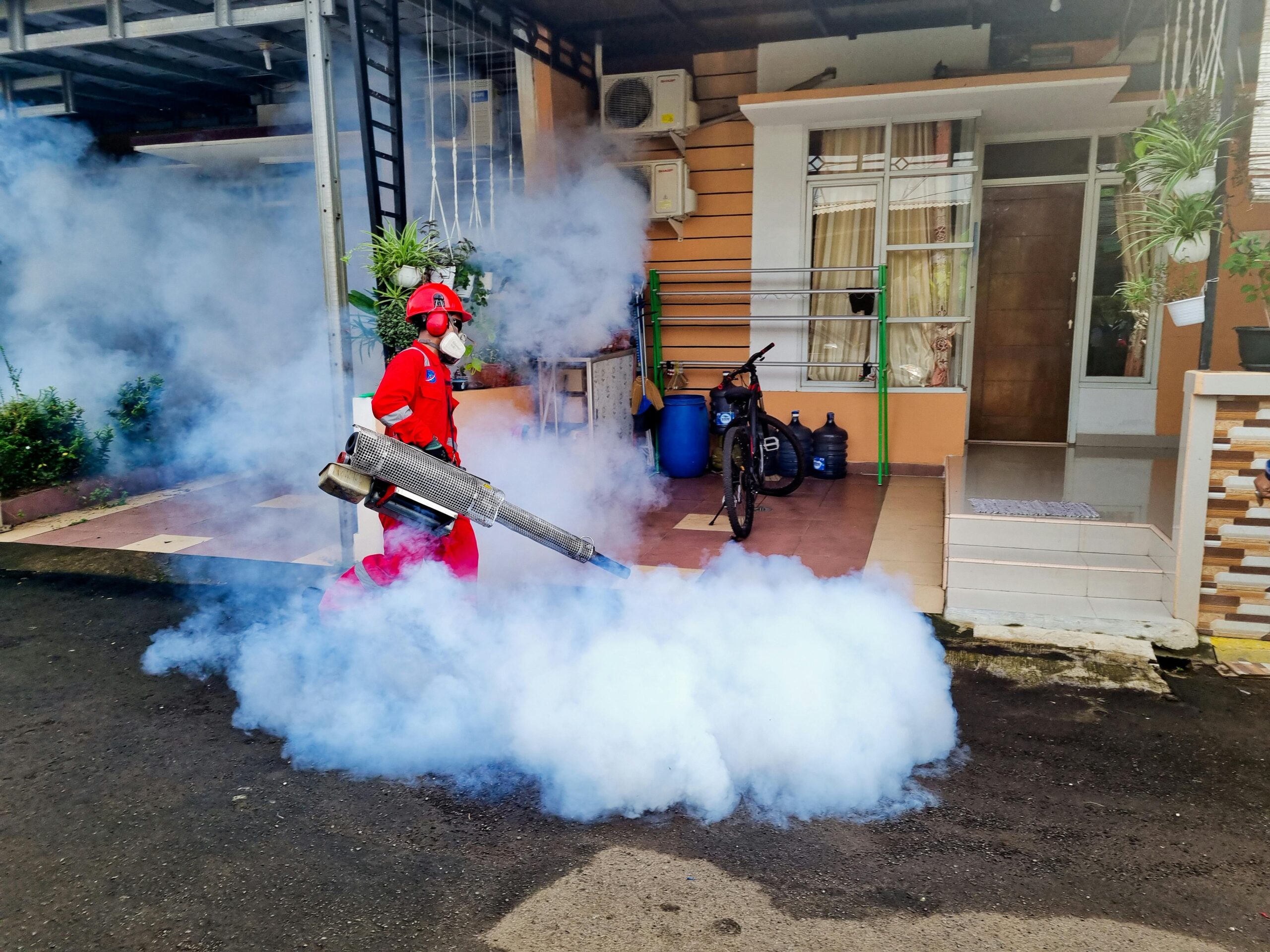
- Chemical barrier sprays – ideal for mosquitoes, ticks, and stinging insects; the spray creates an invisible wall that disrupts their flight paths.
- Bait stations – perfect for ants and cockroaches; the bait contains a slow‑acting toxin that workers carry back to the colony, eliminating it from the inside out.
- Organic sprays and dusts – used against bed bugs and mild indoor infestations where homeowners prefer low‑toxicity solutions.
- Heat treatments – the only non‑chemical method that guarantees 100 % kill rates for bed bugs, as temperatures above 120 °F destroy eggs and adults in a single session.
- Structural repairs – essential for rodents and termites; sealing gaps removes the “welcome mat” they use to gain entry.
Safety Considerations for Families, Pets, and the Environment
Every Anthem technician follows a strict safety protocol before, during, and after treatment. Key safeguards include:
- Pre‑treatment walkthroughs to identify children’s play areas and pet zones.
- Low‑odor, EPA‑approved formulations for indoor sprays, reducing respiratory irritation.
- Clear labeling of bait stations and placement out of reach of curious pets.
- Use of biodegradable, organic products whenever a homeowner requests a green alternative.
- Post‑treatment ventilation guidance and a 24‑hour re‑entry window for most chemical applications.
Anthem’s Transparent Pricing Model
We believe that a homeowner should never feel surprised by a bill. Our pricing structure reflects that commitment:
- Flat‑rate inspections – $79 for a comprehensive, on‑site assessment that includes pest identification, damage evaluation, and a customized action plan.
- Transparent service fees – each treatment category has a clear, upfront cost listed on the quote; there are no hidden “service” surcharges.
- Optional maintenance plans – quarterly or bi‑annual service packages that lock in today’s rates and include routine monitoring, re‑applications, and a single‑call‑no‑extra‑fee guarantee for emergent issues.
Sample Pricing Comparison
| Pest Type | One‑Time Treatment | Quarterly Plan (4 Visits/Year) | Savings with Plan |
|---|---|---|---|
| Ants & Cockroaches | $149 | $129 per visit ($516 total) | ~$30 per year |
| Mosquitoes | $179 | $149 per visit ($596 total) | ~$120 per year |
| Bed Bugs (Heat) | $699 (single session) | N/A – heat is a one‑off service | – |
| Rodents | $199 (excludes repairs) | $169 per visit ($676 total) | ~$120 per year |
Tips for Homeowners to Evaluate Quotes and Avoid Hidden Fees
- Ask for a written itemized estimate before any work begins; each line should specify the treatment type, product brand, and labor hours.
- Confirm whether the quote includes follow‑up visits, disposal fees, or additional pest‑specific warranties.
- Look for “all‑inclusive” language that covers both the application and any necessary post‑treatment monitoring.
- Beware of “per‑square‑foot” pricing that can balloon on larger homes; a flat‑rate or capped fee is usually more predictable.
- Request clarification on the policy for re‑treatments if pests return within the guarantee period—most reputable companies, including Anthem, will handle it at no extra cost.
- Check online reviews or ask for references to verify that the quoted price matches the actual service delivered.
Protect Your Home Today with Anthem Pest Control
Why early identification and seasonal timing matter
Spotting the first signs of an infestation—whether it’s a trail of ants, a rustle in the attic, or tiny droppings in the kitchen—gives you a crucial head start. Pests are opportunistic; they strike when weather conditions, food sources, and breeding cycles align. By catching an issue before it peaks, you avoid costly damage, reduce the amount of chemicals needed, and keep your family’s health safe. That’s why the right season—spring for ants, summer for mosquitoes, fall for rodents—should dictate when you act.
Anthem’s expertise, safe solutions, and transparent pricing
Anthem Pest Control combines decades of local knowledge with certified technicians who understand the quirks of every region they serve. Our team selects treatments that meet EPA safety standards, protecting children, pets, and the environment while delivering fast, lasting results. Because we believe in honesty, every service comes with a clear, itemized quote—no hidden fees, no surprise add‑ons. Whether you need a one‑time extermination or an ongoing prevention plan, you’ll know exactly what you’re paying for and why.
Free home inspection – your first step toward a pest‑free season
We invite you to schedule a complimentary home inspection. During the visit, a certified technician will assess structural vulnerabilities, identify current pest activity, and evaluate seasonal risk factors unique to your property. From there, we’ll craft a customized action plan that targets the pests you’re most likely to encounter, outlines treatment timelines, and recommends preventative measures to keep future invaders at bay. The inspection is entirely free, and there’s no obligation to sign up for services.
When it comes to safeguarding your home and loved ones, you deserve a partner you can trust. Anthem Pest Control combines local expertise with safe, affordable solutions that keep pests at bay year‑round. Call us today at 877-371-8196 for a complimentary inspection and a personalized, no‑obligation quote. Let our certified technicians handle the heavy lifting so you can enjoy a pest‑free home. Visit Anthem Pest Control for more information and to schedule your free assessment.