Economic Impact of Termites and Austin’s Climate Risks

When you hear the word “termite,” you might picture a lone insect gnawing at a piece of furniture. In reality, termites are a multi‑billion‑dollar menace across the United States. The EPA estimates that termite damage costs homeowners roughly $5 billion each year. That staggering figure isn’t just a statistic—it translates into thousands of families facing structural repairs, increased mortgage costs, and sleepless nights.
Why Austin’s Weather Feeds the Problem
Austin’s climate is a perfect storm for subterranean termites. Our city enjoys long, scorching summers that push ground temperatures well above the 86 °F threshold where termites become most active. Add to that the humid springs, and you get a soil environment that retains moisture—exactly what these wood‑eating pests need to thrive.
Think of the soil as a sponge. When summer heat dries the surface but the deeper layers stay damp from spring rains, termites burrow down and create extensive tunnel networks. Those tunnels stay cool and moist, allowing colonies to expand unchecked for months on end. The result? A silent, underground army that can chew through a home’s foundation, support beams, and even your prized hardwood floors before you notice a single sign.
The Real Cost of Ignoring an Infestation
For the average Austin homeowner, the financial fallout of an untreated termite invasion can be shocking. Repair estimates often start at $3,000 for minor damage and can soar past $15,000 when structural elements need replacement. Beyond the direct repair bills, there’s the hidden expense of reduced property value—potential buyers may shy away from a home with a known termite history, forcing you to accept a lower sale price.
And let’s not forget the emotional toll. Discovering a termite problem after you’ve just moved in, or worse, after a major renovation, can feel like a betrayal. The stress of coordinating repairs, dealing with insurance claims, and worrying about future infestations can quickly outweigh the initial cost of a professional inspection.
What You Can Expect From This Guide
We’re not here to scare you; we’re here to empower you. In the sections that follow you’ll get:
- Clear, step‑by‑step actions you can take right now to assess risk and spot early warning signs.
- Transparent cost breakdowns for inspection, treatment, and long‑term prevention—no hidden fees.
- Local expertise from Anthem Pest, a trusted Austin‑based team that knows the city’s unique climate challenges.
Our goal is simple: give you the knowledge you need to protect your home before termites turn a small problem into a costly disaster. Whether you’re a first‑time homeowner or a seasoned Austin resident, the next few pages will arm you with the tools to make informed decisions—and keep your house standing strong for years to come.
How Anthem Pest Can Help
When you’re ready to move from “what if” to “let’s fix it,” Anthem Pest offers a suite of services tailored to Austin’s climate:
- Comprehensive termite inspections using moisture meters and infrared technology.
- Targeted, EPA‑approved treatment plans that protect your home without compromising family safety.
- Annual monitoring and preventive barriers designed to keep colonies at bay, even during our hottest months.
Transparent pricing, locally trained technicians, and a commitment to rapid response mean you won’t be left guessing. Call us at 877‑371‑8196 or visit anthempest.com to schedule your inspection today.
Understanding Subterranean Termites in Central Texas
Subterranean vs. Dry‑wood: What’s the Difference?
When you hear “termite,” most homeowners picture insects eating wood inside the walls. In reality, Texas hosts two very different groups. Dry‑wood termites live entirely within the wood they consume, needing no soil contact. They are most common in coastal regions and often leave visible frass piles. Subterranean termites, by contrast, build their colonies underground and travel through moist soil to reach wood above ground. This underground lifestyle makes them harder to detect, but also far more destructive because a single colony can spread through an entire home via hidden mud‑tubes.
Eastern Subterranean Termite (Reticulitermes flavipes)
The Eastern subterranean termite is the primary culprit in the Austin area. It thrives in Central Texas’s clay‑rich soils and warm climate, making it the species you’ll hear about most often when a neighbor calls a pest professional.
- Colony size: Mature colonies can contain 1 million to 5 million individuals, including workers, soldiers, and reproductive alates.
- Feeding habits: Workers feed exclusively on cellulose—anything from structural lumber to paper—while maintaining a constant moisture level by sipping groundwater through their subterranean tunnels.
- Life‑cycle stages: The cycle begins with a winged alate swarm in spring, followed by mating, colony founding by a king and queen, and rapid population growth through successive molts of the worker caste.
Why This Species Dominates Central Texas
Central Texas soils are a perfect match for R. flavipes. The region’s expansive clay layers retain moisture, providing the damp environment these termites require to survive. Additionally, the seasonal temperature swings create a narrow window—typically March through May—when alates swarm, ensuring a steady influx of new colonies each year. Urban development also contributes: irrigation systems, leaky foundations, and mulch beds create micro‑habitats that mimic natural soil conditions, allowing colonies to establish right under a homeowner’s porch.
Prevalence at a Glance
According to the National Pest Management Association, 1 in 5 Texas homes experiences termite activity by the time the occupants are 20 years old. That statistic translates to roughly 2 million residences across the state, with a significant concentration in the Austin‑Round Rock metro area where the Eastern subterranean termite reigns supreme. Source: NPMA
Key Takeaways for Homeowners
Understanding the biology of Reticulitermes flavipes helps you spot early warning signs—such as mud‑tube sightings, hollow‑sounding wood, or swarms of winged insects in early spring. Because subterranean colonies operate beneath the surface, regular inspections by a local expert like Anthem Pest Control are essential. Early detection not only prevents costly structural damage but also keeps treatment options more affordable and less invasive.
Spotting Termite Activity – A Homeowner’s Checklist
Termites work quietly, but they leave clues that any attentive homeowner can spot. Knowing what to look for and where to look can save you weeks of damage and a costly repair bill. Below is a practical checklist you can use during your next home inspection.
Visual indicators you can’t ignore
- Mud tubes
Seasonal Termite Risk Calendar for Austin
In Austin, the rhythm of the year directly shapes termite activity. When spring showers soak the ground, the soil’s moisture level rises, creating an ideal highway for subterranean termites to leave their colonies and search for food. The damp environment softens the soil, making it easier for workers to tunnel toward wood structures. This surge in foraging typically begins in March and peaks through May, coinciding with the city’s most consistent rain patterns.
As the summer heat intensifies, the soil begins to dry out, slowing termite movement but not halting it completely. Moderate risk persists through June, July, August, and September, especially after occasional summer thunderstorms that briefly re‑wet the ground. From October through February, cooler temperatures and lower humidity drive termites back underground, resulting in a low‑risk period for most homeowners.
Homeowners should note that these risk levels are averages; micro‑climates in shaded yards can shift the timing slightly.
The following table summarizes the month‑by‑month risk levels for Austin based on historical weather trends and the CDC’s seasonal pest activity reports for Texas.
Seasonal Termite Risk Levels for Austin, TX Month(s) Risk Level March – May High June Moderate July – September Moderate October – February Low These risk categories align with the CDC’s seasonal pest activity trends in Texas, which show a clear uptick in subterranean termite activity during the wet spring months. Understanding this calendar helps homeowners schedule proactive measures before termites reach a damaging level.
When to Schedule Inspections and Treatments
- Spring (March‑May): Book a professional inspection early in March. If termites are detected, a pre‑emptive treatment—such as a liquid termiticide barrier—can stop the spring foraging surge.
- Early Summer (June): Conduct a follow‑up inspection after the first major rain event. Spot‑treat any new activity with targeted bait stations to keep colonies in check.
- Mid‑Summer (July‑September): Even though risk drops to moderate, occasional thunderstorms can reactivate foraging. A maintenance check once during this window ensures that any hidden colonies are addressed before the next season.
- Fall & Winter (October‑February): Use this low‑risk period for comprehensive barrier applications or structural
What to Expect During an Anthem Pest Inspection
AI-generated image Scheduling Your Appointment
When you call Anthem Pest Control, our friendly scheduling team will confirm a convenient date and time. We’ll ask a few quick questions about the type of pest activity you’ve observed, the size of your home, and any recent weather events that could influence the inspection. This information helps us bring the right tools and allocate the appropriate amount of time for a thorough assessment.
Exterior Visual Survey
The inspection begins with a walk‑around of your property. Our technician looks for tell‑tale signs such as mud tubes, damaged wood, or entry points around foundations, windows, and doors. This visual sweep establishes a baseline and often reveals obvious problem areas before we move indoors.
Moisture Meter Readings
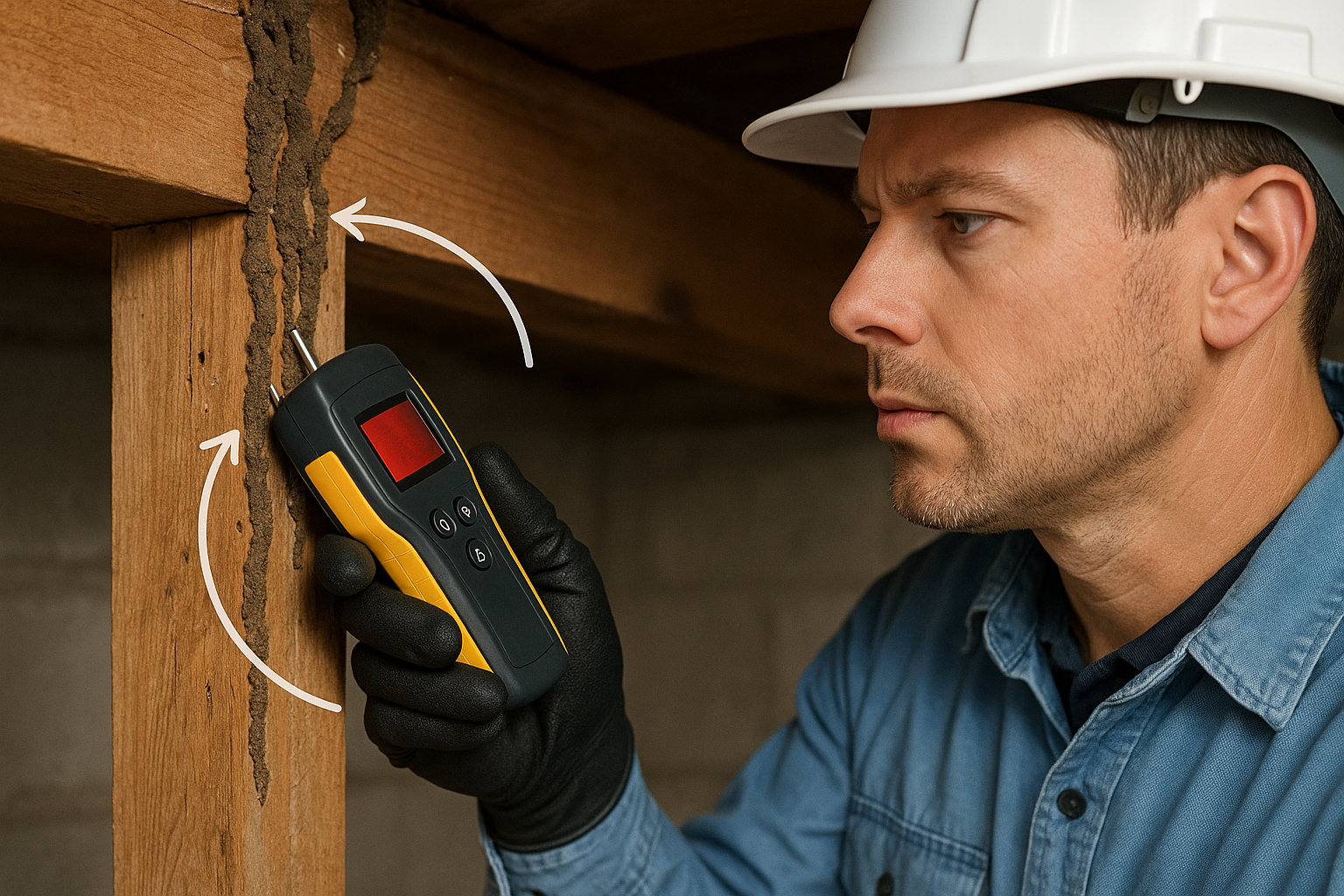
Moisture is a magnet for termites and many other pests. Using a calibrated moisture meter, the technician probes wood, drywall, and sub‑flooring to record humidity levels. Readings above 15‑20 % typically indicate conditions that support pest activity, prompting deeper investigation.
Borescope Insertion
For hidden cavities—think wall voids, crawl spaces, or attic insulation—we insert a thin, flexible borescope. This miniature camera slides through a tiny drilled hole, transmitting live video to the technician’s handheld screen. The borescope lets us spot concealed galleries, mud tubes, or active colonies without tearing apart finished surfaces.
Infrared Camera Scan
An infrared (thermal) camera detects temperature differentials caused by moisture, wood decay, or active pest movement. Warm spots often correspond to termite activity, while cool areas may signal water intrusion. The thermal images are captured and saved for later reference in your final report.
Tools and Their Purpose
- Moisture Meter: Quantifies hidden moisture that fuels pest infestations.
- Borescope: Provides visual access to concealed spaces, revealing galleries and nests.
- Infrared Camera: Highlights temperature anomalies linked to moisture or active colonies.
- Flashlight & Hand Lens: Enables close‑up examination of wood damage, frass, and live insects.
Your Inspection Report
After the on‑site assessment, you’ll receive a comprehensive, written report. It includes high‑resolution photos taken during the inspection, clear descriptions of each finding, and a prioritized list of recommended treatments. The report also outlines preventive steps you can take now to reduce future risk.
Treatment Recommendations
Based on the severity and location of the infestation, our experts may suggest a targeted liquid barrier, baiting system, or localized foam injection. Each recommendation is backed by EPA‑registered products, ensuring safety for your family and pets while delivering maximum efficacy.
Technician Qualifications
All Anthem technicians are EPA‑registered applicators who have completed rigorous training in pest biology, inspection techniques, and safe pesticide handling. They stay current with state licensing requirements and participate in ongoing education to keep up with emerging pest threats.
What You’ll Walk Away With
Beyond the report, you’ll receive a clear action plan that outlines:
- Immediate steps to address active infestations.
- Long‑term preventive measures tailored to your home’s construction and climate.
- Estimated costs, so there are no surprise fees.
Armed with this information, you can make an informed decision about treatment options and feel confident that Anthem Pest Control has thoroughly evaluated every nook and cranny of your home.
Treatment Options and Cost Comparisons in Austin
AI-generated image Chemical Barriers
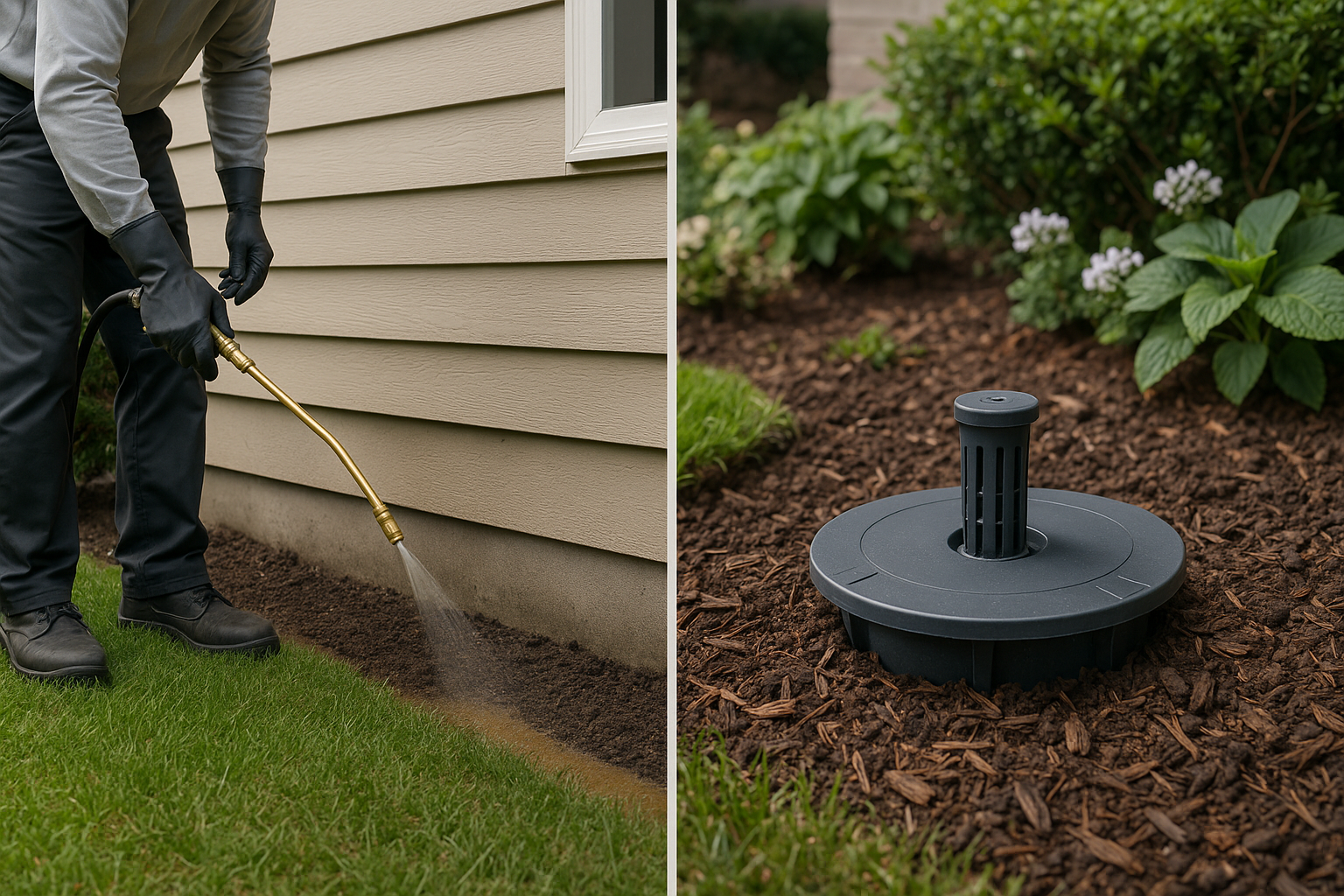
Liquid termiticides are the workhorse of Austin‑area termite control. A professional applies the product in a continuous trench around the home’s foundation, typically 6‑12 inches deep, and then sprays a vertical “wall” into the soil up to 12 inches high. This creates a chemical shield that termites cannot cross. In most cases the barrier remains effective for three to five years, after which a re‑treatment is recommended to maintain protection.
Pros: Provides long‑term, passive protection with minimal homeowner involvement once installed. The barrier stops both subterranean and some dry‑wood termites before they reach the structure. Cons: Installation can be disruptive—landscaping may need to be moved, and the chemical application requires a licensed technician. Initial costs are higher than baiting, but the extended service life offsets the expense.
Baiting Systems
Bait stations consist of small cellulose blocks laced with a slow‑acting insect growth regulator. They are placed strategically around the perimeter and in interior locations where termite activity is suspected. Technicians monitor the stations every 2‑3 months, replacing any consumed bait and adding new stations as the colony expands. Over time, foraging termites carry the active ingredient back to the colony, eventually collapsing it from within.
Pros: Uses far less chemical material than barrier treatments, making it an attractive option for eco‑conscious homeowners. The system targets the colony directly, which can lead to complete eradication if monitored correctly. Cons: Requires regular inspections and bait replacements; missed visits can allow a colony to rebound. Effectiveness depends on proper station placement and diligent follow‑up.
Fumigation
Fumigation is reserved for severe dry‑wood termite infestations that have already compromised structural components. The entire home is sealed with a gas‑tight tarp, and a fumigant—usually sulfuryl fluoride—is released to penetrate wood fibers and kill termites at all life stages. The process typically lasts 24‑48 hours, after which the house must be ventilated before re‑occupancy.
Pros: Offers a “total kill” solution, eradicating termites throughout the structure in a single treatment. It eliminates the need for ongoing monitoring or re‑applications. Cons: The highest upfront cost among the three methods, and homeowners must vacate the property for several days. Post‑treatment, a thorough inspection is still advisable to ensure no reinfestation occurs.
Effectiveness, Cost, and Maintenance Comparison
Comparison of the three primary termite control methods used in Austin (2024) Method Effectiveness Average Cost (Austin, 2024) Maintenance Frequency Key Pros Key Cons Chemical Barrier High – prevents entry for 3‑5 years $1,200‑$2,200 Re‑treatment every 3‑5 years Long‑term protection, minimal homeowner effort Initial soil disruption, higher upfront cost Baiting System Medium‑High – colony eradication over time $800‑$1,500 per year Inspection & bait replacement every 2‑3 months Low chemical use, eco‑friendly Requires regular monitoring, effectiveness varies with placement Fumigation Very High – complete kill of existing infestation $3,000‑$5,000 Usually a one‑time treatment; follow‑up inspection recommended Total eradication, no ongoing stations Expensive, temporary relocation needed 2024 Austin Cost Ranges
Based on the latest EPA and NPMA cost surveys, homeowners in Austin can expect the following price brackets for termite control in 2024:
- Chemical Barrier: $1,200 – $2,200 for a full‑home application, with re‑treatment recommended every three to five years.
- Bait System: $800 – $1,500 per year, covering installation of stations, quarterly monitoring, and bait replacement.
- Fumigation: $3,000 – $5,000 for a complete house‑wide treatment, including setup, gas application, and post‑treatment ventilation.
These figures reflect typical market rates for licensed professionals in the Austin metro area. Prices can vary based on home size, severity of infestation, and any additional services (such as moisture control or structural repairs). At Anthem Pest Control, we provide transparent, itemized quotes so homeowners know exactly what they’re paying for and why.
Pricing Transparency, Financing, and Sample Quote
What’s Inside Your Quote?
When Anthem Pest prepares a written estimate, every line item is spelled out so you know exactly what you’re paying for. A standard quote for a residential treatment includes:
- Comprehensive inspection – a certified technician walks your property, identifies entry points, and maps out infestation hotspots.
- Chosen treatment – whether it’s a chemical barrier, bait system, or a combination, the cost reflects the product type, dosage, and labor.
- Two‑year warranty – coverage that guarantees a pest‑free home for 24 months, with a free re‑treatment if pests return.
- Follow‑up visits – scheduled checks at 30‑day, 6‑month, and 12‑month intervals to ensure the solution remains effective.
Each component is itemized on the invoice, so you never have to guess what a “service fee” covers.
Flexible Financing Options
We recognize that a pest‑control investment can feel sizable, especially after a surprise infestation. That’s why Anthem Pest offers three straightforward ways to pay:
- Upfront payment – settle the total amount at the time of service and enjoy a 5 % discount on the quoted price.
- Monthly payment plans – spread the cost over 6, 12, or 24 months with zero‑interest options for qualified homeowners.
- Partner financing – we’ve teamed with reputable lenders who can approve you in minutes, allowing you to start treatment right away while paying later.
All financing choices are disclosed before any work begins, and there are no surprise interest charges or hidden processing fees.
Insurance and Coverage
Termite damage can be expensive, and many homeowners wonder whether their insurance will help. While standard homeowners’ policies typically exclude pest‑control services, they often cover structural damage caused by termites if you can provide proof of a professional treatment and a valid warranty. Anthem Pest supplies the documentation you need—inspection reports, treatment records, and warranty certificates—to submit a claim. If you already have a pest‑damage rider, our team can coordinate directly with your insurer to streamline the process.
Sample Quote for a Typical Austin Home
Estimated cost breakdown for a 2,000 sq ft residence in Austin, TX Service Cost (USD) Initial inspection $150 Chemical barrier application $1,600 Two‑year warranty $200 Total $1,950 This example reflects a full‑service package that includes all follow‑up visits and the warranty mentioned earlier. Prices may vary slightly based on property layout, soil type, or specific pest pressures, but the structure of the quote will always look like the table above.
No Hidden Fees – Our Commitment
Transparency isn’t just a buzzword for Anthem Pest; it’s a policy. Every quote you receive is a final figure unless you request additional services—such as a supplemental treatment for an unexpected infestation. We never add “administrative surcharges,” “environmental fees,” or “service taxes” after the fact. If a situation arises that requires extra work, we’ll call you first, explain why it’s needed, and provide a written add‑on before any extra labor begins.
In short, the price you see on the estimate is the price you pay. That confidence lets you focus on what matters most—enjoying a pest‑free home without worrying about surprise charges on your credit card.
DIY Prevention Measures for Austin Homeowners
Reduce Wood‑to‑Soil Contact
Termites love direct contact with moisture‑laden soil. By grading the soil so it slopes away from the house, you deny them easy access to the foundation. If grading isn’t feasible, install a concrete or stone pad beneath any wooden decks, porches, or fence posts. This simple barrier cuts off a primary entry route without breaking the bank.
Repair Leaky Gutters and Downspouts
Water pooling around the foundation is a magnet for termites. Regularly inspect gutters and downspouts for cracks, clogs, or loose fittings. Fixing a leaky gutter or adding an extension to direct runoff at least six feet from the house can dramatically lower moisture levels in the crawl space.
Keep Mulch at Least 12 Inches from the Foundation
Mulch retains water and creates a humid environment that termites adore. Position mulch no closer than a foot from the foundation, or swap it for stone, gravel, or decorative rock that drains quickly. This creates a dry buffer zone and still lets you enjoy attractive landscaping.
Ventilate and Dehumidify Crawl Spaces
Even a well‑graded yard can’t protect an unventilated crawl space. Install vent openings or a mechanical ventilation system to promote airflow. In Austin’s humid climate, a small, energy‑efficient dehumidifier can keep relative humidity below 60 %, making the space far less inviting to termites.
Quarterly Self‑Inspection Checklist
Set a calendar reminder for every three months and run through this quick visual scan:
- Look for mud tubes or hollow‑sounding wood near the foundation.
- Check for water stains, mold, or musty odors in crawl spaces and basements.
- Inspect exterior wood—especially deck posts and window sills—for soft spots or cracks.
- Verify that gutters, downspouts, and drainage slopes are functioning properly.
- Measure moisture levels with a simple hygrometer; aim for under 60 % relative humidity.
If anything looks suspicious, note the location and contact a professional for a thorough evaluation.
Caution: Limits of DIY Termiticides
Many over‑the‑counter termiticides claim to be “DIY‑ready,” but most lack EPA registration for structural treatment. Unregistered products can provide a false sense of security and may even damage your home or the environment. The safest route is to use these measures as a first line of defense and then have a licensed technician verify that your property meets industry‑standard protection levels.
Choosing Anthem Pest – Local Expertise and Testimonials
When you’re dealing with a pest problem, you want a company that knows the neighborhood as well as you do. Anthem Pest has built its reputation by being right here in Central Texas, where we understand the unique challenges that Austin homeowners face—from stubborn carpenter ants in the summer to seasonal mosquito spikes near Lady Bird Lake.
Service footprint: statewide coverage, 10+ years in Austin market
Anthem Pest isn’t a fly‑by‑night operation. We’ve been serving the Austin metro area for more than a decade, providing consistent, year‑round protection to thousands of families. While our roots are deep in Central Texas, our network extends across the United States, giving us the resources of a national brand while keeping the personal touch of a local business. That means you get the latest treatment technologies and the same technicians who know the quirks of your specific neighborhood.
Certifications that matter
Our technicians are more than just pest‑control workers—they’re EPA‑registered applicators who have completed rigorous training to handle chemicals safely and effectively. As a proud member of the National Pest Management Association (NPMA), Anthem Pest adheres to industry‑leading standards for environmental stewardship and customer service. These credentials aren’t just badges on a wall; they translate into smarter, safer solutions for your home.
“I called Anthem after discovering a swarm of roaches in my kitchen. The technician arrived within an hour, explained every step, and the roaches were gone for good. The follow‑up visit confirmed the treatment held up, and I haven’t seen a single bug since. Best service I’ve had in Austin!” – Emily R., Austin homeowner
Why homeowners should trust Anthem
- Transparent pricing: No hidden fees—what we quote is what you pay.
- Locally trained technicians: Each crew member knows Austin’s pest patterns and the best seasonal timing for treatments.
- Comprehensive warranty: We stand behind our work with a satisfaction guarantee that covers re‑treatment if pests return.
- Rapid response: Same‑day or next‑day appointments keep infestations from spreading.
- Eco‑conscious methods: We prioritize low‑impact products that protect your family, pets, and the environment.
Frequently Asked Questions About Termite Control
How long does a treatment last?
Most barrier treatments—such as liquid termiticides or foam—come with a 3‑ to 5‑year warranty, depending on the product and soil conditions. Baiting systems are typically serviced annually; the bait stations themselves remain active for a year, but we’ll inspect and replace them each season to keep the colony under control.
Will treatment affect pets?
We prioritize low‑toxicity formulations that are safe for dogs, cats, and even fish when applied correctly. Our technicians wear protective gear, follow EPA‑approved safety protocols, and seal off treated zones. After a liquid barrier, we recommend keeping pets off the treated area for at least two hours; bait stations are sealed and pose no direct risk.
Can I combine baiting with a barrier?
Absolutely. Integrated pest management (IPM) works best when we layer a chemical barrier with strategically placed bait stations. The barrier stops foragers from entering the structure, while the bait targets the colony’s heart. We usually apply the barrier first, let it cure for 24‑48 hours, then install the bait network for a seamless defense.
How often should I schedule termite inspections?
We advise a professional inspection at least once a year, ideally in spring before termite activity peaks. If you’ve recently completed a treatment, schedule a follow‑up inspection within 30 days to confirm efficacy.
What are the signs that a treatment has failed?
Look for fresh mud tubes, swarms, or new damage to wood framing. Any resurgence of activity after a warranty period signals that the protection may need reinforcement. Contact us immediately so we can reassess and adjust the plan.
Do you offer financing or payment plans?
Yes. Anthem Pest partners with several financing providers to spread the cost of comprehensive termite programs over 12‑ or 24‑month terms. Our transparent pricing lets you see exactly what’s covered, and we’ll help you choose the option that fits your budget.
Protect Your Home – Schedule a Free Inspection Today
When it comes to safeguarding a multi‑million‑dollar property, early detection isn’t a luxury—it’s a necessity. Spotting the first sign of termite activity, a hidden rodent nest, or a subtle increase in ant traffic can mean the difference between a quick, affordable treatment and a costly structural repair. That’s why partnering with a professional service that knows exactly where to look and how to act is essential.
Professional treatment brings two powerful advantages. First, certified technicians use industry‑approved products and techniques that reach the pests where DIY solutions often fall short. Second, they apply the treatment safely, protecting your family, pets, and the integrity of your home’s finishes. Once the initial infestation is eliminated, ongoing prevention plans keep the pests at bay year after year, turning a one‑time expense into a long‑term investment.
Think of your home as a financial fortress. A single undetected termite colony can gnaw through structural beams, compromising the very foundation that holds your equity. By catching problems early and maintaining a proactive barrier, you preserve the value of your investment and avoid surprise repair bills that could erode your savings.
At Anthem Pest, we understand that homeowners want transparent, affordable solutions without high‑pressure sales tactics. That’s why we invite you to schedule a complimentary inspection—no obligation, no hidden fees. Our experts will walk you through the findings, tailor a treatment plan to your specific situation, and provide a personalized quote that aligns with your budget.
Ready to protect your home and peace of mind? Call us today at 877‑371‑8196 or visit anthempest.com to book your free inspection. Let’s keep your home safe, sound, and pest‑free—together.