Why Proactive Pest Prevention Matters for Every Homeowner
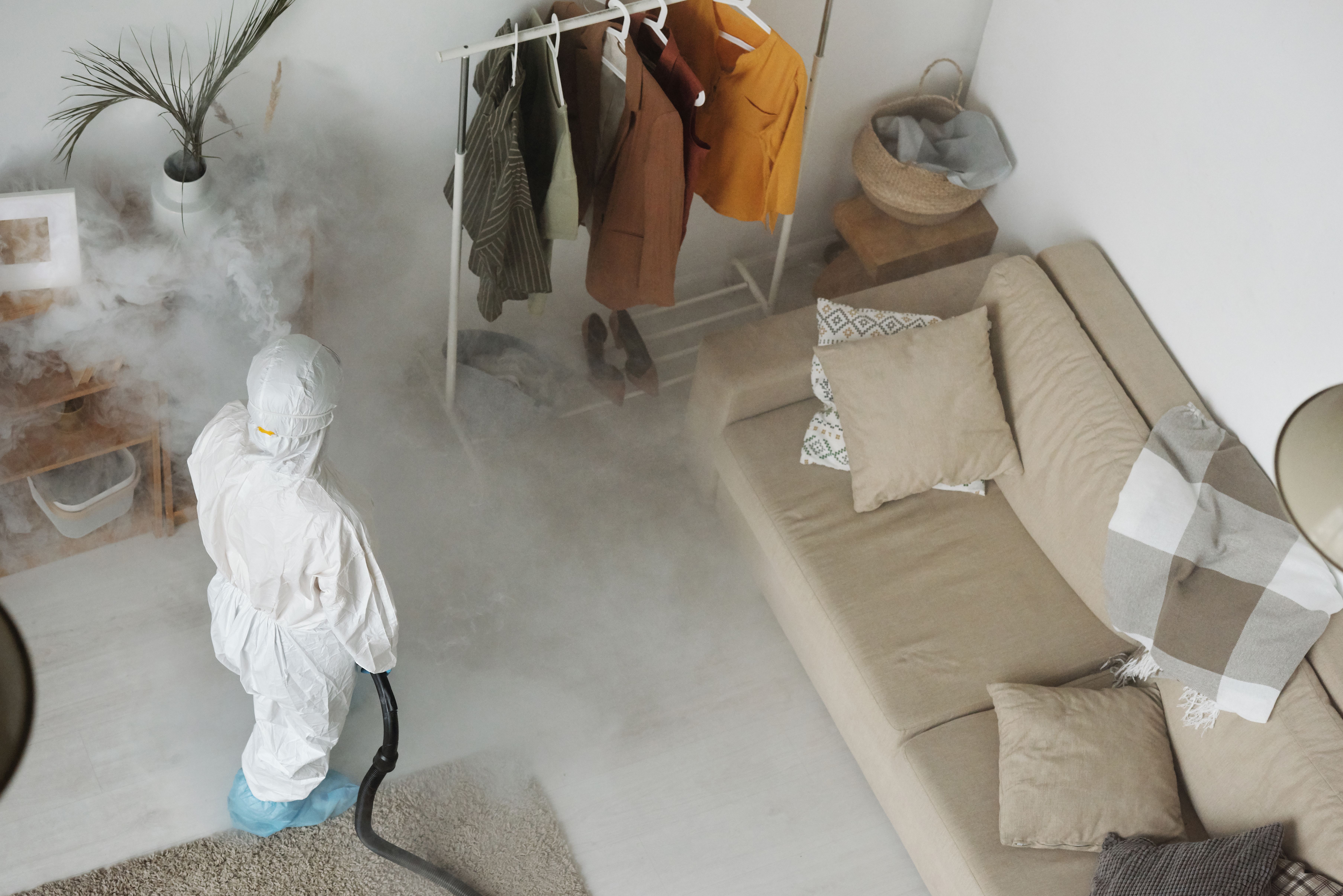
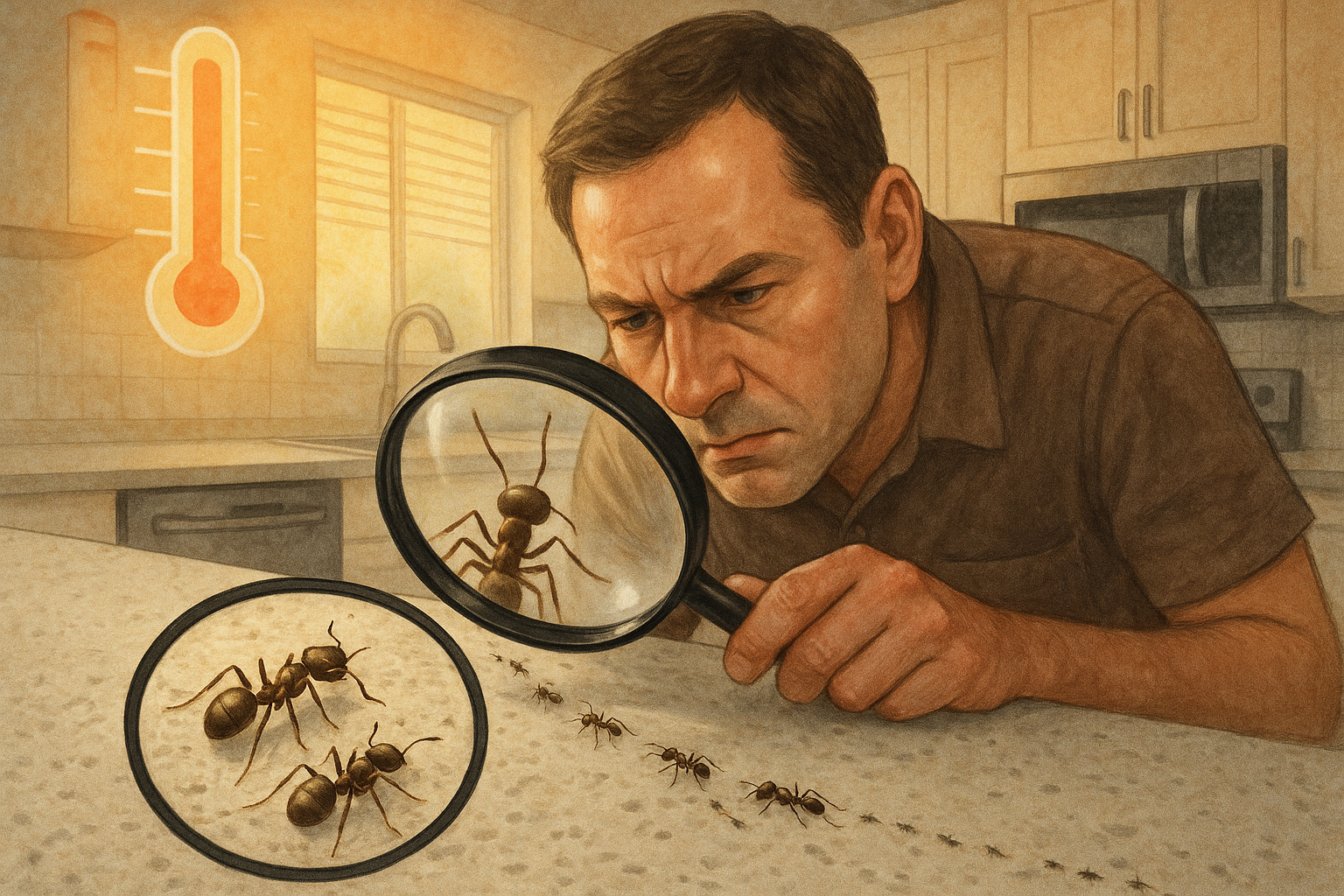
When the Martinez family of Austin, Texas, spotted a single line of ants marching across their kitchen counter, they didn’t wait for an infestation to take hold. They called Anthem Pest Control within days, and a targeted treatment stopped the colony before it could tunnel into walls and cabinets. The quick action saved them an estimated $2,000 in damage repair and professional extermination fees.
That story illustrates a broader truth: pest problems rarely stay small. What starts as a few ants or a single mouse can quickly evolve into costly structural damage, expensive remediation, and even health hazards. Homeowners often overlook three hidden costs:
- Property damage: Termites, carpenter ants, and rodents chew through wood, insulation, and wiring, leading to repairs that can run into thousands.
- Health risks: Cockroaches and bed bugs carry allergens and pathogens; mosquito bites can transmit diseases.
- Reduced resale value: A home with a pest history can lose market appeal, forcing sellers to lower asking prices.
According to the U.S. Environmental Protection Agency, American homeowners collectively spend more than $5 billion each year on damage caused by pests. That figure doesn’t even account for the intangible costs—stress, lost sleep, and time spent coordinating repairs.
These numbers make a compelling case for a proactive, data‑driven approach. By monitoring seasonal pest trends, inspecting for early warning signs, and acting before populations explode, you turn a potential financial nightmare into a manageable maintenance task.
Anthem Pest Control’s philosophy aligns with this mindset: we equip homeowners with clear, evidence‑based recommendations and transparent pricing, so you can make informed decisions before pests become a crisis. Early detection isn’t just a convenience; it’s a smart investment in your home’s health, safety, and long‑term value.
The Top Five Pests Threatening U.S. Homes
Termites
Termites are wood‑eating insects that thrive in moist, cellulose‑rich environments. Workers construct mud tubes to travel between soil and the wood they consume, leaving a faint, pencil‑thin line on foundations or walls. Homeowners often notice hollow‑sounding wood, discarded wings, or visible tunnels in crawl spaces. Their activity peaks during warm, humid months—typically late spring through early fall—when moisture levels support rapid colony growth.
Mosquitoes
Beyond the itchy bite, mosquitoes are notorious disease vectors, transmitting West Nile virus, Zika, and other illnesses. Female mosquitoes lay eggs in standing water such as birdbaths, clogged gutters, or forgotten pool covers. Look for swarms at dusk, a high‑pitched whine, and small, pinpoint red welts that develop within minutes. According to the CDC, 2023 saw a 12% rise in mosquito‑borne cases nationwide, with populations surging after summer rains.
Rodents (Rats & Mice)
Rats and mice gnaw relentlessly to keep their ever‑growing incisors short, leaving tell‑tale chew marks on wood, wires, and food packaging. Fresh droppings—black, rice‑shaped for mice and larger, spindle‑shaped for rats—often appear along walls or in hidden corners. Activity spikes in the fall as rodents seek warm shelter and stored food for winter. You may also hear scurrying sounds in attics or hear squeaks at night.
Cockroaches
Cockroaches are nocturnal scavengers that hide in cracks, behind appliances, and inside cabinets. Their droppings look like pepper specks, and you might spot shed skins or a faint, oily odor. A sudden increase in allergies or asthma symptoms can signal a hidden infestation, as cockroach allergens are potent triggers. They reproduce fastest in summer’s heat, but indoor climates allow them to thrive year‑round.
Ants (Carpenter & Odorous)
Carpenter ants excavate wood to build nests, often leaving smooth, polished galleries that weaken structural members. Odorous house ants leave a characteristic sour smell when crushed and travel in well‑defined pheromone trails. Look for ant highways along baseboards, kitchen counters, or windowsills. Carpenter ants are most active in spring, while odorous ants peak in late summer when food sources become scarce.
Quick‑Reference Guide
| Pest | Primary Detection Signs | Peak Season (U.S.) |
|---|---|---|
| Termites | Mud tubes, hollow wood, discarded wings | Late spring – early fall |
| Mosquitoes | Standing water, bite welts, dusk swarms | Summer rains & warm nights |
| Rodents | Gnaw marks, droppings, scurrying noises | Fall (seeking shelter) |
| Cockroaches | Droppings, shed skins, oily odor, allergy flare‑ups | Summer heat (year‑round indoors) |
| Ants | Trail lines, wood galleries, sour odor (odorous) | Carpenter – spring; Odorous – late summer |
Month‑by‑Month Pest Activity Calendar
Understanding when pests are most active in your area lets you stay one step ahead. The 2024 NPMA seasonal pest report highlights clear regional patterns—southern states wrestle with termites all year, while northern cities see rodent populations surge as temperatures dip. Below is a month‑by‑month guide that blends those trends with practical steps you can take before pests become a problem.
Southern States (e.g., Jacksonville, FL) – Year‑Round Termite Vigilance
In warm climates termites never truly hibernate. Swarms can appear any month when soil moisture rises, and moisture‑laden rains often trigger the most aggressive foraging. Homeowners should treat every season as a potential termite window, focusing on moisture control, wood inspections, and barrier maintenance.
- Moisture Management: Keep gutters clean and direct downspouts away from foundations.
- Wood Inspection: Look for hollowed or blistered wood, especially in crawl spaces and decks.
- Barrier Checks: Verify that chemical or physical termite barriers remain intact after landscaping work.
Northern Cities (e.g., Chicago, IL) – Rodent Peaks in Fall
As autumn cools, rodents abandon outdoor burrows and seek shelter inside heated homes. The NPMA 2024 report shows a sharp increase in mouse and rat sightings from September through November. Sealing entry points before the first frost is the most effective defense.
- Entry Point Sealing: Use steel wool and caulk to block gaps around pipes, vents, and utility lines.
- Sanitation: Store food in airtight containers and keep garbage bins tightly covered.
- Inspection: Conduct a thorough attic and basement walk‑through for gnaw marks or droppings.
Monthly Action Tips
| Month | South (Termites) | North (Rodents) |
|---|---|---|
| January | Inspect foundation for cracks; apply barrier if needed. | Check attic insulation for gnaw damage. |
| February | Clear leaf litter that retains moisture near the house. | Seal any new openings from winter storms. |
| March | Seal cracks before termite swarms. | Store firewood away from the home. |
| April | Schedule a professional termite inspection. | Trim shrubs away from the foundation. |
| May | Maintain proper drainage around landscaping. | Repair any damaged screens on vents. |
| June | Monitor for mud tubes during rainy weeks. | Secure compost bins and keep lids tight. |
| July | Apply termiticides to vulnerable wood contacts. | Inspect crawl spaces for moisture buildup. |
| August | Check for termite activity after summer storms. | Remove fallen leaves that provide shelter. |
| September | Re‑evaluate barrier integrity before fall rains. | Seal all exterior cracks—rodent season begins. |
| October | Perform a final wood moisture test before winter. | Set snap traps in high‑risk areas. |
| November | Schedule a post‑fall termite follow‑up. | Keep pantry doors closed and inspect for gnaw marks. |
| December | Maintain indoor humidity below 60% to deter termites. | Do a last sweep of basements for droppings before holidays. |
By aligning your home‑maintenance calendar with these regional patterns, you reduce surprise infestations and keep your home comfortable year‑round. For a deeper dive into the data behind these recommendations, see the NPMA 2024 seasonal pest report. Regular inspections and timely action are the cornerstone of effective pest management—something Anthem Pest Control has been helping homeowners with for decades.
Homeowner’s 10‑Point Inspection Checklist
Keeping pests out starts with a systematic walk‑through of your home’s vulnerable spots. Use this checklist each season to spot and seal entry routes before insects or rodents can move in.
- Inspect foundation for mud tubes. Walk the perimeter of your house and look for the smooth, pencil‑thin tunnels ants and termites leave in moist soil. Even a few centimeters of mud can signal a colony ready to breach your foundation.
- Clean gutters and downspouts. Clogged gutters hold standing water, creating a moist environment that attracts ants, termites, and mosquitoes. Remove leaves and debris, then ensure water flows away from the siding.
- Trim vegetation ≤ 2 ft from siding. Shrubs, vines, and lawn edging that touch your exterior give pests a bridge to climb onto walls and roofs. Keep plants trimmed to at least two feet to break that bridge.
- Repair leaky pipes. Dripping faucets, cracked irrigation lines, or condensation on pipes all add humidity that pests love. Fix leaks promptly and wipe away any residual moisture.
- Store food in sealed containers. Open pantry boxes, pet food, and crumbs are an open invitation. Use airtight plastic or glass containers, and wipe down shelves regularly to eliminate scent trails.
- Install mesh screens on vents. Attic, crawl‑space, and dryer vents are common highways for insects. Fit them with fine‑mesh (¼‑inch or smaller) screens and check for tears each spring.
- Seal obvious entry points. Caulk gaps around windows, doors, utility penetrations, and where pipes enter the home. Even a tiny crack can let in a swarm; sealing reduces indoor sightings by 45 % according to a 2023 EPA study. EPA 2023 entry‑point study
- Ensure proper crawl‑space ventilation. Stagnant air encourages mold and attracts pests. Install vent covers that allow airflow while keeping rodents out, and consider a dehumidifier if humidity stays high.
- Use LED lights to deter insects. Many insects are drawn to the ultraviolet spectrum of traditional bulbs. Swapping to warm‑tone LED lighting reduces attraction and also saves energy.
- Schedule quarterly professional inspections. A trained technician can spot hidden infestations, treat perimeter zones, and update your prevention plan. Regular visits keep your home a step ahead of seasonal pest surges.
Choosing the Right Treatment – DIY vs. Professional
DIY Options: What’s on the Shelf?
Many homeowners start with over‑the‑counter (OTC) solutions because they’re inexpensive and easy to apply. Common choices include ant baits, snap traps, and spray cans that claim to kill on contact. A typical ant bait kit—often sold in a box of 12 to 24 stations—costs between $15 and $30, and a single spray can runs about $10.
These products work best for isolated incidents, such as a kitchen ant line or a few rogue carpenter ants. They rely on the insects finding and sharing the poison, which can take several days. If the colony is large or hidden deep within walls, DIY methods may never reach the queen, leaving the problem to resurface.
Professional Services: When to Call the Experts
Anthem Pest Control offers a suite of treatments designed to eliminate entire colonies and prevent future invasions. Options include:
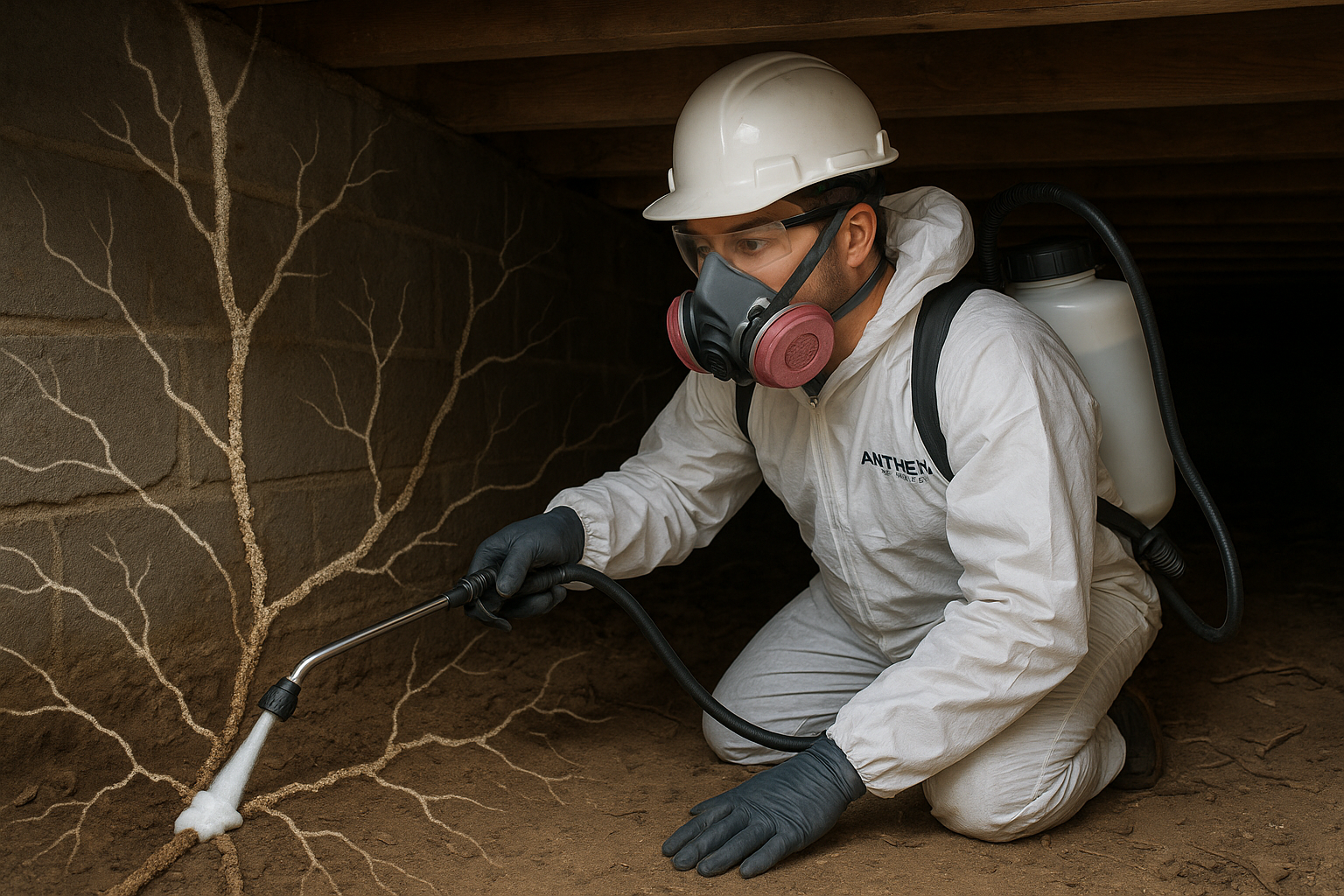
- Targeted foam applications that penetrate cracks and voids where ants nest.
- Permanent bait stations placed around the perimeter, each containing EPA‑approved low‑toxicity gel.
- Barrier treatments that create a chemical shield around the home’s foundation.
According to the 2024 Anthem price sheet, a single ant‑bait‑station visit ranges from $120 to $180. This fee includes a thorough inspection, strategic placement of bait stations, and a follow‑up visit to ensure the colony is fully eradicated.
Safety Note: Low‑Toxicity, High Confidence
One of the biggest concerns homeowners have is chemical safety, especially around children and pets. Anthem exclusively uses EPA‑approved products that are classified as low‑toxicity, meaning they pose minimal risk when applied according to label directions. Technicians wear protective gear, calibrate application equipment precisely, and provide post‑treatment safety guidelines, so you can feel confident that the home remains a safe environment.
Real‑World Case Study: Phoenix, AZ
John Martinez, a homeowner in Phoenix, discovered a growing ant problem in his backyard patio and decided to try spot‑treatments with DIY sprays. Over six months he spent roughly $300 on cans and replacement baits, yet the ants kept marching back after each rainstorm.
He eventually called Anthem Pest Control for a one‑time termite barrier that also addressed the ant issue. The comprehensive treatment cost $1,800, but the company offered a 2‑year warranty that covered any future ant activity. By avoiding repeated DIY purchases, John saved an estimated $1,500 in the long run and eliminated the need for ongoing spot treatments.
Why Professional Expertise Pays Off
Beyond the obvious cost comparison, professional services bring several intangible benefits:
- Accurate identification. Trained technicians can differentiate between ant species, which determines the most effective product and placement strategy.
- Strategic placement. Bait stations are positioned where foraging ants travel, ensuring the poison reaches the colony’s heart.
- Warranty coverage. Anthem’s service agreements guarantee that any resurgence within the warranty period is handled at no extra charge.
- Time savings. A single technician visit resolves what might take weeks of trial‑and‑error with DIY products.
Bottom Line: Matching the Solution to the Situation
If you’re dealing with a minor, isolated ant sighting and have a limited budget, a DIY bait kit can be a reasonable first step. However, when the infestation is widespread, recurring, or tied to structural pests like termites, the expertise, low‑toxicity products, and warranty protection offered by Anthem Pest Control provide a more reliable—and often more economical—long‑term solution.
Local Expertise – How Anthem Serves Your Community
When a pest problem shows up, you want a neighbor who knows the local climate, building styles, and the insects that thrive in your area. That’s why Anthem operates in 12 states, deploying technicians who live, train, and certify right where you do. Each team member completes a state‑specific curriculum that covers everything from Colorado’s high‑altitude ant species to North Carolina’s termite hotspots. The result is a faster, more accurate diagnosis and a treatment plan that respects local regulations and homeowner preferences. Our regional hubs in Denver, Austin, and Charlotte also host quarterly training refreshers to keep skills sharp and knowledge current.
Free pest‑identification webinars for every region
Anthem believes education is the first line of defense. Every quarter we host a live, free webinar that walks homeowners through common signs of infestation, seasonal trends, and simple DIY checks. Recent sessions include “Spotting Early‑Season Ant Activity” in Denver, CO, and “Protecting Your Yard from Mosquito Breeding” in Tampa, FL. Registrants receive a downloadable checklist and a direct line to the nearest certified technician for follow‑up questions. Webinar recordings stay online for 30 days, so you can revisit the material whenever a new pest appears.
What your neighbors are saying
“I called Anthem after discovering a nest of carpenter ants in my attic. Within two hours a local tech arrived, identified the source, and had the area treated. The whole process was seamless, and I felt confident knowing the crew understood the Raleigh climate.” – Emily J., Raleigh, NC
Quick links to help you get started
- View our service‑area map to see if we cover your zip code.
- Contact a local technician for a free on‑site inspection or to schedule a webinar spot.
Because Anthem’s technicians are trained locally, they recognize the subtle differences between a harmless house‑fly and an invasive fruit fly, or between a seasonal spider and a venomous black widow. That local insight reduces unnecessary treatments, saves you money, and keeps your home safe year after year. When you choose Anthem, you’re not just hiring a national brand—you’re gaining a trusted neighbor who’s committed to protecting your family and your community. Check our local blog for seasonal alerts tailored to your zip code.
Health Implications of Common Pests
Mosquitoes
Beyond the itchy bite, mosquitoes are vectors for serious illnesses such as West Nile virus and Zika. According to the CDC 2023 data, mosquito‑borne diseases account for thousands of hospitalizations in the United States each year. The most effective way to protect your family is to eliminate standing water where females lay their eggs. Check flower pots, bird baths, gutters, and even discarded tires weekly. A dry environment removes the breeding ground, dramatically cutting the risk of disease transmission.
Rodents
Rats and mice may seem harmless, but they carry pathogens like Hantavirus and Leptospirosis, which can cause severe respiratory and kidney issues. The CDC reports that rodent exposure leads to several hundred confirmed cases of Hantavirus pulmonary syndrome annually. To keep these health threats at bay, seal all entry points—including gaps around pipes, vents, and foundation cracks. Additionally, store trash in sturdy, sealed containers and remove food waste promptly. By denying rodents easy access to shelter and food, you lower the chance of disease‑bearing droppings entering your home.
Cockroaches
Cockroaches are more than a nuisance; their shed skins, saliva, and feces contain allergens that trigger asthma attacks and exacerbate chronic respiratory conditions. The CDC notes that indoor cockroach infestations are linked to higher asthma rates in low‑income households. Maintaining a clean kitchen, promptly fixing leaks, and reducing food sources—such as crumbs or pet food left out overnight—are essential steps. Regular sanitation deprives cockroaches of the nutrients they need to thrive, thereby reducing allergen exposure for you and your loved ones.
Putting Prevention into Practice
- Eliminate water sources to curb mosquito breeding.
- Seal cracks and store waste properly to block rodents.
- Keep surfaces clean and fix leaks to deter cockroaches.
By integrating these simple, proactive measures into your daily routine, you protect not only your home’s structural integrity but also your family’s health. If you suspect an infestation or need a comprehensive prevention plan, Anthem Pest Control offers safe, effective solutions tailored to your neighborhood’s specific challenges.
Sustainable Pest Management for the Conscious Homeowner
Core IPM Steps
At Anthem, we know that effective pest control starts with sustainability. That’s why our technicians follow Integrated Pest Management, or IPM, a science‑backed framework that balances pest suppression with environmental stewardship. IPM lets us protect your home while keeping the ecosystem healthy.
Monitoring
The first IPM step is diligent monitoring. Our field teams set up discreet traps and conduct regular visual inspections to track insect activity throughout the season. By gathering real‑time data, we can spot emerging problems before they become full‑blown infestations.
Identification
Accurate identification follows monitoring. Whether you’re dealing with a hidden carpenter ant colony or a sudden surge of mosquitoes, our certified technicians use species‑specific keys and digital tools to confirm the pest’s identity. Correct identification ensures we target only the culprits, not harmless allies.
Threshold Setting
Next, we establish action thresholds—numeric or visual cues that tell us when treatment is truly necessary. For example, a single cockroach sighting may be acceptable in a low‑risk home, but five sightings in a week would trigger intervention.
Control
When thresholds are met, we move to control, prioritizing low‑impact, EPA‑approved bio‑insecticides such as neem‑based sprays, spinosad granules, and microbial agents like Bacillus thuringiensis. These products target pests at the molecular level while sparing beneficial insects, pets, and indoor air quality. For a full list, see the EPA 2022 guide on reduced‑risk pesticides.
Evaluation
Finally, we evaluate the outcome. Post‑treatment inspections verify that pest numbers have dropped below the set threshold, and we adjust future plans based on what worked best. This feedback loop keeps your home protected year after year without relying on blanket chemical applications.
Take Action Today – Protect Your Home and Family
We’ve shown how a proactive approach—regular inspections, seasonal treatments, and a solid 10‑point checklist—keeps pests out before they become an emergency. By following the seasonal calendar (spring termite watch, summer mosquito control, fall rodent barriers, winter indoor monitoring), you stay one step ahead of the insects and critters that love to invade homes.
Quick Recap of the 10‑Point Checklist
- Seal cracks and gaps around foundations.
- Eliminate standing water and excess moisture.
- Trim vegetation away from the house.
- Store firewood off the ground and away from walls.
- Keep food in sealed containers.
- Maintain clean gutters and downspouts.
- Schedule quarterly professional inspections.
- Apply targeted treatments at the first sign of activity.
- Use EPA‑approved products for safety.
- Document findings and actions in a home pest log.
Why Early Action Saves Money
Case studies from Anthem’s clients show average repair savings of 45 % when infestations are caught early. EPA data confirms that preventative treatments reduce overall pesticide use by up to 30 %, translating into lower service fees and fewer emergency calls.
Beyond dollars, early pest control protects the health of every family member. Mosquitoes transmit West Nile virus, termites compromise structural integrity, and bed bugs cause sleepless nights and skin irritation. By acting now, you eliminate these hidden hazards before they affect your loved ones, giving you peace of mind throughout the year.
Ready for a Free Inspection?
Take the next step now—schedule a free, no‑obligation inspection with our certified technicians. Call us at 877‑371‑8196 or click the link below to book online. Our team will review your seasonal calendar, walk through the checklist, and tailor a plan that protects both your home and your budget.
Visit Anthem Pest Control today.