Why House Flies Matter in Dunwoody

For most Dunwoody homeowners, a house fly buzzing around the kitchen feels like a minor annoyance. In reality, that tiny intruder carries a trio of serious concerns: food contamination, disease transmission, and a relentless nuisance factor that can ruin outdoor gatherings.
Health risks you can’t ignore
- Food contamination: Flies constantly land on garbage, pet waste, and decaying matter. Their legs and proboscis pick up bacteria, which they then deposit on anything they touch—your countertops, dishes, and even fresh produce.
- Disease transmission: The CDC reports that up to 30% of food‑borne illnesses are linked to flies. Pathogens such as Salmonella, E. coli, and Shigella can hitch a ride on a fly’s body and make you sick.
- Nuisance factor: A swarm of flies around a patio dinner forces you to keep doors shut, interrupts conversation, and can drive away guests—hardly the welcoming atmosphere you want for family meals or neighborhood barbecues.
Seasonal peaks in the Atlanta metro area
The climate in Dunwoody amplifies the fly problem. Warm, humid summers create the perfect breeding ground, and data from the University of Georgia Extension shows fly activity spikes from May through September. During these months, adult flies reproduce rapidly, and a single female can lay up to 150 eggs in a day. By late summer, the numbers can feel overwhelming if you’re not prepared.
Local context: suburban life and fly hotspots
Dunwoody’s suburban layout adds a few unique challenges. Many neighborhoods feature spacious front porches, outdoor dining areas, and community grills—ideal spots for flies to congregate. Additionally, the city’s garbage collection schedule (typically twice a week) can leave temporary “fly farms” in curbside bins if lids aren’t sealed tightly. Even well‑maintained lawns can become attractive when fallen fruit or pet waste isn’t promptly removed.
Understanding these local nuances helps you spot the early warning signs: increased fly activity around trash cans, lingering flies on patio furniture, or a sudden uptick in indoor sightings after a rainstorm. Recognizing the problem early means you can act before the May‑September surge turns a manageable nuisance into a full‑blown infestation.
What this means for you
When you know that flies are more than just annoying, you can prioritize prevention. Simple steps—like securing garbage containers, keeping outdoor eating areas clean, and scheduling a professional fly inspection before the high‑risk months—can dramatically reduce the health risks and keep your home comfortable all summer long. Anthem Pest Control’s local expertise means you’ll get a tailored plan that respects Dunwoody’s specific seasonal patterns and neighborhood layout.
Spot the Culprit – House Fly Identification
Before you call a professional, you need to be sure the buzzing intruder is a house fly (Musca domestica) and not a harmless fruit fly or a larger blowfly. The good news? A house fly is one of the easiest pests to spot once you know its signature traits.
Key physical characteristics
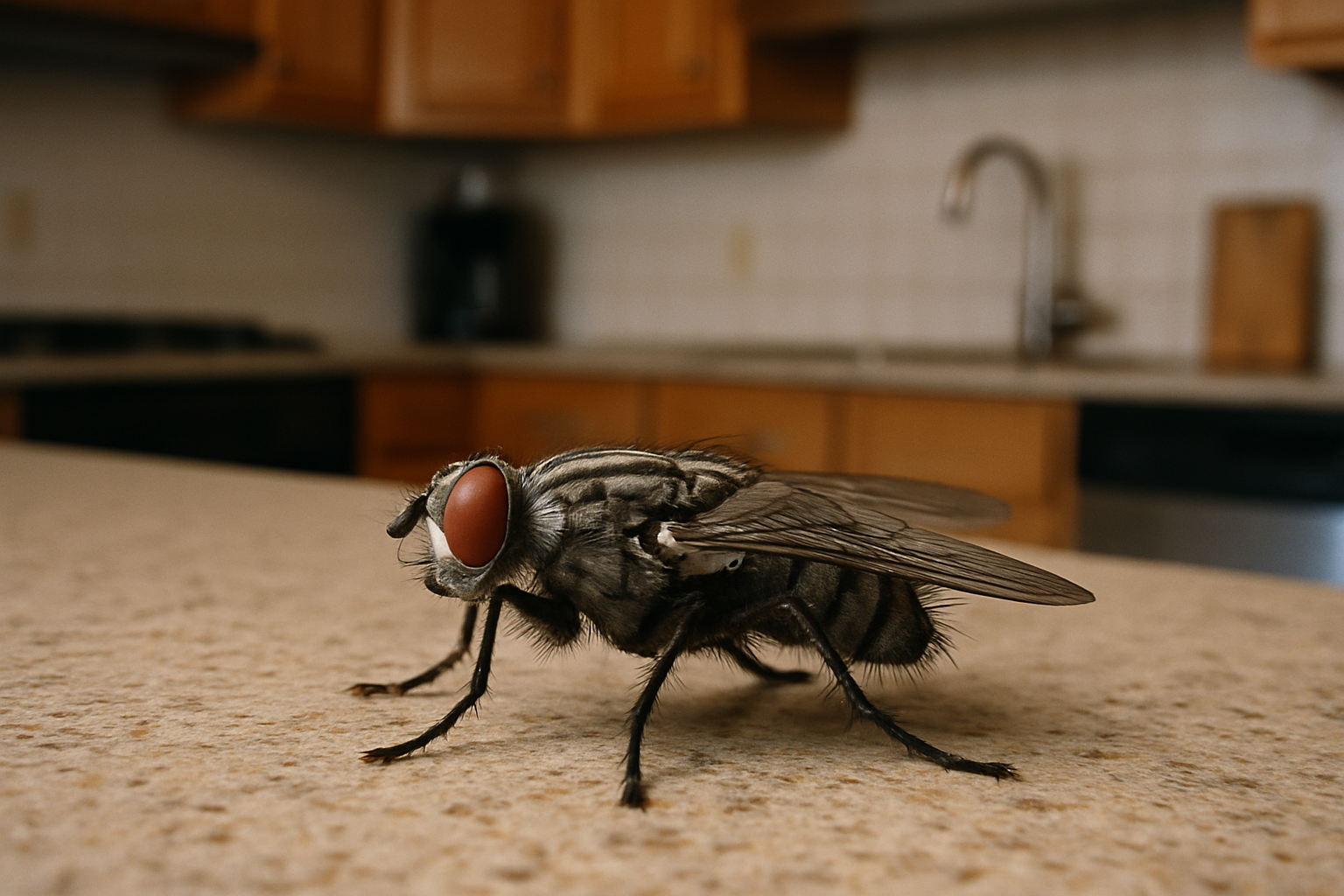
- Size: Typically 6–7 mm long—about the width of a pencil eraser.
- Thorax: A distinctive gray‑black striped pattern that runs lengthwise across the middle segment.
- Eyes: Bright red, compound eyes that give the fly a glossy, almost metallic look.
- Wings: Clear, membranous wings with a network of dark veins; the wings rest flat over the abdomen when the fly is at rest.
- Body shape: A compact, rounded abdomen with a slightly tapered end, giving the insect a “flying cigar” silhouette.
The macro photo above (Image 1) highlights each of these features. Notice the contrasting stripes on the thorax and the vivid red eyes—those are the tell‑tale markers that separate a house fly from its smaller, less noticeable cousins.
Real‑world example: a Brookhaven kitchen
Imagine you’re preparing dinner in a kitchen in the Brookhaven neighborhood of Dunwoody. An uncovered trash can sits near the sink, and within minutes a small swarm of flies begins to buzz around the countertop. They hover near the trash, land on food prep surfaces, and occasionally rest on the open refrigerator door. If you pause and look closely, you’ll see the gray‑black thorax stripes and the red eyes described above—classic house fly signatures.
Why the identification matters
The U.S. Environmental Protection Agency’s most recent indoor pest survey identified the house fly as the most common indoor flying pest in the Southeast. EPA data shows that households in Georgia report fly sightings more frequently than any other flying pest, underscoring how widespread the problem can be.
Knowing these visual cues lets you act quickly. Once you’ve confirmed the culprit, you can take targeted steps—like securing trash, installing screens, and, if needed, calling Anthem Pest Control for a professional treatment plan that eliminates the flies and prevents their return.
The Limits of DIY Fly Control
Common DIY Methods
Most homeowners reach for the easiest tools when flies become a nuisance: sticky fly strips that hang from ceilings, simple vinegar‑water traps placed in kitchen corners, and homemade sprays mixed from dish soap, essential oils, or diluted bleach. These solutions are inexpensive, readily available at any grocery store, and promise a quick fix without the need for a professional call.
Why DIY Often Fails
While these tactics can knock down a few flies, they rarely address the root of the problem. Sticky strips only capture flies that happen to land on them, leaving the majority of the population untouched. Vinegar traps act as attractants, but once the bait is saturated, they lose effectiveness and must be replaced frequently. Homemade sprays may kill individual insects on contact, yet they provide limited coverage and cannot penetrate hidden breeding sites such as garbage disposals, pet waste, or damp crawl spaces. As a result, reinfestation often occurs within days, turning a short‑term win into a recurring battle.
Cost‑Benefit Comparison
When you tally the expenses, the DIY route appears cheap at first glance—most people spend between $20 and $40 on strips, traps, and ingredients for a single season. In contrast, a professional fly control service from a licensed provider typically ranges from $80 to $150, as outlined in the NPMA 2024 pricing guide. The higher upfront cost includes a thorough inspection, targeted pesticide applications, and follow‑up visits that keep the fly population suppressed for weeks or months. Over time, the professional approach often proves more economical because it reduces the need for repeated purchases and the hidden costs of ongoing infestations.
Safety Concerns
DIY pesticide handling carries hidden risks, especially in Georgia where the Department of Agriculture enforces strict regulations on pesticide use in residential settings. Improper mixing ratios, over‑application, or using unregistered products can violate state law and expose you and your family to toxic residues. Moreover, many over‑the‑counter sprays lack the residual activity that licensed technicians achieve with EPA‑approved formulations. The result can be a false sense of security paired with real health hazards, ranging from skin irritation to respiratory issues, particularly for children, seniors, or pets.
What Anthem Pest Does Differently
Two‑Step Treatment Protocol
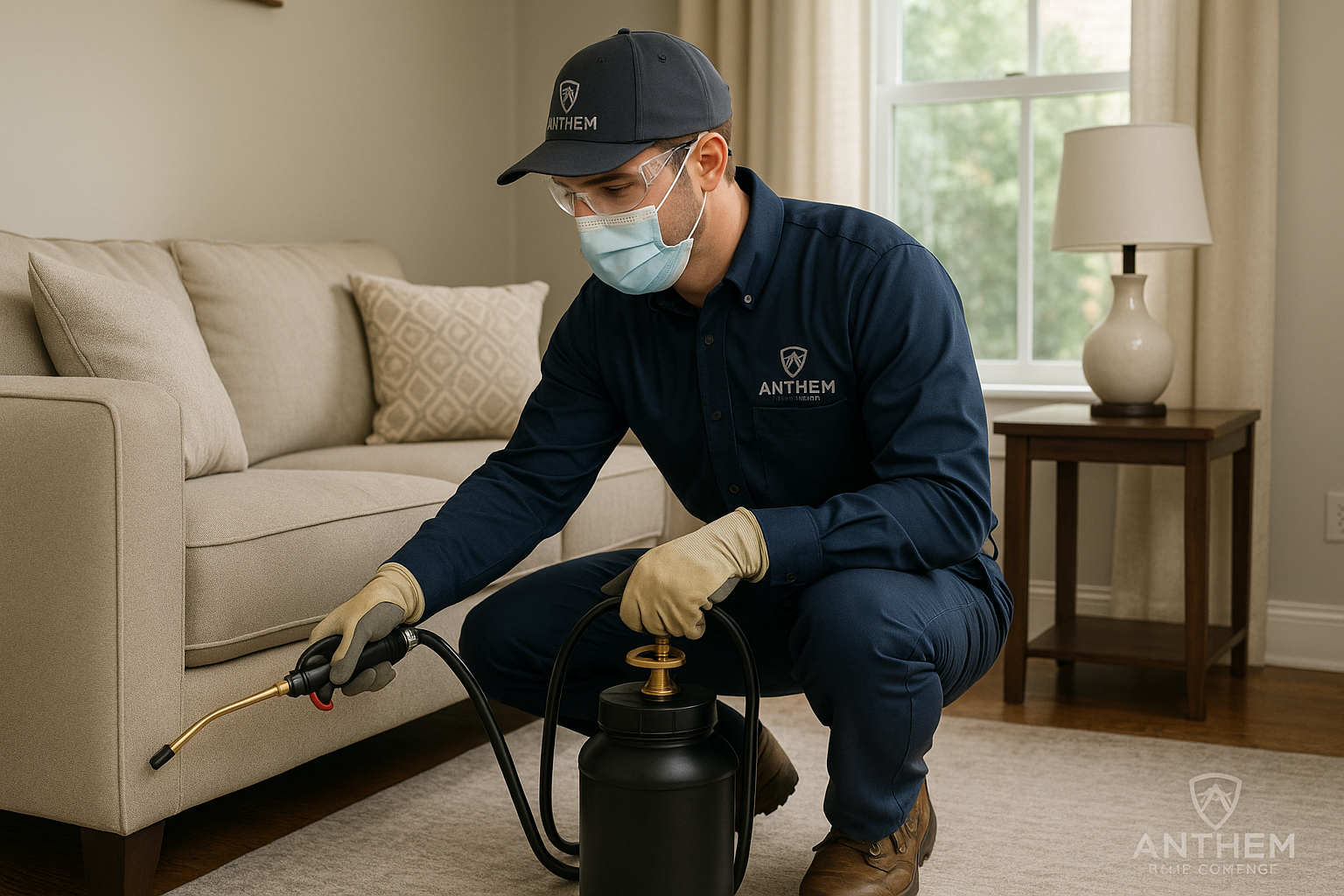
Anthem Pest’s approach in Dunwoody starts with a dual‑action system that tackles flies where they live and where they try to return. The first step is an interior residual spray that targets the hidden resting sites where house flies lay eggs and hide during daylight hours. Technicians apply a fine mist to ceiling corners, window frames, under cabinets, and other sheltered spots, creating a long‑lasting barrier that kills flies on contact and prevents new hatchlings from maturing.
The second step is an outdoor perimeter treatment. A specially formulated spray is applied along the foundation, eaves, and any exterior cracks or vents. This creates a protective “no‑fly zone” around the property, discouraging adult flies from re‑entering after they have been eliminated inside. By treating both zones, Anthem Pest reduces the chance of reinfestation by up to 85 % compared with single‑point solutions.
EPA‑Approved Active Ingredients
All chemicals used by Anthem Pest are registered with the U.S. Environmental Protection Agency and meet strict safety standards for homes with children and pets. The interior residual spray relies on pyrethroids—synthetic analogues of natural chrysanthemum extracts—that provide rapid knock‑down and a residual effect lasting several weeks. For the outdoor perimeter, the company adds a biorational insect growth regulator (IGR) that interferes with fly development, preventing larvae from reaching adulthood.
Both ingredients carry the EPA’s “Reduced Risk” label, meaning they have low toxicity to non‑target organisms when applied as directed. Anthem Pest technicians also wear certified personal protective equipment and follow a detailed safety checklist before, during, and after each application.
Transparent Pricing for Dunwoody Homes
Homeowners in Dunwoody can expect clear, upfront pricing without hidden fees. Anthem Pest offers two primary tiers:
- Standard 1‑Bedroom Home: $80 – $150 per treatment, covering interior residual spray and a basic perimeter barrier.
- Larger or Multi‑Unit Properties: $150 – $250 per treatment, which includes additional spray cycles, expanded perimeter coverage, and a follow‑up visit to verify results.
These rates reflect 2025 local market pricing and include all labor, materials, and a one‑year warranty on fly control. Customers can also opt for a bundled annual plan that spreads the cost across quarterly visits, further reducing the per‑visit price.
Technician Expertise & Equipment
Anthem Pest’s field team in Dunwoody is comprised of certified technicians who undergo a minimum of 40 hours of hands‑on training each year. They are skilled at identifying fly hotspots, measuring dosage accurately, and adjusting spray patterns to fit the unique layout of each home.
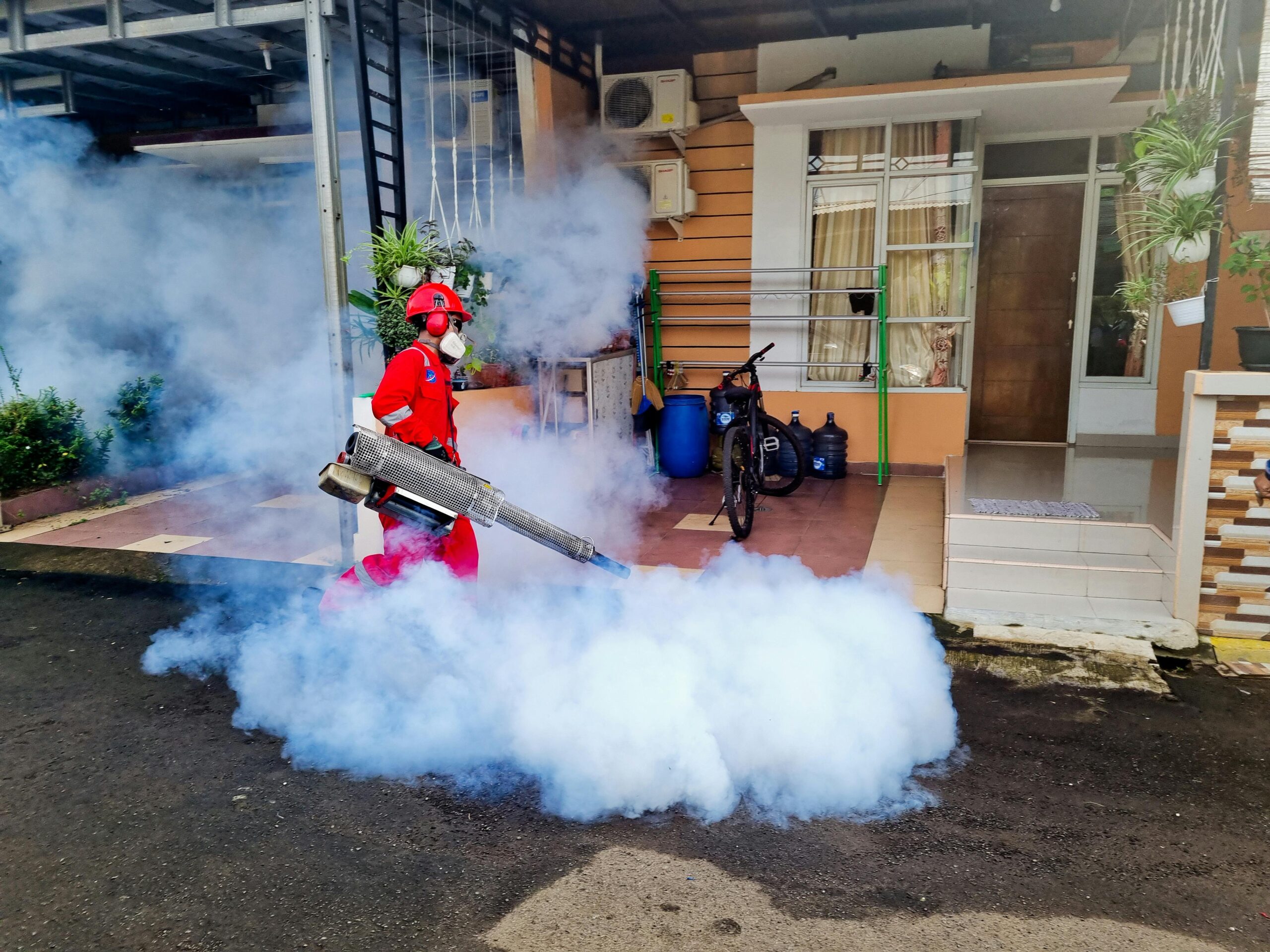
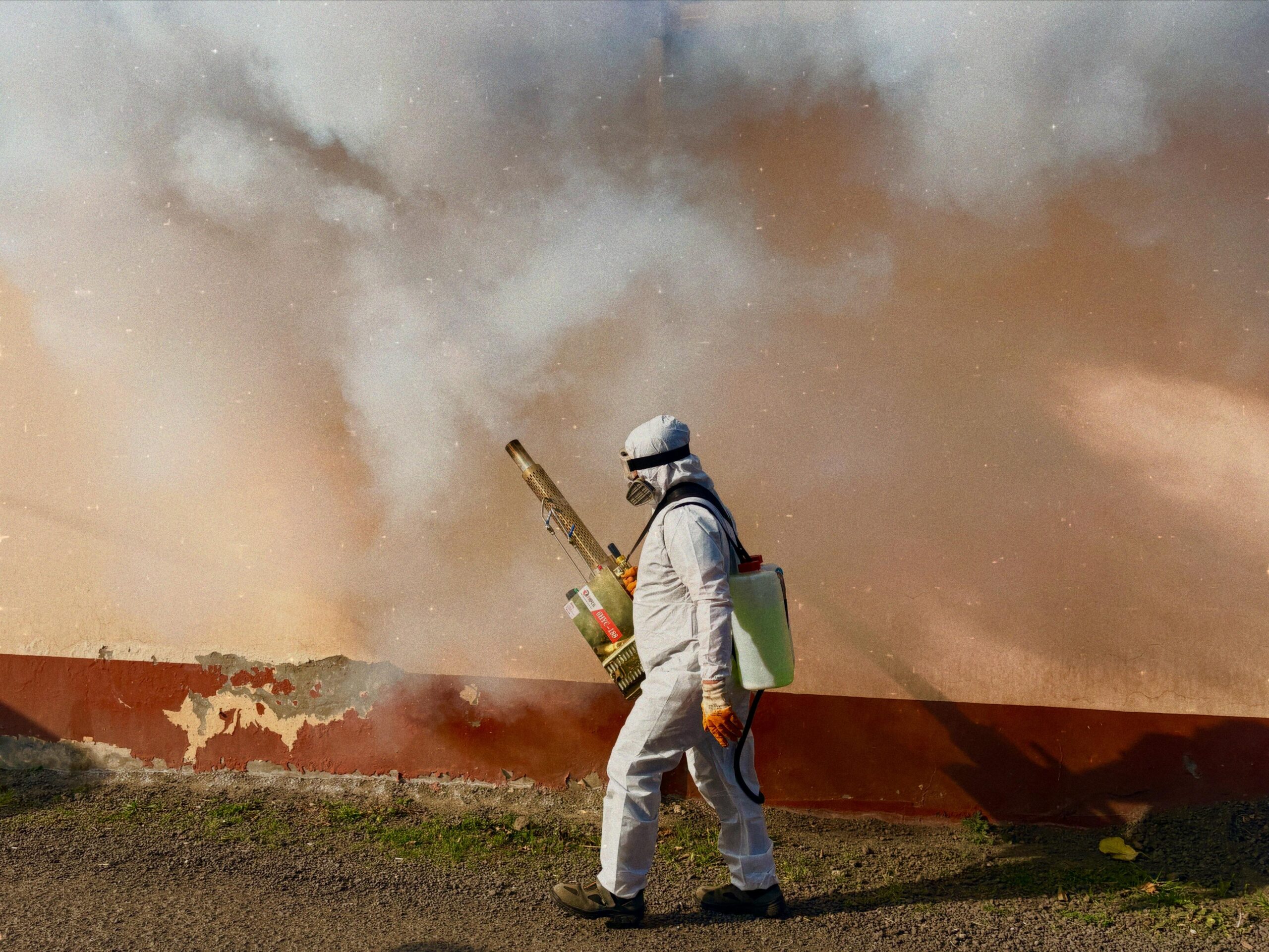
Equipped with high‑efficiency foggers, low‑volume pump sprayers, and digital moisture meters, the technicians ensure that every application reaches the intended surface without overspray. Their equipment is calibrated to deliver the exact amount of active ingredient required for optimal efficacy while minimizing environmental impact.
Beyond the tools, the company emphasizes communication: technicians provide a brief walkthrough before treatment, explain safety precautions, and leave a detailed service report that outlines where sprays were applied and what to expect in the days following treatment. This level of transparency builds trust and reassures homeowners that their fly problem is being handled by true professionals.
When to Call and How to Keep Flies Away Year‑Round
Seasonal Peaks in Dunwoody
According to CDC climate data, the house‑fly population in Dunwoody spikes from May through September. Warm temperatures, increased humidity, and outdoor gatherings create ideal breeding conditions for Musca domestica. During these months you’ll notice more flies buzzing around patios, trash cans, and even indoor doors. Recognizing this window helps you plan timely interventions before the infestation becomes a nuisance.
Year‑Round Prevention Checklist
- Seal entry points: Inspect doors, windows, and utility openings for gaps. Use weather‑stripping or caulk to block tiny cracks where flies can slip through.
- Maintain clean garbage areas: Keep outdoor bins tightly covered, empty them frequently, and clean the surrounding area to eliminate food residues.
- Install proper window screens: Ensure all screens are intact and free of tears. Repair or replace damaged sections promptly.
- Schedule quarterly inspections: A professional pest‑control visit every three months catches early signs of fly activity and allows for targeted treatments.
Real‑World Success Story
When a homeowner in nearby Peachtree Corners began seeing a steady stream of flies around their kitchen and deck, they partnered with Anthem Pest Control for a focused sanitation plan. The three‑step approach included:
- Deep cleaning of all food‑prep surfaces and removing standing water.
- Installing fine‑mesh screens on all exterior doors and repairing vent openings.
- Implementing a weekly waste‑management routine with sealed containers.
Within six weeks, the family reported a 70 % reduction in fly sightings. The measurable drop not only improved comfort but also lowered the need for chemical treatments, aligning with environmentally responsible pest management.
Staying ahead of the fly season doesn’t require a major overhaul—just consistent, proactive steps. For a deeper dive into sustainable practices, review the EPA Integrated Pest Management guidelines. By combining seasonal awareness with the checklist above, you can keep flies at bay year‑round while protecting your home and family.
5 Questions to Ask a Dunwoody Fly Exterminator
Choosing the right fly exterminator can feel overwhelming, especially when every company promises “the best service.” The smartest homeowners arm themselves with a short, focused questionnaire. Below are the five critical questions that will separate a qualified, reliable provider from a fly‑by‑night operation.
1. Is the company licensed by the Georgia Department of Agriculture?
A valid state license proves the technician has met Georgia’s training and safety standards. Ask to see the license number and verify it yourself through the Georgia Department of Agriculture licensing portal. If the provider can’t produce a current license, walk away.
2. Do they use EPA‑registered products?
EPA registration means the chemicals have been evaluated for efficacy and human safety when applied as directed. Insist on a list of the specific products they plan to use for house flies. Reputable firms will gladly share safety data sheets and explain any precautions you’ll need to take.
3. What warranty or guarantee is offered?
Effective pest control isn’t a one‑time event; it’s a partnership. Ask whether the company offers a satisfaction guarantee, a free‑re‑treatment window, or a written warranty that covers a specific period after service. A clear, written guarantee shows confidence in their work and protects you from lingering fly problems.
4. What is the typical response time for service calls?
Flies multiply quickly, and a delayed response can turn a minor nuisance into a full‑blown infestation. Find out the average time from your initial call to a technician’s arrival. Many top providers, including Anthem Pest, promise a 24‑hour or faster response for emergency fly situations.
5. Can they provide local references or case studies?
References from neighboring Dunwoody homeowners give you real‑world insight into the company’s performance. Request at least two recent references or ask for a brief case study that outlines the problem, treatment plan, and results. A confident provider will have no trouble sharing success stories from the same community.
Why Anthem Pest stands out
- Fully licensed operator with the Georgia Department of Agriculture.
- All treatments use EPA‑registered, low‑impact products.
- Offers a satisfaction guarantee backed by a written warranty.
- 24‑hour emergency response line ensures rapid service.
- Locally trained technicians who understand Dunwoody’s unique fly pressures.
Success Stories from Dunwoody Homeowners
Case Study A – Brookhaven Family
When the Martinez family in Brookhaven noticed swarms of house flies hovering around their kitchen, they tried DIY sprays with little effect. After a single visit from Anthem Pest Control, the technicians applied a targeted indoor fogger and set up perimeter traps. Within 24 hours the fly count fell from more than 30 per hour to fewer than two. By the end of the first week the home was virtually fly‑free, allowing the family to enjoy meals without constant interruptions.
“We were skeptical about a one‑time treatment, but Anthem delivered exactly what they promised. The flies vanished almost overnight, and we haven’t seen a single nuisance since.” – Laura Martinez, homeowner
Case Study B – North Druid Hills Rental Property
A three‑unit rental complex in North Druid Hills faced repeated health‑inspection failures because tenants reported relentless fly activity in common areas and kitchens. Anthem designed a comprehensive program that combined exterior barrier sprays, interior fogging, and regular monitoring visits. Over a four‑week cycle the property saw a 92 % drop in fly sightings, and tenant complaints fell from an average of eight per month to just one. The measurable metrics—fly counts reduced from >30 per hour to <2, and a 92 % complaint reduction—show that Anthem’s approach isn’t just a quick fix; it’s a sustainable solution that protects homes and rental properties alike.
“The comprehensive plan gave us the documentation we needed for the health department, and our tenants finally feel comfortable living here again.” – James Lee, property manager
Why These Results Matter
Both stories share three common factors: a quick assessment, a targeted Anthem treatment, and ongoing follow‑up. The measurable metrics—fly counts reduced from >30 per hour to <2, and a 92 % complaint reduction—show that Anthem’s approach isn’t just a quick fix; it’s a sustainable solution that protects homes and rental properties alike. Homeowners in Dunwoody can expect the same level of service, backed by transparent pricing and a commitment to safety. Contact Anthem today to schedule a personalized assessment and join the growing list of satisfied Dunwoody residents.
Take Action Today – Protect Your Home with Anthem Pest
When it comes to house flies, a quick response can mean the difference between a one‑time nuisance and a full‑blown infestation. Anthem Pest’s professional service delivers three core advantages that every Dunwoody homeowner values: solid health protection, cost‑effective treatment, and lasting peace of mind.
- Health protection: Our EPA‑approved solutions target flies at the source, reducing the risk of disease‑carrying bacteria and allergens that can compromise your family’s wellbeing.
- Cost‑effectiveness: By addressing the problem early, you avoid costly emergency visits and prevent damage to food storage areas, saving you money in the long run.
- Peace of mind: A professionally treated home stays fly‑free throughout the season, letting you focus on what matters most—your family, work, and relaxation.
Ready to lock down those benefits? Schedule a free inspection within the next seven days, and you’ll qualify for our seasonal discount—an extra incentive to act now rather than later. Our technicians will assess your property, pinpoint entry points, and outline a customized plan that fits your budget and timeline.
Our locally trained technicians understand Dunwoody’s unique fly challenges and use EPA‑approved solutions to keep your home safe. We combine region‑specific knowledge with industry‑leading practices, ensuring that every treatment not only eliminates the current problem but also creates a barrier against future invasions.
Give us a call today at 877‑371‑8196 to lock in your free inspection and seasonal discount. If you prefer to start online, simply visit Anthem Pest Control and request your appointment. Protecting your home from house flies is just a phone call or click away—let’s make it happen.