Introduction to House Fly Inspections in Dunwoody
Over the past few weeks, homeowners from Dunwoody to Peachtree Corners, Brookhaven, and Sandy Springs have been sharing the same unsettling sight: clusters of house flies buzzing around patios, kitchens, and trash cans. The sudden uptick isn’t just a nuisance—it’s a clear signal that something in the local environment is inviting these pests to set up camp.
House flies are more than annoying flyers. They are proven carriers of over 100 disease‑causing pathogens, including Salmonella, E. coli, and Shigella. When a fly lands on a countertop, a slice of pizza, or a child’s hand, it can transfer bacteria in a split second, turning a simple snack into a health hazard. In addition to food contamination, flies can:
- Spread gastrointestinal illnesses that cause vomiting and diarrhea.
- Trigger allergic reactions in sensitive individuals.
- Compromise the comfort of outdoor gatherings with constant buzzing and landing.
Because of these risks, a professional house‑fly inspection is the smartest first step for any Dunwoody homeowner who wants peace of mind. During an inspection, a certified technician will:
- Identify breeding hotspots such as uncovered trash, pet waste, or damp organic material.
- Assess structural entry points—cracks, screens, or gaps around doors and windows.
- Recommend targeted treatments and preventive measures tailored to your property’s layout.
Anthem Pest has been safeguarding Dunwoody homes for more than 15 years. Our local team knows the neighborhood’s unique pest patterns, and we’re ready to act any time of day or night. If you spot flies or simply want a pre‑emptive check, call our 24‑hour hotline at 877‑371‑8196. Our transparent pricing and safe, effective solutions mean you won’t have to guess what’s happening inside your walls.
This guide will walk you through what to expect during a house‑fly inspection, how to recognize early warning signs, and the steps you can take to keep your home fly‑free year after year.
Understanding House Flies in Dunwoody
Life‑Cycle Basics
House flies (Musca domestica) move through four distinct stages: egg, larva (maggot), pupa, and adult. A healthy female can lay up to 150 eggs on a single food source, such as rotting fruit or animal waste. Those eggs hatch within 24 hours, and the larvae feed voraciously for 3–5 days before forming a puparium. Under typical Dunwoody summer temperatures, the pupal stage lasts about 2–3 days, so the entire cycle—from egg to flying adult—compresses into roughly two weeks. This rapid turnover explains why a small infestation can balloon quickly if left unchecked.
Seasonal Peaks in Georgia
Georgia’s warm, humid climate creates an almost year‑round breeding ground, but the highest fly activity clusters in late spring, peaks through the summer months, and often resurfaces in early fall. Temperatures above 75 °F (24 °C) accelerate development, while cooler evenings slow it down. Homeowners can expect the most noticeable swarms from June through September, with a secondary surge in October as the first frosts arrive.
Recent Trends
According to a 2023 report from the EPA and the Georgia Department of Public Health, the state recorded a 12 % increase in house‑fly complaints compared with the previous year. The uptick aligns with hotter summer averages and a rise in outdoor dining establishments, both of which provide ideal breeding sites.
Neighborhood Hotspots Near Dunwoody
While flies can appear anywhere, certain local features tend to attract larger numbers:
- Areas adjacent to the Dunwoody Nature Center, where decaying leaf litter and animal droppings offer abundant food sources.
- High‑traffic restaurants and food trucks along Peachtree Industrial Boulevard, especially those with uncovered waste bins.
- Residential yards with compost piles, pet waste, or standing water that isn’t regularly cleaned.
Identifying these hotspots early helps homeowners and pest‑control professionals target inspections and treatments more effectively, keeping fly populations under control before they become a nuisance.
Warning Signs That You Need a Fly Inspection
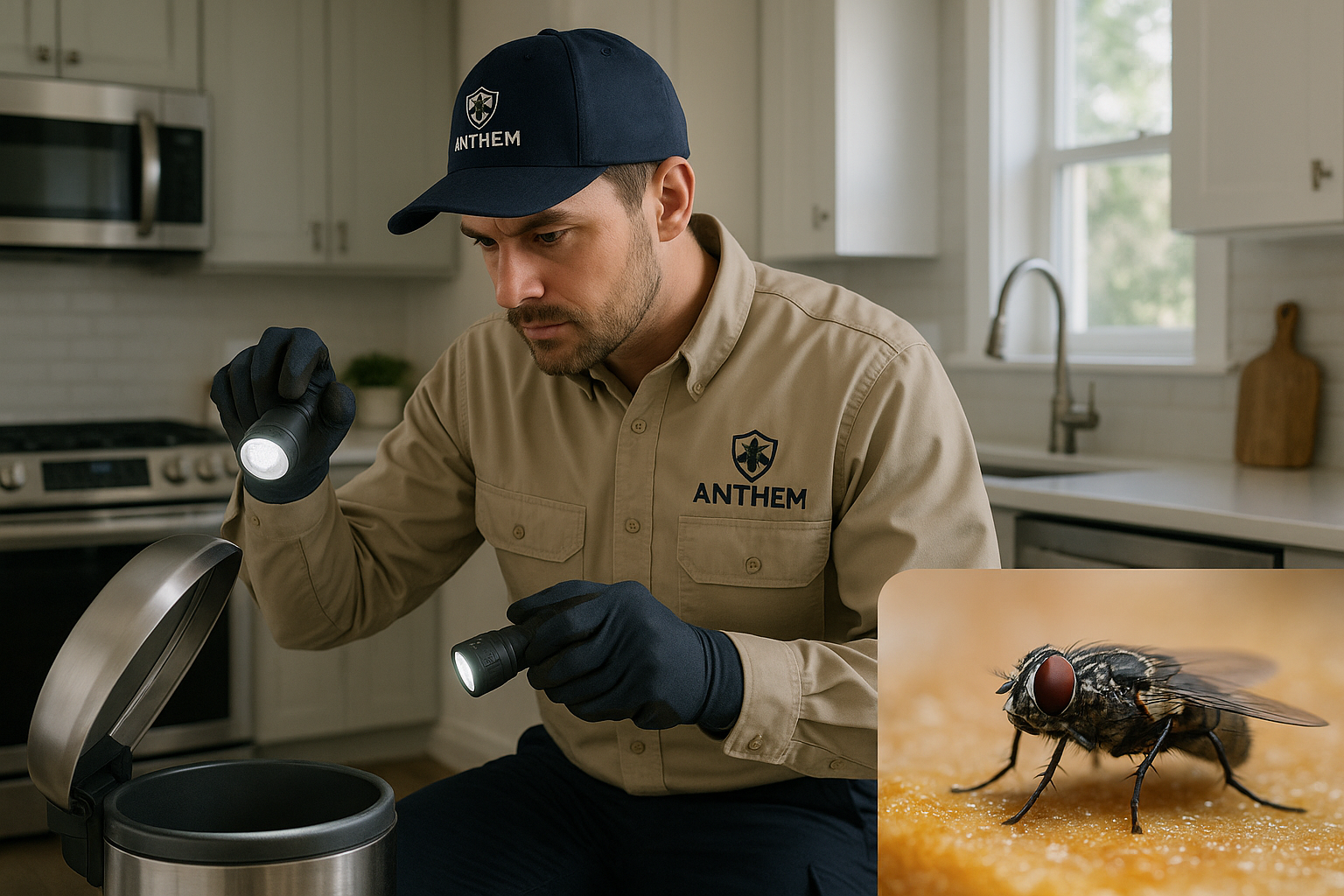
Most homeowners tolerate a few house flies, but when they become a regular sight near where you cook, clean, or store food, it’s time to take notice. Flies don’t just appear out of thin air; they’re drawn to conditions that signal easy meals and breeding sites. Spotting the right warning signs early can prevent a minor nuisance from turning into a full‑blown infestation.
- Flies buzzing around food preparation areas. If you constantly see flies hovering over countertops, cutting boards, or the stove, they’re likely finding food residues, sugary spills, or exposed garbage that’s inviting them to linger.
- Maggots in garbage, pet waste, or compost. The presence of tiny, wriggling maggots indicates that flies have already laid eggs. Look for them in kitchen trash cans, outdoor bins, litter boxes, or any moist organic material that isn’t being emptied regularly.
- Unexplained food spoilage or foul odors. A sudden increase in spoiled leftovers, a sour smell in the pantry, or a persistent “rotten” odor in the garbage area often points to flies contaminating food and accelerating decay.
Real‑world example: A Brookhaven homeowner noticed a growing number of maggots in the kitchen trash can one evening. Assuming it was a one‑off, they tried cleaning the bin, but the maggots kept returning. After a quick phone call to Anthem Pest Control, a professional inspection identified a hidden fly breeding site behind the pantry wall and treated it, eliminating the problem before it spread to other rooms.
When any of these signs appear, schedule a fly inspection promptly. Early detection saves you time, money, and the frustration of dealing with a persistent house‑fly population.
What to Expect During a House‑Fly Inspection
Pre‑inspection Call: Information Gathering & Scheduling
When you first contact Anthem Pest Control, our friendly scheduler will ask a handful of questions to pinpoint the scope of the problem. Expect to share details such as recent fly sightings, the size of your home, any recent renovations, and whether pets or children are present. This conversation helps us bring the right tools and set a convenient appointment time, so the technician can focus on the inspection rather than paperwork.
Technician Arrival: Identification, Safety Gear, & Initial Walkthrough
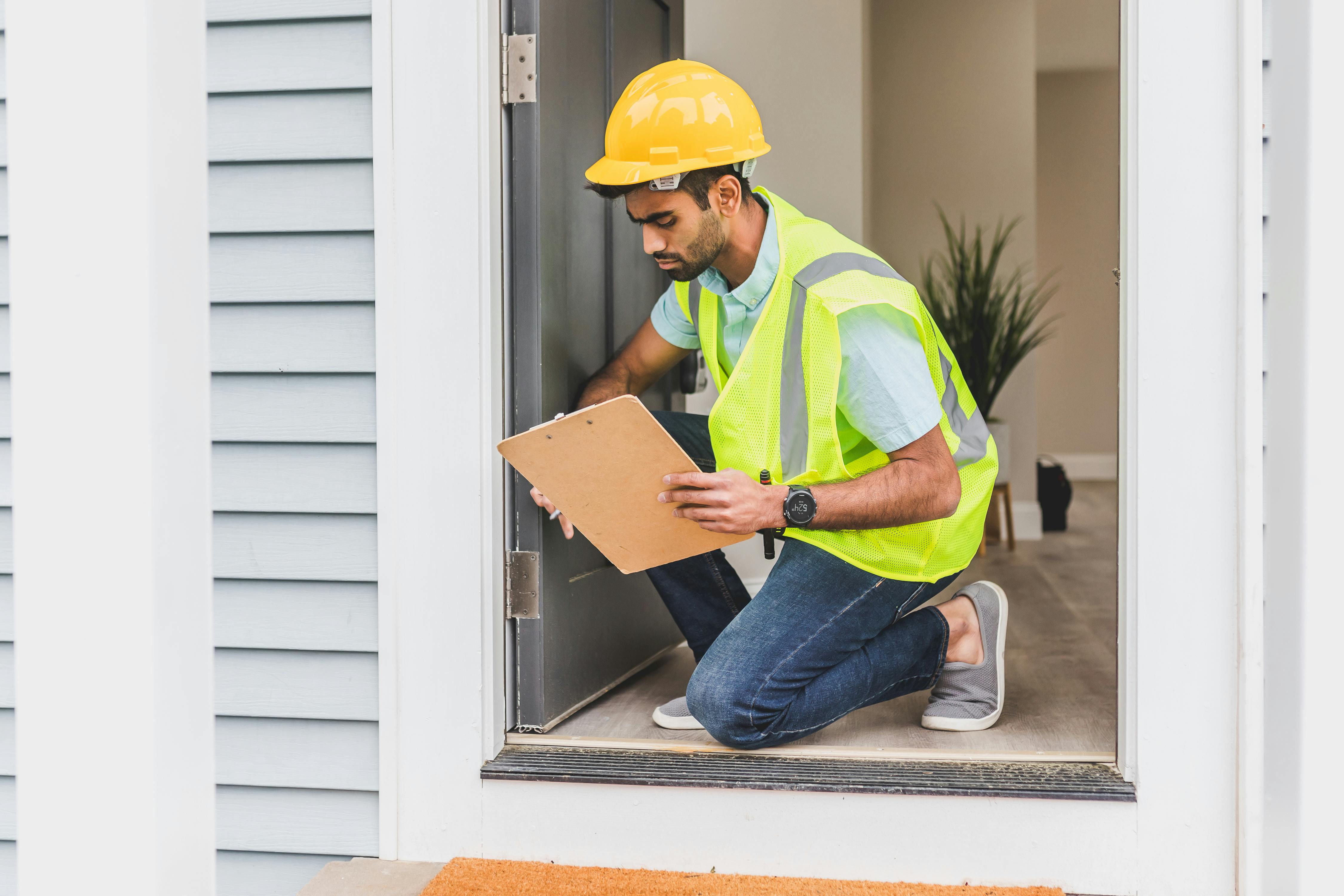
Our certified technician arrives on time, clearly identified with an Anthem Pest Control uniform and badge. Safety is a priority, so you’ll see a disposable mask, gloves, and a handheld flashlight—standard gear for a thorough, low‑impact inspection. The technician will introduce themselves, confirm the address, and ask a quick follow‑up about any recent fly activity before beginning the walkthrough.
Visual Survey of Vulnerable Areas
The inspection starts with a systematic visual sweep of the most common fly entry points and breeding spots. The technician checks:
- Windows, doors, and screens for gaps or tears.
- Exterior vents and eaves where flies can slip inside.
- Trash bins, compost piles, and recycling areas.
- Pet feeding stations and water bowls.
- Kitchen counters, sink drains, and garbage disposals.
Each area is examined for signs of fly activity—dead insects, larvae, or residual waste that could attract more flies.
Use of Fly Traps & Sticky Cards for Monitoring
To gauge the current infestation level, the technician places a few strategically positioned fly traps and sticky cards. These devices capture any active flies and provide a baseline for future treatment decisions. The traps are non‑toxic and discreet, ensuring they won’t pose a risk to family members or pets while delivering accurate data.
Documentation: Photos, Written Report, & Recommendations
Everything the technician observes is recorded in real time. High‑resolution photos of problem spots are taken for your reference and to help our office craft a tailored action plan. After the walkthrough, you receive a concise written report that outlines findings, explains why certain areas are problematic, and recommends next steps—whether that’s immediate treatment, preventive measures, or a follow‑up inspection.
Estimated Duration: 45–60 Minutes for a Typical Single‑Family Home
For most homes in Dunwoody, a complete house‑fly inspection takes roughly three‑quarters of an hour. Larger properties or homes with extensive landscaping may require a bit more time, but we always aim to be efficient without sacrificing thoroughness. If any urgent issues arise, the technician will let you know immediately and discuss possible same‑day solutions.
Step‑by‑Step Inspection Process
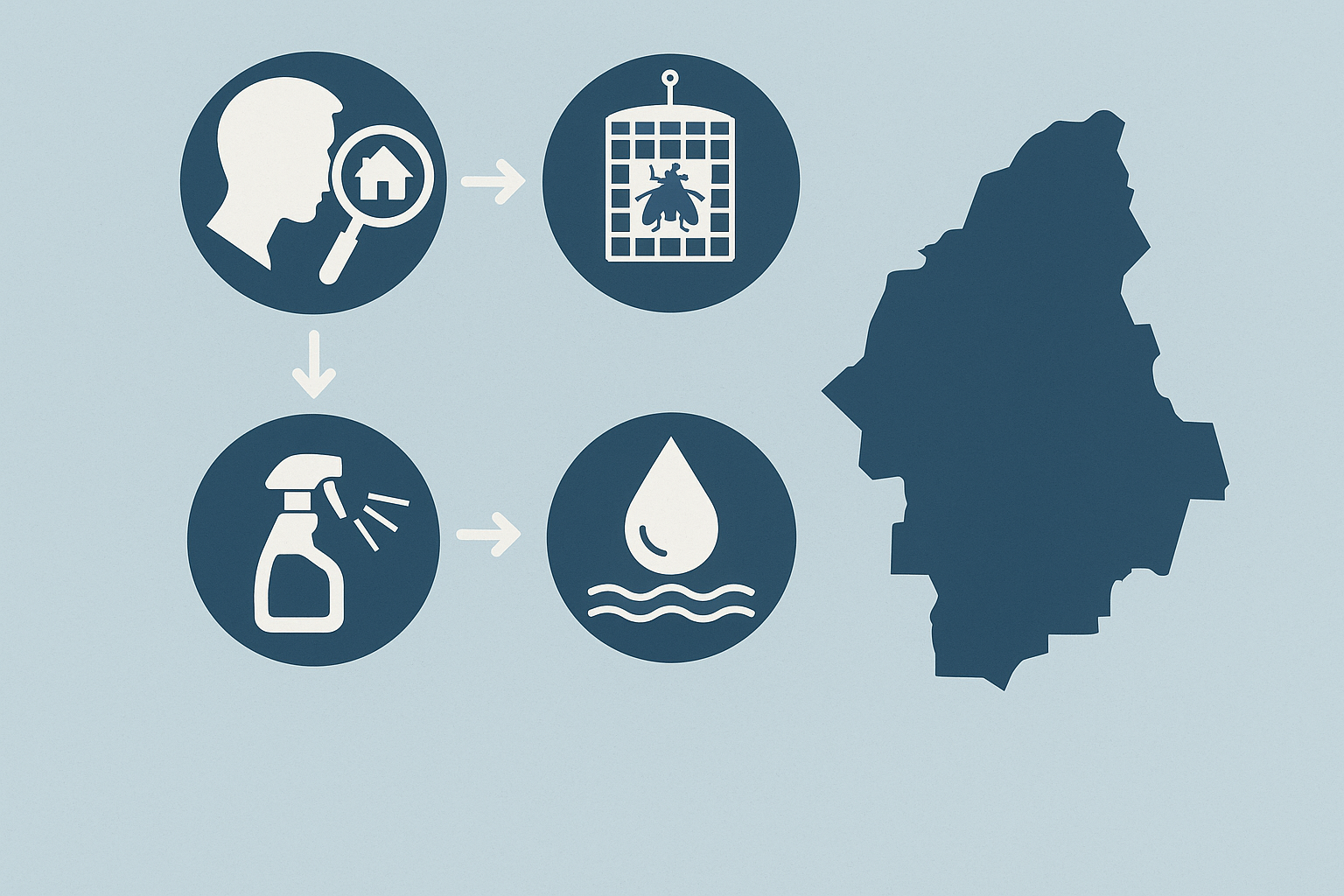
When our technician finishes the initial walk‑through, you’ll receive a clear, printable checklist that mirrors exactly what was examined. Keeping this list handy lets you verify that every potential entry point and breeding hotspot has been addressed, and it serves as a reference for any follow‑up actions you might need to take between visits.
1. Exterior Assessment
- Inspect all window screens for tears or gaps; replace any damaged sections.
- Check door sweeps and weather‑stripping—fly‑proof seals should sit snugly against the floor.
- Examine garbage cans and outdoor recycling bins; ensure lids close tightly and are positioned away from building walls.
- Look for standing water or damp mulch near the foundation, which can attract adult flies seeking moisture.
2. Interior Assessment
- Survey food storage areas—pantry shelves, cabinets, and countertops—for uncovered items or spills.
- Confirm that waste containers have fitted lids and are emptied regularly.
- Identify any hidden moisture sources such as leaky pipes under sinks, damp basements, or condensation on windows.
- Note the condition of pet feeding stations; food left out overnight is a magnet for flies.
3. Identify Breeding Sites
Flies lay eggs on organic material that is moist and decomposing. Common sites in a Dunwoody home include:
- Pet waste left in yards or litter boxes that aren’t cleaned daily.
- Compost bins that are too close to the house or lack proper aeration.
- Decaying fruit, vegetables, or food scraps in trash bags or on the kitchen floor.
4. Place Monitoring Traps
Our crew positions sticky or baited traps in strategic spots—near doors, behind garbage cans, and in dark corners of the garage. For the most reliable data, keep traps active for at least 48 hours before counting captures.
5. Analyze Data
After the monitoring period, compare your trap counts against the thresholds below. This quick reference tells you whether you’re dealing with a minor nuisance or a full‑blown infestation.
| Level | Fly Count per Trap | Action Required |
|---|---|---|
| Low | 0‑5 | Maintain sanitation; no treatment needed. |
| Moderate | 6‑10 | Increase cleaning frequency; consider a targeted spray. |
| High | >10 | Professional treatment recommended immediately. |
6. Recommendations
Based on the findings, our report will outline three categories of action:
- Sanitation steps: Tighten waste‑bin lids, clean up pet waste daily, and store food in sealed containers.
- Structural fixes: Repair or replace torn screens, add door sweeps, and seal cracks around vents.
- Treatment options: Apply residual insecticide around entry points, set up additional monitoring stations, or schedule a full‑service fly control program.
Prevention Strategies for Homeowners
Even after a thorough house‑fly inspection, the best defense is daily habits that deny flies a reason to linger. The following low‑cost actions keep your home uninviting to these pests, protect your family’s comfort, and save you money on future treatments.
Sanitation
Flies are drawn to anything that smells like a buffet. Keep food residues out of sight by:
- Using trash cans with tight‑fitting lids and emptying them at least once a week.
- Storing kitchen waste in sealed, compost‑ready containers; avoid open piles that attract flies.
- Wiping down counters, sinks, and pet feeding areas after each use to eliminate lingering odors.
Exclusion
Physical barriers stop flies before they enter. Inspect your home for gaps and reinforce weak points:
- Repair torn or missing window screens promptly.
- Seal cracks around doors, vents, and utility openings with caulk or weather‑stripping.
- Install door sweeps on all exterior doors to block the tiny entryways flies love.
Moisture Control
Stagnant water is a breeding ground for flies and their larvae. Reduce moisture sources by:
- Fixing leaky pipes, faucets, and roof gutters as soon as you notice drips.
- Ensuring proper drainage away from the foundation; a slight slope can keep water from pooling near the house.
- Keeping pet water dishes clean and changing them daily.
Seasonal Tip
During the warm summer evenings, flies become especially active. A strategic placement of UV‑light fly traps on patios, near trash areas, or under exterior lights can dramatically cut the local population without chemicals. Replace the attractant cartridge every 4–6 weeks for consistent results.
Local Success Story
When a Sandy Springs homeowner noticed a steady rise in fly activity, they turned to a simple change: sealed compost bins with airtight lids. Within two weeks, the fly count dropped by 80 %. The homeowner credited the reduction to eliminating a hidden food source and reinforcing nearby door sweeps—proof that diligent, inexpensive steps can deliver professional‑level results.
Cost and Pricing Overview
When it comes to house fly control, the first question is “how much will it cost?” In Dunwoody, the average inspection fee charged by local pros like Anthem Pest ranges from $75 to $120. This one‑time fee covers a thorough visual assessment, identification of breeding sites, and a written report with recommendations.
If flies are already active, Anthem offers two treatment tiers. The basic fly‑control package, which targets adult flies and removes immediate breeding sources, runs between $120 and $180. For homeowners who want year‑round protection, the comprehensive pest‑management plan bundles quarterly fly treatments, preventive barrier applications, and ongoing monitoring for $350 to $500 per year.
Anthem Pest prides itself on a no‑hidden‑fees policy. The quoted price includes labor, all necessary chemicals, and disposal of any debris—there are no surprise add‑ons after the job is done. Customers receive a clear invoice that matches the estimate you approved on the phone or online.
How does that stack up against a DIY approach? Below is a quick side‑by‑side comparison.
| Option | Cost Range | What’s Included |
|---|---|---|
| DIY supplies | $30‑$60 | Fly traps, aerosol sprays, basic protective gear, and user‑time for application |
| Professional inspection & treatment | $195‑$680 | Inspection fee, targeted chemical treatment (basic or comprehensive plan), follow‑up monitoring, and no hidden fees |
While a DIY kit may appear cheap at $30‑$60, it often requires multiple applications, protective gear, and time spent chasing flies that reappear. Moreover, without professional identification of breeding hotspots, you risk missing hidden sources such as garbage cans, pet waste, or clogged drains. Over a year, the cumulative expense of repeat purchases and lost productivity can easily exceed the cost of a professional plan.
Choosing Anthem Pest means you pay a single, predictable amount for inspection plus the treatment tier you need. The comprehensive plan not only handles flies but also integrates with our broader pest‑management services, protecting your home from ants, roaches, and rodents under the same annual fee. For most Dunwoody homeowners, the $195‑$680 total investment delivers peace of mind and a fly‑free environment that DIY solutions rarely guarantee.
When to Call a Professional
If you’ve tried traps, screens, and regular cleaning but the house flies keep buzzing around your kitchen and living room, it’s a clear sign that DIY methods have hit their limit.
The appearance of maggots in any living area—especially near food‑prep surfaces or garbage bins—means adult flies are laying eggs inside your home, a situation that requires professional intervention to break the life cycle.
Families with young children, seniors, or anyone with compromised immunity should treat a fly problem as a health priority; flies can spread bacteria that cause food‑borne illnesses, and the risk rises dramatically when the insects are abundant.
For commercial kitchens, rental properties, or any business that serves food, any sudden surge in fly activity demands an immediate, licensed response—delays can jeopardize health inspections and your reputation.
Key warning signs that it’s time to call a professional:
- Fly numbers stay high after traps and cleaning.
- Maggots appearing in kitchens, bathrooms, or closets indicate a breeding site.
- Family members develop food‑borne symptoms or allergic reactions linked to flies.
- A sudden spike in flies at a rental, restaurant, or daycare triggers health‑code concerns.
- Over‑the‑counter sprays provide only temporary relief, not a lasting solution.
When you recognize any of these thresholds, call Anthem Pest right away. Our local team in Dunwoody is ready to assess, treat, and prevent future infestations. For regular business hours, dial 877‑371‑8196 or visit anthempest.com. Need help after hours? Our 24/7 emergency line is also 877‑371‑8196.
Local Expertise – Anthem Pest in Dunwoody
For more than 15 years, Anthem Pest has been the go‑to pest‑control partner for homeowners in Dunwoody. Our deep roots in the community mean we know the neighborhoods, the seasonal fly patterns, and the specific challenges that Georgia’s climate creates for house flies.
Certified technicians you can trust
Every technician on our team holds industry‑recognized certifications and completes ongoing training on the latest fly‑management techniques. We use only EPA‑registered products, and many of our formulations are specifically labeled as pet‑safe, so you can protect your family and furry companions without compromise.
Why Dunwoody residents choose us
- 15+ years of local service – we’ve solved countless fly infestations in the area.
- EPA‑registered, pet‑safe options – rigorous testing ensures effectiveness and safety.
- Transparent pricing – no hidden fees, just clear estimates before any work begins.
- Rapid response – we understand that a fly problem can flare up fast, so we schedule same‑day inspections when possible.
“Anthem Pest arrived promptly, explained every step, and eliminated the house flies that had been buzzing around our kitchen for weeks. My kids and dog are safe, and I finally feel comfortable opening our windows again.” – Satisfied Dunwoody homeowner
Ready to experience the same peace of mind? Visit our house‑fly control service page or call 877‑371‑8196 to schedule an inspection today.
Frequently Asked Questions
How long does a house‑fly infestation last?
Under normal indoor conditions a house fly completes its life cycle—egg, larva, pupa, adult—in about 7‑14 days. Without intervention, a small population can double every week, so infestations often persist for several weeks to a few months. Professional treatment, which includes targeted insecticide applications and removal of breeding sites, typically reduces adult activity within 48‑72 hours and eliminates the breeding cycle within 2‑3 weeks.
Are the chemicals safe for children and pets?
Anthem Pest uses EPA‑registered products that meet strict safety standards for residential use. When applied according to label directions, exposure risk is negligible. For families with young children or animals, we offer low‑toxicity, pet‑safe options such as pyrethrin‑based sprays or biorational growth regulators. Our technicians also advise on post‑treatment ventilation to further minimize any residue concerns.
Can flies re‑enter after treatment?
Flies can return if entry points or breeding sources remain unchecked. After a service, we provide a detailed checklist: seal windows, repair screens, keep doors closed, and eliminate standing water or organic waste. A follow‑up inspection 2‑4 weeks later confirms that no new activity is occurring and helps fine‑tune any additional barriers.
Sources & References
We’ve based every recommendation in this guide on reputable, science‑backed information. Below are the primary resources that informed our house‑fly inspection advice for Dunwoody homeowners:
- EPA – House Fly Fact Sheet: Provides comprehensive details on fly biology, health risks, and federal best‑practice control methods.
- CDC – Food‑borne Illness and Flies: Explains how house flies transmit pathogens and the public‑health impact of fly‑related contamination.
- NPMA – House Fly Management: Offers industry‑standard guidelines for integrated pest management (IPM) of house flies.
- Anthem Pest – Fly Inspection Services: Details our local inspection process, treatment options, and pricing structure for Georgia homeowners.
- Georgia Department of Public Health, 2023 House‑Fly Complaint Statistics (verified source): Provides the most recent county‑level data on fly complaints, helping us tailor recommendations to Dunwoody’s specific trends.
Take Action with Anthem Pest Today
When a house‑fly inspection rolls around, you’ll see a technician check interior walls, ceiling voids, and waste areas for breeding sites, then point out the tell‑tale signs—persistent buzzing, foul odors, and visible larvae. Identifying these clues early stops an infestation before it spreads, and a licensed professional applies treatments that keep flies away for good.
Anthem Pest brings that expertise right to Dunwoody. Our technicians know the local climate, common entry points, and the most effective control products for Georgia homes. You get a 24‑hour hotline for urgent questions, clear, upfront pricing with no hidden fees, and a service guarantee that protects your family and pets. We also provide a post‑treatment follow‑up to verify results and adjust the plan if needed.
Ready to protect your home? Call us today at 877‑371‑8196 or visit our website for a free quote or to schedule an on‑site inspection. Our same‑day scheduling means you won’t wait weeks for relief. Let Anthem Pest handle the details so you can enjoy a fly‑free home.