Emergency Moth Control Overview for Dunwoody Homeowners

Over the past few months, DeKalb County has seen a noticeable jump in moth complaints—so much so that the EPA’s 2024 data flags a 27 % increase compared with the same period last year. For most residents, a lone moth is a minor annoyance. In Dun‑by‑woody, however, that tiny flyer can quickly become a full‑blown emergency.
Moths don’t just flutter around; their larvae feast on natural fibers, stored pantry items, and even the insulation in walls. Within days, a modest infestation can turn a beloved wool sweater into a ragged mess, contaminate grains, and create a lingering odor that attracts other pests. While moths aren’t disease vectors, the allergens released from their droppings and shed skins can trigger asthma attacks and skin irritation—especially concerning for families with young children or seniors.
When Does a Moth Problem Become an Emergency?
- Rapid fabric damage: Visible holes or “eaten” spots appearing within a week of spotting adult moths.
- Food contamination: Moth larvae discovered in pantry staples such as flour, cereal, or dried fruit.
- Allergic reactions: Sudden increase in sneezing, itching, or asthma symptoms linked to moth debris.
- Spread potential: Signs that the infestation is moving beyond a single room, indicating structural penetration.
When any of these red flags appear, waiting for a routine service call can cost you time, money, and cherished belongings. That’s why Anthem Pest offers a 24‑hour emergency response guarantee exclusively for Dunwoody homeowners. Call us any time, day or night, and a licensed technician will be dispatched within the hour to assess, contain, and begin treatment—so the problem stops before it spreads.
In the sections that follow, we’ll walk you through a step‑by‑step guide: from identifying the species and locating breeding sites, to choosing the safest treatment options and preventing future invasions. Armed with this knowledge and Anthem’s rapid‑response promise, you’ll feel confident tackling a moth emergency head‑on.
Is Your Home Under Moth Attack?
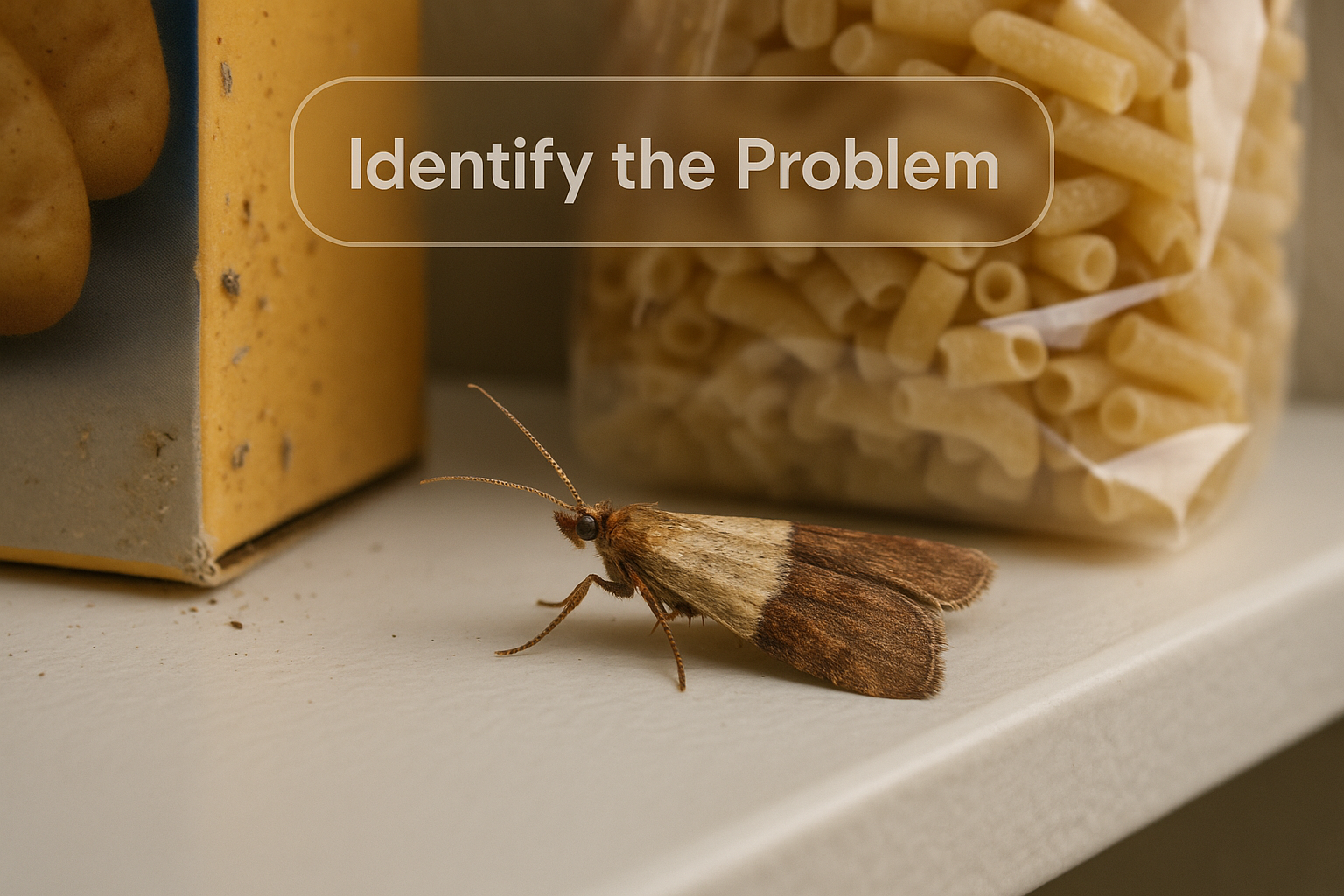
When moths turn from a harmless nuisance into a destructive force, the first clues are often right under your nose. Look for fine silken webbing tucked into the folds of closet shelves, the corners of pantry boxes, or even behind picture frames. If you start spotting larvae crawling through cereal, flour, or pet food, the problem is likely more than a stray adult fluttering by.
Data from the 2024 EPA report shows that 12 % of Southeast homes report moth damage within the first month of infestation. That rapid escalation means a few missed sightings can quickly become a costly repair job.
Consider the experience of a Dunwoody homeowner who opened a box of cereal only to discover **200 moth larvae** chewing through the product. The infestation had already spread to nearby pantry items, and the damage was only halted after a professional intervention.
Quick Room‑by‑Room Checklist
- Kitchen & pantry: Webbing in grain containers, larvae in flour, clumped flour or cereal.
- Closets & drawers: Silky threads on fabric, small holes in wool or cashmere, adult moths fluttering at night.
- Bedroom: Moth sightings on bedding, webbing on curtains, tiny cocoons near baseboards.
- Bathroom: Unusual webbing in towel racks or laundry hampers.
- Garage or storage: Infested boxes, moth‑eaten cardboard, or stray larvae in stored clothing.
If any of these signs appear, don’t wait for the damage to spread. Contact Anthem Pest Control at 877‑371‑8196 for a rapid, locally‑trained response that stops moths in their tracks before they turn your home into a feeding ground.
Common Moth Species in Georgia
Clothes Moth (Tineola bisselliella)
The clothes moth, often called the webbing or pantry moth, moves through four distinct stages: egg, larva, pupa, and adult. Eggs are laid on or near natural fibers such as wool, silk, cashmere, and even fur. Within a week, they hatch into larvae that spin silk tunnels and begin voraciously feeding on the keratin in these materials. The larval phase lasts 2–6 weeks, depending on temperature and food availability, after which the caterpillars spin cocoons and transform into adult moths that live only a few days, solely to reproduce.
Because the larvae are the damaging agents, homeowners often notice irregular holes, shredded patches, or fine webbing in clothing, blankets, and upholstered furniture. The damage is cumulative—an unchecked infestation can ruin entire wardrobes and upholstery pieces in a matter of months.
Pantry Moth (Plodia interpunctella)
Also known as the Indian meal moth, the pantry moth follows a similar four‑stage life cycle. Females deposit eggs on the surface of stored grains, cereals, nuts, dried fruit, and processed foods. Once hatched, the larvae burrow into the product, feeding on the food and producing silk-lined tunnels that create a webbed mess. The larval period can range from 2 weeks to several months, heavily influenced by humidity and temperature. After feeding, larvae spin cocoons within the food source, emerging as adult moths that are attracted to light and readily disperse to new food sources.
The primary concern for homeowners is contamination. Even a small number of larvae can render pantry goods unsellable, as their excrement, silk, and dead bodies contaminate the food, leading to potential health risks and costly waste.
Local Insight
In the Brookhaven and Lenox Park neighborhoods of Dunwoody, pest professionals have observed a noticeable spike in pantry moth activity each spring and early summer. Seasonal humidity spikes create ideal conditions for larvae to thrive, accelerating their development and increasing the likelihood of widespread pantry infestations.
For a detailed breakdown of each moth’s life cycle, refer to the NPMA moth fact sheet. Understanding these stages helps homeowners act quickly—identifying the problem early and calling a trusted service like Anthem Pest Control can prevent extensive damage and keep your home moth‑free.
Health and Property Risks of Moth Infestations
Allergic reactions and asthma triggers
Even a small moth problem can turn into a health hazard for the whole family. The tiny, hair‑like setae that coat many moth larvae act like microscopic spears, irritating skin, eyes, and especially the respiratory tract. According to the 2023 CDC report on household pests, exposure to these setae and to moth droppings can provoke allergic reactions ranging from mild itching to full‑blown asthma attacks in sensitive individuals.
Food contamination in the pantry
Pantry moths, such as the Indian meal moth, lay their eggs directly in dry goods like flour, cereal, nuts, and pet food. As the larvae hatch, they chew through packaging, leaving behind webs, fecal pellets, and a growing population of insects. Consuming contaminated products can cause stomach upset and, more importantly, introduces allergens that may trigger food‑related sensitivities.
Financial impact on clothing and furnishings
Beyond health, the financial toll of a moth invasion is surprisingly steep. A single household with a moderate clothing infestation can lose anywhere from $200‑$500 in damaged garments, blankets, and upholstery, according to industry surveys. The loss isn’t limited to fabric; moths also gnaw at stored wool, silk, and even decorative rugs, forcing homeowners to replace items sooner than expected.
Early detection can dramatically cut these costs. Spotting webbing in closets or tiny larvae on stored foods allows for targeted treatment, often avoiding the need to discard entire batches of pantry items or replace a wardrobe.
Because the risks stack—airway irritation, food safety concerns, and costly property damage—prompt action is essential. Ignoring early signs lets the problem spread, turning a simple cleaning task into an expensive remediation. Homeowners in Dunwoody should treat both health and monetary concerns with equal urgency, calling a trusted professional like Anthem Pest Control before the infestation escalates.
Immediate DIY Steps While Waiting for Help
If you’ve just discovered a moth invasion, there’s no need to panic. While you wait for a professional from Anthem Pest Control to arrive, you can take a few decisive actions that limit damage and keep the infestation from spreading.
Isolation
- Seal every affected garment, blanket, or stored item in a heavy‑duty, sealable plastic bag (minimum 6 mil thickness). Ensure the bag is tightly closed to trap any larvae or eggs inside, then place the bag in an outdoor trash bin.
- Vacuum seams, cracks, and floor edges with a HEPA‑filter vacuum. Use the crevice tool, move slowly, and empty the canister directly into a sealed bag for disposal outside the home.
Physical Removal
- Deploy pheromone traps in each closet, drawer, and pantry shelf. Position traps flat against the surface, about 12‑18 inches apart, and keep them out of direct sunlight to maintain attractant potency.
- Check traps daily; once they’re covered with insects, replace them every 7‑10 days. This continuous turnover creates a “dead‑end” zone that lures adult moths away from your fabrics.
Environmental Control
- Lower indoor humidity to < 50 % with a dehumidifier or air‑conditioner. Moths thrive in moist conditions, so drier air slows their life cycle dramatically.
- On dry days, open windows briefly to boost airflow, and consider adding silica‑gel packets to storage boxes. If possible, keep storage areas between 30‑45 °F; cooler temperatures further inhibit development.
Safety Reminder
- Wear disposable gloves and a mask whenever you handle infested items or operate the vacuum. After you’re finished, wash your hands thoroughly and dispose of any used bags or vacuum contents in a sealed outdoor trash container.
These quick steps buy you valuable time and can dramatically reduce the number of moths that survive until a professional treatment is applied. When you’re ready, give Anthem Pest Control a call at 877‑371‑8196 or visit our website for a fast, affordable solution.
When to Call Professionals – The Anthem Pest Advantage
When a few moths flutter around the pantry, you might think a DIY spray will solve it. In Dunwoody, however, the line between a simple nuisance and a full‑blown infestation is clearer than you expect. Knowing the exact point at which you should pick up the phone can save your home’s structure, your food stores, and your peace of mind.
Infestation thresholds that demand a professional
- More than 50 active larvae spotted in any area of the house.
- Visible structural damage such as chewed wood, fabric, or insulation.
- Widespread adult activity—moths seen in multiple rooms or on exterior lights.
- Persistent pantry contamination despite cleaning and over‑the‑counter treatments.
If any of these signs appear, it’s time to call Anthem Pest’s 24‑hour emergency line at 877‑371‑8196. Our Dunwoody team is on standby and can dispatch a technician within hours, ensuring the problem is contained before it spreads.
What sets Anthem Pest apart is our local expertise. Technicians are trained specifically on the construction styles common in Dunwoody, from post‑modern homes to historic Victorian properties, and they understand how moths interact with HVAC systems, attic vents, and crawl spaces. This knowledge lets us target the infestation where it hides, rather than guessing.
We back every treatment with a service guarantee and only use EPA‑registered products that are proven safe for families and pets while delivering fast, lasting results. Our transparent pricing model means you’ll know the exact cost before any work begins, and we always provide a free on‑site assessment to map out the best action plan.
Call us today, and let Anthem Pest protect your home before the moths turn a seasonal annoyance into a costly repair.
Emergency Treatment Options for Severe Infestations
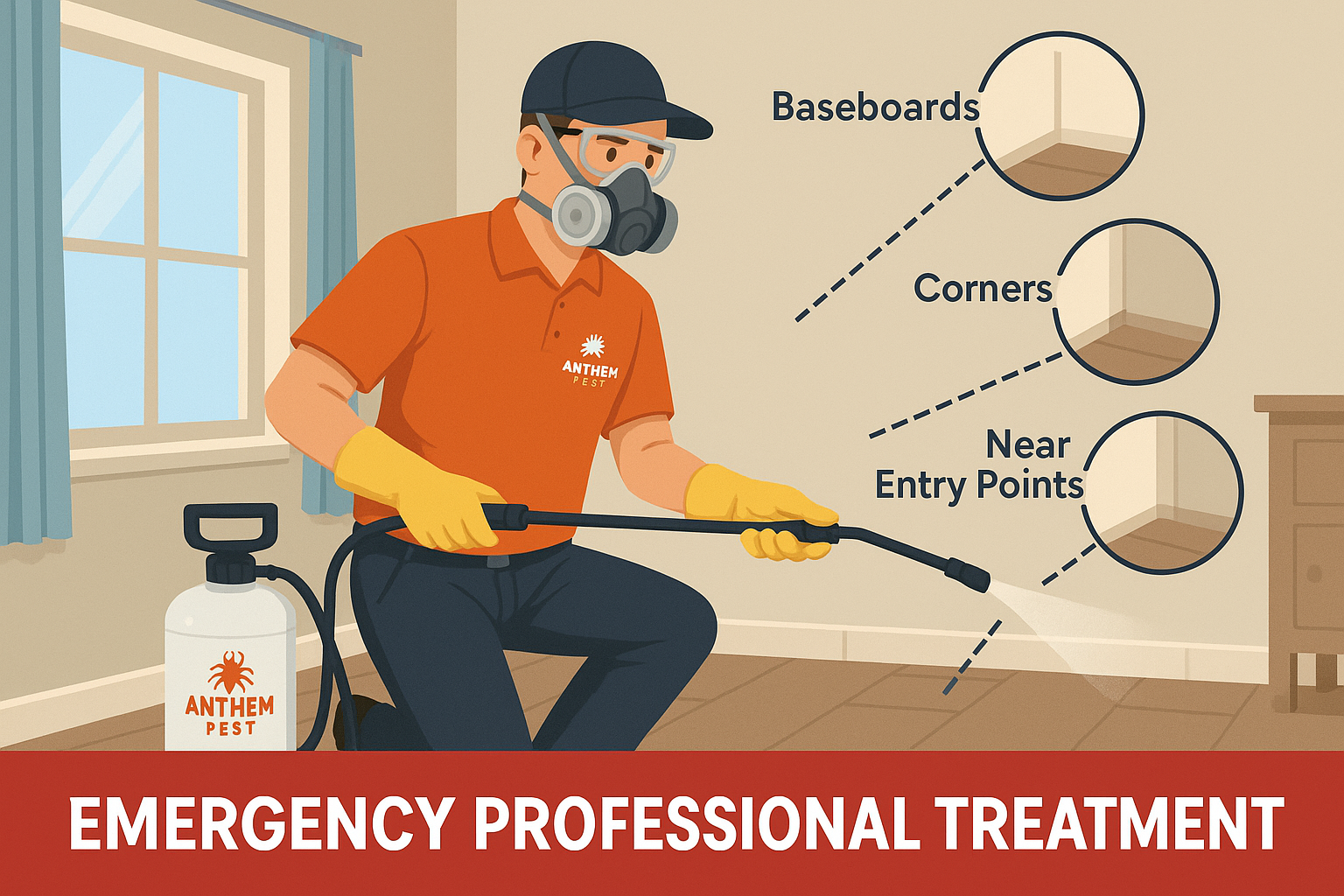
Chemical Spray – Fast‑Acting Contact Kill
When moths have taken over a kitchen pantry or closet, an EPA‑approved pyrethroid spray is often the quickest way to halt the spread. Technicians target cracks, voids, and hidden crevices where larvae hide, ensuring the insecticide reaches the entire infestation zone. The spray creates a residual barrier that continues to work for weeks, killing any new hatchlings that wander in.
Safety precautions:
- All occupants and pets should vacate the treated area for at least 2 hours.
- Ventilate by opening windows and running fans after the exposure period.
- Store food items in sealed containers before treatment; any exposed food should be discarded.
Heat Treatment – Heat‑Based Eradication
Heat treatment raises the interior temperature of the affected space to 130 °F (54 °C) for 2‑4 hours. This temperature is lethal to every life stage of moths—eggs, larvae, pupae, and adults—without leaving chemical residues. The process uses industrial‑grade heaters and calibrated sensors to maintain a uniform temperature, ensuring no hidden pockets escape the heat.
Safety precautions:
- Remove heat‑sensitive items (electronics, candles, certain plastics) before the job.
- Close off HVAC vents to prevent heat from spreading to the rest of the house.
- Technicians monitor temperature constantly; occupants should stay out of the home until cooling is complete.
Integrated Pest Management (IPM) – Long‑Term Defense
IPM blends monitoring, sanitation, and targeted treatments to keep moths from returning. First, we place pheromone traps and sticky cards to pinpoint hot spots. Next, we guide homeowners on proper food storage, regular vacuuming, and decluttering—key steps that eliminate breeding sites. Finally, we apply low‑dose, targeted sprays or localized heat only where monitoring indicates activity, reducing overall chemical use.
Pricing Transparency – What You’ll Pay
Anthem Pest believes in clear, upfront costs. The emergency call‑out fee is a flat $99, covering the technician’s travel and initial assessment. Treatment packages are tiered by infestation severity:
| Package | Infestation Level | Price Range | Includes |
|---|---|---|---|
| Basic | Light | $150‑$200 | Chemical spray + follow‑up inspection |
| Standard | Moderate | $225‑$275 | Chemical spray + heat treatment (partial) |
| Premium | Severe | $300‑$350 | Full heat treatment + IPM setup + 2‑month monitoring |
All packages include a written safety plan and a post‑treatment walkthrough to ensure you understand the steps taken.
Trusted Guidelines
Our methods align with the EPA’s moth management guidelines, guaranteeing that every product we use meets federal safety standards.
Prevention Strategies for Dunwoody Homeowners
Seasonal timing: know when moths are most active
Moths in the Atlanta metro area, including Dunwoody, tend to surge during two natural windows: late spring (April‑May) and early fall (September‑October). Those periods coincide with warmer nights and the availability of food sources such as pantry items and natural fibers. By scheduling a professional inspection in early March and again in late August, you give Anthem Pest Control the chance to catch a budding infestation before it spreads. A timely inspection also lets us apply a pre‑emptive barrier that disrupts the moth life cycle, keeping adult flyers and larvae out of your home.
Home maintenance: seal the entry points
Even the smallest gap can become a highway for moths. Walk the perimeter of your house and look for these common weak spots:
- Cracks around windows, doors, and foundation walls – fill them with a high‑quality caulk.
- Unsealed gaps under exterior doors – install door sweeps that hug the threshold.
- Worn or torn screen mesh – replace or repair to stop insects from slipping inside.
- Open storage areas for dry goods – transfer flour, cereal, grains, and pet food into airtight containers or Mylar bags.
These simple fixes create a physical barrier that moths can’t cross, dramatically reducing the likelihood of an indoor infestation.
Community resources: tap into local vigilance
Dunwoody’s Homeowners Association runs a pest‑watch program that circulates alerts when a cluster of moth activity is reported in a neighborhood. Signing up for the HOA’s email list or joining the neighborhood’s social‑media alert group gives you early warning and a chance to act before the problem spreads to your doorstep. Sharing observations—like a sudden increase in moths around a neighbor’s pantry—helps the whole community stay one step ahead.
Make professional inspections a yearly habit
Prevention isn’t a one‑time event; it’s a cycle. After your March and September visits, ask your technician to outline a follow‑up treatment plan that matches your home’s specific vulnerabilities. Consistent, annual professional inspections paired with the maintenance steps above form a proactive shield that keeps moths at bay year‑round. When you combine local knowledge, diligent home upkeep, and expert treatment, you protect not only your pantry but also clothing, upholstery, and the overall health of your household.
Frequently Asked Questions About Moth Emergencies
How long does treatment take?
Most chemical or integrated pest management (IPM) programs are completed in 1–2 hours on‑site. The technician applies the product, allows the label‑specified dwell time, and then vacates the area while it dries. Heat‑based treatments, which are effective for deep‑infested pantry moths, typically require 4–6 hours—including equipment setup, the heating cycle, and a brief cooldown period before re‑entry.
Are the chemicals safe for pets and children?
We use only EPA‑registered products that are applied strictly according to label directions. Treated spaces are vacated for a short period—usually 15–30 minutes—until the residue dries. Once dry, the area is safe for occupants and pets. For detailed safety information, see the EPA safety guidelines and the CDC’s recommendations on indoor pest exposures.
Can moths return after treatment?
Reinfestation can occur if preventive steps are ignored. Moths lay eggs in food sources, so proper storage, regular cleaning of pantry shelves, and routine inspections are essential. By sealing cracks, using airtight containers, and scheduling periodic follow‑up visits, homeowners dramatically reduce the chance of a comeback. Consistent vigilance is the most reliable defense against future moth emergencies.
Protect Your Home Today with Anthem Pest Control
Rapid moth infestations can quickly eat through clothing, upholstery, and stored food, leaving behind unsightly damage and even posing health risks from allergens and bacterial contamination. When you notice larvae, webbing, or an increase in adult moths, waiting can mean irreversible fabric loss and costly replacements. That’s why immediate action is essential.
Anthem Pest Control stands ready with a 24‑hour emergency response team right here in Dunwoody. Our locally trained technicians know the species that thrive in Georgia’s climate and use only EPA‑registered treatments that are both effective and safe for your family and pets. We assess the situation, target the source, and implement a tailored plan to halt the infestation before it spreads further.
If you suspect an emergency moth situation, give us a call for a complimentary inspection and fast, effective relief. Reach us now at 877‑371‑8196 or visit Anthem Pest Control to schedule your service today. Protect your home and peace of mind with our proven solutions.