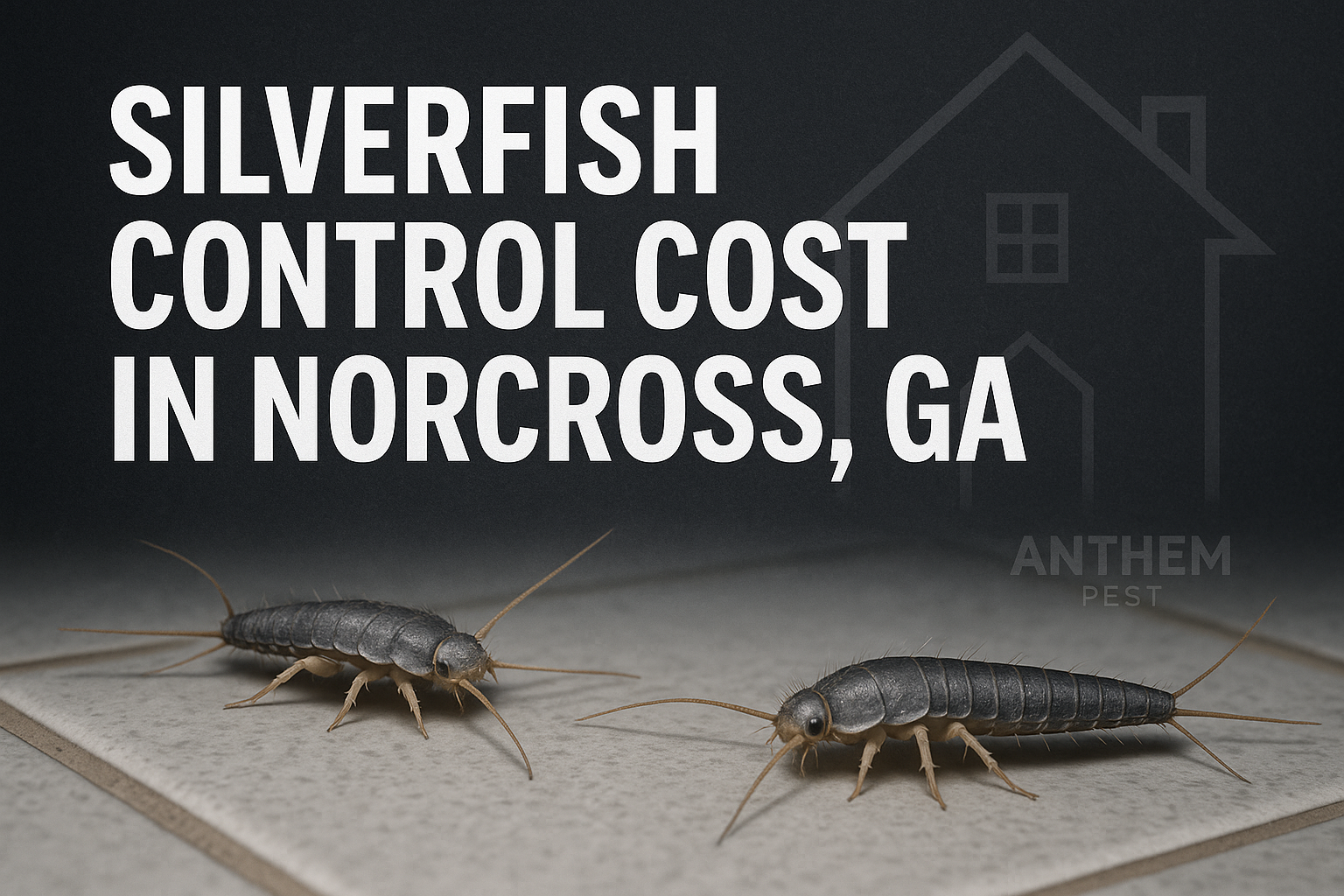
Silverfish Concerns Rising in Norcross
Over the past few months, neighbors in Norcross’s bustling Peachtree Corners community and the charming Historic District have been ringing their doors, reporting a surge in silverfish sightings. What was once a sporadic nuisance is now appearing in kitchens, basements, and even bathroom cabinets, turning casual curiosity into genuine concern for homeowners. Even nearby schools and the public library have reported finding the tiny, fish‑like insects in storage rooms.
Silverfish may seem harmless, but they carry a hidden appetite for cellulose‑based materials. They chew through the bindings of cherished books, leave tiny holes in delicate fabrics, and can contaminate stored grains or cereal with their shed skins and droppings. Over time, the damage accumulates, turning a small infestation into costly repairs for prized possessions.
Before you pick up the phone, it’s essential to understand exactly what you’re paying for. Homeowners often encounter vague estimates that bundle inspection, treatment, and follow‑up visits without breaking down the individual costs. Without transparent pricing, a seemingly affordable quote can balloon once additional services—like moisture control or repeat treatments—become necessary. We’ll also compare chemical sprays with heat‑treatment options, highlighting the price gap between the two.
That’s where Anthem Pest Control steps in. As a locally‑owned service with years of experience across Gwinnett County, we’ve seen the silverfish cycle from early detection to full‑blown infestations. Our technicians know the humid, older‑home environments of Norcross that give silverfish a foothold, and we tailor each treatment to the specific layout and material risk of your home.
This guide is designed to strip away the guesswork. We’ll walk you through the typical cost components—inspection fees, per‑treatment charges, and any optional add‑ons—so you can compare quotes with confidence. You’ll see a typical price range of $150‑$300 for a single‑visit treatment in Norcross homes. By the end, you’ll have a clear picture of what a professional silverfish control plan looks like in Norcross, and how to protect your home without surprise invoices.
What Are Silverfish and How They Enter Homes
Silverfish are small, wingless insects that have earned their name because of the silvery, fish‑like sheen covering their bodies. Measuring roughly half an inch long, they move in a rapid, wiggling motion that can surprise anyone who spots them scurrying across a bathroom tile.
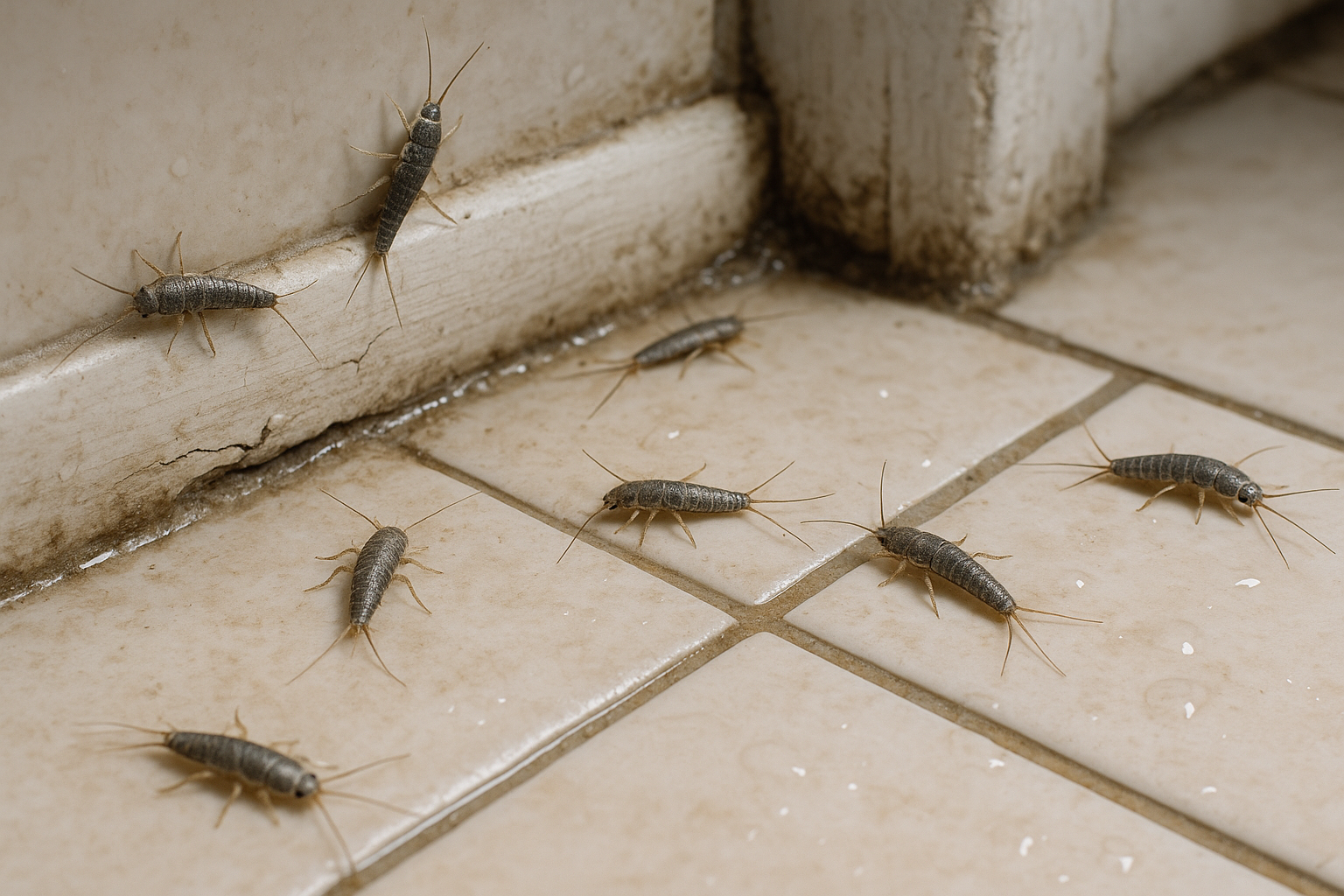
Their bodies are covered with overlapping scales that reflect light, giving a metallic glint. The three long, bristle‑like tails at the rear—called cerci—add to the fish‑like silhouette. Color ranges from pale gray to a faint bronze, and their antennae are as long as their heads, helping them navigate dark, damp corners.
Silverfish undergo a gradual metamorphosis. Eggs hatch into nymphs that look like miniature adults and molt up to 18 times before reaching maturity. Under optimal conditions—temperatures between 70°F and 80°F and high humidity—an individual can live three to eight years, producing dozens of eggs each spring.
Preferred habitats
Because they thrive where moisture lingers, silverfish are most at home in:
- Basement walls and crawl spaces
- Kitchen pantries, especially near leaky sinks
- Bathrooms and shower enclosures
- Laundry rooms with damp laundry baskets
Entry points are subtle: silverfish slip through the tiniest cracks around windows, door frames, and utility openings. They can hitch a ride in boxes, newspapers, or even on clothing, especially when those items have been stored in damp basements.
According to the CDC, silverfish infestations affect roughly 10‑15% of U.S. homes annually. CDC Silverfish Facts.
Typical Norcross scenario
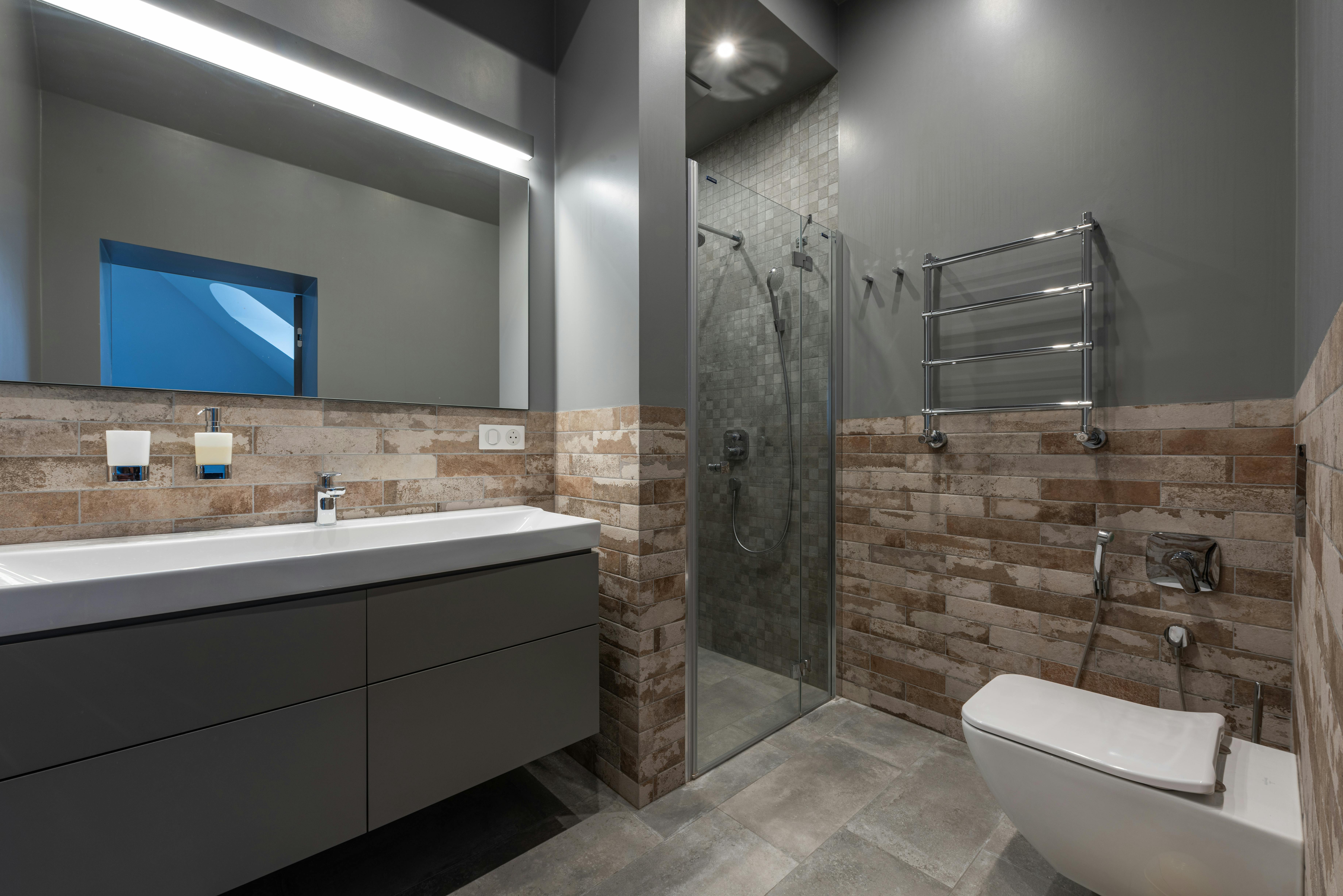
In Norcross, summer rains often push indoor humidity above 60%. Picture a family bathroom with tiled floors, a vent that cycles intermittently, and a small leak behind the vanity. The constant moisture creates a perfect breeding ground, allowing silverfish to slip through cracks in the grout and emerge at night to feed on the starchy residues left from soap, toothpaste, and even paper products.
Norcross Climate and Housing Factors
Norcross, Georgia, sits in the humid subtropical zone of the Southeast. The local climate keeps relative humidity hovering around 71 % on average each year, according to NOAA. That constant moisture creates the perfect backdrop for silverfish, which thrive in damp, cool environments.
In addition to the weather, the type of housing you find in Norcross amplifies the problem. Much of the historic East Norcross district features Victorian‑era homes built before modern moisture barriers were standard. Newer townhouses and condo complexes have been added, but many still sit atop basements or crawl spaces that retain water after a rainstorm.
Basements and crawl spaces are especially attractive to silverfish because they stay cool and stay damp year‑round. Even a small leak under a concrete slab can raise humidity levels enough for eggs to hatch and larvae to develop. Homeowners who notice a musty odor or see the tiny, fish‑like insects near baseboards are often seeing the first sign of a moisture problem.
Seasonal trends line up with the climate data. Silverfish activity climbs in late spring and peaks between May and September, when nightly temperatures stay between 65 °F and 80 °F and indoor humidity spikes after summer thunderstorms. During the cooler months, populations recede but never disappear, ready to rebound when moisture returns.
The EPA recommends controlling indoor moisture as the first line of defense against silverfish and other damp‑loving pests. Simple steps—repairing leaky pipes, using a dehumidifier in basements, and ensuring proper ventilation in bathrooms and kitchens—can cut humidity below the 50 % threshold where silverfish struggle to survive. For detailed guidance, see the EPA’s indoor moisture control page.
Understanding how Norcross’s humidity, historic housing stock, and seasonal weather intersect helps you anticipate silverfish hotspots before they become an infestation. When you combine that knowledge with a professional inspection from Anthem Pest Control, you’ll have a clear roadmap for targeted treatments and long‑term moisture management, keeping your home comfortable and pest‑free.
What Drives the Cost of Professional Control
When you call a pest‑control professional in Norcross, the quote you receive isn’t a random number—it’s a sum of several transparent components. Understanding each piece helps you see why the price is fair, and it lets you compare offers with confidence.
Inspection fee and moisture assessment
Every reputable technician starts with a thorough inspection. In Fulton County, most companies charge between $75 and $100 for this initial visit. The fee covers a detailed visual sweep of kitchens, bathrooms, basements, and crawl spaces, plus a moisture assessment. Silverfish thrive in damp environments, so identifying leaks, condensation, or high humidity is essential before any treatment can be effective.
Treatment options
After the inspection, the technician will recommend one or more of the following methods, each with its own cost structure:
- Silica‑based dusting: A low‑toxicity powder applied in cracks and voids where silverfish hide.
- Residual sprays: Chemical sprays that remain active for weeks, targeting both adults and nymphs.
- Bait stations: Poisoned food sources placed in strategic locations to lure and eliminate the insects.
- Whole‑home fogging: A one‑time, high‑coverage treatment that disperses a fine mist throughout the entire house.
Service frequency
Homeowners can choose a one‑time treatment for an immediate knock‑down, or opt for a quarterly maintenance plan. The latter spreads the cost across four visits, ensures continuous protection, and often includes a discounted rate on each service. Maintenance plans are especially valuable in humid Georgia summers when silverfish populations can rebound quickly.
Labor rates in Fulton County
According to the 2024 Georgia Department of Labor data, skilled pest‑control technicians in Fulton County command hourly wages ranging from $120 to $150. This range reflects experience, certification, and the cost of transporting equipment to suburban neighborhoods like Norcross.
Sample cost breakdown for a 1,800‑sq‑ft Norcross home
Below is a typical itemized quote for a standard 1,800‑square‑foot residence. Prices are illustrative and may vary based on the severity of the infestation and any additional services requested.
| Service | Qty / Hours | Unit Cost | Total |
|---|---|---|---|
| Initial inspection & moisture assessment | 1 | $85 | $85 |
| Silica‑based dusting (all baseboards & cracks) | 2 hrs | $135/hr | $270 |
| Residual spray application (kitchen, bathroom, basement) | 1.5 hrs | $135/hr | $202.50 |
| Bait stations (set of 6) | 1 | $45 | $45 |
| Travel & equipment fee | 1 | $30 | $30 |
| Subtotal | $632.50 | ||
| Quarterly maintenance discount (10% off) | ‑$63.25 | ||
| Total (one‑time + first maintenance visit) | $569.25 |
These figures illustrate why the final price can fluctuate: inspection depth, chosen treatment, labor hours, and whether you enroll in a recurring plan all play a role. At Anthem Pest Control, we keep each line item visible so you know exactly what you’re paying for and why it matters for long‑term silverfish control.
Typical Silverfish Control Pricing in Norcross
When a silverfish infestation surfaces, the first question most homeowners ask is how much the solution will set them back. In Norcross, Georgia, pricing is shaped by the level of service, the size of the property, and whether ongoing maintenance is part of the plan. Below is a clear breakdown of the most common service tiers offered by local pros, so you can match your budget to the treatment you need.
| Service | Price Range (USD) |
|---|---|
| Basic inspection only | $75 – $100 |
| Single‑visit dust/spray treatment | $150 – $250 |
| Full‑home treatment (basement & attic included) | $300 – $450 |
| Quarterly maintenance contract (4 visits/yr) | $500 – $700 |
Pricing isn’t a one‑size‑fits‑all figure; several variables can shift the final bill. Square footage is the biggest driver—larger homes require more product and longer labor time. The age of the building matters, too; older homes often have more cracks and crevices where silverfish hide, demanding extra attention. Severity of the infestation also plays a role; a light sighting may be cleared with a single‑visit spray, while a heavy population could need multiple applications and a deeper dusting. Finally, optional add‑ons such as eco‑friendly formulations or a guaranteed follow‑up visit can add $50‑$100 to the base price, giving homeowners extra peace of mind.
The “basic inspection only” option is ideal for homeowners who want a professional assessment without immediate treatment. Inspectors will locate hotspots, identify moisture sources, and give a written report with recommendations. A single‑visit dust or spray treatment moves a step further, applying a residual insecticide directly to cracks, baseboards, and other harborage zones. This service typically resolves a light‑to‑moderate infestation within a week. For larger homes or those with attic and basement spaces, a full‑home treatment expands coverage to those hidden areas, ensuring the entire structure is treated. Finally, the quarterly maintenance contract spreads four visits over the year, providing continuous protection and a lower per‑visit cost compared with ad‑hoc calls.
How do these Norcross rates stack up against the broader market? The National Pest Management Association (NPMA) Pest Pricing Survey reports an average treatment cost of $200‑$350 per silverfish service nationwide. Our local figures sit comfortably within that range, with the single‑visit dust/spray treatment aligning closely with the national midpoint, while the comprehensive full‑home package runs a bit higher due to the added attic and basement work that many regions simply don’t include.
“Our Norcross customers see an average total cost of $325 for a complete silverfish eradication package,” says Anthem Pest’s regional manager.
By comparing the local price table, the NPMA benchmark, and Anthem Pest’s own average, homeowners gain a transparent view of what to expect and can choose the service level that best balances cost with confidence.
DIY Options vs. Professional Service
DIY Tools and Costs
Most homeowners start with over‑the‑counter (OTC) sprays, glue traps, and a portable dehumidifier. A typical spray bottle runs $10‑$15, a pack of traps $12‑$20, and a small dehumidifier $80‑$150. Even if you limit purchases to the low end, you’re looking at $20‑$80 for a single “quick fix.” The upside is immediate availability, but the downside is limited efficacy: OTC products often target adult silverfish only, leaving eggs and larvae untouched. Without sustained low‑humidity conditions, silverfish quickly rebound, and you may find yourself re‑purchasing supplies every few weeks.
Professional Service Advantages
When you call Anthem Pest Control, a licensed technician arrives with EPA‑registered products that penetrate cracks, voids, and wall cavities—places DIY sprays can’t reach. Our technicians are trained to identify the exact species, locate hidden harborage, and apply treatments that remain effective for months. Safety compliance is built in: we follow strict handling protocols to protect children, pets, and indoor air quality. The result is a guaranteed reduction in silverfish activity, often after a single visit, rather than the trial‑and‑error cycle many DIYers endure.
Cost‑Benefit Analysis
While a professional treatment may cost $150‑$250 per visit in Norcross, the long‑term savings become clear when you factor in potential structural damage. Silverfish feed on paper, cardboard, and even fabric, leading to replacement of books, clothing, and insulation. HomeAdvisor estimates that uncontrolled infestations can cost $200‑$500 per year in material replacement. Below is a simple comparison:
| Approach | Initial Outlay | Recurring Costs (12 months) | Potential Damage Savings | Total Annual Expense |
|---|---|---|---|---|
| DIY (sprays + traps) | $40 | $60‑$120 (re‑purchases) | $0 – $200 | $100‑$360 |
| Professional Service | $180 | $0 (annual plan included) | $200‑$500 | $180‑$680 (but with damage prevented) |
When DIY May Be Acceptable & When to Call a Pro
If you’ve spotted only a handful of silverfish in a well‑ventilated attic and the humidity is already low, a short‑term DIY approach can buy you time while you adjust moisture levels. However, once you notice recurring sightings, damage to books or clothing, or infestations in multiple rooms, it’s a clear signal that professional intervention is warranted. Anthem’s expertise not only eliminates the current problem but also installs preventive measures—such as sealing entry points and applying residual treatments—that protect your home for the long haul.
Anthem Pest’s Silverfish Treatment Process
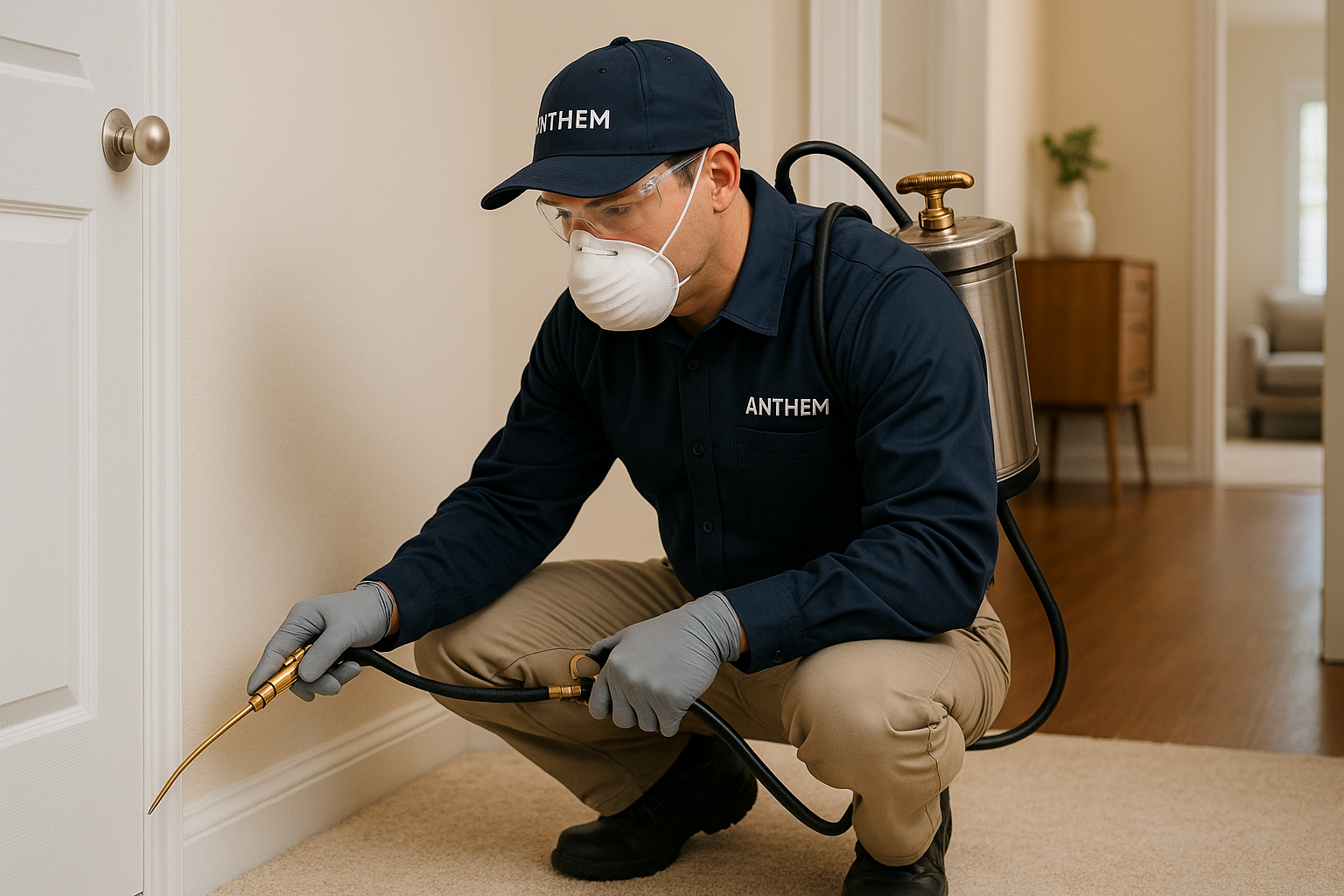
When a Norcross homeowner calls Anthem Pest, the first interaction is a free phone consultation. Our trained specialists ask a handful of targeted questions—type of pest, recent sightings, and any moisture issues you’ve noticed. This conversation lets us gauge the severity of the silverfish activity and schedule an on‑site visit without any obligation or hidden fees.
- On‑site inspection with moisture meter and visual assessment – Our technician brings a calibrated moisture meter and conducts a thorough visual sweep of kitchens, bathrooms, basements, and other damp areas where silverfish thrive. The meter pinpoints hidden moisture pockets, while the visual check identifies egg‑cases, shed skins, and feeding trails.
- Customized treatment plan using EPA‑approved silica dust and low‑odor residual spray – The core of our approach is EPA‑approved silica dust (diatomaceous earth), a non‑toxic powder that adheres to the insects’ exoskeleton and causes rapid dehydration. In high‑traffic zones we also apply a low‑odor residual spray that continues to work for weeks, protecting your home without the strong chemical smell many homeowners dread.
- Application and homeowner walkthrough – After applying the products, we walk you through the treated areas, explaining where the dust and spray were placed and how to minimize disturbance for the first 24‑48 hours. This transparency helps you understand exactly what’s happening under your cabinets and behind baseboards.
- Follow‑up visit to verify effectiveness – A technician returns within 7‑10 days to confirm that silverfish activity has stopped, re‑checks moisture levels, and, if necessary, applies a touch‑up dose of silica dust. This second check is where most infestations are fully resolved.
We back every service with a 30‑day re‑treatment guarantee for Norcross homeowners. If you spot any new silverfish activity within thirty days of the initial service, we’ll return at no extra charge to re‑apply the treatment and ensure your home stays pest‑free. Our local warranty is reinforced by years of service in the Norcross community, giving you peace of mind that the treatment is tailored to Georgia’s humidity and building styles.
Ready to start? Call us today at 877‑371‑8196 or visit our Silverfish Service page to schedule your free consultation. Transparent pricing, safe EPA‑approved products, and a solid local warranty make Anthem Pest the trusted choice for silverfish control in Norcross.
Seasonal Timing and Prevention Checklist
Silverfish thrive when moisture and food sources are abundant, so timing your treatment and daily habits can keep them out of your home year‑round. In Norcross, Georgia, the climate gives us two natural windows when a proactive approach works best.
Best scheduling for treatment
• Early spring (March‑April) – As temperatures rise, indoor humidity spikes. A pre‑emptive spray or bait placement before the first rainstorm stops silverfish from establishing colonies.
• Late summer (August‑September) – After the peak of the hot, humid months, a second round catches any survivors that have survived the spring treatment and are ready to reproduce again.
Both appointments are spaced about four to six months apart, giving the product time to work and allowing you to see if any new activity appears. If you notice a sudden surge in silverfish during the summer, you can add a supplemental spot‑treatment without waiting for the next scheduled visit.
Early spring treatment is key because the first warm nights raise indoor humidity above 60 %, the ideal range for silverfish. A second application in late summer catches any survivors after July‑August’s humidity peak.
Everyday prevention checklist
- Repair leaky faucets, pipes, and roof spots; even a slow drip raises indoor humidity.
- Run a dehumidifier in basements, closets, and laundry rooms to keep relative humidity below 50 %.
- Seal cracks around windows, doors, and foundation with caulk or expanding foam.
- Store paper goods, books, and cardboard in airtight containers or plastic bins.
- Vacuum regularly, especially along baseboards and under appliances, to remove shed skins and food particles.
Following the EPA’s indoor air quality guidelines for moisture control not only reduces silverfish but also improves overall home health. The EPA advises keeping indoor humidity below 50 % and fixing leaks within 24 hours. When you combine professional treatments with these simple habits, you’ll see fewer silverfish, lower pesticide use, and a drier, cleaner living space.
Frequently Asked Questions
Will silverfish return after treatment?
Silverfish have a life cycle that includes eggs, nymphs, and adults, and a single adult can lay up to 300 eggs over its lifetime. Because eggs are often hidden in cracks, baseboards, or behind appliances, a one‑time spray may not reach them all. That’s why Anthem schedules a follow‑up visit 2–3 weeks after the initial application. The second visit targets any newly hatched nymphs before they mature, dramatically reducing the chance of a reinfestation. With proper sanitation and the recommended follow‑up, most homeowners see no recurrence.
Are the chemicals safe for pets?
Yes. All products Anthem uses are EPA‑registered and come with detailed safety data sheets. We select formulations that carry a “low toxicity to mammals” rating and apply them according to label directions. In addition, our technicians follow a pet‑friendly protocol: they keep pets out of treated rooms for at least 30 minutes, ventilate the area, and store chemicals away from food or water sources. This approach protects dogs, cats, and other household animals while still delivering effective control.
How long does a treatment last?
The residual effect of a professional silverfish treatment typically lasts between 6 and 12 weeks, depending on the product used and the level of infestation. In high‑traffic areas such as kitchens and bathrooms, we may apply a longer‑acting gel or dust that continues to deter silverfish for up to three months. For lighter infestations, a standard spray provides protection for about six weeks. Regular cleaning, reduced humidity, and sealing entry points help extend the effectiveness of any treatment.
Choose Transparent, Affordable Control Today
When it comes to silverfish in Norcross, the numbers are straightforward. A professional inspection typically runs between $75 and $100, giving you a clear picture of the infestation. If you need a full‑home treatment, most homeowners see a price tag of $300 to $450, covering the initial eradication and a safety‑net of follow‑up visits. For those who prefer ongoing protection, a quarterly service contract usually falls in the $500‑$700 range, spreading the cost across the year while keeping silverfish at bay.
Anthem Pest Control stands out because we combine that transparent pricing with local expertise you can trust. Our technicians know the quirks of Norcross homes, and we back every job with a 30‑day guarantee – if silverfish return, we’ll come back at no extra charge. There are no hidden fees, no surprise mark‑ups, just a clear, affordable plan that fits your budget. We also use low‑impact, EPA‑approved products that protect your family and pets.
Ready for a free, personalized quote? Give us a call at 877‑371‑8196. One of our friendly specialists will walk you through the options that make sense for your home. Visit Anthem Pest Control to learn more and schedule your inspection today.