Quick‑Action Guide for Brookhaven Homeowners Facing Rats
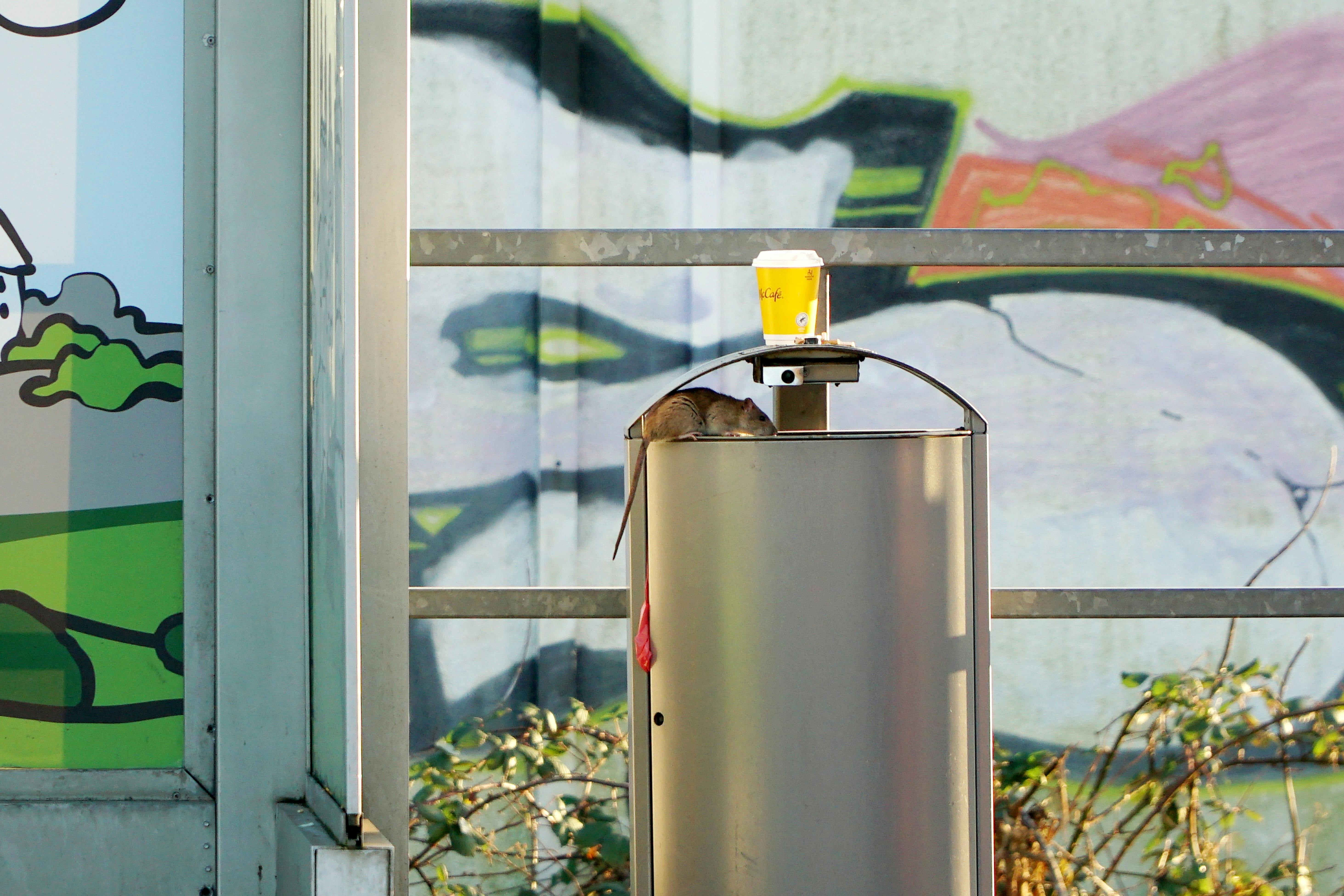
Imagine coming home after a long day at work, only to hear the faint rustle of paper in the pantry. You open the door and discover a fresh line of dark, rice-shaped droppings scattered across the cereal boxes. The family’s excitement turns to alarm—those tiny footprints are a clear warning that rats have moved in. This is a scenario many Brookhaven households face, and it’s the exact moment homeowners start searching for a rat exterminator Brookhaven GA residents trust for fast and effective rodent removal. That’s when our quick-action guide springs into action.
Why a rapid response is non‑negotiable isn’t just a catchy phrase; it’s a matter of health, home integrity, and peace of mind. Rats carry pathogens such as Leptospira and Hantavirus, which can contaminate food, surfaces, and even the air you breathe. Beyond disease, their relentless gnawing can compromise wiring, insulation, and structural beams, leading to costly repairs. And in a close‑knit community like Brookhaven, word travels fast—neighbors will notice the smell, the noise, and the unsightly droppings, potentially affecting your home’s reputation.
Our guide delivers a step‑by‑step roadmap designed for the busy homeowner who needs results, not jargon. First, we’ll show you how to identify a qualified, locally‑licensed exterminator—someone who knows the specific rodent pressures of Fulton County and can tailor treatments to your property’s layout. Next, we break down pricing structures so you can compare quotes with confidence, understanding what’s included in inspection fees, treatment plans, and follow‑up visits. Finally, we arm you with proven prevention tactics—sealed entry points, proper waste management, and seasonal landscaping tips—to keep rats from returning.
What sets this guide apart is its data‑driven, local‑insight approach. We’ve analyzed pest reports from Brookhaven’s public health department, cross‑referenced homeowner reviews, and consulted with seasoned technicians who have tackled rat infestations in neighborhoods just like yours. The result is a roadmap that reflects real‑world conditions, not generic advice pulled from a national handbook.
By the end of this section, you’ll know exactly what to look for, who to call, and how to protect your home before the problem escalates. The urgency is clear: the longer rats linger, the higher the risk to health, property, and reputation. Let’s move forward with confidence, armed with the knowledge and local expertise that only Anthem Pest Control can provide.
Spotting the Signs of Rat Activity in Your Home
Visual clues you shouldn’t ignore
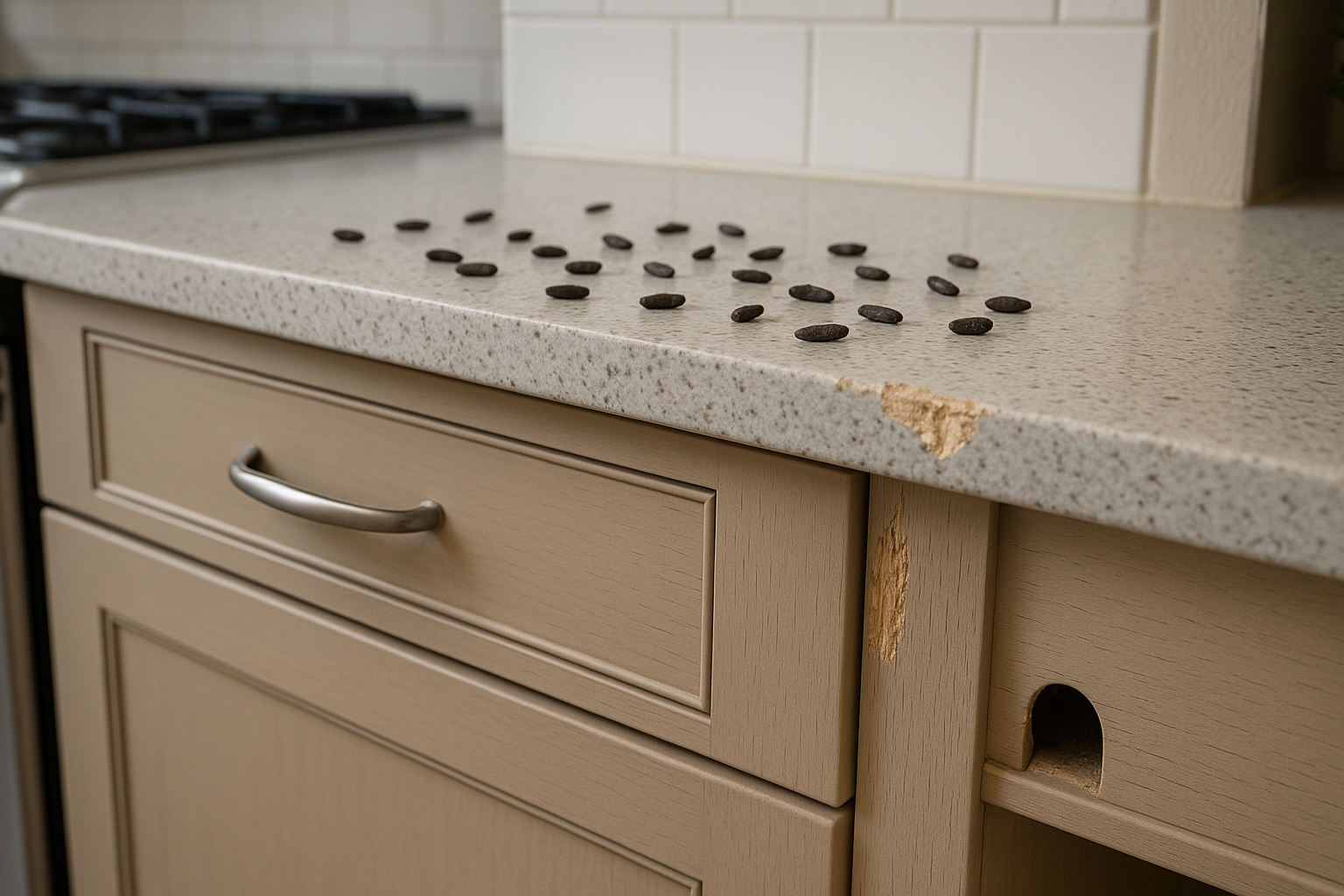
Rats are stealthy, but they leave a trail of evidence that any attentive homeowner can spot. The most common visual signs include:
- Droppings: Small, dark brown to black pellets about 6‑10 mm long. Fresh droppings are glossy; older ones become dull and crumbly.
- Gnaw marks: Fresh wood, plastic, or wiring will show clean, crescent‑shaped chew lines. Look especially at the edges of cardboard boxes and insulation.
- Grease or oil trails: As rats rub their bodies along surfaces, they leave a faint, oily sheen that can appear on walls, cabinets, or the underside of appliances.
- Nests: Piles of shredded paper, fabric, or insulation material are often tucked into hidden corners.
- Audible activity: Scratching or scurrying sounds in attics, crawl spaces, or walls, especially at night, are a strong indicator of a resident colony.
Where rats love to hide
Understanding a rat’s preferred real estate helps you target inspections more efficiently. The following locations are hotspots:
- Attics: Warm, dark spaces near roof vents provide easy entry points and abundant nesting material.
- Crawl spaces: Gaps under the house offer shelter and direct routes to plumbing and electrical lines.
- Basements: Moisture, stored boxes, and clutter create perfect hideouts.
- Kitchen cabinets & pantry shelves: Food residues and easy access to crumbs make these areas irresistible.
- Garage: Open doors, stored boxes, and pet food can attract foraging rats.
Real‑world example: When a tiny clue tells a big story
One Brookhaven homeowner, Jane, was puzzled by occasional squeaks in her pantry. During a quick visual sweep, she discovered a cluster of dark brown droppings measuring roughly 30 mm in length tucked behind a cereal box. Because the pellets were larger than typical mouse droppings and the color was distinctly brown rather than black, Jane realized she was dealing with a mature rat colony—not a fleeting mouse visitor. Within days, the droppings multiplied, confirming that the rats had established a permanent nest nearby. Jane’s experience illustrates how a single, correctly identified sign can prevent a minor nuisance from turning into a full‑blown infestation.
Quick inspection checklist for busy homeowners
Use this five‑step checklist the next time you’re in a hurry. Keep a notepad or phone handy and tick each item as you go.
- Spot droppings: Scan pantry shelves, under appliances, and in corners for 6‑10 mm pellets.
- Check for gnaw marks: Run your fingers along wood, plastic, and wiring for fresh, clean cuts.
- Look for grease trails: Shine a flashlight on walls and cabinets; oily streaks often appear as a faint sheen.
- Listen at night: Pause in the kitchen or attic after dark; any scratching or scurrying is a red flag.
- Inspect hidden spaces: Open attic panels, crawl‑space doors, and garage storage boxes; any shredded material could be a nest.
By mastering these visual cues and inspection hotspots, you’ll catch rat activity before it spreads. If you find multiple signs—or even a single, convincing one—contact Anthem Pest Control at 877‑371‑8196 for a fast, local response. Our technicians can confirm the infestation, outline safe treatment options, and help you protect your home for the long term.
Health Risks Tied to Rat Infestations
When a rat makes a home in your Brookhaven house, the danger isn’t limited to gnawed wires or chewed food packaging. These nocturnal rodents carry a suite of pathogens that can turn a simple nuisance into a serious medical emergency for you and your family.
Key diseases spread by rats
- Hantavirus – A respiratory virus transmitted when aerosolized particles of infected rat urine, droppings, or saliva are inhaled. Symptoms range from fever and muscle aches to severe lung inflammation, which can be fatal if untreated.
- Leptospirosis – A bacterial infection that enters the body through cuts, mucous membranes, or ingestion of contaminated water or food. Early signs mimic flu, but the disease can progress to kidney failure, meningitis, or liver damage.
- Salmonella – Rats frequently harbor Salmonella bacteria on their fur and in their feces. Cross‑contamination of kitchen surfaces or food can cause gastroenteritis, marked by vomiting, diarrhea, and dehydration, especially risky for children and the elderly.
What the data say: Georgia 2023 rodent‑borne disease report
The Centers for Disease Control and Prevention (CDC) tracks rodent‑related illnesses nationwide. In the 2023 Georgia surveillance summary, the agency recorded 12 confirmed cases of hantavirus, 27 cases of leptospirosis, and 58 instances of salmonella infections linked to rodent exposure. While these numbers may appear modest, each case represents a household where a rat infestation went unchecked, turning a pest problem into a health crisis.Source: CDC Rodent Diseases
How rat urine becomes a hidden contaminant
Rats excrete urine in tiny droplets that quickly dry into a fine, powder‑like residue. That residue clings to countertops, pantry shelves, and even the fibers of upholstered furniture. When a homeowner sweeps, vacuums, or simply walks across an affected area, the dried particles can become airborne. Inhaling these microscopic specks delivers viruses and bacteria directly to the lungs, bypassing the skin’s natural defenses.
Beyond the air, the urine‑laden dust settles on food items left uncovered, on pet bowls, and on cooking utensils. A single lick or bite can introduce harmful microbes into the digestive tract. Because rat urine is odorless and invisible, many families remain unaware of the contamination until someone falls ill.
Why professional extermination matters
Attempting a DIY cleanup after discovering rat droppings is risky. The EPA recommends wearing protective gloves, masks, and disinfectants—steps that many homeowners skip in the rush to “just get rid of the rats.” A licensed rat exterminator Brookhaven GA homeowners trust, such as the professionals from Anthem Pest Control, follows a systematic protocol: sealing entry points, setting bait stations, and applying targeted rodenticide in a manner that minimizes secondary exposure to pets and children.
More importantly, a professional team conducts a thorough decontamination after the rodents are removed. This includes safe disposal of contaminated materials, HEPA‑vacuuming of dust, and applying enzyme‑based cleaners that break down residual urine proteins. The result is a dramatically reduced risk of airborne transmission and a healthier indoor environment.
In short, the medical stakes of a rat infestation far outweigh the inconvenience of an extermination appointment. By addressing the problem quickly and letting trained experts handle the eradication and cleanup, Brookhaven homeowners protect not only their property but, more critically, the health of everyone who walks through their front door.
Local Regulations and EPA‑Recommended Practices
Brookhaven Municipal Code Requirements
In Brookhaven, the city’s municipal code is clear: any chemical treatment aimed at rodents must be performed by a licensed pest‑control operator. This rule isn’t just paperwork; it protects you, your family, and your pets from improperly applied pesticides that can cause health hazards or environmental damage. The code also mandates that the applicator keep a record of the product name, concentration, application date, and exact location of treatment. Homeowners are encouraged to request a copy of this documentation after each service—if the technician can’t provide it, you have a right to ask for a qualified professional.
Why does the city enforce this licensing rule? Licensed operators have completed state‑approved training, passed background checks, and stay current on the latest safety protocols. By insisting on licensed service, Brookhaven reduces the risk of over‑application, accidental exposure, and the development of pesticide resistance in local rodent populations. For peace of mind, simply verify the technician’s license number before any spray is applied.
EPA Integrated Pest Management (IPM) Steps
The Environmental Protection Agency (EPA) recommends a four‑step Integrated Pest Management (IPM) approach for rodent control. First, inspection—a thorough walk‑through to identify signs of activity, entry points, and food sources. Second, sanitation—eliminating clutter, securing garbage, and removing any standing water or spilled grain that could lure rats.
Third, exclusion—sealing cracks, installing door sweeps, and repairing vent covers to block the pathways rats use to enter homes. Finally, treatment—using targeted, EPA‑approved baits or traps only after the previous three steps have minimized the need for chemicals. This hierarchy ensures that you’re not relying solely on poison, which can be hazardous and often ineffective if rats have easy access to food and shelter.
“Effective rodent control relies on a combination of habitat modification and targeted pesticide use.” – EPA
Following IPM not only aligns with federal best practices but also dovetails with Brookhaven’s licensing rules. By focusing first on inspection, sanitation, and exclusion, you dramatically reduce the amount of pesticide needed, keeping your home safer and your compliance paperwork simpler.
Printable Compliance Checklist
Use the checklist below to stay organized and ensure every step of the local regulations and EPA recommendations is documented. Print it out, tick each item after completion, and keep the sheet with your pest‑control records for future reference or city inspections.
- ✔️ Conduct a comprehensive interior and exterior inspection, noting droppings, gnaw marks, and entry points.
- ✔️ Document all findings with photos or written notes, including date and time of inspection.
- ✔️ Verify that the pest‑control technician holds a valid Georgia pest‑control license; record the license number.
- ✔️ Review and confirm that the pesticide product used is EPA‑approved for rodent control.
- ✔️ Record product name, concentration, application method, and exact locations treated.
- ✔️ Implement sanitation measures: secure food storage, eliminate water sources, and declutter potential harborage areas.
- ✔️ Perform exclusion actions: seal gaps >¼ inch, install door sweeps, and repair vent screens.
- ✔️ Schedule follow‑up inspections (typically 30‑45 days after treatment) to verify effectiveness.
- ✔️ Keep all receipts, service agreements, and licensing verification documents in a dedicated folder.
- ✔️ Review Brookhaven’s municipal code annually to stay updated on any regulatory changes.
Choosing the Right Rat Exterminator in Brookhaven
Verify Licensing and Insurance
In Georgia, any pest-control business that applies chemicals must hold a valid license from the Georgia Department of Agriculture. This license proves that the technicians have completed state-mandated training on safe handling, proper application rates, and record-keeping. Homeowners searching for a rat exterminator Brookhaven GA should always ask to see the license number and verify it online. Equally important is insurance: a reputable exterminator carries general liability coverage and workers’ compensation. If a technician accidentally damages property or is injured on the job, the insurance protects you from unexpected out-of-pocket costs.
Prioritize Local Experience
Rats adapt to the specific layout of neighborhoods, and Brookhaven is no exception. Companies that have serviced the Brookhaven Heights and Peachtree Parkway areas understand the typical entry points—cracked foundations, storm‑drain gaps, and overgrown landscaping—that rodents exploit. Local experience also means the pest‑control team knows the most effective bait stations and trap placements for our climate and building styles. When a provider can cite recent jobs in your exact vicinity, you gain confidence that they can locate and eliminate the problem quickly.
Demand EPA‑Approved Products and an IPM Approach
The Environmental Protection Agency (EPA) rigorously evaluates all rodent‑control chemicals for human health and environmental impact. Ask your exterminator which active ingredients they use and confirm that each is listed on the EPA’s approved products database. Beyond the chemicals, look for an Integrated Pest Management (IPM) strategy. IPM blends sanitation, exclusion, monitoring, and targeted treatment, reducing reliance on chemicals and preventing future infestations. A true IPM‑focused provider will walk you through a step‑by‑step plan that starts with identifying entry points before any pesticide is applied.
Insist on Transparent Pricing and Written Service Agreements
Hidden fees are a common complaint in the pest‑control industry. The right exterminator will give you a clear, itemized quote that separates inspection fees, treatment costs, and any follow‑up visits. This quote should be accompanied by a written service agreement outlining the scope of work, the products to be used, the expected timeline, and the warranty or guarantee terms. Having everything in writing protects both parties and makes it easy to hold the company accountable if the rat problem persists after treatment.
What Real Customers Are Saying
“Anthem Pest showed up on schedule, explained every step of their IPM plan, and used EPA‑approved bait that was safe around our kids and pets. After the first visit, we saw no more rat activity, and the follow‑up inspection confirmed the problem was gone. Their pricing was transparent—no surprise charges. Five stars all the way!” — Google Review, 5‑star, March 2024
Quick Checklist for Your Next Call
- License & insurance: Verify the Georgia pest‑control license number and confirm liability coverage.
- Local track record: Ask for references or case studies from Brookhaven Heights or Peachtree Parkway.
- EPA‑approved products: Request a list of active ingredients and ensure an IPM plan is part of the service.
- Transparent quote: Get an itemized estimate and a written agreement before work begins.
- Customer feedback: Look for recent 5‑star reviews, like the one above, to gauge satisfaction.
By ticking each of these boxes, you’ll move from guesswork to confidence, ensuring that the rat exterminator you hire not only removes the current infestation but also puts in place safeguards that keep your home rodent‑free for years to come.
Cost Breakdown of Professional Rat Extermination
When a rat problem shows up, the first question most homeowners ask is, “How much will it cost?” Understanding the price components helps you budget confidently and avoid surprise invoices. Below is a transparent look at the typical fees you’ll encounter in the Brookhaven, GA market, based on 2024 data from the National Pest Management Association (NPMA) and recent local quotes from reputable exterminators, including services provided by a rat exterminator Brookhaven GA homeowners trust.
Typical Price Ranges (2024)
- Initial inspection: $75 – $120 – A qualified technician visits, identifies entry points, and estimates the scope of the infestation.
- Per‑visit treatment: $150 – $300 – Includes bait placement, traps, or rodent‑specific chemicals applied during a single service call.
- Full‑service eradication: $500 – $1,500 – A comprehensive package that may require multiple visits, bait stations, sealing of gaps, and follow‑up verification.
- Ongoing prevention plan: $200 – $400 per year – Quarterly inspections, bait replenishment, and routine exclusion work to keep rats from returning.
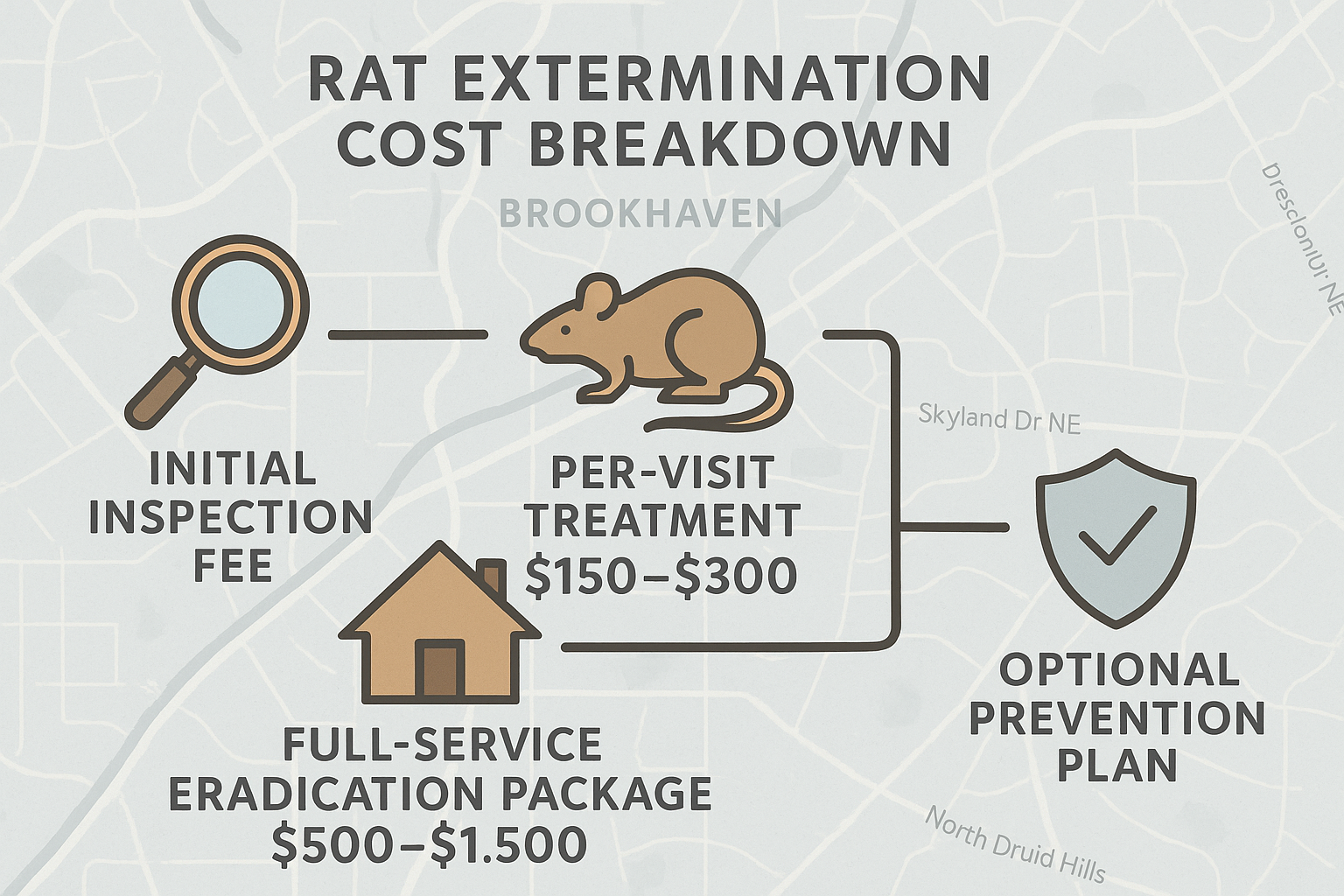
These figures represent the most common brackets you’ll see on a written estimate. A small, single‑family home with a light infestation may fall at the low end, while larger properties or severe infestations push the cost toward the higher spectrum. Keep in mind that reputable companies, like Anthem Pest Control, will always provide a written scope of work before any work begins.
Factors That Influence the Final Bill
Even with clear price ranges, several variables can shift the total amount you pay. Understanding these drivers lets you ask the right questions and negotiate a fair deal.
- Infestation size: More rats mean more bait stations, traps, and labor hours.
- Property square footage: Larger homes or multi‑unit buildings require additional coverage and possibly more technicians.
- Access difficulty: Tight crawl spaces, attics, or basements that are hard to reach increase labor time and may need specialized equipment.
- Exclusion work required: Sealing gaps, repairing vents, or installing door sweeps adds material costs but is essential for a lasting solution.
- Seasonality: Peak rodent activity in fall and winter can affect scheduling availability and, occasionally, pricing.
For example, a homeowner with a two‑story house, a cluttered attic, and several broken vent screens will likely see a higher quote than a one‑story ranch with easy‑to‑access crawl spaces. The key is that each added challenge is reflected transparently in the estimate.
How to Compare Quotes and Dodge Hidden Fees
When you gather estimates, use the checklist below to ensure you’re comparing apples to apples and not falling prey to hidden charges.
- Ask for a detailed line‑item breakdown. Every service—inspection, treatment, bait, exclusion—should be listed separately.
- Verify what “per‑visit” means. Some companies count each bait refill as a separate visit; others bundle it into the overall package.
- Check for mileage or travel surcharges, especially if your home is on the edge of the service area.
- Confirm whether follow‑up visits are included or billed extra. A full eradication plan typically includes at least one verification visit.
- Look for guarantees. A reputable provider will stand behind their work with a written warranty, often covering re‑treatment within a set period.
- Beware of “low‑ball” quotes that omit exclusion work. If the price seems unusually low, ask specifically about sealing gaps and structural repairs.
- Read the fine print for annual contracts. Some prevention plans automatically renew; make sure you understand cancellation terms.
By requesting the same level of detail from each contractor, you can spot discrepancies quickly. A transparent quote that outlines every step—inspection, treatment, exclusion, and follow‑up—gives you confidence that you’re paying for the full service you need, not just a quick fix.
In short, budgeting for rat control in Brookhaven is straightforward once you know the price brackets, the variables that shift those numbers, and the questions to ask before signing. With this knowledge, you’ll be ready to choose a professional, like Anthem Pest Control, that delivers effectiveness and honesty.
Seasonal Timing and Proactive Prevention Tips
Rats are opportunistic, and their activity spikes when the weather warms up and food sources become abundant. By aligning your home‑care routine with the seasonal calendar, you can stay one step ahead of these nocturnal intruders. Below is a month‑by‑month playbook that blends simple DIY actions with clear signals for when a professional touch‑up from Anthem Pest Control is the smartest move.
Early‑Summer Pre‑Season Inspection
June marks the beginning of the rat breeding surge in Brookhaven. Before the first litter emerges, walk the perimeter of your house and inspect every potential entry point. Focus on:
- Gaps around utility penetrations (pipes, cables, vents).
- Cracks in the foundation, especially where the soil meets the siding.
- Openings under eaves, soffits, and the attic access hatch.
Seal any opening larger than a quarter‑inch. Rats can squeeze through a space the size of a dime, so err on the side of caution. Use a high‑quality silicone or acrylic caulk for small cracks, and consider metal flashing or hardware cloth for larger gaps.
Home‑Maintenance Checklist
Once the inspection is complete, move on to broader yard and interior upkeep. The following items should be tackled at least once each season, but they are especially crucial in early summer when rodents begin scouting for shelter.
- Trim tree branches. Any limb that hangs within three feet of the roof offers a direct highway onto your roof and into the attic.
- Store firewood off the ground. Keep logs on a raised platform, at least six inches above the soil, and maintain a two‑foot clearance from the house walls.
- Secure garbage cans. Use tight‑fitting lids and, if possible, place cans on a concrete slab to prevent rats from gnawing through thin plastic.
- Eliminate standing water. Leaky faucets, pet water bowls left out overnight, and clogged gutters all create humid micro‑habitats that attract rodents.
- Maintain a tidy yard. Remove dense ground cover, compost piles, and discarded building materials that could serve as nesting sites.
DIY Exclusion Methods You Can Do Today
If you discover a few small openings after your inspection, you don’t need to wait for a professional. Here are three homeowner‑friendly materials that block rats effectively:
- Steel‑wool. Pack it tightly into gaps around pipes and vents. Rats can’t chew through the hardened fibers, and the material conforms to irregular shapes.
- Copper mesh (½‑inch hardware cloth). Cut to size and staple over larger holes, such as those around vent pipes or under decks. Copper resists corrosion, making it a long‑lasting barrier.
- Caulking. Use a silicone‑based sealant for cracks less than a quarter‑inch wide. Apply a continuous bead, smooth it with a fingertip, and allow 24 hours to cure before touching the area again.
When you combine these exclusion tools with the seasonal checklist, you create a layered defense that deters rats before they even set foot inside your home.
When to Call a Professional
Even the most diligent DIY plan can miss hidden activity. Keep an eye out for the following red flags; if any appear, it’s time to schedule an inspection with Anthem Pest Control:
- More than five distinct droppings clusters in a single room or attic space.
- Visible gnaw marks on structural wood, wiring, or stored items.
- Audible scurrying or squeaking, especially at night, that you can trace to walls, ceilings, or crawl spaces.
- Evidence of nesting material— shredded paper, shredded insulation, or shredded fabric— in concealed areas.
Professional exterminators bring bait placement, trap monitoring, and a thorough exclusion audit that goes beyond what a homeowner can safely achieve. Early intervention prevents a small problem from ballooning into a full‑scale infestation, saving you time, stress, and money.
By following this calendar‑driven approach—inspect early summer, maintain a clean perimeter, seal with steel‑wool, copper mesh, and caulk, and know the exact signs that warrant expert help—you’ll keep rats out year‑round and protect the comfort of your Brookhaven home.
Frequently Asked Questions About Rat Extermination
Homeowners often have the same concerns before signing up for a rat‑extermination service. Below we answer the most common questions so you know exactly what to expect, how we protect your family, and how to keep the problem from returning.
How long does a rat extermination take?
A complete rat‑extermination program typically spans 1–2 weeks from the initial inspection to the final clearance. Our certified technicians start with a thorough survey to locate activity hotspots, then set low‑toxicity bait stations and traps. Over the next several days we monitor those stations, replace baits as needed, and adjust placement to cover any new pathways. By the end of the first week most active rodents are eliminated; a second week of follow‑up checks ensures any hidden survivors are caught. In most Brookhaven homes the entire process is finished within 10‑14 days.
Are the chemicals safe for pets and children?
Safety is a top priority for Anthem Pest. All baits we use are EPA‑approved, low‑toxicity formulations designed to attract rats while posing minimal risk to non‑target species. Technicians place bait stations out of reach—typically behind appliances, in wall voids, or inside sealed boxes—so curious pets or kids cannot access them. We also offer non‑chemical options, such as snap traps or exclusion techniques, for households that prefer a completely chemical‑free approach. Before we begin, we discuss any sensitivities you have and adjust the treatment plan accordingly.
Can rats return after treatment?
A well‑executed eradication dramatically reduces the chance of a comeback. After we remove the existing population, we seal entry points—gaps around pipes, vents, and foundation cracks—to block future access. With these exclusions in place, the statistical likelihood of a repeat infestation drops below 5 %. Of course, if a new food source or water leak appears, rats can be attracted again, which is why we stress regular sanitation and periodic monitoring. Most of our Brookhaven clients see no activity after the first month when they follow the recommended preventive steps.
Do I need a follow‑up visit?
Yes, a post‑treatment inspection is a standard part of our service. About 30 days after the initial eradication we return to verify that all bait stations are empty, traps have captured no new rodents, and no fresh signs of activity—such as droppings or gnaw marks—are present. If we detect any lingering evidence, we address it immediately at no extra charge. This follow‑up also gives us a chance to review your home’s sanitation practices and recommend any additional exclusion work to keep your property rat‑free for the long term.
Take Action Today – Protect Your Brookhaven Home
Now that you’ve walked through the entire roadmap—spotting the tell‑tale signs of a rat invasion, grasping the health hazards they bring, checking local regulations, vetting exterminator credentials, weighing cost options, and setting up long‑term prevention—you have everything you need to act confidently. The difference between a problem that escalates and one that’s nipped in the bud is simply taking the next step.
Quick Recap of Your Action Plan
- Identify the signs: droppings, gnaw marks, gnaw‑scented urine, and audible scurrying.
- Understand the health risks: disease transmission, food contamination, and structural damage.
- Verify local regulations: Brookhaven’s ordinances on rodent control and waste management.
- Evaluate exterminator credentials: licensing, insurance, and proven experience with rodents.
- Compare costs and service packages: transparent pricing, guarantees, and follow‑up visits.
- Implement prevention measures: sealing entry points, proper sanitation, and regular inspections.
With this checklist in hand, the path forward is clear. The sooner you move, the less likely rats will establish a permanent foothold, and the easier it will be to keep them out for good.
Why Choose Anthem Pest Control?
When you reach out to a professional, you want assurance that the job will be done safely, effectively, and without surprise fees. Anthem Pest Control’s experienced team specializes in rodent control for Brookhaven homeowners. Our technicians are fully licensed, carry comprehensive insurance, and stay up‑to‑date on the latest, EPA‑approved treatment methods. We tailor each plan to the specific layout of your home, ensuring that traps, baits, and exclusion techniques hit the right spots.
We also understand that budget matters. That’s why we offer a free, no‑obligation inspection and a clear, written quote before any work begins. You’ll know exactly what to expect—no hidden fees, no vague promises. Our transparent approach lets you compare costs confidently and choose the solution that fits both your needs and your wallet.
Take the First Step Now
Don’t let a small sighting turn into a full‑blown infestation. Call Anthem Pest Control today for your complimentary inspection and personalized quote. Our friendly staff will schedule a visit at a time that works for you, walk you through the findings, and outline the most effective treatment strategy.
Phone: 877‑371‑8196
Our experienced team is ready to safeguard your home with safe, effective solutions—no hidden fees, just clear results.
Visit Anthem Pest Control to learn more about our services, read customer testimonials, and book your free inspection online with a trusted rat exterminator Brookhaven GA homeowners rely on.