Understanding Ant Inspections in Brookhaven, GA
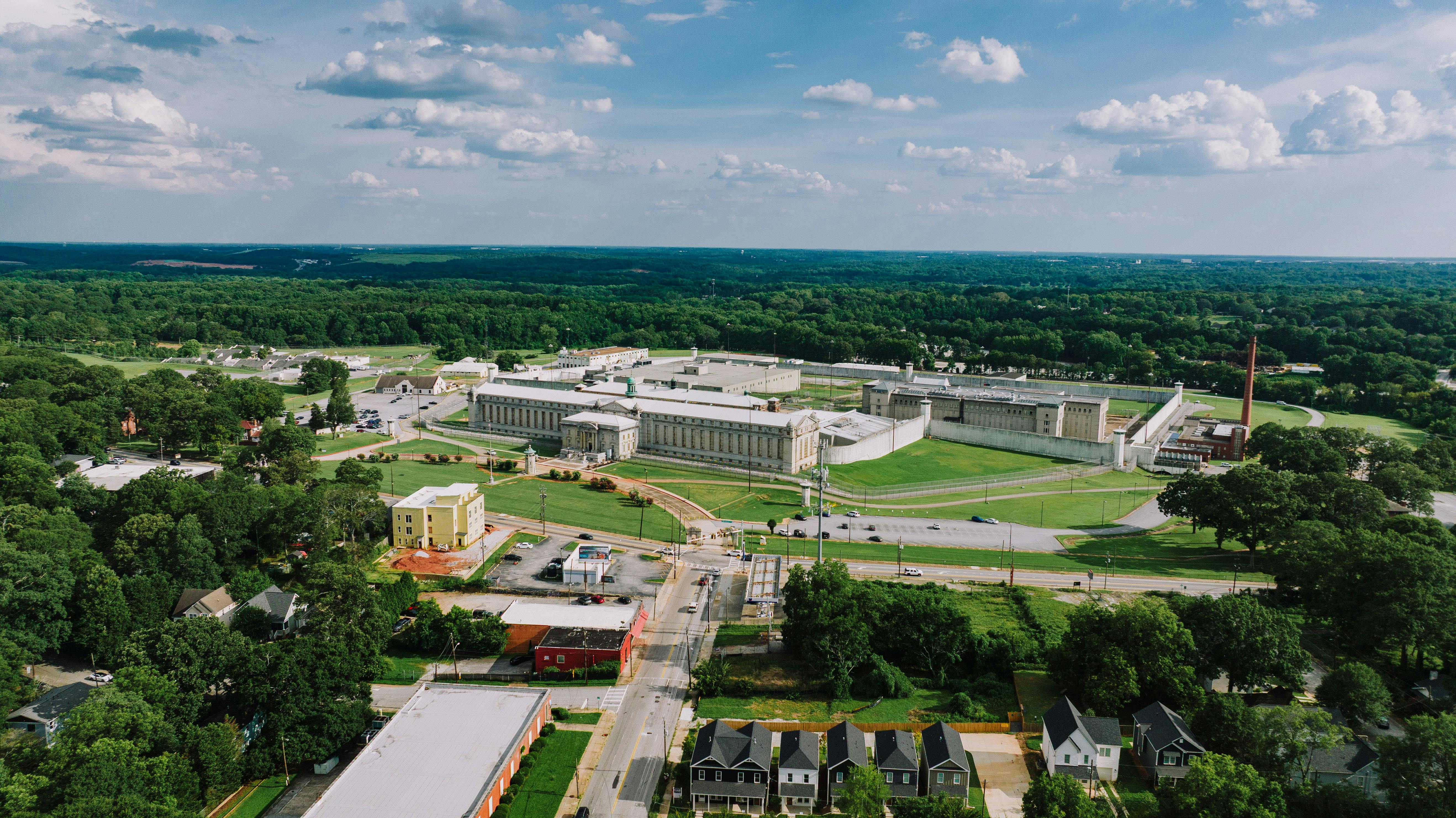
Imagine a typical Thursday evening in Brookhaven: the Johnson family is prepping dinner when a thin, relentless line of tiny black ants scurries across the kitchen counter, disappearing into a crack behind the fridge. The sight is unsettling, and the immediate question is—how did they get in, and what should be done next? Situations like this often prompt homeowners to consider scheduling a professional ant inspection Brookhaven residents trust to identify the source of the infestation and prevent it from spreading.
Brookhaven sits in the heart of the Atlanta metro area, where the climate is a perfect breeding ground for ants. According to the EPA’s Climate Indicators report, the region experiences an average annual temperature of about 62°F (17°C) and humidity levels that regularly exceed 70% during the summer months. Warm, moist conditions accelerate ant colony growth and enable species like carpenter ants and pavement ants to thrive year‑round.
This guide is designed to demystify the ant‑inspection process for homeowners. We’ll break down each step, from recognizing the early signs of an infestation to understanding what a professional inspector looks for during a thorough assessment. By the end, you’ll know exactly when it’s time to pick up the phone and call a certified pest‑control specialist.
Throughout the article, we’ll walk you through:
- Identifying the most common ant species in Brookhaven.
- Spotting warning signs that an infestation is taking hold.
- What to expect during a professional ant inspection.
- Effective treatment options—chemical, baits, and eco‑friendly alternatives.
- Preventive measures to keep ants out of your home for good.
- Frequently asked questions and quick answers.
- A clear call‑to‑action for when you need expert help.
Our tone is professional, data‑driven, and tailored specifically for Brookhaven homeowners. We combine local climate data with practical pest‑control expertise so you can make informed decisions and protect your home with confidence.
Identifying the Ants You’re Dealing With
Knowing exactly which ant species has set up shop in your home is the first step toward a targeted, lasting solution. Each species behaves differently, prefers distinct nesting sites, and responds to specific treatment methods. Below, we break down the three ant culprits most frequently reported in Brookhaven, GA, so you can spot them before they become a bigger problem.
Carpenter Ants
Carpenter ants are the largest of the three, ranging from 6 – 12 mm in length. Their bodies are typically black or a deep, dark brown, and they have a robust, somewhat “chunky” appearance. What sets them apart isn’t a bite but their love for moist, decaying wood. In a Brookhaven home, you’ll often find them tunneling behind window frames, inside door jambs, or within any structural wood that has absorbed humidity.
Because they excavate galleries rather than eat wood, the damage can go unnoticed until it compromises structural integrity. Early detection near window frames or exposed beams is a clear sign you’re dealing with carpenter ants.
Pavement Ants
At 2 – 4 mm, pavement ants are noticeably smaller than carpenter ants and sport a color range from light to dark brown. Their colonies thrive outdoors, nesting under sidewalks, driveways, or within the foundation cracks of a house. When the weather warms, workers venture indoors in search of food, often forming visible trails along baseboards or kitchen counters.
These ants are opportunistic and can quickly establish satellite nests inside wall voids, making them a persistent nuisance if not treated at the source.
Odorous House Ants
Odorous house ants measure 2 – 3 mm and appear dark brown to black. Their nickname comes from the unmistakable rotten‑egg odor they emit when crushed—a handy field clue for homeowners. They prefer nesting in moist soil, mulch, or under potted plants, but they’ll also colonize inside walls and crawl spaces when conditions are right.
Because they are attracted to sugary foods, you’ll often see them trailing to kitchen countertops, especially near spilled drinks or uncovered fruit.
Statistic: Carpenter ants account for 30% of residential ant complaints in Fulton County (NPMA 2023 report).
Example scenario: If you discover a line of large, black ants marching along the wooden trim of a bedroom window, the most likely culprit is a carpenter ant colony nesting in the adjacent framing. A quick visual inspection for moisture‑damaged wood can confirm the suspicion before the infestation spreads.
While most ant bites are harmless, it’s wise to stay informed. The CDC notes that ant bites can cause localized skin irritation and, in rare cases, allergic reactions. For detailed health guidance, visit the CDC’s ant bite information page.

Know When DIY Isn’t Enough
Over‑the‑counter ant baits can work for a few weeks, but they have clear limits—especially with carpenter ants that tunnel inside wood. If the colony establishes itself behind walls or in structural cavities, the bait may never reach the queen, leaving the infestation to gnaw away at your home’s framing. Untreated carpenter ants can compromise joists, floorboards, and roof supports, leading to costly repairs that far exceed the price of a professional inspection. Baits rely on foraging workers to carry the poison back to the colony, but carpenter ants often stay hidden, limiting bait exposure.
Decision‑Tree Checklist
- Ants inside walls or structural cavities – If you see traffic emerging from cracks, vents, or baseboards, it’s time to call a pro.
- Large, established colonies (more than 50 workers) – A visible army of ants indicates a mature nest that DIY products can’t eradicate.
- Repeated sightings after using DIY treatments – When baits, sprays, or traps fail to reduce activity, the problem is deeper than surface‑level.
If you’re unsure which bullet applies, err on the side of caution and schedule a professional evaluation.
“In Brookhaven we typically schedule an on‑site assessment within 24 hours of a call, so homeowners aren’t left waiting while the infestation spreads.”
– Local Anthem Pest technician
Anthem Pest’s pricing is transparent: an initial inspection ranges from $79 to $99, and treatment costs vary between $150 and $500 depending on the ant species and the extent of the infestation. The inspection also includes a moisture and wood‑condition assessment, helping prevent future infestations. This upfront estimate helps you weigh the cost of professional help against the potential damage of a lingering colony.
Ready to move beyond DIY? Verify the service details and book your inspection directly on the Anthem Pest ant‑control page. A qualified technician will locate the nest, assess structural risk, and apply a targeted treatment that eliminates the queen and the worker army for good.
Step‑by‑Step Walkthrough of the Inspection Process
Scheduling & Preparation
When you call Anthem Pest Control to schedule an ant inspection Brookhaven homeowners rely on, our dispatcher will lock in a convenient time slot and confirm the service fee up front. Before the technician arrives, we ask homeowners to tidy up high-traffic zones, secure pets in a separate room, and make a quick note of any spots where ants have been seen. This simple prep helps the inspector focus on problem areas and reduces the time spent moving furniture or navigating clutter, which in turn keeps the job cost-effective.
Exterior Survey
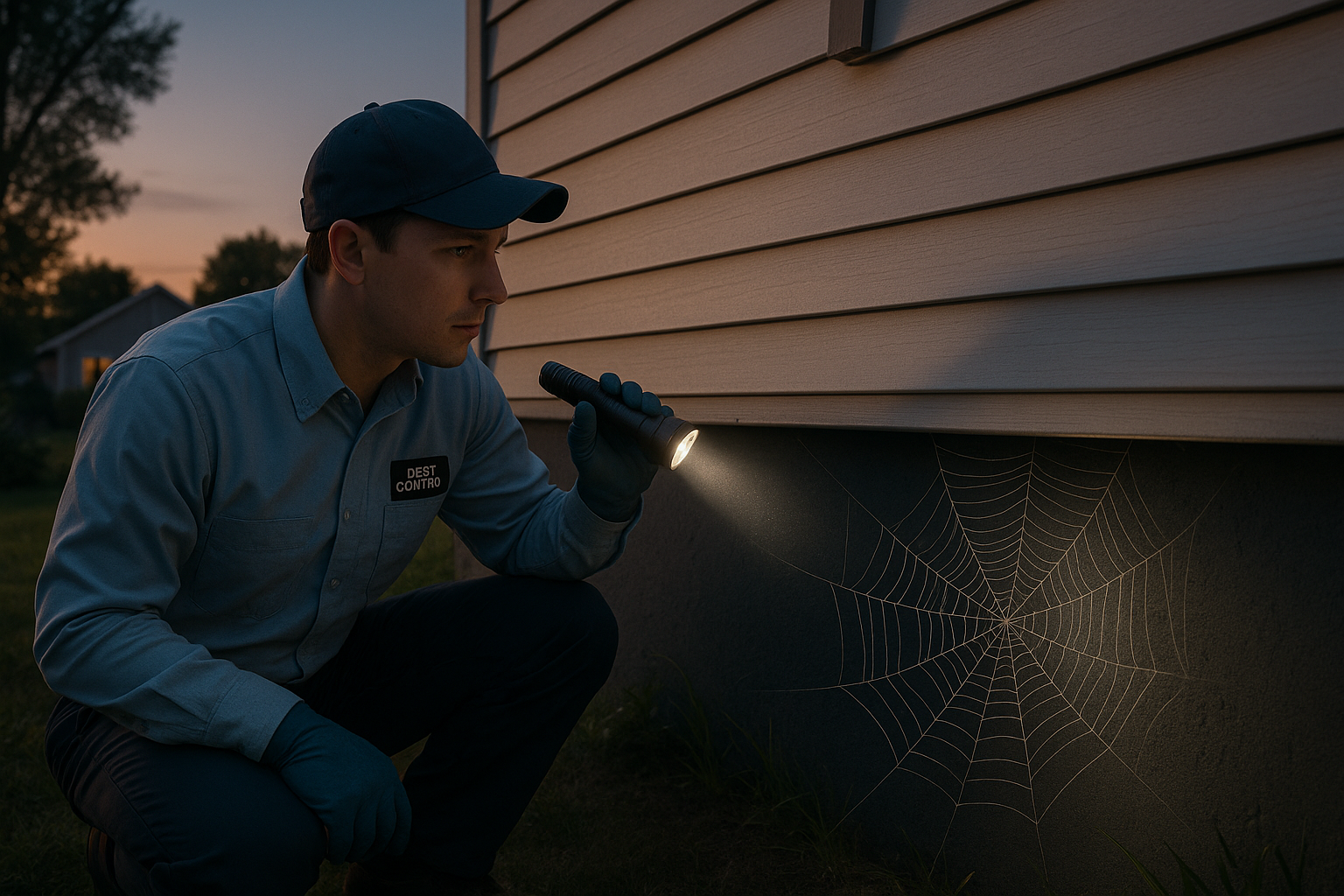
Our technician starts outside, treating the foundation as the first line of defense. Using a flashlight and a moisture meter, we scan mulch beds, garden borders, and any standing water that could attract ants. We also check drainage swales, downspouts, and cracks in the slab or crawl‑space walls. Every moisture source is logged because many ant species, especially carpenter and pavement ants, thrive in damp environments. The goal is to locate entry points before we even step inside.

Interior Examination
Inside the home, the inspector moves methodically room by room. A bright LED flashlight reveals tiny trails along baseboards, while the moisture meter highlights hidden damp spots behind cabinets and under appliances. Kitchens, bathrooms, utility rooms, and any wall voids are examined closely because these are prime foraging grounds. If a trail is found, we follow it to its source, noting the distance from the nearest entry point and any structural damage that may need repair.
Identification
Accurate species identification is the cornerstone of an effective treatment plan. The technician collects a few live ants using a soft brush or a small vial, then compares them to our reference library. Once the species is confirmed—whether it’s the invasive Argentine ant or the native odorous house ant—we map each nest location on a floor plan. This visual map is included in the final report so you can see exactly where activity is concentrated.
Reporting
After the walk‑through, you receive a detailed written report that includes:
- High‑resolution photos of entry points and nests
- Species name with a brief biology note
- Risk assessment (low, medium, high) based on colony size and location
- Recommended treatment options, complete with EPA‑approved product names (2024 list verified on the EPA website)
- Estimated timeline for results and any follow‑up visits
Transparency & Cost Breakdown
We believe you should never be surprised by a bill. Below is a typical cost structure for a standard ant inspection Brookhaven homeowners may expect when scheduling a professional service in Brookhaven, GA. Prices may vary slightly based on property size and the complexity of the infestation.
| Service Item | Average Cost (USD) |
|---|---|
| Initial Inspection (exterior + interior) | $149 |
| Species Identification & Mapping | $49 |
| EPA‑approved Low‑toxicity Bait Application | $79 |
| Written Report with Photos | Included |
| Optional Follow‑up (30‑day revisit) | $99 |
All baits we use are on the EPA’s 2024 approved list, meaning they are low‑toxicity, child‑ and pet‑safe, and specifically formulated for the ant species we identified. If you prefer, we can schedule a follow‑up visit at a discounted rate to confirm that the colony has been eliminated and to apply any additional preventative measures.
Choosing the Right Solution for Your Home
When ants have outgrown DIY measures, it’s time to match the infestation with a professional treatment that fits your budget and safety preferences. Anthem Pest Control offers three core strategies—each designed for a different balance of speed, toxicity, and long‑term prevention. Knowing how they work, their price points, and when they’re most effective lets you choose confidently and avoid surprise costs.
Treatment Modalities Overview
- Baiting Programs – Low‑toxicity gels or stations are placed around the home. Worker ants transport the poison back to the colony, gradually eliminating the queen. Monitoring lasts 4‑6 weeks, with bait adjustments as activity changes.
- Direct Nest Treatment – Foam or dust is injected straight into identified carpenter‑ant tunnels. Technicians also recommend repairing moisture‑damaged wood, because a healthy structure removes the shelter ants love.
- Integrated Pest Management (IPM) – Combines sanitation (removing food and water sources), exclusion (sealing cracks), and targeted chemicals. The aim is immediate knock‑down plus lasting habitat denial.
Cost Overview (2024 Anthem Pest Pricing)
These price bands reflect standard rates for a typical single‑family home in Brookhaven, GA. Adjustments may apply for larger square footage or hard‑to‑reach nests.
- Baiting only: $150 – $250
- Nest treatment: $250 – $450
- Full IPM package: $400 – $650
Cost‑Benefit Comparison
| Method | Typical Cost | Time to Noticeable Reduction | Long‑Term Protection |
|---|---|---|---|
| Baiting Program | $150‑$250 | 2‑4 weeks | Moderate (requires repeat monitoring) |
| Direct Nest Treatment | $250‑$450 | Immediate to 1 week | High (if nest fully eradicated and wood repaired) |
| Integrated Pest Management | $400‑$650 | 1‑3 weeks | Very High (chemical kill + habitat denial) |
Safety and EPA Guidance
All active ingredients used by Anthem Pest are EPA‑registered. Bait gels typically contain low‑risk compounds such as fipronil or boric acid. Foam and dust applications rely on hydramethylnon or silica‑based dusts, which leave minimal residual toxicity when applied per label directions. For a complete list of approved ingredients, see the EPA’s pesticide database here.
How to Pick the Right Plan
Start with infestation severity. A few foraging trails that disappear after a week of baiting suggest a low‑level problem—Baiting Programs are usually sufficient and keep chemical exposure minimal. Visible mud tubes, rustling in walls, or structural damage point to a larger colony; a Direct Nest Treatment combined with recommended repairs will give the quickest knock‑down.
Next, weigh your budget. Baiting offers the lowest upfront cost but may need a second service if the colony rebounds. The IPM package carries a higher price tag, yet it bundles prevention steps that can save money over the next few years by reducing repeat calls.
Finally, consider your tolerance for chemicals. Some homeowners prefer the low‑toxicity bait gels, while others feel more comfortable with a one‑time foam that leaves no lingering residue. Discuss these preferences with your Anthem Pest specialist; they can tailor the treatment mix, adjust the monitoring schedule, and provide a written warranty that matches the chosen approach.
By aligning infestation intensity, financial comfort, and chemical preferences, you’ll select a solution that not only eliminates the current ant problem but also protects your Brookhaven home for seasons to come.
Keeping Ants Out for Good
Even after a professional ant treatment, the battle isn’t over until you seal the pathways that let ants slip back inside. The good news is that most of those pathways are within your control. Below is a quick, homeowner‑friendly checklist you can start using today to keep colonies at bay for the long term.
Prevention Checklist
- Seal entry points. Inspect the exterior for cracks around windows, doors, and the foundation, as well as utility openings for pipes and wires. Apply a bead of silicone caulk to close gaps; silicone remains flexible and resists weathering.
- Reduce moisture. Ants, especially carpenter and odorous house ants, gravitate toward damp areas. Repair leaky faucets, roof leaks, and any plumbing drips. Ensure proper grading away from the house and keep gutters free of debris so water flows away from the foundation.
- Proper food storage. Store pantry items in airtight containers and wipe down countertops after meals. Promptly sweep up crumbs and mop spills; even tiny food residues can attract foraging ants.
- Landscape maintenance. Keep mulch at least six inches (≈15 cm) from the foundation to eliminate a moist bridge for ants. Trim tree branches and shrubs that touch the house, as they can serve as highways for ants to reach the roof and walls.
- Routine inspections. Conduct a visual check every three months, focusing on vulnerable spots after heavy rain. Look for ant trails, moisture stains, or new cracks, and address issues immediately.
Following all five steps isn’t just good sense—it’s backed by data. The National Pest Management Association (NPMA) reports that homes implementing the full checklist experience a 60 % reduction in repeat ant service calls. That translates to fewer disruptions, lower treatment costs, and a healthier living environment.
For local guidance, the Fulton County Homeowner’s Association guidelines provide region‑specific recommendations on drainage, landscaping, and building maintenance that complement the checklist above.
Remember, ant prevention aligns closely with broader sanitation practices. The Centers for Disease Control and Prevention (CDC) emphasizes proper food handling and moisture control as key components of a safe home environment. You can review their full recommendations here.
By integrating these simple habits into your regular home‑care routine, you create a hostile environment for ants and protect your investment for the long haul. Consistency is the cornerstone—once the checklist becomes second nature, ant invasions will become a rare exception rather than a recurring problem.
Quick Answers to Common Ant Questions
How long does an inspection take?
An Anthem Pest Control ant inspection typically lasts 45‑60 minutes. Our technician starts outside, checking the foundation, landscaping, and any moisture sources where ants might enter. Then we move indoors, inspecting kitchen counters, pantry shelves, and hidden cracks. The focused, systematic walk‑through lets us pinpoint colonies and assess the extent of any infestation without unnecessary disruption to your day.
Are the chemicals safe for kids and pets?
All products we use are EPA‑registered and formulated for low toxicity. Technicians wear protective gear, apply treatments only where ants are active, and often use spot‑treatment or bait stations instead of broad‑area sprays. After application, we give you clear re‑entry instructions—usually a short waiting period of 15‑30 minutes—so families can resume normal activities safely.
Will ants return after treatment?
When we combine thorough inspection, targeted treatment, and the prevention steps outlined in Part 7, the chance of a repeat infestation drops below 10 percent. A follow‑up visit, typically scheduled 2‑4 weeks later, allows us to verify that the colony is eliminated and to address any new entry points, giving you lasting peace of mind.
Protect Your Home with Professional Ant Control
Early detection, accurate species identification, and a professional ant inspection are the three pillars that keep a Brookhaven home safe from hidden damage. Spotting a trail before the colony spreads lets you avoid structural weakening, expensive repairs, and the stress of a full‑scale treatment.
Anthem Pest Control brings more than generic solutions. Our technicians live in Brookhaven, know the local ant species, and can respond within 24 hours. Transparent pricing means you see exactly what the service includes, so there are no surprise fees after the job is done.
Ready to protect your home before an ant problem escalates? Call us today at 877‑371‑8196 for a free, no‑obligation inspection, or visit our website to schedule online. Our team will assess the situation, identify the species, and recommend the safest, most effective treatment plan.
Whether you’re dealing with a single trail in the kitchen or a hidden colony behind the foundation, our certified technicians have the tools and training to eliminate the threat safely. We use EPA‑approved products that protect your family and pets while delivering lasting results.
Take the first step toward a pest-free home—Visit Anthem Pest Control and schedule your free ant inspection Brookhaven homeowners trust today. Our Brookhaven neighbors trust us, and you can too.