Introduction to House‑Fly Issues in Vinings

House flies (Musca domestica) thrive in warm, humid environments and are attracted to food scraps, pet waste, and any organic residue. Their rapid breeding cycle means a few eggs can become dozens of adults within days, turning a minor nuisance into a full‑blown annoyance. Beyond the irritation of constant buzzing, flies are vectors for bacteria such as Salmonella and E. coli, capable of contaminating meals, countertops, and even children’s toys. When a fly lands on a sandwich and then on a child’s hand, the risk of food‑borne illness spikes dramatically.
This guide is designed to give Vinings homeowners exactly what they need: transparent cost breakdowns for professional fly treatments, a clear look at the most effective control methods, and practical, low‑cost prevention steps you can start today. We’ll walk through why certain treatments work best for our local climate, how Anthem Pest Control prices its services without hidden fees, and which seasonal habits can keep flies at bay year‑round.
Stay with us as we dive deeper into data‑driven strategies, from targeted indoor sprays to exterior barrier treatments, and discover the simple habits that turn your home into a fly‑free zone. Keep reading for the detailed, actionable advice that will protect your family’s health and peace of mind.
What Makes the House Fly a Persistent Problem in Vinings?
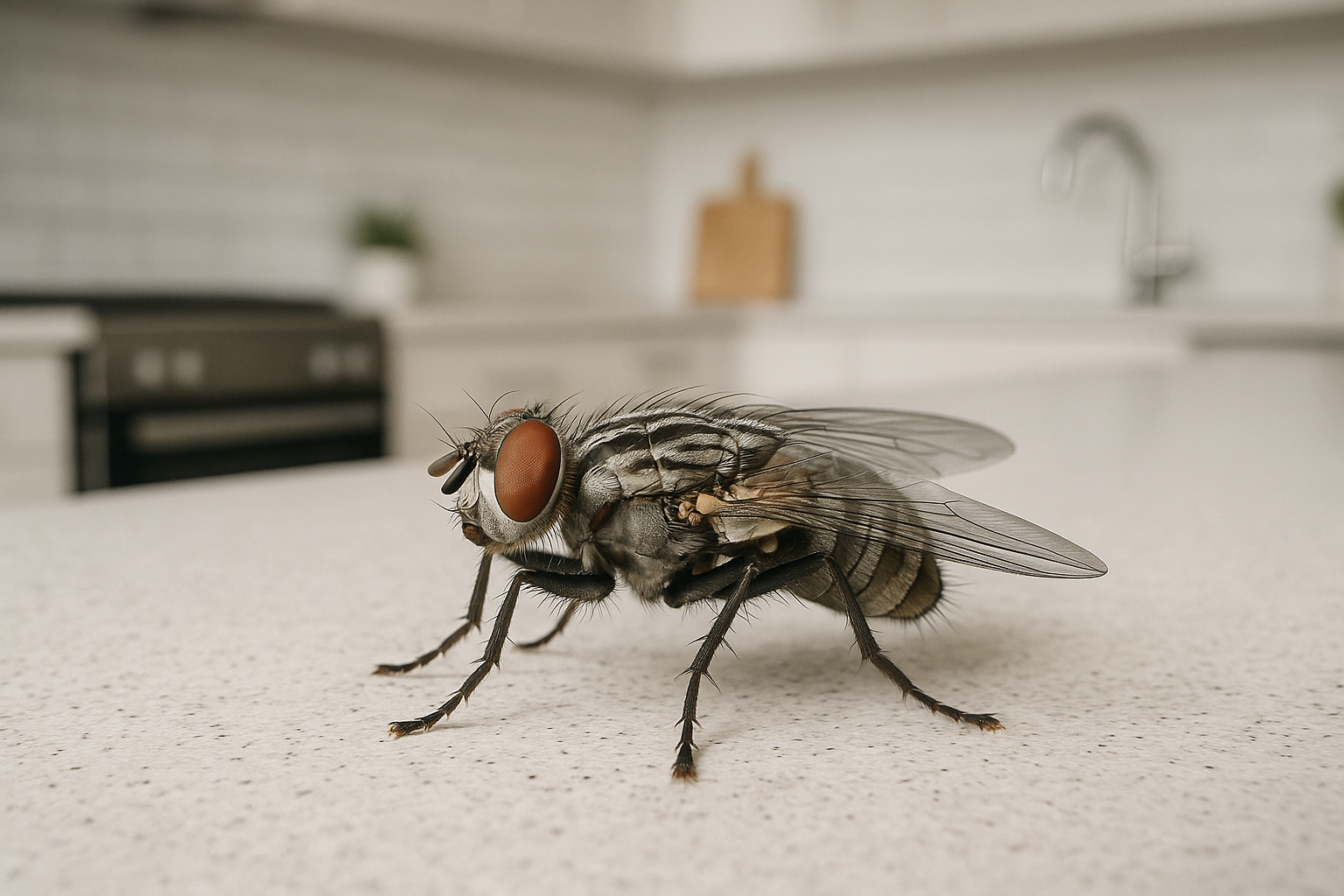
The house fly (Musca domestica) may seem like a simple nuisance, but its biology is a masterclass in rapid reproduction. A single female can lay up to 150 eggs in just a few days, and those eggs hatch into larvae—commonly called maggots—within 24 hours. The larvae feed on organic matter for about five days before spinning a protective puparium, where they transform into pupae. In as little as seven to ten days, a new adult emerges, ready to mate and start the cycle again. This speed means that under the right conditions, a handful of flies can become a full‑blown infestation in less than two weeks.
Prime Breeding Grounds Around the Home
In Vinings, the places where flies lay their eggs are everywhere a homeowner might overlook. Open trash cans, especially those without sealed lids, provide a moist, nutrient‑rich environment perfect for egg deposition. Pet waste left on lawns or in fenced areas acts as another hidden nursery, as does any standing water mixed with organic debris near outdoor dining spaces. Even compost piles that are not turned regularly can become a breeding hotspot. The key is that flies need a moist, decaying substrate to develop, and Vinings homes often have several of these micro‑habitats within a short radius of each other.
Climate That Fuels the Cycle
Vinings’ summer climate is practically a fly‑factory. The average July temperature hovers around 88 °F (31 °C) with humidity levels near 70 %. Warmth accelerates the metabolic rate of fly larvae, shortening the egg‑to‑adult timeline, while high humidity prevents the drying out of eggs and maggots. In such conditions, a single generation can reproduce in under a week, allowing multiple overlapping generations throughout the hot months. This rapid turnover is why flies seem to appear out of nowhere and multiply faster than most homeowners can keep up with.
Local Data Shows a Growing Threat
According to a 2023 Vinings Homeowners Association (HOA) survey, fly sightings surged by 22 % during the June‑July window compared with the previous year. Residents reported more frequent encounters around patios, garbage areas, and even indoor kitchens. The survey highlighted that neighborhoods with dense landscaping and frequent outdoor gatherings experienced the sharpest spikes, underscoring how human activity intertwines with the fly’s natural preferences.
When you combine the house fly’s lightning‑fast life cycle, the abundance of breeding sites typical of suburban homes, and a climate that keeps temperatures and humidity in the sweet spot for reproduction, the result is a persistent infestation risk. Homeowners who ignore even a few flies can quickly find their yards and kitchens overrun, leading to unsanitary conditions and the need for professional intervention. Understanding these factors is the first step toward breaking the cycle before it becomes a full‑scale problem.
Why House Flies Matter: Health & Cost Implications
House flies may seem harmless as they buzz around your kitchen, but they are efficient disease vectors that can turn a simple meal into a health hazard. When a fly lands on garbage, animal waste, or a contaminated surface, it picks up bacteria on its legs and body hairs, then deposits those microbes onto food, utensils, and countertops. The CDC reports that 1 in 5 food‑borne illnesses in the United States can be traced back to insects like house flies, underscoring how quickly an infestation can affect the health of an entire household.
Disease transmission risks
- E. coli – causes severe gastrointestinal distress and can lead to kidney failure in extreme cases.
- Salmonella – responsible for fever, cramps, and diarrhea, especially dangerous for children and the elderly.
- Shigella – spreads rapidly in crowded environments and can result in bloody diarrhea and dehydration.
Beyond the immediate health threat, flies impose a staggering economic burden on the food industry. The EPA estimates that flies cost U.S. food producers and retailers roughly $1.2 billion each year in lost product, increased sanitation, and regulatory penalties (EPA source).
Local impact in Vinings
In 2022, a popular restaurant in Vinings received a health‑department citation after inspectors discovered a dense fly population in the dining area. The violation resulted in a $1,200 fine and forced the establishment to shut down for three days while a professional exterminator performed emergency treatments. For homeowners, a similar scenario can mean unexpected expenses for deep cleaning, pest‑control services, and even temporary relocation.
Hidden costs you might overlook
Fly infestations also erode property values. Prospective buyers often view visible pest problems as a red flag, lowering offers by up to 5 % in some markets. Additionally, routine cleaning costs rise sharply when you must disinfect surfaces multiple times a day, replace contaminated linens, and maintain extra waste‑management supplies.
Understanding both the health risks and the financial fallout helps you see why swift, professional fly control isn’t a luxury—it’s a necessary investment in your family’s well‑being and your home’s long‑term value.
Spotting the Signs: How to Identify a House‑Fly Infestation
House flies may seem harmless until they multiply and start disrupting daily life. The fastest way to know you’re dealing with an infestation is to look for a combination of visual and behavioral clues. Use the checklist below to confirm what you’re seeing before you call a professional.
Visual Indicators
- Swarms of flies gathering near doors, windows, or trash cans.
- Fly droppings – tiny dark specks that appear on countertops, light fixtures, or walls.
- Maggots in garbage, pet waste, or rotting organic material.
- Foul, decaying odors especially around outdoor bins or compost piles.
Behavioral Clues
- Flies lingering on food‑prep surfaces, cutting boards, or dishes.
- Increased activity near entry points – doors, windows, and screened porches.
- Flies repeatedly returning to the same spot, indicating a nearby breeding site.
Neighborhood Focus
Homes located near high‑traffic areas such as Cumberland Mall or the Vinings Bridge often experience higher waste accumulation, which can create ideal breeding grounds. If you notice the signs listed above and live in these zones, the likelihood of an infestation rises sharply.
Quick Self‑Assessment Steps
- Inspect all trash containers for fly activity and maggots; empty and clean any that show signs.
- Check kitchen and dining areas for droppings or flies hovering over food.
- Observe outdoor spaces for swarms around dumpsters, pet waste, or compost.
- Note the frequency of flies entering through doors or windows during peak daylight hours.
- If you encounter three or more of these indicators, it’s time to schedule a professional evaluation.
Identifying these signs early helps you act before the problem escalates. When you’re ready, Anthem Pest Control offers safe, effective treatments tailored to Vinings homes, ensuring a fly‑free environment for you and your family.
Effective Treatment Strategies for Vinings Homeowners
House flies thrive in warm, humid environments like Vinings, and a one‑size‑fits‑all approach rarely works. By understanding the three primary treatment modalities—chemical residual sprays, bait stations & fly traps, and Integrated Pest Management (IPM)—you can choose the right mix for your home, budget, and comfort level. Below we break down each method, highlight best‑practice tips, and compare cost, duration, and effectiveness.
Chemical Residual Sprays
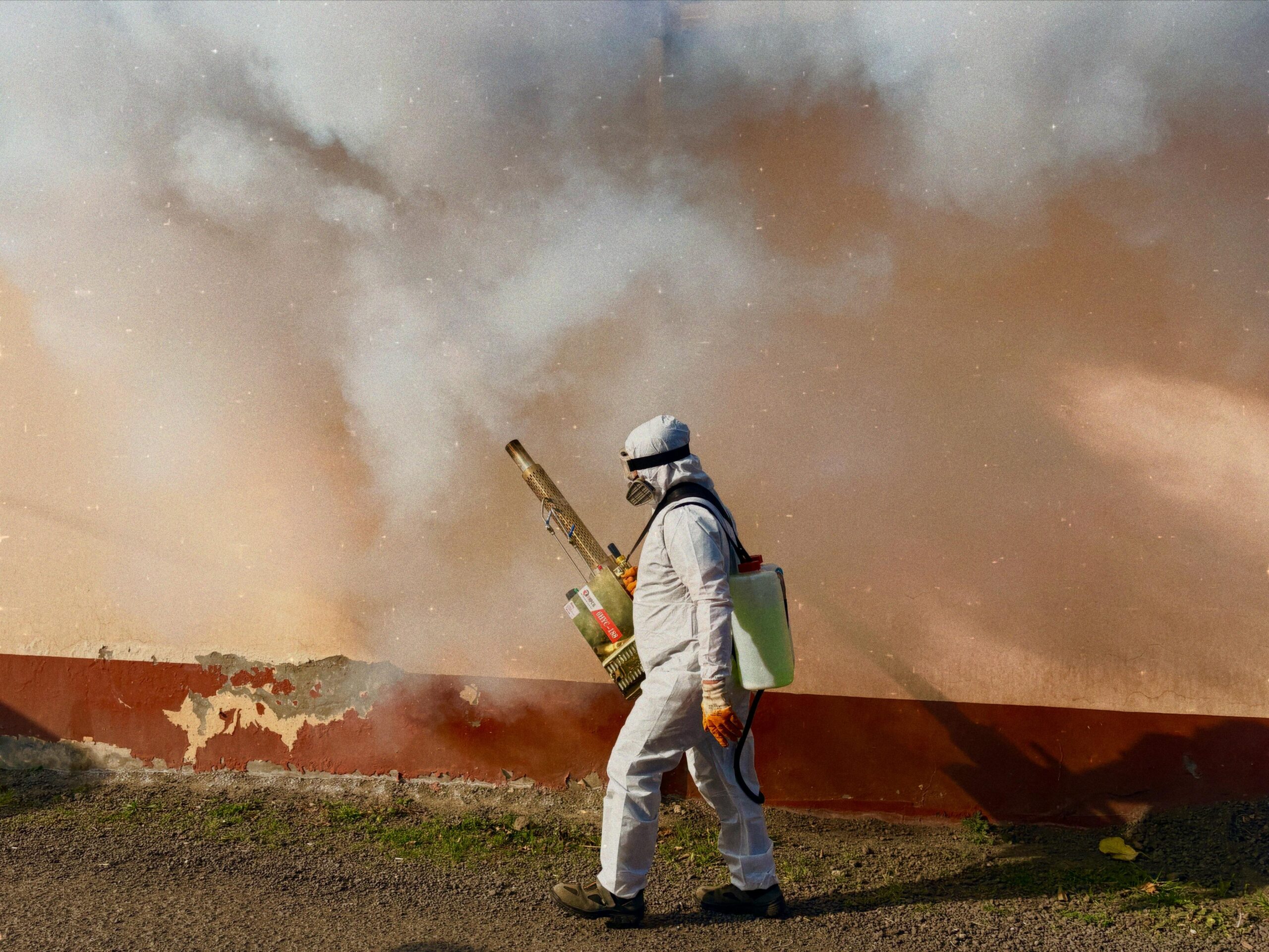
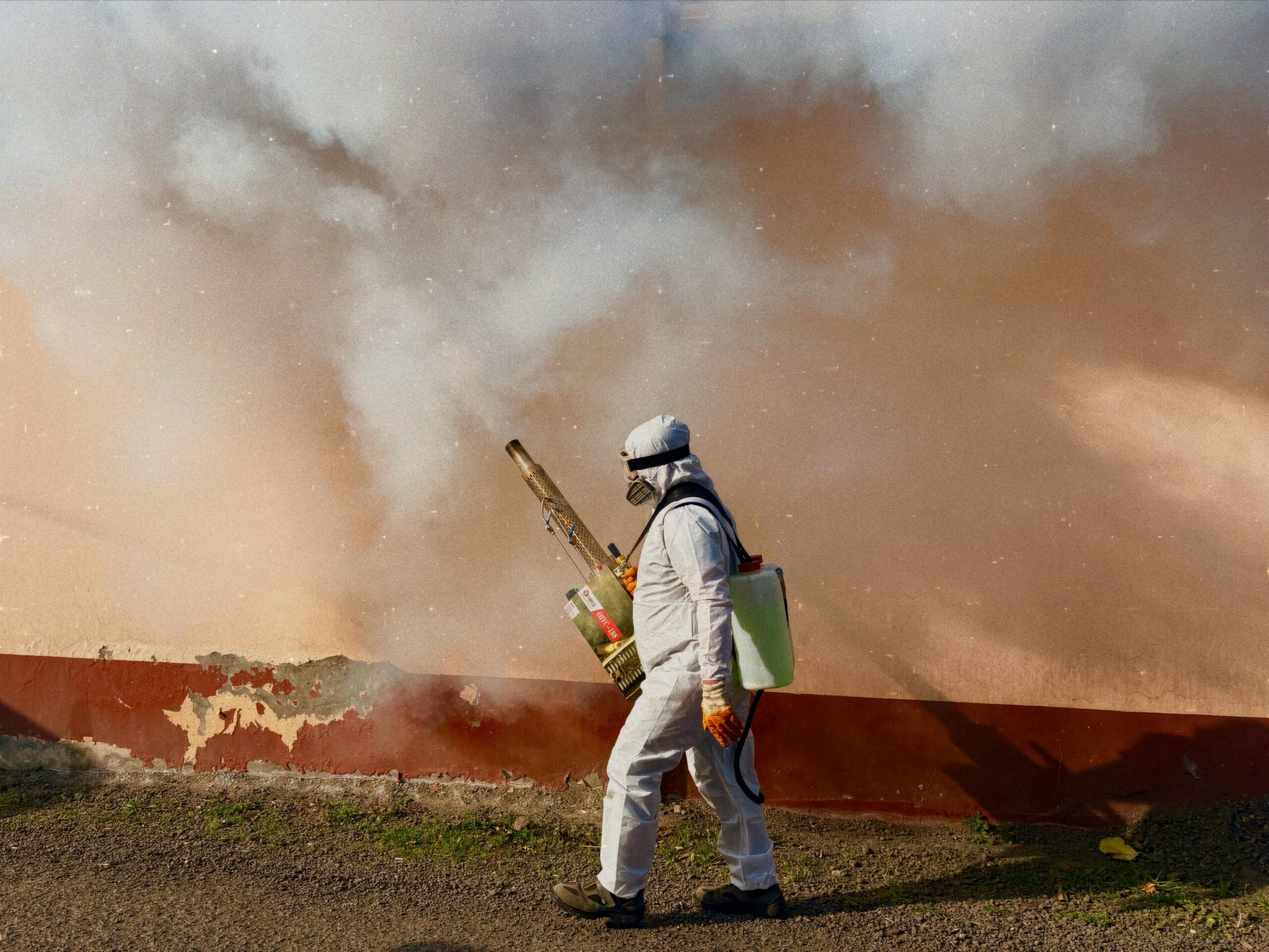
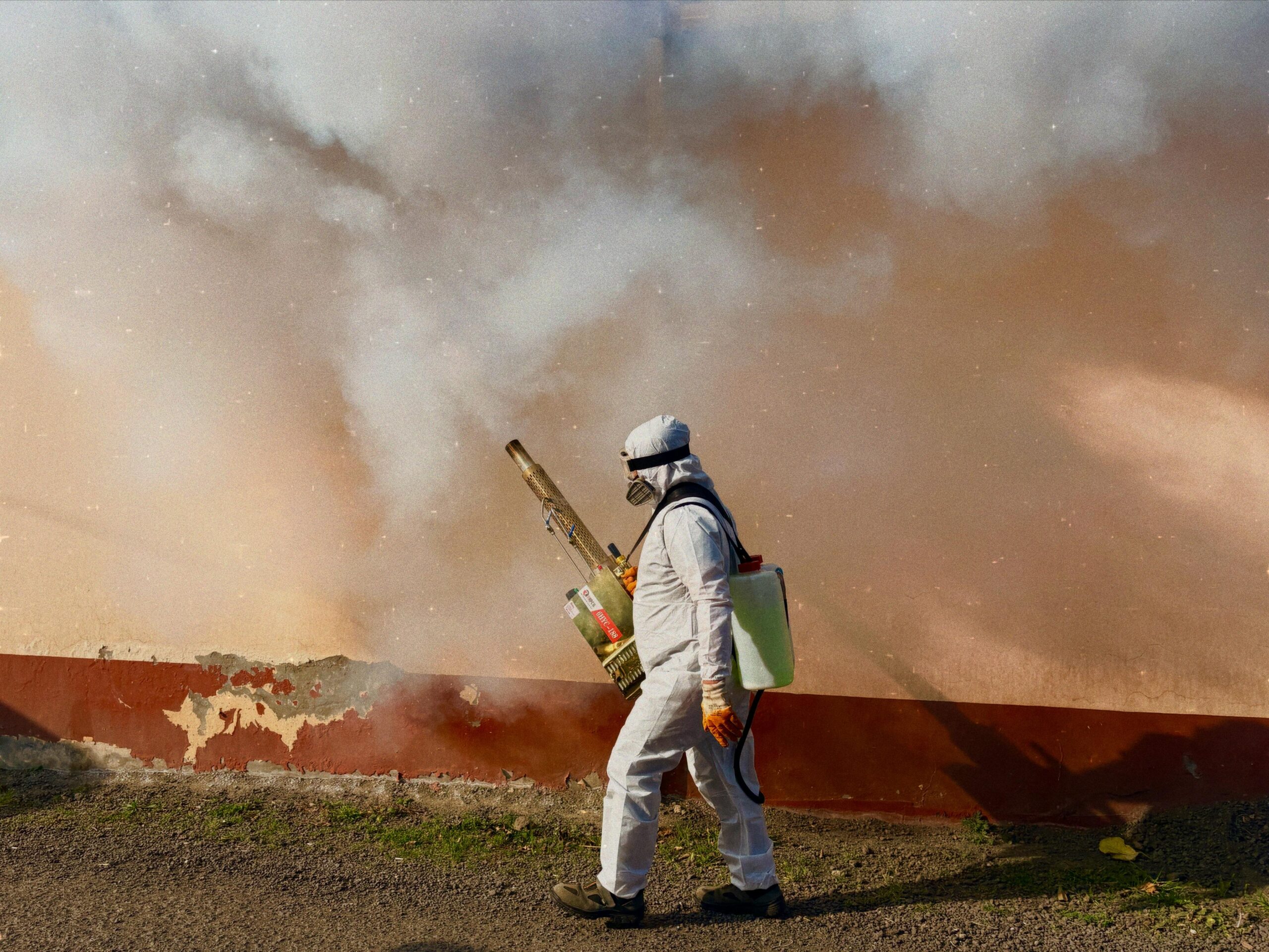
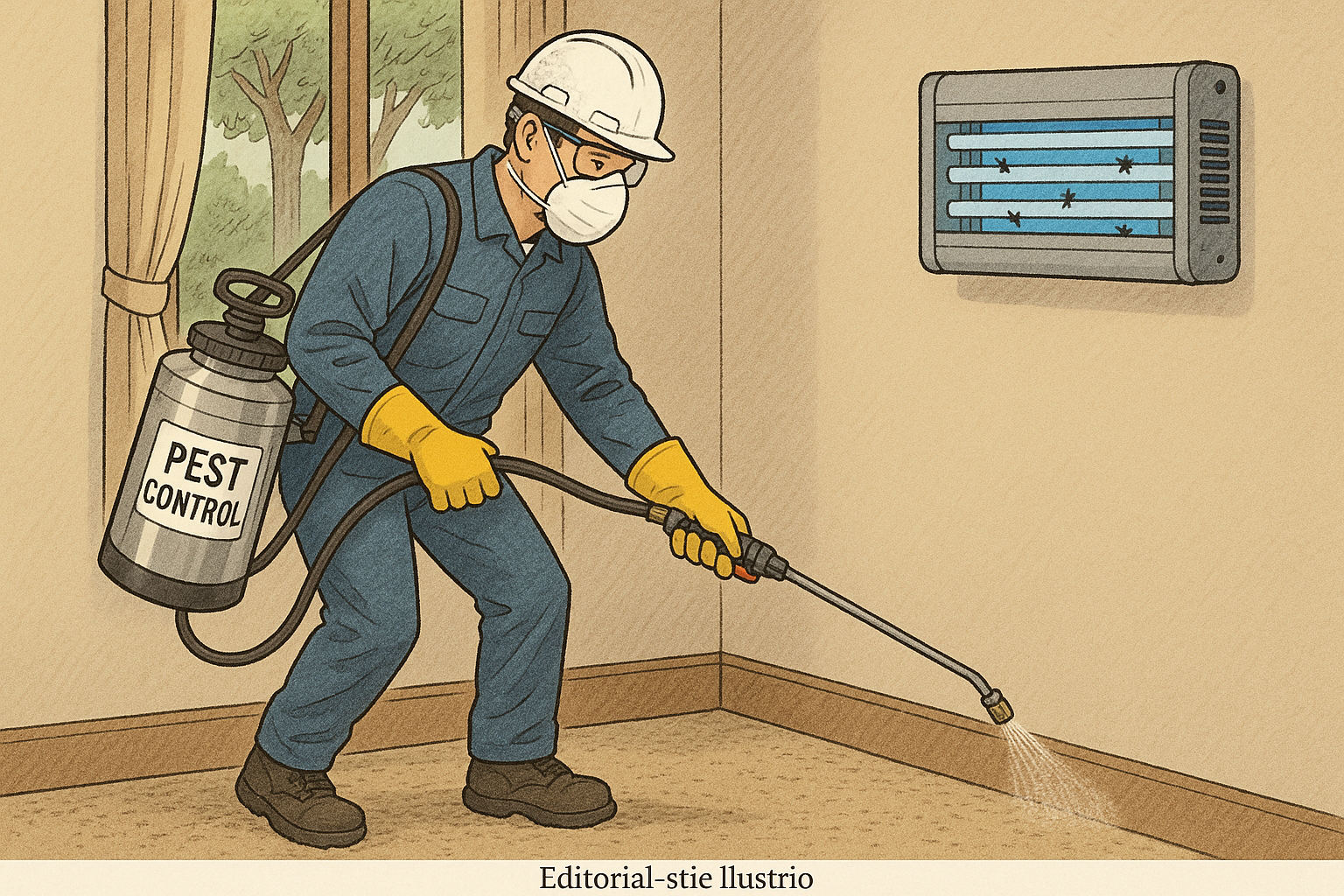
EPA‑registered residual sprays remain the backbone of professional fly control. Products such as bifenthrin, permethrin, and cypermethrin are formulated to leave a thin, invisible film on treated surfaces, killing flies on contact for weeks.
- Recommended frequency: Apply every 2–4 weeks during peak fly season (April – October). In milder months, a quarterly schedule often suffices.
- Safety precautions:
- Keep children and pets away from treated zones for at least 30 minutes.
- Ventilate interior spaces by opening windows and doors after application.
- Store leftover product in its original container, out of reach of non‑professional users.
- Target areas: Door and window frames, exterior walls, eaves, and any outdoor furniture where flies rest.
When applied by a licensed technician, residual sprays provide a reliable barrier while complying with EPA safety standards, giving homeowners peace of mind.
Bait Stations & Fly Traps
Bait stations and mechanical traps work hand‑in‑hand with chemicals, offering a non‑spray option that’s especially appealing for families with young children or sensitive pets.
- Optimal placement: Position bait stations within 3 feet of high‑traffic entry points—front and back doors, garage openings, and trash collection zones. Hang sticky traps near indoor lights where flies congregate.
- Brand examples: Safer Brand Fly Bait (EPA‑approved) and Dynatrax Fly‑Catchers are proven to attract and eliminate adult flies without exposing occupants to residues.
- Maintenance schedule: Inspect stations weekly; replace bait cartridges every 2–3 weeks and swap out sticky traps when they’re 80 % covered with flies.
These devices reduce the overall fly population while providing visible proof of progress, which many homeowners find reassuring.
Integrated Pest Management (IPM)
IPM blends cultural, mechanical, and biological tactics to keep flies out for the long term. Rather than relying solely on chemicals, IPM focuses on removing what attracts flies in the first place.
- Sanitation practices: Promptly clean food spills, keep garbage cans sealed with tight‑fit lids, and wash down outdoor patios after meals.
- Exclusion techniques: Install fine‑mesh screens on vents, seal cracks around windows and doors with caulk, and use door sweeps to block entry points.
- Biological controls: Release parasitic wasps (e.g., Spalangia endius) that target fly larvae in compost piles and pet waste areas. These wasps are harmless to humans and pets.
When executed consistently, IPM reduces the need for frequent chemical applications, lowers overall costs, and aligns with Anthem Pest Control’s commitment to safe, sustainable solutions.
Comparison of Treatment Modalities
| Method | Approx. Cost per Treatment | Duration of Control | Effectiveness Rating |
|---|---|---|---|
| Chemical Residual Sprays | $80 – $120 | 2–4 weeks (re‑apply as needed) | High |
| Bait Stations & Fly Traps | $40 – $70 (initial set‑up) | 1–3 weeks per bait cartridge | Medium‑High |
| Integrated Pest Management (IPM) | $100 – $150 (initial assessment & implementation) | Ongoing (maintenance reduces re‑treatment) | High (when fully executed) |
Choosing the right mix depends on your home’s specific challenges. A typical Vinings homeowner might start with a professional residual spray for immediate knock‑down, supplement it with strategically placed bait stations, and then adopt IPM practices to keep the fly population suppressed year after year.
What Will It Cost? Detailed Pricing for House‑Fly Control in Vinings
When it comes to keeping house flies at bay, knowing exactly what you’ll pay helps you plan confidently. Below is a clear breakdown of the most common service options Anthem Pest offers to Vinings homeowners, along with the factors that can shift the final price.
- One‑time residual spray: $120‑$180 per 1,500 sq ft. This treatment creates a protective barrier that lasts up to four weeks, ideal for a sudden surge of flies.
- Quarterly Integrated Pest Management (IPM) package: $350‑$450 per year. The package includes four seasonal visits, continuous monitoring, and adjustments to keep fly populations low year‑round.
- Bait station installation: $80‑$130 per unit. Bait stations are placed in high‑traffic areas and refreshed as needed, providing a targeted, low‑maintenance solution.
While these ranges give you a solid starting point, the exact quote can vary based on several key variables:
- Property size – Larger homes or extensive outdoor spaces require more product and labor, nudging the price upward.
- Infestation severity – A light presence may be handled with a single spray, whereas a heavy outbreak could need multiple treatments and additional bait stations.
- Chosen treatment method – Some homeowners prefer the quick knock‑down of a residual spray, while others opt for the long‑term protection of an IPM plan.
- Frequency of service – One‑off treatments are cheaper up front, but regular quarterly visits often deliver better overall value by preventing re‑infestations.
Anthem Pest prides itself on a transparent quote system, so you’ll always know what you’re paying for before any work begins. For the most up‑to‑date pricing details, visit the Anthem Pest House‑Fly Control page and request a free, no‑obligation estimate.
Remember, prices can fluctuate with seasonal demand and local regulations, so it’s wise to verify the current rates when you’re ready to schedule service. By understanding the cost components and choosing the right plan for your home, you can keep house flies under control without breaking the bank.
Seasonal & Daily Practices to Keep Flies Away
Summer‑time Fly‑Proofing
Next, inspect screen doors and windows. Even a tiny tear can become a highway for flies, so repair or replace damaged screens and consider adding magnetic closures for extra security. Finally, keep outdoor dining areas tidy: wipe down tables after meals, store food in sealed containers, and use fans to create a breeze that discourages flies from landing. A simple outdoor fan can drop the temperature around the eating area, making it less inviting for these pests.
Fall‑time Maintenance
As temperatures dip, flies seek out the last pockets of moisture to survive. Begin by eliminating standing water in gutters—clear leaves and debris so rainwater drains away instead of pooling. Store or cover outdoor furniture; flies often hide in the crevices of unused chairs and tables, and a protective cover prevents them from nesting.
Don’t forget vent screens. Autumn storms can blow debris onto vents, creating a perfect shelter. Remove the screens, give them a thorough rinse, and reinstall them dry. A clean vent system reduces the chance that flies will nest inside your home during the cooler months, and it also improves overall indoor air quality.
Neighborhood‑Specific Advice for Vinings Creek Residents
If you live near Vinings Creek, you’re likely to encounter stagnant water in low‑lying areas. Treat these spots with an EPA‑approved larvicide — a safe, targeted solution that stops fly larvae before they emerge as adults. Apply the product according to label directions, typically every 7‑10 days during the peak breeding season, and re‑treat after heavy rains. In addition, trim overgrown vegetation along the creek’s edge to improve water flow and reduce the amount of standing water that can become a breeding hotspot.
Year‑Round Daily Habits
Beyond seasonal tasks, a few everyday habits keep flies at bay all year. Wipe down kitchen counters after each use, keep doors closed when possible, and use door sweeps to block entry points. Regularly inspect and clean pet feeding stations, and dispose of any food scraps immediately.
Printable Fly‑Prevention Checklist
Print this list and hang it on your fridge or in your garage for a quick daily reminder.
- ☐ Seal trash cans with tight lids; empty daily
- ☐ Scoop pet waste each morning
- ☐ Cover or store compost bins securely
- ☐ Repair torn screen doors/windows
- ☐ Use fans in outdoor dining areas
- ☐ Clean gutters of leaves and debris
- ☐ Store or cover outdoor furniture
- ☐ Wash vent screens and reinstall dry
- ☐ Apply EPA‑approved larvicide to stagnant water near Vinings Creek
- ☐ Re‑treat larvicide after heavy rain
- ☐ Trim vegetation along creek edges to improve drainage
- ☐ Keep kitchen counters wiped clean and doors closed when possible
Local Expertise Meets Nationwide Standards
When Vinings homeowners call for house‑fly relief, they deserve a partner that blends local know‑how with the rigor of a national leader. Anthem Pest Control brings that exact combination, backed by industry‑recognized credentials and a service promise you can count on.
Certified to Protect Your Home
- National Pest Management Association (NPMA) member – ensures we follow the latest best practices and ethical standards across the United States.
- EPA‑registered applicators – all technicians are licensed to use approved chemicals safely and effectively, meeting strict federal guidelines.
Service Highlights That Set Us Apart
- 24‑hour response time for Vinings callers – we know flies breed fast, so we’re on the phone and on the road within a day.
- Satisfaction guarantee – if the flies return within the treatment window, we’ll re‑treat at no extra cost.
- Eco‑friendly treatment options – low‑impact formulas protect your family, pets, and the surrounding environment while eliminating pests.
Ready to reclaim your porch, kitchen, and backyard? Call us now at 877‑371‑8196 or visit our Vinings service page to schedule a same‑day inspection.
“Anthem Pest arrived within hours, treated our home with a green solution, and the flies were gone by the next morning. Five stars for speed and professionalism!” – Emily R., Vinings, GA
Frequently Asked Questions About House‑Fly Control
How quickly will flies disappear after treatment?
Most homeowners see a noticeable drop in flying activity within 24‑48 hours of a professional application. Residual sprays continue to work for 2‑3 weeks, targeting any new entrants that hatch from eggs left behind. When we pair chemical treatment with an Integrated Pest Management (IPM) plan—such as sealing entry points and removing breeding sites—fly populations can stay suppressed for the entire season.
Are the chemicals safe for children and pets?
All products we use are EPA‑registered and approved for residential use. When applied according to label directions, they pose minimal risk to humans and animals. We always advise keeping children, pets, and livestock away from treated areas for the recommended re‑entry time (usually 30 minutes to an hour). Proper ventilation and thorough cleaning of any food‑prep surfaces further reduce exposure.
Can I handle a DIY approach before calling a pro?
DIY traps, fly baits, and over‑the‑counter sprays can provide short‑term relief, but they rarely address the root cause. Consider a DIY approach if you have a minor, isolated infestation and want to buy time. However, professional treatment is advisable when:
- Flies persist after several weeks of DIY efforts.
- You notice breeding sites like uncovered garbage, pet waste, or standing water.
- Sensitive family members (children, seniors, pets) require the safest possible chemicals.
In these cases, a licensed technician can deliver a targeted, long‑lasting solution while ensuring safety and compliance with local regulations.
Take the Next Step for Fly‑Free Living in Vinings
We’ve walked through how to spot a house fly infestation—recognizing the tell‑tale buzzing, clusters near garbage, and the tell‑tale brown‑black spots on walls. You now know the three main treatment paths: DIY sprays for a quick knock‑down, professional residual sprays that keep flies at bay for weeks, and integrated pest‑management plans that combine sanitation, exclusion, and targeted chemicals.
Anthem makes the cost conversation simple. Our transparent pricing breaks down labor, product, and follow‑up visits so you never face hidden fees. Plus, we share a seasonal checklist of prevention tips—tighten window screens, manage waste, and eliminate standing water—to keep flies from returning. Regularly cleaning pet dishes and promptly disposing of overripe fruit also cuts down attractants.
Choosing Anthem means a locally‑trained team that respects your home, uses EPA‑approved products, and guarantees results you can see. We’re committed to clear communication, safety, and affordability.