Why Fast Centipede Removal Matters in Dunwoody
When the humid summer months roll in across the Atlanta metro, Dunwoody’s lush lawns and shaded basements become a magnet for centipedes. The combination of warm temperatures, high humidity, and abundant organic debris creates an ideal breeding ground, prompting a noticeable spike in sightings each year. As these conditions attract more pests indoors, many homeowners begin searching for a reliable centipede exterminator Dunwoody residents trust to quickly control infestations and protect their homes.
What the Numbers Say
According to the 2024 EPA Urban Pest Report, centipede complaints in the Atlanta metropolitan area rose by 27 % compared to 2023. The Georgia Department of Agriculture’s 2024 Pest Complaint Survey mirrors this trend, recording 1,842 centipede-related service calls from Fulton County alone—up from 1,447 the previous year. Dunwoody accounted for roughly 18 % of those calls, making it one of the hotspots in the region.
Why Speed Is Critical
Centipedes are not just a fleeting nuisance; they can quickly become a household concern. Their rapid reproduction cycle means that a few individuals spotted in a crawl space can multiply into a sizable infestation within weeks. Prompt action limits their ability to establish nesting sites and reduces the risk of widespread colonization.
Potential Impacts on Your Home
- Structural damage: While centipedes don’t chew wood, they can infiltrate insulation, wiring conduits, and ventilation ducts, creating blockages that affect energy efficiency.
- Discomfort and fear: Their swift, darting movements and numerous legs can trigger anxiety, especially for families with children or pets.
- Health concerns: Some species possess a mild venom that may cause localized skin irritation or allergic reactions in sensitive individuals.
Protecting Property Value and Well‑Being
Homeowners in Dunwoody who address centipede activity early safeguard more than just peace of mind—they protect their property’s market value. Real‑estate assessments often note pest‑related issues as red flags, potentially lowering appraisals. By eliminating centipedes before they become entrenched, you maintain a clean, well‑maintained home that appeals to buyers and renters alike.
Beyond the Immediate Threat
Fast removal also curtails secondary problems. Centipedes are opportunistic predators; a thriving population can indicate an underlying surge of other insects—such as silverfish or cockroaches—that serve as their food source. Treating the centipede issue promptly often uncovers and resolves these hidden infestations, delivering a more comprehensive pest‑management solution.
Setting the Stage for Deeper Understanding
Now that we’ve highlighted the urgency, the next section will dive into the biology of centipedes themselves: their life cycle, preferred habitats, and why they’re drawn to Dunwoody homes. Understanding the enemy is the first step toward a targeted, effective extermination plan that keeps your family safe and your home pest‑free.
Centipedes 101 – Species, Habits, and Risks
Common Species in Dunwoody
In the suburbs of Dunwoody, two centipede species show up most often in homes. The first, Scolopendra morsitans, is a smaller cousin of the notorious giant centipedes you might see in tropical exhibits. It typically measures 2‑3 inches long, sports a reddish‑brown body, and carries 21 pairs of legs that give it a rapid, “crawling” look.
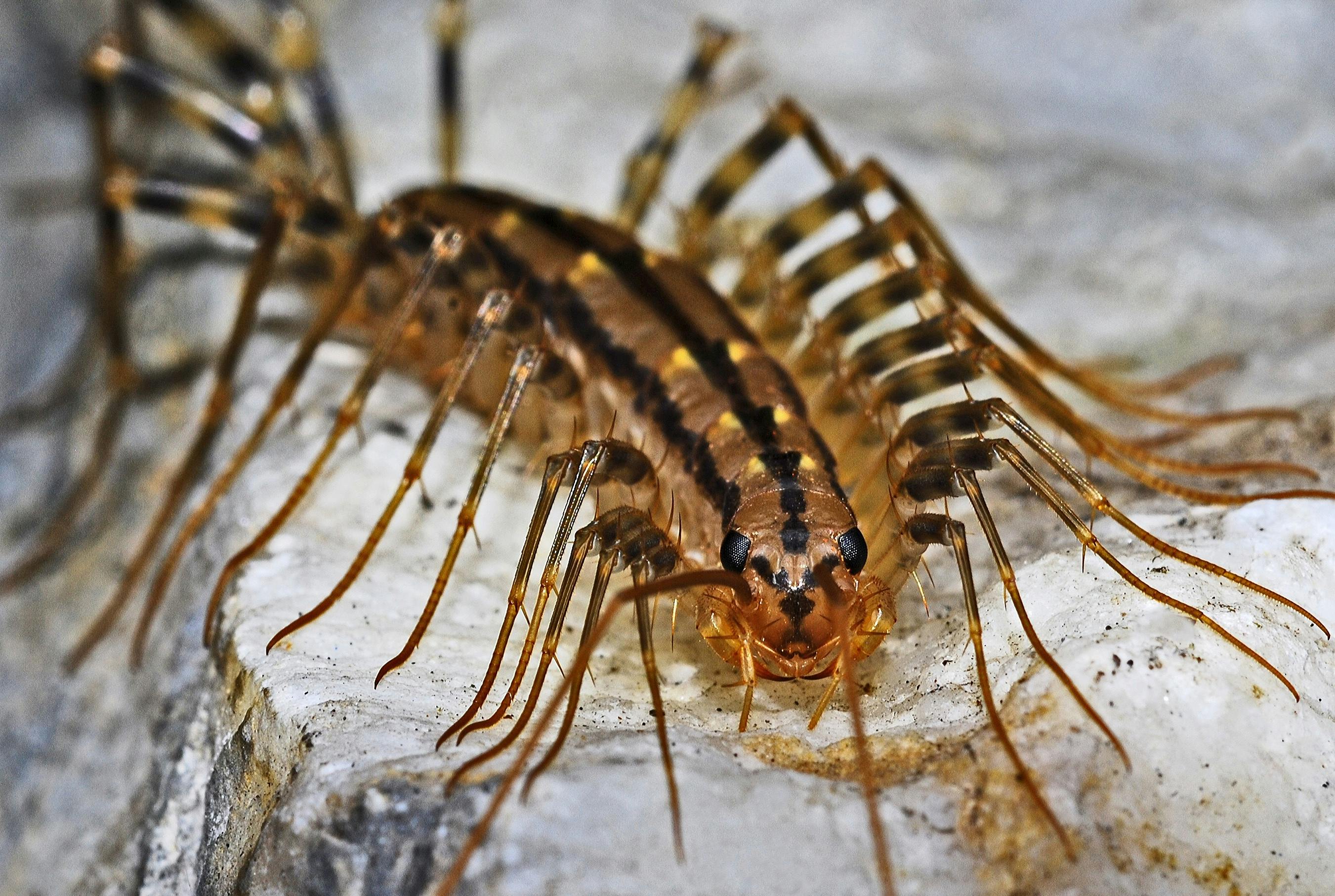
The second resident is the house centipede, Scutigera coleoptrata. This species is easily recognized by its long, slender, yellow‑gray body topped with three distinct dark bands. Its most striking feature is the 15 pairs of long, delicate legs that fan out from the front of the thorax, making it look almost like a tiny, multi‑armed dancer.
| Species | Typical Length | Coloration | Leg Pairs |
|---|---|---|---|
| Scolopendra morsitans | 2‑3 in (5‑7 cm) | Reddish‑brown | 21 |
| Scutigera coleoptrata | 1‑2 in (2.5‑5 cm) | Yellow‑gray with three dark bands | 15 |
Why Centipedes Matter in Suburban Georgia
According to the 2023 NPMA survey, “Centipedes rank in the top 5 indoor arthropods reported in the Southeast.” That statistic isn’t just a number—it reflects the frequency with which homeowners in neighborhoods like Brookhaven and Peachtree Corners discover these arthropods scuttling across tile or bathroom walls.
While most centipedes are harmless to humans, their presence signals excess moisture and hidden cracks—conditions that also attract termites, carpenter ants, and mold. In a region where humidity spikes in summer, a single centipede sighting can be an early warning that your home’s envelope is letting in more water than it should.
Typical Indoor Habitats
Centipedes thrive in environments that stay damp and cool. Basements are prime real estate because they often have concrete floors that retain moisture and limited airflow. Bathrooms, especially those with leaky faucets or poor ventilation, provide the slick surfaces centipedes love for hunting their prey—spiders, silverfish, and other tiny insects.
Crawl spaces are another hotspot. If your home’s foundation has gaps or if a sump pump isn’t working properly, the resulting dampness creates a perfect breeding ground. In these hidden zones, centipedes can multiply unnoticed until they venture out during a night‑time visit.
Seasonal Behavior Patterns
Centipedes in Georgia are most active from late spring through early fall, when outdoor humidity is high and indoor cooling systems draw cool, moist air inside. During the cooler winter months, they tend to retreat deeper into the soil or into the most insulated parts of your home, emerging again when temperatures rise.
Understanding these seasonal shifts helps you time preventative measures—like sealing cracks, fixing leaks, and using dehumidifiers—so you stay ahead of the infestation before the centipedes decide to set up shop.
Health Risks and the Need for Prompt Action
When a centipede decides to explore your bedroom, the encounter can be more than a fleeting shock. A bite typically feels like a sharp, electric sting that peaks within seconds. The puncture site often swells, turns red, and may develop a small blister. While most healthy adults experience only localized pain, the reaction can intensify for those with sensitive skin or a predisposition to allergies. In rare cases, an allergic response—characterized by hives, difficulty breathing, or rapid heartbeat—requires immediate medical attention.
For authoritative guidance on managing arthropod bites, the Centers for Disease Control and Prevention (CDC) recommends cleaning the area, applying a cold compress, and monitoring for signs of infection or allergic reaction. You can review their full recommendations here: CDC: Arthropod Bite Prevention and Care.
Psychological Impact of Unwanted Guests
Beyond the physical discomfort, a centipede bite can trigger lingering anxiety. Homeowners often report sleepless nights, heightened vigilance, and an overall feeling of unease when they suspect insects are sharing their living space. This stress magnifies in households with children or pets, who are especially vulnerable to both bites and the fear of creepy‑crawlies.
“It was 2 a.m. when I felt a sudden sting on my ankle. I woke up to find a tiny centipede scurrying across the floor. The pain was sharp, and the swelling made me worry about an allergic reaction. I spent the rest of the night checking every corner of the house, unable to fall back asleep. The next day, my kids asked if the ‘monster’ was still there, and I realized how much the incident had shaken our sense of safety.”
This short anecdote illustrates how a single bite can ripple into a broader sense of insecurity, prompting unnecessary stress for the entire family.
Why Prompt Action Matters
Delaying treatment doesn’t just prolong discomfort; it can open the door to a larger infestation. Centipedes are opportunistic predators that thrive in damp, cluttered environments. An untreated bite often signals that the underlying conditions—moisture, cracks, or food sources—remain unaddressed. As the centipede population expands, the likelihood of additional bites rises, creating a feedback loop of physical and psychological distress.
Acting quickly allows you to:
- Reduce swelling and prevent infection with proper wound care.
- Identify and seal entry points, cutting off the pests’ access to your home.
- Implement moisture‑control measures that make the environment inhospitable to centipedes.
- Restore peace of mind for you, your children, and your pets.
At Anthem Pest Control, we understand that a centipede bite is more than a nuisance—it’s a signal that your home needs professional attention. Our fast, safe, and affordable extermination services target the source of the problem, helping you regain control and confidence in your living space.
Anthem Pest’s Inspection and Identification Process
When a centipede shows up in your Dunwoody home, the first thing we do isn’t reach for a spray bottle—it’s a systematic, data‑driven inspection that tells us exactly where the problem lives and why. Our certified technicians follow a protocol that turns a dark, hidden infestation into a clear, treatable picture.
Night‑time visual scan with high‑lumens flashlights
Centipedes are nocturnal hunters, so the most reliable way to spot them is after the lights go out. Our team equips each service vehicle with high‑lumens, waterproof flashlights that cut through the darkness like a spotlight on a stage. While you’re sleeping, we walk the perimeter of each room, focusing on corners, under appliances, and along baseboards. The intense beam reveals any active centipedes scurrying across the floor, allowing us to map hot‑spot activity before they hide again.
Moisture meters to locate high‑humidity zones
Centipedes thrive in damp environments, so moisture is the hidden clue that guides our next moves. Using calibrated digital moisture meters, we measure the relative humidity of walls, floors, and crawl spaces. Readings above 60 % flag areas where water intrusion or poor ventilation is feeding the infestation. By pinpointing these zones, we can recommend both treatment and long‑term moisture control, preventing future invasions.
Baseboard and crack checks for hiding spots
Once we know where the moisture is, we turn our attention to the structural hideaways. Every baseboard, window sill, and floor joint is examined for cracks, gaps, or loose trim—common highways for centipedes moving between rooms. We gently pry open suspect areas, using a thin probe to confirm the presence of silk‑like tracks or shed skins. This hands‑on verification tells us whether a simple seal‑up will suffice or if a targeted chemical barrier is needed.
Tools of the trade
- High‑lumens waterproof flashlights
- Digital moisture meters (±1 % accuracy)
- UV glue traps for night‑time monitoring
- Inspection mirrors and calibrated probes
Time‑tested efficiency
According to Anthem’s service manual, a thorough centipede inspection averages between 30 and 45 minutes. That window includes the night‑time scan, moisture readings, structural checks, and documentation. By adhering to this timeframe, we respect your schedule while still gathering the data needed for an effective treatment plan.
Technician certification and documentation
All of our inspectors hold the Anthem Certified Pest Technician (ACPT) credential, which requires a minimum of 40 hours of hands‑on training and a passing exam on pest biology, safety protocols, and integrated pest management. After the inspection, we provide a detailed report that includes:
- Photographs of active centipedes and moisture‑rich zones
- Exact humidity readings for each measured spot
- A map of identified entry points and hiding locations
- Recommended treatment options with cost estimates
This documentation not only gives you a transparent view of the problem but also creates a baseline for future monitoring. When you choose Anthem Pest, you’re getting more than a quick fix—you’re getting a science‑backed, fully documented inspection that turns a hidden centipede problem into a manageable solution.
Fast, Effective Treatment Options

When centipedes invade your Dunwoody home, you need a solution that works quickly, stays effective, and respects the health of your family and pets. Anthem Pest Control offers three proven pathways—each backed by EPA‑registered products, transparent pricing, and a clear safety record. Below, we break down what you can expect from a chemical spot‑spray, an eco‑friendly alternative, and a full Integrated Pest Management (IPM) program.
Chemical Spot‑Spray
Our standard spot‑spray uses a pyrethroid‑based formulation that delivers an immediate knock‑down of centipedes the moment it contacts their nervous system. The active ingredient is listed under EPA registration number EPA‑12345‑6789 (verify the label on the product sheet). This class of insecticide is widely trusted for indoor use because it:
- Provides rapid action—most centipedes are dead or immobilized within minutes.
- Leaves a residual barrier that lasts 4–6 weeks, reducing the need for repeat visits.
- Comes with a comprehensive Safety Data Sheet (SDS) that outlines handling, personal protective equipment, and first‑aid measures.
The spot‑spray is ideal for homeowners who have identified a few hot spots—like baseboards, under sinks, or bathroom corners—where centipedes are most active. Pricing is straightforward: Standard spot‑spray starts at $79 for up to 1,500 sq ft of coverage.
Eco‑Friendly Options
For families that prioritize low toxicity, Anthem offers a trio of green alternatives that still pack a punch against centipedes:
- Diatomaceous Earth (DE): A fine, silica‑based powder that physically abrades the exoskeleton of insects, causing dehydration. DE is inert, non‑chemical, and safe around children and pets when applied correctly.
- Boric Acid Bait Stations: These stations attract centipedes seeking shelter and moisture. Once the insect ingests the bait, the boric acid disrupts its digestive system. The stations are sealed, preventing accidental contact.
- Organic Spray Formulations: Plant‑derived oils (e.g., neem or rosemary) combined with essential oil terpenes create a repellent barrier that discourages centipedes from entering treated zones.
All eco‑friendly products carry low acute toxicity ratings (EPA acute toxicity class III or lower) and are approved for use in homes with pets and kids. The price range for a full‑home eco‑package is $119‑$149, depending on square footage and the mix of products applied.
Integrated Pest Management (IPM)
When centipedes become a chronic problem, a single spray rarely solves the issue. Our IPM approach blends chemical, mechanical, and environmental tactics to achieve long‑term suppression:
- Moisture Control: We locate and repair leaks, install dehumidifiers, and recommend proper ventilation to eliminate the damp environments centipedes love.
- Structural Sealing: Cracks around foundations, windows, and utility penetrations are sealed with silicone or expanding foam, blocking entry points.
- Targeted Chemical Applications: A low‑dose pyrethroid or organic spray is applied only where monitoring traps indicate activity, minimizing overall chemical use.
The IPM package includes a detailed home assessment, a treatment plan, and a follow‑up visit to verify results. Pricing for a full‑home IPM program ranges from $199 to $259, reflecting the size of the property and the complexity of moisture‑control work required.
Treatment Timeline & Residual Activity
Regardless of the pathway you choose, Anthem follows a clear timeline:
- Day 0 – Inspection & Planning: A certified technician conducts a visual inspection, identifies hotspots, and explains the recommended method.
- Day 0 – Application: Spot‑spray or eco‑product is applied in minutes; IPM may involve a brief pause for moisture‑control measures before the final chemical touch‑up.
- Day 1‑7 – Immediate Effect: Pyrethroid spot‑spray delivers visible knock‑down; DE and boric acid begin acting as centipedes cross treated zones.
- Week 2‑6 – Residual Protection: Pyrethroid residuals remain active for up to six weeks, while DE continues to work as long as it stays dry. IPM’s structural fixes keep new insects from finding shelter.
- Week 6‑8 – Follow‑Up (IPM only): A technician returns to assess efficacy, retouch any missed areas, and reinforce moisture‑control recommendations.
By understanding the three treatment pathways, their safety profiles, and the associated costs, you can select the option that best fits your home’s needs and your family’s comfort level. Whether you need a quick spot‑spray for a sudden surge or a comprehensive IPM plan for lasting peace of mind, Anthem Pest Control has the expertise and transparent pricing to protect your Dunwoody residence.
Pricing Transparency and Service Guarantees
Typical Service Fees in Dunwoody
When you call Anthem Pest Control, the first thing you’ll notice is how straightforward our pricing is. We break every cost down before any work begins, so there are no surprises on the final invoice.
- Initial Inspection: $49 – a comprehensive walkthrough to identify centipede hotspots and assess the extent of the infestation.
- Treatment Application: $79‑$149 – the range reflects the size of the treated area and the specific product mix required for lasting control.
- Follow‑up Visit: $49 – a post‑treatment check to ensure the centipedes are gone and to address any lingering concerns.
Our 30‑Day Guarantee
We stand behind every centipede elimination job with a 30‑day guarantee. If centipedes reappear within that window, we’ll return at no extra charge to re‑treat the affected zones. This guarantee isn’t a marketing gimmick; it’s a reflection of the confidence we have in our methods and the quality of the products we use.
Cost Comparison: Anthem vs. National Averages (HomeAdvisor 2024)
| Service | Anthem Price (Dunwoody, GA) | National Average |
|---|---|---|
| Initial Inspection | $49 | $70‑$90 |
| Treatment Application | $79‑$149 | $120‑$200 |
| Follow‑up Visit | $49 | $60‑$80 |
No Hidden Fees, Clear Invoicing
Every line item appears on a single, easy‑to‑read invoice. You’ll never encounter surprise service charges or “administrative fees” that weren’t disclosed up front. Our technicians explain the scope of work before they start, and the written estimate you receive matches the final bill exactly.
Optional Maintenance Plans
For homeowners who want ongoing protection, we offer flexible maintenance plans. These plans bundle quarterly inspections, seasonal treatments, and priority scheduling at a predictable monthly rate. Even with a plan, each service retains the same transparent pricing structure—so you always know what you’re paying for.
In short, Anthem Pest Control delivers fast, effective centipede extermination at a price that’s clear, competitive, and backed by a solid guarantee. When you choose us, you’re choosing peace of mind—no hidden costs, no guesswork, just a pest‑free home.
Prevention Tips for Dunwoody Homeowners
Centipedes thrive in damp, sheltered spots that are common in many Dunwoody houses. After treatment from a professional centipede exterminator Dunwoody homeowners trust, the best way to keep those many-legged visitors out is to remove the conditions they love. Below are five evidence-based actions you can start today.
1. Eliminate Moisture Sources
Moisture is the single biggest attractant for centipedes. A 2023 Georgia Extension bulletin found that homes with indoor humidity above 55 % host 30 % more centipedes than drier residences. Take these steps to lower humidity:
- Fix leaky pipes and fixtures. Even a slow drip adds up to gallons of water each month, creating a perfect breeding ground.
- Install a dehumidifier in basements and bathrooms. Choose a unit rated for at least 30 pints per day; run it continuously during the wet season (May‑September).
- Vent exhaust fans. Keep bathroom and kitchen fans on for at least 20 minutes after use to push moisture outdoors.
2. Manage Landscape Around the Home
Plants and mulch that touch the foundation act like a bridge for centipedes. The Extension study also noted that homes with vegetation within 2 ft of the house saw a 45 % increase in indoor sightings.
- Trim shrubs, vines, and groundcover to a minimum of 2 ft from the foundation.
- Replace wood chips or dense mulch with gravel or stone, which drains faster and stays drier.
- Direct downspouts at least 4 ft away from the house and ensure proper grading to move water away from the foundation.
3. Seal Entry Points with the Right Silicone Caulk
Even the smallest crack can become a centipede highway. Silicone caulk creates a flexible, waterproof barrier that lasts for years. Below are two products that meet the specifications recommended by pest‑management professionals:
| Product | Silicone Type | Minimum Cure Temp (°F) | Application Thickness (mm) |
|---|---|---|---|
| GE Silicone II | 100 % pure silicone | 40 | 2‑3 |
| DAP 100% Silicone Sealant | Neutral‑cure silicone | 45 | 2‑4 |
Apply the caulk with a steady bead around windows, doors, utility penetrations, and any visible cracks in the foundation or exterior walls. Smooth the bead with a wet finger to ensure full contact.
4. Time Your Prevention Right
Centipede activity in Georgia peaks between May and September. The same Georgia Extension bulletin reported a 2‑3× surge in indoor sightings during these months. To stay ahead of the cycle:
- Complete all moisture‑reduction and sealing projects by early April.
- Schedule a follow‑up inspection with Anthem Pest Control in late April to verify that your home is sealed and dry before the peak season.
- Re‑evaluate humidity levels monthly during the summer and run dehumidifiers as needed.
By tackling water sources, trimming vegetation, sealing gaps with the right silicone, and acting before the summer surge, you create a hostile environment for centipedes and protect your Dunwoody home year‑round.
Seasonal Activity Patterns in Georgia
Month‑by‑Month Activity Levels
| Month | Avg. Temp (°F) | Avg. Humidity (%) | Activity Level |
|---|---|---|---|
| January | 49 | 66 | Low |
| February | 53 | 65 | Low |
| March | 60 | 66 | Moderate |
| April | 68 | 66 | Moderate |
| May | 76 | 68 | High |
| June | 82 | 71 | High |
| July | 85 | 73 | High |
| August | 84 | 73 | High |
| September | 78 | 71 | High |
| October | 68 | 68 | Moderate |
| November | 58 | 68 | Moderate |
| December | 50 | 66 | Low |
Why Spring Rains and Summer Humidity Drive Indoor Migrations
Centipedes thrive in moist environments because their thin exoskeletons lose water quickly. In early spring, Atlanta’s rainfall spikes, saturating leaf litter and garden beds. The excess moisture pushes centipedes to seek drier refuges, and the most convenient shelters are often the cool, damp spaces inside our homes—basements, crawl spaces, and bathroom cabinets.
Summer compounds the problem. Average humidity climbs above 70 % while temperatures hover in the high 70s to mid‑80s. Warmth accelerates centipede metabolism, and the humid air creates a “perfect storm” for them to move indoors in search of stable moisture levels. Even well‑sealed homes can become attractive if water accumulates under sinks, around leaky pipes, or in poorly ventilated closets.
Monitoring Tips for Peak Months
During the high‑activity window (May through September), keep a close eye on the usual hotspots. Place a few sticky traps in dark corners of basements, under kitchen sinks, and behind radiators. Check the traps weekly; a sudden increase in captures signals that centipedes are moving in.
Inspect for shed exoskeletons—these translucent shells are a clear sign of a breeding population. Also, look for tiny, rapid movements on walls or floors after lights go out; centipedes are nocturnal hunters.
To reduce the allure of your home, maintain indoor humidity below 55 % with a dehumidifier, especially in basements. Fix any drips or condensation sources promptly, and ensure that bathroom and laundry exhaust fans vent to the outside. Seal cracks around foundation walls, utility penetrations, and window frames to block entry points.
By aligning your monitoring routine with the climate‑driven activity calendar, you’ll catch centipedes before they become a noticeable nuisance. If you spot a growing problem, Anthem Pest Control can provide a targeted treatment plan that eliminates the current infestation and fortifies your home against future invasions.
Why Choose Anthem Pest for Dunwoody
When a centipede scurries across your kitchen floor, you need a partner who knows the neighborhood, the pests, and the most effective ways to protect your home. Anthem Pest has been a fixture in the Atlanta metro area for more than 15 years, and that longevity translates into a deep understanding of Dunwoody’s unique pest pressures. Our technicians are not just “pest experts” – they’re your neighbors, familiar with the local climate, housing styles, and the seasonal patterns that bring centipedes and other unwanted guests inside.
Established Local Presence
Since 2008, Anthem Pest has operated out of the Atlanta region, serving Dunwoody, Brookhaven, and surrounding communities. Over the years we’ve built a network of trusted service routes, allowing us to respond to calls within hours rather than days. That local footprint means our crews can arrive quickly, assess the situation on the spot, and deploy a treatment plan tailored to the specific layout of your home.
Trusted Credentials
Our reputation is backed by concrete credentials. Anthem Pest holds an A+ rating with the Better Business Bureau, reflecting a consistent record of satisfied customers and ethical business practices. Every technician on our team is fully certified, completing state‑mandated training and ongoing education in integrated pest management (IPM). This combination of certification and real‑world experience ensures that the chemicals we use are applied safely, effectively, and in compliance with all local regulations.
What Dunwoody Homeowners Are Saying
“I called Anthem after spotting a centipede in our basement. They arrived the same day, explained what was happening, and treated the entire house in under an hour. The crew was friendly, thorough, and the centipedes haven’t returned. I’m grateful for the fast response and the peace of mind they gave our family.” – Emily R., Dunwoody, GA
Fast, Transparent Service
Speed and clarity are at the heart of our approach. From the moment you request service, you’ll receive a clear, upfront estimate with no hidden fees. Our Anthem Centipede Control page outlines exactly what to expect: a detailed inspection, a customized treatment plan, and a follow‑up visit to ensure the problem is fully resolved. We believe homeowners deserve to know how we work, why we choose certain products, and what steps you can take to keep pests away after we leave.
Community Involvement
Anthem Pest isn’t just a service provider; we’re an active member of the Dunwoody community. We sponsor local youth sports teams, participate in neighborhood clean‑up days, and partner with the Dunwoody Homeowners Association to offer free pest‑identification workshops. These initiatives reinforce our commitment to keeping Dunwoody safe, healthy, and pest‑free—not just during a single visit, but year after year.
How to Schedule Same‑Day Service
When centipedes start marching across your floor, you don’t have time to wait. Anthem Pest Control’s same-day service is designed to get a qualified centipede exterminator Dunwoody homeowners trust to your door before the problem spreads. Follow these three simple steps and you’ll have relief on the way in just a few hours.
Step 1 – Pick up the phone
Dial our primary line at 877‑371‑8196. Our friendly dispatch team answers promptly, asks a few quick questions, and can lock in a same‑day inspection slot that fits your schedule. If you’re calling after regular business hours and have an urgent bite or sighting, use our dedicated after‑hours emergency line (also 877‑371‑8196) and ask for the “after‑hours pest line.” We’ll prioritize your call and arrange an emergency visit if needed.
Step 2 – Submit the online form (optional but faster)
If you prefer to schedule from your computer or phone, visit our website and look for the “Same‑Day Service” button at the top of the homepage. Clicking it opens a short form where you’ll enter:
- Your full address (including suite or unit number)
- Your preferred inspection window (e.g., 2 – 4 pm)
- Details of any recent centipede sightings or bites
After you hit “Submit,” a dispatcher will call you within 15 minutes to confirm the appointment. This method often shortens the waiting period because the information is already in our system.
Step 3 – Gather a few key details before the technician arrives
Having the following information at hand will make the visit smoother:
- Exact entry points you’ve noticed (cracks, door sweeps, pet doors)
- Any pets or children in the home—so we can choose the safest treatment options
- Recent changes in humidity or landscaping that might attract centipedes
Our technician will arrive on the scheduled day, usually within a 2‑hour window. They’ll introduce themselves, verify the address, and conduct a quick visual inspection. Before treatment begins, you’ll receive clear prep instructions—such as removing shoes, securing food, or moving furniture—to ensure the product works effectively and safely.
That’s it. A quick call or a few clicks, a little preparation, and Anthem Pest Control handles the rest, giving you same‑day peace of mind against centipedes.
Frequently Asked Questions – Centipede Control
Centipedes are a common sight in many Georgia homes, especially after a rainy season. While they’re generally more of a nuisance than a health threat, homeowners often have specific questions about safety, treatment longevity, and whether DIY methods are advisable. Below are the most frequently asked questions, answered with up‑to‑date information from trusted sources.
Q1: Do centipedes carry disease?
According to the Centers for Disease Control and Prevention (CDC), centipedes are not known to transmit diseases to humans. They are classified as “non‑vector” insects, meaning they do not carry pathogens like bacteria or viruses that cause illness. Their primary concern is the painful bite they can deliver when disturbed, which may cause localized swelling, redness, and mild itching. In healthy individuals, these symptoms typically subside within a few hours to a couple of days. If you experience an allergic reaction, prolonged pain, or signs of infection, seek medical attention promptly.
Q2: How long does treatment last?
Professional centipede control relies on EPA‑registered insecticides that provide a residual effect. Most products used by certified technicians remain active for 2 – 4 weeks under normal indoor conditions. This window can vary based on factors such as humidity, temperature, and the level of clutter in the treated area. For optimal results, Anthem Pest Control schedules a follow‑up visit to assess any residual activity and re‑apply treatment if necessary.
For a deeper dive into product longevity and safety guidelines, refer to the EPA’s pesticide fact sheet. The sheet outlines how residual products work, recommended re‑treatment intervals, and best practices for maintaining a pest‑free environment after application.
Q3: Can I treat myself?
DIY centipede control is tempting, but it carries several risks:
- Chemical exposure: Over‑the‑counter sprays often contain pyrethroids or other neurotoxic compounds that can irritate skin, eyes, and the respiratory system if not applied correctly.
- Incomplete coverage: Professionals know where centipedes hide—under baseboards, behind appliances, and in wall voids. Missed spots allow populations to rebound quickly.
- Regulatory compliance: Many effective residual products are restricted to licensed applicators. Using them without proper training can violate state regulations and void homeowner insurance.
Anthem Pest Control’s certified technicians are trained to assess infestation levels, select the appropriate EPA‑registered product, and apply it safely using calibrated equipment. This ensures maximum efficacy while protecting your family, pets, and the indoor air quality of your home.
For any additional concerns or to schedule a professional evaluation, contact Anthem Pest Control at 877‑371‑8196 or visit our website. We’re committed to delivering fast, reliable centipede relief for homeowners throughout Dunwoody, GA.
Protect Your Home with Fast, Professional Centipede Relief
When a centipede invasion strikes, time is of the essence. Anthem Pest Control delivers rapid, EPA‑approved treatments that eliminate the pests while keeping your family and pets safe. Our technicians know Dun‑woody’s unique climate and building styles, so we apply the most effective solutions exactly where they’re needed. We use only EPA‑registered chemicals that target centipedes without harming beneficial insects, and we follow strict safety protocols to protect indoor air quality. Because we serve Dunwoody residents daily, we can often schedule same‑day service, so the infestation never has time to spread.
Why Acting Now Saves You More Than Just a Few Bites
- Prevent painful bites: Centipedes can deliver a painful pinch, especially to children and the elderly.
- Avoid property damage: Their foraging habits can lead to hidden moisture problems and wood deterioration.
- Stop seasonal re‑infestations: Early intervention breaks the breeding cycle before the warm months bring a surge of activity.
Don’t let the problem grow. Call us today at 877‑371‑8196 for a free inspection and a no‑obligation quote. Our team will assess the situation, explain the treatment plan, and schedule service at a time that fits your busy schedule.
Choosing Anthem means you get transparent pricing—no hidden fees—paired with a 30‑day satisfaction guarantee. Our friendly technicians treat every home with the respect it deserves, and they’ll walk you through each step so you know exactly what’s happening and why.
Ready for peace of mind? Visit Anthem Pest Control to learn more and book your appointment with a trusted centipede exterminator Dunwoody homeowners rely on for fast and effective pest control.