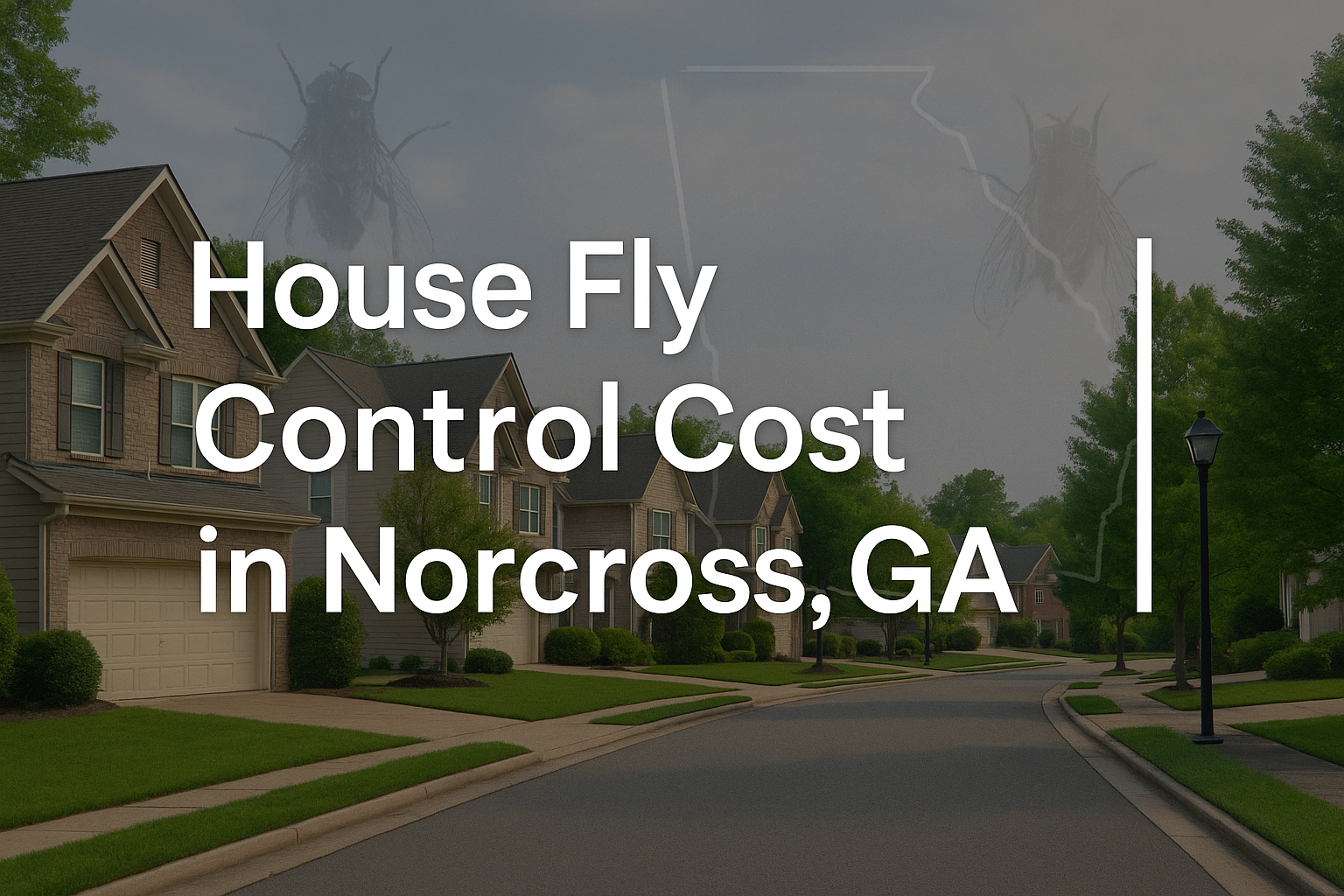
Introduction to House Fly Control Costs in Norcross
House flies are more than just a buzzing inconvenience; they turn a peaceful porch into a swarming nuisance and can carry germs from garbage to kitchen counters. In Norcross neighborhoods, where warm summers and frequent outdoor gatherings are the norm, these tiny pests find plenty of food and breeding sites. Homeowners often notice them buzzing around meals, landing on pets, and leaving unsightly spots on walls and windows. While a single fly may seem harmless, a full‑blown infestation can quickly erode comfort, hygiene, and the enjoyment of one’s home.
Why Understanding Cost Matters
Before signing up for any treatment, Norcross residents need a transparent picture of what they’re paying for. Fly control isn’t a one‑size‑fits‑all service—prices fluctuate based on the severity of the problem, the size of the property, and the specific methods used (chemical sprays, bait stations, or integrated pest‑management plans). Without a clear cost breakdown, homeowners risk over‑paying for unnecessary treatments or, conversely, opting for a cheap solution that fails to eliminate the infestation. Knowing the financial scope helps families budget wisely, compare options, and make confident decisions about protecting their homes.
Anthem Pest Control: Your Local Expert
Anthem Pest Control has built its reputation on delivering data‑driven, transparent pest solutions to families across the United States, and Norcross is no exception. Our mission is simple: provide safe, effective, and affordable fly‑control services while keeping every price component in plain sight. From the initial inspection to the final follow‑up, we document the steps, explain the science behind each treatment, and present a detailed quote that reflects real‑world conditions on your property. This commitment to openness ensures you never encounter hidden fees or surprise charges.
What’s Next in This Guide
In the sections that follow, we’ll dive deeper into the biology of house flies, explore the most effective control options, break down the pricing factors that influence your final bill, and walk you through Anthem’s step‑by‑step quote process. By the end of the article, you’ll have a solid understanding of what to expect financially and how to choose the right solution for a fly‑free home in Norcross, GA.
House Fly Biology and Seasonal Activity in Norcross
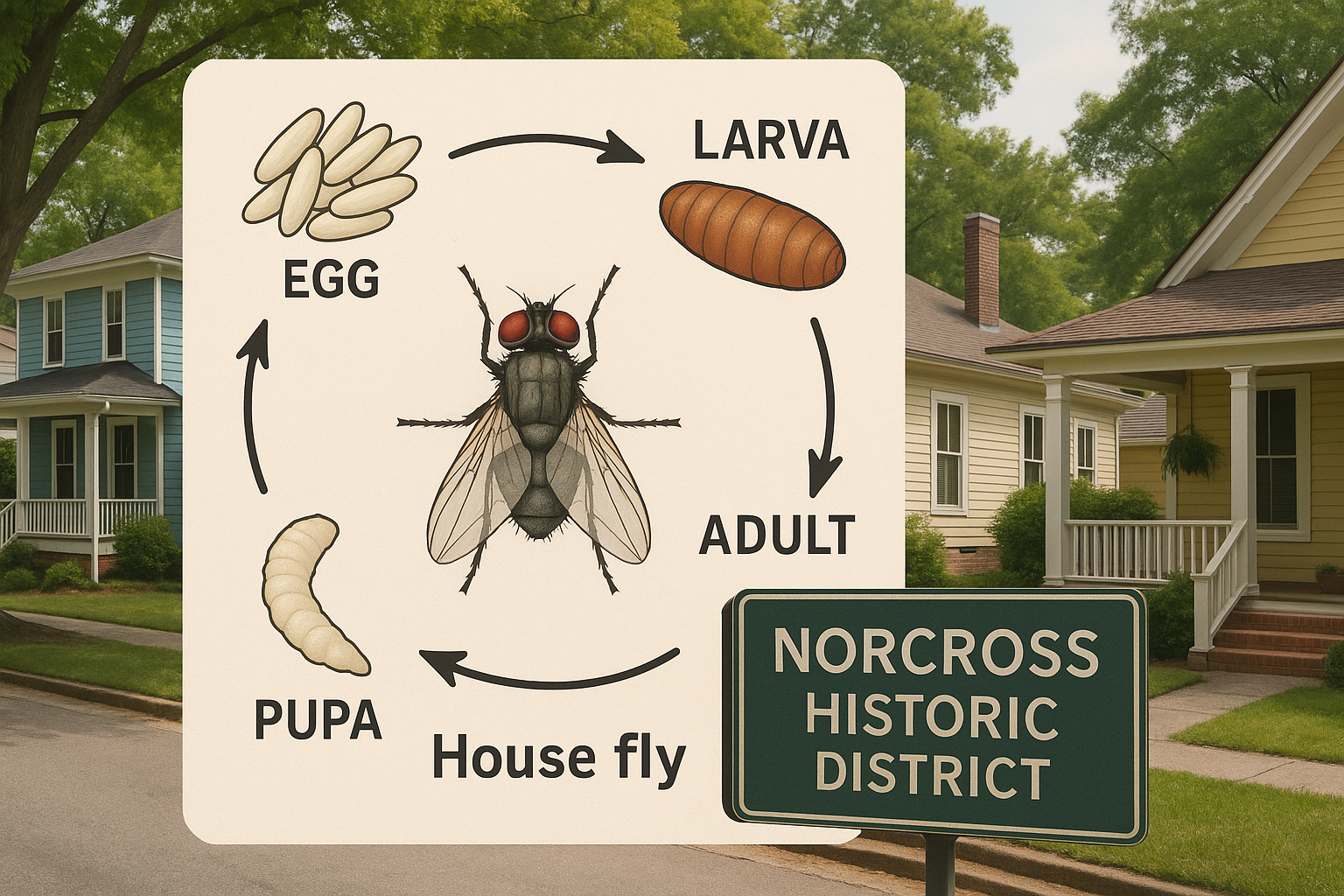
House flies (Musca domestica) are more than a nuisance; they are biological machines built for rapid reproduction. In the warm climate of Norcross, Georgia, a single female can lay up to 150 eggs in just a few days, and those eggs can hatch, mature, and emerge as biting adults in as little as seven to ten days when temperatures stay above 75°F (24°C). Understanding each stage of this life cycle helps homeowners see why flies seem to appear out of nowhere during summer.
Life‑cycle Overview
The development of a house fly follows four distinct phases:
- Egg: Deposited in moist, organic material such as garbage, pet waste, or decaying plant matter. Eggs hatch within 12–24 hours under optimal conditions.
- Larva (maggot): Feeds voraciously on the same substrate for 3–5 days, growing rapidly while converting waste into protein.
- Pupa: Forms a protective casing; metamorphosis occurs over 2–4 days before the adult emerges.
- Adult: Begins reproducing within 24 hours of emergence, seeking food and suitable sites to lay the next batch of eggs.
This accelerated timeline means that a single breeding site can generate several generations in a single month, dramatically increasing infestation pressure as the summer heats up.
Seasonal Peaks in Georgia
Data from the Centers for Disease Control and Prevention (CDC) show that house‑fly activity in Georgia reaches its apex between June and August. During these months, average daily temperatures hover around 85°F (29°C), providing ideal conditions for the full 7‑10‑day development cycle to repeat uninterrupted. The CDC also reports that dense residential zones—particularly East Norcross and the historic district—experience up to 30 % higher infestation rates compared with suburban outskirts, largely due to increased waste accumulation and tighter housing proximity.
What This Means for Your Home
Consider a typical 2,500‑sq‑ft residence in the Norcross Town Center. At the height of the season, it is realistic to expect anywhere from 50 to 100 active flies buzzing around the property, especially if garbage bins are left uncovered or pet waste is not promptly removed. This figure isn’t just a nuisance metric; it translates directly into higher potential for disease transmission, food contamination, and the need for more aggressive pest‑control interventions.
Because the fly’s life cycle is so swift, the most cost‑effective strategy is to act early—ideally in late spring, before the first wave of eggs hatch. Early‑season treatment targets breeding sites and interrupts the generational cascade, reducing the number of adult flies that would otherwise require multiple follow‑up visits later in the summer. In short, timing your intervention with the biology of the house fly can save you both headaches and dollars.
Common Control Methods for House Flies
DIY Options You Can Try Today
Most homeowners start with low‑cost, do‑it‑yourself tactics. Snap traps, which use a bright visual cue and a quick‑acting adhesive, can catch a handful of flies each day but rarely impact a full infestation. Over‑the‑counter bait stations—usually sugar‑based gels or granules—release a small amount of insecticide that flies ingest; they work best when placed near breeding sites and can reduce numbers by roughly 45 % when maintained weekly.
Sanitation is the backbone of any DIY plan. Removing rotting food, tightly sealing trash containers, and cleaning pet waste cut the breeding opportunities that attract flies. While this practice alone only lowers fly activity by about 30 %, it dramatically improves the performance of traps and baits. For homeowners who prefer chemical‑free solutions, a combination of fly‑paper strips and natural repellents (e.g., essential‑oil sprays) can provide modest relief without the need for a license.
Professional Solutions Offered by Certified Technicians
When flies persist despite diligent DIY efforts, a licensed pest‑control professional brings tools that target the problem at its source. Residual sprays applied to interior walls, window sills, and outdoor perimeters create a protective barrier that kills flies on contact and prevents re‑entry; field data show a >90 % reduction within 48 hours of treatment.
Certified technicians also install and service bait stations as part of a structured program. These stations use a slow‑acting insecticide that flies carry back to breeding sites, delivering an estimated 80 % population decline over a two‑week cycle. The most robust approach is an Integrated Pest Management (IPM) program, which blends residual sprays, bait stations, regular monitoring, and strict sanitation audits to sustain long‑term control.
Effectiveness at a Glance
| Method | Typical Reduction | Implementation Frequency |
|---|---|---|
| Professional residual spray | > 90 % | Every 4–6 weeks |
| Professional bait program | ≈ 80 % | Bi‑weekly monitoring |
| DIY traps | ≈ 45 % | Replace weekly |
| DIY sanitation | ≈ 30 % | Continuous |
Guidelines and Best Practices
The National Pest Management Association (NPMA) recommends that any pesticide application—whether DIY or professional—follow strict label directions, wear appropriate protective gear, and rotate modes of action to delay resistance. For homeowners, this means alternating between a pyrethroid‑based spray and a bait that uses a different active ingredient every few months.
Professional technicians are required to be certified in the specific product class they use, ensuring that residual sprays are applied at the correct concentration and that bait stations are positioned where flies are most active but out of reach of children and pets.
Pros and Cons: Cost, Labor, and Longevity
- DIY traps & sanitation – Lowest upfront cost, but labor‑intensive and provides only short‑term relief.
- Over‑the‑counter bait stations – Moderate price, easy to install, yet effectiveness drops if not replenished regularly.
- Professional residual spray – Higher per‑visit cost, performed by licensed staff, delivers rapid and lasting knock‑down.
- Professional bait program & IPM – Largest investment, requires scheduled visits, but offers the most sustainable, year‑round control.
Pricing Factors That Influence Fly Control Costs
When you request a quote from Anthem Pest Control,
Typical Cost Ranges for House Fly Control in Norcross
When it comes to keeping house flies at bay, Norcross homeowners can expect pricing that reflects both the local climate and the expertise of licensed technicians. Below is a breakdown of the three most common service tiers you’ll encounter, each backed by 2024 data from the EPA and the Georgia Department of Agriculture.
One‑time residual spray
This option is ideal for a quick knock‑down of an active fly population. A certified technician applies a residual insecticide that continues to work for several weeks.
- Typical price: $75 – $150 per visit
- What you get: One thorough exterior and interior treatment, safety briefing, and a 30‑day effectiveness guarantee.
Quarterly bait program
For homeowners who want ongoing protection without the hassle of scheduling each visit, the quarterly bait program spreads the work over four appointments.
- Typical price: $120 – $250 per year
- Includes: Four bait placements, monitoring of fly activity, and a re‑application of bait if thresholds are exceeded.
Annual comprehensive IPM contract
Integrated Pest Management (IPM) contracts bundle fly control with other seasonal pests such as ants and cockroaches, delivering a holistic defense for your home.
- Typical price: $250 – $450 per year
- Coverage: Year‑round fly treatment, quarterly inspections, ant and cockroach control, and a detailed pest‑prevention plan.
How Norcross compares to the national average
The EPA reports that a single‑visit fly treatment across the United States usually falls between $100 and $200. Norcross’s slightly higher range ($75–$150) reflects the humid, warm climate that encourages faster fly reproduction, meaning technicians often need a more potent residual formula to keep numbers down.
Looking ahead, the Georgia Department of Agriculture will release 2025 pest‑control cost statistics. Anthem Pest Control will update these figures as soon as they become available, ensuring you always have the most accurate pricing at your fingertips.
Quick visual reference
| Service Tier | Typical Price Range (2024) | Key Inclusions |
|---|---|---|
| One‑time residual spray | $75 – $150 per visit | Single treatment, 30‑day guarantee |
| Quarterly bait program | $120 – $250 per year | Four bait placements, activity monitoring |
| Annual comprehensive IPM contract | $250 – $450 per year | Year‑round fly & pest control, quarterly inspections |

Understanding these price brackets helps you match your budget to the level of protection you need. Whether you opt for a single spray, a quarterly bait plan, or a full‑service IPM contract, Anthem Pest Control offers transparent pricing and locally‑tested solutions that keep your home fly‑free.
What’s Included in Anthem Pest Fly Control Packages
When you call Anthem Pest for fly control in Norcross, you’ll get a clear, no‑surprises plan that covers everything from the first inspection to the final guarantee. Our goal is to eliminate the buzz today and keep it gone tomorrow, all while keeping the price sheet simple and honest.
Standard Package Components
- Thorough Initial Inspection: A certified technician walks through your 2,500‑sq‑ft home, identifies breeding sites, and notes any structural vulnerabilities that could invite flies back.
- Targeted Residual Spray: We apply a professional‑grade, EPA‑approved residual insecticide to interior and exterior problem areas. The formula stays active for weeks, creating a protective barrier where flies like to land.
- Follow‑Up Visit: Within 7‑10 days, the same technician returns to assess the treatment’s effectiveness, re‑treat any missed spots, and answer any questions you have.
- 30‑Day Satisfaction Guarantee: If flies are still a nuisance after the follow‑up, we’ll revisit at no extra charge until the issue is resolved.
Optional Add‑Ons
- Monthly Monitoring: A quick check‑in each month to catch early signs of re‑infestation before they become a full‑blown problem.
- Organic‑Friendly Formulations: For eco‑conscious homeowners, we offer botanical‑based sprays that are safe around kids and pets while still delivering strong fly control.
- Bundled Services: Combine fly treatment with mosquito control, ant management, or seasonal tick protection for a single, discounted rate.
Sample Quote for a Typical Norcross Home
Imagine a 2,500‑sq‑ft single‑family home in Norcross with a moderate fly presence. Opting for the quarterly plan—four treatments per year—covers two indoor applications and two exterior sprays. The total cost comes to $185 per year. This figure includes the full standard package, the 30‑day guarantee, and the first year of optional monthly monitoring if you choose it. There are no hidden service fees, extra travel charges, or surprise add‑ons; everything is laid out in the estimate before any work begins.
Anthem Pest believes that transparent pricing builds trust. That’s why each quote lists every service, the frequency of visits, and the exact chemicals used. If you ever need to adjust the plan—perhaps adding a mosquito bundle during the summer—we’ll provide an updated estimate instantly, so you always know what you’re paying for.
Ready to take the next step? Call us at 877‑371‑8196 or visit anthempest.com for a free, customized quote that reflects the size of your home and the level of fly activity you’re experiencing.
How to Get an Accurate Quote from Anthem Pest
When you reach out to Anthem Pest for house‑fly control in Norcross, the accuracy of your quote hinges on the details you share. By following a simple three‑step process, you’ll receive a transparent, customized estimate that reflects the true scope of work needed for your home.
Step 1: Schedule a free on‑site inspection
Give Anthem Pest a call at 877‑371‑8196 or fill out the online request form. The scheduler will confirm a convenient time for a certified technician to visit your property. This initial contact is completely free and sets the stage for a precise assessment.
Step 2: Technician evaluates key factors
During the on‑site visit, the technician measures your home’s square footage, observes the level of fly activity, and notes any contributing conditions—such as proximity to East Norcross, Norcross Village, nearby waste areas, or dense vegetation. These local variables directly influence treatment intensity and product selection, so providing honest observations helps the technician fine‑tune the evaluation.
Step 3: Receive a customized proposal within 24 hours
Within a day of the inspection, Anthem Pest delivers a written proposal outlining the recommended service type (e.g., one‑time treatment, monthly maintenance), frequency, and total cost. The document breaks down each line item, so you can see exactly what you’re paying for and why.
Why neighborhood specifics matter – Fly populations can surge in certain pockets of Norcross due to micro‑climates or waste‑management patterns. By telling the technician whether your home sits near a commercial district, a park, or a drainage ditch, you ensure the estimate accounts for any extra measures—like targeted bait stations or additional perimeter sprays—required to keep flies at bay.
Ready to lock in a clear, fair price? Call 877‑371‑8196 now or submit your details through the online request form. Providing accurate neighborhood information will help Anthem Pest craft the most precise quote for your house‑fly control needs.
DIY vs. Professional – Cost‑Benefit Analysis
When a fly infestation pops up in a Norcross home, the first instinct is often to reach for a cheap trap or a bottle of over‑the‑counter spray. While the upfront price looks attractive, the hidden expenses—and the true effectiveness—can quickly tip the scales in favor of a professional service.
DIY Upfront Costs
- Fly traps (sticky or UV‑light): $20–$40
- Over‑the‑counter insecticide (sprays, foggers): $15–$30
- Total initial outlay: $35–$70
Hidden DIY Costs
- Time spent assembling, placing, and regularly checking traps.
- Frequent re‑purchasing as traps lose stickiness or insecticide loses potency.
- Limited efficacy—DIY products often target adult flies only, leaving eggs and larvae untouched.
- Potential health risks from improper handling or over‑application of chemicals, especially around children and pets.
- Increased likelihood of a second‑hand call to a professional after DIY attempts fail, adding another layer of expense.
Professional Service Recap
Based on the earlier sections, Anthem Pest Control’s standard residential fly program includes:
- Initial inspection and treatment: $150
- Residual spray (effective for up to 30 days): $130 per application
- Quarterly maintenance plan (four visits per year): $185 total
Real‑World Case Study
John, a homeowner in Norcross, decided to tackle a growing fly problem himself. Over three months he:
- Purchased three sets of sticky traps and two cans of aerosol insecticide, spending $120.
- Spent roughly 12 hours setting, monitoring, and replacing traps.
- Still experienced a persistent swarm, prompting a call to Anthem Pest Control for a professional residual spray at $130.
John’s total outlay reached $250 for three months of mixed DIY and professional work.
Contrast that with a neighbor who opted for Anthem’s quarterly plan from the start. The plan, covering four treatments and ongoing monitoring, cost $185 for the same three‑month period and delivered consistent, long‑term fly suppression.
Bottom Line
While DIY methods may appear cheaper on paper, the hidden costs—time, repeated purchases, limited effectiveness, and potential health hazards—often erode any initial savings. A professional service like Anthem Pest Control provides a comprehensive solution: a thorough inspection, targeted residual treatments, and a maintenance schedule that protects your home year‑round. When you factor in efficacy and long‑term value, professional fly control typically offers a better return on investment for Norcross homeowners.
Seasonal Timing and Prevention Tips for Norcross Homeowners
In Norcross, the house‑fly population spikes between June and August, driven by warm temperatures and lingering moisture from spring rains. The most effective way to stay ahead of that surge is to schedule a thorough inspection in early May—just as the weather warms but before flies begin their breeding frenzy. A pre‑peak check lets you spot hidden breeding sites, assess window screens, and apply a targeted treatment plan while the insects are still few.
Why May Is the Sweet Spot for Inspection
May offers two key advantages. First, adult flies are just emerging from overwintering habitats, so a professional treatment can intercept them before they lay eggs in your yard or home. Second, the cooler evenings still allow your family to enjoy outdoor activities without the nuisance of swarming insects, giving you a peaceful transition into summer.
Sanitation Checklist
- Secure garbage cans: Use tight‑fitting lids and store bins away from doors.
- Clean pet waste daily: Flies are attracted to protein‑rich waste; prompt removal eliminates a major food source.
- Seal compost bins: Ensure lids close securely and keep compost away from the house foundation.
- Repair torn window screens: Even a small tear can become a highway for flies to enter your living space.
- Wipe down outdoor dining areas: Remove food scraps and spills immediately after meals.
Landscaping Tips to Keep Flies at Bay
- Trim vegetation: Cut back shrubs, vines, and overgrown grass at least two feet from the house to reduce shade and humidity that attract flies.
- Eliminate standing water: Empty birdbaths, flower pot saucers, and clogged gutters weekly; flies use moisture as breeding sites.
- Maintain proper drainage: Grade soil away from foundations and install French drains if low‑lying areas persist.
- Remove decaying organic matter: Fallen leaves, rotting fruit, and dead plant material should be composted or disposed of promptly.
According to the CDC’s guidance on fly‑borne disease prevention, house flies can mechanically transmit over 100 pathogens, including E. coli, Salmonella, and Shigella. By keeping food sources inaccessible and reducing breeding habitats, you dramatically lower the risk of these food‑borne illnesses spreading in your home.

Conclusion and Call to Action
Living in Norcross, Georgia, means sharing your home with a resilient house fly population that thrives on warm, humid conditions. Understanding the fly’s life cycle, the range of control options—from preventative exclusion to targeted chemical treatments—and the local cost factors empowers you to make an informed decision. When you know why a treatment costs what it does, you can compare quotes with confidence and avoid hidden fees.
At Anthem Pest, we combine that knowledge with data‑driven, locally‑tailored solutions. Our technicians use the latest monitoring tools to pinpoint breeding sites, then apply proven, low‑impact treatments that fit the specific needs of Norcross neighborhoods. Every service comes with transparent pricing, a written estimate, and a 30‑day guarantee that backs the work we do.
Transparent pricing isn’t just a promise—it’s a practice. Before any work begins, we provide a detailed breakdown of labor, materials, and follow‑up visits, so you never wonder where your dollars go. Our 30‑day guarantee means that if flies return within a month, we’ll re‑treat at no extra charge, reinforcing our confidence in every solution we deliver.
If you’re ready to enjoy a fly‑free home without surprise costs, let our certified technicians create a custom plan that fits your budget and schedule. We’ll assess your property, recommend the most effective approach, and walk you through each step so you know exactly what to expect.
Give us a call today at 877‑371‑8196 or request a free online quote. Our friendly team is standing by to answer questions, schedule an inspection, and provide a clear, upfront price.
Take the first step toward a quieter, cleaner home—Visit Anthem Pest Control now.