Why Tick Control Matters in Marietta, GA

Ticks may be tiny, but the problems they bring are anything but. In Georgia, tick‑borne illnesses have risen sharply, turning backyards into potential health hazards for families who spend time outdoors. For homeowners in Marietta, understanding these risks is the first step toward protecting loved ones and preserving the enjoyment of their property.
The 2023 CDC report highlighted a 12 % increase in Lyme disease cases within Cobb County alone, underscoring a growing trend that cannot be ignored. This spike reflects not only more ticks in the environment but also heightened awareness of the diseases they transmit.
Three of the most common tick‑borne threats in our area are:
- Lyme disease – causes fever, fatigue, and joint pain if left untreated.
- Rocky Mountain spotted fever – can lead to severe headaches, rash, and organ damage.
- Ehrlichiosis – often presents with flu‑like symptoms and can become life‑threatening.
Beyond health, heavy tick populations can damage lawns and landscaping, as the insects seek shelter in tall grass, leaf litter, and woodpiles. Unchecked infestations may force homeowners to spend extra time and money on yard maintenance and limit outdoor activities.
That’s why Anthem Pest Control has crafted a data‑driven guide specifically for Marietta neighborhoods such as East Cobb and the Kennesaw Mountain area. By focusing on local tick patterns, seasonal peaks, and property‑specific vulnerabilities, we help residents take proactive steps before ticks become a costly problem.
The Tick Species You’ll Encounter Locally
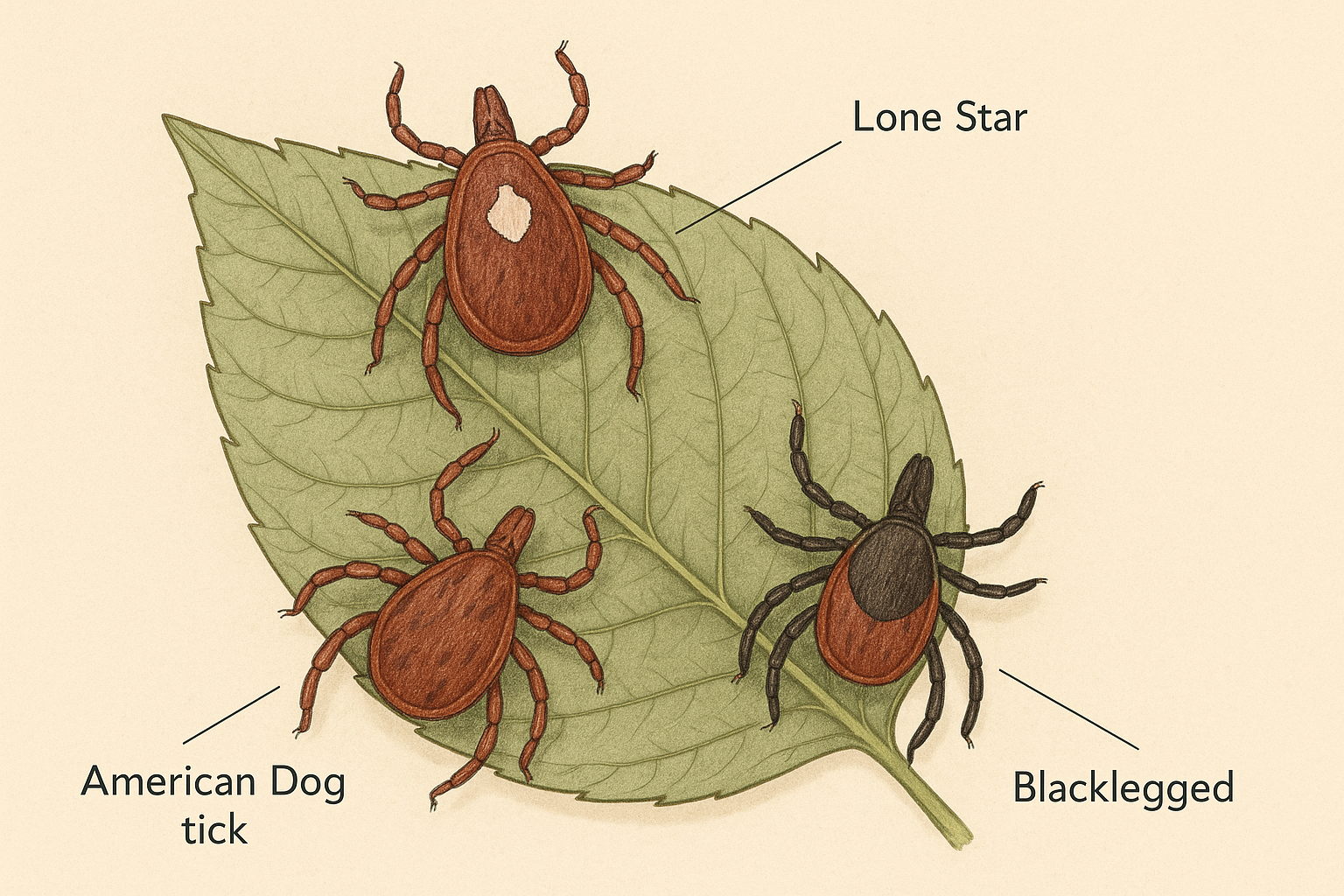
Lone Star Tick (Amblyomma americanum)
This aggressive species is instantly recognizable by the single white dot that resembles a lone star on the back of adult females. Lone Star ticks favor warm, humid environments and are often found in tall grasses, woodland edges, and backyard gardens. Their preferred hosts include white‑tailed deer, raccoons, and—unfortunately for homeowners—people who work or play outdoors. In Marietta, their peak activity runs from early spring through early summer, with a secondary surge in late summer when nymphs emerge.
American Dog Tick (Dermacentor variabilis)
True to its name, the American Dog tick commonly latches onto canines, but it will also bite humans. You’ll typically encounter it in areas with dense, low‑lying vegetation—think tall grasses, shrubs, and the borders of lawns. Unlike the Lone Star, this tick stays active longer, from late spring well into the fall, especially after the first heavy rains that raise humidity levels. Their dark, reddish‑brown bodies are speckled with white markings, making them fairly easy to spot on a pet’s coat.
Blacklegged (Deer) Tick (Ixodes scapularis)
The blacklegged tick is the primary vector of Lyme disease in the southeastern United States. In Marietta, it thrives in heavily wooded habitats, such as the trails and underbrush of Kennesaw Mountain Park. Adults and nymphs are most active from early spring through late fall, with a notable peak in May‑June when nymphs quest for hosts. Their small size—often less than a grain of rice—makes them easy to miss, which is why regular tick checks are essential after any outdoor activity.
According to the Centers for Disease Control and Prevention, Georgia reported 4,200 tick‑borne illness cases in 2022. Source. Note: Verify the 2022 Georgia tick‑borne disease statistics on the CDC website for the most current data.
Why DIY Often Falls Short
When ticks start showing up in your yard, the instinct to grab an over‑the‑counter product and tackle the problem yourself is natural. While DIY kits can provide a quick sense of control, they rarely address the full scope of a tick‑infested property. Understanding the gaps between home‑grown attempts and a professional service helps you decide where to invest your time and money.
Common DIY options
- OTC sprays: Aerosol or pump‑spray formulas applied with a garden sprayer.
- Foggers (bug bombs): Press‑and‑release devices that release a cloud of pesticide throughout a space.
- Tick tubes: Cardboard tubes filled with permethrin‑treated cotton that target mouse hosts.
Why DIY often falls short
- Uneven coverage: Hand‑held sprayers miss hard‑to‑reach spots such as under decks, dense shrubbery, and the undersides of leaves where ticks hide.
- Short residual life: Most consumer products lose effectiveness after a few weeks, especially after rain or heavy irrigation, leaving a window for re‑infestation.
- Safety concerns: Improper mixing, over‑application, or lack of protective gear can expose you, your family, and pets to unnecessary chemicals.
A 2022 EPA study comparing professionally applied, EPA‑registered tick treatments with typical DIY applications found a striking difference. Professional treatments reduced tick populations by up to 85 %, while DIY methods achieved only about 30 % reduction on average. The study evaluated residual efficacy over a 12‑week period and accounted for variables such as weather, vegetation density, and host activity. You can review the full findings on the EPA’s website here. Additionally, many DIY products lack the EPA registration required for indoor/outdoor use, meaning they may not meet the rigorous safety and efficacy standards that licensed technicians must follow.
Beyond the numbers, professionals bring calibrated equipment, licensed chemicals, and a systematic approach that targets both the adult ticks in the landscape and the small‑mammal hosts that sustain them. This comprehensive strategy closes the gaps that DIY attempts inevitably leave open, delivering a more reliable, long‑lasting barrier for your family’s outdoor enjoyment.
What Sets Anthem Pest Apart
Step‑by‑step inspection process
Anthem Pest begins every tick‑control job with a meticulous on‑site inspection. A certified technician walks the property, mapping out hotspot zones where ticks are most likely to congregate—dense brush, shaded borders, and low‑lying vegetation. Next, a targeted soil sample is taken from each identified area to confirm the presence of tick larvae and assess environmental conditions that favor their development. This data‑driven approach ensures no hidden colonies go untreated.
Barrier application and targeted treatments
After the inspection, Anthem Pest applies a perimeter barrier using EPA‑approved acaricides. The barrier encircles the home’s foundation, creating a chemical shield that repels ticks before they can cross onto lawns or play areas. For zones that show higher tick activity—such as the trailhead at Kennesaw Mountain Park or a shaded garden patch—technicians perform a spot‑treatment, concentrating the product where it’s needed most. Homeowners also have the option to enroll in a seasonal yard program, which schedules re‑applications every 30‑45 days throughout the peak tick season, maintaining consistent protection.
Local expertise you can trust
Anthem Pest’s technicians undergo specialized training focused on Cobb County’s unique tick landscape. They study historic infestation maps, learn to recognize the specific species prevalent around Marietta, and stay current on the latest control methods. This local knowledge translates into faster identification of problem areas, especially in high‑risk locations like the wooded trails of Kennesaw Mountain Park, where ticks thrive in the humid understory.
Transparent pricing structure
Homeowners appreciate Anthem Pest’s clear, upfront pricing. A single, comprehensive treatment—including inspection, barrier, and spot‑applications—ranges from $150 to $300, depending on property size and infestation severity. For those seeking year‑round peace of mind, the 6‑month full‑season package is priced between $400 and $600, covering multiple re‑applications and ongoing monitoring. Prices are regularly updated on the official Anthem Pest tick services page, ensuring you always have the most accurate cost information before you commit.
Why homeowners choose Anthem Pest
- Data‑driven inspections that pinpoint tick hotspots before treatment.
- Perimeter barriers combined with spot‑treatments for maximum coverage.
- Technicians trained specifically on Cobb County tick hotspots, including Kennesaw Mountain Park.
- Transparent, competitive pricing with options for single or full‑season care.
- Ongoing support and re‑evaluation throughout the tick season.
By blending scientific inspection methods, locally honed expertise, and a straightforward pricing model, Anthem Pest delivers a tick‑control solution that’s both effective and trustworthy for Marietta homeowners.
Understanding the Investment
When you ask, “What will this cost me?” we break the price down into four transparent pieces. Knowing exactly where every dollar goes helps you see the real value of a professional tick‑control program in Marietta.
Itemized Service Costs
- Initial Inspection: $75 – A certified technician walks your yard, identifies tick hotspots, and creates a custom treatment map.
- Primary Treatment: $120 – $250 – Depending on property size, vegetation density, and the type of product (residual spray vs. granular), the cost varies within this range.
- Follow‑Up Visit: $50 – One month after treatment, we verify efficacy and spot‑treat any missed zones.
- Seasonal Program Discounts: Enroll in a 3‑ or 4‑treatment plan and receive 10 %–15 % off the total, turning a $445‑$525 seasonal outlay into roughly $380‑$470.
How We Stack Up Against National Averages
| Service Component | Anthem (Marietta, GA) | NPMA National Avg. |
|---|---|---|
| Inspection | $75 | $80–$120 |
| Primary Treatment | $120‑$250 | $150‑$300 |
| Follow‑Up | $50 | $60‑$90 |
| Total per Season | $245‑$425 (before program discount) | $250‑$500 |
Our figures are drawn from the NPMA national average and the NPMA 2024 pricing guide, confirming that Anthem’s pricing is competitive—even before you apply seasonal savings.
Return on Investment: The Real Cost of Inaction
Consider the financial impact of a single case of Lyme disease. According to the CDC, treatment can exceed $30,000 in medical bills, lost wages, and long‑term care. By investing $250‑$425 now, you’re essentially buying insurance that protects your family’s health and your wallet.
In short, the upfront expense of a professional tick‑control program is modest when measured against the potential medical costs of an untreated bite. Anthem Pest Control delivers a transparent, locally‑tailored solution that not only meets but often beats the national cost benchmark, giving you peace of mind for less.
When to Treat for Maximum Impact
Understanding Marietta’s tick life cycle and local climate lets you strike at the perfect moment—before the pests become a nuisance on your lawn or patio. Below is a month‑by‑month guide that matches treatment windows with the tick’s developmental stages and the city’s typical temperature and humidity patterns.
| Month | Recommended Treatment Window | Target Tick Life Stage | Avg Temp (°F) | Avg Humidity (%) |
|---|---|---|---|---|
| March | Late March – Early April | Eggs (pre‑hatch) | 55 °F | 70 % |
| April | Early April – Mid‑April | Larvae (emergence) | 62 °F | 68 % |
| May | Mid‑May – Early June | Nymphs (first wave) | 71 °F | 66 % |
| June | Late June – Early July | Nymphs (second wave) | 78 °F | 65 % |
| July | Mid‑July – Late July | Adults (peak activity) | 84 °F | 64 % |
| August | Early August – Mid‑August | Adults (late season) | 85 °F | 63 % |
| September | Early September – Mid‑September | Eggs (post‑adult laying) | 78 °F | 66 % |
| October | Late October | Eggs (over‑wintering) | 68 °F | 68 % |
Marietta’s climate normals—average highs hovering between 55 °F in early spring and 85 °F in midsummer—directly drive tick activity. Warm, humid conditions accelerate egg hatch and larval development, which is why an early‑April spray (targeting larvae) often prevents the first nymphal surge in May.
If a spring arrives unusually warm, you may notice larval emergence a week or two earlier. In that case, push your pre‑larval treatment forward to late March. Conversely, a cool, wet spring can delay hatch; hold off on the April larval spray until temperatures consistently stay above 60 °F.
Summer heat spikes (above 90 °F) can suppress adult activity temporarily, giving you a brief window in late July to treat the adult peak before they retreat to shaded micro‑habitats. Finally, as humidity drops in October, eggs begin overwintering. A late‑October application creates a protective barrier that reduces the next year’s egg hatch success.
By syncing your treatment schedule with these seasonal cues, you maximize the impact of Anthem Pest Control’s solutions while minimizing the need for repeat applications. For a personalized plan that accounts for this year’s weather trends, give us a call at 877‑371‑8196 or visit our website.
Daily Actions to Keep Ticks at Bay
Landscape Maintenance
Keeping your yard tidy is the first line of defense against ticks. When grass is trimmed to 3 inches or shorter, it reduces the humidity ticks need to survive and makes it easier for you to spot any hitchhikers.
- Regular mowing: Aim for a weekly cut during peak tick season (April‑October).
- Leaf litter removal: Rake and bag fallen leaves each month; they create cool, damp pockets where ticks love to hide.
- Wood‑chip barriers: Place a 3‑foot wide strip of wood chips or gravel between lawn edges and wooded areas. This physical barrier forces ticks to cross an inhospitable surface before reaching your play space.
- Prune low‑lying vegetation: Trim shrubs and vines that touch the ground to eliminate bridge pathways for ticks.
Deer Management
Deer are unwitting carriers of adult ticks. Reducing deer activity around your home cuts the tick population at its source.
- Low‑height fencing: Install a 4‑foot tall fence with no gaps. Even a modest barrier discourages deer from entering your yard.
- Deer‑repellent plantings: Border your garden with aromatic plants such as lavender, rosemary, or marigold. Their strong scents are natural deterrents.
- Eliminate attractants: Remove bird feeders and unsecured trash that draw deer and other wildlife.
- Strategic lighting: Use motion‑activated lights to create an uncomfortable environment for deer during dusk and dawn.
Personal Protection
Even the best‑kept yard can’t eliminate every tick. Protect yourself and your family with these simple habits.
- EPA‑approved repellents: Choose products containing 20‑30% DEET or 20% picaridin. Apply to exposed skin and clothing before heading outdoors.
- Wear protective clothing: Long sleeves, long pants, and closed‑toe shoes create a physical barrier. Tuck pants into socks for extra security.
- Conduct tick checks: After any outdoor activity, scan your body—especially under arms, behind knees, and in hair. Prompt removal reduces the chance of disease transmission.
- Shower within two hours: A quick rinse can wash away unattached ticks before they have a chance to bite.
Seasonal Checklist Infographic
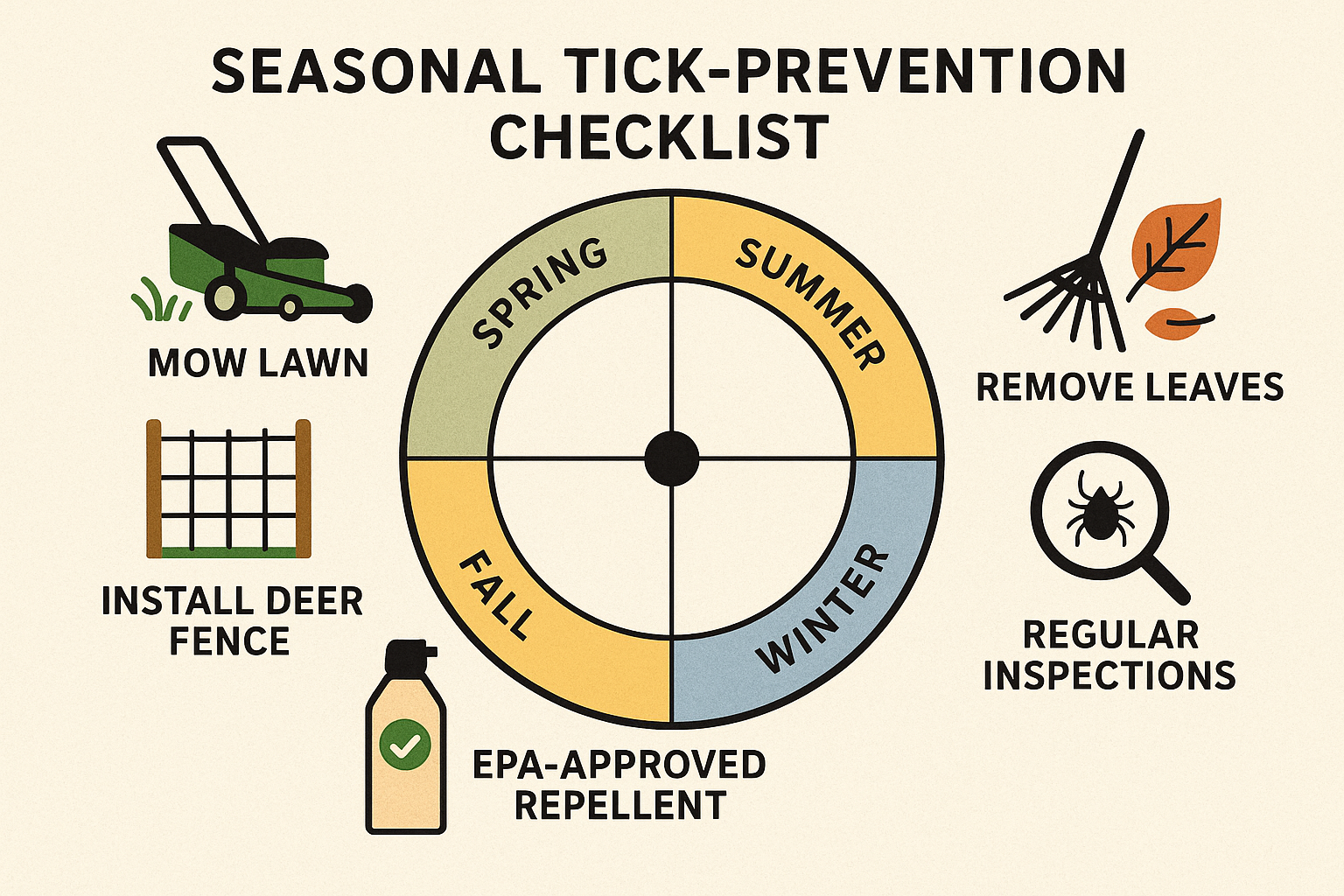
The infographic above provides a month‑by‑month reminder of the tasks highlighted in this section. Keep it printed on your fridge or saved on your phone so you never miss a step in your tick‑prevention routine.
Quick Answers
Below are quick answers to the most common questions homeowners ask about tick control in Marietta, GA. We’ve compiled the top three queries we receive from Marietta homeowners so you can get the facts fast.
How long does a professional treatment protect?
A professionally applied tick treatment typically provides protection for 8–12 weeks. The exact duration depends on the product used, the severity of the infestation, and local weather conditions. In Marietta’s humid climate, the label‑approved residual period usually falls toward the upper end of that range, giving you roughly three months of peace of mind before the next seasonal application is recommended.
Is treatment safe for pets?
Yes. EPA‑registered tick products are formulated to be safe for dogs and cats when applied according to the label directions. Our technicians take extra care to avoid direct contact with animals, and we advise owners to keep pets indoors for at least two hours after a spray. This short window ensures the chemicals have dried and reduces any chance of irritation.
What if ticks return after treatment?
If you notice active ticks within 30 days of your service, Anthem Pest Control will schedule a free re‑inspection. Our technician will verify the original treatment’s coverage, identify any missed hotspots, and apply a supplemental dose at no additional charge. This guarantee reflects our confidence in the product’s residual power and our commitment to keeping your yard tick‑free throughout the season.
Still have questions? Our Marietta team is ready to help you choose the right tick‑prevention plan and answer any concerns about timing, safety, or pricing. Call us at 877‑371‑8196 or visit our website to schedule a free estimate.
What to Look For
Choosing a tick‑control provider isn’t just about who shows up with a sprayer. It’s about confirming that the company backs its service with the proper credentials, transparent policies, and a track record that matches the unique challenges of Marietta’s neighborhoods.
Essential criteria
- EPA registration: Guarantees the products used are approved for safety and effectiveness against ticks.
- State licensing: Confirms technicians have met Georgia’s rigorous training and inspection standards.
- Local customer reviews: Real feedback from homeowners in East Cobb, Kennesaw Mountain, and surrounding areas reveals how consistently a provider delivers results.
- Guaranteed follow‑up: Tick populations can rebound; a reputable service will schedule re‑treatments or inspections at no extra surprise cost.
- Transparent pricing: Look for clear, upfront quotes that break down labor, chemicals, and any optional add‑ons.
Anthem Pest shines in these categories. In Marietta, the company holds a 5‑star rating on Google, reflecting satisfied homeowners who appreciate both the professionalism of the technicians and the honesty of the billing process.
Local expertise matters
Ticks thrive in the wooded edges of East Cobb and the brushy trails around Kennesaw Mountain. A provider that knows these hotspots can tailor treatment zones, adjust timing for peak tick activity, and advise you on yard‑maintenance practices that reduce future infestations. Ask potential contractors how many jobs they’ve completed in these specific areas and whether they stay current with local extension‑service recommendations.
By vetting a company against these benchmarks, you’ll feel confident that your tick‑control plan is built on solid science, reliable service, and a genuine commitment to protecting your family and pets.
Protect Your Home Today
Professional tick control does more than eliminate pests—it safeguards your family’s health, gives you peace of mind, and can actually save you money by preventing costly medical visits and property damage.
Anthem Pest’s trained technicians understand Marietta’s unique tick challenges and use EPA‑registered solutions to keep your yard and home safe. With a free inspection, we’ll pinpoint problem areas and design a plan that fits your budget.
Regular tick treatments create a barrier that stays effective for weeks, meaning you can relax on your porch, let the kids play in the yard, and even keep pets outside without worry. Our service includes a follow‑up visit to ensure the treatment holds up throughout the season.
Call us today at 877‑371‑8196 or visit Anthem Pest Control to schedule your complimentary assessment. For a limited time, Marietta residents enjoy a seasonal discount on all tick‑control packages—another reason to act now.
Ready to protect your loved ones and enjoy a tick‑free outdoor space? Visit Anthem Pest Control and claim your free quote.