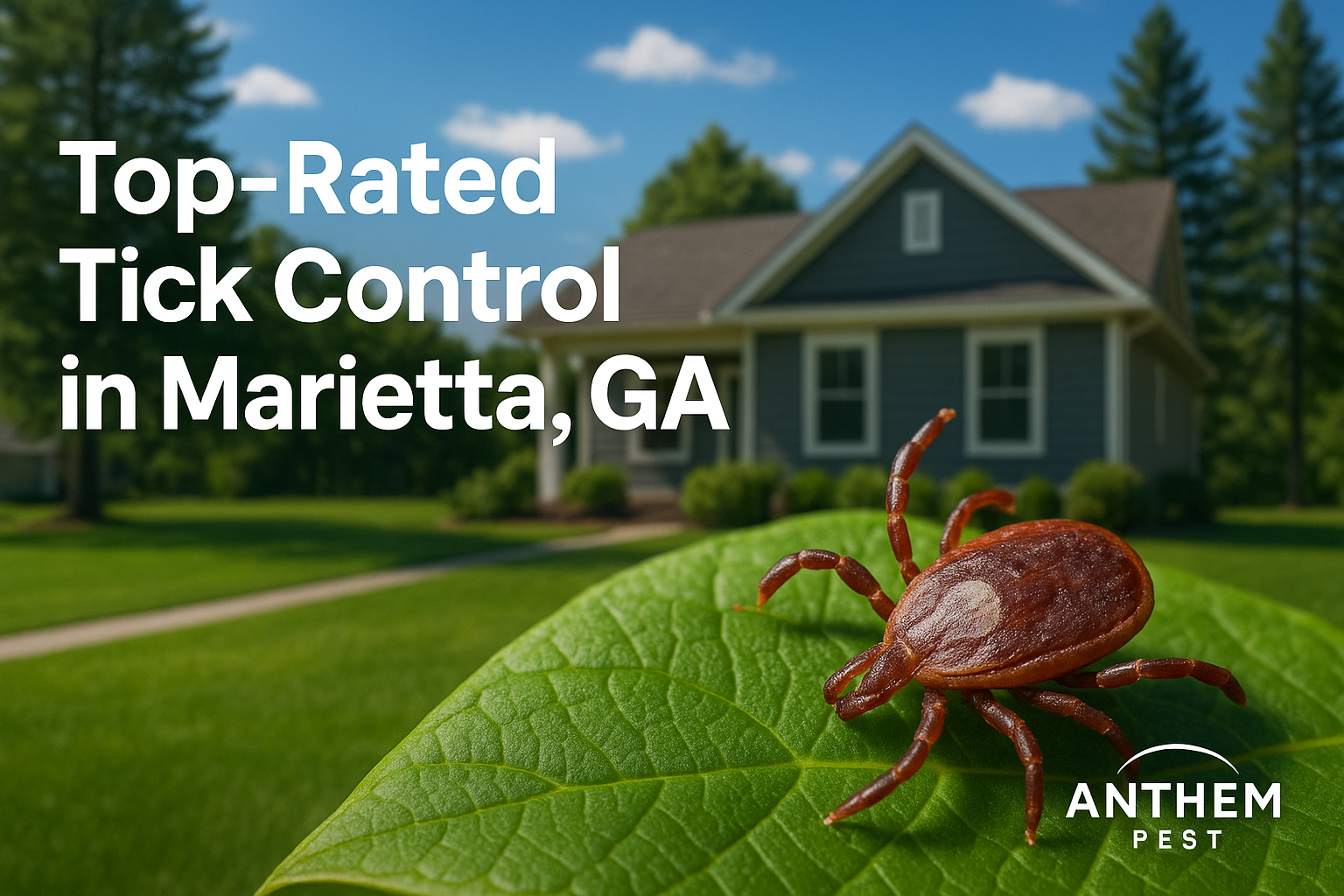
Why Tick Control Matters in Marietta
Recent data shows Georgia’s suburban counties saw a 38 % rise in tick encounters from May through August, according to the state health department. Warmer, wetter springs speed up the life cycle of deer, dog, and lone‑star ticks.
Marietta’s humid summers, mild winters and mix of leafy streets, oak groves, and pet‑friendly parks create a highway for ticks to move from wildlife onto yards and homes. Homeowners often find dogs returning from a quick walk covered in tiny, engorged parasites, and families add extra “tick‑check” routines after outdoor play.
For more than two decades, Anthem Pest has been a trusted neighbor, offering transparent, upfront pricing for comprehensive tick management. Our local expertise means we tailor treatments to the unique micro‑climates of Marietta neighborhoods, ensuring effective protection without surprise costs.
This guide will walk you through the most effective control methods, timing, and budgeting tips so you can keep your yard safe all season long.
What Makes the Lone Star Tick a Marietta Menace
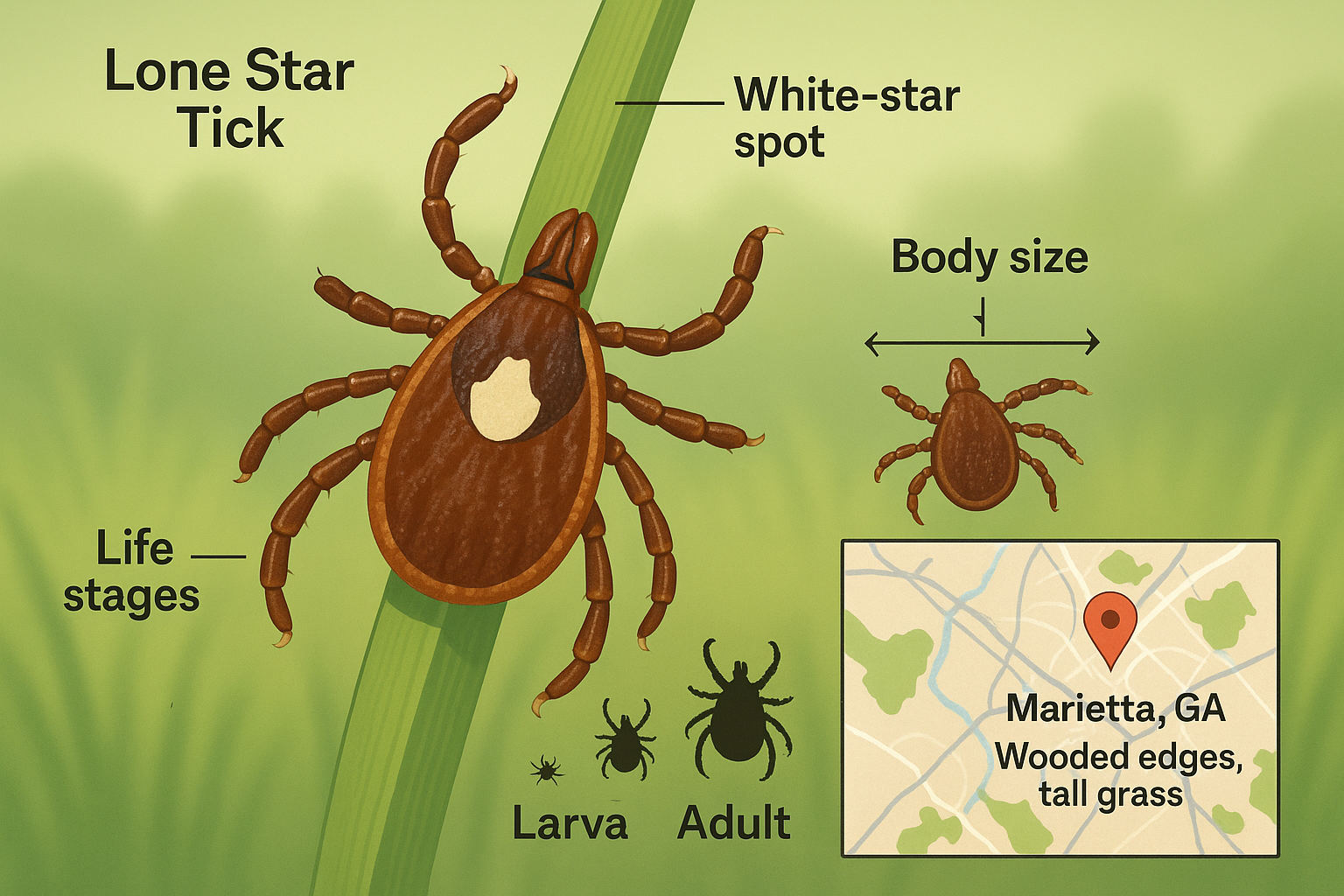
The lone‑star tick, Amblyomma americanum, has become a household name in Cobb County for all the wrong reasons. Its life cycle mirrors that of most hard ticks—four distinct stages that each demand a blood meal before moving on.
Life‑Cycle Snapshot
- Egg: Females lay thousands of eggs in protected leaf litter; they hatch in 1‑2 weeks.
- Larva (seed tick): Six‑legged larvae emerge, seeking tiny hosts such as mice or songbirds.
- Nymph: After their first meal, they molt into eight‑legged nymphs, which readily bite larger mammals—including humans.
- Adult: Fully grown females require a final blood meal to reproduce, often attaching to dogs, deer, or people walking the yard.
Each stage can last weeks to months, depending on temperature and humidity—conditions that Marietta’s humid subtropical climate supplies in abundance.
Local Disease Burden
According to the CDC – Tick‑Borne Diseases 2024 report, Georgia sees roughly 1,500 cases of tick‑borne illnesses each year. Lone‑star ticks are vectors for ehrlichiosis, Southern tick‑associated rash illness (STARI), and can even trigger a severe allergic reaction to red meat.
Where the Tick Hides in Marietta
In Cobb County, the tick thrives in micro‑habitats that blend shade, moisture, and host activity:
- Wooded edges where forest meets lawn.
- Tall, uncut grass in sun‑lit clearings.
- Pet bedding and kennels that retain body heat.
- Leaf litter and mulch piles that stay damp.
Why It’s Especially Problematic
The lone‑star’s signature white, star‑shaped spot on the female’s back isn’t just a pretty badge—it signals an aggressive host‑seeking instinct. Unlike some ticks that wait on vegetation, lone‑stars actively crawl up vegetation and onto passing animals or people, increasing the odds of a bite.
From Ehrlichiosis to Property Costs: Why Ticks Matter
Ticks are more than a nuisance; they carry pathogens that can turn a weekend backyard walk into a serious health episode. In Georgia, the most common tick‑borne illnesses include:
- Ehrlichiosis – caused by Ehrlichia chaffeensis
- Rocky Mountain spotted fever – transmitted by the American dog tick
- Alpha‑gal syndrome – a meat allergy triggered by the Lone Star tick
The Centers for Disease Control and Prevention reports an incidence of 0.8 cases per 100,000 residents in Georgia. Rocky Mountain spotted fever and Alpha‑gal syndrome show similar low‑frequency patterns, but each case can lead to costly medical care and prolonged recovery.
Indirect costs that add up fast
Beyond the direct medical bills, tick bites generate hidden expenses:
- Lost workdays – a single severe infection can keep a homeowner out of the job for a week or more.
- Follow‑up appointments and laboratory tests – diagnostic testing for tick‑borne diseases often exceeds several hundred dollars.
- Property devaluation – neighborhoods known for persistent tick problems can see reduced home values, as buyers factor in ongoing pest‑control expenses.
When a property appears “infested,” real‑estate agents may lower the asking price by 5‑10 % to compensate for perceived risk, translating into thousands of dollars for the average Marietta home.
Why early intervention saves money and health
Prompt tick control stops the life cycle before larvae and nymphs spread across lawns, decks, and pet bedding. By treating early, homeowners avoid the cascade of medical bills, work‑loss wages, and potential resale penalties. A professional tick‑extermination plan from Anthem Pest Control typically costs a fraction of what a single hospitalization or a reduced property appraisal can demand.
Spotting the Threat: DIY Inspection Checklist
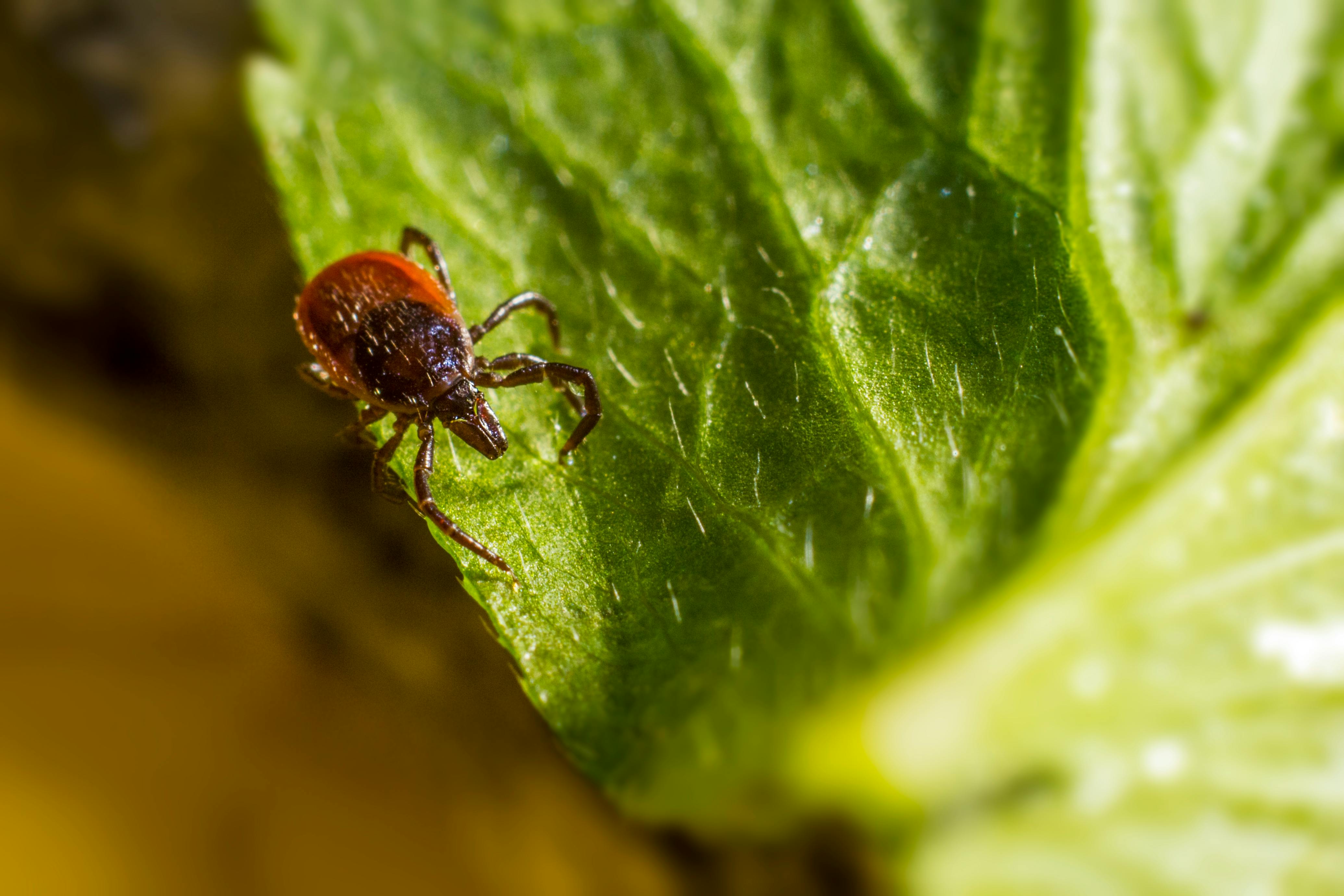
Before you call a professional, a quick backyard sweep can reveal hidden tick hotspots. Follow this step‑by‑step routine each week during tick season (April‑October) to stay ahead of the bite.
Backyard Walkthrough Checklist
- Perimeter walk: Trace the outer fence line, pausing to lift and shake any low‑lying vegetation. Ticks love the shade along edges.
- Pet‑area inspection: Examine dog runs, cat litter boxes, and any spot where pets roam. Look under bedding, in grass, and around water bowls.
- Leaf‑litter and mulch assessment: Rake leaf piles, turn mulch, and discard any damp, decomposing material where ticks thrive.
Printable Tick‑Check Chart
Print a simple chart and keep it on your fridge. Use one column for each body area (head, arms, torso, legs) and check off daily inspections. A sample layout looks like this:
| Body Area | Checked (Y/N) | Notes |
|---|---|---|
| Scalp / Hairline | ||
| Arms & Hands | ||
| Torso & Back | ||
| Legs & Feet |
Safe Tick Removal
If you find a tick, act quickly:
- Grab fine‑point tweezers and position them as close to the skin as possible.
- Pull upward with steady, even pressure—avoid twisting or jerking.
- After removal, clean the bite site with rubbing alcohol or soap and water.
- Disinfect the tweezers and store the tick in a sealed container for identification, if needed.
These steps follow the CDC’s tick‑removal guidelines, ensuring you minimize disease risk.
Effective Tick Treatments for Marietta Homes
Chemical Barrier Sprays
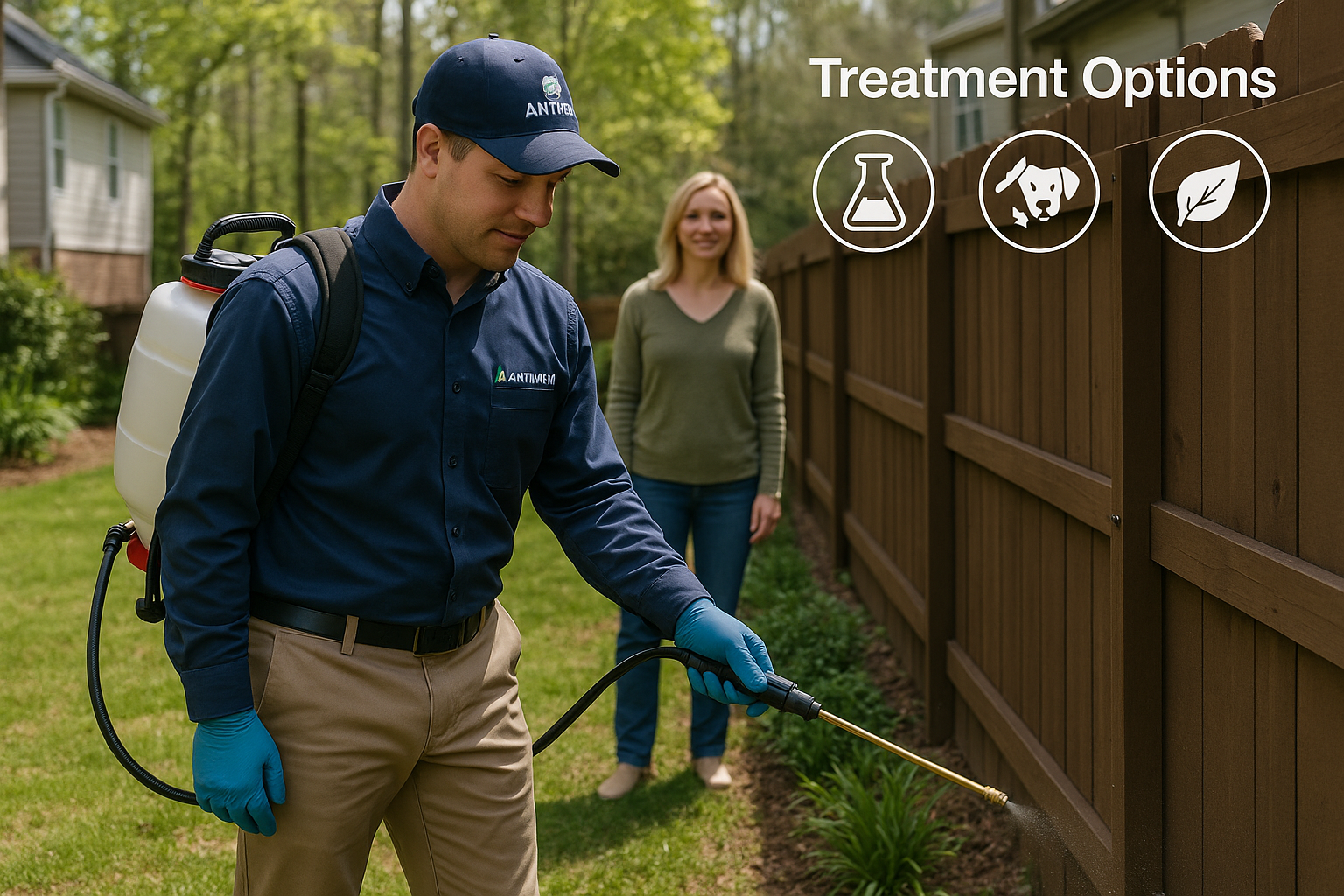
When it comes to fast‑acting protection, most homeowners turn to professional chemical barrier sprays. The two workhorses in the industry are permethrin and bifenthrin. Both are EPA‑registered for outdoor tick control and have a proven track record of knocking down adult ticks and nymphs before they can crawl onto your lawn or patio. After a technician applies the spray, the residual layer remains active for roughly 4–6 weeks, depending on weather, foot traffic, and how often you mow.
- Permethrin: Offers quick knock‑down and a residual effect of up to 6 weeks. Works well on grassy areas and low‑lying shrubs.
- Bifenthrin: Slightly longer residual life, especially effective in sandy soils and around perimeter fences.
- EPA registration: Guarantees that the product has been evaluated for safety when used as directed, protecting children and pets when the label instructions are followed.
Organic & Pet‑Safe Solutions
For families that prefer a gentler touch, organic options are gaining popularity. Neem oil and diatomaceous earth (DE) are the most common choices. Neem oil works by disrupting the tick’s life cycle; it’s a botanical extract that’s safe for pets and kids when applied correctly. Diatomaceous earth, a fine powder made from fossilized algae, physically abrades the tick’s exoskeleton, causing dehydration.
- Pros: Low toxicity, minimal environmental impact, and often available for DIY application.
- Cons: Shorter residual activity—typically a few days for neem oil and a week for DE—so re‑application is frequent. Effectiveness can drop in wet conditions, as DE loses its abrasive quality when damp.
Integrated Pest Management (IPM)
IPM takes a holistic view, combining cultural, mechanical, and chemical tactics to keep ticks at bay without relying solely on pesticides. The first step is habitat modification: keep grass trimmed to 3–4 inches, remove leaf litter, and thin out low‑lying brush where ticks love to hide. Next, consider landscaping tweaks such as planting deer‑repellent herbs (e.g., rosemary, lavender) and creating a dry, sunny buffer zone between wooded areas and your play yard.
One of the most effective physical barriers is deer‑exclusion fencing. A 4‑foot high fence with a tight mesh prevents deer—key hosts for adult ticks—from entering your property, dramatically reducing tick pressure. Pair these steps with occasional targeted sprays in high‑risk zones, and you’ll see a measurable drop in tick activity.
Professional Services
While DIY methods have their place, a licensed technician brings three advantages that most homeowners can’t match on their own. First, they are EPA‑certified, meaning they know how to select the right formulation, mix it safely, and apply it at the optimal rate. Second, professional crews have access to higher‑efficacy products and equipment that create a uniform barrier across large yards.
Most importantly, data from the NPMA 2023 efficacy study shows that professionally applied tick programs achieve success rates up to 85 %, compared with roughly 45 % for DIY treatments. The study highlights that consistent re‑treatment, proper timing (early spring and late summer), and integrated approaches are the keys to lasting control.
Transparent Pricing for Tick Control in Marietta
When it comes to protecting your yard and home from ticks, knowing exactly what you’ll pay helps you compare options without surprise fees. At Anthem Pest Control we break down every line item so you can see where your money goes and why it matters.
Typical Cost Ranges
- Per‑treatment (single visit): $120 – $250
- Full‑season package (covers spring through fall): $350 – $600
The per‑treatment price is ideal for homeowners who need a one‑off knock‑down after a sudden infestation. The full‑season package spreads the cost over multiple applications, often delivering a better overall value because it includes early‑season preventive work, mid‑season follow‑ups, and a final inspection.
What Drives the Price?
Several factors influence whether you fall at the low end or high end of the ranges above:
- Property size: Larger lawns or multiple structures require more product and labor.
- Infestation level: Heavy tick populations demand higher‑dose treatments and possibly additional visits.
- Treatment type: Spot‑treatments, barrier sprays, or integrated pest‑management plans each have distinct material costs.
- Frequency of service: Quarterly applications are cheaper per visit than a single, intensive treatment.
- Special considerations: Pets, children, or sensitive landscaping may call for eco‑friendly formulations, which can add a modest premium.
Understanding these drivers lets you ask the right questions and avoid hidden fees such as extra travel charges or unexpected follow‑up visits.
DIY Kits vs. Professional Services
Many homeowners wonder whether a do‑it‑yourself kit can match a licensed professional. The table below highlights the key differences.
| Aspect | DIY Kits | Professional Services |
|---|---|---|
| Cost | $30 – $80 per application | $120 – $250 per treatment |
| Effectiveness | Variable; often limited to surface areas | High; thorough coverage with EPA‑approved products |
| Safety | Higher risk of improper mixing or over‑application | Trained technicians follow safety protocols and use calibrated equipment |
| Labor | All work done by homeowner; time‑intensive | Licensed crew handles prep, application, and clean‑up |
While DIY kits can be tempting for a low upfront cost, the reduced effectiveness and safety concerns often lead to repeat applications, eroding any savings. Professional services, though pricier per visit, typically deliver lasting control, protect family members, and free you from the guesswork of proper dosage.
For a data‑backed view of regional pricing, see the EPA 2023 pesticide cost survey for Georgia. This survey confirms that the price brackets listed above align with statewide averages for residential tick control.
Seasonal Tick Management Calendar
Spring: Early Action (March – April)
As temperatures rise, tick larvae hatch and begin questing for hosts. This is the ideal window for a professional larval treatment, which reduces the population before it can mature. Schedule a service in early spring to create a protective barrier around your home’s perimeter.
- Mowing: Cut grass to a maximum of 2‑3 inches twice a week to expose larvae and make the environment less hospitable.
- Leaf & debris removal: Clear fallen leaves and organic matter where larvae hide.
- Pet grooming: Bathe and inspect dogs and cats weekly; use a tick‑preventive collar or topical medication.
- Personal checks: After any outdoor activity, conduct a thorough tick sweep of skin, especially around ankles and wrists.
Summer: Targeting Nymphs (July – August)
Mid‑summer brings the most aggressive stage—nymphs. They are tiny, hard to spot, and responsible for most human bites. A second professional treatment in late summer focuses on nymph control, complementing the earlier larval barrier.
- Mowing: Maintain a 2‑inch grass height and consider a second, deeper cut to disrupt nymph habitats.
- Landscape trimming: Keep shrubs and groundcover trimmed away from the house foundation.
- Pet grooming: Increase grooming frequency to twice weekly; check ears, neck, and belly for hidden nymphs.
- Outdoor checks: Perform a quick tick inspection after hiking, gardening, or playing in the yard.
Fall & Winter: Maintenance and Prevention
Ticks enter a dormant phase as temperatures drop, but adult females can still lay eggs in protected micro‑climates. A fall inspection helps identify any missed spots and prepares your property for the next season.
- Leaf clearing: Remove leaf piles and mulch that can shelter overwintering ticks.
- Yard cleanup: Store firewood away from the house and eliminate rodent nesting sites.
- Pet care: Continue monthly preventative treatments; winter coats can trap ticks.
- Year‑round checks: Even on chilly days, inspect pets and children after any brief outdoor exposure.
For quick reference, download our printable Seasonal Tick Management Calendar (placeholder for future graphic). Keep it on your fridge and mark each recommended action as you complete it—consistent, seasonal steps are the most reliable defense against ticks in Marietta.
Local Knowledge, Trusted Service
When it comes to tick control in Marietta, you deserve a team that knows the local landscape inside and out. Anthem Pest’s technicians are all EPA‑registered applicators, and the company holds a current Georgia Department of Agriculture license, so every treatment follows state‑mandated safety and efficacy standards.
That local expertise isn’t just a badge on a wall—it translates into faster response times, targeted treatment plans that reflect Marietta’s unique micro‑climates, and peace of mind for families who want to keep their yards safe for kids and pets.
Certified Professionals You Can Rely On
Our applicators undergo annual continuing‑education courses that cover the latest tick‑borne disease research and environmentally responsible pesticide application. Because they are EPA‑registered, they are authorized to use the most effective, low‑toxicity products approved for residential use, ensuring your home stays protected without compromising indoor air quality.
What Neighbors Are Saying
We’ve been dealing with ticks for years, and Anthem Pest finally gave us a solution that actually works. The technician explained every step, and our kids can play outside again without worry.
The crew arrived on time, wore proper protective gear, and treated our yard with a product that’s safe for our dogs. I appreciate the professionalism and the clear follow‑up call.
After a quick inspection, Anthem Pest set up a tick barrier that’s held up through the summer. Their local knowledge of Austell’s wooded areas made a huge difference.
Ready to Protect Your Home?
If you’re ready to safeguard your family and pets, give Anthem Pest a call at 877‑371‑8196 or visit anthempest.com to schedule a free on‑site assessment. Our local team is standing by to deliver the same trusted service that neighbors across Kennesaw, East Cobb, and Austell rely on.
FAQ – Tick Control for Marietta Homeowners
How soon after treatment are ticks eliminated?
You’ll usually see a sharp drop in tick activity within 1‑2 weeks after a professional treatment. EPA‑registered products begin killing on contact, but the residual barrier needs a few days to fully coat soil, mulch and foundation cracks. Most homeowners report a 70‑90 % reduction by day 7, with the remaining ticks fading as the residual effect persists. A follow‑up visit 7‑14 days later confirms complete control.
Are pets safe during chemical applications?
Our EPA‑approved sprays are labeled pet‑safe once the surface is dry—typically 30‑45 minutes outdoors. We still advise keeping dogs and cats indoors or confined during application and until drying is complete. Remove pet bedding and food dishes from treated zones to prevent accidental ingestion. After the drying period, most pets can safely return, but always double‑check the label for any specific re‑entry interval.
What if ticks reappear after a season?
If ticks show up again after the season, it usually means a hotspot was missed or a new infestation has begun. Anthem offers a complimentary re‑inspection within 30 days of the original service to locate lingering problem areas. Should additional work be required, we can apply spot‑treatments or a targeted perimeter spray at a discounted rate for returning customers. Ongoing yard maintenance—regular mowing, leaf removal, and brush clearing—helps keep ticks from rebounding.
Take Action for Tick‑Free Living in Marietta
Keeping your yard tick‑free in Marietta isn’t a one‑time task; it requires proactive, transparent control that protects your family year‑round. Anthem Pest brings local expertise, certified technicians, and clear pricing so you know exactly what to expect. We’re proud to offer a complimentary, no‑obligation inspection and free quote for any tick‑prevention plan. Let us handle the science while you enjoy your outdoor spaces with peace of mind. Call us today at 877‑371‑8196 or visit Anthem Pest Control to schedule your free inspection.
Our locally‑trained team knows Marietta’s tick hotspots and tailors each treatment to your property’s unique needs.