Introduction to Gnat Issues in Vinings

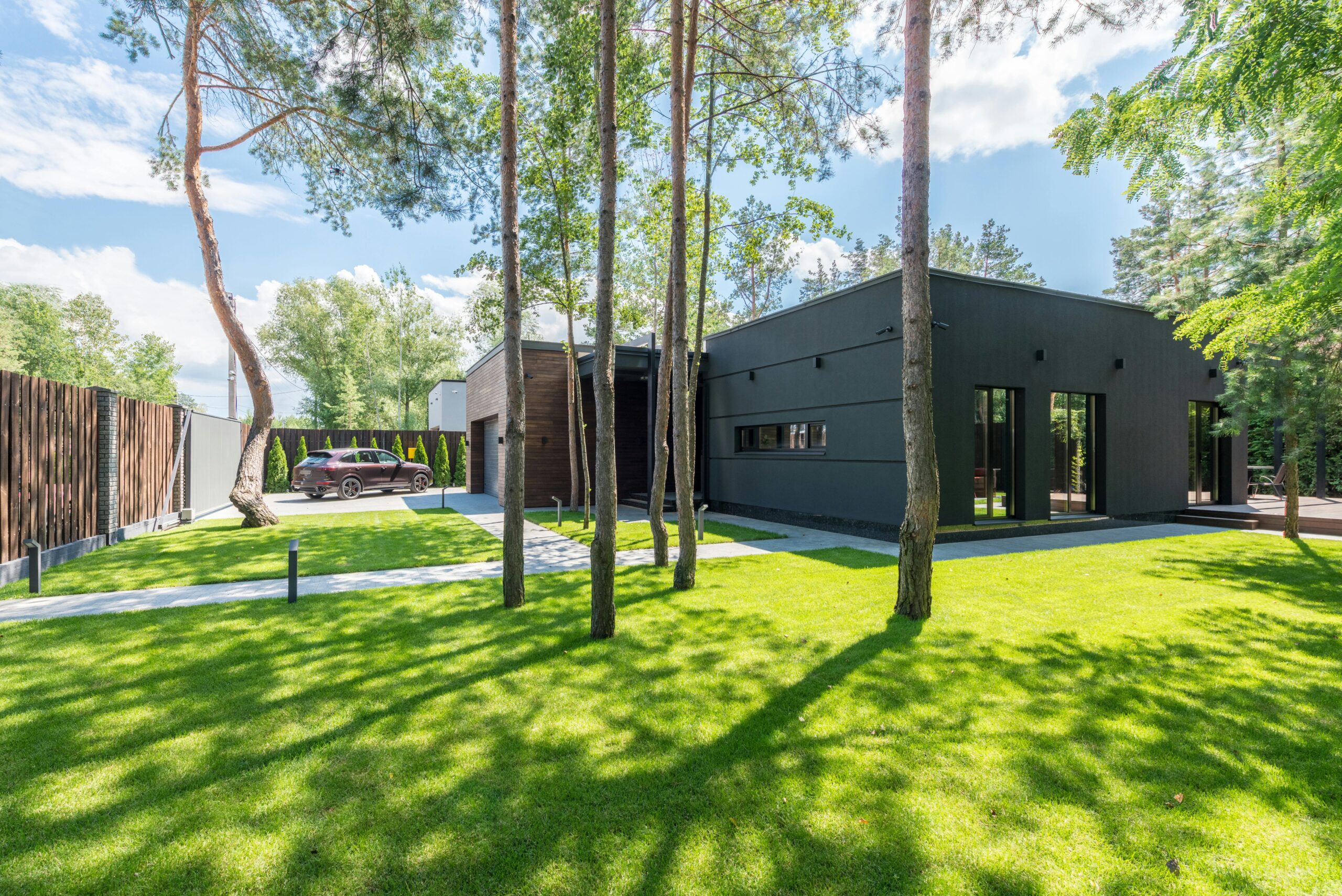
Homeowners in Country Club Estates, Vinings Village, and West Cobb have been posting photos of dense gnat clouds hovering around porch lights and garden plants. Over the last few weeks the sightings have jumped from occasional annoyances to full‑blown swarms that settle on outdoor furniture and even indoor windows. This sudden surge signals a shift in the local environment that’s inviting gnats to make Vinings their temporary home.
Beyond the annoyance, gnats can turn a pleasant evening on the patio into a constant itching marathon. Their bites often leave tiny red welts that itch for days, and for those with sensitivities the irritation can be severe enough to trigger allergic reactions. Moreover, certain species act as disease vectors, carrying bacteria from decaying organic matter to your skin and, in rare cases, to pets. In a community that prides itself on outdoor living, those bites and health concerns quickly erode the enjoyment of backyards, decks, and evening barbecues.
That’s why this guide breaks down exactly what you need to know to reclaim your home. First, we’ll walk through a transparent cost breakdown—so you’ll see why a typical gnat treatment in Vinings ranges from a modest per‑visit fee to a comprehensive seasonal plan, and how those numbers compare to DIY alternatives. Next, we’ll compare the most effective treatment options, from targeted adulticide foggers to environmentally‑friendly larval drenches that strike at the source in moist soil and standing water. Finally, we’ll share Vinings‑specific prevention tips—like proper irrigation scheduling and strategic landscaping choices—that keep gnats from returning after the service is complete.
Our recommendations are rooted in data collected from hundreds of Vinings homes, seasonal climate patterns, and the latest entomological research. By partnering with Anthem Pest Control, you benefit from a professional, data‑driven approach that blends precise identification, targeted chemistry, and ongoing monitoring—all while adhering to the safest practices for families and pets. Whether you’re dealing with a one‑time invasion or looking to fortify your property against future swarms, the information ahead equips you with the knowledge and confidence to make smart, cost‑effective decisions.
Understanding the Gnats Commonly Found in Vinings
Vinings homeowners typically run into two gnat groups that cause the most trouble: indoor fungus gnats that hover around houseplants, and outdoor biting midges that swarm near damp areas. Knowing which one you’re dealing with saves time, money, and unnecessary pesticide use.
Fungus Gnats – The Indoor Intruder
Fungus gnats (Bradysia spp.) are tiny, dark‑winged flies about 1/8 inch long. They love the moist soil of potted plants, especially when the top layer stays wet for several days. Adults don’t bite; they flutter in a zig‑zag pattern close to foliage, often being mistaken for fruit flies. Their larvae feed on fungal growth and decaying organic matter, which can stress ornamental plants and, in severe cases, cause wilting.
Biting Midges – The Outdoor Buzzer
Biting midges (Culicoides spp.), sometimes called “no‑see‑ums,” are attracted to standing water, damp mulch, and newly installed rain gardens. Female midges require a blood meal, delivering a sharp, itchy bite that leaves small red welts. They are most active at dawn and dusk, hovering near ponds, birdbaths, or any water‑collecting feature.
According to the EPA’s 2024 residential pest survey, roughly 15 % of Georgia households reported noticeable gnat activity during the summer months, with higher rates in neighborhoods featuring extensive landscaping and water features—exactly the profile of many Vinings properties.
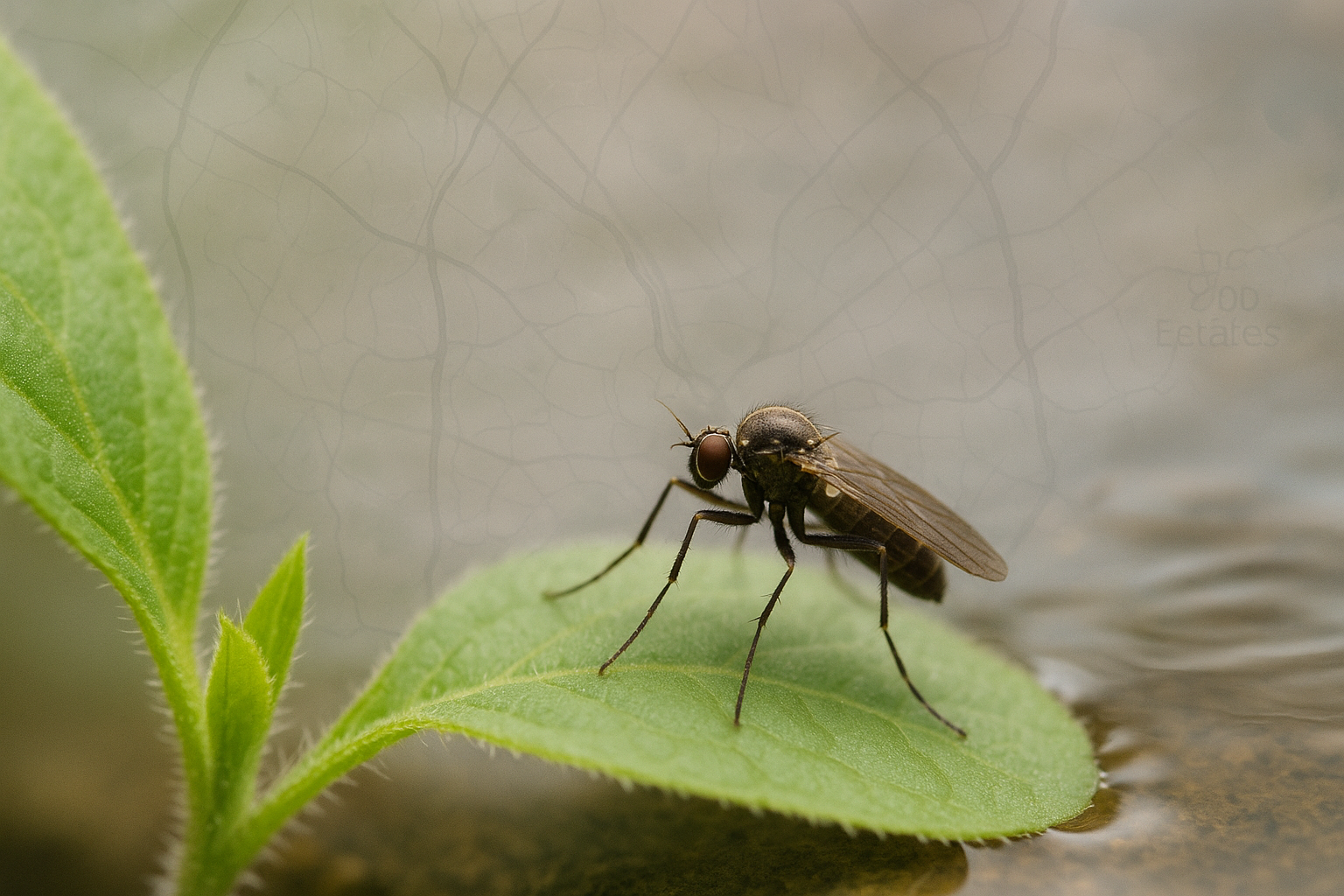
Mark, a Vinings resident, recently added a rain garden to his backyard. Within a week he noticed a persistent cloud of tiny insects buzzing near the garden’s edge and, later, a few itchy bites after evening walks. The daytime activity and lack of a mosquito‑like whine pointed to biting midges, while a separate swarm of tiny flies around his indoor spider plant signaled fungus gnats.
Key Identification Cues
- Location: Fungus gnats stay indoors, especially around potted plants; biting midges are found near outdoor water sources.
- Behavior: Fungus gnats flutter close to soil and foliage; biting midges hover in low, damp air and are most active at dawn/dusk.
- Physical traits: Fungus gnats have longer legs and a more pronounced “flying” pattern; biting midges are smaller, with stubby wings that are hard to see.
- Bite presence: Only biting midges deliver a painful bite; fungus gnats do not bite humans.
Matching these clues to the insects you see lets you pinpoint the exact gnat type and choose the right treatment—whether it’s adjusting watering practices for indoor plants or applying targeted outdoor controls around your rain garden.
Seasonal Activity and Local Risk Factors
In Vinings, gnat nuisance follows a predictable calendar. The first adults emerge in late spring, and by early summer the entire neighborhood can feel the bite. Peak activity stretches from May through September, when warm nights and abundant moisture give larvae a rapid growth spurt. After a heavy October rain, you’ll often notice a secondary surge as dormant pupae are flushed into the open and finish their development.
- May‑June: First wave of adult gnats; low but noticeable.
- July‑August: Highest density; biting midges are most aggressive.
- September: Activity tapers but remains steady in shaded yards.
- Late October (post‑rain): Minor rebound as wet conditions trigger late‑season hatching.
Because these peaks align with the region’s warm nights, adult gnats are most active at dusk, when they swarm around outdoor lighting and patio umbrellas.
Vinings sits in a humid subtropical zone, meaning hot, moist summers and mild, damp winters. This climate creates perfect breeding grounds: shaded mulch retains water, garden beds stay damp for weeks, and storm drains collect runoff that never fully dries. Those moist micro‑habitats act like nurseries, allowing gnat eggs to hatch and larvae to thrive unnoticed until they emerge as biting adults.
The bite of a female biting midge (often called a “no‑see‑um”) leaves itchy, red welts that can linger for days, especially on sensitive skin. While the irritation is primarily a nuisance, it can become a health concern for those with allergies or compromised immunity. In addition, homeowners with indoor plants may encounter fungus gnats; their larvae feed on root fungi, weakening plant vigor and leading to yellowing leaves or stunted growth.
For a deeper dive into the life cycle that drives these seasonal patterns, see the University of Georgia Extension article on gnat life cycles. Understanding when and where gnats breed helps you time treatments effectively, whether you’re tackling the problem yourself or calling a professional like Anthem Pest Control.
Inspection and Identification Checklist for Homeowners
Spotting gnats before they turn into a full‑blown infestation saves you time, money, and sleepless nights. Follow this quick, visual checklist each week to catch the tiniest clues that a gnat problem is brewing.
Step‑by‑Step Home Inspection
- Indoor plants: Lift pots and shine a flashlight into the soil. Tiny, worm‑like larvae or a thin white webbing signal fungus gnats.
- Drainage basins & pet water dishes: Check for standing water and any fuzzy growth. Moist environments are a gnat breeding ground.
- Moist soil in potted herbs or houseplants: Gently poke the top inch of soil; if it feels overly soggy, gnats love it.
- Yellow sticky traps: Place a few near windows, kitchen counters, and plant shelves. A sudden influx of tiny flies on the trap is an early warning sign.
Real‑World Example from Vinings
When the Martinez family moved into their charming Vinings home, they noticed a faint “buzz” near their kitchen herb garden. They set up two yellow sticky traps on the windowsill, and within 24 hours, dozens of tiny flies were stuck to the adhesive. A closer look at the basil and mint pots revealed a thin layer of white larvae crawling just beneath the soil surface. The culprit? A fungus gnat outbreak thriving on over‑watered soil. By acting quickly—drying the soil, trimming excess foliage, and applying a biological larvicide—the Martinezes halted the infestation before it spread to other rooms.
Signs vs. Species: Quick Reference
| Signs | Likely Species |
|---|---|
| Small, white larvae in potting soil | Fungus gnat (Bradysia spp.) |
| Fine, hair‑like webbing on soil surface | Fungus gnat |
| Red or itchy bite marks on exposed skin | Biting midge (Culicoides spp.) |
| Clusters of tiny flies near outdoor lights | Biting midge or adult fungus gnats |
Keep this checklist handy, and treat any red flags immediately. Early detection is the most affordable and effective line of defense against gnats in Vinings homes.
Treatment Options – Chemical, Non‑Chemical, and Professional
Chemical Controls
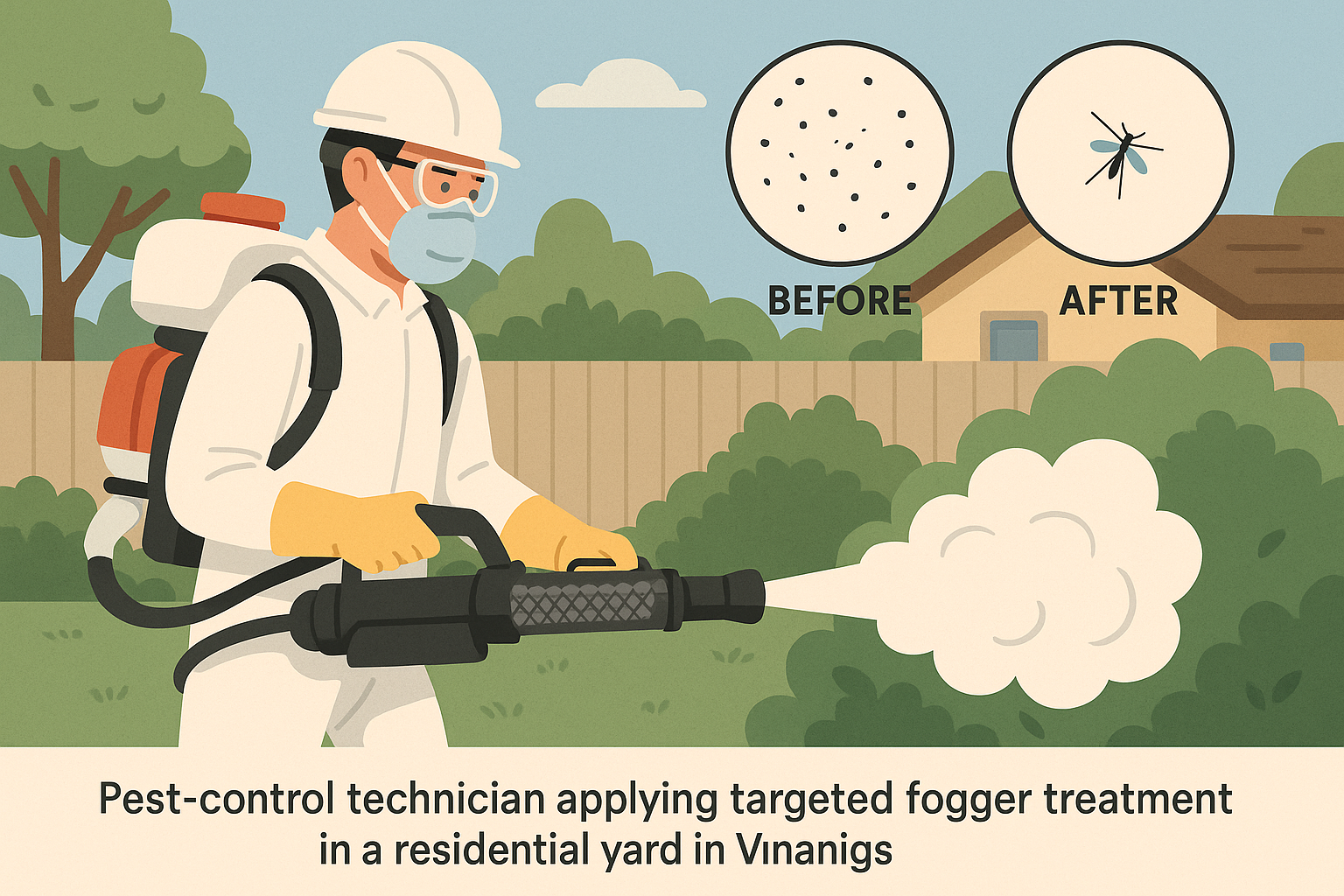
When gnats swarm your patio or indoor plants, many homeowners reach for EPA‑registered adulticides such as permethrin. Applied as a fine spray on foliage, wall voids, or outdoor perimeters, permethrin attacks adult gnats on contact and provides residual protection for up to three weeks. For the larval stage, Bacillus thuringiensis israelensis (Bti) is the go‑to larvicide; it is mixed with water and dripped into standing water where gnat larvae develop.
Safety is paramount. Always wear gloves, goggles, and a respirator rated for aerosols when handling these products. Follow label instructions regarding wind speed, re‑entry intervals, and pet exposure. According to 2023 EPA field data, a correctly applied permethrin‑Bti program can achieve an 80‑90 % reduction in adult gnat populations within the first week.
Cost varies by formulation and coverage area. A 1‑quart bottle of permethrin typically runs $25‑$35, while a Bti granule pack for a 500‑square‑foot pond is about $15‑$20. Homeowners who prefer DIY must also factor in the price of protective equipment, which can add $10‑$30 to the total.
Non‑Chemical Controls
Non‑chemical tactics focus on disrupting the gnat life cycle without synthetic chemicals. The most effective method is soil drying: eliminate excess moisture around foundations, flower beds, and drainage areas, because gnats need damp soil to lay eggs. Pair drying with nitrogen‑rich mulches—such as shredded leaves or straw—that decompose quickly, starving larvae of food.
Biological predators add another layer of protection. Entomopathogenic nematodes (e.g., Steinernema feltiae) are microscopic worms that hunt and kill gnat larvae in the soil. They are sold in ready‑to‑use sachets that are watered into the affected area. A typical DIY kit containing nematodes, a spreader, and instructions costs between $30‑$80, depending on coverage.
These methods are safe for children, pets, and beneficial insects, but they require consistent maintenance. Soil moisture must be monitored weekly, and organic mulches need replenishment every 4‑6 weeks during hot weather. While the immediate knock‑down isn’t as dramatic as chemicals, a well‑executed non‑chemical program can keep gnat numbers low year‑round.
Professional Services
Anthem Pest Control takes a blended approach that leverages the strengths of both chemical and non‑chemical tools. Their technicians start with a perimeter fogging using EPA‑approved micro‑encapsulated adulticides that penetrate dense foliage and hard‑to‑reach cracks. Inside the home, they apply targeted spot treatments—often a low‑odour permethrin formulation—directly to breeding sites such as kitchen drains or indoor plant pots.
After the initial application, Anthem schedules a follow‑up visit within 7‑10 days to assess efficacy and re‑treat any resurgence. This two‑step protocol, combined with advice on moisture management, typically yields a sustained 85‑95 % reduction in gnat activity. Pricing is transparent: a standard residential package starts at $149 for the first treatment and $79 for each follow‑up, inclusive of all PPE, equipment, and EPA‑listed products.
Choosing a professional service eliminates guesswork, ensures proper PPE use, and provides a warranty that most DIY solutions lack. For homeowners who value peace of mind and want rapid results, Anthem’s service is often the most cost‑effective long‑term option.
Comparison of Treatment Approaches
| Approach | Application Method | Typical Cost (per treatment) | Efficacy | Pros | Cons |
|---|---|---|---|---|---|
| Chemical Controls | Spray or drench (permethrin for adults, Bti for larvae) | $40‑$70 | 80‑90 % reduction in 1 week | Fast knock‑down, widely available, residual action | Requires PPE, potential non‑target impact, re‑application needed |
| Non‑Chemical Controls | Soil drying, nitrogen‑rich mulches, nematode drench | $30‑$80 (DIY kit) | 60‑75 % reduction over several weeks | Environmentally safe, no chemicals, improves soil health | Slower results, ongoing maintenance, less immediate visibility |
| Professional Services (Anthem) | Perimeter fogging + targeted indoor sprays, follow‑up visits | From $149 initial, $79 per follow‑up | 85‑95 % reduction, sustained for months | Expert application, warranty, integrated pest‑management advice | Higher upfront cost, reliance on service schedule |
Cost Breakdown for Vinings Homeowners
When it comes to gnat control, knowing exactly what you’ll spend helps you choose the right approach for your yard and budget. Below, we break down the three most common options—DIY kits, a single professional visit, and an annual service plan—so you can see how each stacks up in Vinings and nearby communities.
DIY Kit Options
Do‑it‑yourself kits are a popular entry point for homeowners who prefer a hands‑on approach. In Vinings, you’ll typically find kits ranging from $30 to $120. The price depends on two key factors: the type of product (sprays, granules, or foggers) and the coverage area it promises. A small 500‑sq ft spray might sit near the lower end, while a premium granular formula covering up to 2,000 sq ft will approach the higher end. Remember that you’ll also need to allocate a few minutes for inspection and proper application to avoid over‑ or under‑treating the area.
One‑Time Professional Visit
If you’d rather leave the work to the experts, a single professional visit usually costs between $150 and $250 for a typical 1,500‑sq ft yard. This fee includes a thorough inspection, identification of the specific gnat species, and a targeted treatment that may combine residual sprays and barrier applications. The price range reflects variations in property size, the severity of the infestation, and any additional services such as soil treatment or vegetation protection.
Annual Service Plan
For ongoing peace of mind, many Vinings homeowners opt for an annual service plan. Expect to pay $300 to $450 per year, which covers four quarterly visits, continuous monitoring, and adjustments to the treatment protocol as seasons change. This plan spreads the cost across the year and typically includes a discount compared to four separate one‑time visits, plus priority scheduling and a guaranteed response time if gnats reappear.
Comparing Local Markets
Pricing can vary slightly from one suburb to the next, often due to differences in average property size and local demand. The table below shows how Vinings stacks up against neighboring Cumberland and Marietta for each of the three options.
| Service Type | Vinings | Cumberland | Marietta |
|---|---|---|---|
| DIY Kit | $30 – $120 | $35 – $130 | $30 – $125 |
| One‑Time Professional Visit (1,500 sq ft) | $150 – $250 | $160 – $260 | $155 – $255 |
| Annual Service Plan (Quarterly Visits) | $300 – $450 | $320 – $470 | $310 – $460 |
These figures are averages based on 2024 market data. Prices can shift due to seasonal demand, special promotions, or property‑specific considerations. Always verify the most current rates with Anthem Pest and cross‑check with the Georgia Department of Agriculture to ensure you’re getting accurate, up‑to‑date information before committing to a service.
DIY Prevention Tips Tailored for Vinings Residents
Living in Vinings means enjoying beautiful yards and mild weather—but those same perks can create the perfect playground for gnats. The good news is that a few simple, low‑cost habits can keep those tiny flyers at bay all year long. Below are practical steps you can start today, without calling a professional.
Landscape Adjustments
- Improve drainage: Gnats love soggy soil. Ensure that low spots in your lawn slope away from foundations and that downspouts direct water at least three feet from the house.
- Trim low‑lying vegetation: Keep shrubs, groundcovers, and ornamental grasses trimmed to a height of six inches or less. This reduces shade and moisture where gnats lay eggs.
- Swap stagnant water features: If you have a pond, birdbath, or decorative basin, consider installing a small recirculating pump or fountain. Moving water discourages gnat breeding while still providing visual appeal.
Home Maintenance
- Seal window and door screens: Inspect screens for tears or gaps and repair them with a fine‑mesh patch. Even a tiny opening can let gnats flutter inside.
- Use outdoor fans: A gentle breeze disrupts gnat flight patterns. Position a patio or deck fan to create continuous airflow in high‑traffic outdoor areas.
- Cover trash bins tightly: Food scraps attract gnats. Use bins with snap‑tight lids and clean them regularly to eliminate lingering odors.
Seasonal Checklist
Timing is key. Follow this two‑point schedule to stay ahead of seasonal gnat spikes:
- Pre‑summer (April) inspection: Check drainage, trim vegetation, and verify that all water features are circulating. Replace any cracked screens before the heat sets in.
- Post‑rain (October) cleanup: After the heavy fall showers, walk the property to remove any standing water, clean gutters, and prune any new growth that may have shaded moist spots.
For a quick reference, download our printable seasonal checklist. Keep it on your fridge or in your home office, and tick off each task as you complete it. Consistent, small actions add up to a gnat‑free yard, letting you enjoy Vinings’ outdoors without the buzz.
Choosing a Local Provider – Why Anthem Pest Stands Out
For more than 15 years, Anthem Pest has been a fixture in Vinings and the broader Cobb County area. That longevity isn’t just a badge of honor; it means our technicians have watched the neighborhood’s micro‑climates shift season after season, learning exactly how gnats and other pests exploit the local humidity, shade patterns, and drainage quirks. Our crews map the exact locations of standing water, over‑mature plantings, and poorly ventilated crawl spaces, allowing us to target treatments where gnats first emerge.
When you call us, the first thing you’ll notice is our transparent pricing model. We provide a detailed, itemized quote before any work begins, and there are never surprise fees hidden in the fine print. Our free initial inspection lets us pinpoint the source of the gnat activity, so you only pay for the treatments that are truly necessary. We also back our work with a satisfaction guarantee, so if gnats return within 30 days we’ll revisit the property at no extra charge.
Safety is the cornerstone of every Anthem Pest service. All of our products are EPA‑registered and formulated for low toxicity, protecting children, pets, and the environment while still delivering aggressive pest control. Additionally, every technician on our team holds industry‑recognized certifications, guaranteeing that each application follows best‑practice protocols. All technicians complete annual refresher courses on the latest EPA guidelines, ensuring every spray meets the strictest health and environmental standards.
“Anthem Pest identified a hidden moisture problem behind my deck that was feeding the gnats. Their treatment was quick, and I haven’t seen a single gnat since. The price was exactly what they promised—no surprises.” – Emily R., Vinings, GA
“I appreciated the free inspection and the clear explanation of the low‑toxicity products they used. It felt good knowing my family was safe while the gnats disappeared.” – Mark T., Vinings, GA
Because we combine local climate expertise, upfront pricing, and a rigorous safety focus, Anthem Pest is the trusted partner Vinings homeowners turn to when gnats become more than a nuisance.
Frequently Asked Questions about Gnat Control
Do gnats carry disease in Georgia?
In Georgia, most common gnats—such as fungus gnats and non‑biting midges—are not known vectors for serious human diseases. The Centers for Disease Control and Prevention (CDC) notes that while some biting gnats can transmit minor skin irritations, they do not spread the major illnesses associated with mosquitoes or ticks. For the full CDC guidance, visit the CDC page on gnats. Rest assured, the primary concern with gnats is nuisance and potential plant damage, not disease transmission.
How long does treatment last?
Professional gnat treatments typically provide a residual effect that lasts between two and four weeks, depending on the product used and environmental conditions. Sprays and granules applied to outdoor perimeters or indoor crawl spaces continue to suppress adult gnats and larvae as long as moisture levels remain favorable. After the initial period, we recommend a follow‑up inspection to determine if a booster application is needed, especially during peak summer humidity.
Can I treat indoor fungus gnats myself?
Yes, a DIY approach can be effective for light infestations. Follow these steps:
- Identify the source. Check houseplants, soil, and any damp organic material.
- Dry the soil. Allow the top inch of potting mix to dry between waterings; gnats thrive in constantly moist soil.
- Apply a biological control. Mix Bacillus thuringiensis israelensis (Bti) granules or liquid into the soil according to the label.
- Set sticky traps. Place yellow sticky cards near the affected plants to catch flying adults.
- Maintain hygiene. Remove dead leaves and debris, and avoid over‑watering.
If the problem persists after two weeks, it’s time to call a professional for a more comprehensive treatment.
Are chemical treatments safe for pets?
Anthem Pest Control uses EPA‑approved products that are labeled safe for use around pets when applied correctly. We always follow the manufacturer’s re‑entry intervals and advise homeowners to keep pets indoors until treated areas are dry. Our technicians also offer low‑toxicity options for families with sensitive animals, ensuring effective control without compromising pet safety.
Conclusion and Call to Action
When gnats take up residence in your Vinings home, acting quickly makes all the difference. Early intervention stops a minor nuisance from turning into a full‑blown infestation, protects indoor air quality, and saves you money. While DIY traps and sprays can be cost‑effective for a one‑off flare‑up, a professional treatment guarantees lasting control and leverages the local expertise that only a Vinings‑based team can provide.
Delaying treatment not only allows the breeding cycle to accelerate, it also gives gnats time to find new entry points around doors, windows, and damp landscaping. The result is more bites, louder swarms, and higher removal costs down the road—issues that are far easier to prevent than to remediate.
If you’d like a hassle‑free solution, simply call Anthem Pest at 877‑371‑8196 for a free, no‑obligation quote. Our Vinings specialists will assess your situation, recommend the most effective treatment plan, and schedule service at a time that works for you.
Our approach combines industry‑approved products with environmentally responsible application methods, so you can feel confident that the treatment is both safe for your family and pets and tough on gnats. Competitive pricing, transparent estimates, and a satisfaction guarantee mean you receive top‑tier protection without breaking the bank.
Ready to reclaim your yard and indoor spaces? Visit Anthem Pest Control today and let our experts put an end to gnat problems for good.