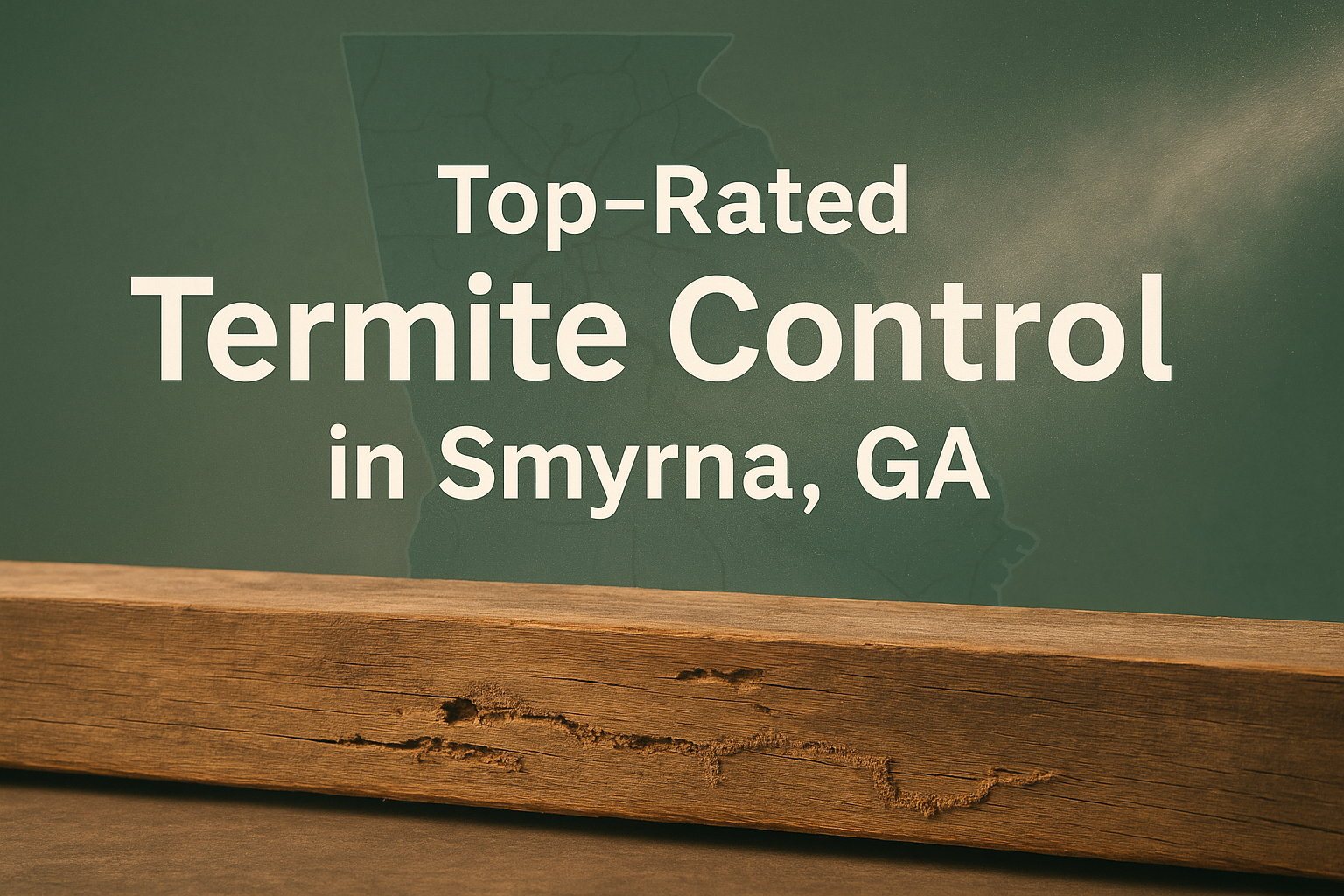
Why Termite Protection Matters in Smyrna, GA
Smyrna sits in the heart of Georgia’s humid, warm climate—conditions that termites love. The combination of high summer temperatures, frequent rainfall, and abundant moisture in soil creates a perfect subterranean highway for wood‑feeding colonies. When moisture seeps into a home’s foundation or crawl spaces, it softens the wood, turning it into an all‑you‑can‑eat buffet for termites. This isn’t a rare event; it’s a seasonal reality for most wood‑frame houses in the Cobb County area.
According to the 2023 USDA Forest Service estimate, termites are responsible for roughly $5 billion in property damage across the United States each year. That staggering figure translates to millions of dollars lost in neighborhoods just like yours, where a single undetected colony can chew through structural beams, floor joists, and support walls before the damage becomes visible.
In Cobb County, the typical wood‑frame home is especially vulnerable. Older foundations, expansive decks, and landscaped yards with mulch or wood chips provide easy entry points. Once a colony establishes a satellite nest inside a wall cavity, it can spread outward at a rate of up to six inches per month.
“One unchecked colony can compromise an entire home in less than two years.”
That timeline leaves little room for complacency; the longer the infestation goes untreated, the more costly the repairs become.
Anthem Pest knows Smyrna’s unique challenges. Our local technicians are trained to spot the subtle signs of termite activity that others might miss—like tiny mud tubes along foundation walls or hollow‑sounding wood when tapped. With a 24‑hour response line (877‑371‑8196), we’re ready to dispatch a team the same day you call, assess the situation, and implement a fast, effective treatment plan. Our commitment isn’t just to eradicate the current infestation; it’s to fortify your home against future attacks, giving you peace of mind year after year.
Spot the Signs Before the Damage Grows
Termites work silently, and by the time you notice a sagging floor or a cracked wall, the colony may have already compromised the structural integrity of your home. Catching the problem early is the most cost‑effective defense, and it starts with knowing the visual cues that termites leave behind.
Visual clues you can’t afford to ignore
- Mud tubes – Thin, pencil‑shaped tunnels of soil and wood particles that run along foundations, crawl spaces, or the lower portions of walls. They provide a protected highway for the colony and are often the first sign of activity.
- Winged alates – In spring, mature colonies release swarms of winged termites (often called “swarmers”). You’ll find discarded wings near light fixtures, windows, or on the ground outside your home.
- Hollow‑sounding wood – Tap a wooden beam or floor joist; if it sounds more like a drum than solid wood, termites may have hollowed out the interior.
- Frass piles – Dry, pellet‑shaped droppings that look like sawdust or tiny wooden beads. A small mound near a wooden structure is a tell‑tale sign of an active colony.
According to the U.S. Environmental Protection Agency, 70 % of homeowners misidentify termite damage as normal wear (EPA, 2022). This misconception often delays professional inspection until the damage is extensive and repair costs skyrocket.
Quick‑Check Checklist (visual guide)
Imagine a simple one‑page graphic you can hang on your refrigerator. It would feature four icons—each representing one of the clues above—with a brief “Yes/No” box next to each. Use the checklist during a monthly walk‑around:
- Are there mud tubes along the foundation or in crawl‑space walls?
- Did you spot winged termites or discarded wings this spring?
- Does any wood produce a hollow thud when tapped?
- Are there any frass piles or wood‑shavings near wooden structures?
Mark “Yes” for any item, and schedule an inspection within 48 hours. The graphic acts as a visual reminder, turning a routine stroll into a proactive defense.
Early detection saves more than money—it protects the safety of your family and the longevity of your investment. Spotting mud tubes, swarmers, hollow wood, or frass before they spread can prevent the need for major structural repairs, which often run into thousands of dollars. When you notice any of these signs, call Anthem Pest Control right away; our certified technicians will confirm the infestation and recommend a targeted treatment plan that fits your budget.
The Culprits – Subterranean vs. Dry‑wood Termites
Knowing which termite species is lurking in your home is the first step toward an effective, cost‑efficient solution. In Smyrna, Georgia, two culprits dominate the landscape: the subterranean Reticulitermes flavipes and the dry‑wood Incisitermes minor. Though they both chew wood, their habits, moisture needs, and preferred entry points differ dramatically, and those differences dictate the treatment you’ll need.
Subterranean Termite (Reticulitermes flavipes)
This species builds colonies underground, extending mud‑lined tunnels up to 100 feet in search of food. Moisture is a non‑negotiable requirement; workers must keep a constant water source, which is why you’ll often find them beneath foundations, crawl spaces, and slab edges. Their foraging patterns are systematic—workers patrol the tunnel network, creating satellite colonies when they encounter suitable wood, then retreat to the soil for moisture and nutrients.
Because the colony lives in the earth, damage can spread silently and quickly. Signs include mud tubes on exterior walls, damp wood near foundations, and winged alates emerging in the spring.
Dry‑wood Termite (Incisitermes minor)
Unlike their subterranean cousins, dry‑wood termites live entirely within the wood they consume. They require little to no soil contact and thrive in dry, interior components such as joists, beams, and furniture. Their colonies are smaller—often a few thousand individuals—but they can persist for years, feeding from the inside out without obvious external clues.
Infestations reveal themselves through fine, powdery frass (termite droppings) near galleries, hollow‑sounding wood, and occasional swarmers that appear in windows during warm, humid evenings.
According to the Georgia Department of Agriculture 2024 pest report, East Cobb and South Cobb neighborhoods in Smyrna show the highest reported activity for both species, with subterranean termites accounting for roughly 68 % of cases and dry‑wood termites the remaining 32 %. This geographic pattern aligns with the area’s mixed soil moisture zones and older housing stock.
Choosing the Right Control Method
Species identification directly informs the treatment strategy:
- Soil barrier: Ideal for subterranean termites; a liquid termiticide creates a continuous, moisture‑resistant shield around foundations.
- Termite bait stations: Effective for both species but especially useful for subterranean colonies that forage over large areas.
- Localized foam or dust: Best suited for dry‑wood termites, allowing technicians to target interior galleries without excavating the soil.
By matching the pest’s biology to the appropriate method, Anthem Pest Control can eliminate the infestation while minimizing disruption and expense for Smyrna homeowners.
Which Termite Control Method Is Right for Your Home?
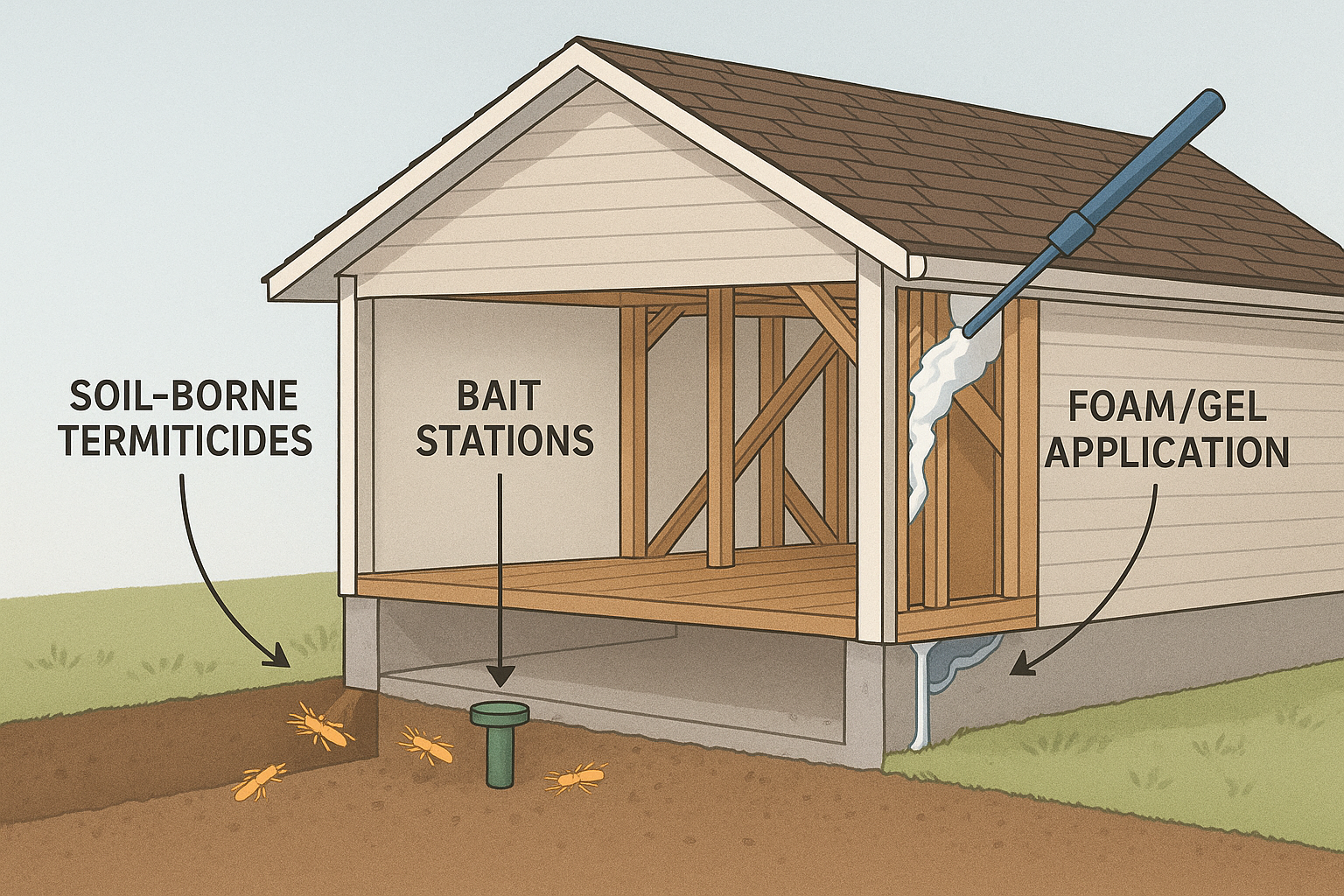
When termites threaten the structural integrity of a Smyrna home, the right treatment can mean the difference between a quick fix and a costly rebuild. Three primary strategies dominate the market: soil‑borne termiticides, bait station systems, and foam or gel injections. Each method targets a different stage of a colony’s life cycle, varies in upfront cost, and carries its own maintenance schedule. Understanding how they work, where they excel, and what they cost will help you match the solution to your property’s specific risk profile.
Soil‑Borne Termiticides
Soil‑borne termiticides create a chemical barrier that termites cannot cross without dying. A professional applies a liquid formulation 12‑18 in. deep around the entire foundation, sealing off entry points before the insects even reach the structure. According to the NPMA 2023 study, this approach boasts a 96 % success rate when installed correctly. The barrier remains effective for 5‑10 years, depending on product type and soil conditions, after which a re‑treatment is recommended. While the initial expense can be higher than other options, the long‑term protection and minimal homeowner involvement make it a strong choice for new construction or homes with extensive foundation exposure.
Bait Station Systems
Bait stations work on a “trojan horse” principle: small plastic boxes are placed in strategic locations—typically along the perimeter, near known entry points, and in interior voids where termites travel. Each station contains a cellulose substrate laced with a slow‑acting insecticide that worker termites share with the colony, eventually eliminating the queen. Installation costs range from $1,200 to $1,800, and the system requires monthly or quarterly monitoring by a licensed technician to replace consumed bait and verify activity. Because the bait targets foraging colonies rather than the soil itself, it’s especially effective in properties where a chemical barrier is impractical, such as homes with extensive landscaping or historic foundations.
Foam & Gel Treatments
Foam and gel injections are precision tools for localized infestations, such as damage found in a single wall cavity or beneath a concrete slab. A quick‑drying polymer foam expands to fill voids, delivering a concentrated dose of termiticide directly to the insects. Gel formulations behave similarly, flowing into cracks and crevices where termites hide. Costs typically fall between $800 and $1,200, making this option the most affordable for spot treatments. However, success hinges on accurate identification of the infestation zone, and repeat applications may be necessary if the colony expands. Homeowners who prefer a targeted approach without the extensive groundwork of a full barrier often opt for foam or gel.
Making the Decision
Choosing the right method involves weighing three factors: the extent of the infestation, your budget, and the level of ongoing maintenance you’re comfortable with. A full soil‑borne barrier offers the highest long‑term success but demands a larger upfront investment. Bait stations provide a middle ground—moderate cost with periodic monitoring—while foam and gel treatments excel at low‑cost, immediate remediation of isolated problems. Below, a side‑by‑side comparison highlights each method’s ideal use case, cost range, application depth, success rate, and maintenance requirements, helping you decide which solution aligns best with your home’s needs.
| Method | Ideal Use Case | Cost Range (USD) | Application Depth | Success Rate | Maintenance Needs |
|---|---|---|---|---|---|
| Soil‑Borne Termiticides | New construction, homes with extensive foundation exposure | $2,000‑$3,500 | 12‑18 in. around foundation | ≈ 96 % (NPMA 2023) | Re‑treatment every 5‑10 years |
| Bait Station Systems | Properties where a full barrier is impractical, active foraging colonies | $1,200‑$1,800 | Station placed at ground level; no deep excavation | ≈ 85‑90 % (EPA guidance) | Monthly/quarterly monitoring |
| Foam & Gel Treatments | Localized infestations, spot repairs, limited budget projects | $800‑$1,200 | Injected directly into voids (typically < 6 in.) | ≈ 70‑80 % (Georgia Dept. of Agriculture, 2024) | Potential repeat applications if colony spreads |
For the most reliable protection, many Smyrna homeowners combine a soil‑borne barrier with a bait station network, covering both the perimeter and the foraging pathways. If you’re dealing with a recent discovery in a single area, foam or gel can quickly knock out the problem while you plan a longer‑term strategy. Consulting a certified technician from Anthem Pest Control will ensure the chosen method complies with EPA regulations and Georgia’s pest‑management guidelines, giving you peace of mind that the treatment is both safe and effective.
What Will You Pay? Transparent Pricing
Understanding the cost of termite control removes the guesswork and lets you plan with confidence. At Anthem Pest, every dollar is accounted for—from the first inspection to the final follow‑up—so you know exactly what you’re paying for and why.
Inspection Fee
The first step is a thorough on‑site inspection, which includes a detailed written report and precise termite identification. In Smyrna, homeowners typically see an inspection fee ranging from $75 to $120. This one‑time charge covers the technician’s time, a moisture meter, and a comprehensive assessment of any existing damage.
Treatment Cost Ranges (Recap)
Based on the infestation type discussed in Part 4, treatment costs vary:
- Soil‑borne barrier: $1,200 – $1,800
- Bait station system: $1,000 – $1,500
- Foam or gel applications: $800 – $1,200
These figures reflect the materials, labor, and warranty coverage included in each method.
Follow‑Up Visits
After the initial treatment, regular monitoring ensures the colony stays eradicated. A single follow‑up visit—covering inspection, monitoring equipment checks, and any necessary re‑treatment—costs between $80 and $150. Most homeowners schedule two to three visits per year, depending on the severity of the original infestation.
Sample Budget Scenario
Imagine a 2,000‑sq‑ft Smyrna home with a moderate termite infestation. Below is an itemized estimate that illustrates a realistic total cost.
| Service | Unit Cost | Quantity | Total |
|---|---|---|---|
| Initial Inspection | $95 | 1 | $95 |
| Soil‑borne Barrier | $1,500 | 1 | $1,500 |
| Bait Stations (Installation) | $1,200 | 1 | $1,200 |
| Follow‑Up Visits (2) | $115 | 2 | $230 |
| Estimated Total | $3,025 |
Anthem’s Pricing Guarantee
Anthem Pest stands behind a transparent pricing promise: the estimate you receive is the price you pay. There are no surprise fees for travel, equipment, or after‑hours service. If a competitor offers a lower verified price for the same scope, we’ll match it, ensuring you receive the best value in Smyrna.
Financing Options
To keep termite protection affordable, Anthem offers flexible financing: low‑interest monthly plans starting at 0% for the first 12 months, and easy online enrollment. Homeowners can spread the cost of a comprehensive treatment over time without sacrificing coverage.
Pricing Trends Verified by 2024 HomeAdvisor Data
According to the 2024 HomeAdvisor cost guide, the average total expense for termite control in the Atlanta metro area—including inspection, treatment, and follow‑up—falls between $2,300 and $3,200. Anthem’s estimates align closely with these industry benchmarks, confirming that our transparent pricing is both competitive and reflective of current market conditions.
When to Act and How to Keep Termites Away
In Smyrna, Georgia, termites are most active when the weather warms and moisture levels rise. The CDC’s 2024 climate‑linked pest activity chart shows a sharp increase in termite foraging during April through July, coinciding with our local spring rains and early summer heat. Ignoring this window can let a small colony grow into a costly infestation before you even notice the damage.
Seasonal peaks you need to know
During spring, termites emerge from their underground tunnels to search for new food sources, especially any wood that’s in direct contact with soil. Early summer brings higher humidity, which softens wood and makes it easier for termites to chew through. By late summer, colonies are fully established, and the risk of structural damage spikes dramatically. Acting before or during these peak months gives you the best chance to stop them in their tracks.
Prevention checklist
- Reduce wood‑to‑soil contact. Store firewood, lumber, and mulch at least 12 inches away from your foundation and keep it elevated on a pallet.
- Fix leaky gutters and downspouts. Water pooling around the house creates the damp environment termites love, so repair any drips and direct runoff away from the foundation.
- Ensure proper ventilation. Crawl spaces and basements should have vents or dehumidifiers to keep humidity below 60 %.
- Schedule annual professional inspections. A certified technician can spot early signs, treat hidden colonies, and reset your prevention plan each year.
Even if you follow the checklist, a yearly inspection from Anthem Pest Control is the safety net that catches hidden activity before it spreads. Our technicians use moisture meters and infrared cameras to locate colonies that are invisible to the naked eye.
FAQ: Do bait stations work in rainy weather?
Yes. Modern bait stations are sealed and waterproof, allowing termites to enter and feed regardless of rain. Our technicians monitor station activity regularly, adjusting placement if excessive moisture interferes with bait uptake.
Taking these proactive steps dramatically lowers the likelihood of an infestation and can shave thousands of dollars off future treatment costs. The sooner you act, the easier—and more affordable—it is to keep your home termite‑free.
Local Trust, National Standards
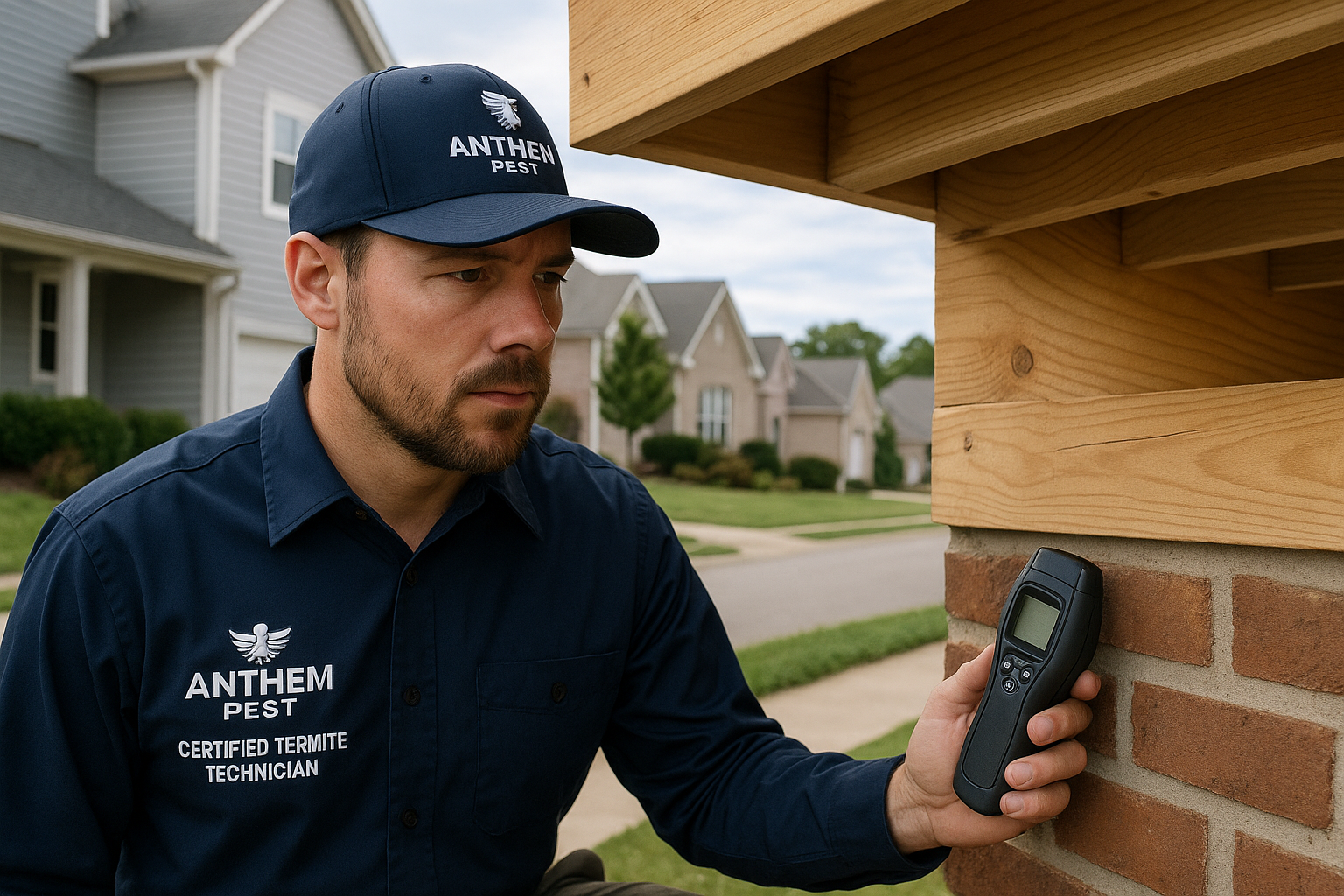
When you call a pest‑control professional in Smyrna, you want someone who knows the neighborhood and follows the toughest industry rules. Anthem Pest delivers both.
Certified expertise you can count on
- EPA‑registered applicator – every chemical we use is approved and applied by technicians trained to meet federal safety standards.
- State‑licensed pest‑control operator – our Georgia license guarantees compliance with state regulations and ongoing education.
These certifications aren’t just letters on a wall; they mean every technician follows strict safety protocols, records every application, and stays current with the latest EPA‑approved products.
15 years of proven results in Georgia
Since 2009 Anthem Pest has been a fixture in Georgia’s pest‑management landscape. Over the past 15 years we have completed thousands of termite inspections and eradications, adapting our methods to the local climate and construction styles that make Smyrna homes unique.
In the past year alone we protected more than 350 Smyrna homes from termite damage, cutting repair costs by up to 70 % compared with untreated infestations.
What Smyrna homeowners are saying
Our Google rating sits at an impressive 4.8 out of 5, based on dozens of verified reviews.
Our rapid‑response team typically arrives within 24 hours of your call, conducts a thorough inspection, and presents a clear, written estimate—no hidden fees.
“Anthem Pest arrived on time, explained every step, and got rid of the termites in our crawl space within days. We felt safe and saved money compared to other quotes.”
Ready for a free, no‑obligation inspection?
Because we blend local knowledge with national standards, you can trust us to protect your home the right way. Schedule your complimentary inspection online at anthempest.com or call 877‑371‑8196 today.
We work evenings and weekends to fit your schedule, so you never have to sacrifice comfort for a pest‑free home.
Protect Your Smyrna Home Today
Early detection is the most cost‑effective line of defense against termites. Spotting a mud tube, a hollow‑sounding wood panel, or a sudden increase in wood damage lets you intervene before an infestation spreads, saving thousands in repair bills.
The three primary treatment pathways each offer a reliable shield:
- Soil barrier – A liquid barrier applied around the foundation creates a chemical wall that termites cannot cross.
- Bait stations – Strategically placed stations attract foraging colonies; the slow‑acting toxin is shared throughout the nest, eliminating the source.
- Foam or gel applications – Targeted injections reach hidden galleries and voids, delivering fast‑acting control where surface treatments can’t.
Transparent pricing lets you plan ahead with confidence. Anthem Pest provides clear, upfront estimates for each method, so you know exactly what to expect on your budget.
Our Smyrna team is dedicated to protecting families with rapid response times and dependable results. We treat every home as if it were our own, combining local expertise with the latest termite‑control technology.
Ready for peace of mind? Call 877‑371‑8196 for a free, no‑obligation quote or visit our booking page. Our technicians arrive on schedule, fully equipped, and ready to answer any questions you may have about long‑term prevention. Your home deserves a proactive partner—let Anthem Pest be that partner.