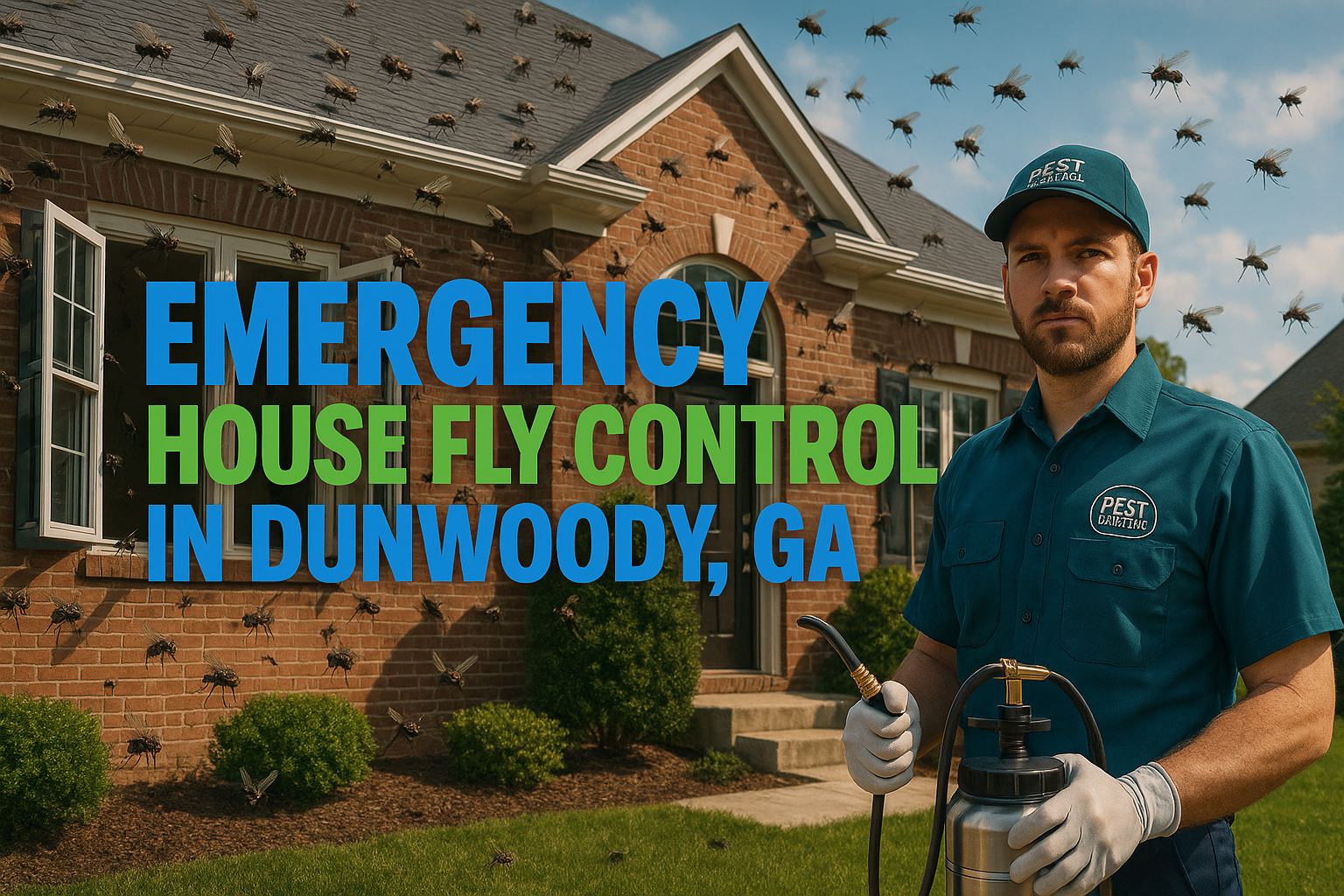
Why Emergency Fly Control Matters
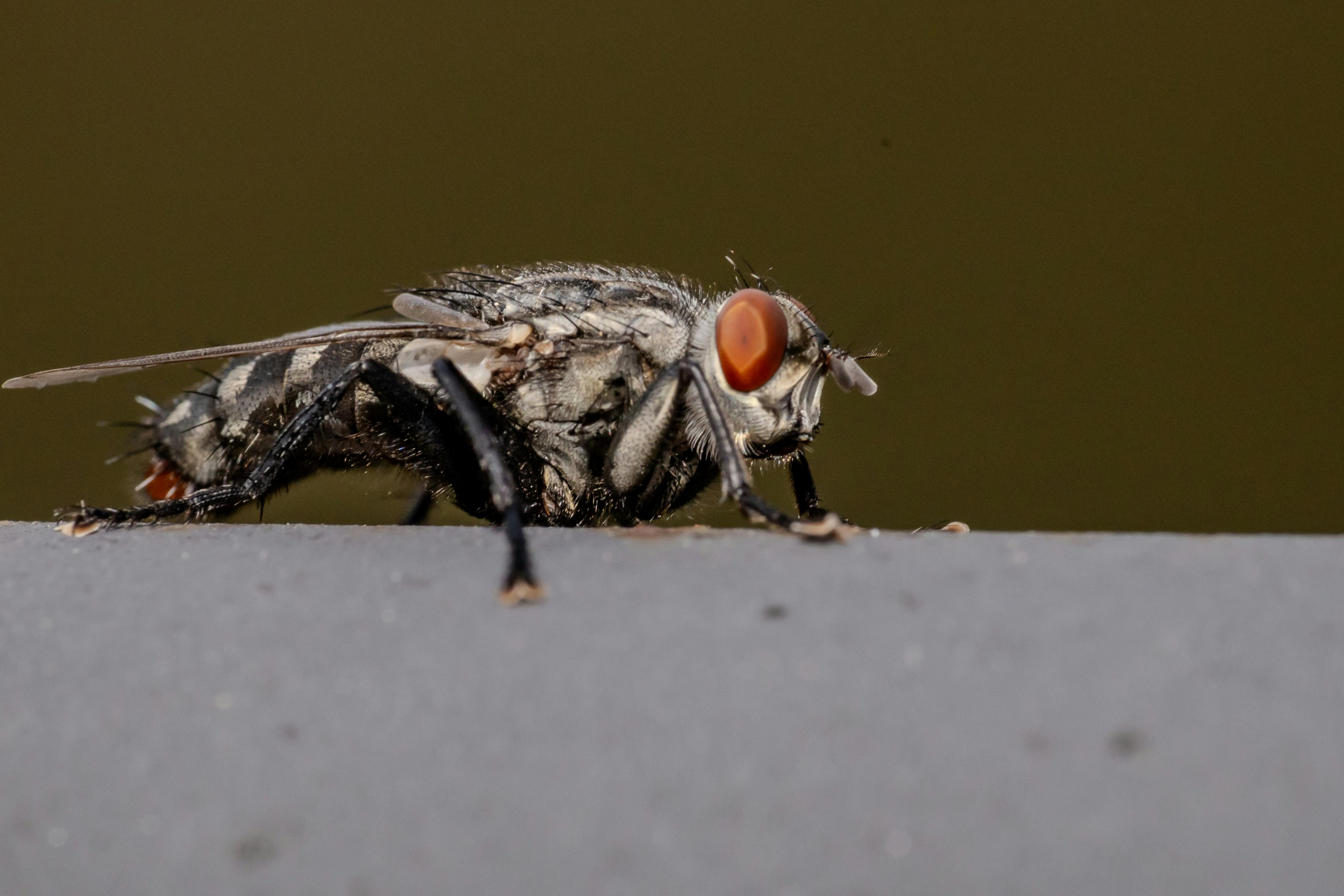
House flies (Musca domestica) complete their life cycle in as little as seven days under warm conditions. An adult female can lay up to 150 eggs in a single batch, and she may produce several batches in her two-month lifespan. This rapid reproduction means a handful of flies can explode into a full-blown infestation before most homeowners even notice the first nuisance—making house fly control Dunwoody homeowners rely on essential.
According to the U.S. Environmental Protection Agency, Georgia saw a 12% increase in fly‑related complaints in 2024 compared with the previous year. The EPA’s House Fly Pest Management report highlights that delayed treatment is the primary driver of these spikes, as flies quickly establish breeding sites in kitchens, garbage areas, and pet zones.
In Dunwoody, the problem often begins in high‑traffic neighborhoods where people congregate and waste accumulates. Areas such as Dunwoody Village, Brookwood, and Perimeter Center report the highest early‑stage sightings, largely because dense housing and shared amenities create perfect breeding grounds.
For homeowners, the stakes go beyond annoyance. Flies are mechanical vectors for over 100 disease‑causing pathogens, including Salmonella and E. coli. An unchecked fly population can contaminate food, surfaces, and even outdoor gatherings, turning a minor inconvenience into a public‑health concern.
Understanding the biology, the recent data surge, and the local hotspots sets the stage for an actionable, data‑driven response. Prompt intervention not only stops the numbers from climbing but also protects your family’s health and preserves the comfort of your home.
Spotting a House Fly Infestation
Adult house flies are about ½‑inch long, gray‑black, and have a distinctive buzzing flight pattern. Their life cycle includes a rapid‑growing larval stage—commonly called maggots—that thrives in moist, organic material. In a typical suburban home, the most common breeding grounds are uncovered garbage cans, kitchen compost piles, pet waste, and any damp, decaying matter left outdoors.
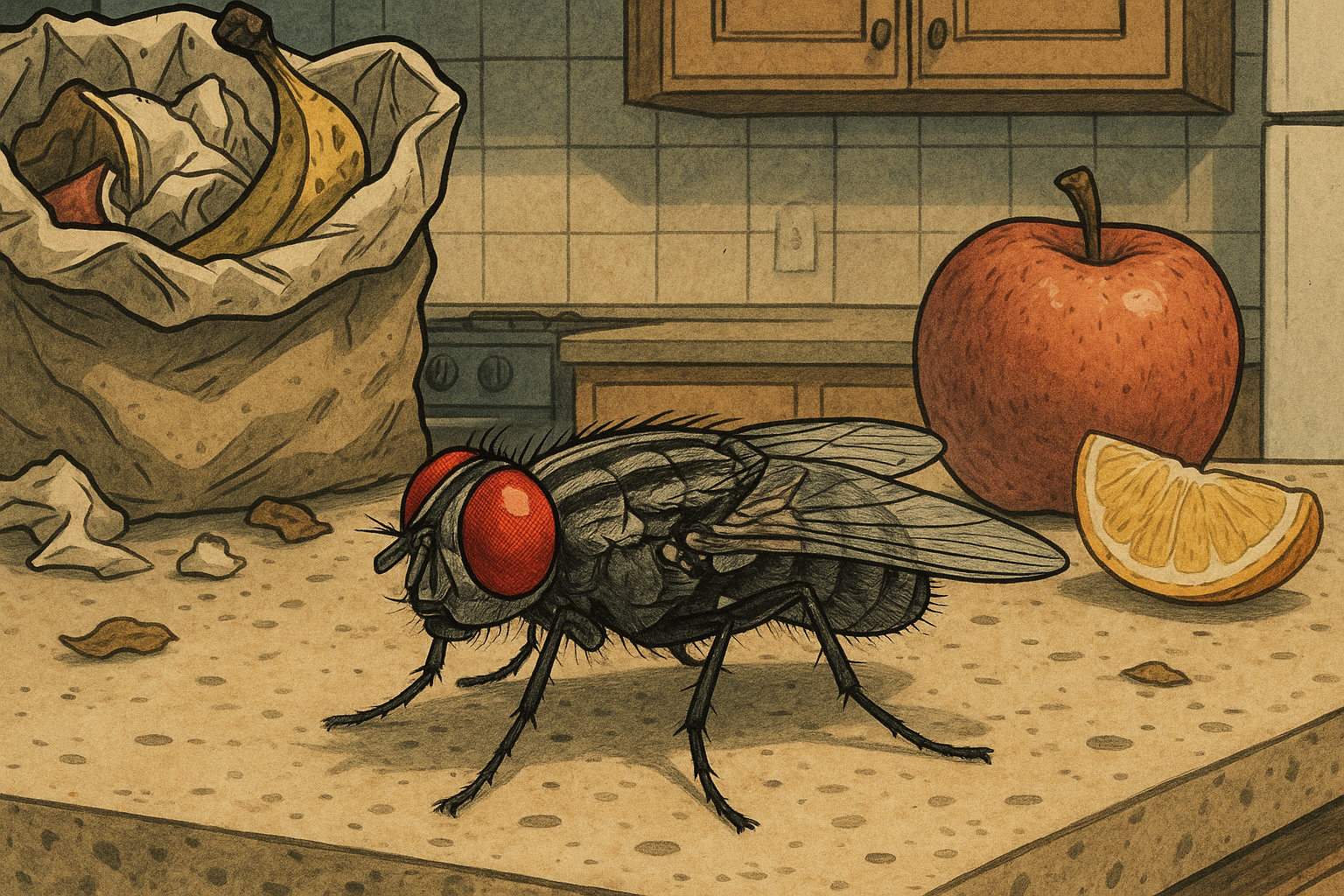
Typical Breeding Sites
Flies need three things to reproduce: food, moisture, and warmth. In Dunwoody, the summer heat provides the warmth, while everyday household waste supplies the food and moisture. Common hotspots include:
- Unsealed trash bins or recycling containers.
- Outdoor compost bins that aren’t covered.
- Pet kennels, litter boxes, or dog waste left in the yard.
- Leaking gutters or damp mulch beds.
Key Signs of an Infestation
- Seeing more than ten flies inside the house in a single hour.
- Flies constantly swarming around garbage or compost areas.
- Presence of white, wriggling maggots in compost, garbage, or pet waste.
- Sticky traps or fly ribbons becoming saturated within a day or two.
- Unexplained fly activity near windows, doors, or outdoor lighting.
Real‑World Example
John, a homeowner in the Brookwood neighborhood, noticed a sudden uptick in flies hovering near his kitchen door. Within 48 hours, the flies were congregating around an uncovered compost bin in his backyard. A quick inspection revealed a thick layer of maggots feeding on rotting vegetable scraps. After sealing the bin and cleaning the area, the fly numbers dropped dramatically, confirming that the compost was the primary breeding site.
According to the 2025 Georgia house‑fly complaint statistics from the EPA, Dunwoody reported a 27 % increase in residential fly complaints compared with the previous year, underscoring how quickly a small oversight can become a full‑blown infestation.
Health Risks and Economic Impact
House flies may seem like a mere nuisance, but they are efficient disease carriers that can turn a clean kitchen into a public‑health hazard in minutes. When a fly lands on garbage, animal waste, or a contaminated surface and then hops onto food, it can deposit pathogens that cause serious gastrointestinal illness.
Disease Vectors
The CDC’s facts sheet on house flies identifies several bacteria that flies commonly spread:
- Salmonella – responsible for salmonellosis, leading to fever, diarrhea, and abdominal cramps.
- Escherichia coli (E. coli) – certain strains can cause severe kidney failure, especially in children.
- Shigella – causes shigellosis, marked by bloody diarrhea and dehydration.
Each of these pathogens can be transmitted after a single fly contact, underscoring why swift fly control is essential for household health.
Food‑Contamination Costs
The USDA estimates that food‑borne illness linked to fly activity costs the United States roughly $1.2 billion each year in medical expenses, lost productivity, and food waste. Georgia’s share, based on its 1.1 % of the national population, translates to about $13 million annually. When spread across the state’s 10 million residents, the per‑capita impact is roughly $1.30 per person per year—a figure that climbs dramatically for households experiencing frequent fly infestations.
Local Impact in Dunwoody
Fulton County health‑code data for 2023 shows a 22 % rise in restaurant violations related to fly presence in Dunwoody compared with the previous year. These violations often result in fines, temporary closures, and a loss of consumer confidence that can ripple through the local economy.
Financial Burden of Emergency Treatment
When a fly outbreak threatens health and finances, professional intervention is the fastest remedy. In Georgia, the typical price range for an emergency, single‑visit spray treatment is $150–$300. While this may seem like an added expense, it is a fraction of the potential costs from medical bills, lost wages, and food waste.
| Scope | Annual Cost | Typical Per‑Household Expense |
|---|---|---|
| United States (USDA estimate) | $1.2 billion | ≈ $15 per household |
| Georgia (population‑based share) | ≈ $13 million | ≈ $1.30 per person |
| Dunwoody (2023 restaurant violations) | Not quantified – fines and revenue loss | Varies; emergency spray $150–$300 |
These figures illustrate that the hidden costs of house flies quickly outweigh the modest price of professional emergency treatment. Acting fast protects both your family’s health and your wallet.
Immediate DIY Measures
Step‑by‑step sanitation
Before you call a professional, eliminate the everyday attractions that keep flies buzzing around your home. A clean environment removes food sources, breeding sites, and resting spots, dramatically cutting fly activity within hours.
- Secure trash. Double‑bag kitchen waste, tie bags tightly, and place them in a sealed outdoor bin. Empty the bin at least once a day during an infestation.
- Clean pet waste. Scoop litter boxes and outdoor pet areas daily. Wash any surfaces where urine or feces have landed with a mild detergent.
- Cover food. Store leftovers in airtight containers, keep fruit in the refrigerator, and cover dishes when eating outdoors.
- Eliminate standing water. Empty pet water dishes, bird baths, and plant saucers each evening. Repair leaky faucets or pipe joints that create damp spots.
- Wipe down surfaces. Use a disinfectant spray on countertops, tables, and kitchen appliances. Pay special attention to crumbs or spills that may have dried.
DIY traps you can make today
Simple traps can catch dozens of flies before they find a place to lay eggs. Two of the most effective, low‑cost options are sugar‑water bottle traps and UV fly lights.
- Sugar‑water bottle trap. Cut the top off a 2‑liter soda bottle. Fill the bottom half with a mixture of 1 cup warm water, ¼ cup brown sugar, and a splash of dish soap. Invert the top and place it inside the bottom, creating a funnel. Position the trap near garbage cans, compost bins, or kitchen doors. Flies are attracted to the scent, enter through the narrow opening, and cannot escape.
- UV fly light. Purchase a small, plug‑in UV light with an adhesive fly‑catching strip. Hang the unit about 3‑4 feet off the ground in a dark corner of the kitchen or pantry. The UV wavelength lures flies, and the sticky strip traps them instantly. Replace the strip every 2‑3 weeks for optimal performance.
Temporary sprays for fast knock‑down
If you need immediate relief, an EPA‑approved indoor aerosol containing pyrethrin can provide rapid knock‑down. Follow these safety guidelines:
- Ventilate the room by opening windows and doors.
- Keep children and pets out of the treated area for at least 30 minutes.
- Apply the spray directly to flies in flight and to common resting spots such as window sills, light fixtures, and trash lids.
- Store the canister out of reach of youngsters and never mix it with other chemicals.
Success story from a Dunwoody homeowner
When the Johnson family noticed a sudden surge of house flies after a weekend barbecue, they followed the DIY steps above. Within the first 12 hours they set three sugar‑water bottle traps near the kitchen doorway, installed a UV fly light in the pantry, and tightened their trash routine. After another 12 hours they applied a short burst of pyrethrin spray in the dining area. By the end of the 24‑hour period, the household reported a 70 % reduction in visible flies. The Johnsons felt confident that professional treatment could finish the job, but the quick DIY actions bought them crucial relief while waiting for a technician.
When to Call a Professional
Most homeowners can manage a few stray flies with a store‑bought spray, but there’s a point where DIY stops being effective and starts becoming risky. Knowing the exact thresholds helps you avoid wasted money, health hazards, and a prolonged infestation.
Emergency indicators that demand expert help
- More than 50 flies per hour buzzing around common areas.
- Visible breeding sites hidden in walls, ceilings, or attic spaces.
- Flies consistently entering sleeping areas or bedrooms.
- Allergic reactions, respiratory irritation, or worsening asthma symptoms among family members.
If you spot any of these signs, it’s time to put the spray can down and call a professional. The sheer volume of flies indicates a mature colony that has likely established multiple breeding sites, which DIY treatments rarely reach.
Why DIY chemicals can backfire
Overusing over‑the‑counter insecticides may seem like a quick fix, but it carries hidden costs. Repeated exposure can lead to chemical resistance, making future treatments even less effective. Moreover, many fly sprays contain pyrethroids or organophosphates that pose health hazards—especially in homes with children, pets, or individuals with respiratory sensitivities. Improper application can also contaminate food surfaces and indoor air, creating more problems than it solves.
The advantage of professional emergency service
Professional pest technicians have access to EPA‑approved, low‑toxicity formulations and the equipment needed to locate and eradicate hidden breeding sites. Anthem Pest Control backs its emergency response with a 30‑minute response guarantee** for Dunwoody residents**. That means a certified technician will be at your door within half an hour of your call, assess the situation, and begin a targeted treatment plan.
Professional Emergency Treatment Options
Exterior Residual Sprays
When house flies swarm the perimeter of a home, a certified technician begins with EPA‑registered residual sprays. The formulation is applied to door frames, eaves, waste‑area walls, and any exterior surface where flies congregate. For 2025, the most common active ingredients include bifenthrin, lambda‑cyhalothrin, permethrin, cyfluthrin, and the newer chemistry cyantraniliprole. These compounds create a lasting barrier that knocks down flies on contact while remaining safe for pets and children when used as directed.
Interior Fogging for Rapid Knock‑Down
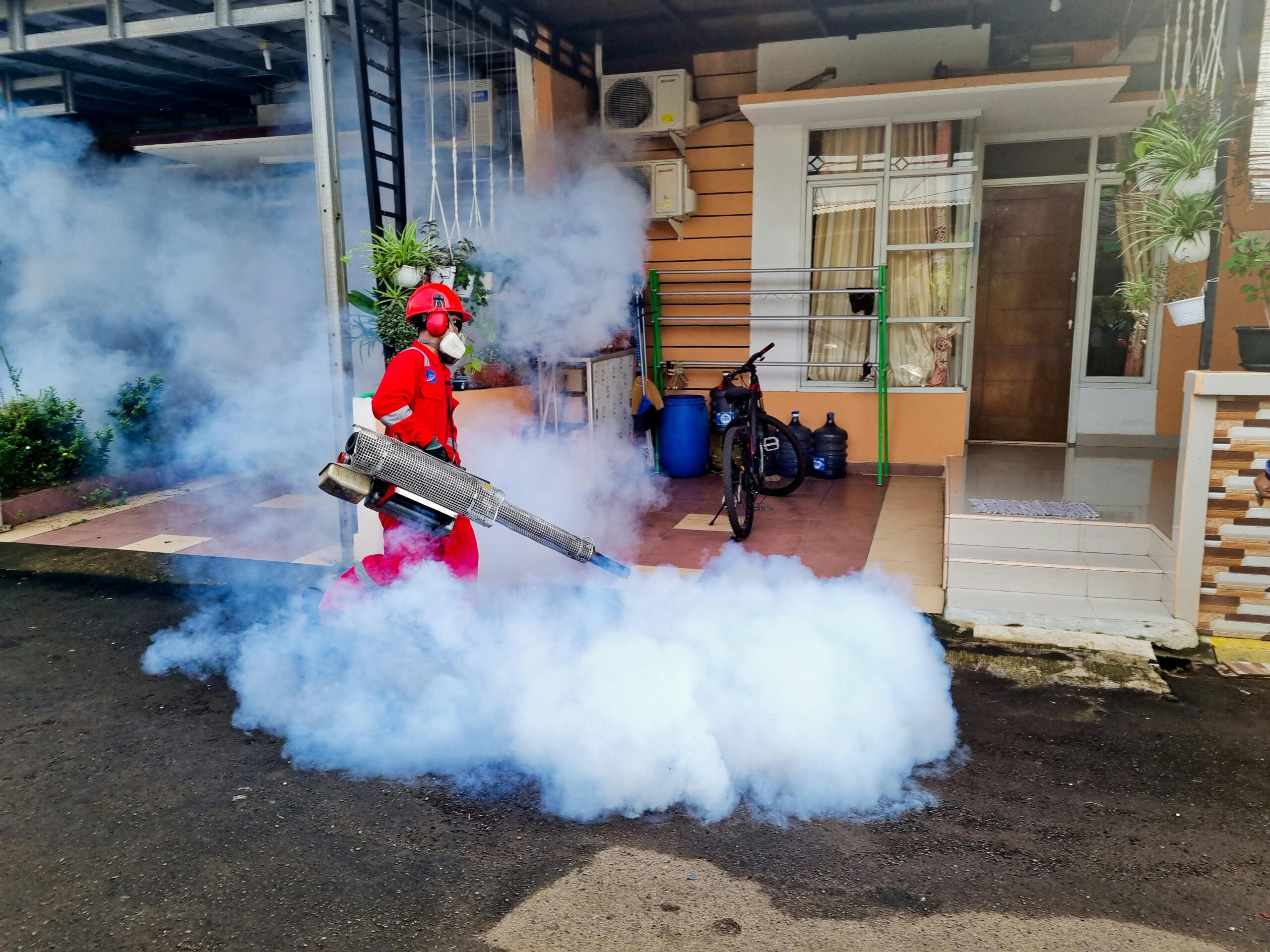
Inside the home, a quick‑acting fogger delivers a fine aerosol of EPA‑approved pyrethrin‑based or synthetic pyrethroid agents such as permethrin or beta‑cyfluthrin. The mist penetrates cracks, ceiling voids, and hidden fly hideouts, producing an immediate knock‑down effect. Safety is paramount: occupants must vacate the area, all food, utensils, and pet dishes are sealed, and technicians wear respirators, gloves, and eye protection. After treatment, windows and doors are opened for at least 30 minutes to allow ventilation before re‑entry.
Fly Bait Stations and UV Light Traps
To sustain control after the initial spray, professionals deploy bait stations and UV light traps both indoors and outdoors. Bait stations contain attractants laced with EPA‑registered oral toxins such as dinotefuran, imidacloprid, or spinosad. Flies feed on the bait, ingest the toxin, and die within hours, reducing the breeding pool. UV light traps use high‑intensity LEDs to lure flies into a sticky capture surface—no chemicals are needed, making them ideal for kitchens, patios, and garbage enclosures.
Verification Note
Because EPA regulations evolve yearly, Anthem Pest Control verifies every product against the official 2025 EPA active‑ingredient list before it reaches your home. This ensures that every spray, fogger, and bait complies with the latest safety standards and resistance‑management guidelines.
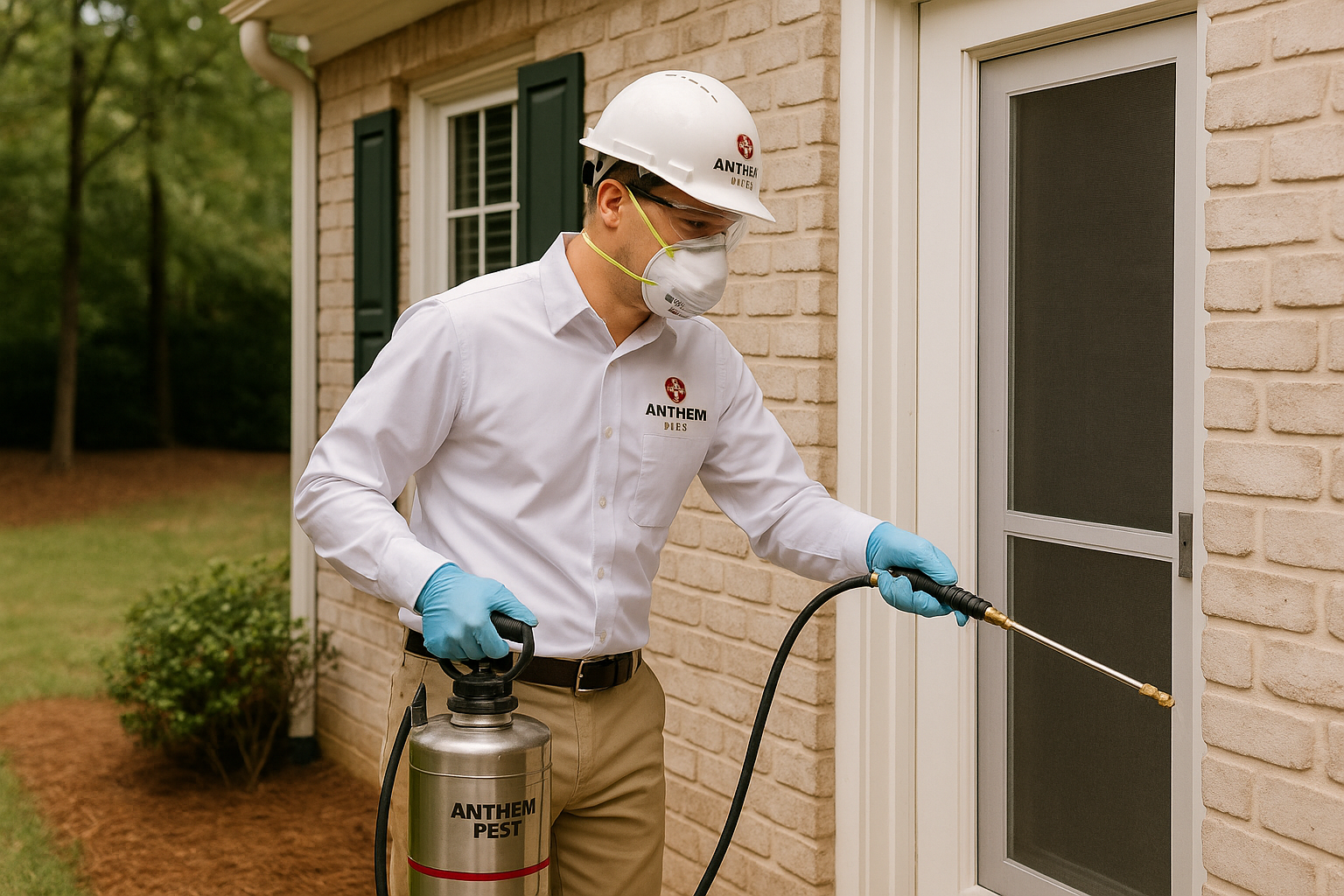
Long‑Term Prevention Strategies
Once the immediate fly infestation is under control, the real key to staying fly‑free is a consistent, seasonal plan. In Dunwoody, flies thrive when the weather warms and outdoor waste becomes a buffet. By aligning your home maintenance with the local climate and city services, you’ll create an environment that’s uninviting to flies year after year.
Seasonal Calendar: Know When Flies Are Most Active
In Dunwoody, the peak fly season stretches from early May through late September. During these months, adult house flies reproduce rapidly, and even a small food source can spark a resurgence. Mark the following milestones on your family calendar:
- May – Early June: Perform a thorough inspection of screens, doors, and exterior trash areas.
- July – August: Intensify waste management and check for any new cracks or gaps that may have formed.
- September: Conduct a final “fly‑lockdown” sweep before cooler weather slows breeding.
By treating each phase as a checkpoint, you’ll stay ahead of the flies rather than reacting after they appear.
Waste Management: Seal the Buffet
Flies are attracted to food residue and organic waste. The City of Dunwoody runs a weekly curbside collection, but the effectiveness of that service hinges on how you store your trash. Use bins with tight‑fitting lids and keep them away from doors and windows. If possible, place the bins on a concrete pad to prevent moisture buildup, which accelerates decomposition and draws flies.
When the collection day arrives, bring the bins indoors promptly, and rinse them with a hose to remove lingering residues. A small investment in a motion‑sensor trash can can also deter flies from landing on the container’s surface.
Physical Barriers: Close the Gaps
Even the tiniest opening can serve as a fly highway. Inspect all exterior screens for tears, and replace any damaged sections with fine‑mesh material. Install door sweeps on all exterior doors; a simple brush or rubber seal blocks flies from slipping underneath. Finally, seal cracks around the foundation, utility penetrations, and window frames with a high‑quality silicone caulk. These measures create a continuous barrier that forces flies to seek shelter elsewhere.
Landscaping Tips: Keep the Yard Unappealing
Over‑watering lawns or garden beds creates damp soil that attracts flies looking for breeding sites. Water early in the morning so the surface dries quickly, and avoid pooling water near the house. If you maintain a compost pile, position it at least 15 feet from the home’s exterior walls and cover it with a sturdy lid. Regularly turn the compost to disrupt fly larvae development.
Printable Checklist for Ongoing Maintenance
- Inspect and repair screens and door sweeps monthly.
- Store trash in sealed bins; bring them inside after collection.
- Rinse bins weekly to eliminate residue.
- Seal foundation cracks and utility openings each spring.
- Water lawn early; avoid standing water.
- Place compost >15 ft from house and cover it securely.
- Perform a final fly‑lockdown sweep in late September.
Choosing Anthem Pest as Your Local Expert
When a house fly invasion turns your home into a buzzing nightmare, you need a partner who’s not just certified, but truly rooted in Dunwoody. Anthem Pest is a fully licensed Georgia pest‑control operator, backed by an A+ rating from the Better Business Bureau. That rating reflects years of on‑time service, honest communication, and a track record of resolving emergency situations without surprise fees.
Our technicians live and work in the same neighborhoods they protect. Because we study Dunwoody’s city ordinances and the specific locations where flies love to hide—like humid basements, outdoor trash enclosures, and community park edges—we can pinpoint the source faster than a generic “spray‑and‑pray” approach. Knowing the local climate patterns and municipal regulations means we apply treatments that are both legal and maximally effective.
Transparency is built into every quote. You’ll receive a clear, itemized estimate before any work begins, so you know exactly what you’re paying for. And we stand behind every job with a 100 % satisfaction guarantee: if flies return within the agreed‑upon service window, we’ll re‑treat at no extra cost.
- Licensed & BBB A+ rated – proof of professionalism.
- Local ordinance expertise – compliant, targeted solutions.
- Transparent pricing – no hidden fees.
- 100 % satisfaction guarantee – peace of mind.
Ready to shut down the swarm? Call Anthem Pest today at 877‑371‑8196 or visit anthempest.com to schedule an emergency visit. Our Dunwoody team is on standby, equipped to restore calm to your home within hours. Our same‑day response plan means a certified technician can be at your door within two business hours, armed with EPA‑approved treatments that target flies at every life stage.
Take Action Against House Flies Today
When house flies invade your home, every moment counts. A swift response protects your family’s health, prevents costly damage, and restores the peace of mind you deserve. The longer you wait, the harder the infestation becomes to control.
We’ve outlined how flies enter, what signs to watch for, and the most effective emergency treatments. Remember, rapid action not only stops the nuisance but also blocks the spread of disease‑carrying bacteria that flies can leave behind.
If you’re seeing flies buzzing around your kitchen, dining area, or outdoor patio, don’t hesitate. Give Anthem Pest a call for a free inspection and a no‑obligation quote. Our trained technicians are ready to assess the situation, recommend a tailored solution, and schedule emergency service at a moment’s notice.