Introduction to Moth Inspections in Brookhaven

A professional moth inspection is more than a quick glance. Technicians identify the exact species—whether it’s the Indian meal moth, Mediterranean flour moth, or another culprit—trace the infestation back to its source (often a forgotten grain package or a hidden crack), and then recommend a tailored treatment plan that may include pheromone traps, targeted sprays, or thorough sanitation measures.
During the visit, the inspector typically focuses on three core tasks:
- Identify the exact moth species to determine the most effective control method.
- Locate the original food source or harbor where larvae are breeding.
- Recommend a customized treatment strategy that fits your home’s layout and your budget.
Brookhaven’s humid climate and tightly packed housing complexes create the perfect breeding ground for moth larvae. Moisture accelerates egg hatching, while the close proximity of homes lets an unnoticed problem spread from neighbor to neighbor in weeks. A trained eye can spot early signs that most homeowners miss, such as webbing in the corners of cabinets or tiny cocoons tucked behind pantry boxes.
That’s where Anthem Pest Control steps in. As the only locally‑based pest‑management team with a dedicated moth‑inspection division, Anthem combines regional knowledge with nationwide expertise. Call 877‑371‑8196 or visit anthempest.com to schedule a same‑day assessment. Their technicians arrive in branded trucks, wear EPA‑approved gear, and follow a step‑by‑step protocol designed for Georgia homes.
In the sections that follow, we’ll walk you through the tell‑tale signs of a moth problem, break down each step of a thorough inspection, explore the most effective treatment options, share prevention tips for the rest of the year, and tell you exactly when it’s time to call a professional.
Understanding Household Moths
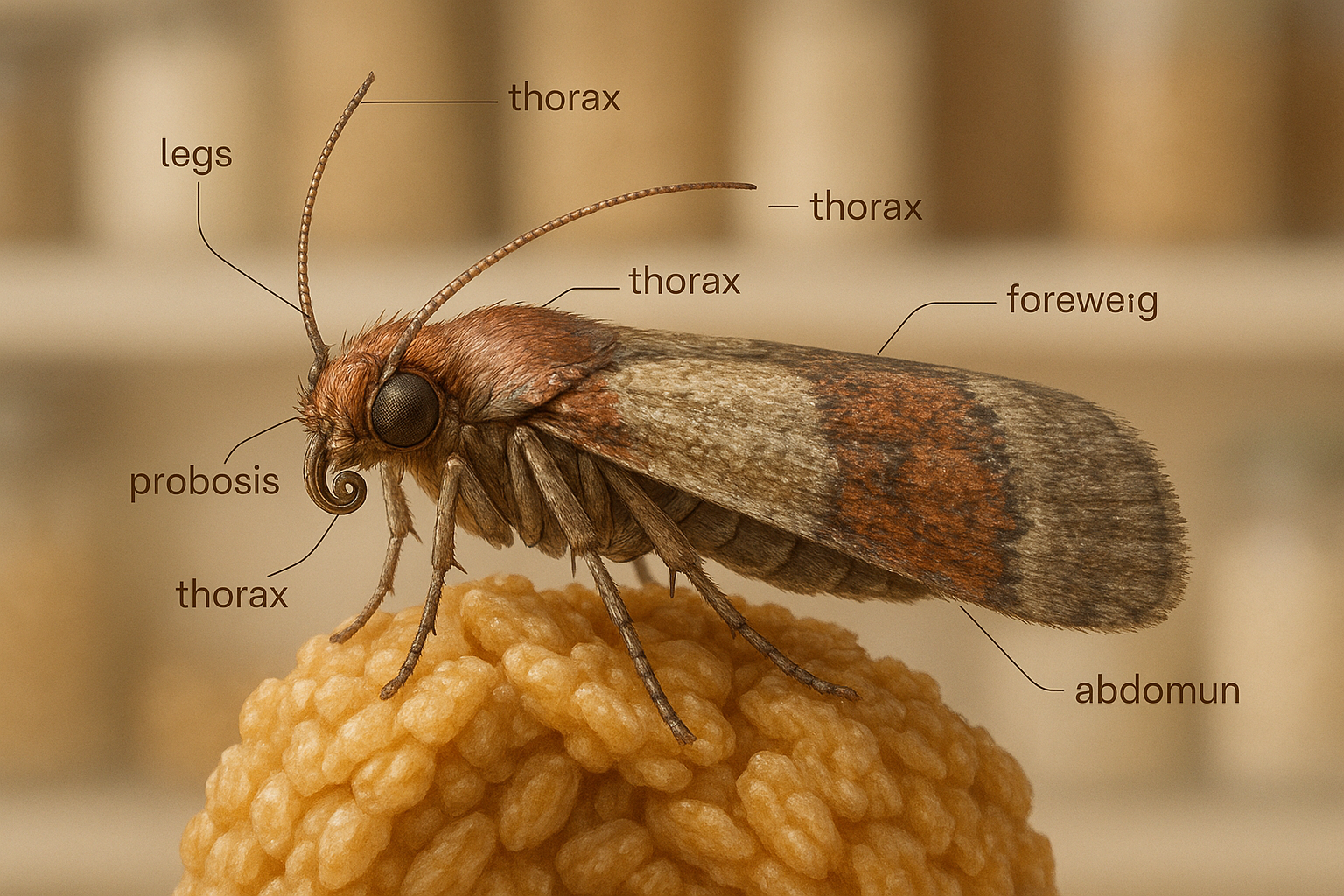
Two tiny insects cause most of the moth problems you’ll see in Brookhaven homes: the pantry moth, also called the Indian meal moth (Plodia interpunctella), and the webbing clothes moth. Though they look different, both share a similar four‑stage life cycle and a prodigious reproductive capacity that can turn a small hitchhiker into a full‑blown infestation. They are small—typically ½‑inch long—but their larvae can chew through fabric, cardboard, and grain, leaving tell‑tale webbing and silvery streaks.
Pantry Moth (Indian Meal Moth, Plodia interpunctella)
The pantry moth prefers dry stored products—cereals, flour, nuts, and pet food. A female can lay up to 400 eggs, usually on the surface of a food item or nearby pantry shelves. Eggs hatch in 3–5 days, releasing larvae that feed voraciously for 2–6 weeks before spinning a silken cocoon to pupate. The adult emerges in about 10 days, ready to mate and repeat the cycle.
Webbing Clothes Moth
The webbing clothes moth targets natural fibers—wool, silk, cashmere, and even fur. Females also deposit up to 400 eggs, often hidden in seams or tucked into the folds of a garment. After 4–7 days the eggs hatch, and the larvae begin feeding on keratin‑rich fibers, creating irregular holes and extensive silk webbing. Larval development can last 1–3 months in warm, humid conditions, after which they spin a protective cocoon and transform into adults that live only long enough to reproduce.
Georgia’s hot, humid summers act like a fast‑forward button for these life cycles. Moisture shortens egg incubation and larval growth, while the state’s year‑round availability of stored foods—think grain in the pantry or wool blankets in the attic—gives moths a constant buffet. The combination of rapid development and abundant food sources means a handful of moths can explode into hundreds within a single season, especially in homes that lack proper food storage or regular cleaning of closets. Even a brief spike in humidity after a summer thunderstorm can trigger a new generation, making timely inspections essential.
According to the National Pest Management Association’s 2023 survey, 12 % of Georgia households reported pantry‑moth activity in the past year, underscoring how common these pests have become in the region.
Red Flags That Signal a Needed Inspection
When it comes to pantry moths, the sooner you spot the warning signs, the easier—and cheaper—it is to stop an infestation before it spreads to food stores, clothing drawers, and even the structural fabric of your home. Below are the most common visual clues that indicate a moth problem is brewing in your Brookhaven residence.
Typical Signs to Watch For
- Silky webbing tucked into the corners of pantry shelves, especially around grain, cereal, or flour containers.
- Live larvae or tiny, cream‑colored caterpillars moving on the surface of dry goods.
- Adult moths fluttering near windows, light fixtures, or the doorway of the kitchen.
- Chewed or stained fabrics—especially wool, cashmere, or stored blankets—showing irregular holes or webby patches.
- Unusual odors of a musty, stale scent emanating from stored food items.
Neighborhood Alerts
Recent HOA newsletters from Brookhaven Village, North Brookhaven, and Brookhaven Lakes have each reported a spike in pantry‑moth complaints. Residents noted an uptick in sightings during the late summer months, prompting many to request professional inspections. If you live in any of these communities, treat the alerts as a heads‑up: the moths are already in the neighborhood, and early action can keep them out of your home.
Quick Checklist for Homeowners
- Silky webs in pantry corners?
- Live larvae on grains or flour?
- Adult moths near windows or lights?
- Chewed holes in clothing or blankets?
- Musty smell from stored foods?
Even a single web or a lone moth is enough reason to schedule a professional look‑over.
Keep this list handy—printing it or saving it to your phone makes a fast visual scan possible during routine cleaning. Detecting any of these red flags early not only trims treatment costs but also protects your groceries from loss and your wardrobe from damage. When you notice one or more of these signs, contact Anthem Pest Control at 877‑371‑8196 or visit our website for a prompt, professional moth inspection.
What to Expect During a Professional Moth Inspection

Pre‑Visit Preparation
On‑Site Inspection Process
When the Anthem Pest technician steps inside, they follow a systematic SOP designed to uncover both visible signs and hidden sources of a moth problem. The typical workflow includes:
- Visual sweep: A thorough walk‑through of the pantry, kitchen cabinets, closets, and any storage areas where dry goods are kept. The inspector looks for larvae, webbing, adult moths, and damaged packaging.
- Pheromone trap placement: Small, sticky traps are positioned at strategic points—often near entry doors, windows, and the back of the pantry—to capture adult moths and confirm species identification.
- Moisture meter reading: Excess humidity can attract moths and promote mold growth. The technician checks moisture levels in walls and shelving to rule out secondary conditions.
- Entry‑point identification: Doors, windows, vents, and any gaps around utility lines are examined for cracks or gaps that could let moths—or their eggs—enter the home.
How Long Does It Take?
Anthem Pest’s standard operating procedure (SOP) allocates roughly 45–60 minutes for a complete moth inspection in a typical single‑family home. The exact time can vary depending on the size of the property and the number of areas you’ve flagged. Rest assured, the technician balances speed with meticulousness, ensuring no corner is overlooked while respecting your schedule.
What You’ll Receive After the Visit
Once the inspection wraps up, the technician prepares a concise, written report. This document outlines:
- The specific moth species identified (if any).
- Exact locations where larvae, webbing, or traps were found.
- Any structural or moisture issues that could encourage future infestations.
- Recommended next steps, ranging from a simple trap‑only treatment to a full‑scale integrated pest management plan.
The report is delivered either in person or via email, giving you a clear roadmap for eliminating the problem and preventing a recurrence. With this information, you can make an informed decision about treatment options, budgeting, and timing—knowing exactly what the pest situation looks like in your Brookhaven home.
Treatment Options & Pricing Transparency
Chemical Solutions
When a moth infestation is confirmed, many homeowners opt for a chemical approach because it offers rapid knock‑down of adult insects and larvae hidden in pantry cracks. The most common EPA‑registered products include:
- EPA‑registered moth traps: These contain a low‑dose attractant that lures adult moths into a sticky surface, interrupting the breeding cycle.
- Residual sprays (often pyrethrin‑based): Applied to baseboards, shelving, and the undersides of pantry doors, these sprays leave a thin, long‑lasting film that kills moths on contact.
Safety is a top priority. Pyrethrin sprays break down quickly in the environment, but they can irritate the eyes, skin, or respiratory system if applied in a poorly ventilated space. For homes with children, pets, or anyone with asthma, we recommend:
- Removing all food items before spraying and sealing them in airtight containers.
- Keeping occupants out of treated areas for at least two hours.
- Using a low‑odor, food‑grade formulation whenever possible.
All chemicals we use comply with the EPA’s moth management guidelines, ensuring that the products are effective yet safe when applied by certified technicians.
Non‑Chemical Alternatives
For homeowners who prefer a chemical‑free strategy, several proven methods can keep pantry moths at bay:
- Pheromone traps: These use a synthetic sex pheromone to lure male moths, dramatically reducing breeding potential without any residue.
- Airtight storage containers: Glass or heavy-duty plastic containers with tight-fitting lids prevent moths from accessing stored foods such as flour, cereals, grains, and pet food, cutting off the food source larvae need to survive.
Prevention Tips for Homeowners
Keeping moths out of your kitchen isn’t a one‑time project; it’s a series of simple habits you can weave into your daily routine. When you store dry goods properly, you cut off the food source moth larvae need to thrive. The best defense is to move your pantry items into airtight containers—plastic bins with snap‑tight lids or glass jars with rubber seals work wonders. Even a small opening can let adult moths slip in and lay eggs, so make sure the seal is truly airtight.
Pantry hygiene that actually works
- Wipe down shelves regularly. After each grocery run, give the interior of your pantry a quick sweep with a damp cloth. This removes crumbs and any stray larvae that might have hitchhiked in.
- Vacuum cracks and corners. Moths love the hidden nooks between shelves and the back of cabinets. A brief vacuuming session once a month pulls out eggs, larvae, and adult moths before they can establish a colony.
- Rotate stock. Adopt a “first‑in, first‑out” system. Place newer items behind older ones and use up the oldest products first. This reduces the time food sits untouched, which is a prime invitation for moths.
Natural repellents you can place anywhere
For homeowners who prefer chemical‑free options, aromatic deterrents are both pleasant and effective. Cedar blocks emit a scent that repels moths and also protects clothing stored in closets. Lavender sachets, tucked into pantry corners, add a fresh fragrance while keeping moths at bay. If you want a ready‑made solution, commercial moth‑repellent packets are inexpensive and can be slipped into drawers, cupboards, or even suitcases when traveling.
Seasonal timing for proactive inspections
For a deeper dive into food‑borne pest prevention, the CDC guidance on food‑borne pests offers comprehensive tips and best practices. By combining airtight storage, regular cleaning, natural repellents, and timely inspections, you’ll create a hostile environment for moths and protect the food you and your family rely on.
DIY Limits vs. Professional Advantages
When a moth begins nibbling at your pantry staples, the first instinct is often to grab a store‑bought spray or a homemade remedy. That approach works for a few stray moths, but it quickly hits a wall when the problem is bigger or hidden.
DIY scenarios that often fail
- Large infestations. Hundreds of larvae can populate a single closet or attic, overwhelming any over‑the‑counter product.
- Hidden larvae inside wall cavities. Moth caterpillars love the darkness of wall voids, where a spray applied to the surface never reaches.
- Repeated re‑infestations. Home remedies may knock back adult moths, but without thorough treatment the next generation returns, leading to a cycle of endless sprays.
Why a professional service changes the game
Licensed technicians bring tools and knowledge that DIY kits simply can’t match. First, they use EPA‑registered products formulated for deep penetration and long‑lasting residual action. Second, each technician is certified and trained specifically for Georgia’s pest pressures, ensuring the correct product is applied in the right dosage and at the optimal time of year.
Anthem Pest backs its work with a treatment warranty and a scheduled follow‑up monitoring visit. That means if any moths survive the initial application, the company returns at no extra cost to adjust the strategy. The warranty also protects your pantry from food loss, which can quickly become more expensive than a single professional visit.
Beyond peace of mind, hiring a pro is often more cost‑effective. A single missed spot can lead to weeks of spoiled grain, nuts, and dried fruit—expenses that add up faster than the modest fee for a comprehensive inspection and treatment plan.
In short, DIY is fine for a quick knock‑down of a few moths, but when the infestation grows, hides, or keeps returning, a professional’s expertise, guaranteed products, and follow‑up support are the smartest way to protect your home and your budget.
Brookhaven Homeowners Share Success Stories
When a moth invasion threatens the pantry, Brookhaven families turn to Anthem Pest for fast, affordable relief. Below are three real‑world stories that show how a single treatment can protect food, prevent waste, and save money.
Brookhaven Village – The Martinez Family: “We discovered clumped flour and tiny webs in our pantry just before a big grocery run. Anthem sent a technician the same day, treated the area, and sealed the entry points. Within a week the moths were gone.”
Before the treatment the Martinezes estimated they would lose about $500 in spoiled grains, cereals, and spices. After the service, the pantry remained untouched, delivering a 100% cost‑avoidance and peace of mind.
North Brookhaven – The Patel Household: “Holiday baking is a tradition, but moths were ruining our flour and sugar. Anthem’s rapid response fixed the problem in two days, just in time for the holidays.”
They projected a potential loss of $300 in baking supplies if the infestation spread. The quick resolution saved that amount and prevented a re‑infestation that could have cost another $250 in repeat treatments.
Brookhaven Lakes – The O’Connor Residence: “We opted for the comprehensive pantry protection package. Anthem treated the pantry, installed pheromone traps, and provided a yearly monitoring plan.”
Over the past 12 months the O’Connors have reported zero moth sightings, avoiding an estimated $400 in food loss and eliminating the need for any follow‑up service, a total savings of $400 plus the value of ongoing protection.
Final Takeaways and How to Get Help Today
Remember the three key steps: spot the tell‑tale signs of moth activity, schedule a professional inspection as soon as you notice them, and trust a certified treatment plan for lasting protection. Early detection stops a small problem from becoming a full‑scale pantry takeover, and it also saves you money on extensive treatments later.
Give Anthem Pest a call today at 877‑371‑8196 or book your free, no‑obligation quote online. Our friendly staff will find a time that fits your schedule—whether you need a same‑day visit or prefer an evening appointment. You’ll receive a clear, upfront estimate so there are no surprise fees, and our technicians arrive fully equipped to diagnose and treat the issue on the spot.
While you wait, download our complimentary “Moth Prevention Checklist” (link placeholder) and start implementing easy, proactive measures. The checklist walks you through sealing cracks around windows and doors, storing dry goods in airtight containers, and regularly cleaning pantry shelves to remove crumbs and larvae. These simple habits dramatically lower the chance of an infestation taking hold before our experts arrive.
Whether you’re dealing with a few stray moths or a full‑blown pantry invasion, our certified technicians are ready to protect your home with safe, effective solutions. We use EPA‑approved products that target moths while minimizing risk to children, pets, and the environment. Let us handle the details so you can enjoy peace of mind and a moth‑free kitchen without lifting a finger.