Why Mouse Control Matters in Smyrna

Health risks are the most compelling reason to act fast. Mice are carriers of Hantavirus, salmonella, and other rodent‑borne diseases. Their urine, droppings, and saliva can contaminate surfaces and food, turning a simple snack into a potential health hazard. Even brief exposure can trigger respiratory issues, fever, or gastrointestinal distress—especially risky for children and seniors.
Property damage is another silent threat. Mice gnaw on electrical wiring, increasing the risk of short circuits or fires. Their constant chewing on insulation, drywall, and wooden structures weakens the integrity of your home. In the kitchen, they scatter droppings and hair, contaminating pantry items and ruining stored food.
Consider the Johnson family from Maple Street. One Saturday morning, while preparing breakfast, they noticed tiny dark streaks behind the stove and a faint, musky odor. A quick flashlight sweep revealed a nest of shredded paper, droppings, and a few live mice scurrying across the floor. The discovery forced them to halt meal prep, call a pest professional, and face an unexpected repair bill for damaged wiring.
Understanding these risks sets the stage for a deeper dive into Smyrna’s specific mouse activity patterns, seasonal spikes, and why a proactive approach is essential. In the next section, we’ll explore exactly how prevalent the problem is in our community and what data says about the best times to intervene.
Understanding the Smyrna Mouse Problem
Mouse activity in Smyrna isn’t a random nuisance; it follows predictable patterns tied to the local climate, housing stock, and surrounding green spaces. Knowing which species are showing up, where they like to hide, and when they’re most active gives you a head start on effective control.

Common Species
The two rodents you’ll encounter most often are the house mouse (Mus musculus) and the deer mouse (Peromyscus maniculatus). House mice thrive in human structures, squeezing through openings as small as a dime, and they reproduce rapidly—up to five litters per year. Deer mice are more adaptable to outdoor habitats; they favor wooded edges and can enter homes in search of food, especially during colder months. Both species are nocturnal, leaving tell‑tale droppings, gnaw marks, and a faint musky odor.
Local Statistics
According to the Georgia Department of Public Health, rodent complaints in Cobb County rose 12 % in 2023, with Smyrna accounting for a significant share of those reports. The uptick aligns with a mild winter that kept food sources abundant and encouraged mice to seek shelter inside homes.
Neighborhood Hotspots
Three areas see the highest infestation rates:
- East Cobb – dense residential developments bordering the Chattahoochee River provide easy access to vegetation and water.
- Montgomery – older homes with aging foundations and gaps around utility lines create perfect entry points.
- Downtown Smyrna historic district – historic brickwork and mature trees offer both shelter and food sources, attracting mouse colonies.
Seasonal Activity Patterns
Spring triggers a surge in breeding, so you’ll notice a spike in droppings and gnaw damage. Summer activity stays high as mice forage for seeds and insects. In fall, they begin to stockpile food, and by early winter many will move indoors to escape the chill, making the colder months the most critical time for inspection.
Lead‑in to Inspection Checklist
Armed with this species‑specific knowledge, the next step is a systematic walk‑through of your property. Look for gaps larger than ¼ inch, check attics and crawl spaces for nesting material, and note any signs of seasonal movement. Our upcoming inspection checklist will walk you through each of these items, ensuring nothing is missed before you call a professional.
Inspection Checklist – Spotting Early Signs
Before a mouse infestation becomes a full‑blown problem, the smallest clues can tell you it’s already inside. Use the checklist below to scan each room, attic, and crawl space once a week—especially from spring through fall when mice are most active.
Five visual clues to watch for
- Droppings: Small, dark pellets about ¼ inch long, often found near food packages, along baseboards, or in cabinets.
- Gnaw marks: Fresh, clean cuts on wood, plastic, or wiring; look for parallel scratches that are roughly the size of a pencil lead.
- Nesting material: Shredded paper, fabric, or insulation piled in hidden corners, behind appliances, or inside wall voids.
- Squeaking sounds: High‑pitched squeaks at night, especially when you’re quiet in the kitchen or bedroom.
- Grease smears: Dark, oily streaks along walls, especially near entry points, where mice rub their bodies.
Printable weekly checklist
- Inspect baseboards and behind cabinets for droppings.
- Look for fresh gnaw marks on wood, plastic, and wires.
- Search hidden corners for shredded nesting material.
- Listen for squeaking during quiet evening hours.
- Scan walls and entryways for grease smears.
- Shine a blacklight in dark areas to reveal invisible urine trails.
Print the list on a standard 8.5×11 sheet, laminate it if possible, and keep a pen handy. Mark each box as you go—this visual record helps you spot patterns over weeks.
Pro tip: A handheld blacklight (UV‑A) will make fresh urine glow a faint yellow‑green, helping you pinpoint hidden activity that a regular flashlight can miss.
Make this list part of your weekly routine during peak mouse season. Early detection means a simple, low‑cost treatment from Anthem Pest Control can keep your home mouse‑free before the problem spreads.
Treatment Options Explained
When mice start making a home in your Smyrna house, you have three main pathways to take: a do‑it‑yourself (DIY) approach, hiring a professional exterminator like Anthem Pest, or adopting an Integrated Pest Management (IPM) strategy that blends both. Understanding the cost, effort, and long‑term effectiveness of each option helps you choose the solution that fits your budget and peace‑of‑mind expectations.
DIY Bait Stations
Most homeowners begin with the classic DIY toolbox. The market offers three popular trap types:
- Snap traps – simple spring‑loaded devices that kill on contact.
- Electronic traps – deliver a quick, humane shock and often include a digital counter.
- Bait stations – sealed containers that house anticoagulant or grain‑based baits.
According to 2024 pricing data from Home Depot, a single snap or electronic trap typically costs between $10 and $30, while a ready‑to‑use bait station runs $25‑$45 per unit. The upfront expense is low, but the hidden cost is your time: you’ll need to place traps, monitor them daily, and replace baits as they run out.
Pros
- Low initial investment.
- Immediate control of a small infestation.
- No service appointment needed.
Cons
- Requires regular checking and bait replacement.
- Limited reach – you must anticipate mouse pathways.
- Potential safety risk if children or pets access unsecured traps.
Professional Extermination (Anthem Pest)
Pricing for the full package ranges from $149 to $199 in 2024, a modest increase over DIY supplies but one that bundles expertise, labor, and ongoing monitoring. The professional route eliminates the guesswork of trap placement and leverages products that work faster and more reliably than most consumer‑grade options.
Pros
- Expert assessment identifies hidden entry points.
- EPA‑registered products reduce health risks.
- 30‑day follow‑up ensures lasting control.
Cons
- Higher upfront cost than buying traps.
- Scheduling an appointment may take a day or two.
Integrated Pest Management (IPM)
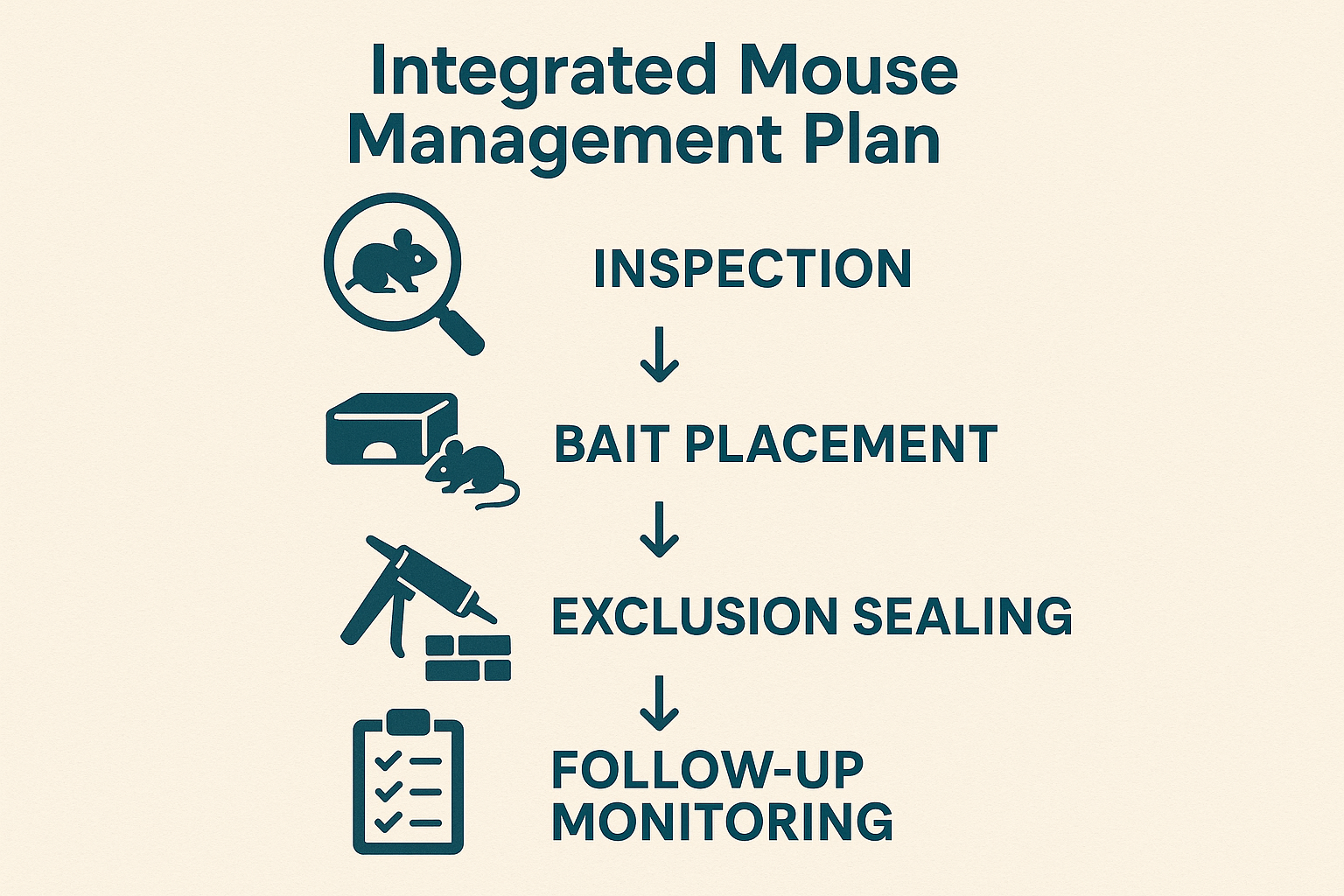
IPM is a holistic, long‑term strategy that blends preventive measures with targeted treatment. The core steps are:
- Seal entry points – caulk cracks, install door sweeps, and repair vents.
- Improve sanitation – store food in airtight containers, manage garbage, and eliminate clutter where mice can hide.
- Set monitoring stations – use low‑toxicity bait stations or trap stations to track activity without over‑reliance on lethal methods.
When executed consistently, IPM reduces the chance of re‑infestation by addressing the root causes rather than just the symptoms. While the initial effort can feel larger, homeowners who adopt IPM often see fewer recurring pest calls and lower overall spending over time.
Quick Comparison
| Aspect | DIY Bait Stations | Professional (Anthem Pest) | Integrated Pest Management (IPM) |
|---|---|---|---|
| Initial Cost | $10‑$45 per unit | $149‑$199 per service | Variable; low‑cost supplies + potential professional audit |
| Effectiveness | Good for isolated sightings | High – expert placement & EPA‑registered products | Very high long‑term when fully implemented |
| Effort Required | Daily monitoring & bait replacement | Minimal – technician handles setup & follow‑up | Initial setup effort; ongoing maintenance low |
| Safety | Risk if traps are unsecured | EPA‑registered, pet‑friendly formulations | Emphasizes non‑toxic prevention, minimal chemicals |
| Long‑Term Control | Limited – high chance of re‑infestation | Good, but may need repeat visits | Best – addresses entry, sanitation, and monitoring |
Cost Breakdown & What Homeowners Should Expect
| Service Component | Average Cost | Description |
|---|---|---|
| Inspection | $49 | Thorough visual and trap assessment. |
| Bait stations | $30‑$45 | Placement of EPA‑approved bait. |
| Exclusion sealing | $75‑$120 | Caulking, steel wool, door sweeps. |
| Follow‑up visit | $40 | Monitoring and trap removal. |
The inspection sets the stage – our technician walks your home, identifies entry points, and maps activity zones, ensuring no hidden nests are missed. Bait stations provide a discreet, EPA‑approved way to target rodents without exposing family members or pets. Exclusion sealing patches up the gaps that mice love, using durable materials like steel wool and caulk. Finally, the follow‑up visit confirms the treatment’s success, removes traps, and gives you peace of mind that the problem is truly solved.
If your home exceeds 2,500 sq ft or the infestation is extensive, we may add a supplemental fee to cover extra labor, additional bait stations, or more extensive sealing. These adjustments are discussed up front, so you’ll never be caught off guard.
Transparent pricing isn’t just a marketing buzzword; it’s a commitment to honesty and customer empowerment. By laying out each service line item, you can see how preventative measures like exclusion often reduce the need for repeated treatments, ultimately saving you money. It also lets you prioritize based on your budget and risk tolerance, and gives you a clear baseline for future service agreements. In short, clear costs translate to clearer expectations and a healthier partnership with your pest‑control provider.
Source: NPMA 2023 Rodent Control Cost Guide
Prevention Tips – Keeping Mice Out for Good
Even after a successful treatment, the best defense against a new mouse invasion is consistent, year‑round vigilance. By pairing seasonal chores with solid home‑maintenance habits, Smyrna homeowners can make their property virtually uninviting to rodents.
Seasonal Checklist
- Spring: Remove leaf piles, garden clippings, and other yard debris that create hidden pathways. Trim shrubs and tree branches so they clear the roofline and do not touch the house, eliminating natural bridges for mice.
- Summer: Keep outdoor trash cans sealed with tight‑fitting lids and store them away from the foundation. Clean grills after each use to prevent food scraps from attracting foraging mice.
- Fall: Inspect attic insulation and roof vents for gaps where mice could slip inside as they seek shelter from cooler nights. Seal any openings with steel wool and caulk before the first frost.
- Winter: Examine heating ducts, dryer vents, and interior wall gaps for tiny entry points. Mice love the warmth of your home; plugging these cracks stops them from following the heat.
Year‑Round Home Maintenance
- Seal all cracks larger than ¼ inch with a combination of silicone‑based caulk and steel wool; the steel wool deters chewing while the caulk creates a weather‑proof barrier.
- Install door sweeps on every exterior door, especially sliding patio doors, to block the narrow gaps that mice can squeeze through.
- Store pantry staples—cereal, grains, nuts—in airtight, rodent‑proof containers made of glass or heavy‑wall plastic, removing easy food sources.
- Maintain a clear perimeter by keeping shrubs, trees, and other vegetation at least 10 feet away from the foundation; this reduces cover and makes it harder for mice to reach the siding.
The Cobb County Homeowners Association (HOA) publishes a set of guidelines that reinforce many of these practices, such as mandatory landscaping setbacks and routine property inspections. Aligning your prevention plan with those local standards not only protects your home but also helps keep the entire neighborhood mouse‑free.
For visual learners, we’re planning a future infographic that maps each seasonal task to a simple calendar view, making it easy to check off duties and stay on schedule.
Choosing the Right Local Service Provider
Evaluation criteria
When you’re hunting for a mouse control partner in Smyrna, the cheapest bid isn’t always the smartest choice. Keep these four checkpoints in mind to protect your home and your wallet:
- Proper licensing and insurance. A reputable company must hold a Georgia pest‑control license and carry liability insurance, so you’re covered if anything goes wrong during treatment.
- EPA‑compliant, pet‑safe products. Look for firms that use chemicals approved by the Environmental Protection Agency and specifically formulated to be safe around children and pets.
- Transparent pricing and clear service contracts. No hidden fees—your estimate should detail what’s included, how often visits occur, and the warranty or guarantee terms.
- Local reviews and response time. Check Google, Yelp, and the Better Business Bureau for recent homeowner feedback. Fast, local response teams can often be on‑site within hours of your call.
Why choose Anthem Pest?
Anthem Pest checks every box and brings extra peace of mind to Smyrna families:
- BBB A+ rating. Consistently high scores reflect reliable service and ethical business practices.
- 20+ years serving Smyrna and Cobb County. Decades of local experience mean technicians know the neighborhood’s rodent habits inside and out.
- 24‑hour emergency line. Mouse activity doesn’t wait for business hours—neither do we. Call anytime, and a certified technician will be dispatched promptly.
- Trained technicians and guaranteed follow‑up. Every crew member completes rigorous training, and we stand behind our work with a satisfaction guarantee and scheduled re‑inspections.
Ready for a free quote? Reach out today and let Anthem Pest design a mouse control plan that fits your home, your schedule, and your budget.
Frequently Asked Questions
Below you’ll find quick, reliable answers to the questions we hear most often from Smyrna homeowners dealing with mouse activity.
How long does treatment take?
A typical mouse control service for a single‑family home lasts between two and three hours. Our technicians inspect interior and exterior entry points, set traps, and apply any necessary rodenticide, all while minimizing disruption to your daily routine. We also review sealing steps afterward.
Are traps safe for pets?
Yes—when placed correctly, our traps pose no danger to cats, dogs, or other household pets. Anthem uses pet‑safe bait formulations that are unpalatable to animals but attractive to mice, and we position traps out of reach of curious paws. We avoid snap traps where pets roam.
When will I see results?
Most customers notice a marked reduction in mouse activity within 48‑72 hours after treatment. Ongoing monitoring and follow‑up visits help ensure the population is fully suppressed. If mice remain, we’ll revisit at no extra charge to adjust bait.
Do I need to vacate during treatment?
In most cases you can stay home while we work. The only time we ask you to vacate is if a specific chemical application requires it; our technicians will give clear, written instructions beforehand. If foggers are used, we’ll ask you to close windows briefly.
What safety standards guide the treatment?
All products we apply comply with the U.S. Centers for Disease Control and Prevention (CDC) rodent‑control guidelines and the Environmental Protection Agency (EPA) regulations for indoor pesticide use. These guidelines ensure that exposure risks to humans and animals remain well below established thresholds, giving you peace of mind during and after service. You can review those standards at the CDC and EPA websites.
Sources & Verification
All data and recommendations in this guide are backed by authoritative, current sources to ensure homeowners receive reliable information about mouse control in Smyrna, GA.
- CDC – Mouse‑Borne Diseases: Provides the latest 2024 statistics on illnesses transmitted by mice, confirming health risks and the importance of timely intervention. https://www.cdc.gov/rodents/mice.html
- EPA – Rodent Control Guidelines: Outlines safe pesticide usage, product approvals, and environmental considerations for professional and DIY treatments. https://www.epa.gov/rodents
- NPMA – Rodent Control Cost Guide 2023: Offers industry‑standard pricing ranges, allowing us to verify cost estimates for inspections, baiting, and exclusion services. https://www.npma.org/rodent-control-costs
- Georgia Department of Public Health – Rodent Complaint Data 2023: Official state PDF detailing local complaint frequencies and trends, confirming the prevalence of mouse activity in the Smyrna area. Georgia DPH 2023 Report
- Anthem Pest – Mouse Control Services: Our own service page supplies specific treatment options, safety protocols, and transparent pricing for Smyrna homeowners. https://anthempest.com/mouse-control
Take Action to Protect Your Smyrna Home Today
Early detection, the right treatment choice, and ongoing prevention are the three pillars of lasting mouse control in Smyrna. Spotting droppings, gnaw marks, or hearing nocturnal scurrying lets you act before a small problem becomes an infestation. Pair that vigilance with a treatment plan that matches the severity of the problem—whether it’s a targeted bait setup, a thorough structural exclusion, or a combination of both—and you set the stage for long‑term success.
That’s where Anthem Pest steps in. Our EPA‑approved mouse control package combines industry‑leading baits, proven exclusion techniques, and a follow‑up monitoring visit—all backed by technicians who know Smyrna’s unique housing styles and seasonal rodent habits. Because we’re licensed, insured, and locally based, you get a solution that’s both safe for your family and effective against the toughest mouse populations.
The easiest next step is to schedule a free on‑site inspection. One of our certified professionals will assess entry points, identify current activity, and tailor a treatment plan that fits your budget and timeline. There’s no obligation, just a clear picture of what needs to be done to keep rodents out of your kitchen, pantry, and bedrooms.
Taking action now not only protects your food and property, it also eliminates the health risks that mice bring—such as allergens, bacteria, and the potential for disease transmission. A proactive approach gives you peace of mind and lets you enjoy your home without the constant worry of unwelcome guests.
Ready for a mouse‑free home? Call Anthem Pest Control at 877‑371‑8196 for a complimentary quote and let our certified technicians safeguard your family.