Introduction to Silverfish Inspections in Brookhaven

Silverfish (Lepisma saccharina) are small, wingless insects that thrive in the warm, humid climate of the Southeast. Their silvery, fish-like scales and rapid, darting movements make them easy to spot, but their preference for dark, damp corners—especially in older homes—means they often go unnoticed until damage appears, which is why scheduling a silverfish inspection Brookhaven homeowners trust can help detect these pests early.
Early detection is crucial because silverfish love starchy materials. They feed on paper, book bindings, clothing, and even the glue that holds woodwork together. Left unchecked, they can gnaw through wallpaper, damage treasured family photos, and erode the integrity of wooden trim or flooring.
A professional inspection delivers three key benefits. First, a trained technician can accurately identify silverfish versus look‑alike insects. Second, they provide detailed documentation—photos, infestation maps, and moisture readings—that help you understand the scope of the problem. Third, they craft a tailored treatment plan that targets the insects while protecting your home’s delicate finishes.
Brookhaven’s historic neighborhoods feature many of the conditions silverfish adore: mature trees that raise humidity, older brick and wood structures, and basements that stay cool year‑round. These factors make routine inspections a smart investment for any homeowner who values their possessions and peace of mind.
In the sections that follow, we’ll walk you through the tell‑tale signs of a silverfish invasion, outline the step‑by‑step inspection process, and explore effective treatment options. Keep reading to discover when it’s time to call a pro and protect your Brookhaven home from these stealthy pests.
Understanding Silverfish
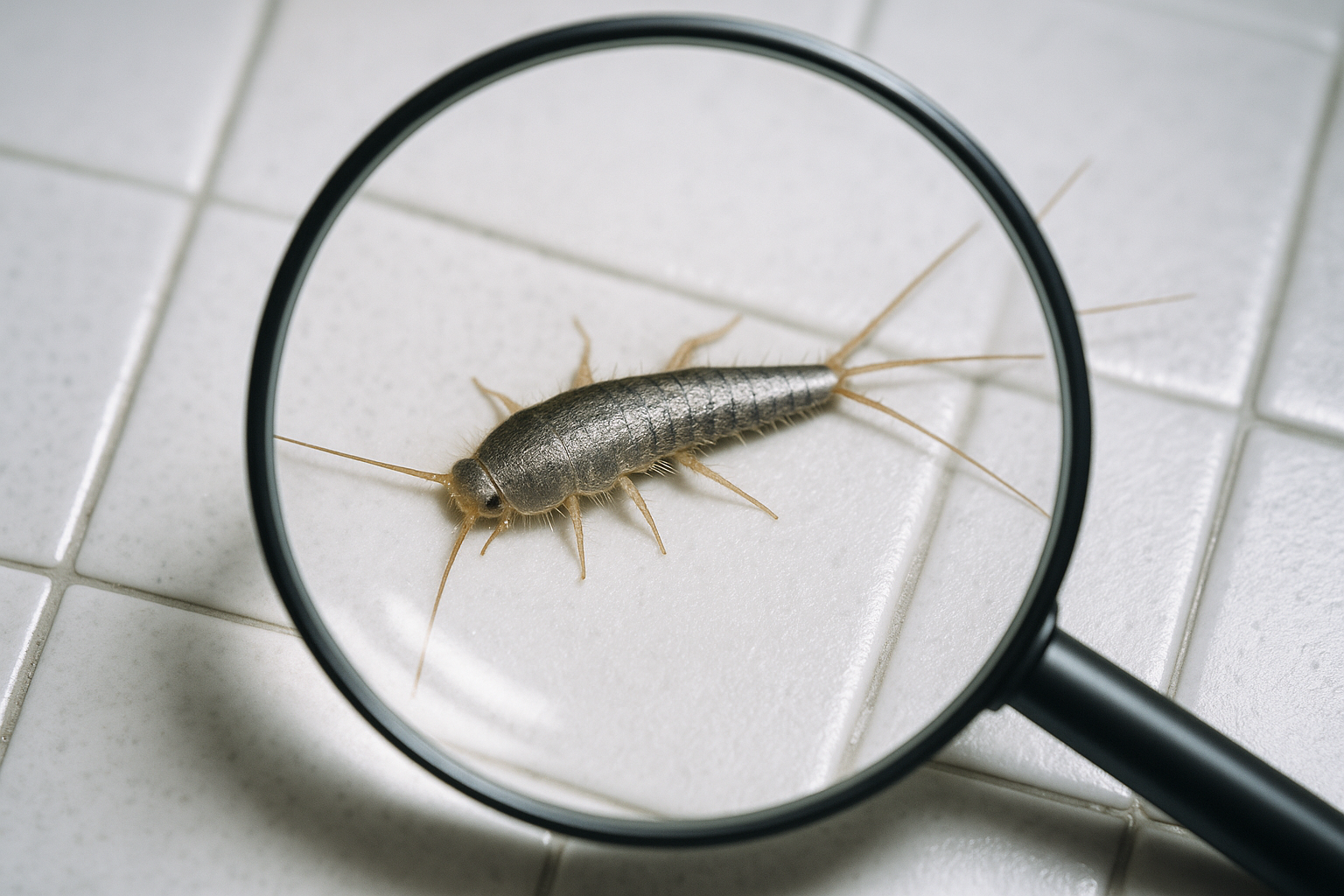
Silverfish are small, wing‑less insects that resemble a tiny fish swimming across a floor. Their silvery, scaled bodies and quick, wriggling movements give them that fish‑like appearance. They thrive in dark, humid places—think bathroom corners, kitchen cabinets, basements, and the spaces behind wall panels where moisture lingers.
Their life cycle is straightforward yet resilient. A female lays dozens of tiny, oval eggs in cracks or crevices. These hatch into nymphs that look like miniature adults and molt several times before reaching maturity. An adult silverfish can live anywhere from two to eight years, depending on the environment, and may produce several generations throughout its lifespan.
When it comes to food, silverfish are opportunistic eaters. They are attracted to:
- Starches found in flour, cereals, and grains
- Paper products, cardboard, and book bindings
- Glue and adhesives used in wallpaper or bookbinding
- Dead skin cells and other organic debris
The National Pest Management Association reports that silverfish rank among the top 5 indoor pests in the U.S., affecting 1‑2 % of households annually. This statistic underscores why even a small infestation can become a noticeable nuisance for homeowners.
Silverfish are notoriously hard to spot. They are nocturnal, emerging after lights go out to forage, and they prefer to hide in wall voids, behind baseboards, or within tight cracks. Their swift, darting movements and preference for concealed habitats mean they often go unnoticed until they leave behind tell‑tale damage to paper, fabrics, or pantry items.
Why Brookhaven Needs Special Attention
Brookhaven’s charm comes from its historic districts, especially Brookhaven Village, North Brookhaven, and Peachtree Park. Many homes in these areas were built in the 1930s‑1960s, featuring original woodwork, plaster walls, and solid‑masonry foundations that have stood the test of time.
- Brookhaven Village
- North Brookhaven
- Peachtree Park
Those older construction materials—brick exteriors, plaster interiors, and hardwood floors—tend to hold moisture longer than modern drywall or engineered flooring. When water seeps into cracks or sits beneath a floorboard, it creates a damp micro‑environment that silverfish love.
UGA Extension’s climate data shows Brookhaven’s average indoor humidity climbs to about 55 % during the summer months — a level that easily exceeds the 45‑50 % threshold where silverfish thrive. You can review the full report here.
When humidity stays high, moisture infiltrates the porous brick and plaster, softening the material and providing a steady food source of starches, dead skin, and mold spores. Silverfish are nocturnal scavengers; they slip into cracks, crawl under baseboards, and multiply unseen until an infestation becomes obvious.
The risk peaks in late spring through early summer, when outdoor rain and higher temperatures push indoor humidity to its maximum. Homeowners in Brookhaven’s older neighborhoods often notice silverfish activity first in closets, bathrooms, and kitchens—rooms where moisture accumulates most quickly.
Many Brookhaven homes sit on crawl‑space foundations or have unfinished basements with exposed concrete walls. These areas often lack proper vapor barriers, allowing ground moisture to rise into living spaces. The resulting dampness under floor joists is a favorite breeding ground for silverfish, especially when ventilation is limited.
Because the combination of historic construction and seasonal humidity is unique to Brookhaven, a proactive inspection can save you from a surprise infestation. Look for tell‑tale signs—tiny fish‑shaped droppings, a faint musty odor, or tiny silvery insects darting near sinks. Catching the problem early lets Anthem Pest apply targeted treatments before the population explodes.
Warning Signs Homeowners Should Spot
Silverfish are stealthy, but they don’t hide every clue. Catching the tell‑tale signs early can save you from costly damage and spare you the panic of a full‑blown infestation. Below are the most common indicators that a silverfish has taken up residence in your Brookhaven home.
- Tiny fish‑like droppings – Look for silvery specks that resemble tiny fish scales. These are usually found along baseboards, behind appliances, and on pantry shelves where the insects forage.
- Yellowish shed skins – As silverfish molt, they leave behind delicate, light‑colored scales. Check light‑colored walls, ceilings, and the tops of cabinets for these faint, flaky remnants.
- Damage to paper products – Small, irregular holes or ragged edges on books, magazines, wallpaper, and even clothing are a classic sign. Silverfish feed on starches and cellulose, so any paper‑based material is fair game.
- Musty, fish‑like odor – In damp areas such as bathrooms, basements, or laundry rooms, a faint, stale scent can indicate a growing silverfish population.
| Symptom | Likely Location |
|---|---|
| Droppings (silvery specks) | Kitchen cabinets, pantry shelves, baseboards |
| Yellowish shed skins | Light‑colored walls, ceiling corners, behind furniture |
| Paper damage (holes, ragged edges) | Bookshelves, closets, home office drawers |
| Musty, fish‑like odor | Bathrooms, basements, laundry rooms |
Collecting evidence safely helps our inspectors confirm the problem quickly. Wear disposable gloves, use a clean piece of white paper or a clear plastic bag to scoop up droppings or shed skins, and seal the sample in a zip‑top bag. For paper damage, take a close‑up photo with good lighting—no need to move the items. Store all samples in a cool, dry place until the technician arrives. This simple preparation speeds up diagnosis and ensures you get the most effective treatment plan from Anthem Pest Control.
When to Call a Professional
When you start seeing silverfish more than a handful of times, it’s a sign that the problem is beyond casual control. If you log five or more sightings in a single week, the insects have likely established a breeding hub somewhere in your home. At that point, DIY sprays and sticky traps become band‑aid solutions that won’t eradicate the colony.
Look for physical evidence that the pests are doing damage. Chewed book bindings, yellowed paper, or tiny holes in drywall are red flags. Silverfish feed on starchy materials, and repeated nibbling can ruin cherished heirlooms or weaken wall surfaces. When you notice such structural wear, a professional inspection is essential to stop further loss.
Moisture is the silverfish’s favorite habitat. If you’ve tried dehumidifiers, vent fans, or fixing leaks but the damp spots keep returning, the underlying issue is likely hidden—perhaps within wall voids or under flooring. Over‑the‑counter products cannot penetrate these concealed spaces, so the insects keep thriving despite your best efforts.
Another tell‑tale sign is the spread of activity. If silverfish appear in multiple rooms, on different floors, or even in the attic, the infestation has moved beyond a single entry point. DIY methods treat only the surface, leaving the core colony untouched and allowing the problem to bounce back.
Licensed technicians bring three critical advantages. First, they can correctly identify the species and locate hidden nests using specialized tools. Second, they apply low‑toxicity, EPA‑approved treatments that are safe for families and pets while reaching wall voids, cracks, and crawl spaces. Finally, most professional plans include a warranty, giving you peace of mind that any resurgence will be handled at no extra cost.
Treatment Options & Pricing
Chemical Treatments
Our technicians apply a silicone‑based residual spray directly into cracks, crevices, and voids where silverfish hide and travel. The silicone carrier adheres to surfaces, creating a long‑lasting barrier that kills insects on contact and prevents new ones from crossing treated zones. A typical visit costs between $120 and $180, depending on square footage and the number of entry points addressed.
Integrated Pest Management (IPM)
IPM blends moisture control, structural sealing, and targeted bait stations into a single, comprehensive plan. By lowering humidity, sealing gaps, and placing bait where silverfish forage, the approach attacks both the cause and the pest itself. For a full‑home package, expect to pay $150–$250, which includes the initial treatment, sealing work, and bait placement.
Follow‑up Monitoring
Silverfish can rebound if conditions improve, so we recommend monthly trap checks and, if necessary, a light re‑application of spray or bait. Ongoing monitoring helps catch a resurgence before it spreads. The service is billed at $50 per month, covering trap inspection, data logging, and any supplemental treatment required.
EPA‑Approved Low‑Toxicity Products
All of the chemicals we use are listed on the EPA’s silverfish product page. These products meet strict safety standards for indoor use, ensuring minimal risk to children, pets, and the environment while still delivering effective control.
How Treatments Match Infestation Stages
- Early detection: Moisture control and sealing (IPM) remove the conditions that attract silverfish, preventing a small population from establishing.
- Active infestation: Silicone‑based residual sprays target adult insects and nymphs hiding in wall voids, delivering rapid knock‑down.
- Post‑treatment vigilance: Monthly monitoring catches any survivors or new arrivals, allowing timely re‑application before the problem escalates.
Warranty and Guarantee from Anthem Pest
Anthem Pest stands behind its work with a 30‑day satisfaction guarantee. If silverfish activity persists after the initial treatment and follow‑up monitoring, we’ll re‑treat the affected areas at no additional charge. The guarantee also covers any structural repairs needed to seal cracks identified during the service.
| Option | Mechanism | Typical Cost |
|---|---|---|
| Chemical Treatment | Silicone‑based residual spray applied to cracks and voids | $120 – $180 per visit |
| Integrated Pest Management (IPM) | Moisture control, sealing, and targeted bait stations | $150 – $250 for full‑home package |
| Follow‑up Monitoring | Monthly trap checks and optional re‑application | $50 per month |
Prevention Tips Tailored to Brookhaven Homeowners
Silverfish thrive in the humid, historic homes that dot Brookhaven, especially where moisture lingers in basements or old brickwork. Luckily, a few targeted habits can keep these nocturnal insects at bay all year long.
- Keep indoor humidity below 45 %. Run a dehumidifier in basements, crawl spaces, and any room that feels damp. During showers or laundry cycles, open a window or run the exhaust fan to pull moisture outside.
- Seal cracks and gaps. Inspect window frames, baseboards, and especially the historic brickwork in Brookhaven Village. A bead of silicone caulk over every visible crack eliminates the tiny passages silverfish use to slip indoors.
- Store vulnerable items airtight. Books, magazines, clothing, and paper documents should live in plastic containers with snap‑tight lids. This removes the starch‑rich food source that attracts silverfish.
- Maintain a clean pantry. Wipe down shelves weekly, vacuum along floor edges, and promptly discard any food that is past its date. Even a crumb of cereal can become a silverfish banquet.
- Follow a seasonal prevention calendar.
- Spring–summer: Focus on humidity control. Run dehumidifiers, check for leaks after heavy rain, and keep bathroom fans on.
- Fall–winter: Shift attention to sealing entry points. Cold weather can shrink wood, opening new gaps; reseal any you find before the first freeze.
- Schedule an annual professional inspection. A certified Anthem Pest technician knows the local building styles and can spot hidden infestations before they become visible during a silverfish inspection Brookhaven homeowners rely on. One visit each year gives you peace of mind and a written report with any recommended treatments.
Brookhaven’s humid summers and occasional rainstorms create the perfect backdrop for silverfish. By staying ahead of moisture and sealing the home, you protect not only your books but also your clothing, pantry, and even the structural wood.
Remember, silverfish are nocturnal and rarely cause structural damage, but a growing population signals a moisture problem that could invite mold or other pests. Implementing the checklist above turns your home into an environment where silverfish simply cannot survive.
When you need a second set of eyes, our Brookhaven team is ready to perform a thorough inspection and tailor a treatment plan that fits your budget.
Frequently Asked Questions
Below are the most common questions we hear from Brookhaven homeowners and our quick, expert answers.
Do silverfish carry diseases?
No, silverfish are not known to transmit diseases to humans. Their primary concern is the damage they cause to paper, clothing, and drywall by feeding on starchy materials, which can lead to costly repairs if left unchecked.
How long does treatment take?
A professional silverfish treatment typically wraps up in a single visit, lasting about 30‑45 minutes. After the initial service, we schedule follow‑up monitoring for 1‑2 months to ensure the infestation is fully suppressed and to catch any late‑emerging activity.
Is Anthem Pest licensed in Georgia?
Yes. All Anthem Pest technicians operating in Georgia are state‑licensed and EPA‑certified. This means we adhere to strict safety and efficacy standards, giving you confidence that every application meets state regulations and industry best practices.
Additional Quick Q&A
- Are silverfish baits effective? Baits can reduce populations, but they work best when combined with targeted chemical treatments and moisture control to eliminate the conditions silverfish love.
- Is treatment safe for pets? Our products are selected for low toxicity to mammals. We follow EPA guidelines and advise keeping pets away from treated areas for the short drying period recommended after each visit.
- What warranty does Anthem Pest offer? We provide a 90‑day warranty on silverfish treatments. If the pests return within that window, we’ll re‑treat the property at no additional charge.
Conclusion and Call to Action
Recognizing the subtle signs of a silverfish infestation—and acting quickly—can save Brookhaven homeowners from costly damage and ongoing discomfort. Early detection lets you partner with local experts who understand the historic homes and unique moisture patterns of the area.
Professional inspections go beyond a quick glance; our technicians deliver a detailed report, pinpoint targeted treatments, and design a long‑term prevention plan tailored to your property.
That’s why we invite you to schedule a free, no‑obligation silverfish inspection today.
Call 877‑371‑8196 for a complimentary quote and let our team evaluate your home inside and out.
Our Brookhaven‑trained technicians understand the unique challenges of historic homes and will work with you to protect your property without compromising comfort.
With transparent pricing and safe, effective solutions, you’ll know exactly what’s happening and how we’ll keep silverfish at bay.