Stink Bug Season Hits Chamblee Homeowners

Imagine coming home on a crisp September evening, the leaves outside turning gold, and opening your kitchen to find a handful of brown‑ish bugs scurrying across the countertop. That’s exactly what Sarah, a longtime Chamblee resident, experienced last week. She was preparing dinner when a sudden rustle revealed a tiny invasion—stink bugs had slipped in with the autumn breeze, leaving a faint, unpleasant odor and a growing sense of irritation.
In Georgia, stink bugs aren’t a year‑round nuisance; they become a major headache from September through November. According to USDA and Georgia Extension data, adult brown‑marmorated stink bugs reach peak activity during this window, attracted to the warm interior of homes as outdoor temperatures dip. The insects use sunlight‑heated walls and open windows as highways, and once inside, they hide in cracks, wall voids, and even kitchen cabinets, seeking shelter for the winter months.
This guide’s purpose is straightforward: to give Chamblee homeowners transparent pricing, outline the most effective treatment options, and share practical prevention tips that keep stink bugs out before they set up camp. We’ll break down the cost of a one‑time treatment, the value of ongoing maintenance plans, and the differences between chemical sprays, heat treatments, and exclusion services—all presented in clear, upfront numbers.
While the information is rooted in hard data—from local extension reports to real‑world service logs—we’ve stripped away the jargon. You’ll find easy‑to‑read tables, concise explanations, and actionable steps you can implement today. By combining regional expertise with a transparent, homeowner‑first approach, Anthem Pest Control aims to turn a seasonal headache into a manageable, budget‑friendly solution for every Chamblee family.
Know Your Enemy – Stink Bug Identification
Stink bugs are instantly recognizable by their shield‑shaped body that tapers slightly toward the rear. Most individuals display a glossy green or brown hue, though seasonal color shifts can produce a mottled, almost bronze appearance. The most notorious trait is the pair of scent glands located on the underside of the thorax; when threatened, the bug releases a pungent, “rotten‑egg” odor that alerts neighbors and signals a problem.
In Georgia, the species you’ll encounter most often is the Brown Stink Bug (Euschistus servus). This bug measures about ½‑inch long, has a broad, triangular silhouette, and typically sports a brown‑gray coloration with faint white markings along the edges of the wings. Compared with the invasive Brown Marmorated Stink Bug, the native Brown Stink Bug is slightly larger and lacks the distinct striped pattern on its antennae.
- Size: 12‑15 mm long
- Color: Brown‑gray to dark brown, sometimes with a white markings along the edges of the wings
- Shape: Shield‑like, triangular, slightly flattened
- Odor: Strong, musty, released when crushed or disturbed
According to the Georgia Department of Agriculture pest report, the state logs over 2,000 stink‑bug complaints each year between September and November. That surge aligns perfectly with the bugs’ late‑season search for warm overwintering sites inside homes, making the fall months the most critical window for identification and treatment.
The life cycle is straightforward but timed to the local climate. Adults emerge in early spring, mate, and lay clusters of eggs on the undersides of leaves. Nymphs hatch in late spring, progressing through five instar stages by midsummer. By late August, the new generation of adults begins to seek shelter, and from September through early November they infiltrate houses to escape the cooling nights. Recognizing this pattern helps homeowners know when to call a professional before the bugs become entrenched.
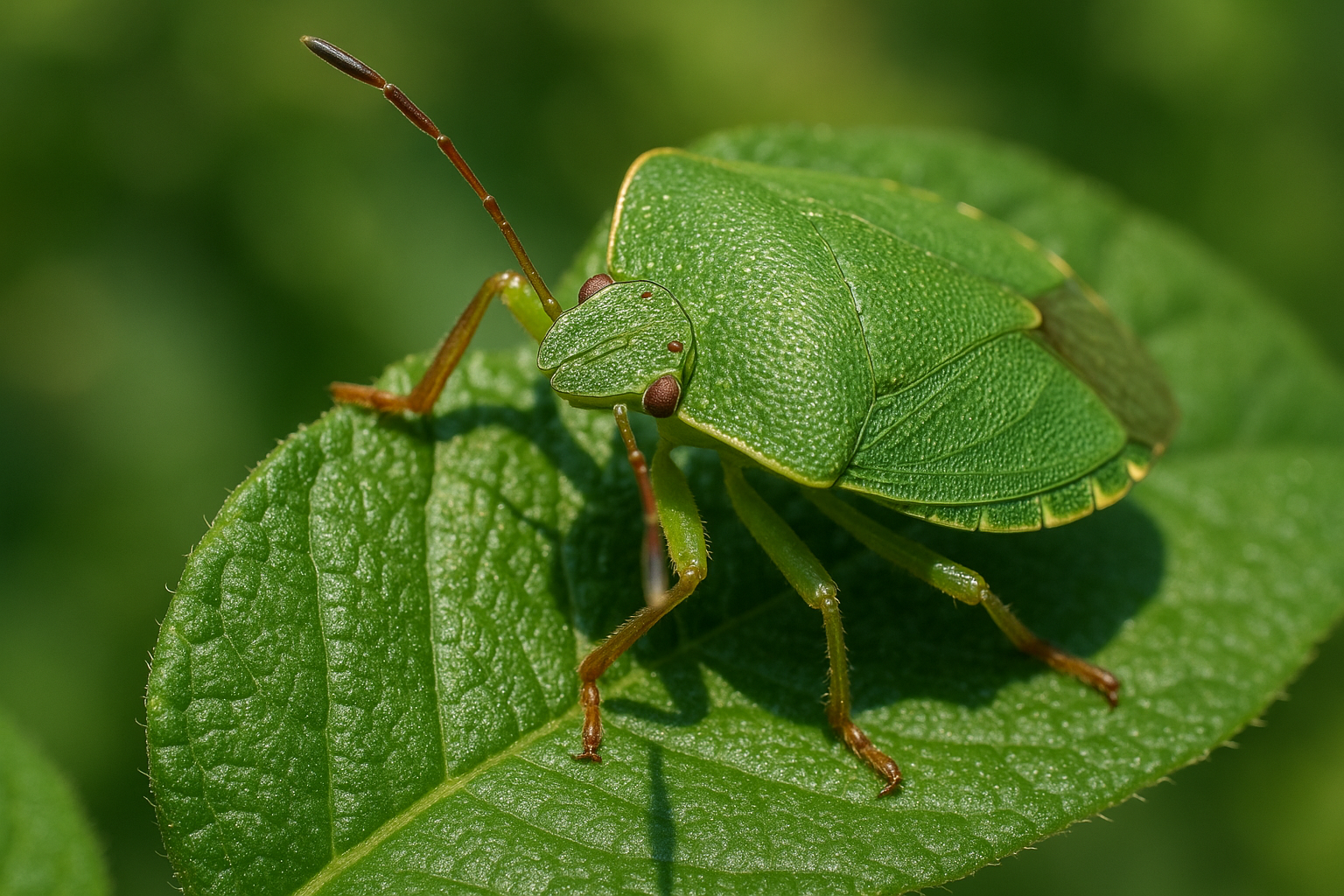
Spotting the shield shape, the brown‑gray coloration, and the tell‑tale odor will give you confidence to differentiate a harmless garden visitor from a homeowner‑invading pest. Once you know what you’re dealing with, you can make an informed decision about treatment timing and protect your Chamblee home before the bugs settle in for the winter.
Why Stink Bugs Invade Chamblee Homes
When the Georgia sun starts to dip below the comfortable 65‑75°F range that Chamblee enjoys in early fall, stink bugs begin their search for a warm refuge. Their bodies lose heat quickly, so the steady temperature inside a home—often 70‑78°F year‑round—acts like a cozy blanket. This thermal lure is the single biggest reason they cross the threshold, especially on chilly evenings when outdoor temps drop below their comfort zone.
Light: The Unintentional Beacon
Stink bugs are phototactic; they move toward bright sources. Interior lighting—especially LED bulbs that emit a steady white glow—mimics the daylight they’re accustomed to outdoors. A kitchen night‑light or a porch light left on after sunset can act as a highway sign, guiding them straight to windows, doors, and any crack they can squeeze through.
Common Entry Points
Even the most well‑maintained house has vulnerabilities. In Chamblee, the typical invasion routes include:
- Damaged or torn window screens that no longer form a tight barrier.
- Foundation cracks created by shifting soil or seasonal moisture changes.
- Gaps around utility lines, such as electrical conduit, plumbing, or cable entries.
- Poorly sealed doors, especially sliding patio doors with worn weatherstripping.
Homeowner Quick‑Check Checklist
Run through this short inspection before the first frost to spot weak spots:
- Inspect all window screens for tears or holes.
- Check the foundation for any visible cracks or gaps.
- Check the perimeter around electrical and plumbing lines for openings.
- Test door sweeps and weatherstripping for wear.
- Turn off unnecessary indoor lights at night and use curtains.
- Seal any discovered gaps with caulk or expandable foam.
- Place sticky traps near suspected entry points to confirm activity.
- Schedule a professional inspection if you notice repeated sightings.
Understanding why stink bugs are drawn to Chamblee homes—heat, light, and easy access—gives you the power to block their path before they become a nuisance. A few simple checks and timely sealing can keep these unwelcome guests out, saving you the cost and hassle of emergency treatments.
Effective Treatment Options for Stink Bugs
Stink bugs can turn a quiet evening into a frantic scramble for fresh air. In Chamblee, Georgia, homeowners typically choose one of three proven strategies: a one‑time interior spray, a perimeter barrier treatment, or a quarterly maintenance program. Understanding the strengths and trade‑offs of each method helps you pick the solution that fits your budget, lifestyle, and safety priorities.
1. One‑Time Interior Spray
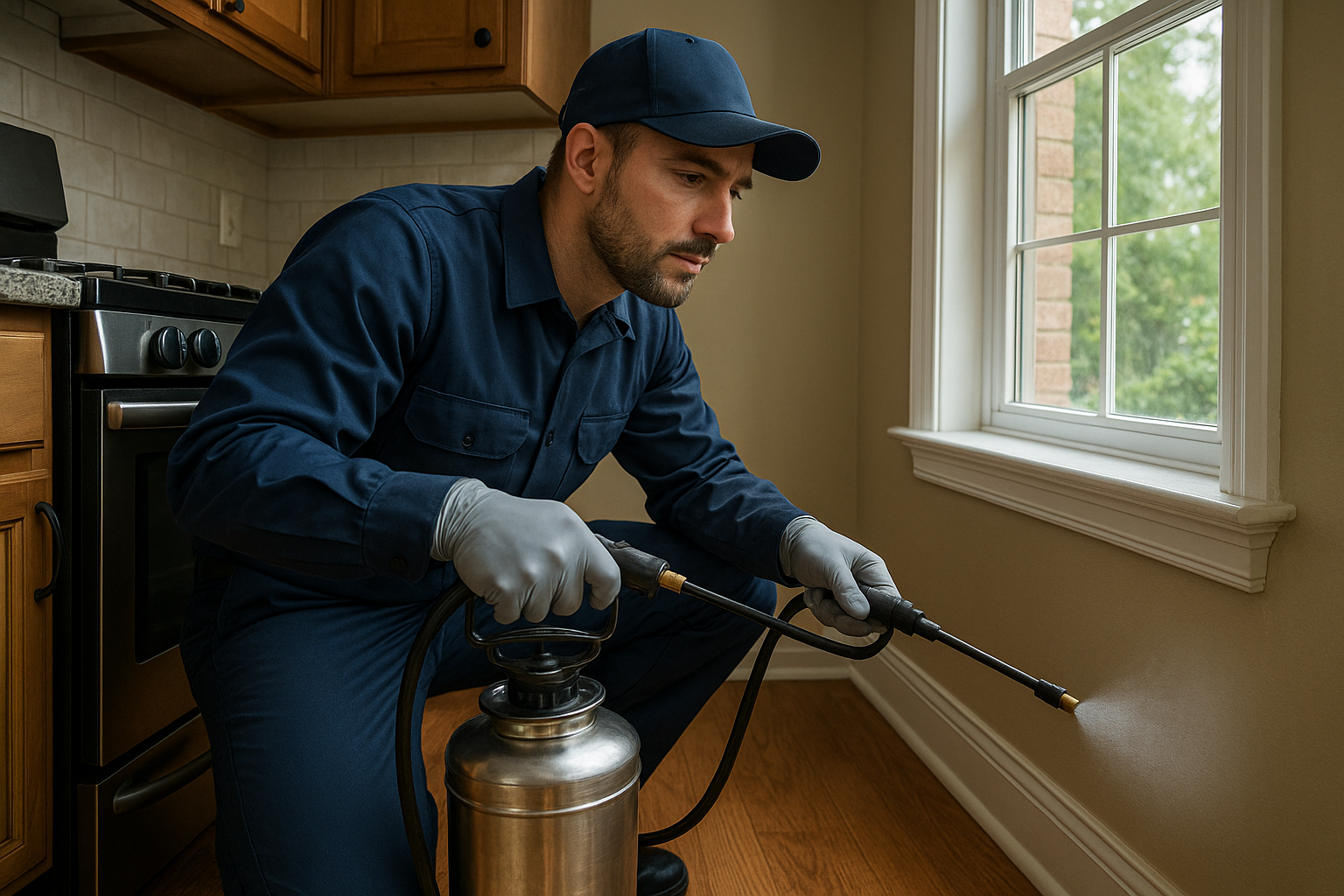
This approach targets the bugs that have already breached your walls, windows, or doorways. A technician applies an EPA‑approved insecticide directly to cracks, baseboards, and other indoor harborage spots.
- Advantages: Immediate knock‑down of active insects; noticeable relief within hours; ideal for isolated infestations.
- Drawbacks: Does not prevent new bugs from entering; may require re‑entry if the infestation resurfaces; cost can add up if repeated.
- Safety considerations: Keep children and pets out of treated areas for at least two hours, and ventilate rooms by opening windows.
2. Perimeter Barrier Treatment
A perimeter barrier creates a protective “moat” around your home’s exterior. Professionals spray a residual insecticide along foundations, siding, and around entry points, forming a long‑lasting shield.
- Advantages: Provides long‑term protection (typically 4–6 weeks); reduces the likelihood of indoor invasions; covers the entire property in one application.
- Drawbacks: Higher upfront cost than a single interior spray; effectiveness can diminish after heavy rain; requires professional equipment for even coverage.
- Safety considerations: Ensure the spray does not contact pet bedding or food dishes; wait for the product to dry before allowing foot traffic.
3. Quarterly Maintenance Program
This is a proactive, subscription‑style plan that combines interior and exterior treatments every three months. It aligns with stink bug life cycles, offering seasonal coverage when populations peak.
- Advantages: Consistent, year‑round defense; spreads cost over four visits; often includes complimentary inspections and follow‑up.
- Drawbacks: Commitment to regular appointments; may feel unnecessary for homes with very low activity; higher total expense if you cancel early.
- Safety considerations: Technicians use low‑toxicity, EPA‑registered formulas; each visit includes a brief safety briefing for residents and pets.
All three options rely on EPA‑approved products that meet strict safety standards. For a deeper dive into the registration process, visit the EPA pesticide registration guide.
“We start with a thorough inspection, then tailor the spray mix to the home’s size and infestation level.” – Anthem Pest technician
Regardless of the method you select, the following safety steps protect your family and four‑legged companions:
- Remove food, dishes, and pet bowls from treatment zones.
- Cover or store aquariums and terrariums during application.
- Allow the recommended dwell time before re‑entering rooms (usually 2‑4 hours).
- Ventilate treated spaces by opening windows and using fans after the dwell period.
Stink Bug Control Pricing in Chamblee, GA
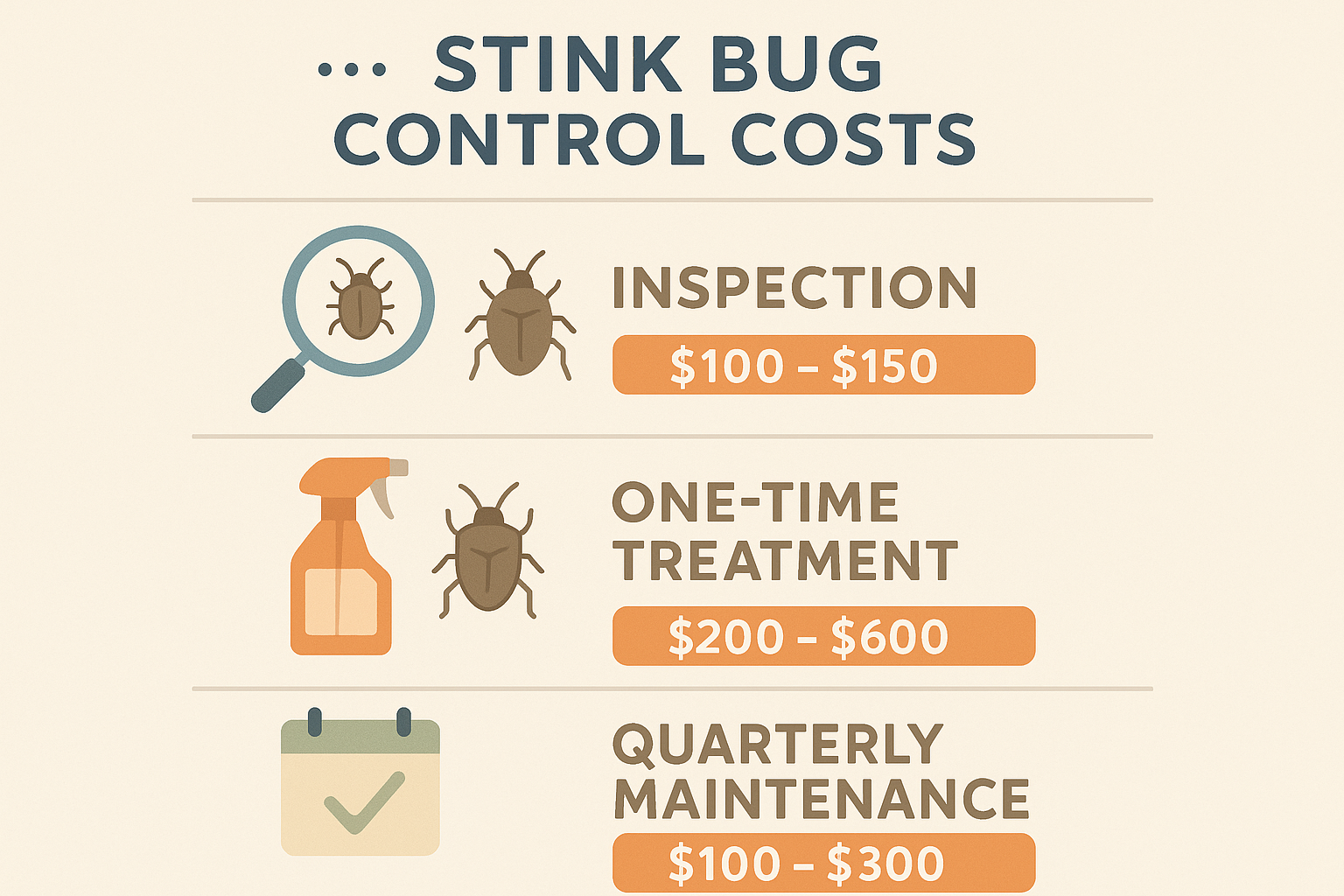
Knowing the exact cost of stink‑bug control lets you budget confidently and compare local providers without hidden surprises. In 2024, most licensed pest‑control companies in Chamblee, including Anthem Pest Control, quote the following price ranges for the most common services:
- Inspection fee: $75 – $100
- One‑time interior spray: $150 – $250
- Perimeter barrier (exterior): $200 – $350
- Quarterly maintenance package (4 visits per year): $500 – $750
These figures reflect the typical labor, materials, and travel expenses that pest‑control firms charge in the metro Atlanta area. Prices can shift slightly based on seasonality, demand, and the specific formulation used, but the ranges above give a reliable baseline for most homeowners.
Cost Drivers
Home square footage. Larger homes require more product and more time to treat, especially when interior spraying covers multiple rooms and closets. A 2,500‑square‑foot house will usually sit at the higher end of each range, while a compact 1,200‑square‑foot residence may fall near the low end.
Infestation severity. A light, early‑season presence often needs only a single interior application, whereas a heavy, multi‑room infestation may demand additional treatments, higher‑grade chemicals, or a supplemental perimeter barrier. Severity directly influences labor hours and product quantities.
Accessibility of treatment zones. Homes with tight crawl spaces, multiple stories, or hard‑to‑reach exterior walls increase the difficulty of applying a thorough barrier. Technicians may need specialized equipment or extra travel time, which adds to the overall cost.
Bundled services. Many companies, Anthem included, offer discounts when you combine stink‑bug work with other pest‑management needs—such as mosquito control, rodent exclusion, or termite monitoring. Bundling can shave 10‑15 % off the total bill and simplifies scheduling.
Service Comparison Table
| Service | Price Range | What’s Included |
|---|---|---|
| Inspection | $75 – $100 | Comprehensive visual assessment, identification of entry points, and a written treatment recommendation. |
| One‑time interior spray | $150 – $250 | Application of EPA‑approved insecticide to cracks, voids, and common hiding spots inside the home. |
| Perimeter barrier (exterior) | $200 – $350 | Exterior treatment of foundation, siding, and landscaping edges to create a protective shield. |
| Quarterly maintenance package | $500 – $750 | Four seasonal visits, interior + exterior applications, follow‑up inspections, and priority scheduling. |
The price ranges above are corroborated by the NPMA pricing guide, which aggregates data from hundreds of pest‑control operators nationwide. While the guide offers a solid industry benchmark, local market conditions can cause modest variations.
For the most accurate estimate, we recommend obtaining at least two quotes from Chamblee‑based providers. Compare the listed services, ask about any additional fees (such as travel surcharges or after‑hour appointments), and verify whether bundled discounts apply. By doing a side‑by‑side comparison, you’ll ensure you receive the best value while protecting your home from the summer surge of stink bugs.
Preventive Measures to Lower Future Costs
Stink bugs love the warm, sheltered spots that most homes unintentionally provide. The good news is that a handful of inexpensive, DIY steps can dramatically cut the chance they’ll return, which means fewer repeat treatments and a lighter bill at the end of the season.
Key actions that make a difference
Think of your home as a fortress. Every crack, gap, or open entry point is a potential breach. By tightening those weak spots, you deny stink bugs the easy access they crave.
- Seal cracks and gaps around foundations, utility penetrations, and exterior walls with caulk or expanding foam.
- Install door sweeps on all exterior doors to block the tiny spaces under the threshold.
- Maintain trimmed landscaping so branches and vines don’t touch the roof or siding, eliminating “bridge” routes.
- Use tight‑fitting window screens and repair any tears or loose mesh promptly.
- Reduce outdoor lighting during fall evenings; bright lights attract insects that stink bugs follow into the house.
A 2022 EPA Home Pest Prevention study found that homeowners who consistently applied these measures saw up to a 30 % reduction in repeat stink‑bug treatments. That translates directly into lower service costs and fewer chemical applications inside your living space.
DIY Checklist – Quick Wins for Every Homeowner
- Inspect the foundation for gaps larger than a quarter‑inch and seal them.
- Attach door sweeps to all exterior doors; test by sliding a piece of paper under the sweep.
- Trim tree branches and shrubs at least six inches from the house.
- Check every window screen for holes; patch with screen repair kit or replace as needed.
- Turn off porch and yard lights after dark in September and October; use motion‑sensor bulbs if illumination is necessary.
Beyond the obvious financial savings, these preventive steps also keep indoor odor problems at bay. Stink bugs release a pungent scent when crushed, and the fewer that get inside, the less you’ll have to worry about that unmistakable “stinky” surprise.
By treating your home like a well‑maintained barrier, you not only protect your wallet but also enjoy a more comfortable, bug‑free environment throughout the year.
Choosing the Right Provider in Chamblee
When you’re hunting for a pest‑control partner in Chamblee, the details matter more than a catchy slogan. A trustworthy company should back every promise with solid credentials, proven products, and a price structure you can see before the first spray. That’s why many local homeowners turn to Anthem Pest, a service that combines national expertise with a neighborhood‑level presence. Because they’re based right here, Anthem’s crews understand the micro‑climate of Chamblee’s tree‑lined streets and can target entry points before the bugs even think about crossing your threshold.
Anthem Pest’s Chamblee team is staffed by fully licensed technicians who complete state‑required training every year. They only apply EPA‑registered products, which means the chemicals have passed rigorous safety and efficacy tests. The EPA registration also means the formulas are vetted for minimal impact on children, pets, and the surrounding environment, giving you peace of mind during each application. Plus, Anthem offers transparent pricing—no hidden fees, no surprise add‑ons—so you know exactly what you’re paying for before any work begins.
“Anthem’s team was on time, explained every step, and my home stayed bug‑free all winter.” – Sarah L., Chamblee resident
What to Look For in a Provider
| Factor | Why It Matters |
|---|---|
| Licensing | Ensures technicians meet state standards and stay current on best practices. |
| Insurance | Protects you from liability if accidental damage occurs during treatment. |
| Guarantees | Shows confidence in the service; a solid guarantee means re‑treatment at no extra cost if pests return. |
| Customer Reviews | Real‑world feedback reveals reliability, punctuality, and overall satisfaction. |
By checking each of these items, you’ll quickly see why Anthem Pest stands out: all four boxes are ticked, and the company’s local reputation is reinforced by dozens of five‑star reviews from Chamblee homeowners.
Ready to protect your home from stink bugs and other invaders? Call us today at 877‑371‑8196 or visit anthempest.com to schedule a free inspection.
Sources & References
All data and cost estimates presented in this article are drawn from reputable industry sources to ensure accuracy for Chamblee homeowners.
- EPA pesticide registration information – https://www.epa.gov/pesticides/pesticide-registration
- National Pest Management Association (NPMA) pricing guide – https://www.npma.org/industry-resources/pricing/
- Anthem Pest official website – https://anthempest.com/
The EPA’s pesticide registration database confirms which chemicals are approved for indoor and outdoor use, their safety classifications, and any state‑specific restrictions.
The NPMA pricing guide aggregates average service fees from licensed operators nationwide, offering a benchmark for typical stink‑bug treatment costs.
Anthem Pest’s website outlines its service packages, guarantees, and contact information, serving as the primary reference for local pricing and availability.
While these sources provide a solid foundation, additional verification is still required for specific price statistics, recent consumer complaint numbers, and localized climate data that can affect stink‑bug activity in Chamblee, GA. Future updates will incorporate the latest municipal reports and peer‑reviewed studies to keep the information current.
Final Takeaways and How to Get Started
When it comes to stink‑bug control in Chamblee, homeowners can expect an initial treatment to run between $150 and $300, with follow‑up visits typically costing $80‑$120. The most effective approach combines a thorough indoor inspection, targeted chemical applications, and exterior barrier sprays that keep bugs from re‑entering. Adding simple preventive habits can shave future expenses dramatically.
Quick wins you can start right away:
- Seal cracks around windows, doors, and foundations.
- Trim vegetation and remove debris that shelter bugs.
- Reduce outdoor lighting or switch to yellow‑tone bulbs.
Anthem Pest Control stands behind those numbers with a promise of affordable, EPA‑approved solutions that are safe for families and pets. Our technicians know the Chamblee climate, so we tailor each plan to the specific infestation level and your budget, ensuring you never pay for unnecessary treatments.
Ready to see exactly what your home needs? Schedule a free, no‑obligation inspection today. We’ll walk you through a transparent quote and outline a step‑by‑step action plan before any work begins. Call us at 877‑371‑8196 or visit our website for easy online booking.
Visit Anthem Pest Control to protect your home from stink bugs and enjoy peace of mind all year long.